
Diving at Sand Key Nourishment Reef, IMR#16 (United States)
Embracing the shallow, vibrant waters of Sand Key Nourishment Reef, divers find an accessible yet rewarding underwater world. This site, identified as IMR#16, challenges new divers to refine buoyancy and observation skills within its protected marine sanctuary. It offers a prime opportunity to connect with a thriving ecosystem without venturing into extreme depths. Prepared divers will appreciate the abundant marine life and varied reef topography awaiting exploration.
Tonight's objective overview for Sand Key Nourishment Reef, IMR#16 shows an air temperature of 26.5°C. The measured surface conditions include wave heights around 0.4 m. This environmental data is logged for the close of the day.
Dive Site Location & Key Facts
Dive Site Overview
Stepping into the clear waters near Sand Key feels like entering a living postcard, marked by a historic deactivated lighthouse six nautical miles southwest of Key West, Florida. This shallow spur-and-groove reef, nestled within the Florida Keys Marine Sanctuary, provides an inviting environment for discovery.
Ridges of coral, known as spurs, rise from a sandy bottom, forming intricate habitats that define the reef's structure. As a Sanctuary Preservation Area, it benefits from strict regulations that bolster the abundance and diversity of its fish population. Maximum depths typically reach around 8 meters (27 ft) in the main recreational areas, though sections on the south side slope to approximately 27 meters (90 ft).
This makes it an ideal location for divers seeking a relaxed experience in a biologically rich setting.
Conditions are Good
Optimal conditions expected
Current conditions near Sand Key Nourishment Reef, IMR#16 show 27° air, 31° sea temperature, 0.3 m waves, and 29 km/h wind. Forecast data is refreshed regularly to ensure accuracy.
Best Time to Dive
Optimizing a dive trip to Sand Key often involves considering seasonal variations in weather and water conditions. During the summer months, particularly July, the site generally receives an 'Excellent' dive score, marked by minimal wave heights averaging 0.4 meters and lighter winds around 15.58 km/h (9.7 mph). Air temperatures during this period average 28.5°C (83°F), creating comfortable surface conditions, although July also records the highest average rainfall at 5.16 mm. Conversely, winter months, such as January, see cooler average air temperatures of 14.5°C (58°F) and higher wave action, averaging 0.9 meters, which can impact visibility. Spring and fall present a balanced window, with good dive scores, moderate rain (1.46-4.29 mm), and air temperatures ranging from 20.5-27°C (69-81°F). Visibility, while often good, can fluctuate significantly from 4.5 to 33.5 meters (15 to 110 ft) depending on wind, wave action, and tidal cycles.
PEAK SEASON SCORE
Scores combine air & water temps, waves, wind & rainfall for overall conditions.
BEST MONTHS TO DIVE
Monthly records compiled from satellite and marine observation nodes over the last 3 years. Data provided by Open-Meteo and MET Norway.
Dive Experience & Conditions
Exploring Sand Key's reefscape, divers are typically greeted by excellent visibility, often upwards of 24 meters (80 ft), though specific conditions vary considerably with wind and tides. Accessing the site requires a boat, leading to a gentle entry into the saltwater environment. The area distinctively features its classic Florida Keys spur-and-groove configuration, where coral ridges and sandy channels create varied underwater terrain. Navigating through shallower sections, typically between 5 to 9 meters (15 to 30 ft), reveals usually mild currents, making it an accessible dive for many skill levels. This forgiving environment allows for extensive bottom time and relaxed exploration of its vibrant shallow ecosystems. Divers can meander through the sand channels, observing smaller marine life, or drift along the coral spurs. Towards the southern expanse of the reef, a gradual slope descends to deeper ledges, offering greater depths and different marine encounters suitable for more experienced divers seeking to extend their bottom time in cooler waters.
Dive Difficulty & Safety Guidelines
Ensuring a safe and respectful dive at Sand Key necessitates adherence to established guidelines, particularly within its Sanctuary Preservation Area status. Special regulations apply here to protect marine species and their habitats, meaning divers must be aware of and respect these conservation efforts. The typically shallow depths and minimal currents make it a forgiving site, often allowing new divers to ascend easily if needed.
Despite the calm conditions, divers should always maintain awareness of their surroundings and monitor their air consumption. It's essential to stay with a dive buddy and ensure proper certification, as operators often require PADI Open Water certification and a recent dive experience. Planning and communication are vital for a smooth and enjoyable experience.
Recommended Equipment
- Dive Computer
This gear list is based on verified equipment signals for Sand Key Nourishment Reef, IMR#16, United States. Always confirm final gear choices with your dive operator, guide, or liveaboard.
Recommended Dive Suit
For divers planning standard recreational dives, dive skin or rash guard is usually a suitable option. A hood or vest is suggested for sensitive divers due to surface winds. Divers vary widely in how quickly they feel cold underwater.
Conditions at Sand Key Nourishment Reef, IMR#16 currently place the water temperature near 31°C (87°F). Surface air temperatures are resting at 27°C (80°F).
The forecast outlook suggests that temperatures will stay close to current levels.
Emergency & Medical Support
Essential information to help you plan your dive trip to Sand Key Nourishment Reef, IMR#16.

Hyperbaric chambers are a critical part of dive safety infrastructure. Availability varies significantly by region, and not all dive areas have immediate access.
Before diving, it's recommended to:
- confirm nearest medical facilities
- check emergency procedures with local dive operators
- ensure dive insurance covers evacuation if required
Divers Alert Network
Diving emergency assistance available through DAN World.
+1-919-684-9111- 24/7 emergency hotline
- Diving medical assistance
- Evacuation coordination
Emergency contacts are provided for reference. Always verify local emergency services before diving.
Marine Life at Sand Key Nourishment Reef, IMR#16
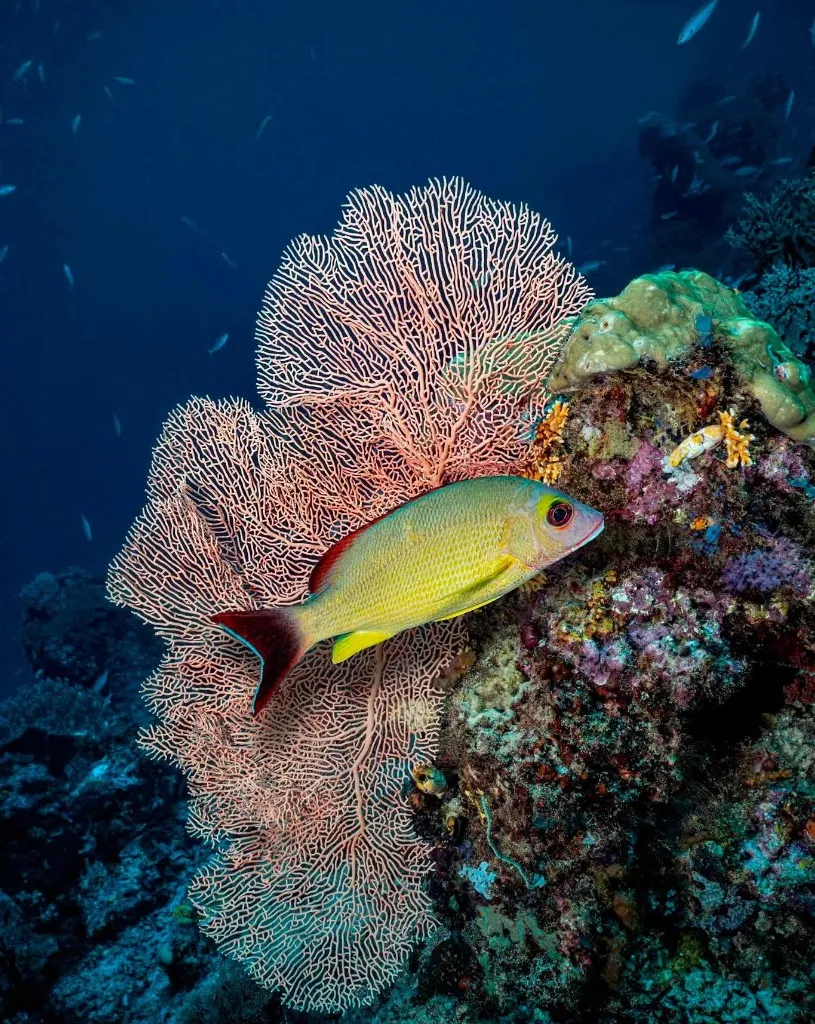
The moment you enter the water at Sand Key, the abundance of marine life becomes immediately apparent. Clouds of yellowtail snapper often school directly under the boat, offering an instant welcome.
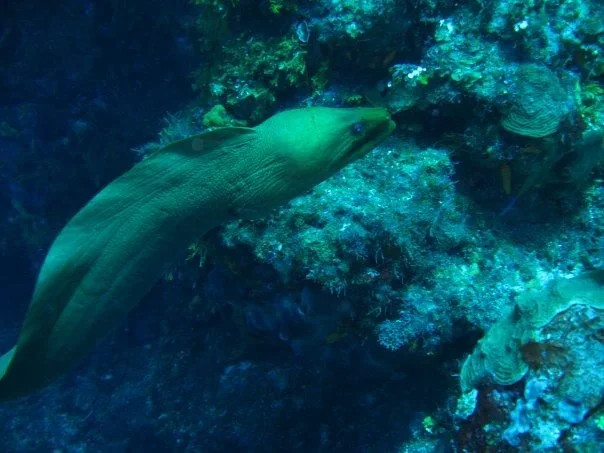
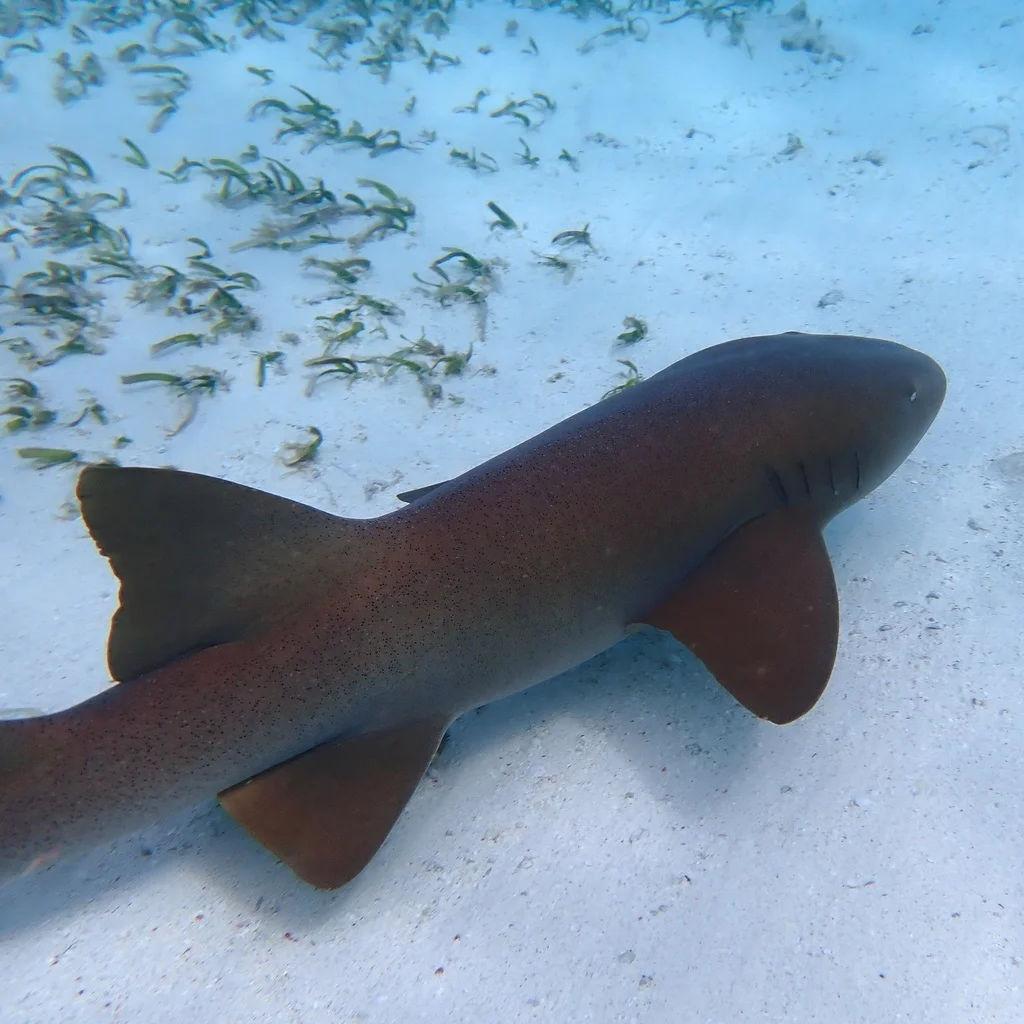
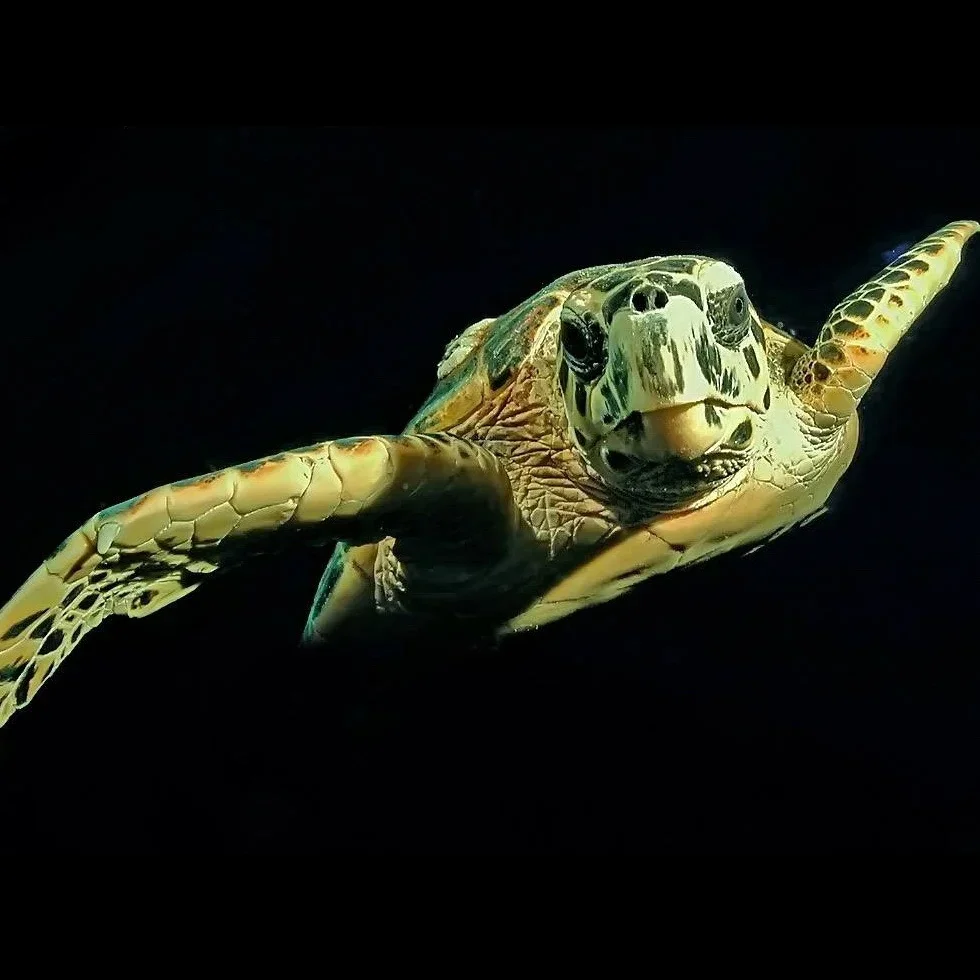
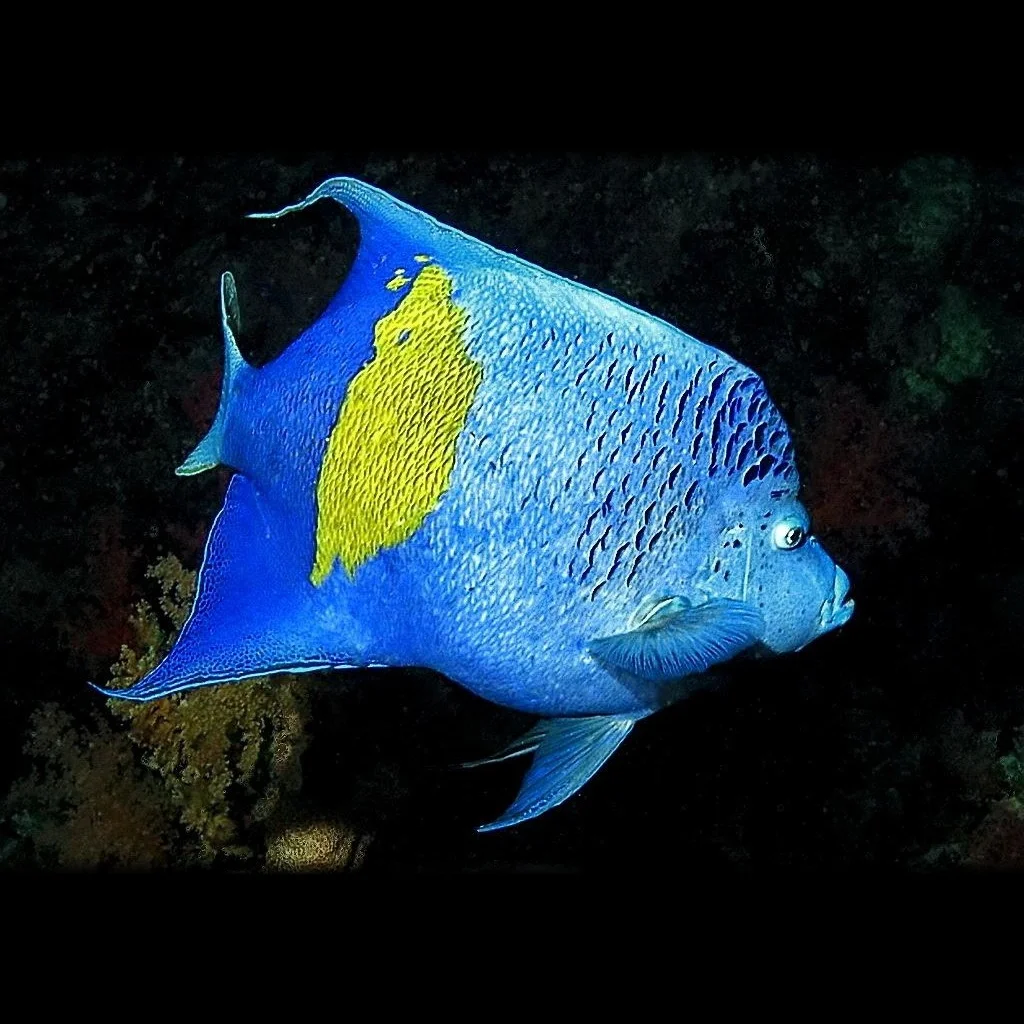
Exploring the coral spurs and sand grooves reveals a rich tapestry of reef fish, including various species of surgeonfish, angelfish, parrotfish, and triggerfish. Keep an eye out for larger inhabitants, such as nurse sharks resting under ledges, hawksbill turtles gracefully gliding by, and moray eels peeking from crevices.
The diverse coral structures, including brain corals and staghorn coral, create a vibrant backdrop for these encounters, all thriving thanks to the site's protected sanctuary status.
Dive Centers Near Sand Key Nourishment Reef, IMR#16
Today: 11:00 - 19:00
Nearest Airports
Nearest airports to help plan travel to this dive area.
Search Flights
Check available flights and routes on Expedia, using the nearby airports listed in this section.
Search Flights on Expedia
Plan Your Stay
Looking for a place to stay for your dive trip? Explore hotels, stays, and vacation rentals for dive groups near Indian Rocks Beach.
Dive Navigator may earn a commission from these links at no extra cost to you.
Frequently Asked Questions
What is the typical maximum depth at Sand Key Nourishment Reef?
The main recreational dive areas are relatively shallow, reaching a maximum depth of approximately 8 meters (27 ft). However, the reef's south side gradually slopes to deeper sections, with some areas dropping to about 27 meters (90 ft).
Is Sand Key suitable for beginner divers?
Yes, it is highly recommended for beginners due to its shallow depths, usually mild currents, and abundant marine life. It's considered an easy, relaxing dive where new divers can comfortably practice skills and enjoy the reef.
What kind of marine life can I expect to see?
Divers frequently encounter schooling yellowtail snapper, a variety of reef fish like angelfish and parrotfish, and larger creatures such as nurse sharks, hawksbill turtles, and moray eels. Various corals, including brain coral and staghorn coral, also form a significant part of the ecosystem.
Are there strong currents at this dive site?
Typically, there isn't much current at Sand Key Nourishment Reef. Its generally calm conditions contribute to its suitability for divers of all experience levels, making navigation relatively straightforward.
What are the entry and exit methods for diving at Sand Key?
All dives at Sand Key Nourishment Reef are conducted via boat entry. Divers typically perform a giant stride or back roll entry from the dive vessel, with exits usually facilitated by a ladder.
What are the special regulations for diving within the Sanctuary Preservation Area?
As a Sanctuary Preservation Area, Sand Key is subject to specific regulations designed to protect its marine environment, primarily prohibiting fishing and harming marine life. Divers should be familiar with and adhere to these rules to preserve the ecosystem.
Planning to dive Sand Key Nourishment Reef, IMR#16?
Send one inquiry and receive offers directly from the best verified local dive operators.
Conditions are Good
Optimal conditions expected
Current conditions near Sand Key Nourishment Reef, IMR#16 show 27° air, 31° sea temperature, 0.3 m waves, and 29 km/h wind. Forecast data is refreshed regularly to ensure accuracy.