
Diving at Sandflea Reef #15 (United States)
The extensive reef structures of Southeast Florida, including Sandflea Reef #15, evolved from ancient geological processes. These linear reefs formed on submerged lithified sand dunes, which were once beach ridge complexes, after the last glacial period. As sea levels rose, coral growth initiated on these older formations, eventually giving rise to the current reef communities visible today. The region hosts one of the longest continuous reef tracts in the western Atlantic, a testament to thousands of years of natural development.
Evening condition tracking at Sandflea Reef #15 features an air temperature of 26°C. We have recorded wave heights measuring 0.7 m during this period. These figures outline the environmental parameters currently present.
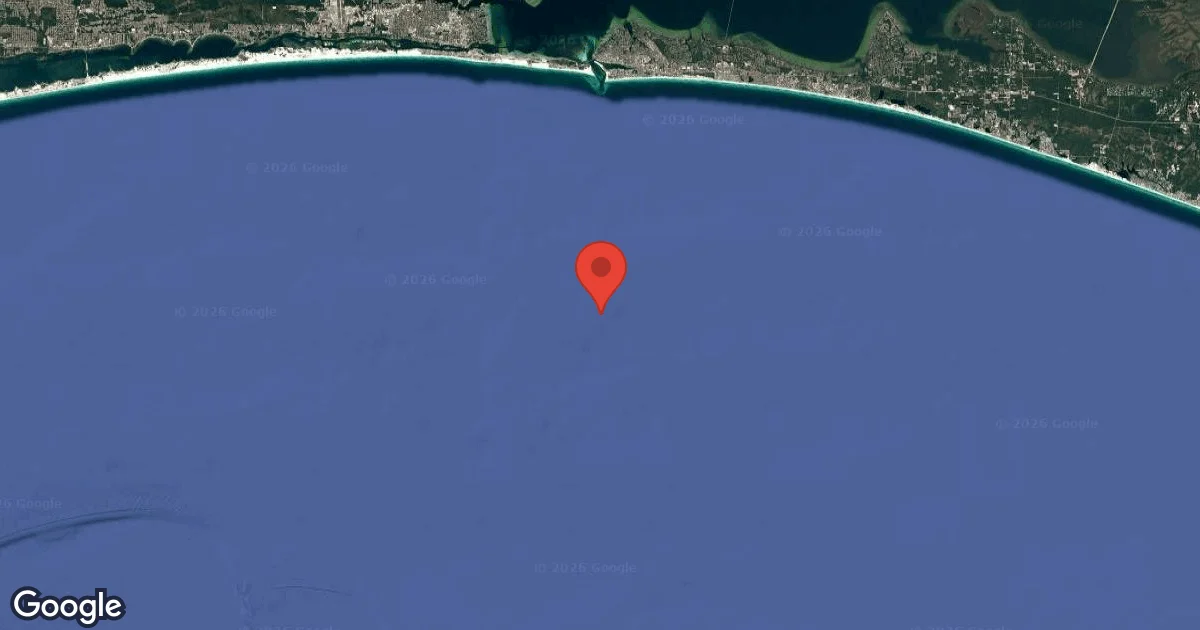
Dive Site Location & Key Facts
Dive Site Overview
Sandflea Reef #15 forms a compelling part of the extensive South East Florida Reef Tract, presenting a diverse underwater topography for exploration. This region is distinctly marked by linear reef formations, which align parallel to the coastline and are anchored on ancient fossil corals and ridge complexes.
Divers traversing the site will often encounter classic spur and groove formations, where robust mounding coral heads rise from the seafloor, transitioning into significant ledges and meandering sand channels. These grooves provide sheltered pathways and foraging grounds. Further offshore, some reef sections exhibit natural collapsed features, which create intricate overhead environments and complex architectural shelters for a variety of marine inhabitants.
These structural nuances offer numerous hiding spots. While precise depths for Sandflea Reef #15 are not consistently reported, the broader reef tract accommodates dives across a significant recreational depth range, from shallower patch reefs to deeper walls that extend beyond 30 m (100 ft).
Navigating these varying depths often reveals different communities, from sunlit shallow areas to the more subdued environment of the deeper sections. The diverse geological makeup ensures an engaging dive through varying underwater landscapes.
Conditions are Good
07:00 - 14:00
Optimal conditions expected
Current conditions near Sandflea Reef #15 show 26° air, 30° sea temperature, 0.4 m waves, and 24 km/h wind. Forecast data is refreshed regularly to ensure accuracy.
Best Time to Dive
Planning a dive at Sandflea Reef #15 should consider the consistent 'Good' dive scores reported year-round, yet specific seasonal nuances can enhance the experience. Optimal visibility often aligns with periods of lower wave action, typically observed during the summer months. From July to August, average wave heights are minimal at around 0.6 m (2.0 ft) with wind speeds near 24-26 km/h (15-16 mph), contributing to clearer conditions. Rainfall is also generally low, ranging from 3.0-4.3 mm (0.12-0.17 inches) during these months. Air temperatures consistently remain warm, averaging from 27-29°C (81-84°F) during peak summer, making for comfortable surface intervals. While specific water temperatures are not consistently reported, the nearby Gulf Stream frequently bathes the reefs in clear, warm water.
PEAK SEASON SCORE
Scores combine air & water temps, waves, wind & rainfall for overall conditions.
BEST MONTHS TO DIVE
Monthly records compiled from satellite and marine observation nodes over the last 3 years. Data provided by Open-Meteo and MET Norway.
Dive Experience & Conditions
Diving at Sandflea Reef #15 often means embracing the prevailing conditions of the South East Florida coast. The Gulf Stream current regularly sweeps through the area, bringing warm water and creating ideal conditions for drift diving, a popular method for exploring extended reef sections. Divers can typically anticipate clear waters, allowing good light penetration to the reef structures. Average wave heights generally stay below 1 meter (3.3 feet), but surface conditions can vary. Given the close proximity of many reefs to shore, boat rides are generally short, making for efficient access to dive sites.
Dive Difficulty & Safety Guidelines
When approaching Sandflea Reef #15, divers should prioritize awareness of local currents, which frequently enable drift diving. Always plan your drift with boat support, ensuring clear communication with your surface team for safe pickups. Due to the area's popularity with recreational boaters and anglers, maintaining a surface marker buoy (SMB) throughout your dive, and especially during ascent, is essential for visibility to surface traffic.
Review your dive plan with your buddy, account for potential current variations, and monitor your bottom time and air consumption carefully, especially when covering longer distances with the current.
Recommended Equipment
- Dive Computer
This gear list is based on verified equipment signals for Sandflea Reef #15, United States. Always confirm final gear choices with your dive operator, guide, or liveaboard.
Recommended Dive Suit
Weather models currently point toward consistent diving conditions over the next several days.
Even in warm destinations, extended dives can gradually draw heat away from the body. Stronger winds may also make surface intervals feel cooler than usual.
Exposure protection such as dive skin or rash guard is commonly used when diving in waters of this temperature. Consider warmer surface protection (like a boat coat) due to brisk winds. The latest environmental readings for Sandflea Reef #15 suggest water temperatures around 30°C (86°F). Surface air temperatures are resting at 26°C (79°F).
Due to technical issues with our weather providers, live updates are temporarily delayed. The data above reflects the conditions at the time of the last successful fetch.
Emergency & Medical Support
Essential information to help you plan your dive trip to Sandflea Reef #15.

Hyperbaric chambers are a critical part of dive safety infrastructure. Availability varies significantly by region, and not all dive areas have immediate access.
Before diving, it's recommended to:
- confirm nearest medical facilities
- check emergency procedures with local dive operators
- ensure dive insurance covers evacuation if required
Divers Alert Network
Diving emergency assistance available through DAN World.
+1-919-684-9111- 24/7 emergency hotline
- Diving medical assistance
- Evacuation coordination
Emergency contacts are provided for reference. Always verify local emergency services before diving.
Marine Life at Sandflea Reef #15
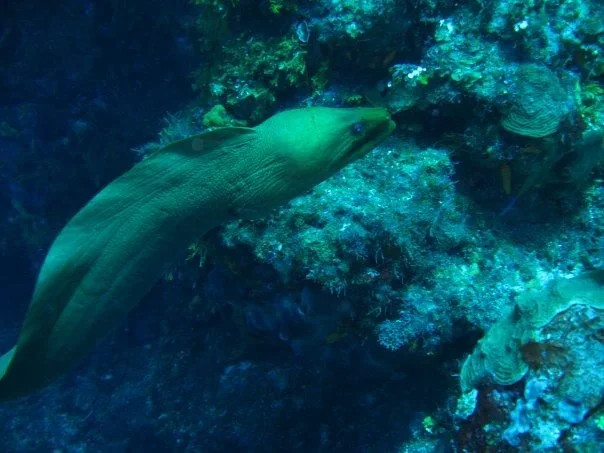
Exploration of Sandflea Reef #15 reveals a vibrant ecosystem where hundreds of fish species thrive. As you navigate the reef's contours, expect to encounter various eel species, including green morays, spotted morays, and goldentail eels, often tucked into nooks and crannies.
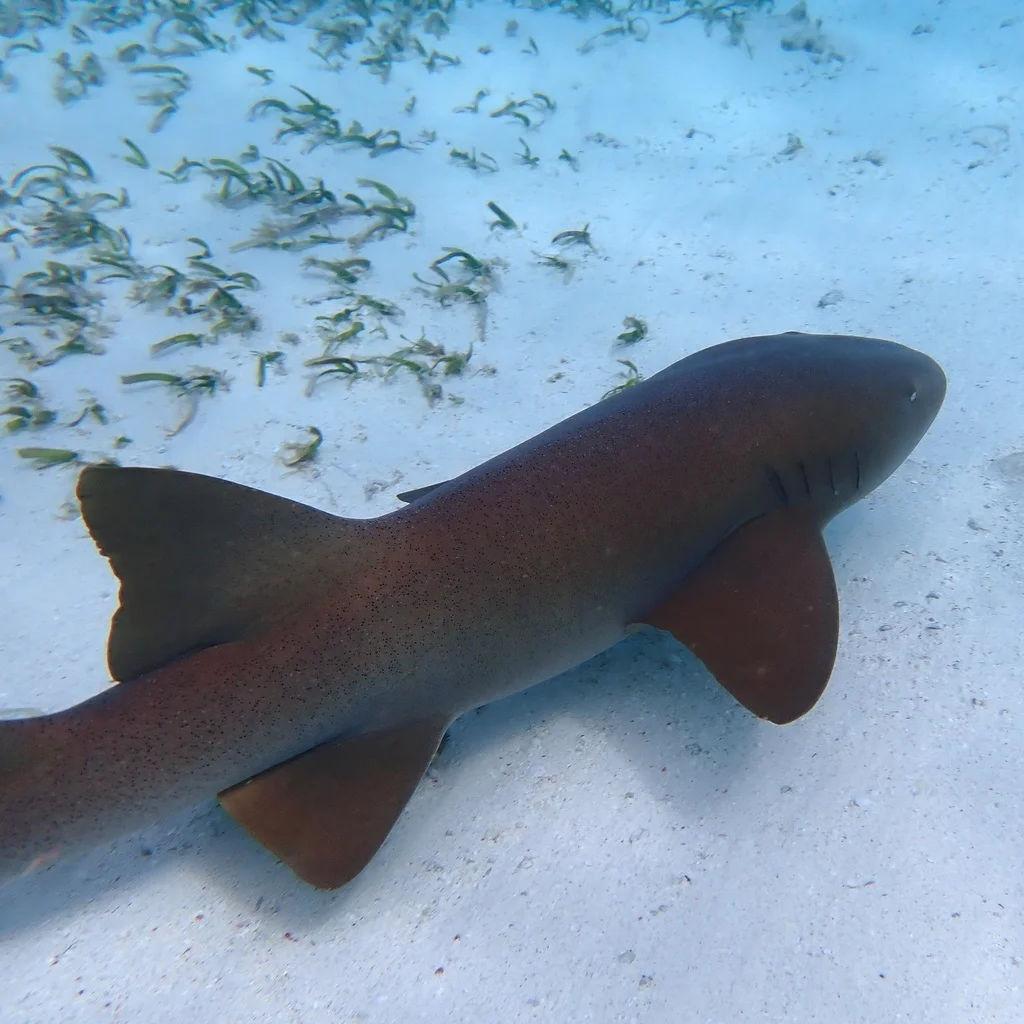
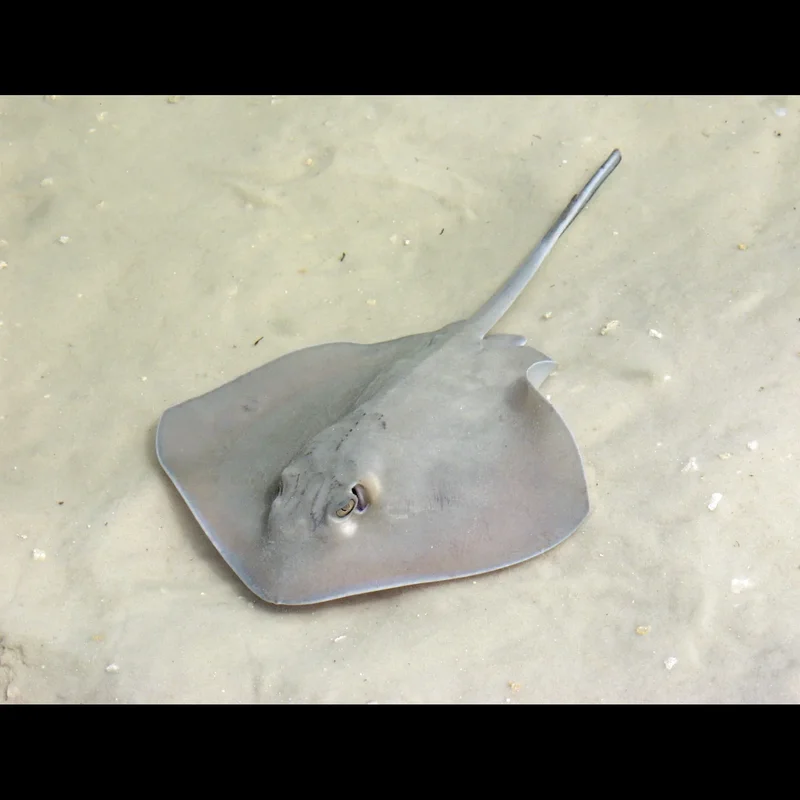
Nurse sharks and stingrays are frequently observed resting on the sandy bottom or beneath ledges. Furthermore, the reef supports populations of large fish, turtles, and colorful gorgonians like sea rods and sea fans, adding texture and movement to the underwater landscape.

Dive Sites Near Sandflea Reef #15
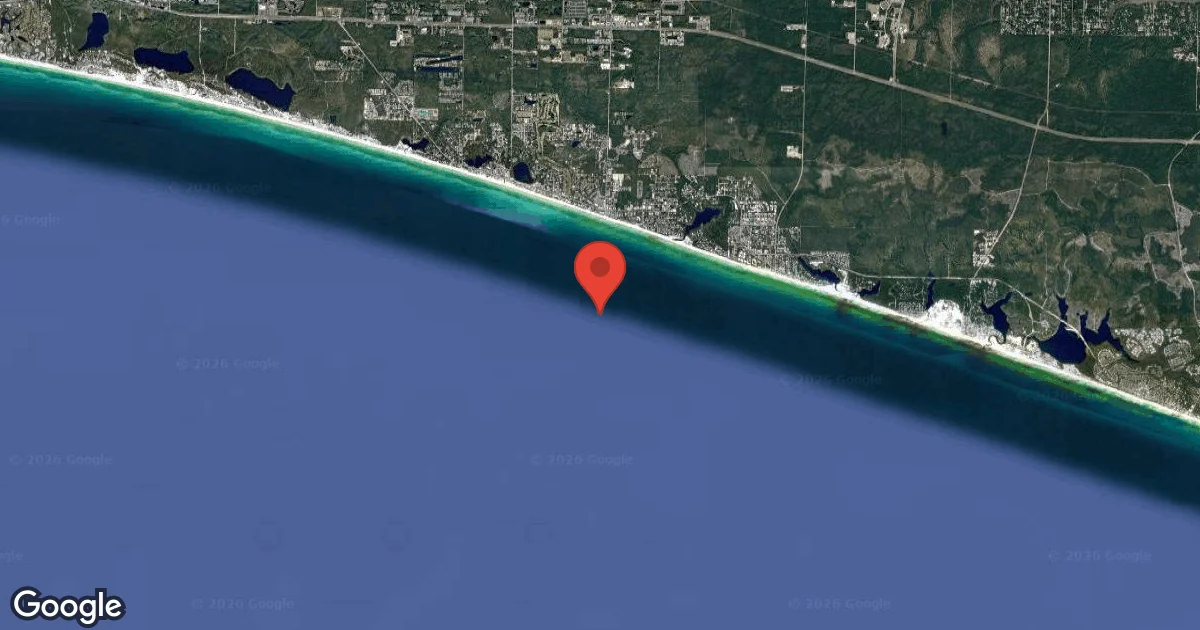
View all dive sites in United StatesDiscover more underwater gems in this area.
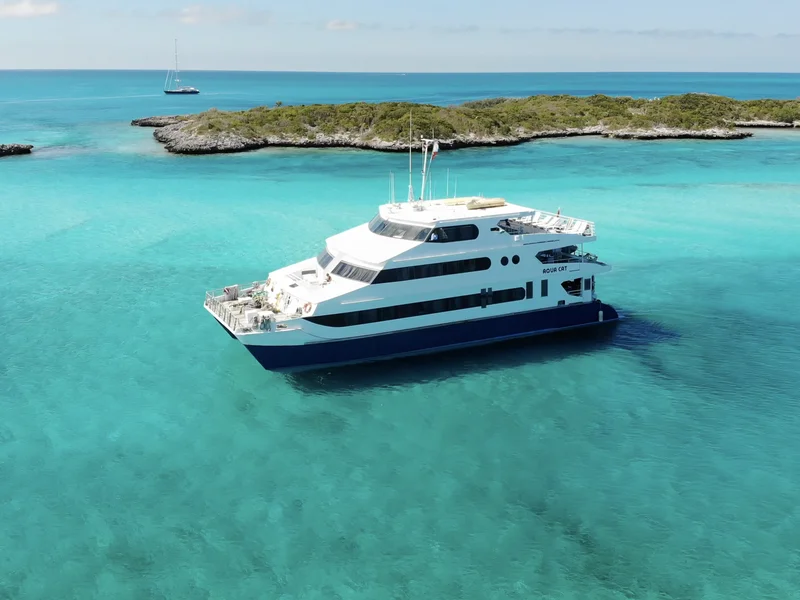
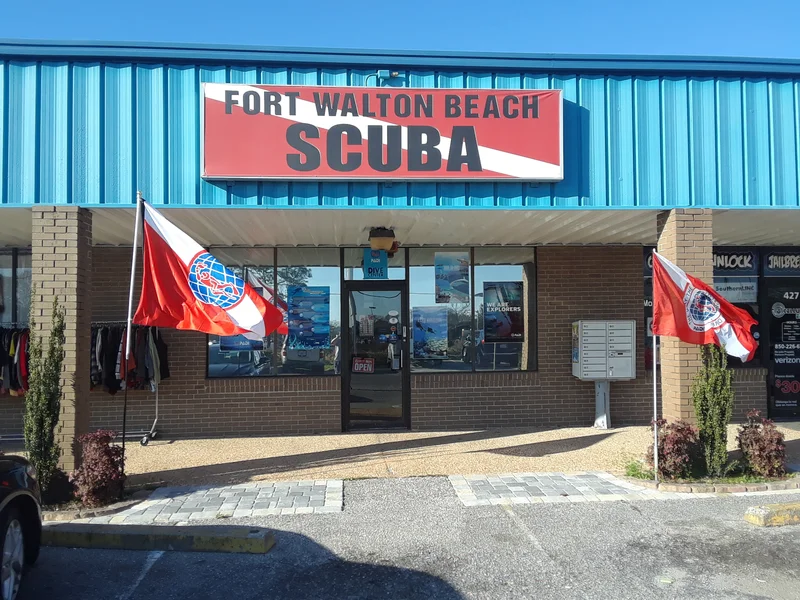
Dive Centers Near Sandflea Reef #15
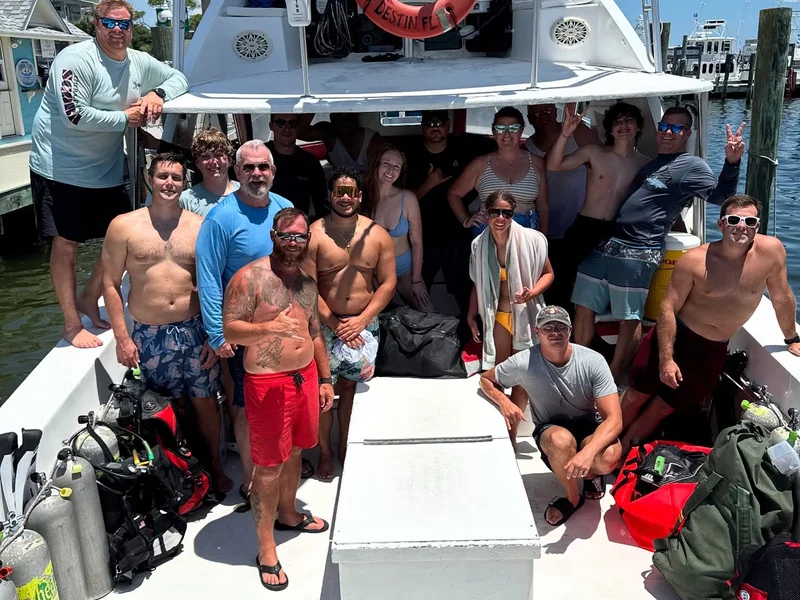
Today: 09:00 - 16:00
Nearest Airports
Nearest airports to help plan travel to this dive area.
Search Flights
Check available flights and routes on Expedia, using the nearby airports listed in this section.
Search Flights on Expedia
Plan Your Stay
Looking for a place to stay for your dive trip? Explore hotels, stays, and vacation rentals for dive groups near Destin.
Dive Navigator may earn a commission from these links at no extra cost to you.
Frequently Asked Questions
What type of reef system is Sandflea Reef #15?
Sandflea Reef #15 is part of the linear reef tract common to Southeast Florida. It features distinct spur and groove formations, with mounding coral heads interspersed with sand channels and dramatic ledges. Some areas also present collapsed features, creating complex underwater structures.
What are the typical diving depths at this site?
While specific depths for Sandflea Reef #15 are not consistently reported, the broader Southeast Florida reef tract offers dives ranging from shallow patch reefs to walls dropping beyond 30 m (100 ft). Divers can expect to explore various depths within the recreational range, adapting to the specific features encountered.
Are strong currents common at Sandflea Reef #15?
Yes, the Gulf Stream current frequently influences this area, often creating conditions suitable for drift diving. Divers should be prepared for varying current strengths and plan dives accordingly with boat support for safe pickups.
What marine life can divers expect to see?
The reef supports a vibrant ecosystem with hundreds of fish species, various eels like green morays and spotted morays, and nurse sharks resting under ledges. You can also spot stingrays on the sandy bottom, along with large fish, turtles, and colorful gorgonians.
What is the best time of year to dive Sandflea Reef #15?
Diving is generally rated 'Good' year-round, but summer months from July to August often offer optimal visibility due to lower wave action and minimal rainfall. Water temperatures remain comfortably warm, supported by the nearby Gulf Stream.
What safety precautions are recommended for diving here?
Always use a surface marker buoy (SMB) throughout your dive and during ascent to signal your position to surface traffic. Given the currents, planning for a drift dive with clear communication to your boat crew is crucial for safety and efficient pickups.
Is Sandflea Reef #15 suitable for beginner divers?
Given the potential for currents and the requirement for drift diving, this site is generally more appropriate for certified divers with some experience in current diving. Beginners might find shallower, more protected sites in the wider area more suitable for initial dives.
Planning to dive Sandflea Reef #15?
Send one inquiry and receive offers directly from the best verified local dive operators.
Conditions are Good
07:00 - 14:00
Optimal conditions expected
Current conditions near Sandflea Reef #15 show 26° air, 30° sea temperature, 0.4 m waves, and 24 km/h wind. Forecast data is refreshed regularly to ensure accuracy.