
Diving at Sandflea Reef #26 (United States)
Sandflea Reef #26 is likely one of the numerous artificial reef deployments or natural limestone formations that characterize the underwater landscape off the Florida Panhandle. Positioned within an active reef program area, it supports local marine ecosystems. Divers generally explore these regional reefs within recreational depth limits, often starting around 24 meters (80 ft). Its designation suggests it contributes to the widespread habitat creation efforts in this region.
Evening condition tracking at Sandflea Reef #26 features an air temperature of 28°C. We have recorded wave heights measuring 0.4 m during this period. These figures outline the environmental parameters currently present.
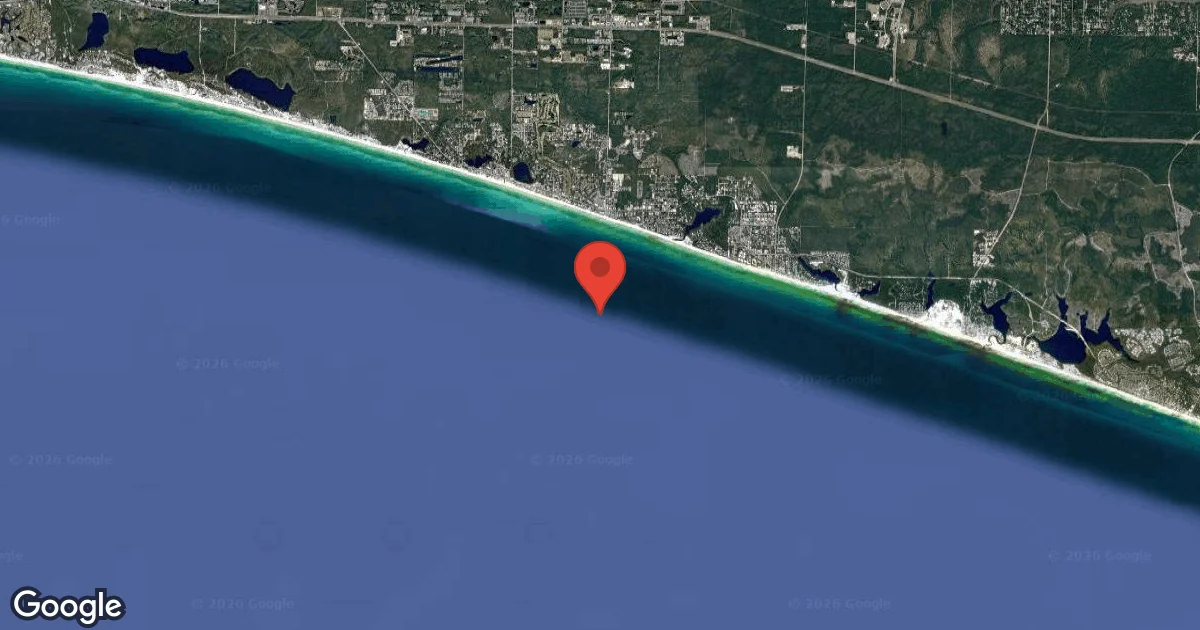
Dive Site Location & Key Facts
Dive Site Overview
Historically, the coastal waters near Destin-Fort Walton Beach, where Sandflea Reef #26 is situated, have seen a significant commitment to artificial reef development. Okaloosa County's extensive reef program, one of the most active in the country, has focused on deploying numerous structures, from large ships to concrete modules.
These initiatives aim to create vital habitat for marine life, bolster fishing, and enhance diving opportunities. Sandflea Reef #26, while not a large wreck, likely forms part of this broader effort, serving as a dedicated structure to foster biodiversity.
Such reefs become vibrant underwater cities, teeming with various species. Beyond mere habitat, these projects also contribute to regional tourism and preserve the legacy of decommissioned vessels or other materials by giving them a second life below the surface.
Conditions are Excellent
07:00 - 14:00
Optimal conditions expected
Current conditions near Sandflea Reef #26 show 28° air, 30° sea temperature, 0.3 m waves, and 21 km/h wind. Forecast data is refreshed regularly to ensure accuracy.
Best Time to Dive
Planning a dive to Sandflea Reef #26 offers flexibility throughout the year, with overall dive conditions consistently rated as 'Good' across all months. Divers will find the air temperatures ranging from cooler averages of 12°C (54°F) in January to warmer highs of 29°C (84°F) in August. While specific water temperature data for the site isn't consistently reported, it generally aligns with seasonal air temperatures, remaining comfortable during warmer months and requiring thicker exposure protection in cooler periods. Typically, the calmest surface conditions, with lower wave heights averaging around 0.5-0.6 meters (1.6-2.0 ft) and reduced wind speeds, are observed from July through September, potentially enhancing the overall dive experience.
PEAK SEASON SCORE
Scores combine air & water temps, waves, wind & rainfall for overall conditions.
BEST MONTHS TO DIVE
Monthly records compiled from satellite and marine observation nodes over the last 3 years. Data provided by Open-Meteo and MET Norway.
Dive Experience & Conditions
Current dynamics around Sandflea Reef #26 can vary significantly, especially given its offshore exposure. Divers may encounter swift currents, particularly on exposed sites in the region. Local conditions sometimes introduce noticeable thermoclines; one observation indicated a drop from 26°C to 20°C (78°F to 68°F) within 5 meters (15 ft) of the surface. Visibility, while not consistently reported for Sandflea Reef #26, can range from clear to a pea-green murk depending on weather, tides, and plankton blooms. Many natural limestone reefs in this area, which Sandflea Reef #26 might resemble, begin around 24 meters (80 ft) deep, offering a recreational depth range for exploration.
Dive Difficulty & Safety Guidelines
Approaching Sandflea Reef #26 requires divers to consider general offshore conditions common in the Florida Panhandle. Due to potential swift currents, particularly around exposed structures, maintaining situational awareness and staying close to the reef structure is advised. Divers should always plan their gas management carefully, considering current strength and the maximum depth, which for similar reefs typically starts around 24 meters (80 ft).
Carrying a surface marker buoy (SMB) is a standard safety measure for signaling the boat, especially if currents increase. Always dive within your certification limits and with a buddy, preparing for variable underwater conditions.
Recommended Equipment
- Dive Computer
This gear list is based on verified equipment signals for Sandflea Reef #26, United States. Always confirm final gear choices with your dive operator, guide, or liveaboard.
Recommended Dive Suit
For dives of average duration, dive skin or rash guard usually provides sufficient protection from heat loss.
Divers planning a dive at Sandflea Reef #26 today will likely encounter water temperatures close to 30°C (86°F). Surface air temperatures are resting at 28°C (83°F).
Weather models indicate a small drop in surface temperatures later this week. Cooler days are ahead; you might want a warmer option for later in the week. Having a second exposure option available is often a good precaution.
Emergency & Medical Support
Essential information to help you plan your dive trip to Sandflea Reef #26.

Hyperbaric chambers are a critical part of dive safety infrastructure. Availability varies significantly by region, and not all dive areas have immediate access.
Before diving, it's recommended to:
- confirm nearest medical facilities
- check emergency procedures with local dive operators
- ensure dive insurance covers evacuation if required
Divers Alert Network
Diving emergency assistance available through DAN World.
+1-919-684-9111- 24/7 emergency hotline
- Diving medical assistance
- Evacuation coordination
Emergency contacts are provided for reference. Always verify local emergency services before diving.
Marine Life at Sandflea Reef #26
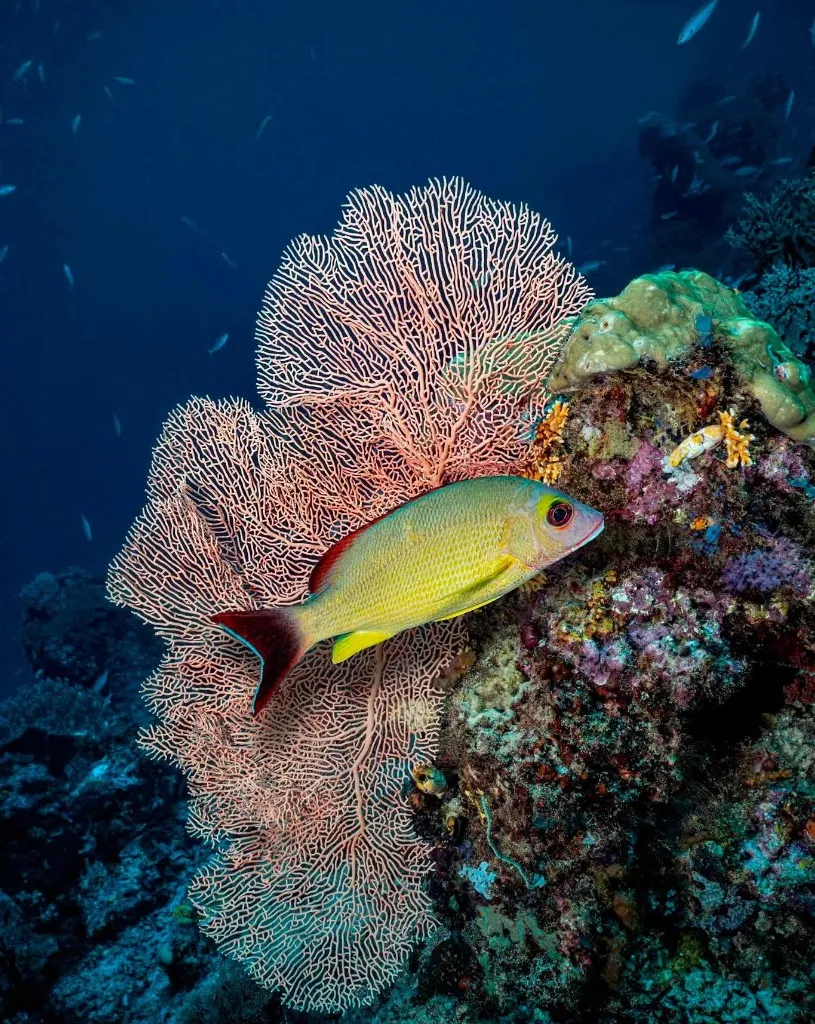
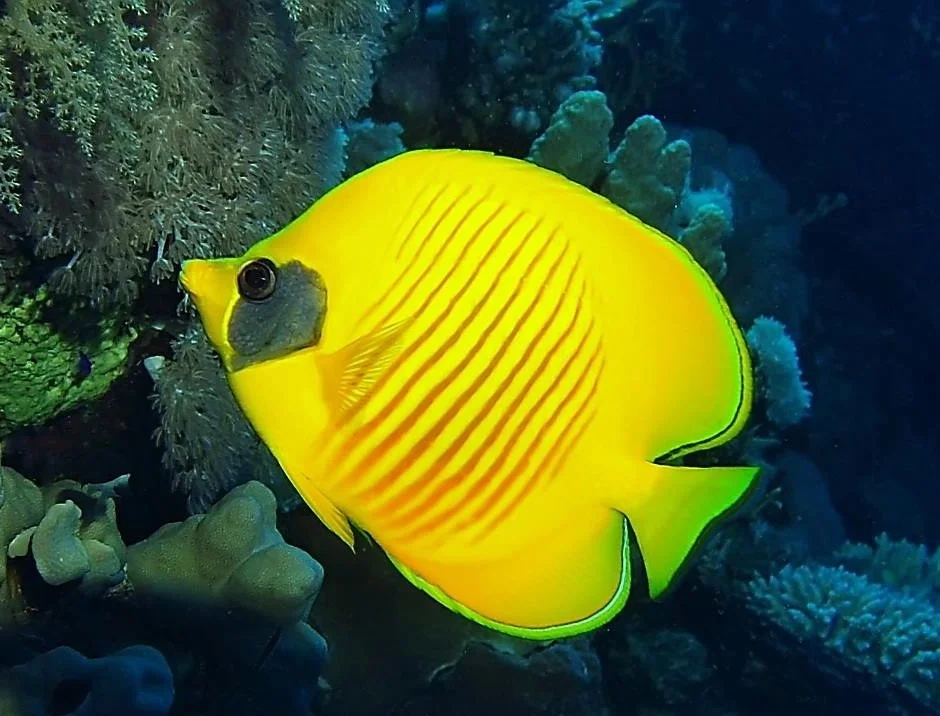
The vibrant artificial reefs in this region, which Sandflea Reef #26 contributes to, become bustling habitats for various species. Divers often observe numerous reef fish, including snappers, butterflyfish, and triggerfish, congregating around these structures.
Larger pelagics like jacks are also commonly seen patrolling the area. Occasionally, divers might encounter goliath groupers or other significant marine life, benefitting from the shelter and food sources these reefs provide.

Dive Sites Near Sandflea Reef #26
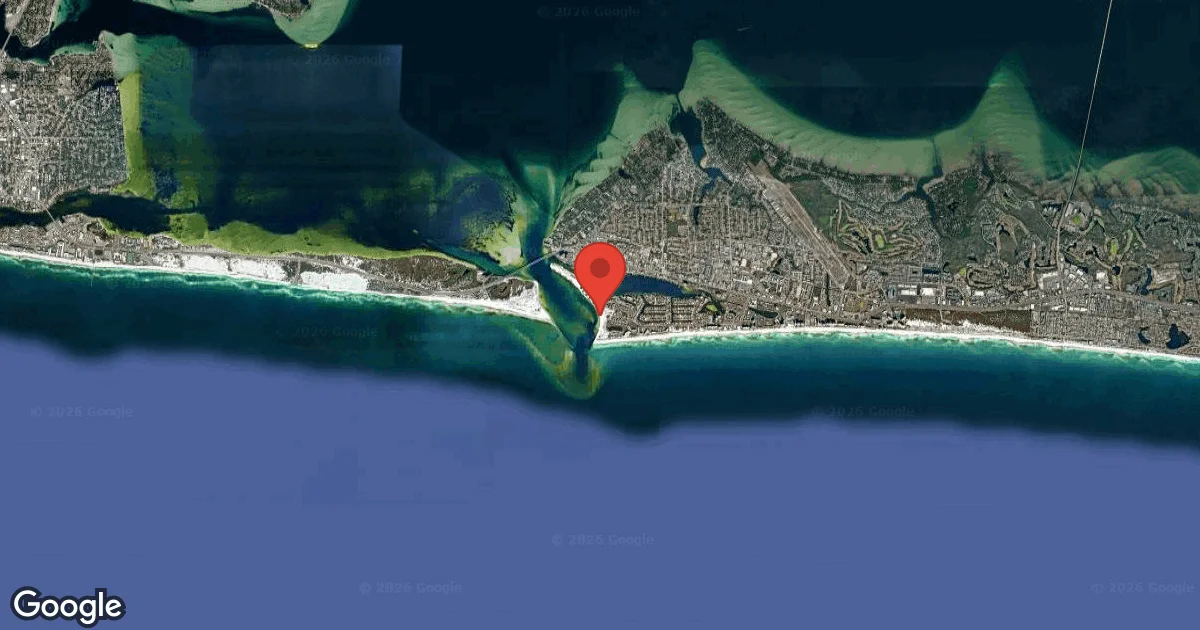
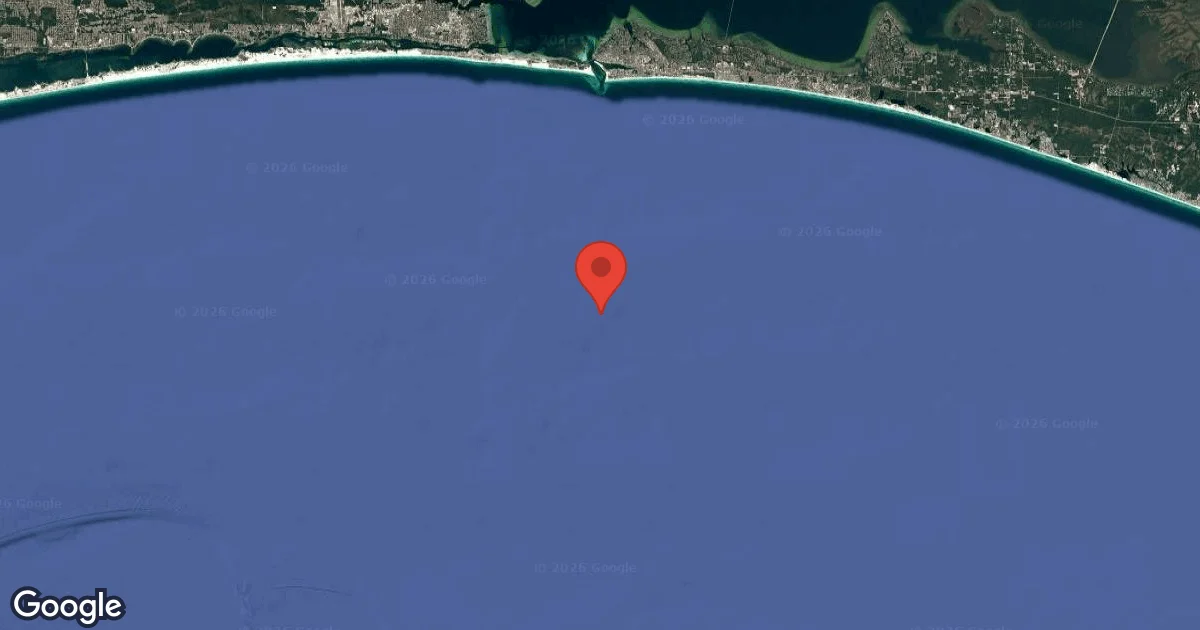
View all dive sites in United StatesDiscover more underwater gems in this area.
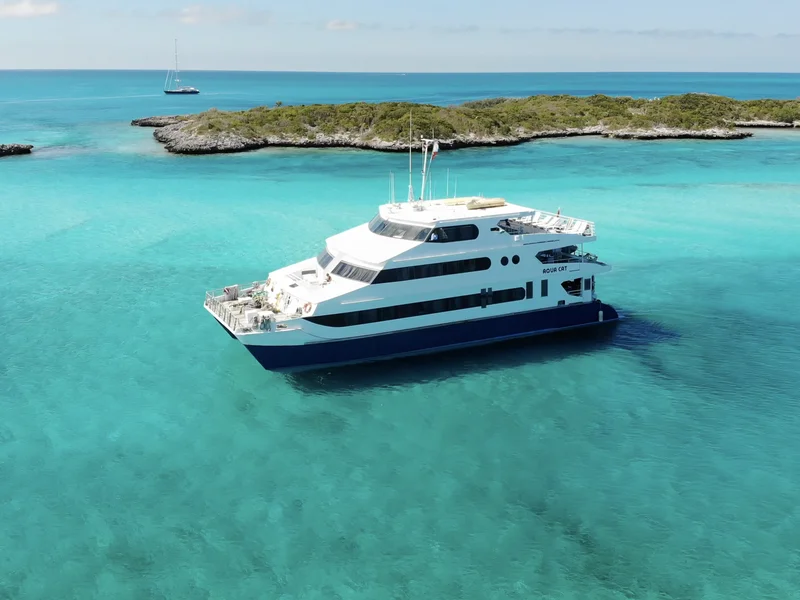
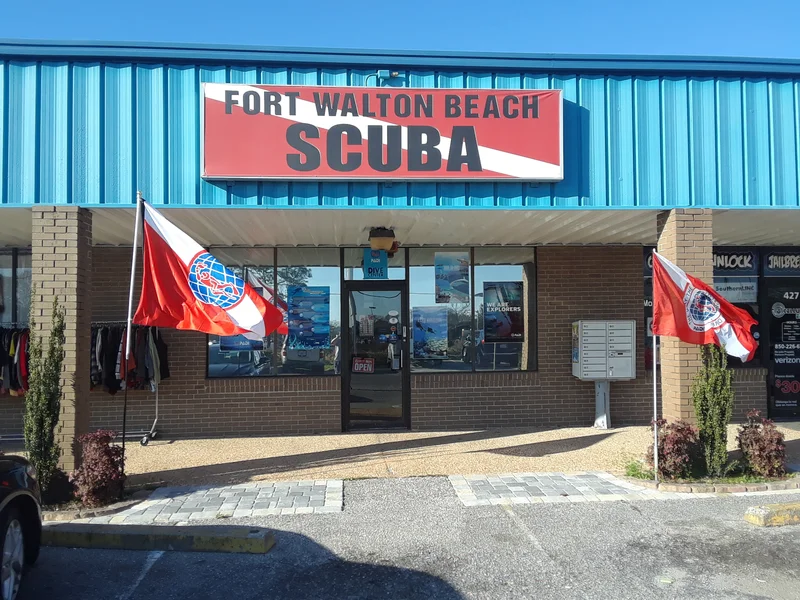
Dive Centers Near Sandflea Reef #26
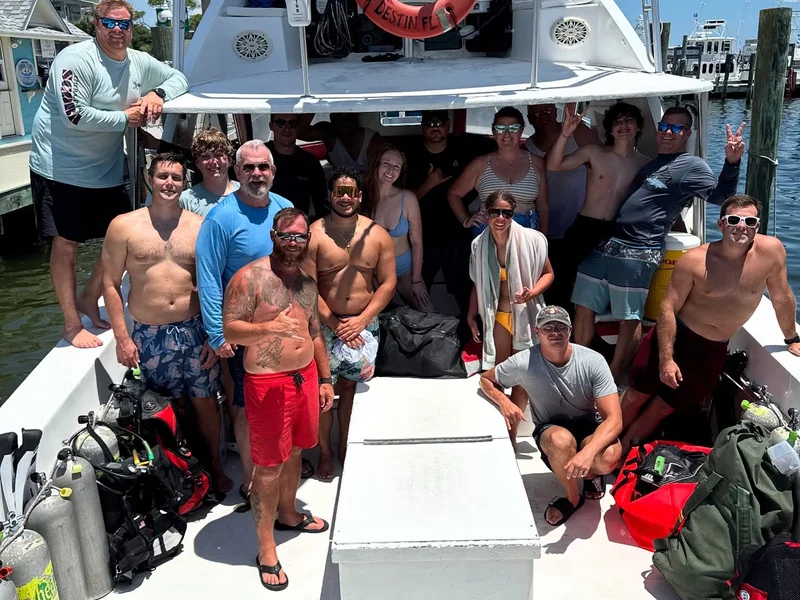
Today: 09:00 - 16:00
Nearest Airports
Nearest airports to help plan travel to this dive area.
Search Flights
Check available flights and routes on Expedia, using the nearby airports listed in this section.
Search Flights on Expedia
Plan Your Stay
Looking for a place to stay for your dive trip? Explore hotels, stays, and vacation rentals for dive groups near Destin.
Dive Navigator may earn a commission from these links at no extra cost to you.
Frequently Asked Questions
What is the typical depth range for Sandflea Reef #26?
Sandflea Reef #26, like many natural and smaller artificial reefs in the Destin area, typically starts around 24 meters (80 ft). This makes it accessible to recreational divers, with deeper sections potentially extending further down.
What are the common water conditions at Sandflea Reef #26?
Conditions can vary, but divers might encounter thermoclines where water temperature drops noticeably. Visibility can range from good to a pea-green murk, influenced by seasonal factors and local currents. Surface conditions are generally calmer from July to September.
Are strong currents common at this site?
Given its offshore location, Sandflea Reef #26 can experience swift currents, particularly when exposed to certain elements. Divers should plan accordingly and be prepared for variable current strength, often staying close to the reef structure for shelter.
What kind of marine life can I expect to see?
As part of the region's productive reef system, Sandflea Reef #26 supports a diverse array of marine life. Common sightings include various reef fish like snappers, butterflyfish, and triggerfish, along with jacks and potentially goliath groupers.
Is Sandflea Reef #26 a natural or artificial reef?
While specific details are limited, 'Sandflea Reef' likely refers to either a natural limestone reef or one of the numerous smaller artificial reef modules deployed as part of the extensive reef-building program in the Florida Panhandle.
What is the best time of year to dive Sandflea Reef #26?
Diving is rated 'Good' year-round. However, for potentially calmer surface conditions and warmer air temperatures, the months from July through September often present ideal opportunities. Winter months bring cooler air temperatures, necessitating thicker wetsuits.
Planning to dive Sandflea Reef #26?
Send one inquiry and receive offers directly from the best verified local dive operators.
Conditions are Excellent
07:00 - 14:00
Optimal conditions expected
Current conditions near Sandflea Reef #26 show 28° air, 30° sea temperature, 0.3 m waves, and 21 km/h wind. Forecast data is refreshed regularly to ensure accuracy.