
Diving at Sir Scott (United States)
Sir Scott represents a significant technical diving opportunity for those seeking deep wreck exploration off the coast of Miami, United States. Advanced planning and specialized training are required, appealing to divers proficient in hypoxic trimix and extensive decompression protocols. Its impressive structure rests upright in deeper waters, challenging even seasoned technical divers with its conditions.
Evening condition tracking at Sir Scott features an air temperature of 27.5°C. We have recorded wave heights measuring 0.6 m during this period. These figures outline the environmental parameters currently present.
Dive Site Location & Key Facts
Dive Site Overview
A substantial freighter, the Sir Scott, beckons technical divers to explore its depths off Miami Beach. Measuring 80.9 m (267 ft) in length with a 12 m (37 ft) beam, it initially launched in April 1958 as the Lago Isoba.
Over the years, the vessel underwent several ownership changes and name alterations, eventually becoming the Sir Scott. In 1984, before its final purpose, the freighter was stripped of all valuable components. Acquired for a nominal sum and generously donated to Miami-Dade County, the scuttling occurred on February 1, 1985, with the intention of creating an artificial reef.
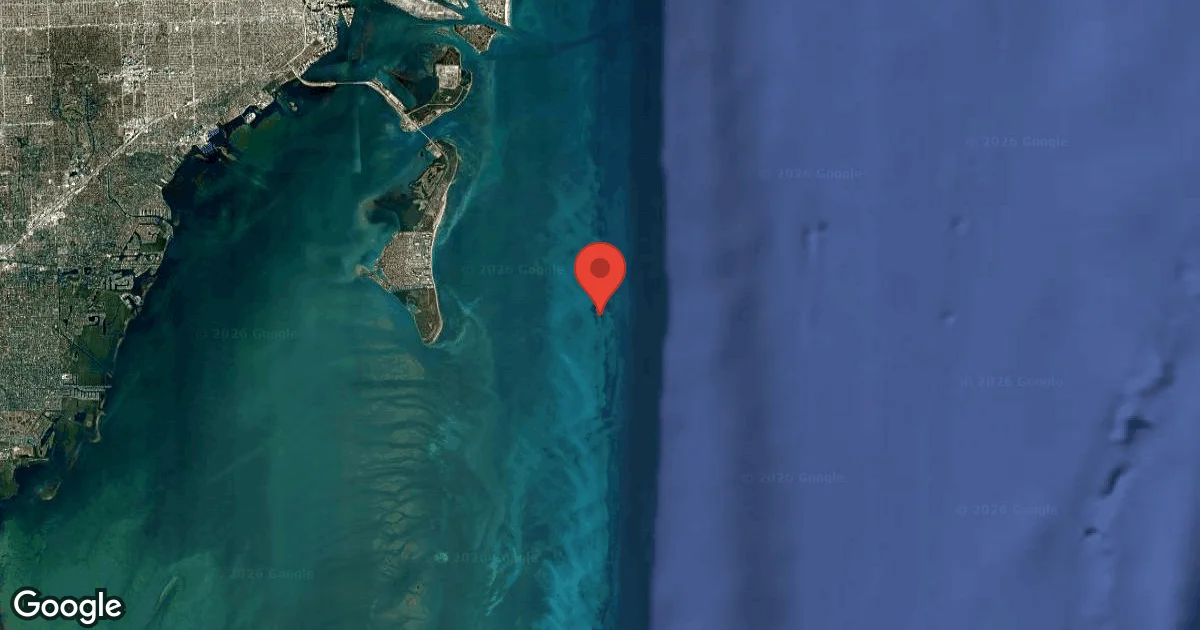
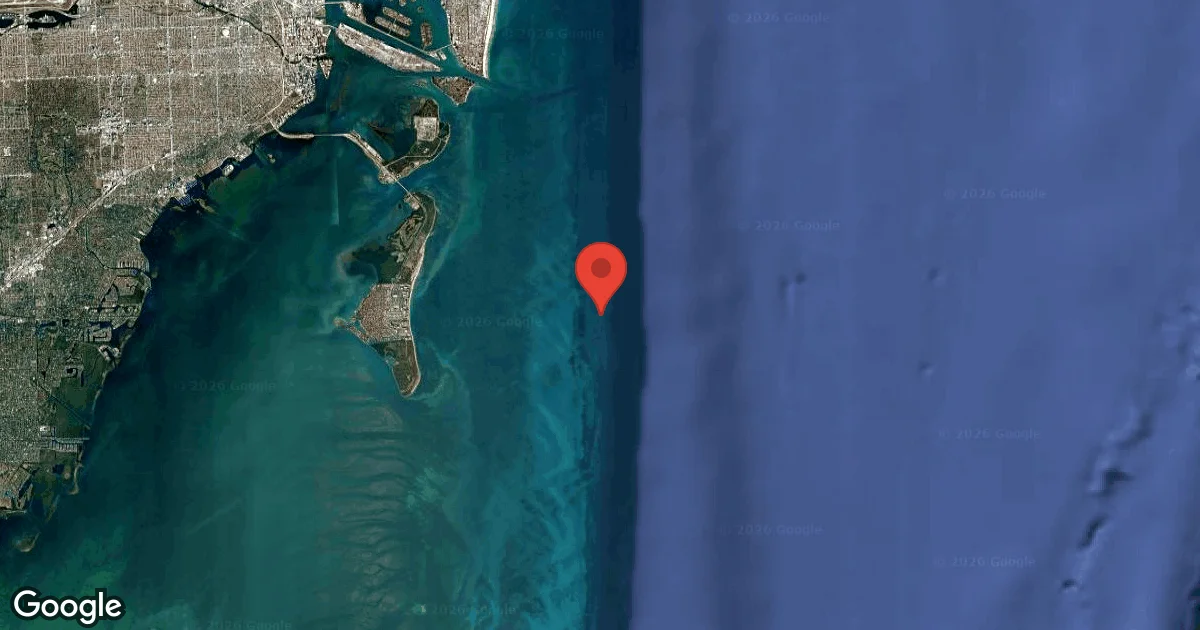
An unexpected incident during towing—a frozen rudder—caused it to come to rest approximately five miles north of its planned coordinates. It now lies south of Fowey Rocks, offering a slightly different dive profile than originally envisioned.
Resting upright and remarkably intact, the wreck provides an extensive structure for exploration, inviting careful penetration and observation of its various compartments.
Conditions are Moderate
Optimal conditions expected
Current conditions near Sir Scott show 28° air, 31° sea temperature, 0.5 m waves, and 37 km/h wind. Forecast data is refreshed regularly to ensure accuracy.
Best Time to Dive
Planning a dive to Sir Scott is best approached considering surface conditions, which significantly impact access via a 'hot drop.' From May through September, conditions generally offer the most favorable weather for this deep technical dive, with dive scores rated 'Good' during these months. Air temperatures during this time range from 26.5-29°C (80-84°F), and wave heights tend to be lower, generally around 0.5-0.7 m (1.6-2.3 ft). While rainfall is slightly higher in June and September, it's typically minimal. Conversely, conditions in October through December are rated 'Moderate,' with higher wave activity, up to 1.1 m (3.6 ft), and increased wind speeds, potentially making surface operations more challenging.
PEAK SEASON SCORE
Scores combine air & water temps, waves, wind & rainfall for overall conditions.
BEST MONTHS TO DIVE
Monthly records compiled from satellite and marine observation nodes over the last 3 years. Data provided by Open-Meteo and MET Norway.
Dive Experience & Conditions
Descending to the Sir Scott wreck involves navigating a deep-water environment, demanding a Technical Hypoxic Trimix certification due to its considerable depths. Depths at the site average around 61 m (200 ft), reaching a maximum of 67 m (220 ft). Access is exclusively via a 'hot drop,' where divers enter directly over the site from a boat. Its upright position offers a stable structure for exploration once divers reach the bottom. Water temperature data isn't consistently reported for this specific site, yet divers should prepare for varying conditions typical of open ocean depths. Maintaining situational awareness and managing gas consumption are critical throughout a dive of this magnitude.
Dive Difficulty & Safety Guidelines
Approaching this deep wreck demands specific training and stringent adherence to safety protocols. A minimum Technical Hypoxic Trimix certification is required, reflecting the inherent risks of diving to depths of up to 67 m (220 ft). Divers must carry appropriate gas mixes, plan for extensive decompression, and rely on multiple dive computers for accurate data.
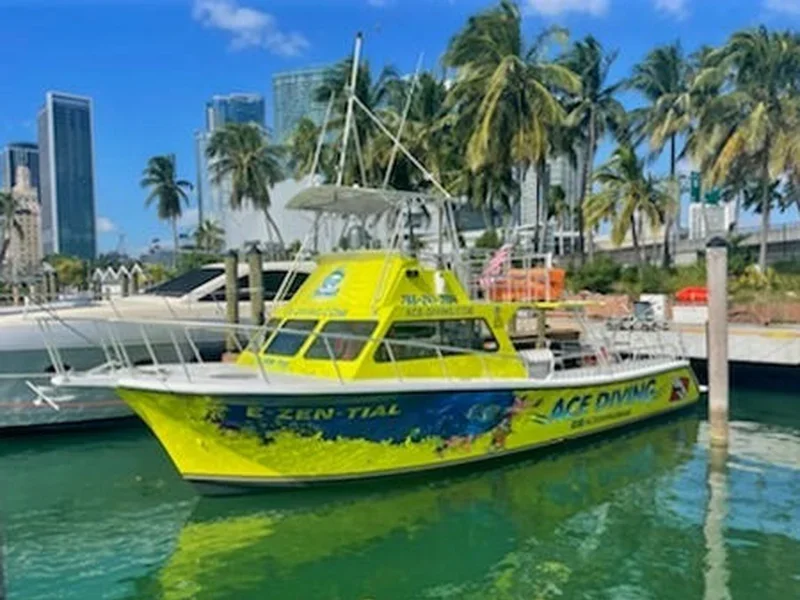
Operators like Deco Divers, Divers Paradise, and Horizon Divers frequently visit, indicating their experience with the site's unique demands. Crucially, divers must be proficient in emergency procedures and have robust contingency plans, given the remote nature of the hot drop access and the significant depth.
Recommended Equipment
- Dive Computer
This gear list is based on verified equipment signals for Sir Scott, United States. Always confirm final gear choices with your dive operator, guide, or liveaboard.
Recommended Dive Suit
The latest conditions reported around Sir Scott place the water temperature close to 31°C (87°F). Surface air temperatures are resting at 28°C (82°F).
For the majority of recreational dives here, dive skin or rash guard should provide suitable protection.
Weather models currently point toward consistent diving conditions over the next several days.
Emergency & Medical Support
Essential information to help you plan your dive trip to Sir Scott.

Hyperbaric chambers are a critical part of dive safety infrastructure. Availability varies significantly by region, and not all dive areas have immediate access.
Before diving, it's recommended to:
- confirm nearest medical facilities
- check emergency procedures with local dive operators
- ensure dive insurance covers evacuation if required
Divers Alert Network
Diving emergency assistance available through DAN World.
+1-919-684-9111- 24/7 emergency hotline
- Diving medical assistance
- Evacuation coordination
Emergency contacts are provided for reference. Always verify local emergency services before diving.
Marine Life at Sir Scott
A substantial artificial reef is created by the Sir Scott wreck's structure, providing crucial habitat in the otherwise open ocean. While specific marine life highlights aren't consistently reported for this particular deep site, such large wrecks typically attract pelagic species and deeper-dwelling organisms.
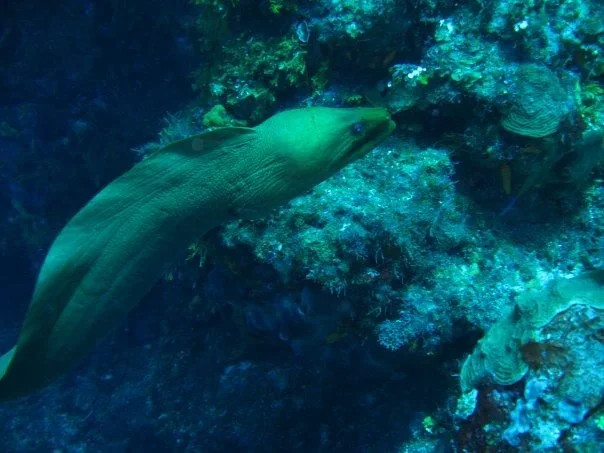
Divers often observe various reef fish, moray eels, and crustaceans that shelter within the freighter's intact sections. Occasionally, larger marine animals may pass through the vicinity, drawn to the relief the wreck provides on the seabed.
Dive Sites Near Sir Scott
View all dive sites in United StatesDiscover more underwater gems in this area.
Dive Centers Near Sir Scott
Today: 08:00 - 17:00

Nearest Airports
Nearest airports to help plan travel to this dive area.
Search Flights
Check available flights and routes on Expedia, using the nearby airports listed in this section.
Search Flights on Expedia
Plan Your Stay
Looking for a place to stay for your dive trip? Explore hotels, stays, and vacation rentals for dive groups near Key Biscayne.
Dive Navigator may earn a commission from these links at no extra cost to you.
Frequently Asked Questions
What is the maximum depth of the Sir Scott wreck?
Sir Scott reaches a maximum depth of 67 m (220 ft). Its average depth for exploration is around 61 m (200 ft).
What certification is required to dive Sir Scott?
Due to its significant depth and technical requirements, a minimum Technical Hypoxic Trimix certification is necessary to dive the Sir Scott wreck.
How is access typically managed for this dive site?
Access to Sir Scott is typically managed via a 'hot drop,' where divers enter the water directly over the wreck from a boat. This method requires precise navigation and coordination.
When was the Sir Scott wreck scuttled?
Sir Scott was scuttled on February 1, 1985, after being donated to Miami-Dade County for use as an artificial reef.
What are the best months for diving Sir Scott?
May through September are generally considered the best months for diving Sir Scott, offering more favorable surface conditions with lower waves and milder winds for a hot drop access.
Does the wreck rest upright?
Yes, Sir Scott rests upright and largely intact on the seabed, providing an extensive and stable structure for divers to explore.
Planning to dive Sir Scott?
Send one inquiry and receive offers directly from the best verified local dive operators.
Conditions are Moderate
Optimal conditions expected
Current conditions near Sir Scott show 28° air, 31° sea temperature, 0.5 m waves, and 37 km/h wind. Forecast data is refreshed regularly to ensure accuracy.