
Diving at St Lucie Nearshore Site #06-01 (United States)
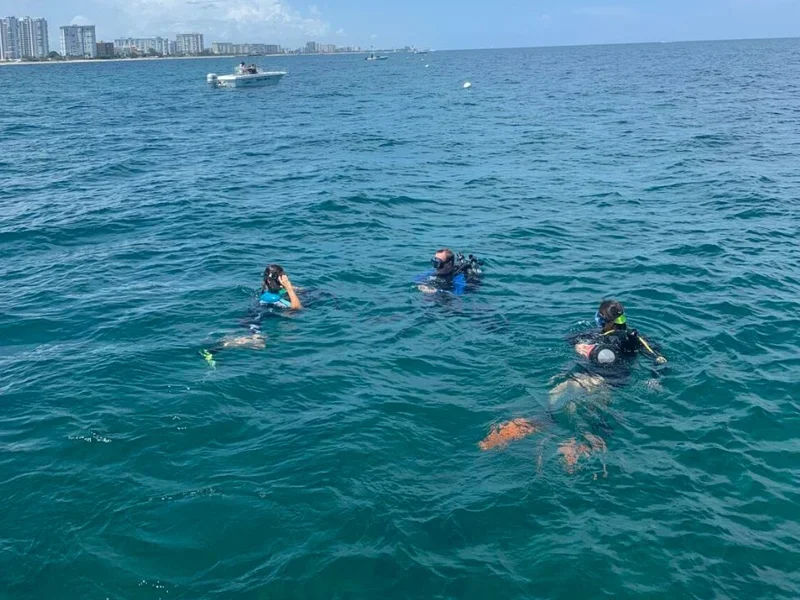
Dropping into St Lucie Nearshore Site #06-01, divers enter a segment of Florida's Coral Reef system. This site typically begins with a descent into clear, warm Atlantic waters, revealing an expansive, often current-driven environment. Depths here span from shallower sections to a maximum of 10.7 meters (35 feet), providing a comfortable range for recreational exploration. Expect an immediate immersion into a vibrant nearshore habitat where marine life becomes apparent quickly after entry.
Evening condition tracking at St Lucie Nearshore Site #06-01 features an air temperature of 28°C. We have recorded wave heights measuring 1.2 m during this period. These figures outline the environmental parameters currently present.
Dive Site Location & Key Facts
Dive Site Overview
St Lucie Nearshore Site #06-01 presents a diverse underwater topography, an extension of Florida's Coral Reef system just off St. Lucie Inlet Preserve State Park. Extensive formations of worm rock primarily define this site, complemented by notable sections of live corals contributing to its structural complexity.
Geological and biological features combine to create numerous hiding spots and feeding grounds for diverse marine species. Site depths are manageable, generally ranging between 1.5 and 10.7 meters (5-35 feet), which allows accessibility for most certified divers. Nearshore positioning means divers often experience the dynamic Atlantic coastal environment, encountering gentle to moderate drift conditions.
Visibility here typically ranges from 18.3 to 30.5 meters (60-100 feet) during optimal periods, allowing for clear views of the reef structure and its inhabitants. Proximity to the inlet contributes to a healthy and active ecosystem.
This habitat reflects the rich biodiversity of the Treasure Coast. A blend of worm rock and live corals makes for a visually engaging dive, offering both wide vistas and detailed macro opportunities within shallower sections.
Divers can anticipate a relaxed exploration of the reef's contours, navigating through channels and over ledges formed by natural rock and coral growth. Attentive observation is often rewarded, revealing new details on each visit.
Conditions are Good
07:00 - 14:00
Optimal conditions expected
Current conditions near St Lucie Nearshore Site #06-01 show 28° air, 30° sea temperature, 0.6 m waves, and 23 km/h wind. Forecast data is refreshed regularly to ensure accuracy.
Best Time to Dive
The clearest visibility at St Lucie Nearshore Site #06-01 typically occurs from May through September. During these months, visibility averages 18.3 to 30.5 meters (60-100 feet), creating optimal conditions for exploring the reef. Water temperatures during this period are quite comfortable, ranging from 25.5 to 29.5°C (78-85°F). Air temperatures also reach their peak, averaging between 25.5°C (78°F) in May and 28-28.5°C (82-83°F) in July/August. This summer season also sees the calmest waters and lighter winds, which are factors in easier boat trips and improved underwater clarity, with wave heights generally below 0.8 meters. While diving is possible year-round, conditions become less predictable in winter. Water temperatures drop to around 22°C (72°F) from December to February. Wind speeds increase to around 32-35 km/h, and wave heights hover around 1.0-1.2 meters, which can affect visibility and overall comfort. Rain precipitation, although generally low, is highest in September at around 5.97 mm, potentially impacting visibility in very shallow areas, but usually not significantly offshore.
PEAK SEASON SCORE
Scores combine air & water temps, waves, wind & rainfall for overall conditions.
BEST MONTHS TO DIVE
Monthly records compiled from satellite and marine observation nodes over the last 3 years. Data provided by Open-Meteo and MET Norway.
Dive Experience & Conditions
Entering St Lucie Nearshore Site #06-01 places divers into a dynamic Atlantic environment, where drift currents are a common element. These currents often carry divers gently along the reef, creating an engaging drift dive that requires good buoyancy control. Maximum depth of 10.7 meters (35 feet) keeps exploration within recreational limits, making it suitable for Open Water certified divers comfortable with current. Water conditions are generally warm, especially from May through September when temperatures range between 25.5 and 29.5°C (78-85°F). Outside this period, temperatures can dip to 22°C (72°F) in winter. A mix of worm rock and scattered live corals presents an interesting landscape to navigate. Divers should prepare for varying visibility, typically good but influenced by recent weather or tidal flows. Practicing situational awareness and maintaining contact with dive buddies is crucial given the potential for drift. While accessible for various experience levels, divers with some experience managing mild currents will find it more comfortable.
Dive Difficulty & Safety Guidelines
Navigating the dynamic Atlantic currents at St Lucie Nearshore Site #06-01 requires attentive dive planning and execution. While typically manageable, currents can vary, necessitating good buoyancy control and situational awareness. Always dive with a surface marker buoy (SMB) to signal your position to boat traffic, especially during drift dives.
Staying close to your dive buddy is essential in an environment where currents can potentially separate divers. Given the nearshore location, occasional boat traffic might occur; therefore, ascending slowly and deploying an SMB before surfacing is a standard safety measure.
A properly weighted setup helps manage drift and maintain preferred depth. Always carry your certification card and be aware of nearby hyperbaric chamber facilities; local emergency services should be the immediate point of contact.
Recommended Equipment
- Dive Computer
This gear list is based on verified equipment signals for St Lucie Nearshore Site #06-01, United States. Always confirm final gear choices with your dive operator, guide, or liveaboard.
Recommended Dive Suit
Dive skin or rash guard usually provides adequate warmth in water around this temperature. Consider warmer surface protection (like a boat coat) due to brisk winds. For divers entering the water at St Lucie Nearshore Site #06-01, temperatures are currently hovering around 30°C (86°F). Surface air temperatures are resting at 28°C (82°F).
Weather models currently point toward consistent diving conditions over the next several days.
Conditions can vary slightly across different parts of the same dive site.
Due to technical issues with our weather providers, live updates are temporarily delayed. The data above reflects the conditions at the time of the last successful fetch.
Emergency & Medical Support
Essential information to help you plan your dive trip to St Lucie Nearshore Site #06-01.

Hyperbaric chambers are a critical part of dive safety infrastructure. Availability varies significantly by region, and not all dive areas have immediate access.
Before diving, it's recommended to:
- confirm nearest medical facilities
- check emergency procedures with local dive operators
- ensure dive insurance covers evacuation if required
Divers Alert Network
Diving emergency assistance available through DAN World.
+1-919-684-9111- 24/7 emergency hotline
- Diving medical assistance
- Evacuation coordination
Emergency contacts are provided for reference. Always verify local emergency services before diving.
Marine Life at St Lucie Nearshore Site #06-01
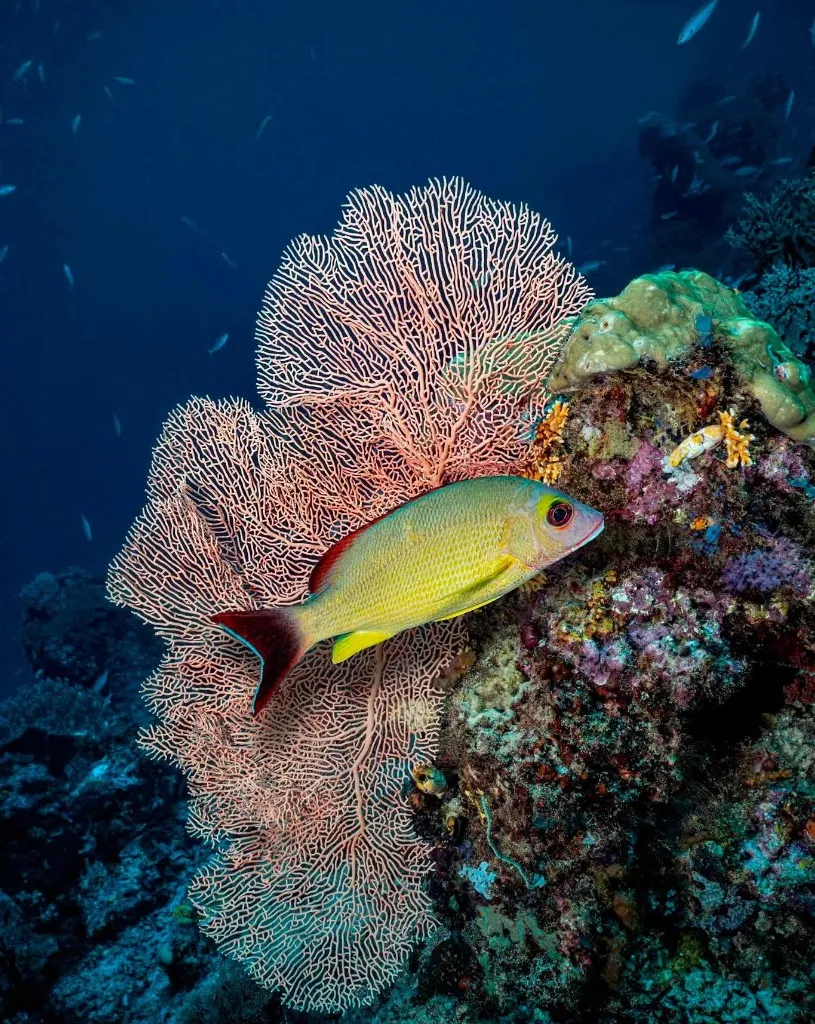
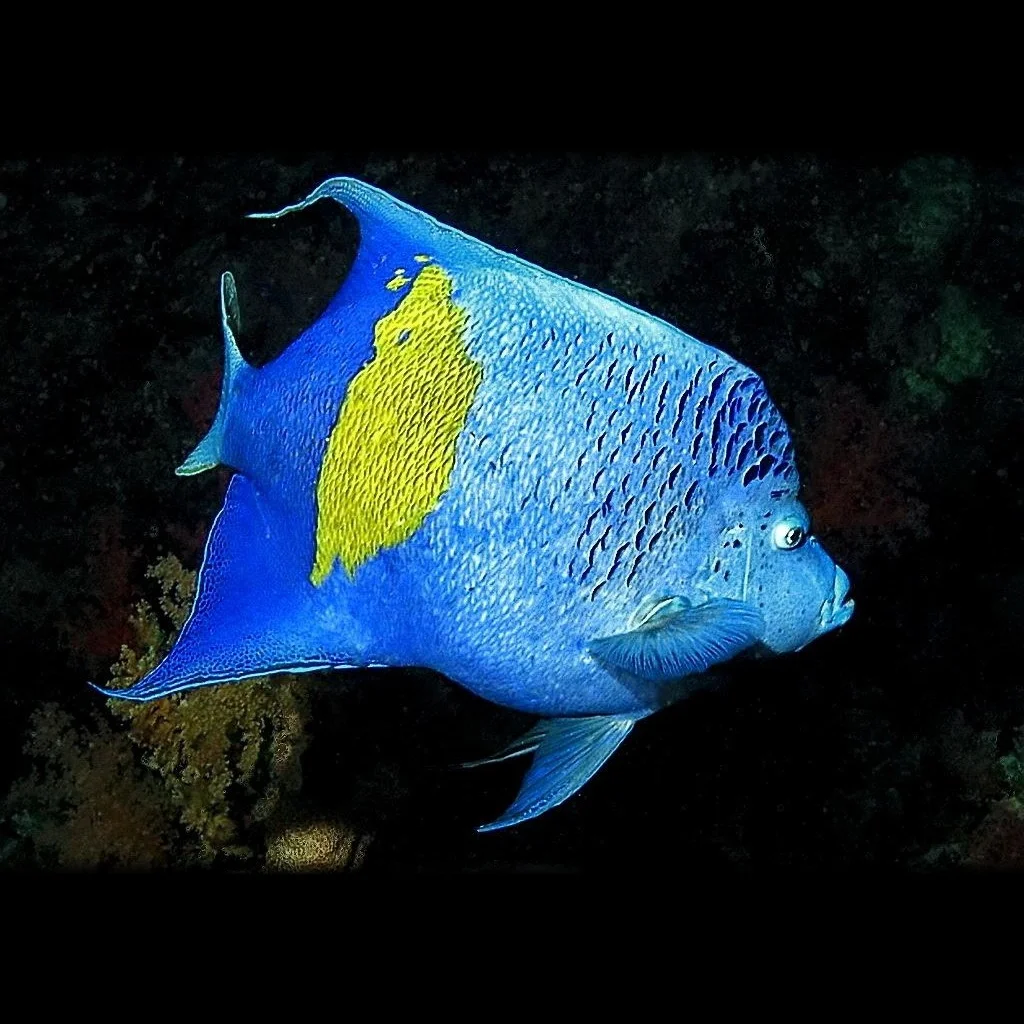
A vibrant array of Caribbean fish species often greets divers upon arrival at the reef. Angelfish, hogfish, snook, and snapper are frequently observed moving through the worm rock formations and coral patches.
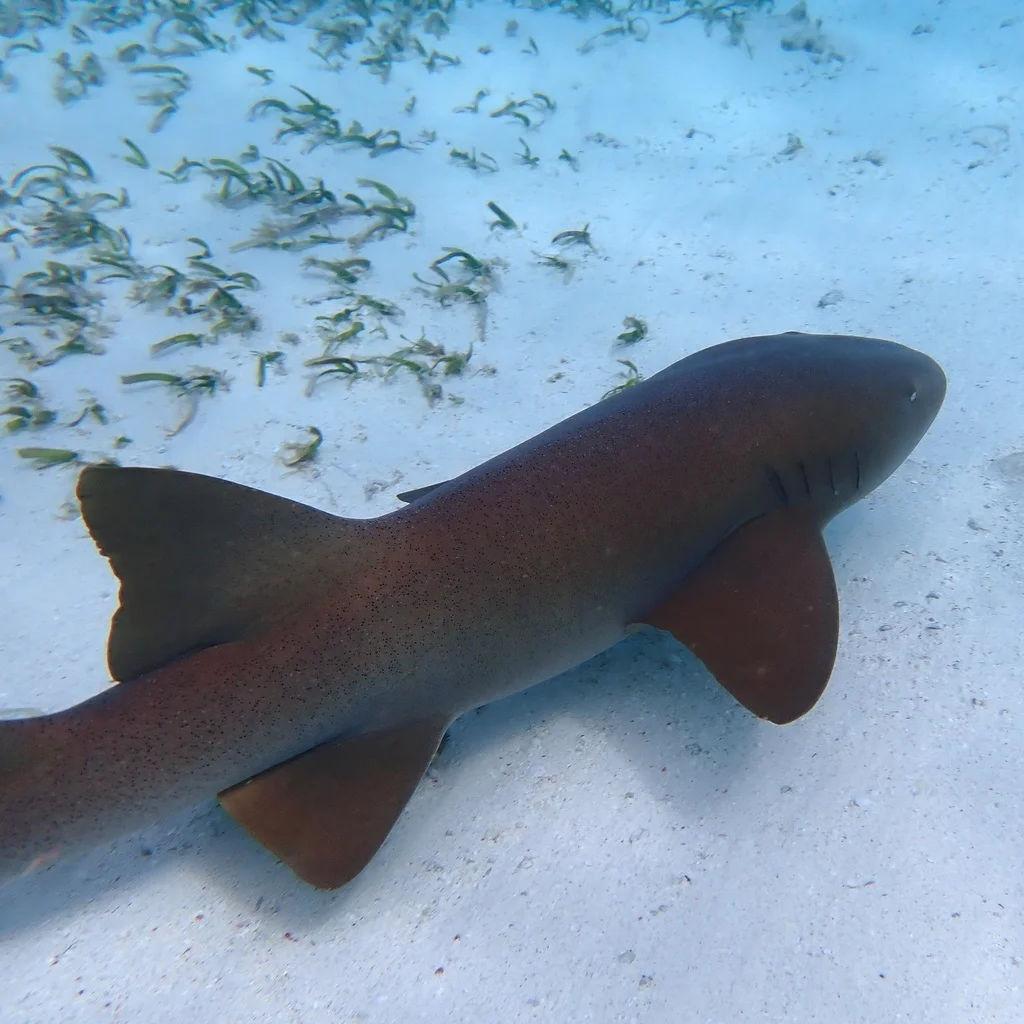
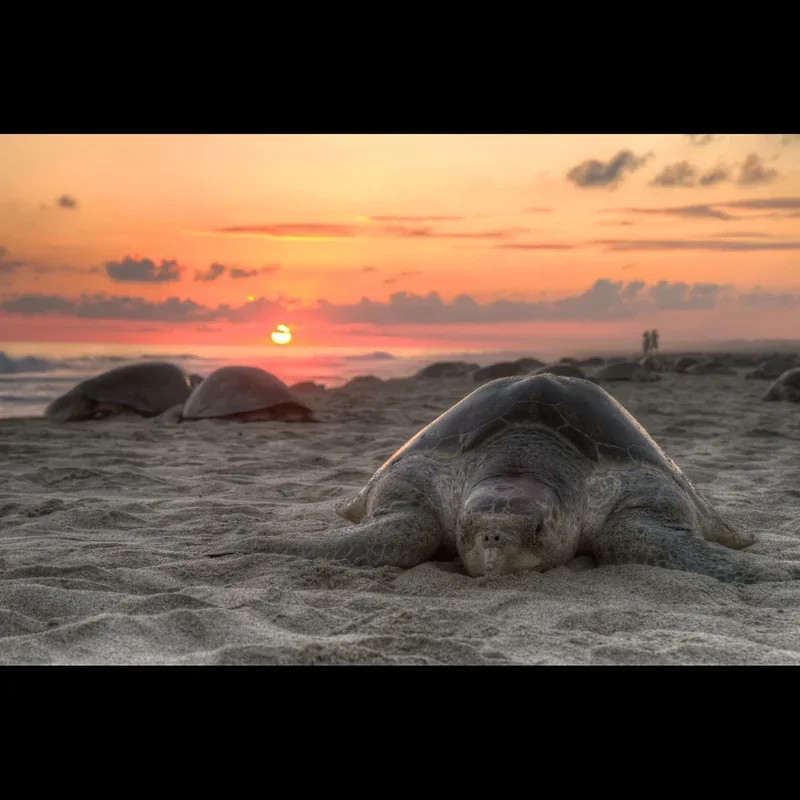
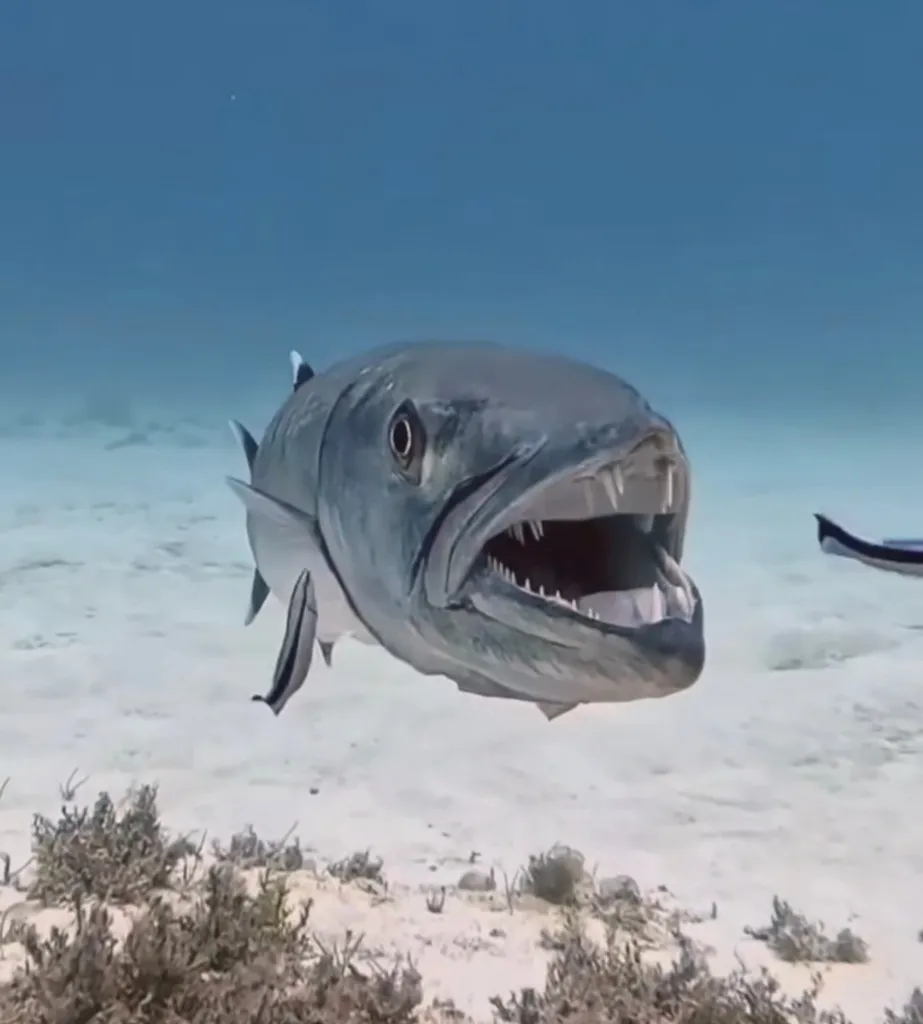
Keeping an eye out for larger pelagics is worthwhile; nurse sharks and barracuda are known to cruise the area, providing exciting encounters. Sea turtles are common inhabitants, leisurely grazing or resting on reef structures.
Site biodiversity extends to various tropical fish, and attentive observers may spot the occasional Goliath grouper, particularly in deeper crevices. This combination of structural complexity and nutrient-rich waters supports a lively ecosystem.
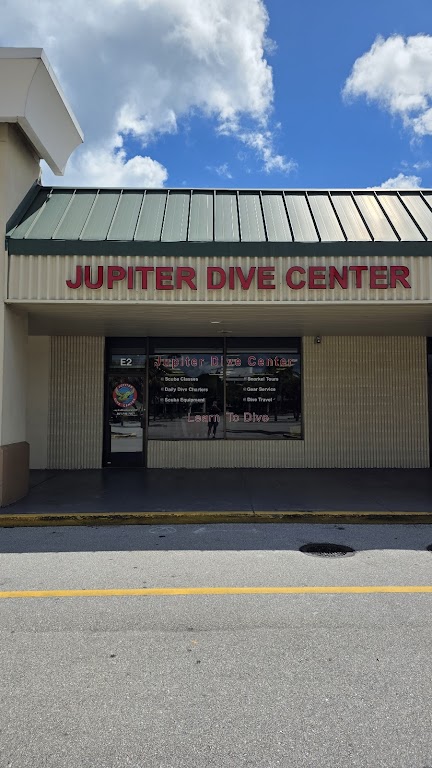
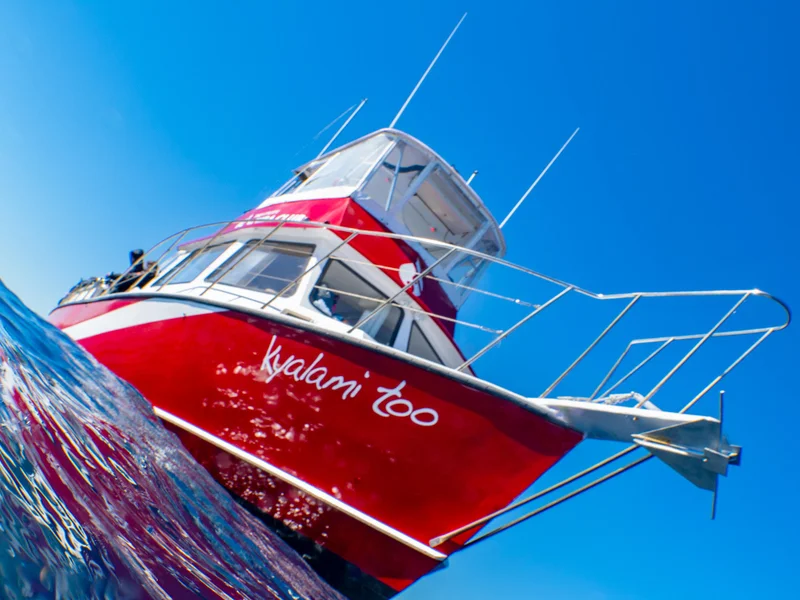
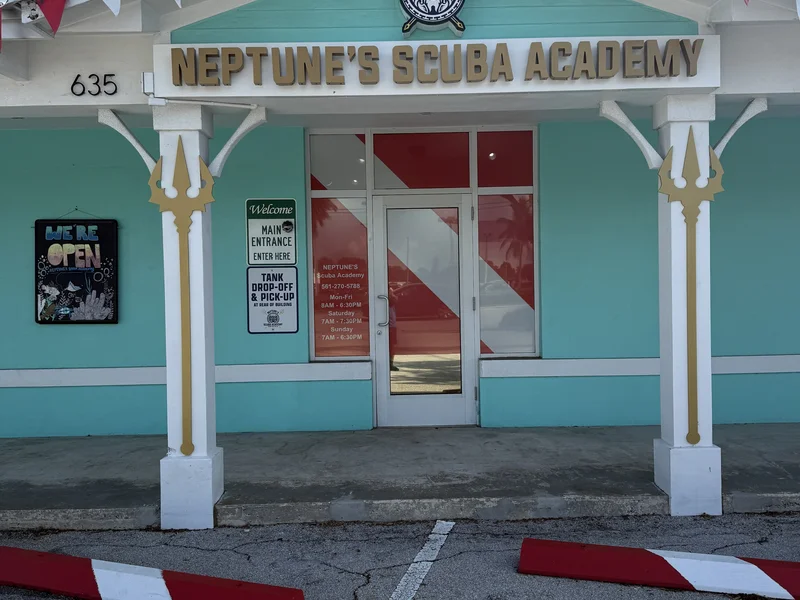
Dive Centers Near St Lucie Nearshore Site #06-01
Today: 10:00 - 18:00
Nearest Airports
Nearest airports to help plan travel to this dive area.
Search Flights
Check available flights and routes on Expedia, using the nearby airports listed in this section.
Search Flights on Expedia
Plan Your Stay
Looking for a place to stay for your dive trip? Explore hotels, stays, and vacation rentals for dive groups near Fort Pierce.
Dive Navigator may earn a commission from these links at no extra cost to you.
Frequently Asked Questions
What is the typical depth range at St Lucie Nearshore Site #06-01?
The site generally ranges in depth from 1.5 meters (5 feet) in shallower sections to a maximum of 10.7 meters (35 feet). This makes it suitable for recreational diving within standard certification limits.
What kind of marine life can I expect to see?
Divers often encounter various Caribbean fish species, including angelfish, hogfish, snook, and snapper. Nurse sharks, barracuda, and sea turtles are also frequently observed, with the occasional Goliath grouper possible.
Are there currents at this dive site?
Yes, St Lucie Nearshore Site #06-01 is part of a dynamic Atlantic coastal environment. Divers should anticipate encountering gentle to moderate drift currents, which can vary with tides and weather.
What is the water temperature like?
Water temperatures are warmest from May through September, ranging from 25.5 to 29.5°C (78-85°F). During winter months, temperatures can drop to around 22°C (72°F).
Is St Lucie Nearshore Site #06-01 suitable for beginners?
While the maximum depth is within recreational limits, the presence of drift currents means that divers with some experience in managing mild currents will likely have a more comfortable experience. Good buoyancy control is beneficial.
What is the average visibility?
During the best diving months from May to September, visibility typically ranges from 18.3 to 30.5 meters (60-100 feet). Outside of this period, visibility can be less predictable due to weather and wave conditions.
Are there dive shops nearby for charters and rentals?
Yes, the Port St. Lucie area, along with nearby towns like Jupiter, Stuart, and Fort Pierce, offers several dive shops. These facilities provide charter services, equipment rentals, and dive instructors.
Planning to dive St Lucie Nearshore Site #06-01?
Send one inquiry and receive offers directly from the best verified local dive operators.
Conditions are Good
07:00 - 14:00
Optimal conditions expected
Current conditions near St Lucie Nearshore Site #06-01 show 28° air, 30° sea temperature, 0.6 m waves, and 23 km/h wind. Forecast data is refreshed regularly to ensure accuracy.