
Diving at St. Marks Reef A6 (United States)
Careful planning is essential when venturing to St. Marks Reef A6, a site marked by artificial reef modules. Approximately 2.7 nautical miles from St. Marks Birdrack, precise navigation guides divers to these specific structures. Divers should be prepared for varying offshore conditions, which can influence visibility and comfort. A maximum depth of 6.4 m (21 ft) makes this an accessible site, but situational awareness remains paramount.
Evening condition tracking at St. Marks Reef A6 features an air temperature of 24.5°C. We have recorded wave heights measuring 0.3 m during this period. These figures outline the environmental parameters currently present.
Dive Site Location & Key Facts
Dive Site Overview
An integral component of St. Marks' marine enhancement efforts, Reef A6 distinguishes itself through its specific deployment of four reef cube modules. Carefully placed on a predominantly sandy bottom, these structures were designed to foster new marine habitats and support biodiversity.
This site exemplifies a broader regional initiative that has strategically deployed one-ton concrete cubes across 17 different areas within the St. Marks region. Primary objectives for these artificial reef installations include complementing existing natural formations and creating vibrant aquatic environments for both recreational fishing and diving. Engaging with Reef A6 means observing how engineered structures successfully integrate into the local seabed.
Divers gain insight into habitat creation, witnessing a variety of species that have adopted the modules as their home and foraging grounds. Exploring within the recreational depth range allows for extended observation of the established ecosystem around these cubes.
Straightforward navigation provides a rewarding experience for divers eager to witness human-made interventions supporting marine life.
Conditions are Good
Optimal conditions expected
Current conditions near St. Marks Reef A6 show 25° air, 30° sea temperature, 0.3 m waves, and 31 km/h wind. Forecast data is refreshed regularly to ensure accuracy.
Best Time to Dive
For optimal diving experiences, consider visiting St. Marks Reef A6 during the autumn months, particularly October and November. These months consistently show 'Excellent' dive scores, benefiting from lower average rainfalls of 1.3 to 1.6 mm. Air temperatures during this period are quite pleasant, ranging from approximately 18-22°C (64-72°F). Diving can certainly occur throughout the year; however, summer months (July-September) bring warmer air temperatures, around 27-28°C (81-83°F), but also higher average rainfall, which might occasionally impact visibility or comfort. Winter diving is feasible, though air temperatures drop to 11-14°C (52-57°F), requiring suitable exposure protection.
PEAK SEASON SCORE
Scores combine air & water temps, waves, wind & rainfall for overall conditions.
BEST MONTHS TO DIVE
Monthly records compiled from satellite and marine observation nodes over the last 3 years. Data provided by Open-Meteo and MET Norway.
Dive Experience & Conditions
Descending into the shallow waters of St. Marks Reef A6, divers will immediately encounter the four distinct reef cube modules that define this site. The maximum depth remains a consistent 6.4 m (21 ft), allowing for extended bottom times and ample light penetration. Visibility here can vary, influenced by recent weather patterns and tidal movements, which is common for nearshore artificial reefs. During calmer periods, the structures clearly emerge from the sandy bottom, revealing their purpose as marine habitat. Wave heights typically range from 0.4 to 0.6 meters (1.3 to 2.0 feet) depending on the month, suggesting generally manageable surface conditions. Expect a gentle current on some days.
Dive Difficulty & Safety Guidelines
St. Marks Reef A6 caters to a broad range of diver skills, from open water certified individuals to more experienced explorers, due to its modest depth. Always conduct thorough dive planning, including checking local weather and sea conditions before heading out. Given the site's offshore nature, ensuring your vessel has appropriate safety gear and communication devices is crucial.
Navigational aids are essential for accurate relocation of the specific reef modules from your St. Marks Birdrack reference. While a natural ledge nearby is noted for shark activity, general awareness of marine life and adherence to safe diving practices are always recommended at any site.
Recommended Equipment
- Dive Computer
This gear list is based on verified equipment signals for St. Marks Reef A6, United States. Always confirm final gear choices with your dive operator, guide, or liveaboard.
Recommended Dive Suit
Forecast conditions over the next few days suggest temperatures will remain relatively stable.
Two divers in the same water temperature may experience very different comfort levels.
Many divers find that dive skin or rash guard offers the right level of insulation for conditions like these. A hood or vest is suggested for sensitive divers due to surface winds. The latest environmental readings for St. Marks Reef A6 suggest water temperatures around 30°C (85°F). Surface air temperatures are resting at 25°C (76°F).
Emergency & Medical Support
Essential information to help you plan your dive trip to St. Marks Reef A6.

Hyperbaric chambers are a critical part of dive safety infrastructure. Availability varies significantly by region, and not all dive areas have immediate access.
Before diving, it's recommended to:
- confirm nearest medical facilities
- check emergency procedures with local dive operators
- ensure dive insurance covers evacuation if required
Divers Alert Network
Diving emergency assistance available through DAN World.
+1-919-684-9111- 24/7 emergency hotline
- Diving medical assistance
- Evacuation coordination
Emergency contacts are provided for reference. Always verify local emergency services before diving.
Marine Life at St. Marks Reef A6
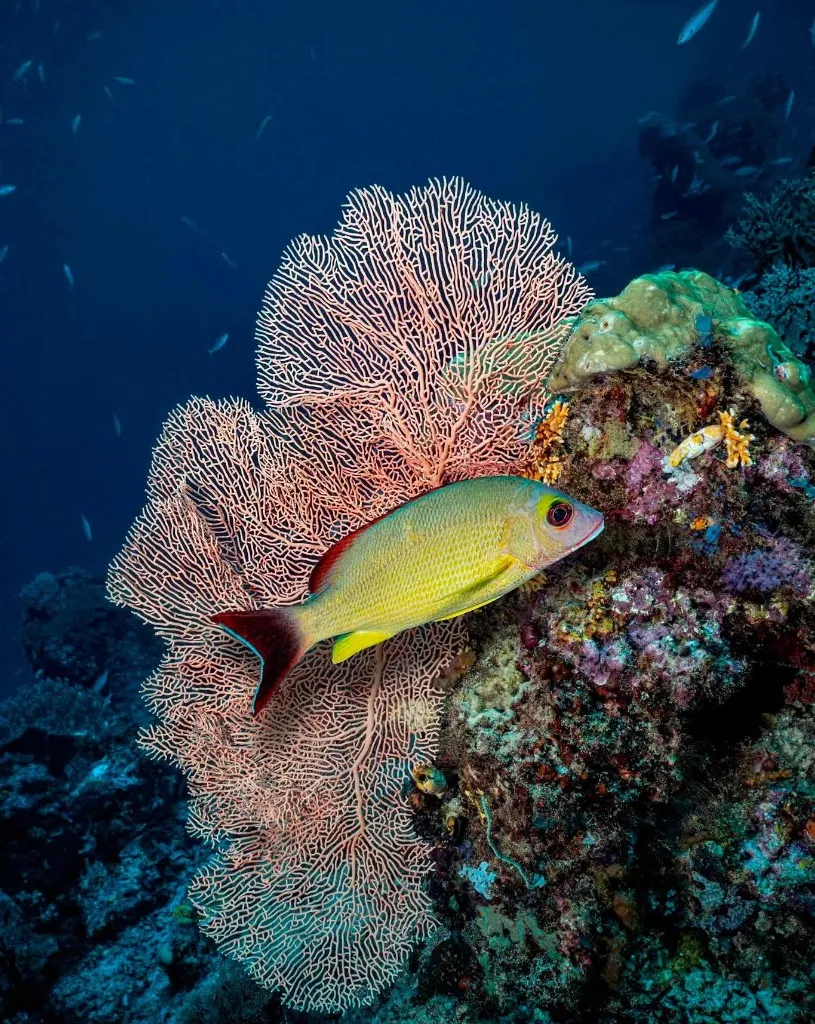
Upon approaching the modules, divers often notice congregations of fish seeking shelter within the crevices of these artificial structures. Snapper and jacks are frequently observed, utilizing the cubes for foraging and refuge.
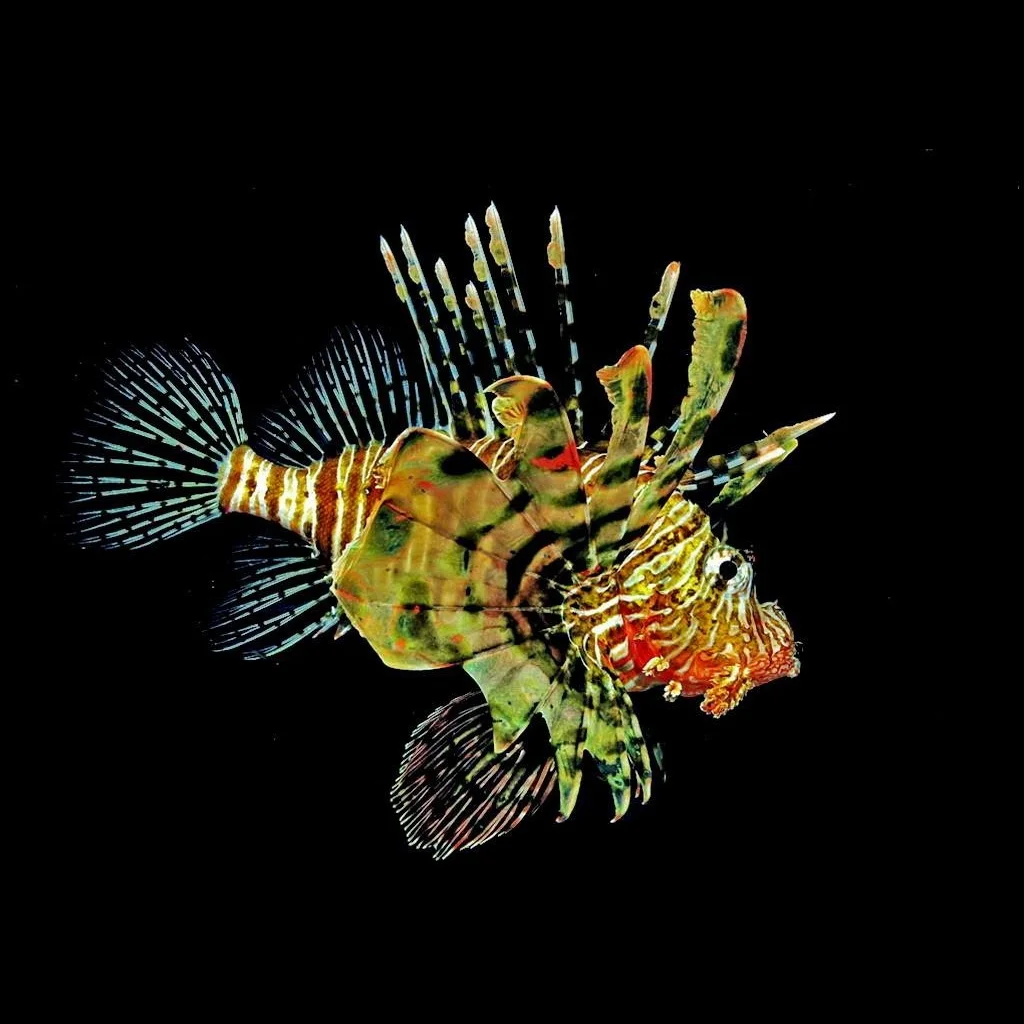
The artificial nature of the reef is specifically designed to attract a diverse array of species, enhancing local biodiversity. Lionfish are present in the region, and local management efforts, including organized hunts, work to control their population, which divers may occasionally witness.
Dive Centers Near St. Marks Reef A6
No Dive Centers Local To St. Marks Reef A6
Are you a dive center visiting this location? Get listed to reach divers.
Nearest Airports
Nearest airports to help plan travel to this dive area.
Search Flights
Check available flights and routes on Expedia, using the nearby airports listed in this section.
Search Flights on ExpediaFrequently Asked Questions
What kind of structures will I find at St. Marks Reef A6?
St. Marks Reef A6 consists of four distinct reef cube modules. These are part of a larger artificial reef system designed to enhance marine habitats and recreational opportunities in the area.
What is the maximum depth at St. Marks Reef A6?
The maximum depth at St. Marks Reef A6 is a consistent 6.4 meters (21 feet). This shallow depth makes it suitable for divers with various experience levels.
Is St. Marks Reef A6 suitable for beginner divers?
Yes, its shallow depth and defined structures make it accessible for beginner divers. Always ensure you are comfortable with the day's conditions and dive within your certification limits.
What is the best season to dive St. Marks Reef A6?
The autumn months, particularly October and November, offer the best conditions with 'Excellent' dive scores, lower rainfall, and pleasant air temperatures. However, diving is possible year-round with appropriate gear for varying temperatures.
What kind of marine life can be seen at the reef?
Divers commonly encounter various fish species, including snapper and jacks, utilizing the reef cubes for shelter and feeding. The site's artificial nature attracts a diverse marine population, and lionfish are also present in the wider region.
What is the offshore distance to St. Marks Reef A6?
Reef A6 sits approximately 2.7 nautical miles from the St. Marks Birdrack. Precise navigation is important for reaching the specific reef modules.
Planning to dive St. Marks Reef A6?
Send one inquiry and receive offers directly from the best verified local dive operators.
Conditions are Good
Optimal conditions expected
Current conditions near St. Marks Reef A6 show 25° air, 30° sea temperature, 0.3 m waves, and 31 km/h wind. Forecast data is refreshed regularly to ensure accuracy.