
Diving at St Marks Reef B2 (United States)
Navigating the varied conditions around Fort Lauderdale, divers should prepare for dynamic currents, particularly due to the consistent influence of the Gulf Stream. This area, notably around St Marks Reef B2, presents a diverse range of underwater experiences, from leisurely reef explorations to more involved wreck dives. With one of the largest collections of warm-water wrecks in the Western world, the region demands careful planning to safely enjoy its extensive artificial reef system.
Tonight's objective overview for St Marks Reef B2 shows an air temperature of 25.5°C. The measured surface conditions include wave heights around 0.4 m. This environmental data is logged for the close of the day.
Dive Site Location & Key Facts
Dive Site Overview
Broward County's extensive program has significantly shaped Fort Lauderdale's underwater landscape, establishing upwards of 76 artificial reefs. This deliberate, ongoing effort has cultivated a remarkably rich and complex environment, creating numerous distinct dive sites suitable for a wide array of diver interests and skill levels.
Divers can explore historic structures like the SS Copenhagen, a 325-foot (99 m) steamship that ran aground in 1900; it now serves as a state underwater museum at approximately 7.6 m (25 ft). This relatively shallow, well-preserved wreck is highly accessible, even for newer divers, making it a popular starting point.
Other notable sites include the Captain Dan, a 175-foot (53 m) former U.S. Coast Guard tender, whose upper deck is accessible to recreational divers, while its deeper sections extend towards the seabed, offering more advanced penetration opportunities and intriguing structural explorations. From convenient shore entries onto living coral reefs to boat-accessed wreck treks and exhilarating drift dives over expansive artificial reef networks, varied experiences are found here, such as the widely praised Rapa Nui Reef, primarily at recreational depths.
Fort Lauderdale's diverse offerings cater to both recreational and technical divers, seeking different experiences from focused underwater photography to responsible spearfishing and even historical exploration.
Conditions are Good
07:00 - 14:00
Optimal conditions expected
Current conditions near St Marks Reef B2 show 26° air, 30° sea temperature, 0.5 m waves, and 23 km/h wind. Forecast data is refreshed regularly to ensure accuracy.
Best Time to Dive
Enjoying Fort Lauderdale's dive sites is a year-round possibility, thanks to consistently warm waters influenced by the Gulf Stream. Ocean temperatures typically range from 22-27°C (72-80°F), ensuring comfort throughout all seasons. The dive score often rates as 'Excellent' during October and November, with October averaging an air temperature of 22°C (72°F) and November at 18.5°C (65°F). Many other months, including May through September, consistently receive 'Good' dive scores. While rain averages around 3-6 mm (0.1-0.2 inches) in summer and fall months, it rarely disrupts dive plans significantly. Wind speeds typically range between 24-30 km/h (15-19 mph), and wave heights are usually manageable, often below 0.6 meters (2 feet), creating generally favorable surface conditions.
PEAK SEASON SCORE
Scores combine air & water temps, waves, wind & rainfall for overall conditions.
BEST MONTHS TO DIVE
Monthly records compiled from satellite and marine observation nodes over the last 3 years. Data provided by Open-Meteo and MET Norway.
Dive Experience & Conditions
Approaching a dive in the Fort Lauderdale area means preparing for diverse depth profiles and varying conditions. Shore entries at places like Lauderdale-by-the-Sea offer shallower explorations, typically ranging from 2.4-6 meters (8-20 ft) over living coral reefs and sandy bottoms. Deeper excursions to artificial reefs and wrecks, such as the Captain Dan, extend into the recreational depth limit, with features found around 21-27 meters (70-90 ft). The pervasive Gulf Stream current often facilitates exhilarating drift dives across multiple sites, offering a dynamic way to see more ground. Visibility can fluctuate but generally provides clear subtropical water for observing the extensive marine life. This makes planning around current strength and direction crucial for an optimal dive experience.
Dive Difficulty & Safety Guidelines
Ensuring a safe dive experience in Fort Lauderdale requires attention to local marine conditions and regulations. Divers should plan for potential currents, especially when embarking on longer drift dives that might cover multiple wrecks or extensive reef lines. Carrying a dive flag and torpedo float is a standard safety practice, particularly for shore entry dives or when surface visibility might be compromised.
Anyone considering spearfishing or lobster harvesting must hold current FWC licenses and adhere strictly to all local rules. Maintaining proper buoyancy control is also vital to protect the delicate coral formations and historical wreck sites from accidental contact.
Recommended Equipment
- Dive Computer
This gear list is based on verified equipment signals for St Marks Reef B2, United States. Always confirm final gear choices with your dive operator, guide, or liveaboard.
Recommended Dive Suit
Water temperatures at St Marks Reef B2 are currently estimated to be around 30°C (86°F), shaping the overall diving conditions for today. Surface air temperatures are resting at 26°C (78°F).
Many divers choose dive skin or rash guard when diving in similar conditions. A hood or vest is suggested for sensitive divers due to surface winds.
Forecast models show minimal temperature variation in the coming days.
Emergency & Medical Support
Essential information to help you plan your dive trip to St Marks Reef B2.

Hyperbaric chambers are a critical part of dive safety infrastructure. Availability varies significantly by region, and not all dive areas have immediate access.
Before diving, it's recommended to:
- confirm nearest medical facilities
- check emergency procedures with local dive operators
- ensure dive insurance covers evacuation if required
Divers Alert Network
Diving emergency assistance available through DAN World.
+1-919-684-9111- 24/7 emergency hotline
- Diving medical assistance
- Evacuation coordination
Emergency contacts are provided for reference. Always verify local emergency services before diving.
Marine Life at St Marks Reef B2
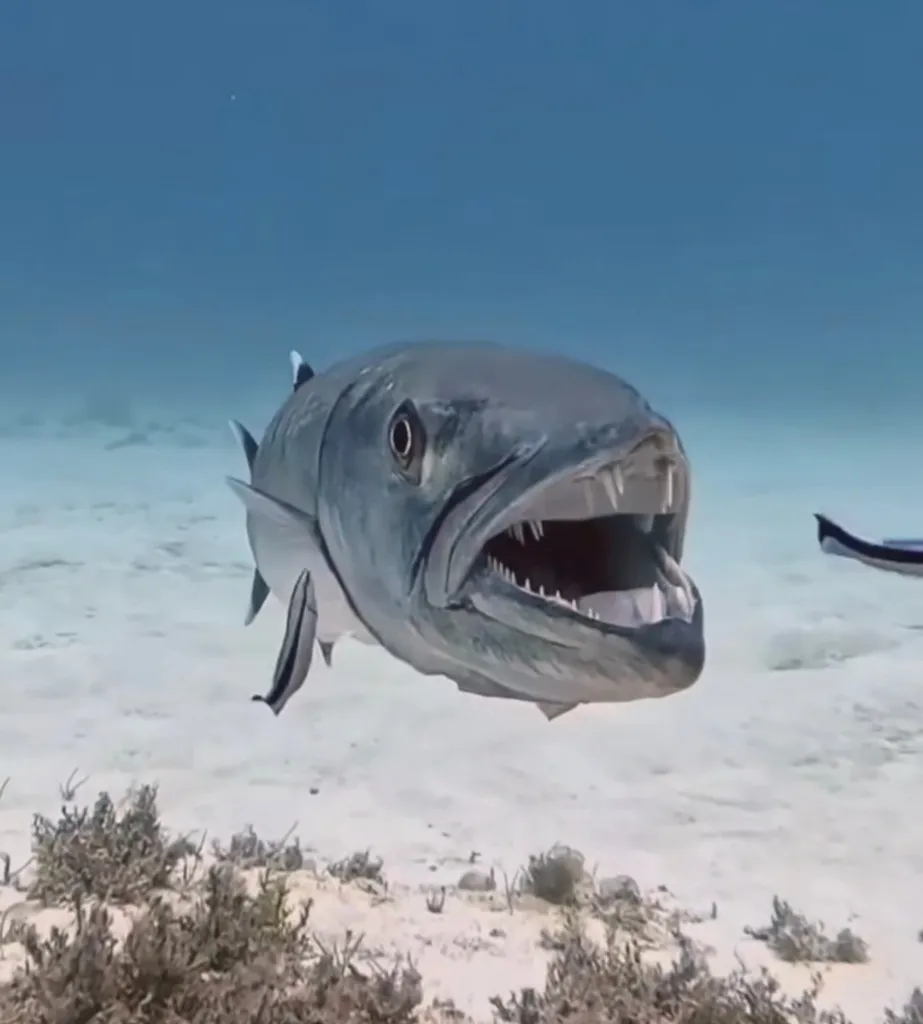
The myriad artificial reefs and natural living corals in Fort Lauderdale attract a considerable diversity of marine life. Divers frequently encounter barracuda patrolling the structures and large goliath grouper resting within the wrecks.
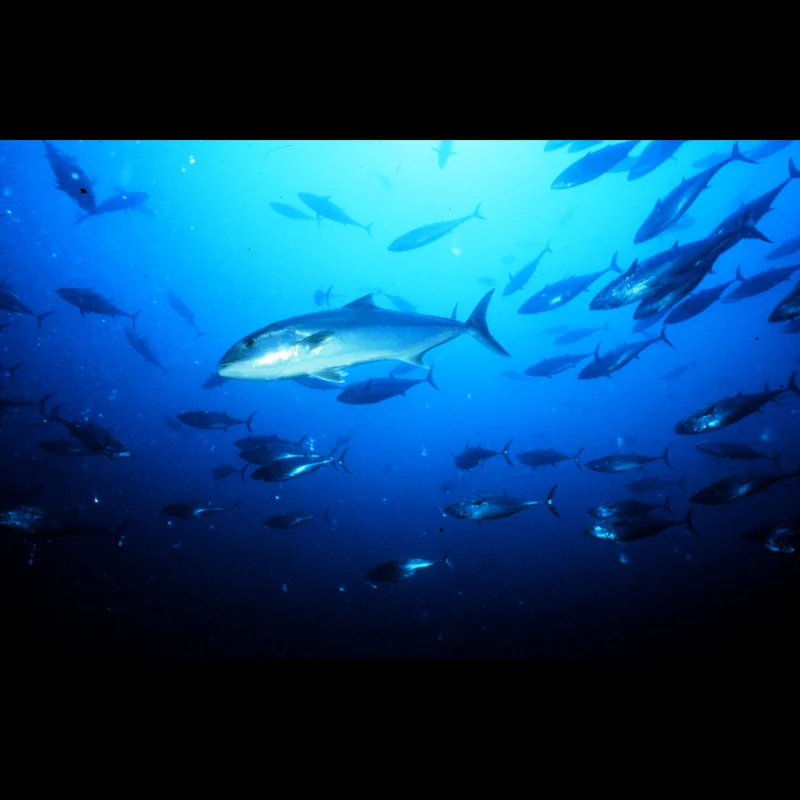
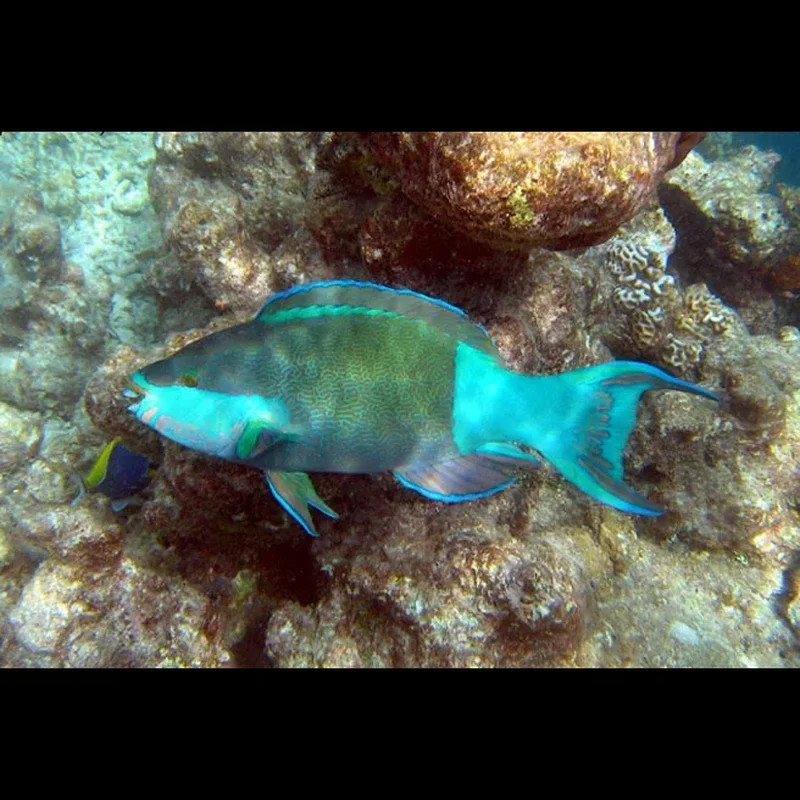
Amberjack are often seen schooling, while various species of colorful parrotfish graze on the reefs. The vibrant ecosystems support an astounding array of smaller reef fish and crustaceans, particularly on the near-shore living coral reef sections, providing plenty for underwater photographers to capture.

Dive Centers Near St Marks Reef B2
No Dive Centers Local To St Marks Reef B2
Are you a dive center visiting this location? Get listed to reach divers.
Nearest Airports
Nearest airports to help plan travel to this dive area.
Search Flights
Check available flights and routes on Expedia, using the nearby airports listed in this section.
Search Flights on ExpediaFrequently Asked Questions
What types of diving are available in Fort Lauderdale?
Fort Lauderdale offers diverse diving experiences including shore dives onto living coral reefs, boat dives to numerous artificial reefs, and exciting wreck dives. You can also enjoy drift diving, spearfishing, and lobster harvesting in permitted areas.
Can I shore dive in Fort Lauderdale?
Yes, Fort Lauderdale is one of the few places in the continental USA where you can shore dive onto a living coral reef. Popular access points are found in Lauderdale-by-the-Sea, often just a short swim of about 91 meters (100 yards) from the beach.
What is the typical water temperature?
Ocean temperatures in Fort Lauderdale remain comfortably warm throughout the year due to the Gulf Stream. Expect temperatures ranging from 22°C (72°F) in winter to 27°C (80°F) in summer.
Are there strong currents?
The Gulf Stream directly influences Fort Lauderdale's waters, meaning currents are often present. These currents can be used for enjoyable drift dives, but divers should be prepared for varying strengths and plan accordingly.
What marine life might I see?
The artificial and natural reefs host a variety of marine life. You can typically expect to encounter barracuda, goliath grouper, amberjack, and several species of parrotfish, alongside many smaller reef inhabitants.
Is spearfishing or lobstering permitted?
Yes, spearfishing and lobster harvesting are permitted in certain areas, provided divers hold current FWC (Florida Fish and Wildlife Conservation Commission) licenses. Always verify specific regulations and restricted zones before engaging in these activities.
Are there any specific wreck dives to consider?
Several notable wrecks include the SS Copenhagen, a state underwater museum accessible in shallower sections, offering clear historical insights. Captain Dan is another popular wreck, with its upper deck at recreational depths, while deeper parts extend further. Additionally, the region features the 'Wreck Trek,' allowing a unique drift dive across multiple wrecks when currents permit.
How deep are the popular dive sites?
Dive sites vary significantly in depth. Shore dives on the first reef are typically quite shallow, ideal for newer divers and extended bottom times. Many popular wreck dives can be found within the 21-27 meter (70-90 ft) range, suitable for advanced recreational divers, and sites like Rapa Nui Reef are also within these depths.
Planning to dive St Marks Reef B2?
Send one inquiry and receive offers directly from the best verified local dive operators.
Conditions are Good
07:00 - 14:00
Optimal conditions expected
Current conditions near St Marks Reef B2 show 26° air, 30° sea temperature, 0.5 m waves, and 23 km/h wind. Forecast data is refreshed regularly to ensure accuracy.