
Diving at St. Pete Beach Site (United States)
St. Pete Beach diving unfolds across a varied underwater landscape, characterized by an extensive artificial reef system and natural limestone formations. These sites include deliberate shipwrecks, bridge rubble, culverts, and even army tanks, all intentionally placed to foster marine habitats. Complementing these structures are natural limestone ledges, remnants of Florida's prehistoric past, which often feature deep undercuts. This combination creates a dynamic environment for diverse marine life, distinct from the crystalline blues found elsewhere in Florida.
As evening covers St. Pete Beach Site, the local air temperature is measured at 29.5°C. The current wave height at the surface is recorded at 0.4 m. These late-day readings characterize the surface conditions for the night.
Dive Site Location & Key Facts
Dive Site Overview
Exploring the waters off St. Petersburg and Tampa offers unique underwater adventures, inviting divers into a world shaped by both natural history and human ingenuity. Divers will discover a range of sites featuring intriguing shipwrecks, a well-maintained artificial reef system, and ancient limestone formations.
These warm Gulf waters serve as a magnet for a diverse array of marine life, from vibrant reef fish to larger pelagic species like grouper, barracuda, and various rays. Popular deeper dive sites, such as the USS Narcissus wreck, a Civil War-era tugboat, and the substantial Blackthorn shipwreck, cater to intermediate to advanced divers.
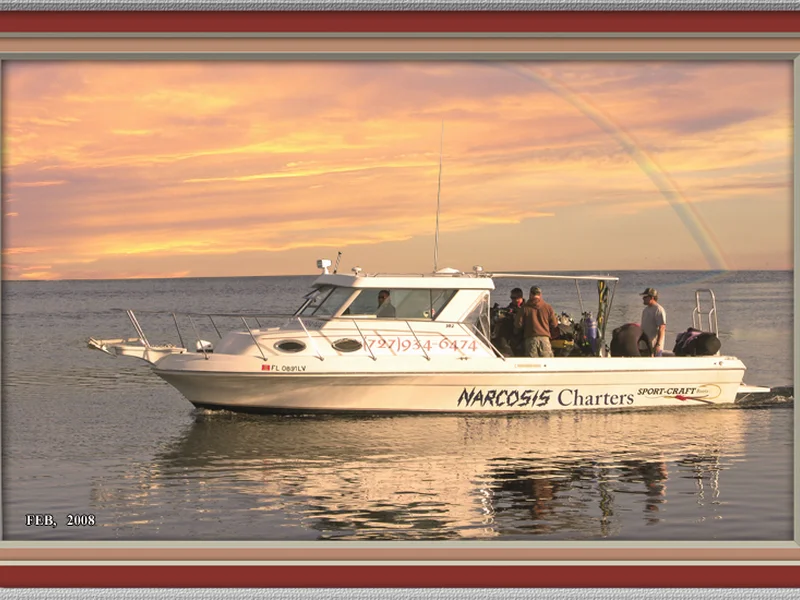
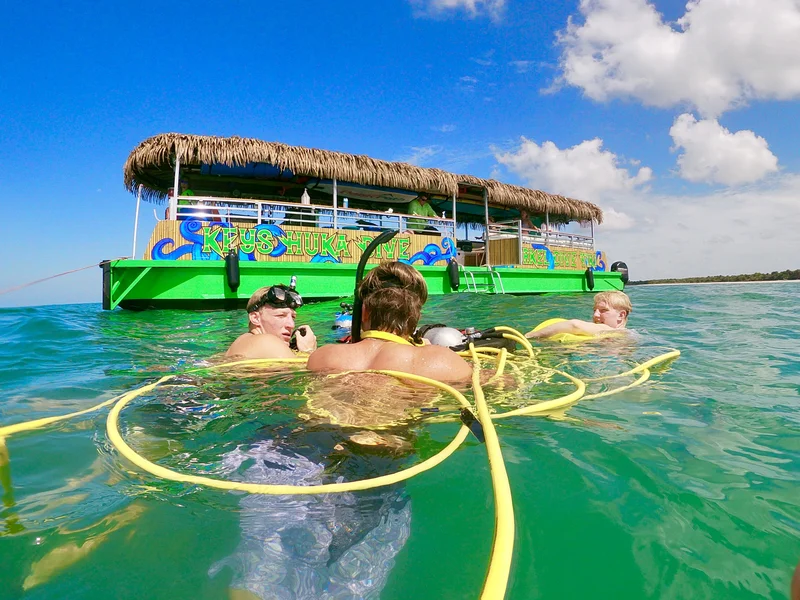
These artificial structures and natural ledges become bustling ecosystems, providing habitat for corals, sponges, and an impressive variety of fish. Given that very little beach diving is possible, most dive sites are accessible only by boat, with local shops and charters offering year-round trips.
Each dive here promises a fresh encounter within Tampa Bay’s rich marine environments and historical sites.
Conditions are Good
07:00 - 14:00
Optimal conditions expected
Current conditions near St. Pete Beach Site show 30° air, 30° sea temperature, 0.4 m waves, and 23 km/h wind. Forecast data is refreshed regularly to ensure accuracy.
Best Time to Dive
For optimal visibility, late Summer and early Fall typically provide the clearest conditions, especially on calmer days with reduced wind and wave activity. Water temperatures during this period are pleasantly warm, generally ranging from 24-29°C (75-85°F). Rainfall tends to be less frequent in late Summer, further enhancing underwater clarity. Diving is also excellent from late Spring through early Fall, approximately May to October, aligning with the warmest water. During winter, diving remains possible, but Gulf water temperatures can drop to the low 16-17°C (low 60s°F), and visibility often sees a reduction due to increased wave action. Air temperatures average around 15°C (59°F) in January, gradually climbing to 29°C (84°F) by August, before cooling to 21°C (70°F) in November, making late spring to early fall most comfortable.
PEAK SEASON SCORE
Scores combine air & water temps, waves, wind & rainfall for overall conditions.
BEST MONTHS TO DIVE
Monthly records compiled from satellite and marine observation nodes over the last 3 years. Data provided by Open-Meteo and MET Norway.
Dive Experience & Conditions
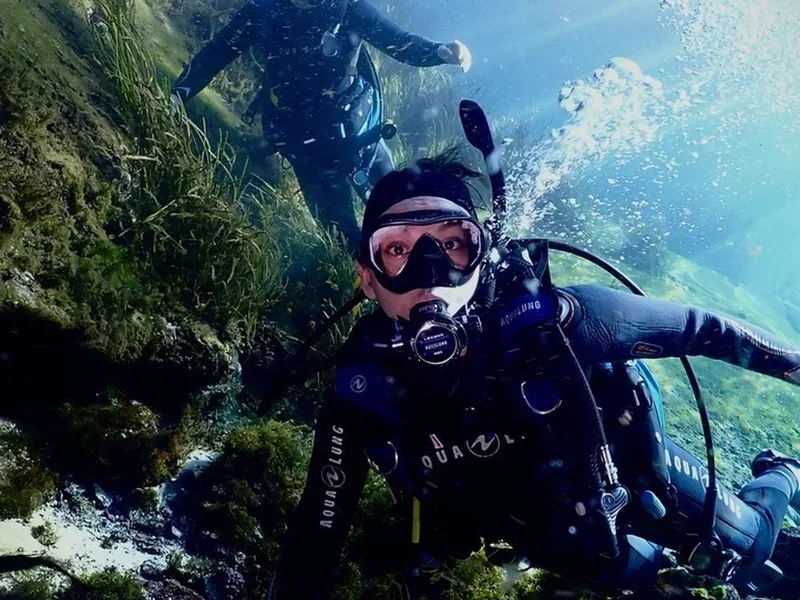
Descending into the Gulf waters near St. Pete Beach, divers will find themselves exploring a landscape quite different from coral reefs elsewhere. The initial plunge reveals waters that, while not always azure, typically offer good visibility, especially during calm summer and early fall days. As you reach recreational depth ranges, you'll encounter a mix of artificial reefs—from wrecks to bridge rubble—and natural limestone ledges. These ledges can feature deep undercuts, providing intriguing architectural elements to explore. Water temperatures are comfortably warm from late spring to early fall, often between 24-29°C (75-85°F). During winter months, temperatures cool down to about 16-17°C (low 60s°F), requiring thicker exposure protection. Conditions vary, with calm days offering the best visibility and minimal current, while higher wave action in winter can reduce clarity. Divers should expect to access most sites via boat, heading out to the varied structures that define this underwater region.
Dive Difficulty & Safety Guidelines
Approaching dive sites in the St. Pete Beach area requires mindful planning due to the reliance on boat access and varied offshore conditions. It's important to understand that local waters present different challenges than more tranquil, clear-water destinations. Always consult with a dive professional familiar with specific sites and their current conditions before your dive.
Many ledges feature deep undercuts, which, while offering excellent marine life viewing, also require careful buoyancy control and awareness of your surroundings. The deeper wreck sites are suitable for intermediate to advanced divers who possess the necessary training and experience for such environments.
Adhering to PADI Standard Safe Diving Practices is always recommended, ensuring thorough dive planning, proper equipment checks, and never exceeding your certification limits.
Recommended Equipment
- Dive Computer
This gear list is based on verified equipment signals for St. Pete Beach Site, United States. Always confirm final gear choices with your dive operator, guide, or liveaboard.
Recommended Dive Suit
Thermal protection such as dive skin or rash guard is commonly used for water temperatures in this range. A hood or vest is suggested for sensitive divers due to surface winds.
Divers entering the water at St. Pete Beach Site today can expect temperatures near 30°C (87°F) beneath the surface. Surface air temperatures are resting at 30°C (85°F).
Environmental conditions may feel slightly cooler as the week progresses. Cooler days are ahead; you might want a warmer option for later in the week. Having a second exposure option available is often a good precaution.
Emergency & Medical Support
Essential information to help you plan your dive trip to St. Pete Beach Site.

Hyperbaric chambers are a critical part of dive safety infrastructure. Availability varies significantly by region, and not all dive areas have immediate access.
Before diving, it's recommended to:
- confirm nearest medical facilities
- check emergency procedures with local dive operators
- ensure dive insurance covers evacuation if required
Divers Alert Network
Diving emergency assistance available through DAN World.
+1-919-684-9111- 24/7 emergency hotline
- Diving medical assistance
- Evacuation coordination
Emergency contacts are provided for reference. Always verify local emergency services before diving.
Marine Life at St. Pete Beach Site
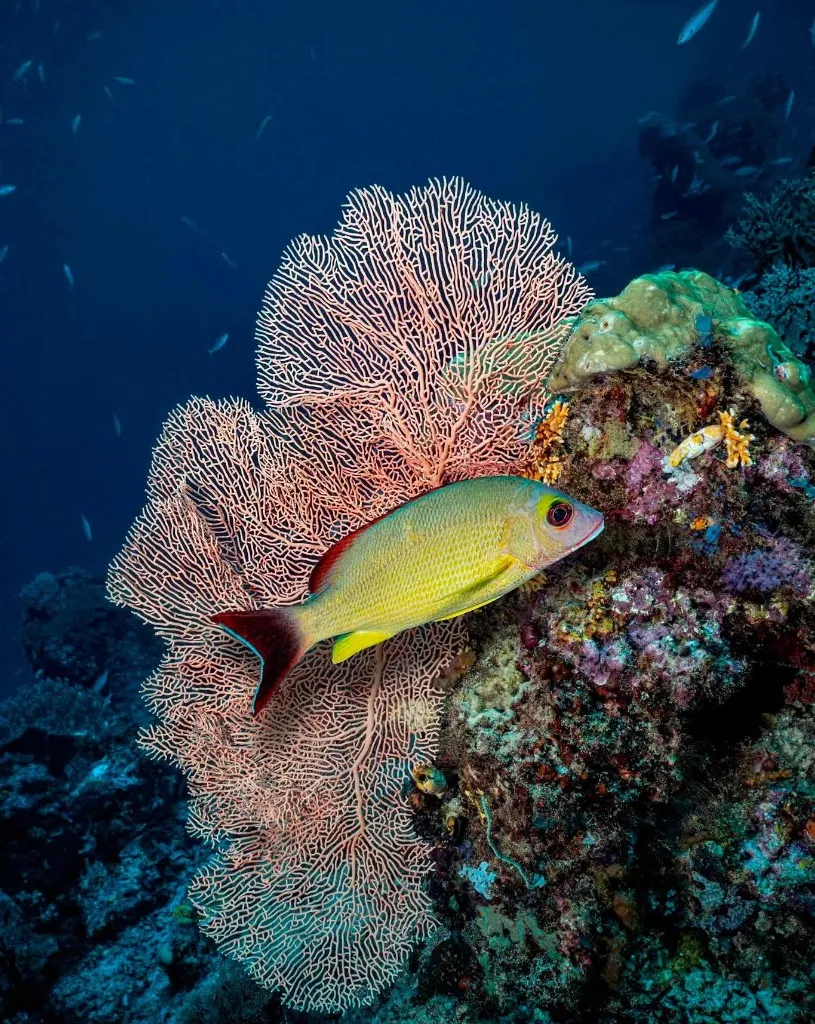
The dive sites around St. Pete Beach are vibrant with diverse aquatic inhabitants, largely thanks to the extensive artificial reef system and natural ledges. You'll frequently observe colorful reef fish darting around these structures.
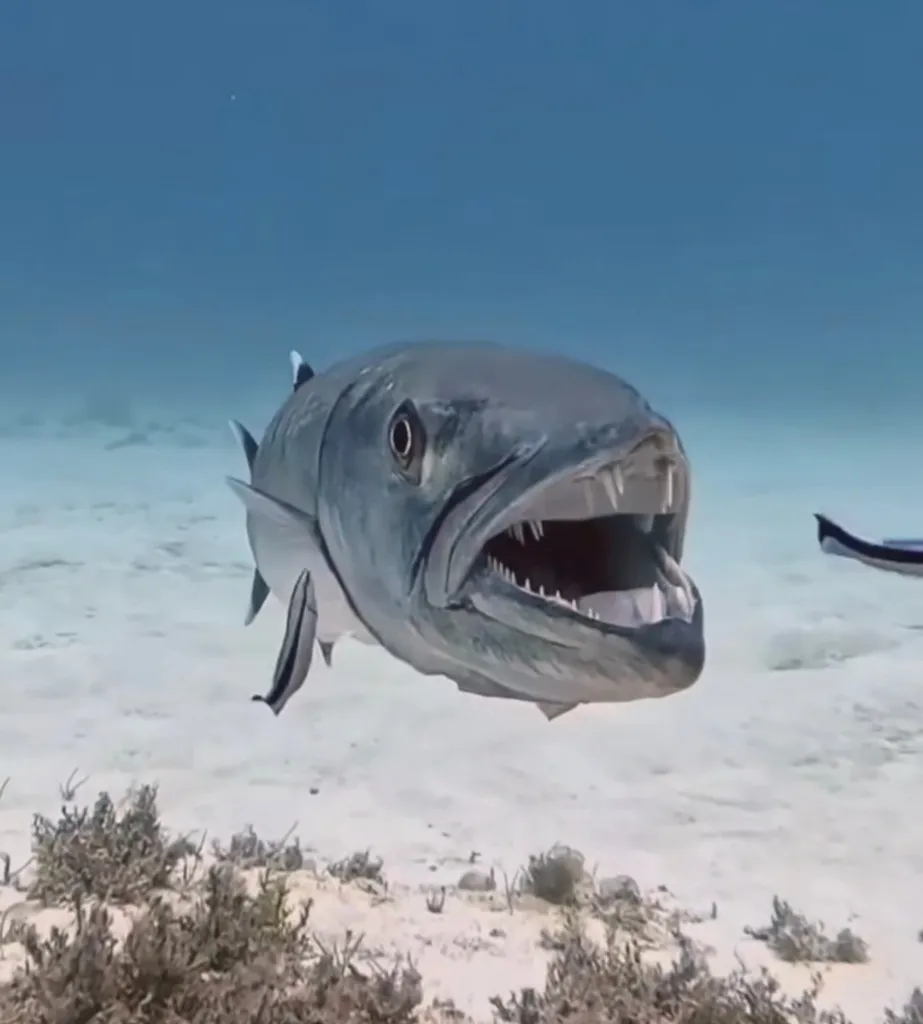
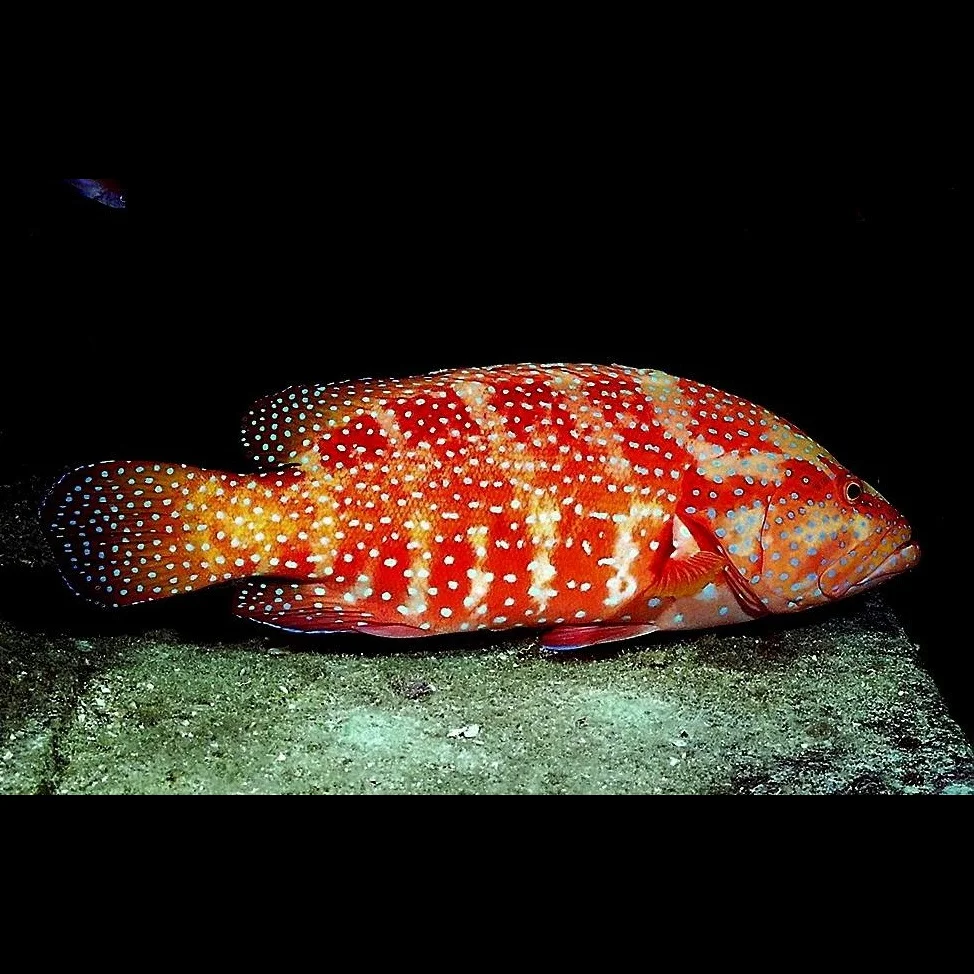
Larger species commonly sighted include various types of grouper, barracuda, and rays, often patrolling the deeper sections. The artificial reefs themselves are colonized by thriving corals and sponges, providing essential habitat.
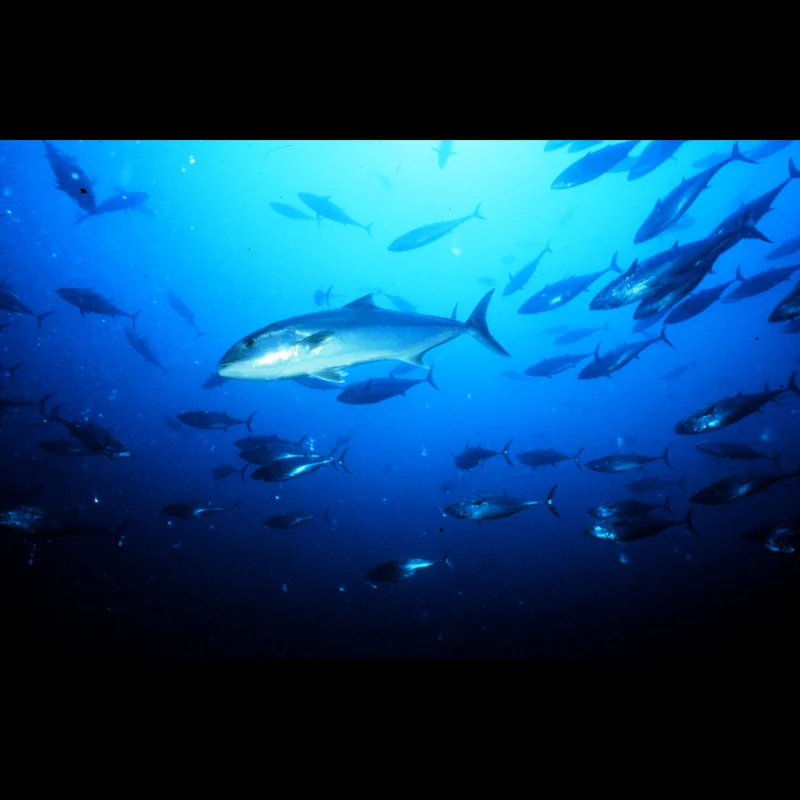
For those interested in game fish, the Gulf Coast is home to species such as hogfish, snappers, and amberjack, often found congregating around these structures and ledges.

Dive Centers Near St. Pete Beach Site
Today: 11:00 - 19:00
Nearest Airports
Nearest airports to help plan travel to this dive area.
Search Flights
Check available flights and routes on Expedia, using the nearby airports listed in this section.
Search Flights on Expedia
Plan Your Stay
Looking for a place to stay for your dive trip? Explore hotels, stays, and vacation rentals for dive groups near Saint Pete Beach.
Dive Navigator may earn a commission from these links at no extra cost to you.
Frequently Asked Questions
What types of dive sites can I expect near St. Pete Beach?
You can expect a variety of sites including artificial reefs, such as shipwrecks, bridge rubble, and culverts, as well as natural limestone ledges. Many of these ledges feature deep undercuts, creating interesting underwater topography and habitat.
When is the best time to dive in St. Pete Beach for clear water?
The best time for optimal visibility is typically late Summer and early Fall, especially on calm days with less wind and wave action. Late Summer often provides excellent visibility due to less frequent rainstorms.
What are the typical water temperatures?
From late Spring to early Fall (May-October), water temperatures are warm, generally ranging from 24-29°C (75-85°F). In winter, temperatures can drop to about 16-17°C (low 60s°F).
Do I need a boat to access dive sites?
Yes, almost all dive sites in the St. Pete Beach area are only accessible by boat. There is very little beach diving available, so you'll need to arrange a charter.
What kind of marine life might I see?
Divers often encounter colorful reef fish, grouper, barracuda, and rays. The artificial reefs and natural ledges also host corals, sponges, hogfish, snappers, and amberjack.
Are there dive sites for beginners?
While some sites cater to intermediate to advanced divers (like certain wrecks), the area offers a range of options suitable for various skill levels. Always check with a local dive professional to match sites to your experience.
Planning to dive St. Pete Beach Site?
Send one inquiry and receive offers directly from the best verified local dive operators.
Conditions are Good
07:00 - 14:00
Optimal conditions expected
Current conditions near St. Pete Beach Site show 30° air, 30° sea temperature, 0.4 m waves, and 23 km/h wind. Forecast data is refreshed regularly to ensure accuracy.