
Diving at St. Pete Beach Site (United States)
St. Pete Beach diving immediately presents a varied underwater landscape, distinct from the Caribbean's famed clear blues. Instead, divers find rich ecosystems supported by an extensive network of artificial reefs and natural limestone ledges. These waters offer a different kind of beauty, focusing on habitat diversity rather than extreme clarity.
Tonight's objective overview for St. Pete Beach Site shows an air temperature of 26°C. The measured surface conditions include wave heights around 0.5 m. This environmental data is logged for the close of the day.
Dive Site Location & Key Facts
Dive Site Overview
This area's true character lies in its diverse underwater architecture, providing special adventures across shipwrecks, artificial reefs, and natural limestone formations. The well-maintained artificial reef system offshore of St. Petersburg and West Central Florida comprises numerous sites, featuring old wrecks, bridge rubble, culverts, and even some army tanks.
These range from 200 yards to 38 miles offshore, creating ample opportunities for exploration. Natural limestone ledges also scatter the Gulf Coast, remnants of Florida’s dynamic prehistoric coastline. Many of these ledges feature deep undercuts and can vary in height, providing crucial habitat for a wide array of sea life.
Divers of various skill levels can explore these historical wreck sites and natural structures, discovering a rich marine ecosystem and historical context with each immersion in the warm Gulf waters.
Conditions are Good
Optimal conditions expected
Current conditions near St. Pete Beach Site show 26° air, 30° sea temperature, 0.4 m waves, and 31 km/h wind. Forecast data is refreshed regularly to ensure accuracy.
Best Time to Dive
Late Spring to early Fall, approximately May to October, presents the most favorable conditions for diving around St. Pete Beach. During this period, the air temperatures are generally warm, ranging from 25.5°C (78°F) in May to 29°C (84°F) in August, creating comfortable surface conditions. Water temperatures are also consistently warm, typically between 24-29°C (75-85°F). Rain activity varies; July experiences around 2.9 mm and August can see 8.9 mm, but late Summer often provides excellent visibility as major rainstorms become less frequent. Winter diving is still an option, yet water temperatures can drop into the low 10s°C (low 60s°F), and visibility often sees reductions due to increased wave action. For the warmest and clearest conditions, planning a trip for summer or early fall is advisable.
PEAK SEASON SCORE
Scores combine air & water temps, waves, wind & rainfall for overall conditions.
BEST MONTHS TO DIVE
Monthly records compiled from satellite and marine observation nodes over the last 3 years. Data provided by Open-Meteo and MET Norway.
Dive Experience & Conditions
Diving offshore of St. Pete Beach offers a tangible sense of discovery, with each site feeling distinct due to the varied bottom topography. While the waters are not known for Caribbean-like clarity, visibility is usually at its best in the Summer and early Fall, especially on calm days with minimal wind and wave activity. Water temperatures in the Gulf are generally warm during these peak seasons, providing a comfortable diving experience without heavy thermal protection for most divers. Depths vary widely across sites, with many artificial reefs and natural ledges offering recreational depth ranges suitable for intermediate to advanced divers. Expect conditions to shift with local weather, as higher wave action can reduce visibility, particularly outside the warmer months. Exploring these sites means navigating a dynamic environment shaped by both natural forces and man-made structures.
Dive Difficulty & Safety Guidelines
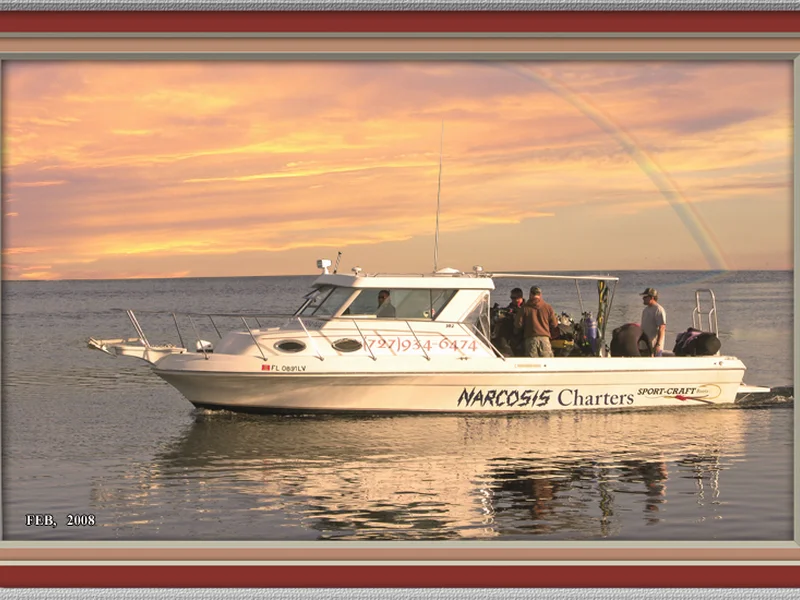
Planning your dive in the St. Pete Beach area requires careful consideration of access, as most dive sites are exclusively accessible by boat. There's very little beach diving available, so arranging a spot on a local dive charter is essential for reaching the offshore artificial reefs and natural ledges. Divers should always consult with a local dive professional familiar with the site and its present conditions before any underwater activity.
Always adhere to PADI Standard Safe Diving Practices. This ensures a safe and enjoyable experience, particularly when navigating deeper sections or exploring wreck penetrations, which are typically options for intermediate to advanced divers.
Recommended Equipment
- Dive Computer
This gear list is based on verified equipment signals for St. Pete Beach Site, United States. Always confirm final gear choices with your dive operator, guide, or liveaboard.
Recommended Dive Suit
With water temperatures around 30°C (87°F), many divers find a dive skin or rash guard provides comfortable protection.
Local conditions can vary slightly across different parts of the same dive site.
Conditions are expected to stay fairly consistent in the days ahead.
Emergency & Medical Support
Essential information to help you plan your dive trip to St. Pete Beach Site.

Hyperbaric chambers are a critical part of dive safety infrastructure. Availability varies significantly by region, and not all dive areas have immediate access.
Before diving, it's recommended to:
- confirm nearest medical facilities
- check emergency procedures with local dive operators
- ensure dive insurance covers evacuation if required
Divers Alert Network
Diving emergency assistance available through DAN World.
+1-919-684-9111- 24/7 emergency hotline
- Diving medical assistance
- Evacuation coordination
Emergency contacts are provided for reference. Always verify local emergency services before diving.
Marine Life at St. Pete Beach Site
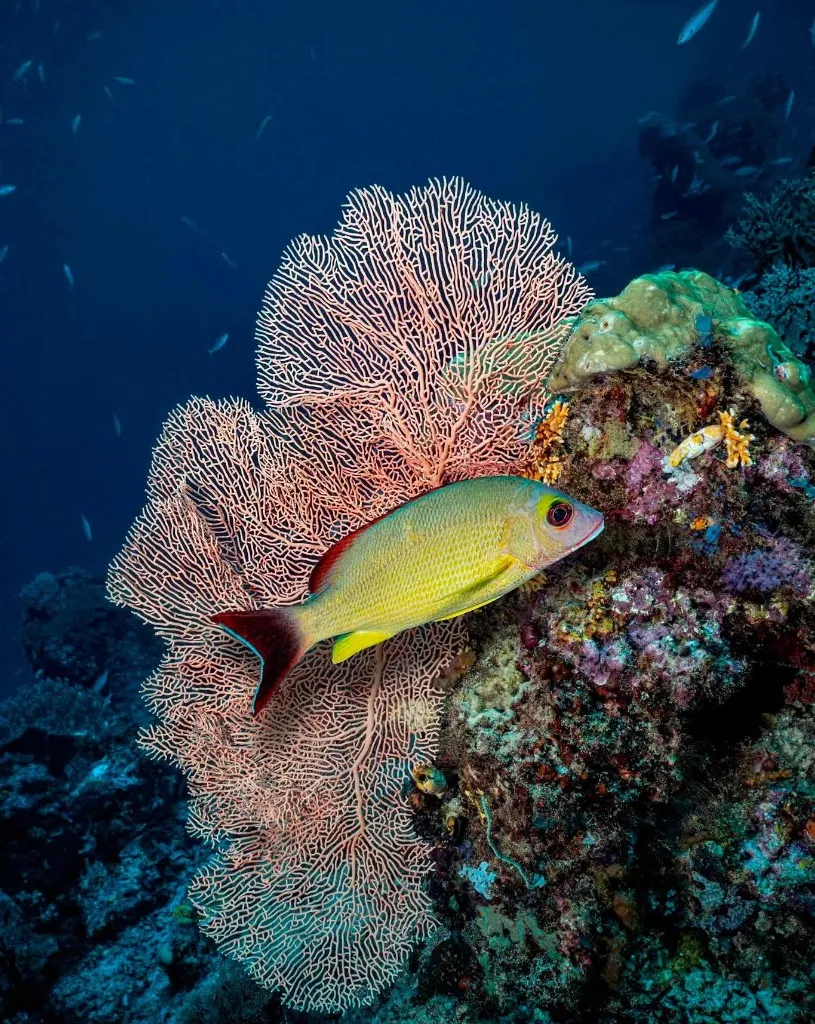
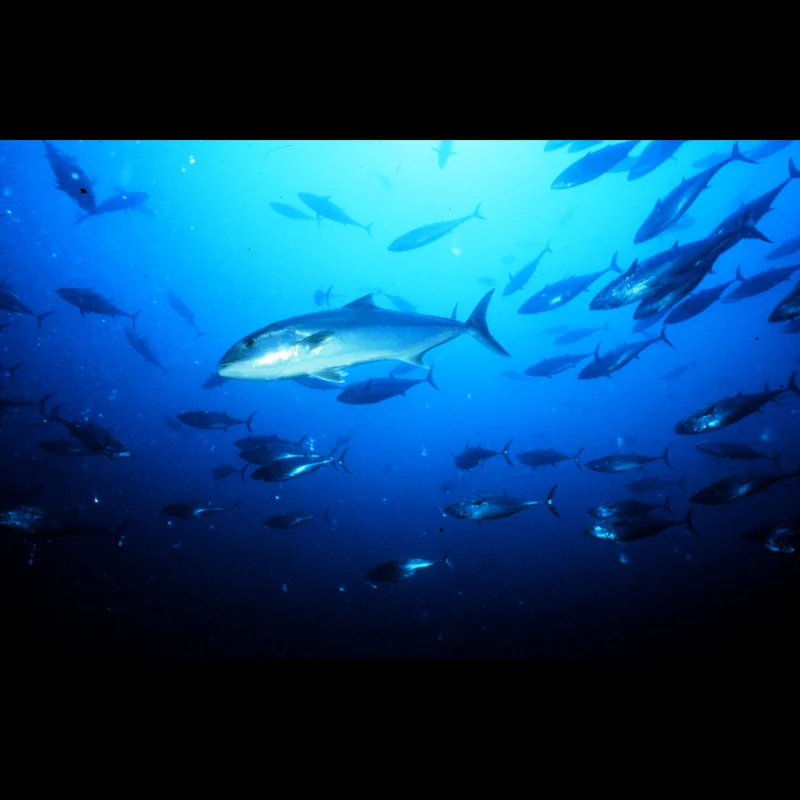
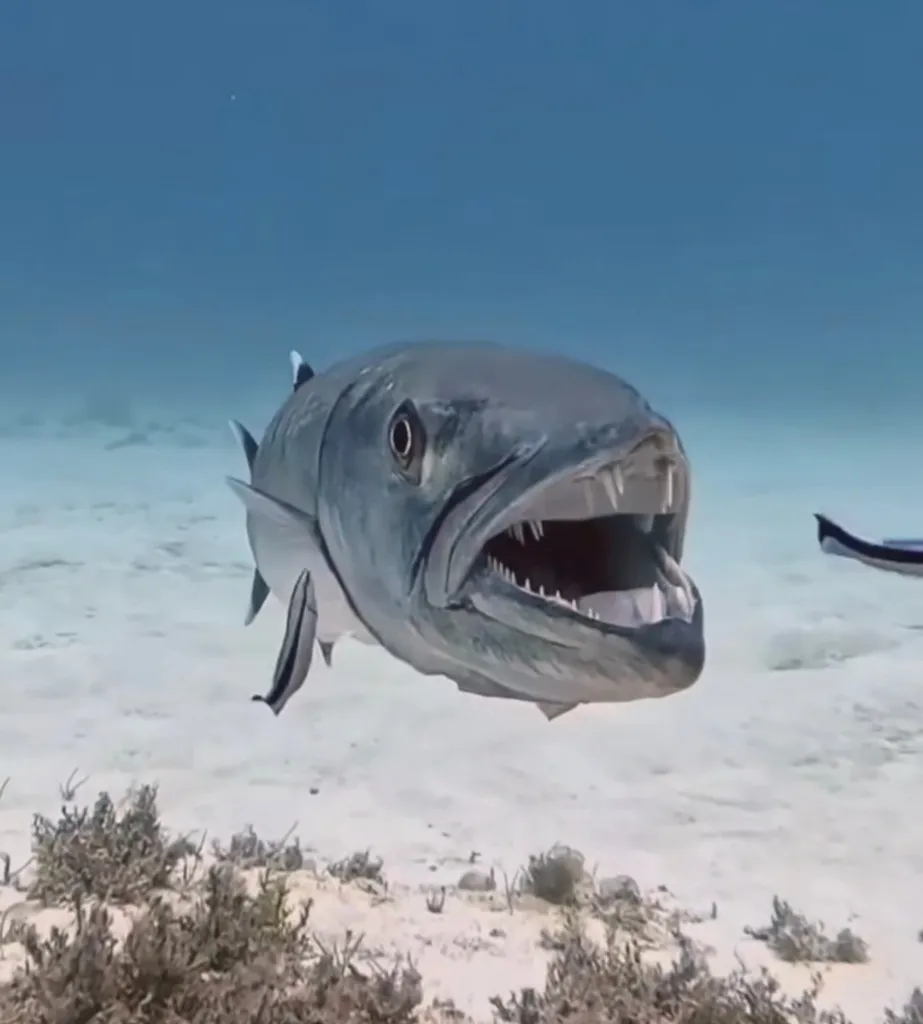
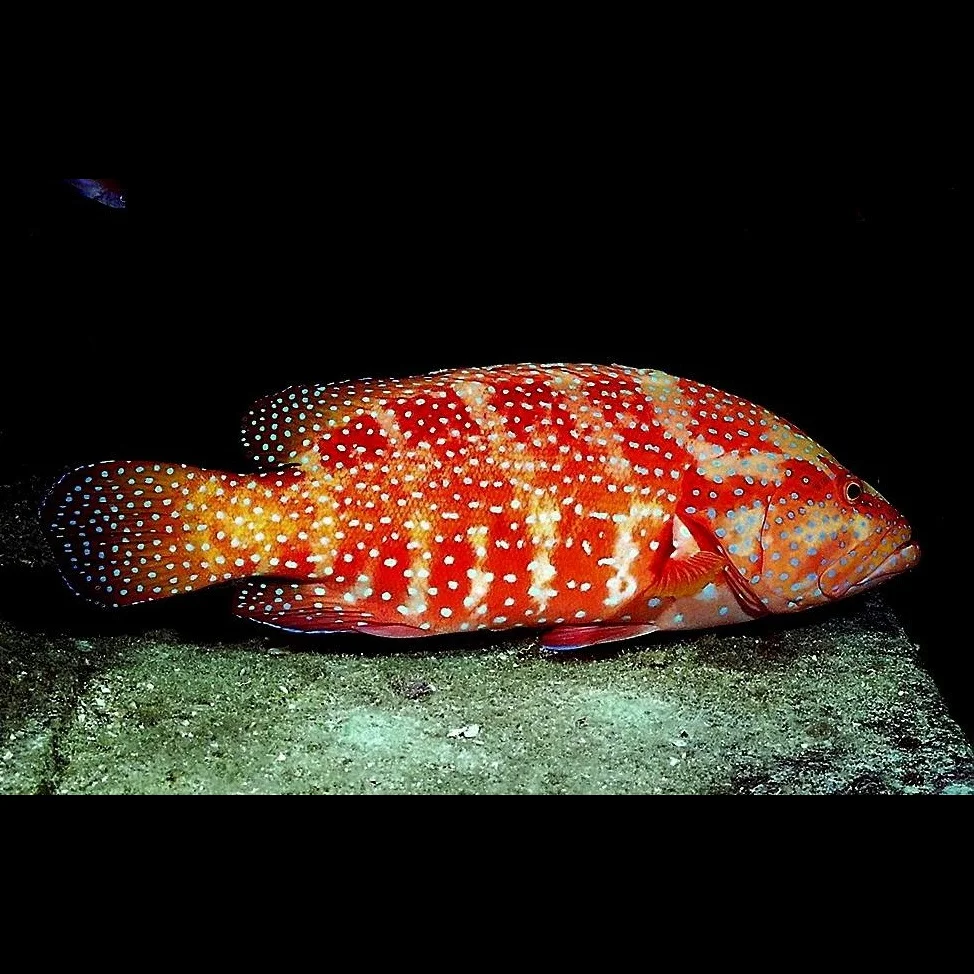
Encounters with diverse marine life are common, particularly around the many artificial reefs and limestone ledges. Expect to spot various game fish, including grouper, hogfish, snappers, and amberjack, often lurking within the structures.
Additionally, barracuda and rays are frequently observed cruising the reef perimeters. These structures, whether a civil war-era tugboat like the USS Narcissus or the massive Blackthorn shipwreck, support a vibrant ecosystem of corals, sponges, and an impressive variety of reef fish.

Dive Centers Near St. Pete Beach Site
Today: 10:00 - 17:00
Nearest Airports
Nearest airports to help plan travel to this dive area.
Search Flights
Check available flights and routes on Expedia, using the nearby airports listed in this section.
Search Flights on Expedia
Plan Your Stay
Looking for a place to stay for your dive trip? Explore hotels, stays, and vacation rentals for dive groups near Saint Pete Beach.
Dive Navigator may earn a commission from these links at no extra cost to you.
Frequently Asked Questions
What types of dive sites are available in St. Pete Beach?
The area features an extensive artificial reef system, including various wrecks, bridge rubble, culverts, and even army tanks. Natural limestone ledges with undercuts also offer diverse habitats for marine life.
When is the best time to dive in St. Pete Beach?
The optimal time is from late Spring to early Fall, roughly May to October. During this period, water temperatures are warm, and visibility is generally at its best, especially on calm days with less wind.
What marine life can I expect to see?
Divers often encounter grouper, hogfish, snappers, and amberjack. Larger species like barracuda and various types of rays are also common sightings around the reefs and ledges.
How do I access the dive sites?
Most dive sites offshore of St. Pete Beach are accessible only by boat. There is very little beach diving, so securing a spot on a local dive charter is necessary.
What are the typical water temperatures?
Water temperatures in the Gulf generally range from 24-29°C (75-85°F) from late Spring to early Fall. Winter temperatures can drop to the low 10s°C (low 60s°F).
What is the visibility like?
Visibility is usually best in Summer and early Fall, especially on calm days. It can be reduced during winter months due to higher wave action and in late summer due to less frequent rainstorms.
Planning to dive St. Pete Beach Site?
Send one inquiry and receive offers directly from the best verified local dive operators.
Conditions are Good
Optimal conditions expected
Current conditions near St. Pete Beach Site show 26° air, 30° sea temperature, 0.4 m waves, and 31 km/h wind. Forecast data is refreshed regularly to ensure accuracy.