
Diving at Starfish Reef, Patch #1 (United States)
Encounter a vibrant segment of the South East Florida reef tract at Starfish Reef, Patch #1. This site provides a readily accessible dive experience, characterized by its artificial reef structures and a typical recreational depth range. Situated within the dynamic environment of the Gulf Stream current, it promises engaging explorations for divers keen to discover diverse marine ecosystems close to shore.
Tonight's objective overview for Starfish Reef, Patch #1 shows an air temperature of 29°C. The measured surface conditions include wave heights around 0.8 m. This environmental data is logged for the close of the day.
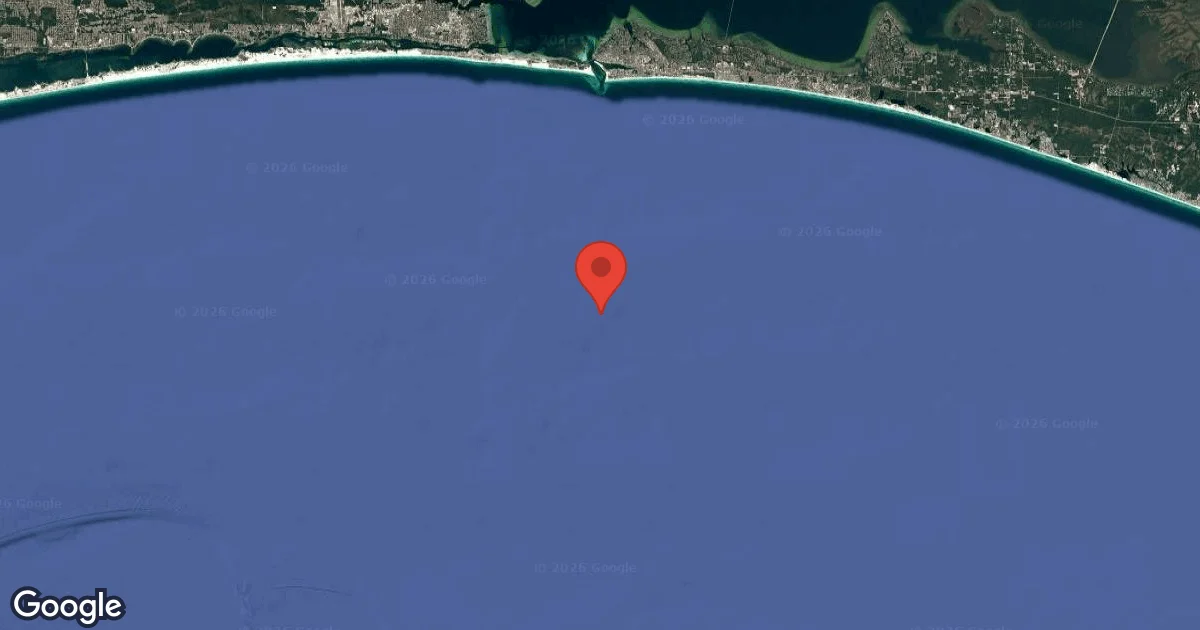
Dive Site Location & Key Facts
Dive Site Overview
Forming a distinct segment within the expansive South East Florida reef tract, Starfish Reef, Patch #1, presents varied underwater topography. Composed of 19 concrete erojacks, the primary structure creates an intricate artificial reef that blends into the natural seafloor.
These man-made formations contribute significantly to a complex environment of ledges, undercuts, and crevices, characteristic of the region's diverse patch reefs. Such structures provide crucial shelter and foraging grounds, attracting a wide array of marine organisms. Depths at Boca Raton Reef #1, which aligns with Patch #1, typically reach around 18 m (60 ft), making it well within the recreational dive range.
A prevailing current often runs parallel to the shoreline in this area, which makes drift diving a popular and efficient method for exploration. Exploring in this manner allows divers to cover more ground, passively observing the continuous reefscape.
The proximity of these reef tracts to the shore in South Florida means access is generally straightforward, avoiding lengthy boat journeys. Divers exploring Patch #1 can expect to navigate between the manufactured structures and natural coral formations, observing how marine life adapts to both.
This blend of artificial and natural elements provides a compelling and dynamic underwater landscape to discover.
Conditions are Good
Optimal conditions expected
Current conditions near Starfish Reef, Patch #1 show 29° air, 30° sea temperature, 0.5 m waves, and 20 km/h wind. Forecast data is refreshed regularly to ensure accuracy.
Best Time to Dive
Selecting the optimal time to dive Starfish Reef, Patch #1, often depends on your preference for calmer seas versus higher air temperatures. The months from May through September generally offer the best dive conditions, marked by "Good" dive scores. During this period, average air temperatures range from 24°C (75°F) in May to a high of 29°C (84°F) in August, coupled with lower average wave heights, typically around 0.7-0.9 meters (2-3 feet). Rainfall remains moderate, ranging from 3.2-6.4 mm (0.13-0.25 inches), generally not impacting dive quality significantly. Conversely, the period from October to April sees "Moderate" dive scores, primarily due to cooler air temperatures and increased wave activity. Air temperatures drop to between 14°C (57°F) and 24°C (75°F), while average wave heights increase to around 1.0-1.3 meters (3-4 feet). Wind speeds also tend to be higher, making surface conditions choppier. Water temperature data isn't consistently reported for this specific site but generally follows air temperature trends, being cooler in winter months. Planning dives during the summer and early fall maximizes comfort and minimizes rough sea conditions.
PEAK SEASON SCORE
Scores combine air & water temps, waves, wind & rainfall for overall conditions.
BEST MONTHS TO DIVE
Monthly records compiled from satellite and marine observation nodes over the last 3 years. Data provided by Open-Meteo and MET Norway.
Dive Experience & Conditions
Navigating Starfish Reef, Patch #1, involves reaching depths around the recreational limit, making it suitable for Open Water certified divers. A consistent depth profile surrounds its 19 concrete erojacks, forming the primary structure. Visibility often benefits from the nearby Gulf Stream current, frequently bathing the reef in clear, warm water, though local conditions vary based on weather and recent rainfall. Divers typically encounter a prevailing current that runs parallel to the shoreline. Drift diving is a practical and popular method for exploring the site, allowing for extensive coverage. The interaction of the current with varied reef structures, including ledges and crevices, can create dynamic underwater movements. While some patch reefs in the wider region are very shallow, Patch #1 sits firmly within typical recreational limits, requiring mindful buoyancy control, especially when exploring around artificial structures.
Dive Difficulty & Safety Guidelines
Prioritizing safety at Starfish Reef, Patch #1, involves understanding the local current patterns. As with many South Florida reefs, prevailing currents running parallel to the shoreline are common. Divers should be prepared for potential drift and ensure proper planning with their dive operators, especially regarding entry and exit points for drift dives.
Carrying an SMB (Surface Marker Buoy) is highly recommended for signaling to the boat during ascent and after surfacing. Maintain adequate surface support and communicate any comfort issues.
Buoyancy control is always critical, particularly when maneuvering around the concrete erojacks and natural reef formations to avoid accidental contact. While no specific hazards are consistently reported for this particular patch reef, general ocean safety practices, such as monitoring bottom time and gas supply, remain paramount for a safe and enjoyable dive. Respecting marine life and avoiding touching or disturbing the reef is also a key guideline.
Recommended Equipment
- Dive Computer
This gear list is based on verified equipment signals for Starfish Reef, Patch #1, United States. Always confirm final gear choices with your dive operator, guide, or liveaboard.
Recommended Dive Suit
With water temperatures around 30°C (87°F), many divers find a dive skin or rash guard provides comfortable protection.
Divers performing multiple dives may appreciate slightly warmer protection later in the day.
Forecast models indicate that diving conditions should remain largely unchanged.
Due to technical issues with our weather providers, data hasn't been fetched for over 48 hours. The data above reflects the conditions at the time of the last successful fetch.
Emergency & Medical Support
Essential information to help you plan your dive trip to Starfish Reef, Patch #1.

Hyperbaric chambers are a critical part of dive safety infrastructure. Availability varies significantly by region, and not all dive areas have immediate access.
Before diving, it's recommended to:
- confirm nearest medical facilities
- check emergency procedures with local dive operators
- ensure dive insurance covers evacuation if required
Divers Alert Network
Diving emergency assistance available through DAN World.
+1-919-684-9111- 24/7 emergency hotline
- Diving medical assistance
- Evacuation coordination
Emergency contacts are provided for reference. Always verify local emergency services before diving.
Marine Life at Starfish Reef, Patch #1
Approaching Starfish Reef, Patch #1, divers are often greeted by a bustling community of fish congregating around the concrete erojacks. These structures act as magnets for a wide array of marine life, making it easy to observe various species.
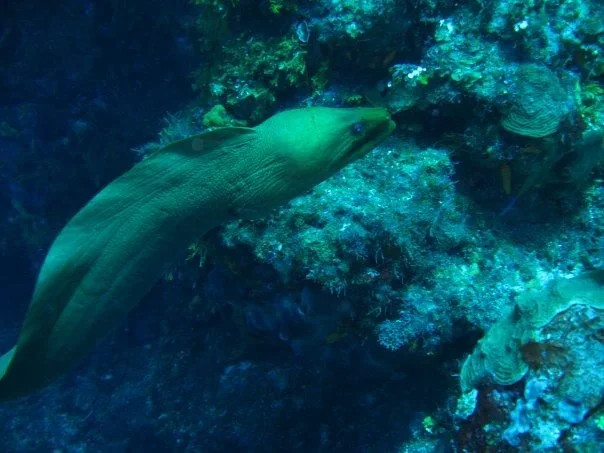
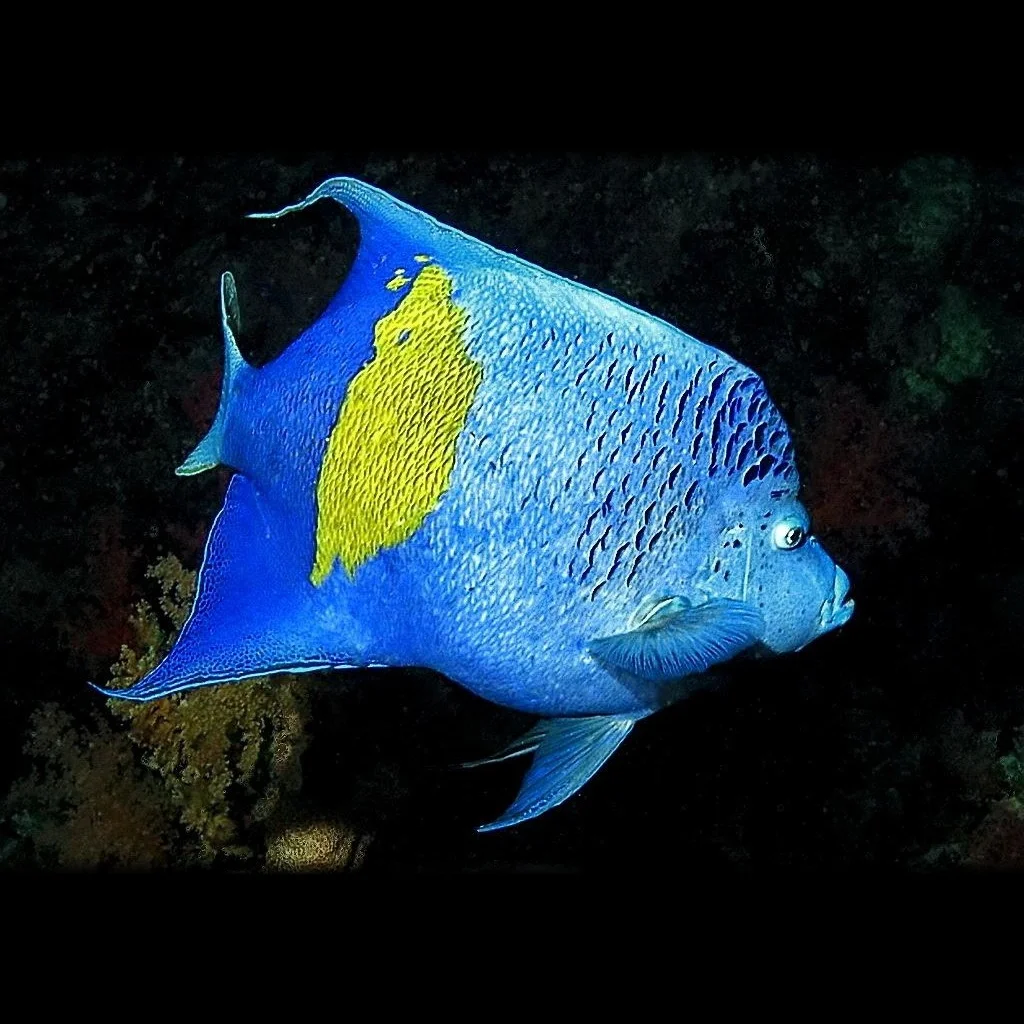
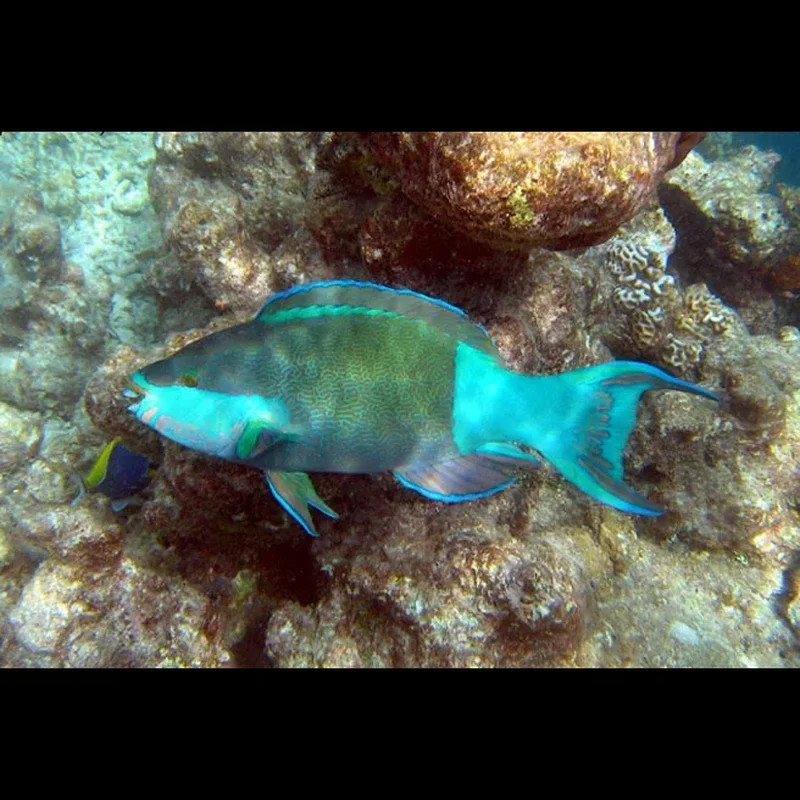
Angelfish, parrotfish, and hogfish are commonly spotted, moving through the reef's contours. Looking closer, you might find moray eels and rays tucked into ledges and undercuts.
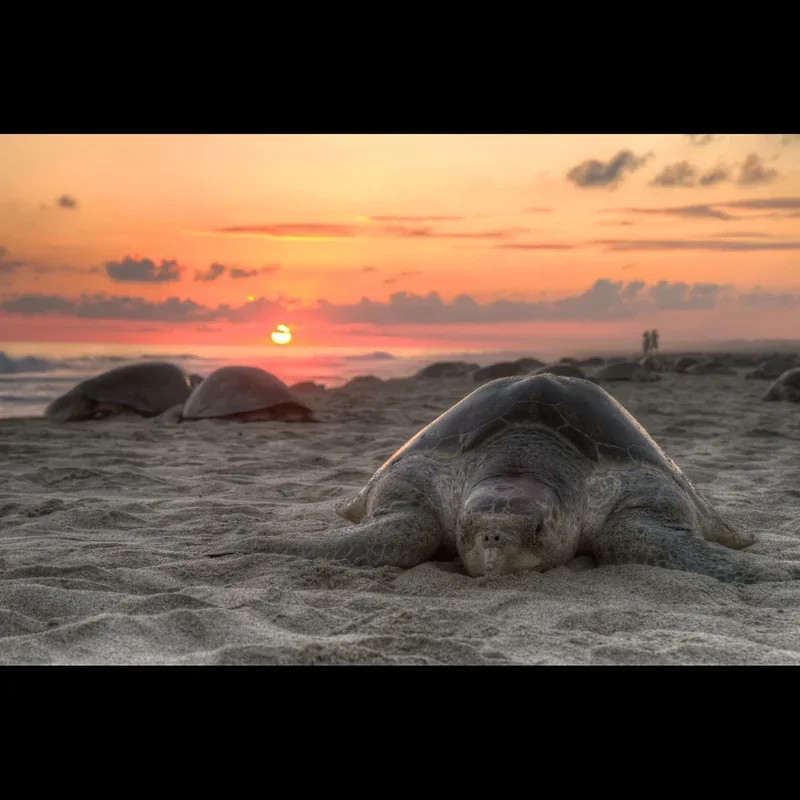
The area also hosts an assortment of smaller macro life and invertebrates, which could include different echinoderms, possibly inspiring the site's name. Sea turtles and spiny lobsters are also known to frequent these South Florida patch reefs, adding to the rich biodiversity encountered.

Dive Sites Near Starfish Reef, Patch #1
View all dive sites in United StatesDiscover more underwater gems in this area.
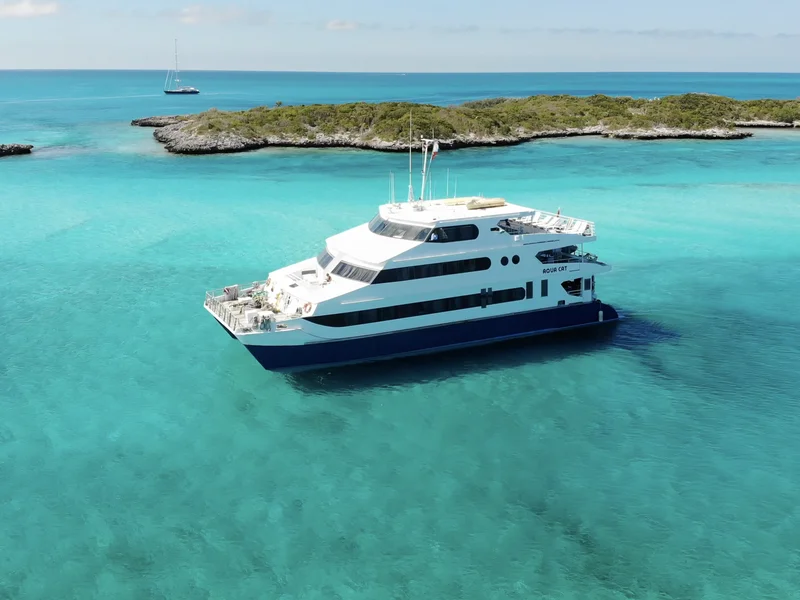
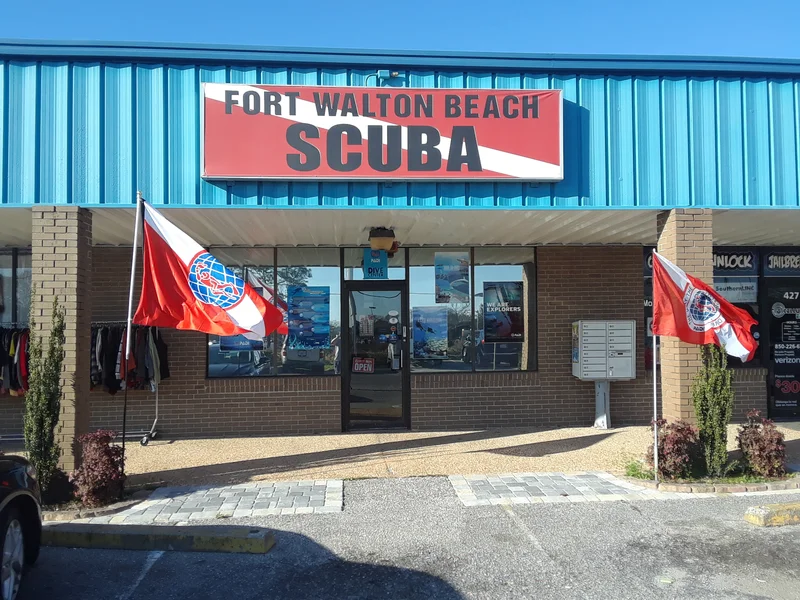
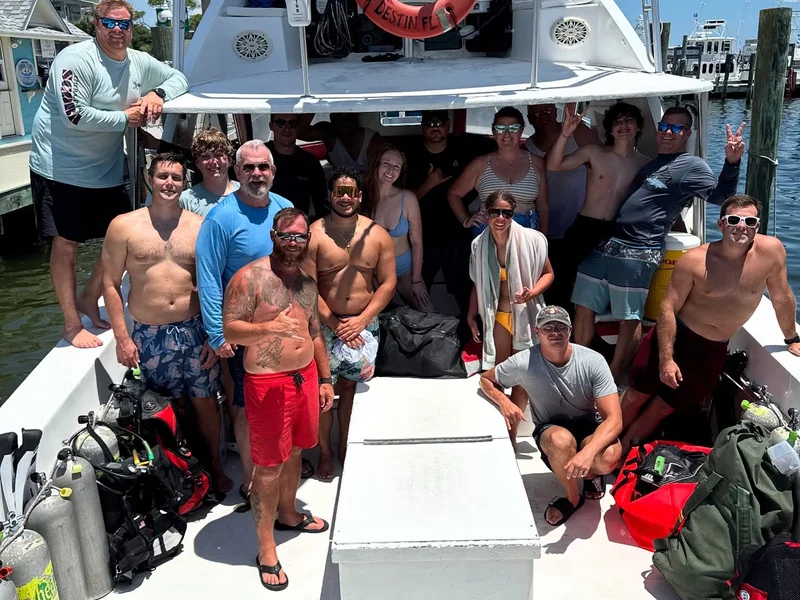
Dive Centers Near Starfish Reef, Patch #1
Today: 08:00 - 17:00
Nearest Airports
Nearest airports to help plan travel to this dive area.
Search Flights
Check available flights and routes on Expedia, using the nearby airports listed in this section.
Search Flights on ExpediaFrequently Asked Questions
What is the maximum depth at Starfish Reef, Patch #1?
The maximum depth for diving at Patch #1, specifically Boca Raton Reef #1, is typically around 18 meters (60 feet). Such depths make it an accessible dive for Open Water certified divers looking for a recreational experience.
Is Starfish Reef, Patch #1, suitable for beginner divers?
With a maximum depth of 18 meters (60 feet) and often clear conditions, Patch #1 is generally considered suitable for beginner to intermediate certified divers. However, prevailing currents can be present, so comfort with drift diving is beneficial.
What kind of structures will I see underwater?
This site is characterized by 19 concrete erojacks, which form a significant artificial reef structure. These blend with natural reef formations, creating ledges, undercuts, and crevices that provide habitat.
Are there strong currents at this dive site?
Currents running parallel to the shoreline are common in this part of South Florida. Divers should be prepared for potential drift conditions, which can vary in strength, and plan accordingly with their dive operator.
What type of marine life is commonly seen here?
You can expect to encounter a variety of fish, including angelfish, parrotfish, and hogfish, as well as moray eels, rays, and potentially sea turtles. The artificial structures also host diverse macro life and invertebrates.
What is the best time of year to dive Starfish Reef, Patch #1?
The best conditions, offering calmer seas and warmer air temperatures, are generally from May through September. During this period, dive scores are typically "Good," though good diving can occur year-round.
Is drift diving common at Starfish Reef, Patch #1?
Yes, drift diving is a common and often preferred method to explore Patch #1 due to the prevailing currents. This technique allows divers to cover more of the reef system efficiently.
Planning to dive Starfish Reef, Patch #1?
Send one inquiry and receive offers directly from the best verified local dive operators.
Conditions are Good
Optimal conditions expected
Current conditions near Starfish Reef, Patch #1 show 29° air, 30° sea temperature, 0.5 m waves, and 20 km/h wind. Forecast data is refreshed regularly to ensure accuracy.