
Diving at Tod Sirod Reef - C (United States)
An innovative underwater habitat, Tod Sirod Reef represents a successful effort in marine ecological restoration. Approximately 13.5 nautical miles offshore from Gordon Pass in Collier County, Florida, this artificial reef was established in 2015. It now serves as a thriving ecosystem within the Gulf of Mexico. Its concrete structures and limestone modules create essential refuge for diverse marine species, making it a compelling dive site for certified divers.
Evening condition tracking at Tod Sirod Reef - C features an air temperature of 27°C. We have recorded wave heights measuring 0.4 m during this period. These figures outline the environmental parameters currently present.
Dive Site Location & Key Facts
Dive Site Overview
Encompassing federal waters off Collier County, Tod Sirod Reef stands as a significant artificial reef complex, forming a vital part of the Paradise Coast Artificial Reef Project. Originally designated Collier #1 Reef, its renaming acknowledged a substantial donation, highlighting a successful partnership between public and private conservation initiatives.
The complex's structure primarily consists of modular concrete units, including 340 poles and slabs, totaling thousands of tons of material. These are further augmented by limestone modules and culverts. Deployments, meticulously phased through 2015, established a habitat with relief ranging from 3 to 6 meters (10 to 20 feet) above the characteristically sandy-muddy seafloor.
Average water depths across the site settle around 12-15 meters (40-50 feet). Accessing this reef is typically via private or charter boat from marinas in Naples or Marco Island, a journey generally requiring 30-45 minutes in favorable sea conditions.
This dynamic, human-made submerged landscape supports both recreational diving and fishing, effectively demonstrating how constructed environments foster marine biodiversity in the Gulf.
Conditions are Good
Optimal conditions expected
Current conditions near Tod Sirod Reef - C show 27° air, 32° sea temperature, 0.5 m waves, and 28 km/h wind. Forecast data is refreshed regularly to ensure accuracy.
Best Time to Dive
Planning a trip to Tod Sirod Reef is best during the spring months, particularly May, which consistently earns an 'Excellent' dive score. During this period, air temperatures average around 26.5°C (80°F), with minimal rainfall at about 1.17 mm, creating pleasant surface conditions. Wave heights are generally low in May, around 0.5 meters, and wind speeds are moderate, averaging 24.1 km/h (15 mph). While surface water temperatures in the subtropical Gulf of Mexico range from 21-29°C (70-85°F) annually and can peak over 30°C (86°F) in summer, the calmer spring seas and lower rain chance often provide the most comfortable diving experience. Months like February, March, April, November, and December also offer good diving opportunities with favorable weather patterns.
PEAK SEASON SCORE
Scores combine air & water temps, waves, wind & rainfall for overall conditions.
BEST MONTHS TO DIVE
Monthly records compiled from satellite and marine observation nodes over the last 3 years. Data provided by Open-Meteo and MET Norway.
Dive Experience & Conditions
Navigating Tod Sirod Reef reveals a consistent, shallow offshore environment suitable for intermediate-level divers. Depths typically settle around 12-15 meters (40-50 feet) across the complex, with relief provided by the artificial structures. Surface water temperatures in these subtropical Gulf waters commonly range between 21-29°C (70-85°F) throughout the year, often exceeding 30°C (86°F) during the warmer summer months. Average salinity remains stable at 35-36 parts per thousand, indicative of open ocean influences. The seafloor here consists of a sandy-muddy substrate, a characteristic low-relief bottom that contrasts with the introduced concrete structures. Divers can anticipate moderate currents, which are influenced by the broader Loop Current, bringing nutrient-rich waters to the area. Tidal ranges are small, generally 0.3-0.6 meters (1-2 feet), leading to subtle water exchange, ensuring good light penetration and visibility, though sediment mobility from wave action can occur.
Dive Difficulty & Safety Guidelines
To ensure a safe and responsible dive at Tod Sirod Reef, divers should always adhere to established guidelines. Given the reef's artificial nature and its purpose, explicit restrictions are in place prohibiting heavy anchoring directly on the structures to prevent damage and preserve marine habitats. Utilizing GPS waypoints for precise navigation to the site is crucial, as there are no prominent natural features for guidance.
Divers should be mindful of potential moderate currents, especially those influenced by the Loop Current, and plan their dives accordingly. While the site supports recreational fishing, visitors must respect Florida Fish and Wildlife Conservation Commission (FWC) regulations, including species-specific bag limits and seasonal closures.
Protecting marine life is paramount; therefore, the taking of protected species such as sea turtles and certain corals is strictly forbidden.
Recommended Equipment
- Dive Computer
This gear list is based on verified equipment signals for Tod Sirod Reef - C, United States. Always confirm final gear choices with your dive operator, guide, or liveaboard.
Recommended Dive Suit
In these water temperatures, dive skin or rash guard is a common choice for recreational diving. A hood or vest is suggested for sensitive divers due to surface winds. Longer dive profiles can make thermal protection more important than short exploratory dives.
At the moment, divers exploring Tod Sirod Reef - C will likely experience water temperatures near 32°C (89°F). Surface air temperatures are resting at 27°C (80°F).
Environmental conditions appear stable for the near future.
Due to technical issues with our weather providers, data hasn't been fetched for over 48 hours. The data above reflects the conditions at the time of the last successful fetch.
Emergency & Medical Support
Essential information to help you plan your dive trip to Tod Sirod Reef - C.

Hyperbaric chambers are a critical part of dive safety infrastructure. Availability varies significantly by region, and not all dive areas have immediate access.
Before diving, it's recommended to:
- confirm nearest medical facilities
- check emergency procedures with local dive operators
- ensure dive insurance covers evacuation if required
Divers Alert Network
Diving emergency assistance available through DAN World.
+1-919-684-9111- 24/7 emergency hotline
- Diving medical assistance
- Evacuation coordination
Emergency contacts are provided for reference. Always verify local emergency services before diving.
Marine Life at Tod Sirod Reef - C
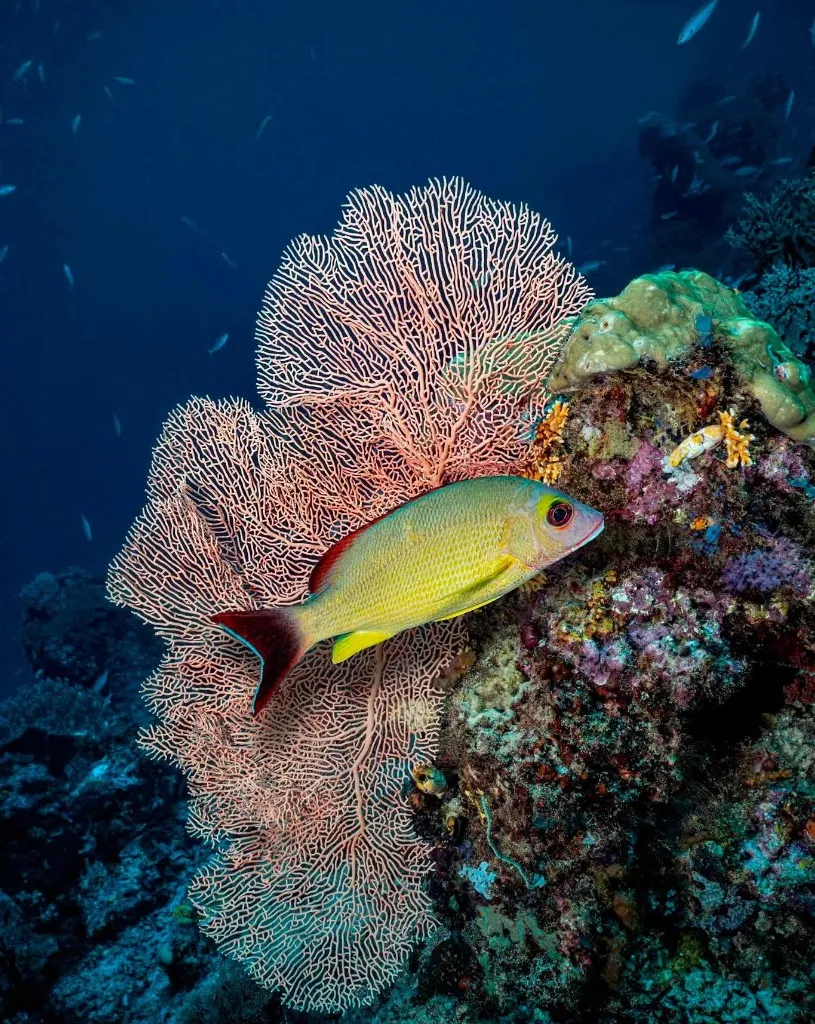
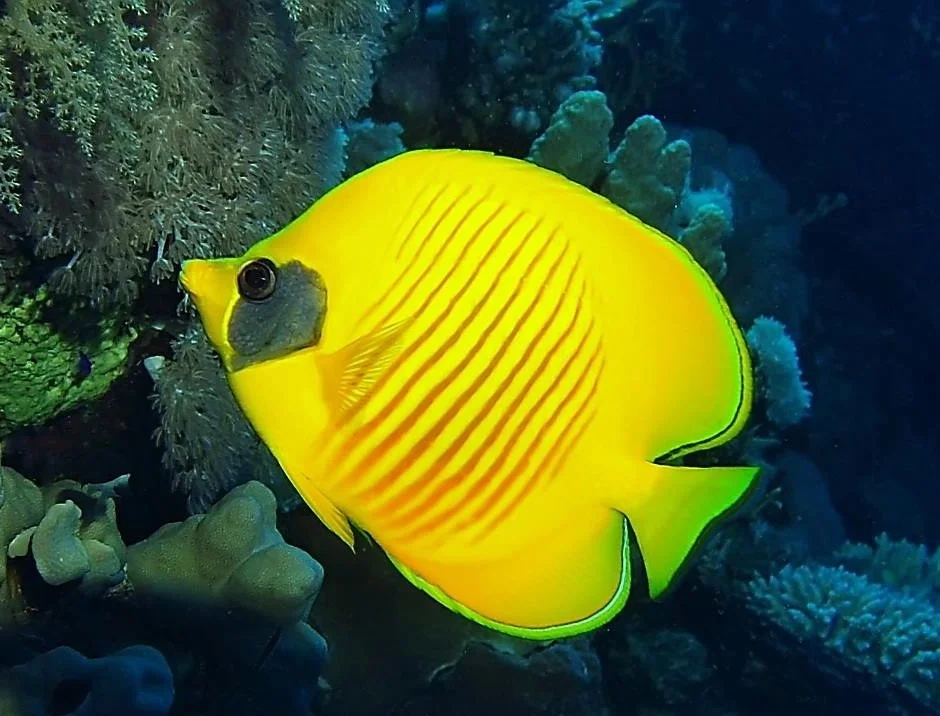
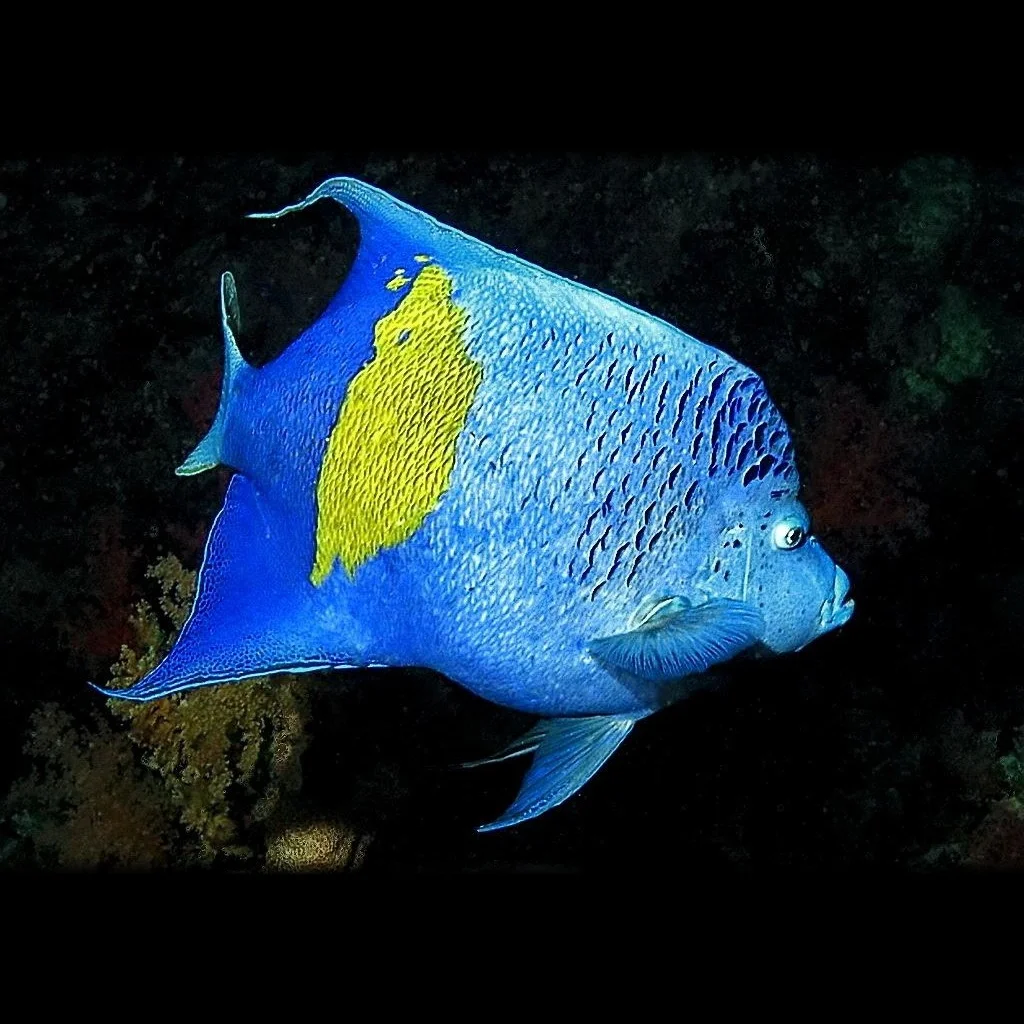
The diverse underwater structures at Tod Sirod Reef have fostered a rapidly colonizing ecosystem. Exploring this artificial landscape, divers will encounter a variety of marine life including mangrove and lane snappers, sheepshead, spadefish, jack-knifefish, and different species of butterflyfish.
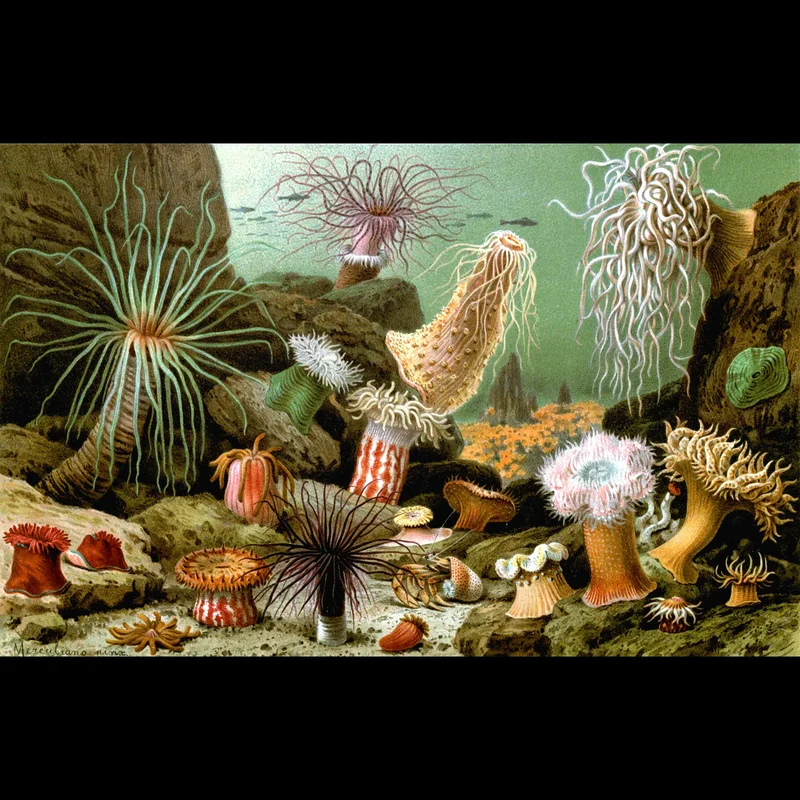
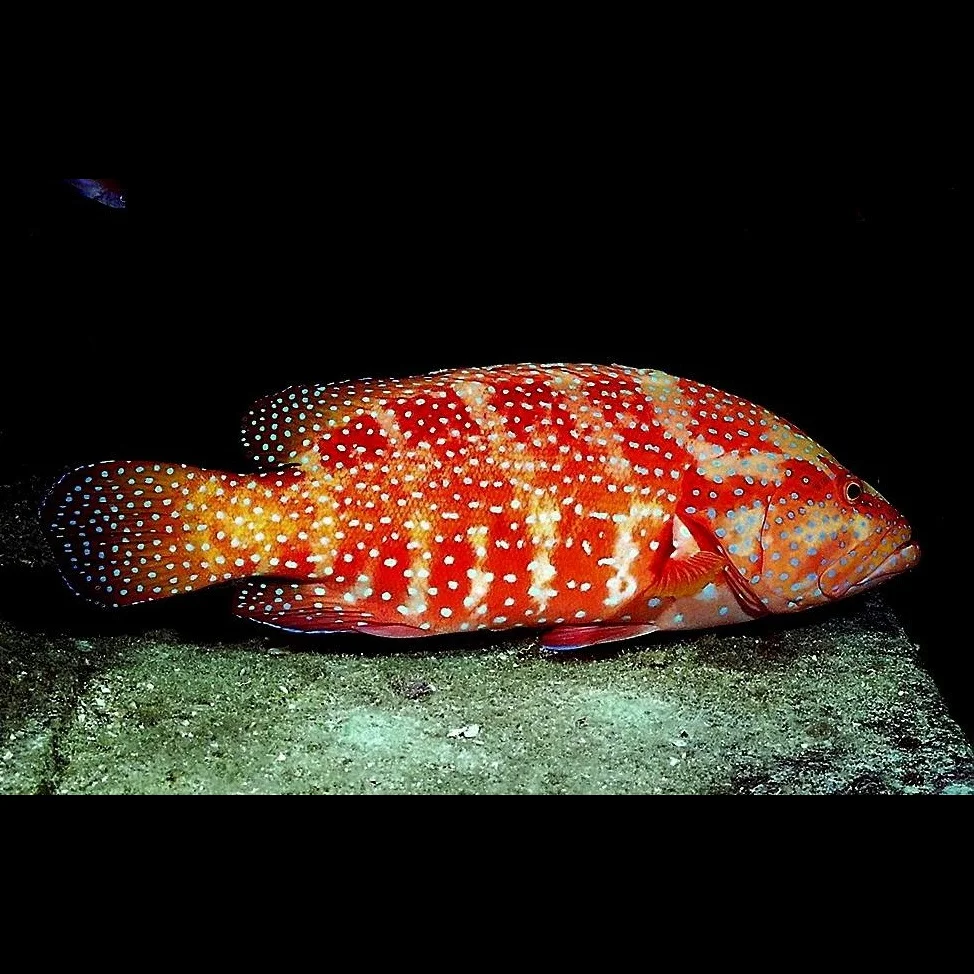
Other residents include grouper, angelfish, wrasse, and grunts, frequently seen congregating around the concrete poles and slabs. Observations have also documented the presence of soft corals, algae, and a variety of invertebrates such as giant anemones, symbiotic cleaner shrimp, wing-oysters, tunicates, and sea cucumbers.
Variegated and rock-boring urchins also add to the rich biodiversity thriving on this sandy bottom habitat.
Dive Sites Near Tod Sirod Reef - C
View all dive sites in United StatesDiscover more underwater gems in this area.
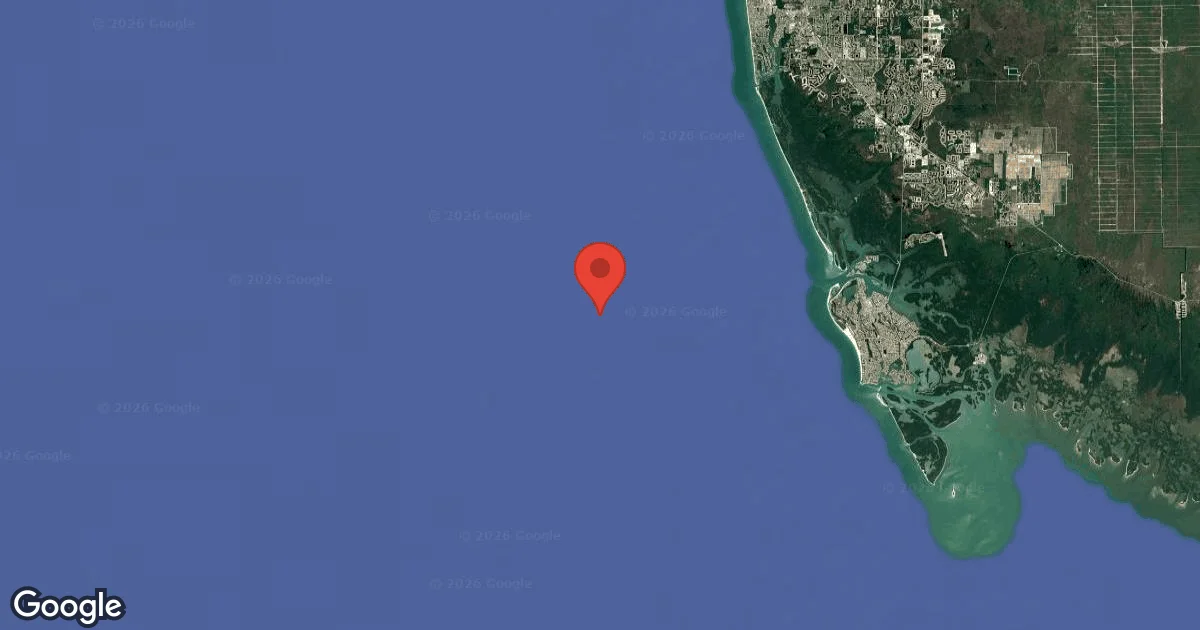
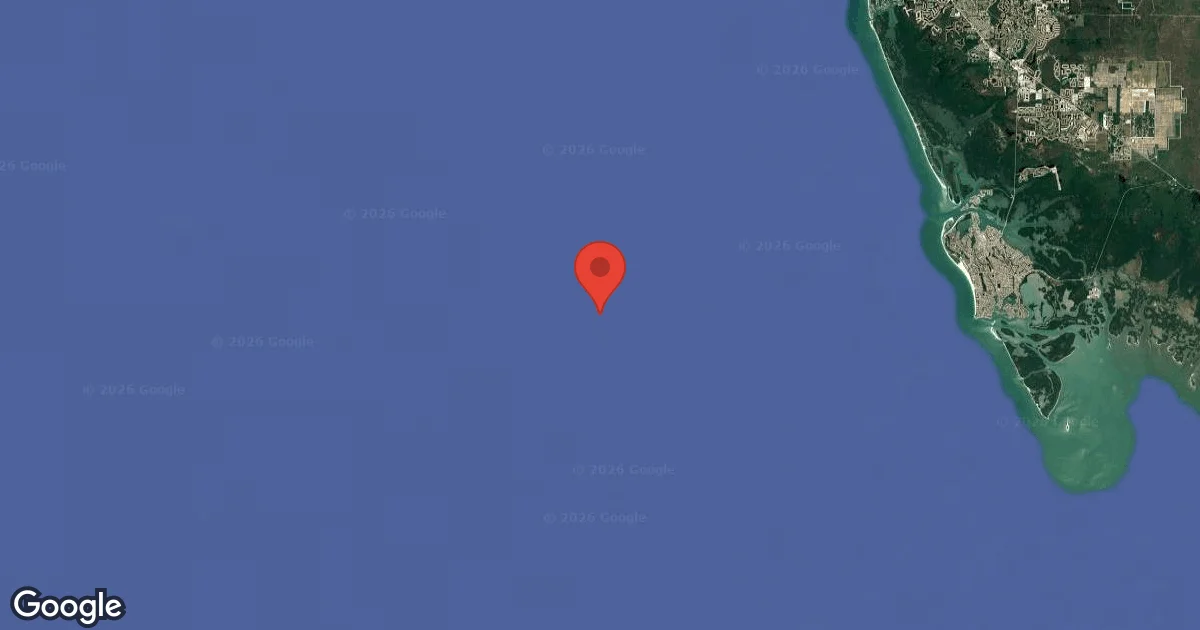
Dive Centers Near Tod Sirod Reef - C
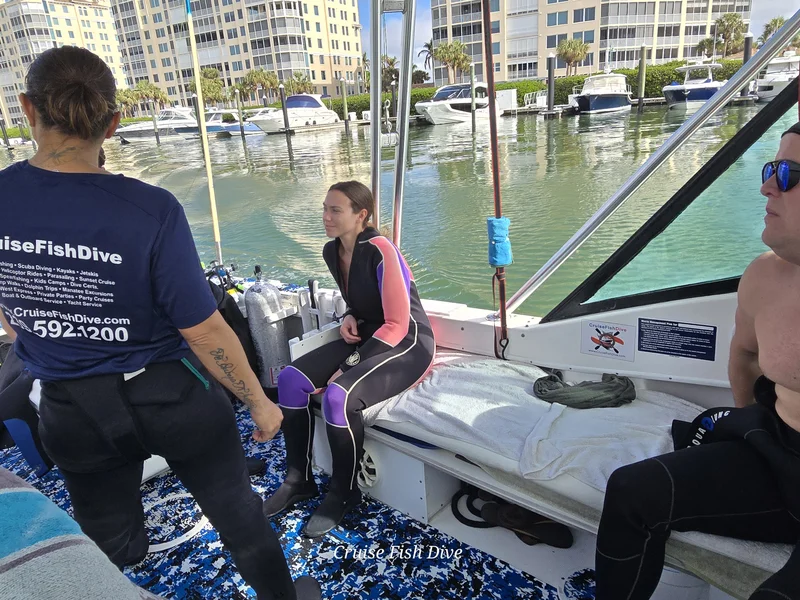
Today: 11:00 - 17:00
Nearest Airports
Nearest airports to help plan travel to this dive area.
Search Flights
Check available flights and routes on Expedia, using the nearby airports listed in this section.
Search Flights on ExpediaFrequently Asked Questions
What kind of reef is Tod Sirod Reef?
Tod Sirod Reef is an artificial reef, constructed using concrete structures and limestone modules. It was deployed as part of the Paradise Coast Artificial Reef Project to create new marine habitats in the Gulf of Mexico.
Where is Tod Sirod Reef located?
The reef lies in the Gulf of Mexico, approximately 13.5 nautical miles (25 km) offshore from Gordon Pass in Collier County, Florida. It operates within federal waters.
What are the typical depths at Tod Sirod Reef?
Water depths at the reef are generally in the 12-15 meter (40-50 ft) range. Individual structures can extend into deeper sections, reaching a maximum depth of 14 meters.
What marine life can I expect to see there?
Divers can expect to see a variety of fish such as mangrove and lane snappers, sheepshead, angelfish, and grouper. The reef also hosts soft corals, anemones, shrimp, and various urchins.
How do divers access Tod Sirod Reef?
Access to the reef is primarily by private or charter boat. Boats typically depart from marinas in Naples or Marco Island, and GPS waypoints are essential for accurate navigation to the site.
When is the best time to dive Tod Sirod Reef?
The spring months, especially May, are considered optimal for diving due to excellent dive scores, lower wave heights, and minimal rainfall. Water temperatures are comfortably warm year-round.
Are there any anchoring restrictions at the reef?
Yes, heavy anchoring directly on the reef structures is explicitly restricted. This measure helps protect the integrity of the artificial reef and the marine life it supports.
Planning to dive Tod Sirod Reef - C?
Send one inquiry and receive offers directly from the best verified local dive operators.
Conditions are Good
Optimal conditions expected
Current conditions near Tod Sirod Reef - C show 27° air, 32° sea temperature, 0.5 m waves, and 28 km/h wind. Forecast data is refreshed regularly to ensure accuracy.