
Diving at Viking II (United States)
Visibility often defines the diving experience in the waters typically explored near Viking II. Conditions can be dynamic, but good days allow for substantial sightlines. Divers exploring the region's wreck sites, such as the Brass Wreck, have reported visibility ranging between 10-14 meters (35-45 ft). Clear conditions are crucial for safely navigating these deeper underwater structures.
As evening covers Viking II, the local air temperature is measured at 24.5°C. The current wave height at the surface is recorded at 0.9 m. These late-day readings characterize the surface conditions for the night.
Dive Site Location & Key Facts
Dive Site Overview
Exploring the wreck sites accessed by dive vessels like Viking II provides a challenging and rewarding experience for advanced divers. These fascinating underwater structures, exemplified by the Brass Wreck and Mad Mike's Tug, rest on a sandy bottom, often reaching depths of 26-27 m (85-90 ft) to the deck or adjacent seafloor.
Situated off Pensacola, these deeper sites consistently offer substantial exploration opportunities for certified divers, particularly those with an interest in wreck diving. Navigating within these sites involves moving through debris fields and around the remaining intact sections, frequently requiring precise buoyancy control due to the accumulated silty conditions. While specific details of Viking II are not extensively reported, diving in this vicinity typically features opportunities for external inspection and limited wreck penetration potential, encouraging significant bottom times for appropriately trained individuals.
The environment calls for a calm approach and respect for the historical integrity of these submerged structures.
Conditions are Moderate
Optimal conditions expected
Current conditions near Viking II show 24° air, 26° sea temperature, 1.3 m waves, and 31 km/h wind. Forecast data is refreshed regularly to ensure accuracy.
Best Time to Dive
Identifying the optimal time for diving involves contrasting periods of calmer seas and warmer air temperatures with less favorable months. June and July generally present the most conducive conditions for diving near Viking II, with average air temperatures reaching a comfortable 20-25°C (68-77°F). During these peak summer months, wave heights typically decrease to around 1.3-1.4 meters (4-5 ft), making boat access and surface intervals more pleasant. Conversely, the winter months, from November through March, bring colder air temperatures, higher winds peaking around 47 kmh (29 mph) in January, and significantly larger waves, resulting in a 'Poor' dive score for those periods.
PEAK SEASON SCORE
Scores combine air & water temps, waves, wind & rainfall for overall conditions.
BEST MONTHS TO DIVE
Monthly records compiled from satellite and marine observation nodes over the last 3 years. Data provided by Open-Meteo and MET Norway.
Dive Experience & Conditions
Descending into the deeper sections, divers frequently encounter a notable thermocline. On sites like the Brass Wreck, temperatures are observed to drop to approximately 21°C (70°F) once below 9 meters (30 ft). This temperature shift is a distinct sensory impression during the dive. Surface conditions vary; while calm seas with low, long rollers have been reported, making for gentle boat motion, rougher conditions are also possible. Current presence is not consistently reported, but often depends on localized weather patterns and tidal movements. These factors contribute to a dive experience that rewards preparedness.
Dive Difficulty & Safety Guidelines
Careful dive planning and strict adherence to established safety protocols are essential when navigating these deeper wreck environments. Maximum depths at these sites frequently push the recreational limits, making decompression management a critical consideration for divers on standard air mixes. Proper training in both wreck diving and deep diving procedures is highly recommended before attempting these dives.
Always maintain acute awareness of your dive profile, diligently monitor gas consumption, and carry appropriate safety gear for self-sufficiency.
Furthermore, diving with experienced guides familiar with the area's specific conditions and currents is advisable to mitigate potential challenges and enhance the overall safety of the expedition.
Recommended Equipment
- Dive Computer
This gear list is based on verified equipment signals for Viking II, United States. Always confirm final gear choices with your dive operator, guide, or liveaboard.
Recommended Dive Suit
Forecast conditions over the next few days suggest temperatures will remain relatively stable.
Two divers in the same water temperature may experience very different comfort levels.
Many divers find that 3mm wetsuit offers the right level of insulation for conditions like these. A hood or vest is suggested for sensitive divers due to surface winds. The surrounding waters at Viking II are currently registering temperatures of roughly 26°C (79°F). Surface air temperatures are resting at 24°C (76°F).
Due to technical issues with our weather providers, live updates are temporarily delayed. The data above reflects the conditions at the time of the last successful fetch.
Emergency & Medical Support
Essential information to help you plan your dive trip to Viking II.

Hyperbaric chambers are a critical part of dive safety infrastructure. Availability varies significantly by region, and not all dive areas have immediate access.
Before diving, it's recommended to:
- confirm nearest medical facilities
- check emergency procedures with local dive operators
- ensure dive insurance covers evacuation if required
Divers Alert Network
Diving emergency assistance available through DAN World.
+1-919-684-9111- 24/7 emergency hotline
- Diving medical assistance
- Evacuation coordination
Emergency contacts are provided for reference. Always verify local emergency services before diving.
Marine Life at Viking II
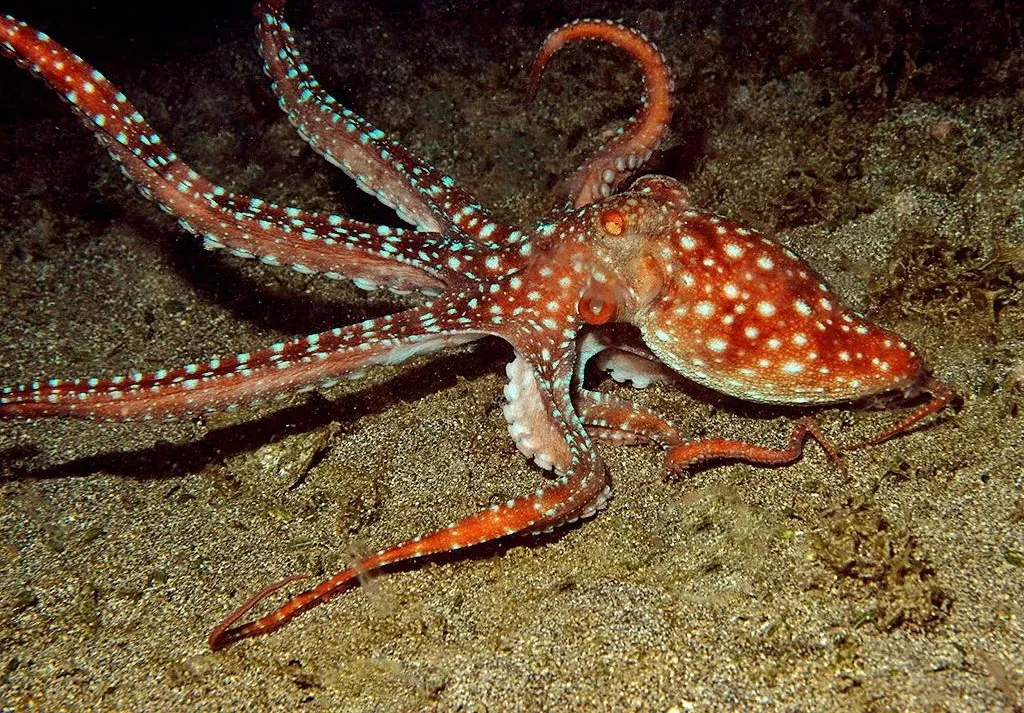
Upon approaching the wrecks in this region, divers quickly observe an abundance of marine life seeking refuge and feeding opportunities. Eels and octopuses are commonly spotted within the structural elements, providing intriguing encounters.
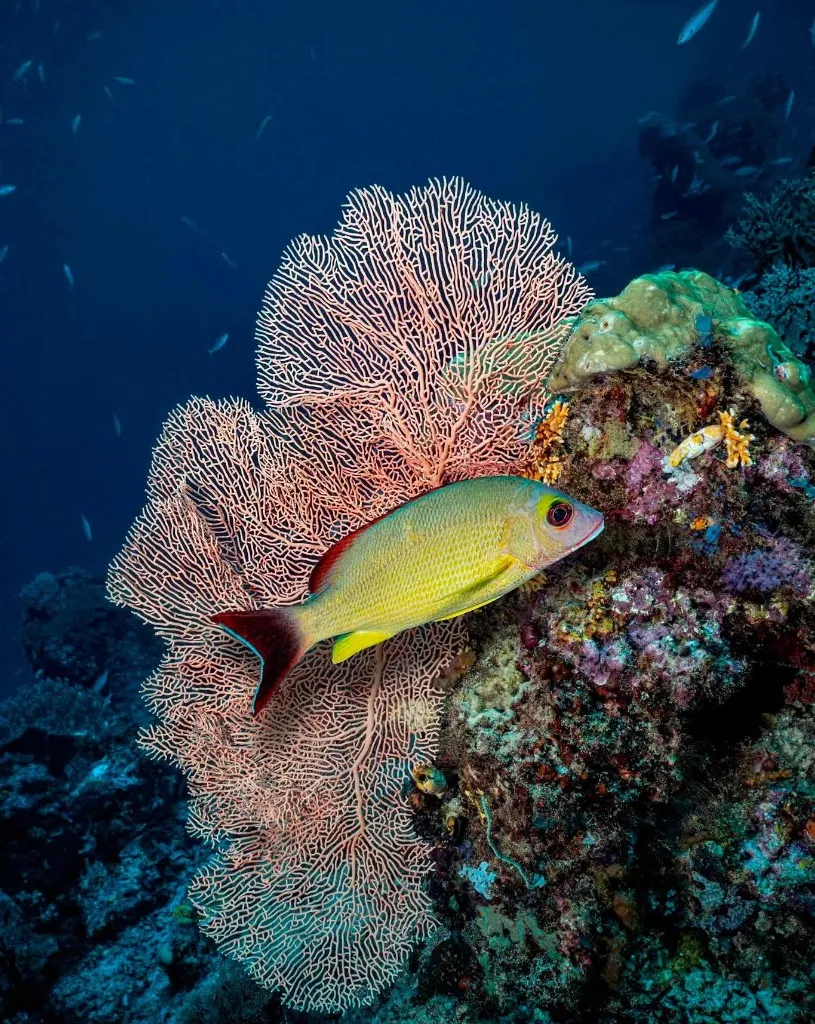
Various snapper species are prevalent, often schooling around the wreckage. Large jacks and spades can also be seen patrolling the perimeters.
On occasions, truly impressive marine encounters unfold, such as sightings of massive goliath groupers, with individuals weighing 90-113 kg (200-250 lbs) documented sheltering within the wrecks.

Dive Centers Near Viking II
No Dive Centers Local To Viking II
Are you a dive center visiting this location? Get listed to reach divers.
Nearest Airports
Nearest airports to help plan travel to this dive area.
Search Flights
Check available flights and routes on Expedia, using the nearby airports listed in this section.
Search Flights on ExpediaFrequently Asked Questions
What type of diving is typically done near Viking II?
Diving in the area primarily involves exploring deep wrecks. These sites, such as the Brass Wreck and Mad Mike's Tug, offer opportunities for external exploration and limited wreck penetration for appropriately trained divers.
What are the common depths for dives in this region?
Dive sites in this area frequently reach the deeper end of recreational limits, with primary attractions found in the 25-30 meter range. Shallower sections may exist, but the main points of interest often lie deeper on the seabed.
What are the water temperatures like?
Divers should anticipate a thermocline, particularly below 9 m (30 ft), where water temperatures can drop to around 21°C (70°F). Surface water temperatures vary depending on the season.
When is the best time of year to dive here?
The most favorable conditions for diving occur in June and July. These months typically offer warmer air temperatures, reduced rainfall, and calmer seas, leading to a more comfortable diving experience.
What kind of marine life might I see on these dives?
Expect to encounter a variety of marine life including eels, octopuses, and several species of snapper. Larger pelagic fish like jacks and spades are also common, and occasionally, very large goliath groupers are spotted inside the wrecks.
Is specialized training required for these dives?
Given the depths and wreck environments, advanced or deep diver certifications are highly recommended. Wreck diver training is also beneficial for safe and effective exploration of these sites.
How clear is the visibility?
Visibility in this region can vary significantly based on weather and water conditions. However, divers have reported clear sightlines, sometimes reaching the higher end of typical wreck diving visibility, particularly on calm days.
Planning to dive Viking II?
Send one inquiry and receive offers directly from the best verified local dive operators.
Conditions are Moderate
Optimal conditions expected
Current conditions near Viking II show 24° air, 26° sea temperature, 1.3 m waves, and 31 km/h wind. Forecast data is refreshed regularly to ensure accuracy.