
Diving at Wapa Reef, St Croix (United States)
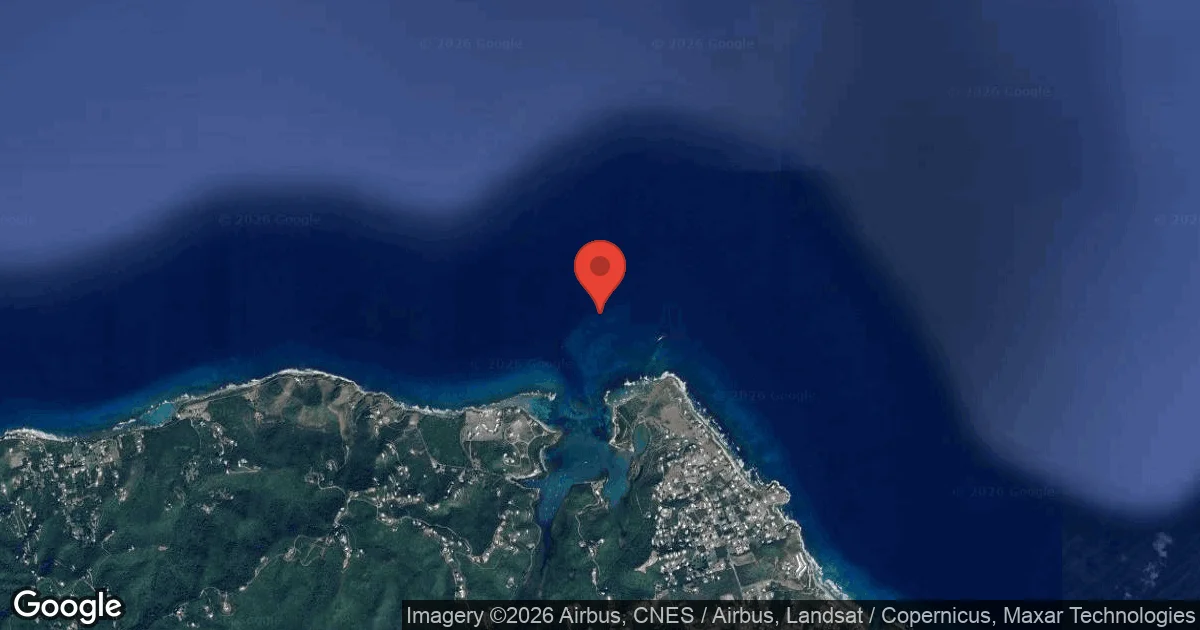
Wapa Reef contributes to St. Croix's reputation for offering the Caribbean's most diverse diving experiences. This site stands out as a shallower reef, providing accessible exploration for various skill levels. You might even find remnants from older boat incidents here, adding an intriguing layer to the natural reef structure. Its unique blend of vibrant reef life and potential historical touches makes it a distinct stop on any St. Croix dive itinerary.
As evening covers Wapa Reef, St Croix, the local air temperature is measured at 29.5°C. The current wave height at the surface is recorded at 1.2 m. These late-day readings characterize the surface conditions for the night.
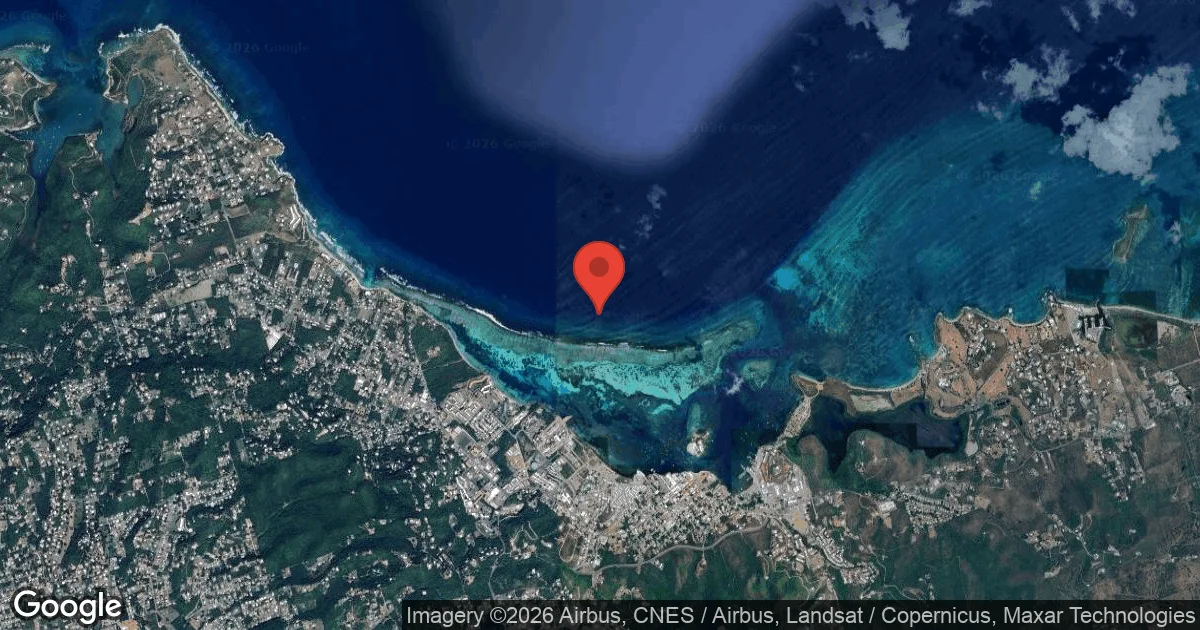
Dive Site Location & Key Facts
Dive Site Overview
The development of St. Croix as a premier diving destination owes much to sites like Wapa Reef, which collectively establish the island's impressive variety—from walls and wrecks to piers and vibrant reefs. Wapa Reef specifically forms part of the diverse underwater landscape that has attracted divers for decades, offering a compelling blend of natural beauty and subtle historical intrigue.
While specific historical records for Wapa Reef itself are limited, the area has seen its share of maritime activity. Remnants of older boat incidents have occasionally been reported on this reef, suggesting a past interaction between the sea and human endeavors that adds a unique character to the dive experience. These scattered fragments merge with the living reef, creating a continuous narrative under the waves.
Divers exploring these waters engage with a dynamic ecosystem that has evolved over time, adapting to both natural processes and incidental human influences, making each descent a journey through both biological and implied historical currents. St. Croix offers an incredible range of underwater environments, and Wapa Reef provides an excellent example of a shallower reef exploration within this rich context.
Conditions are Good
Optimal conditions expected
Current conditions near Wapa Reef, St Croix show 29° air, 29° sea temperature, 0.8 m waves, and 24 km/h wind. Forecast data is refreshed regularly to ensure accuracy.
Best Time to Dive
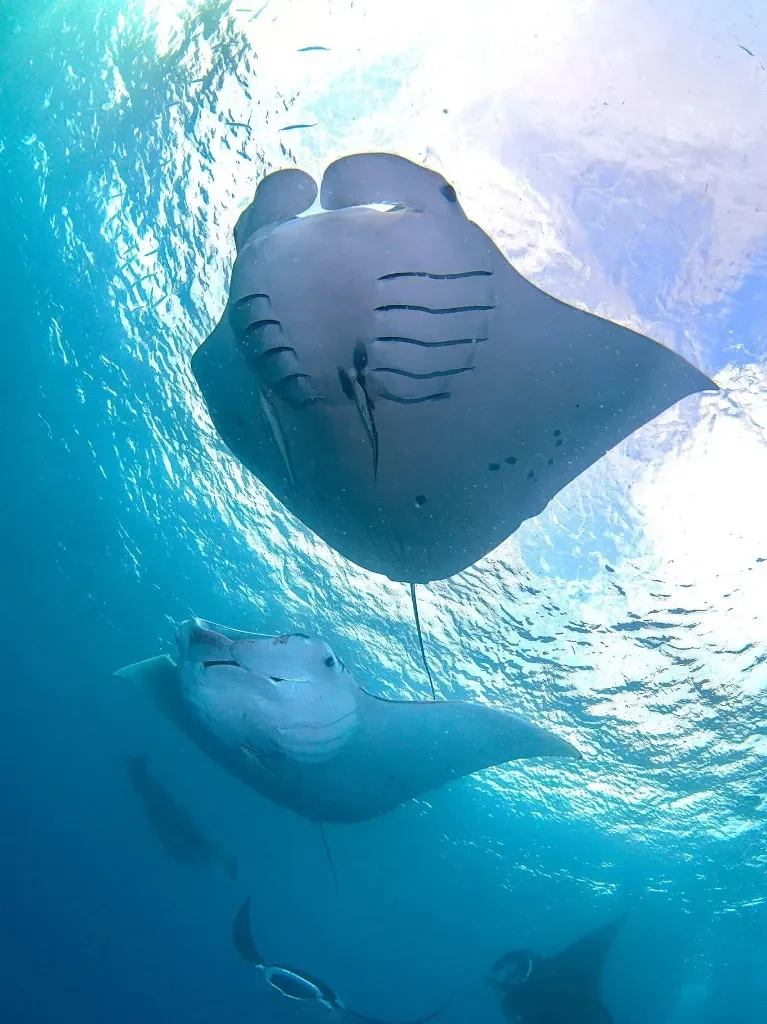
Planning a dive at Wapa Reef largely centers on maximizing comfortable conditions and clear visibility, making the winter and spring months, from December through March, generally the most preferred. During this period, air temperatures average a pleasant 26-27°C (79-81°F) with minimal rainfall, ensuring mostly sunny days for surface intervals. Dive scores are consistently rated "Good" then, reflecting stable conditions. As summer approaches, from June to August, air temperatures climb to 28-29°C (82-84°F), and while visibility may see a slight reduction to 21-24 m (70-80 ft) due to increased plankton, this often attracts larger pelagic life such as manta rays. Autumn, specifically October and November, is characterized by slightly higher rainfall averaging around 3.6-4.0 mm, which can lead to more overcast days and potentially "Moderate" dive scores, yet good diving remains possible. Wave heights typically range between 1.0 to 1.3 meters, with winds generally around 22-29 km/h, which can influence boat travel. Ultimately, while prime conditions are found outside the rainier autumn months, Wapa Reef remains diveable throughout the year, each season offering its own distinct aquatic experience.
PEAK SEASON SCORE
Scores combine air & water temps, waves, wind & rainfall for overall conditions.
BEST MONTHS TO DIVE
Monthly records compiled from satellite and marine observation nodes over the last 3 years. Data provided by Open-Meteo and MET Norway.
Dive Experience & Conditions
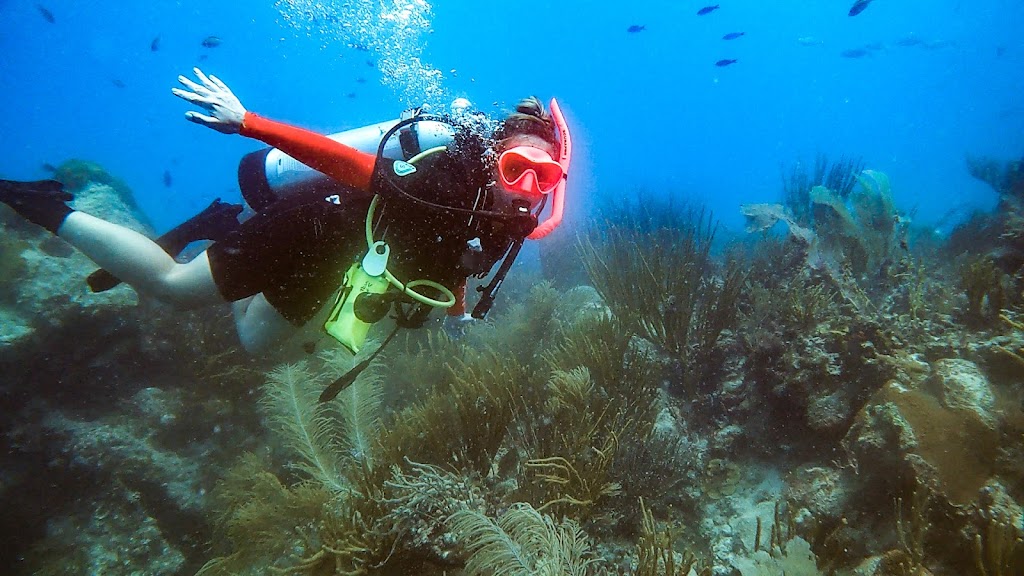
Diving Wapa Reef offers a largely calm and visually engaging experience, particularly suited for divers who appreciate accessible reef exploration. Water temperatures consistently range between 22-27°C (72-81°F), allowing for comfortable dives often without thick wetsuits. Conditions here typically feature good visibility, often exceeding 30 meters (100 ft) during the winter and spring, though it might reduce to 21-24 meters (70-80 ft) in summer due to plankton blooms. This shallower reef dive profile generally keeps divers within recreational depths. The site's character as a "nice shallow dive" suggests maximum depths are unlikely to exceed 18-25 m (60-80 ft), making it manageable for open water certified divers. Currents are generally not consistently reported as strong for this location, but local conditions always vary and should be assessed pre-dive. Exploring the site involves navigating vibrant coral formations and seeking out the intriguing remnants of boat incidents reported here, which add structural complexity for marine life. It's a relaxed pace underwater, allowing for thorough observation of the reef's inhabitants.
Dive Difficulty & Safety Guidelines
Approaching Wapa Reef safely involves a foundational understanding of general Caribbean diving practices, making it suitable for divers with various skill levels, including those completing introductory dives. While no specific hazards are reported for this site, awareness of boat traffic is always paramount, particularly near common mooring areas. Divers should always plan their dive within no-decompression limits and monitor air consumption, especially given the site's shallower sections where bottom time can extend.
It's advisable to carry a surface marker buoy (SMB) for all boat dives. New divers or those without certification can participate in guided introductory dives offered by local shops, which provide direct supervision and ensure adherence to safety protocols.
For certified divers, familiarization with dive plans provided by operators is crucial. Always check local conditions and follow guidelines from your dive leader, as conditions can change.
Recommended Equipment
- Dive Computer
This gear list is based on verified equipment signals for Wapa Reef, St Croix, United States. Always confirm final gear choices with your dive operator, guide, or liveaboard.
Recommended Dive Suit
With water temperatures around 29°C (85°F), many divers find a dive skin or rash guard provides comfortable protection.
Being prepared with flexible exposure options is a common approach among experienced divers.
Current forecasts indicate relatively stable conditions for the coming days.
Due to technical issues with our weather providers, live updates are temporarily delayed. The data above reflects the conditions at the time of the last successful fetch.
Emergency & Medical Support
Essential information to help you plan your dive trip to Wapa Reef, St Croix.

Hyperbaric chambers are a critical part of dive safety infrastructure. Availability varies significantly by region, and not all dive areas have immediate access.
Before diving, it's recommended to:
- confirm nearest medical facilities
- check emergency procedures with local dive operators
- ensure dive insurance covers evacuation if required
Divers Alert Network
Diving emergency assistance available through DAN World.
+1-919-684-9111- 24/7 emergency hotline
- Diving medical assistance
- Evacuation coordination
Emergency contacts are provided for reference. Always verify local emergency services before diving.
Marine Life at Wapa Reef, St Croix
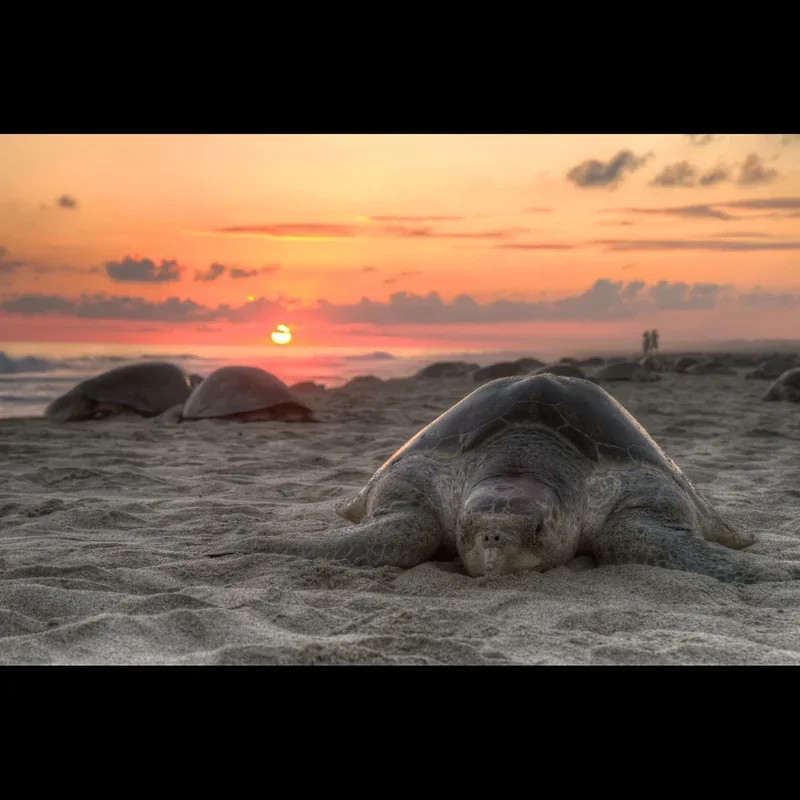
Wapa Reef, like many St. Croix sites, supports a diverse range of marine inhabitants, making each dive an opportunity for varied encounters. Divers often observe sea turtles gracefully navigating the reef, alongside smaller, colorful reef fish species.
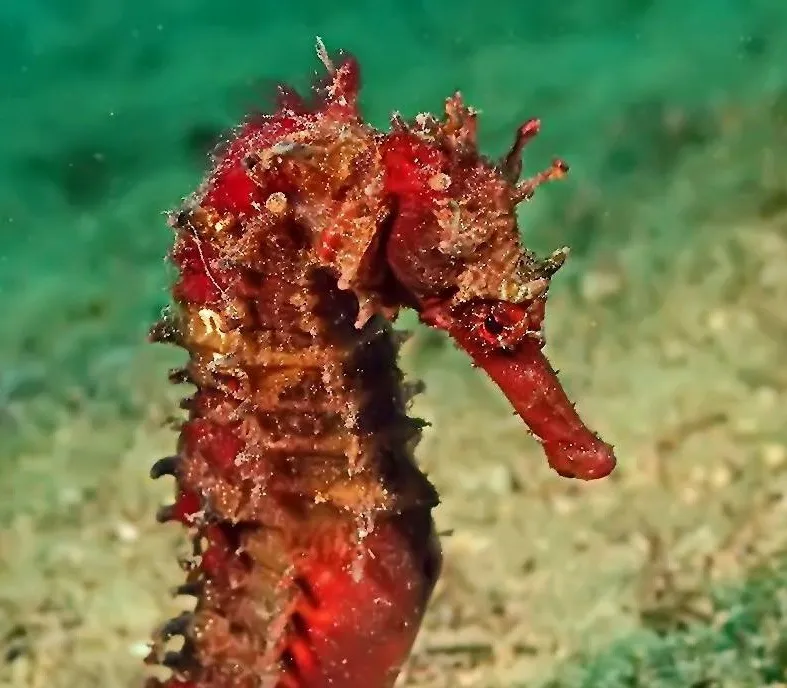
Reports from the broader St. Croix area also indicate the presence of amazing seahorses, which could be spotted in the more protected areas of the reef. During the summer months, when plankton increases in the water, manta rays are known to visit St. Croix waters, offering a chance to see these majestic filter feeders.
The reef's structure, including any subtle boat remnants, creates additional microhabitats for a variety of creatures.

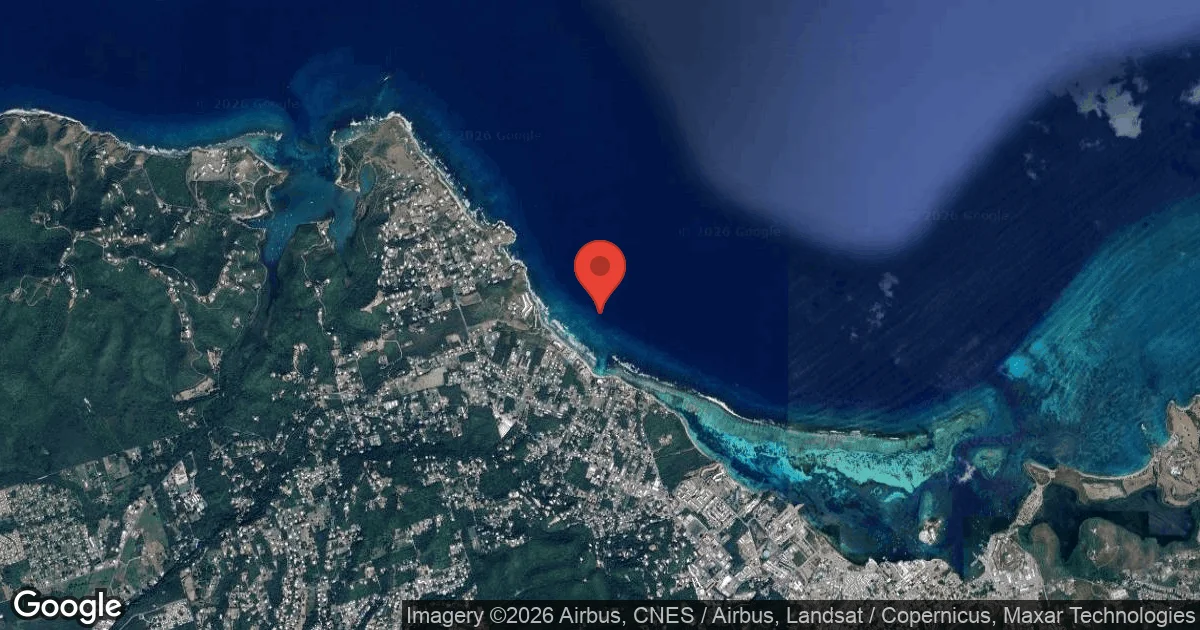
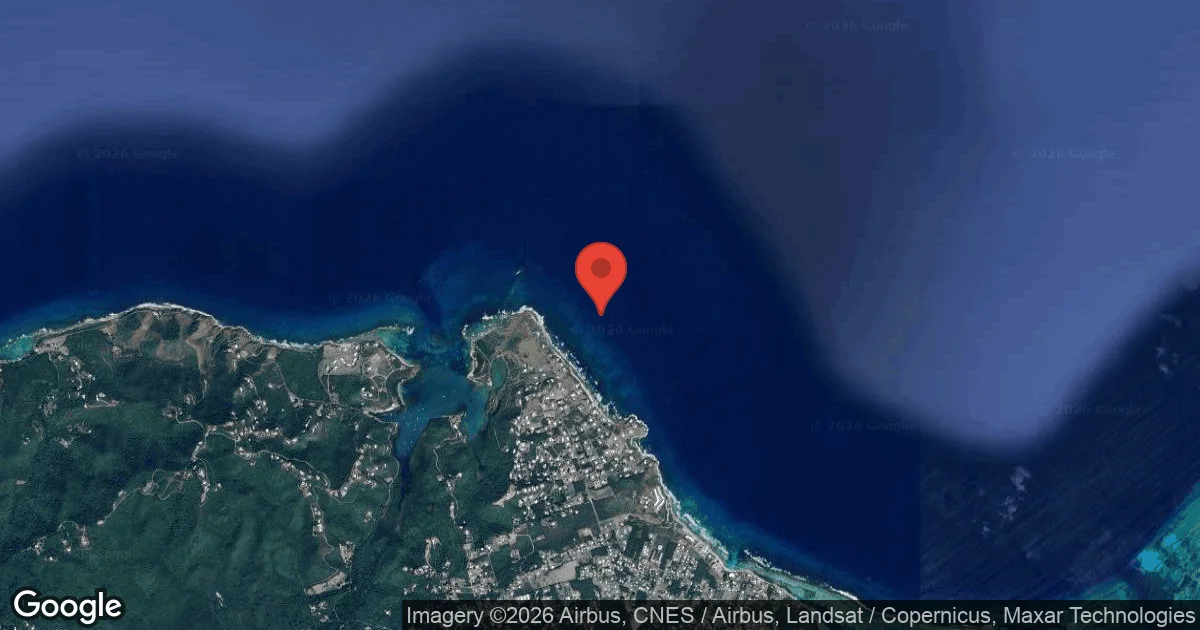
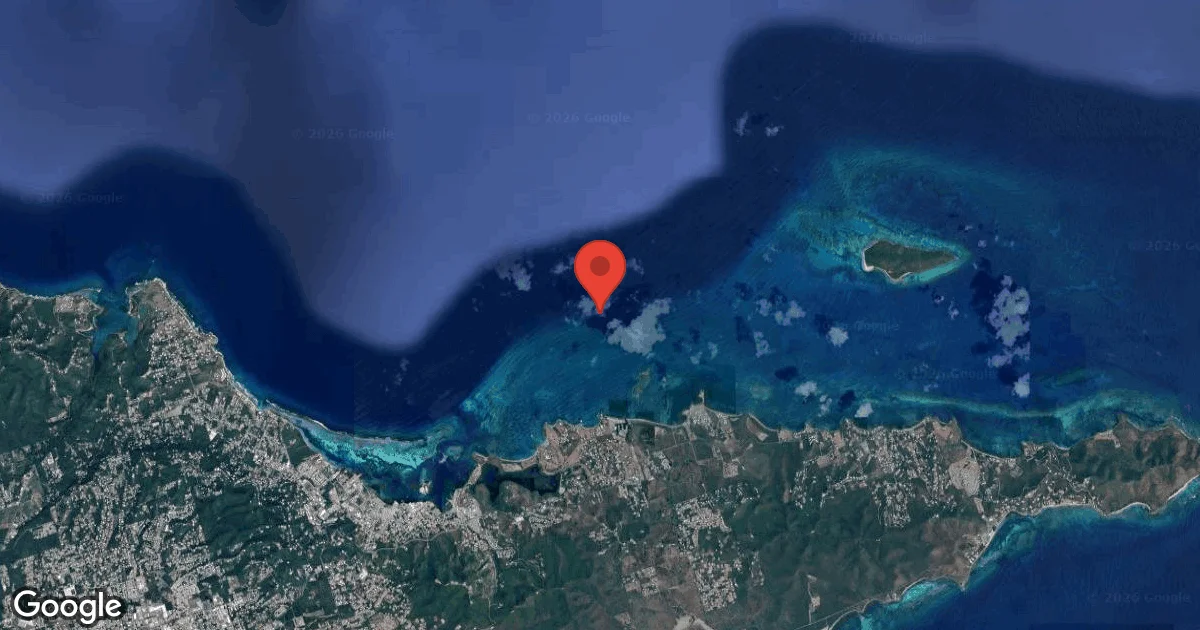
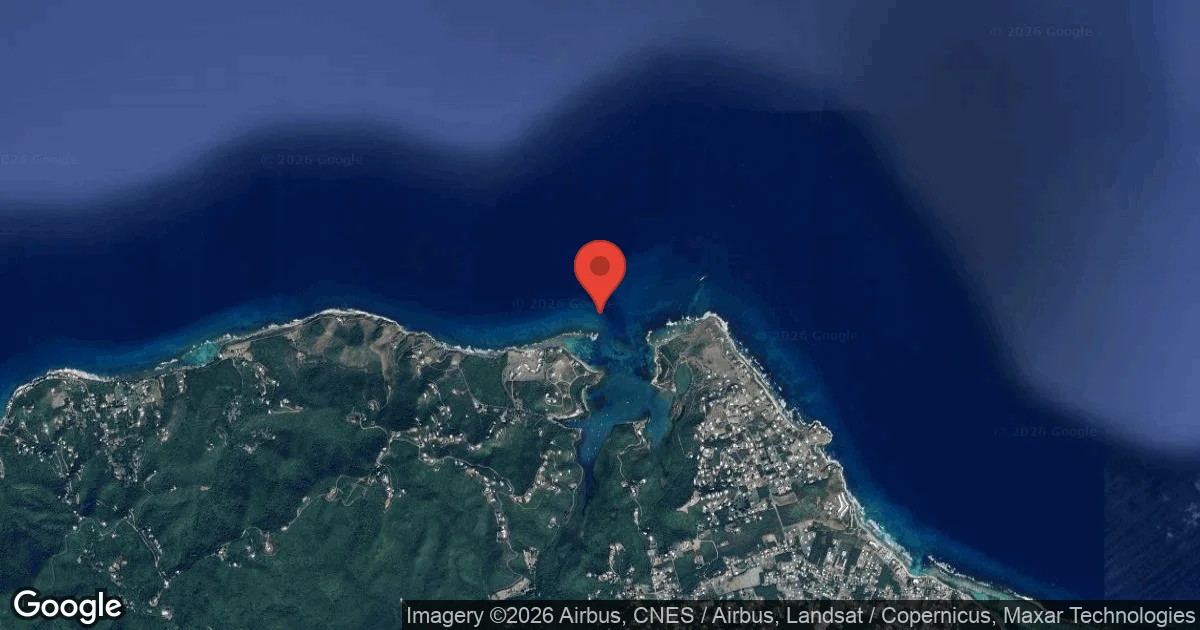
Dive Sites Near Wapa Reef, St Croix
View all dive sites in United StatesDiscover more underwater gems in this area.
Dive Centers Near Wapa Reef, St Croix
Today: 08:00 - 17:00
Nearest Airports
Nearest airports to help plan travel to this dive area.
Search Flights
Check available flights and routes on Expedia, using the nearby airports listed in this section.
Search Flights on ExpediaFrequently Asked Questions
Which US Virgin Island has the best scuba diving?
St. Croix offers the most extensive diving in the US Virgin Islands, featuring over 100 dive sites. It stands out for its unmatched variety and sheer number of available dive locations.
What are some of the best dive sites in St. Croix?
Top sites include Salt River Canyon, Cane Bay – The Wall, Frederiksted Pier, Butler Bay Shipwrecks, Sandy Point, and Davis Bay. St. Croix allows divers to experience a reef, shipwreck, pier, and wall, potentially all in a single day.
How many dive sites are there in St. Croix?
St. Croix boasts 72 moored dive sites, representing the largest collection in the USVI. Additionally, there are numerous other possible shore dive sites to explore around the island.
Is St. Croix good for diving?
Yes, St. Croix diving is considered world-class. It consistently ranks high due to its wide variety of dive site types and the sheer number of options available to divers.
What's the best month to dive in St. Croix?
December through March are often cited as the best months for diving. Summer also offers good conditions, though visibility may slightly decrease, while autumn is the rainy season with more overcast days but still provides good diving opportunities.
Is there night diving in St. Croix?
Night diving is available in St. Croix, with popular sites including The Canyon at Salt River, The Wall at Cane Bay, Frederiksted Pier, Butler Bay shipwrecks, and Davis Bay. These dives offer a different perspective on marine life activity.
How good is St. Croix diving visibility?
Visibility in St. Croix can vary; it typically exceeds 100 feet during winter and spring. In summer, it generally ranges from 70-80 feet due to plankton, which also attracts manta rays.
Planning to dive Wapa Reef, St Croix?
Send one inquiry and receive offers directly from the best verified local dive operators.
Conditions are Good
Optimal conditions expected
Current conditions near Wapa Reef, St Croix show 29° air, 29° sea temperature, 0.8 m waves, and 24 km/h wind. Forecast data is refreshed regularly to ensure accuracy.