
Diving at El Gran Roque (Venezuela)
Preparing for a dive in El Gran Roque means stepping into a Caribbean destination often described as a rustic yet perfect base. Reaching this far-flung collection of shallow islets typically involves a flight from Caracas, often arranged through AeroTuy from the national terminal. Divers should anticipate a laid-back, less commercialized approach to dive operations here. Expect the initial dive shop interactions to be straightforward, focusing on immediate arrangements rather than extensive briefings. This approach allows divers to swiftly access the archipelago's underwater environments.
As evening covers El Gran Roque, the local air temperature is measured at 26.5°C. The current wave height at the surface is recorded at 0.7 m. These late-day readings characterize the surface conditions for the night.
Dive Site Location & Key Facts
Dive Site Overview
El Gran Roque's underwater landscape is notably shaped by its deliberate efforts in marine conservation, epitomized by the Gran Roque wreck. This tugboat was voluntarily sunk in 2003 by Cesar Navas in collaboration with the Venezuelan Navy, specifically to foster a new coral reef.
Resting upright on its keel on a sandy bottom within the bay, the wreck lies at a maximum depth of 20 m (66 ft), making it accessible for recreational divers. Local reports indicate an impressive biodiversity, with claims of over 90% of Caribbean marine species present in this region. Beyond the wreck, other notable dive sites include "La Guasa," just a 10-minute boat ride away, and more distant spots like Cayo Sal and the "blue barrier," which might require up to an hour's journey by boat.
Divers should be aware of Los Roques' status as a National Park, which helps preserve these diverse marine habitats.
Conditions are Good
Optimal conditions expected
Current conditions near El Gran Roque show 26° air, 28° sea temperature, 0.7 m waves, and 24 km/h wind. Forecast data is refreshed regularly to ensure accuracy.
Best Time to Dive
Dive conditions around El Gran Roque remain consistently favorable throughout the year, with every month scoring 'Good' to 'Excellent.' Air temperatures are pleasantly warm, ranging from 25.5°C (78°F) in January to 29°C (84°F) during September. Rain showers are generally light; March records the least rainfall at just 0.62 mm, while even the wetter months like June and November see moderate averages of 7.75 mm and 6.33 mm, respectively. Wave heights are typically minimal, fluctuating between 0.6 m and 0.9 m, ensuring calm surface conditions for most of the year. For those seeking the absolute best, December often receives an 'Excellent' dive score, though the entire year provides a consistently enjoyable diving experience.
PEAK SEASON SCORE
Scores combine air & water temps, waves, wind & rainfall for overall conditions.
BEST MONTHS TO DIVE
Monthly records compiled from satellite and marine observation nodes over the last 3 years. Data provided by Open-Meteo and MET Norway.
Dive Experience & Conditions
Exploring the waters around El Gran Roque, divers will encounter diverse conditions, from shallow reefs to notable wrecks. The Gran Roque wreck provides an excellent recreational dive to its maximum depth of 20 m (66 ft), making it suitable for a wide range of certifications. While specific water temperature data is not consistently reported for this exact location, the Caribbean Sea generally maintains warm temperatures, typically ranging from 26-29°C (79-84°F). This warmth means a 3mm wetsuit or shorty is usually sufficient. Dive operators in the Los Roques archipelago often utilize long, thin hull boats, often equipped with sun covers, necessary for navigating between the many far-flung islets. Divers should be prepared for a dive style that may differ from more commercialized areas, as local operators might not be accustomed to multiple dives per day or frequent night diving requests.
Dive Difficulty & Safety Guidelines
When diving in El Gran Roque, prioritize your safety by carefully assessing dive operators. Inspect their boats for a sturdy ladder and adequate sun protection, as trips to outer dive sites can be lengthy. Remember that Los Roques is a National Park, which entails specific regulations designed to protect its pristine marine environment; adherence to these is mandatory.
While PADI and SSI certifications are widely recognized and courses are offered by local dive shops, understanding the local dive culture is key. Dive operations here often have a more 'tribal' feel, which means direct communication and negotiation, especially for multiple dives, are common.
It's prudent to confirm all aspects of your dive plan, including equipment and logistics, before heading out.
Recommended Equipment
Overhead / entanglement risk. Wreck penetration requires proper training.
- Dive Computer
- DSMB
- Primary & Backup Lights
- Wreck Reel
- Cutting Tool
This gear list is based on verified equipment signals for El Gran Roque, Venezuela. Always confirm final gear choices with your dive operator, guide, or liveaboard.
Recommended Dive Suit
In conditions like these, many divers prefer diving with 2-3mm shorty or light wetsuit. A hood or vest is suggested for sensitive divers due to surface winds.
Divers entering the water at El Gran Roque today can expect temperatures near 28°C (83°F) beneath the surface. Surface air temperatures are resting at 26°C (79°F).
Forecast models indicate that diving conditions should remain largely unchanged.
Emergency & Medical Support
Essential information to help you plan your dive trip to El Gran Roque.

Hyperbaric chambers are a critical part of dive safety infrastructure. Availability varies significantly by region, and not all dive areas have immediate access.
Before diving, it's recommended to:
- confirm nearest medical facilities
- check emergency procedures with local dive operators
- ensure dive insurance covers evacuation if required
Divers Alert Network
Diving emergency assistance available through DAN World.
+1-919-684-9111- 24/7 emergency hotline
- Diving medical assistance
- Evacuation coordination
Emergency contacts are provided for reference. Always verify local emergency services before diving.
Marine Life at El Gran Roque
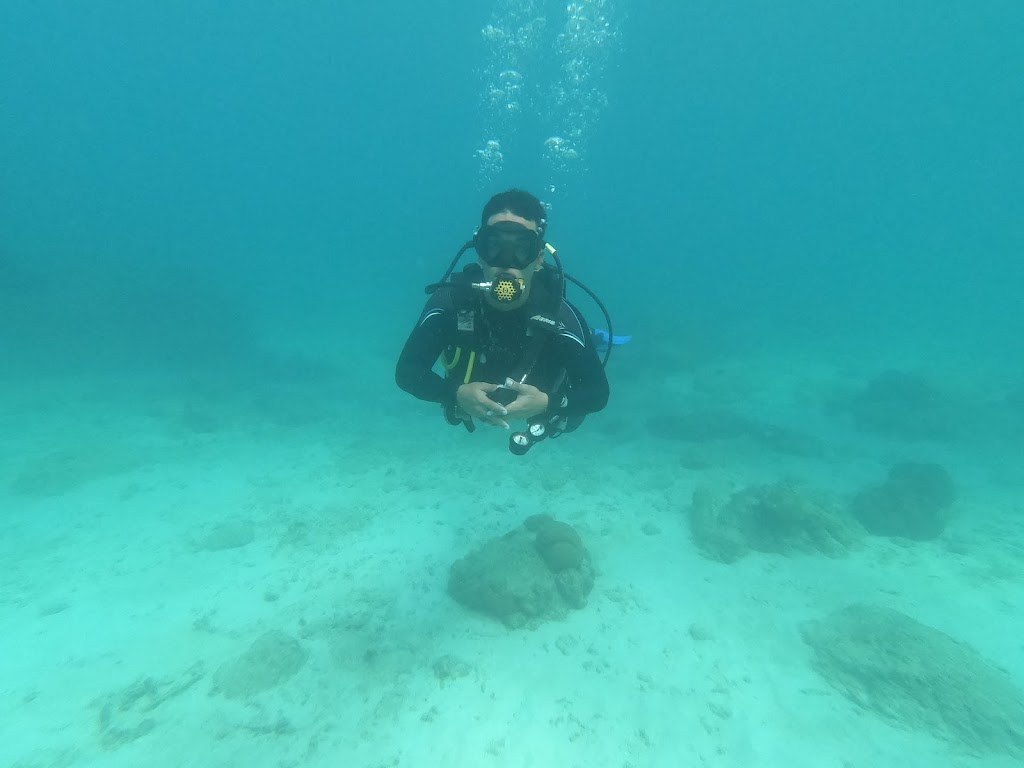
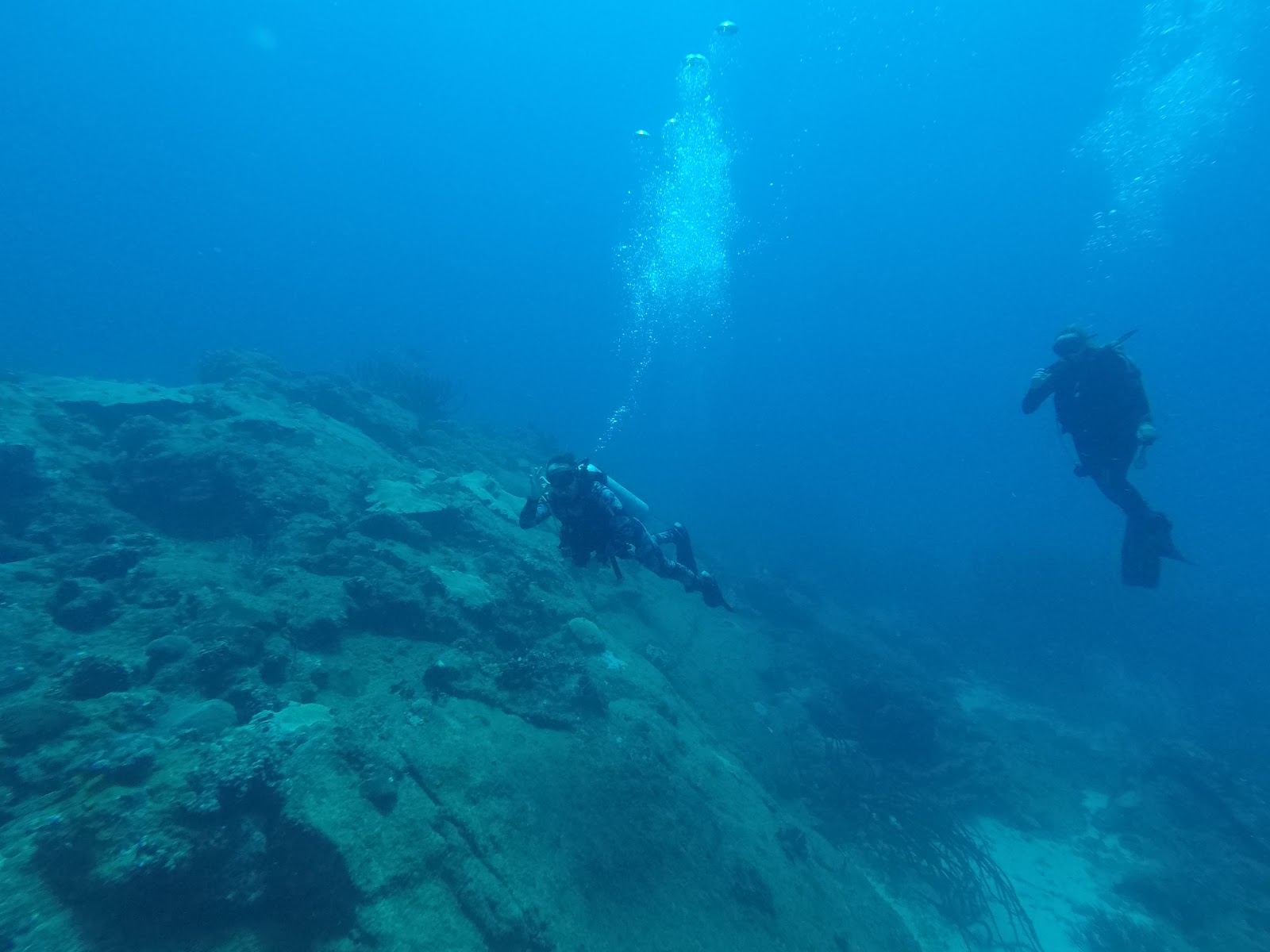
El Gran Roque presents a remarkable concentration of marine life, with local reports suggesting that over 90% of Caribbean marine species can be encountered within the archipelago. While specific sightings are varied, divers frequently observe a rich diversity across the vibrant coral formations and sandy bottom areas.
The intentional sinking of the Gran Roque tugboat serves as a burgeoning artificial reef, actively attracting and fostering a new ecosystem for many different species. Its structure provides shelter and a substrate for various corals and fish, steadily enhancing the site's biodiversity.
Dive Sites Near El Gran Roque
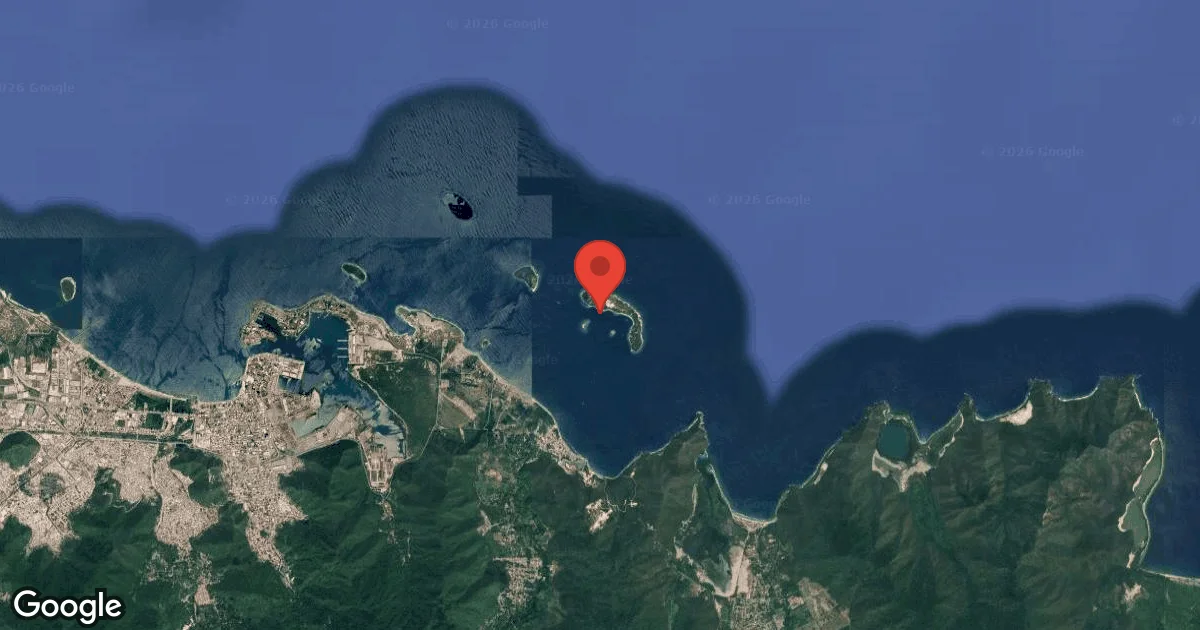
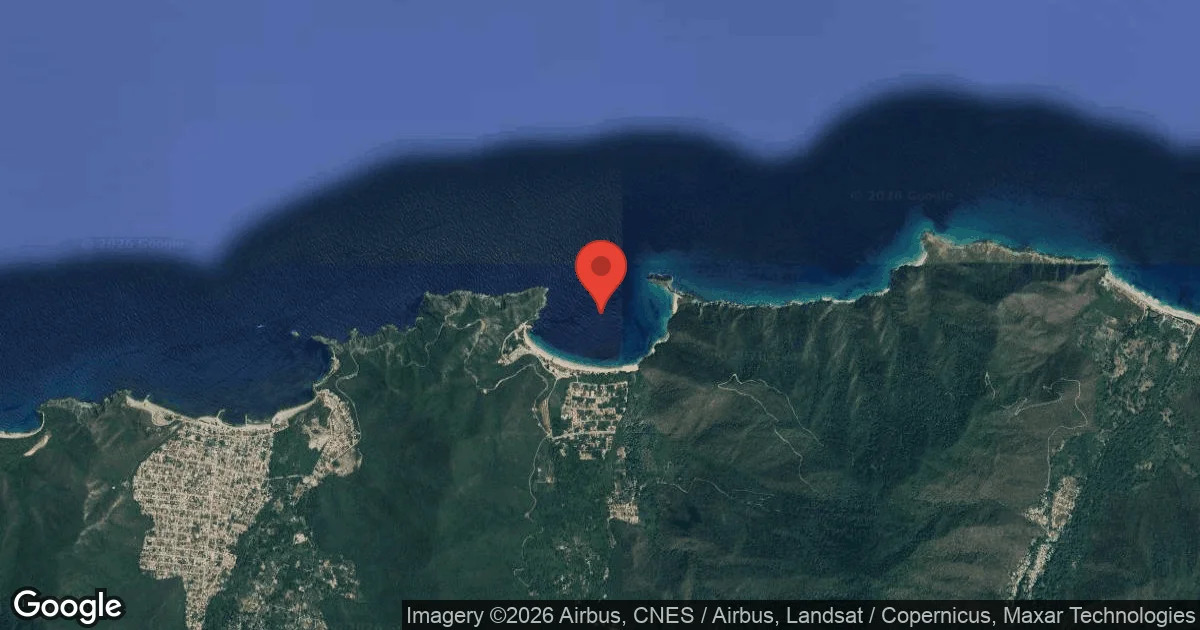
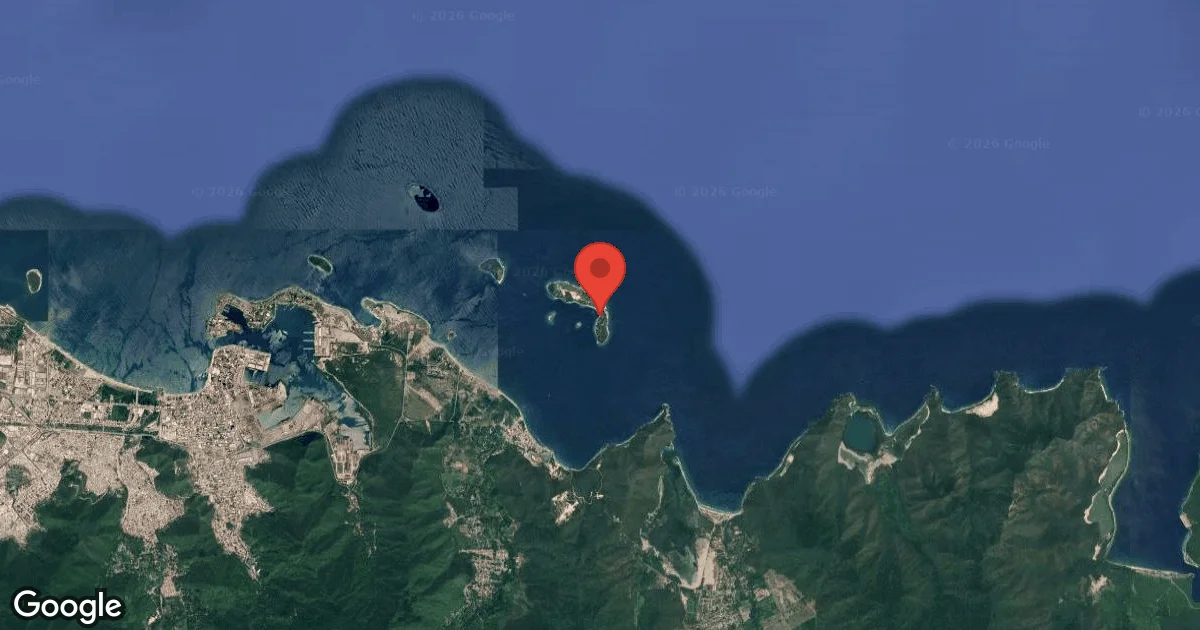
View all dive sites in VenezuelaDiscover more underwater gems in this area.
Dive Centers Near El Gran Roque
Today: 08:30 - 17:00
Nearest Airports
Nearest airports to help plan travel to this dive area.
Search Flights
Check available flights and routes on Expedia, using the nearby airports listed in this section.
Search Flights on ExpediaFrequently Asked Questions
How do I get to El Gran Roque?
Travel to El Gran Roque typically involves flying from Caracas. AeroTuy operates flights from the national terminal, and tickets can usually be purchased there. Availability is generally good, especially during low season.
What kind of dive certifications are offered in Los Roques?
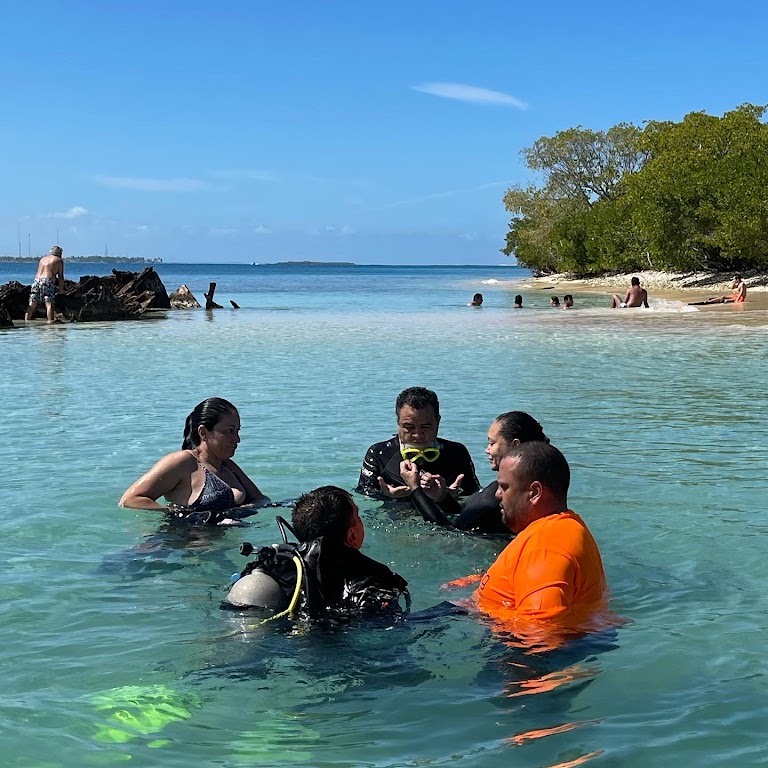
PADI and SSI diving courses are widely available through experienced operators like Arrecife Divers and Ecobuzos. You can find options ranging from beginner courses like Try Scuba to advanced and specialty certifications, including night diving and deep diving.
Are there many dive shops in El Gran Roque?
Yes, several dive operators serve the island, including Arrecife Divers, Ecobuzos, and Eco-Challenge. They offer a variety of courses and guided immersions, though their operational styles may vary from larger, more commercial centers.
What is the typical dive depth for the El Gran Roque wreck?
The Gran Roque wreck, a notable site, rests at a maximum depth of 20 m (66 ft), which is well within recreational limits. Other dive sites across the archipelago also range in depth, catering to various certification levels.
What are accommodations like on El Gran Roque?
El Gran Roque offers "posadas" (hostels) as its primary accommodation option, due to its status as a National Park. These range in price, often including three meals per person per night.
Can I expect multiple dives per day or night dives?
Local dive operators may not be accustomed to the North American style of multiple daily dives or frequent night dives. It's advisable to discuss and negotiate your desired diving frequency and specific requests, like night dives, in advance.
Is El Gran Roque suitable for beginner divers?
Yes, El Gran Roque is suitable for beginner divers. Operators offer introductory courses such as Try Scuba and Open Water Diver, allowing new divers to explore the shallow, vibrant reefs under professional guidance.
Planning to dive El Gran Roque?
Send one inquiry and receive offers directly from the best verified local dive operators.
Conditions are Good
Optimal conditions expected
Current conditions near El Gran Roque show 26° air, 28° sea temperature, 0.7 m waves, and 24 km/h wind. Forecast data is refreshed regularly to ensure accuracy.