
Diving at Barcos de Isla Larga (Venezuela)
Imagine descending into the past, where the skeletal remains of World War II vessels now cradle vibrant ecosystems. Barcos de Isla Larga, off Venezuela's Puerto Cabello, offers divers a submerged historical narrative. These ships, scuttled during the conflict to prevent capture, have transformed into thriving artificial reefs. It's a site where history and marine biology converge, creating a compelling underwater landscape for exploration.
Tonight's objective overview for Barcos de Isla Larga shows an air temperature of 27°C. The measured surface conditions include wave heights around 0.7 m. This environmental data is logged for the close of the day.
Dive Site Location & Key Facts
Dive Site Overview
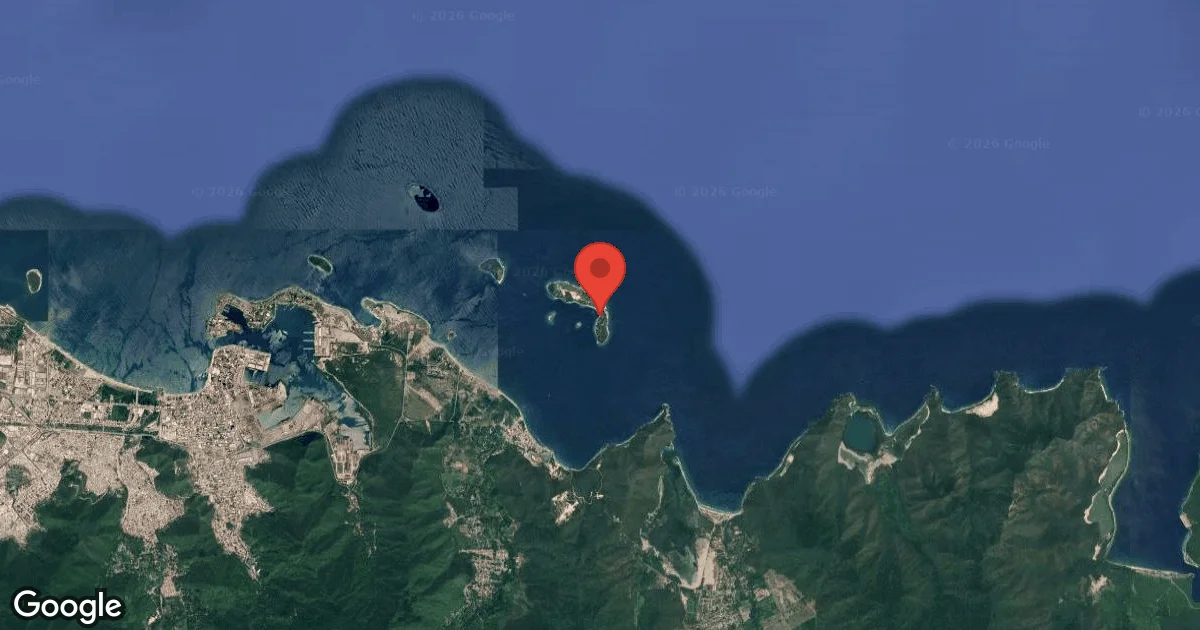
The submerged landscape off Isla Larga holds a fascinating collection of World War II shipwrecks, a historical legacy now integrated into Venezuela's San Esteban National Park, close to Puerto Cabello. These aren't just sunken vessels; they are the intentional remnants of ships like the Italian 'Wacko' and the German 'Sesostris,' deliberately scuttled to prevent their capture during the conflict.
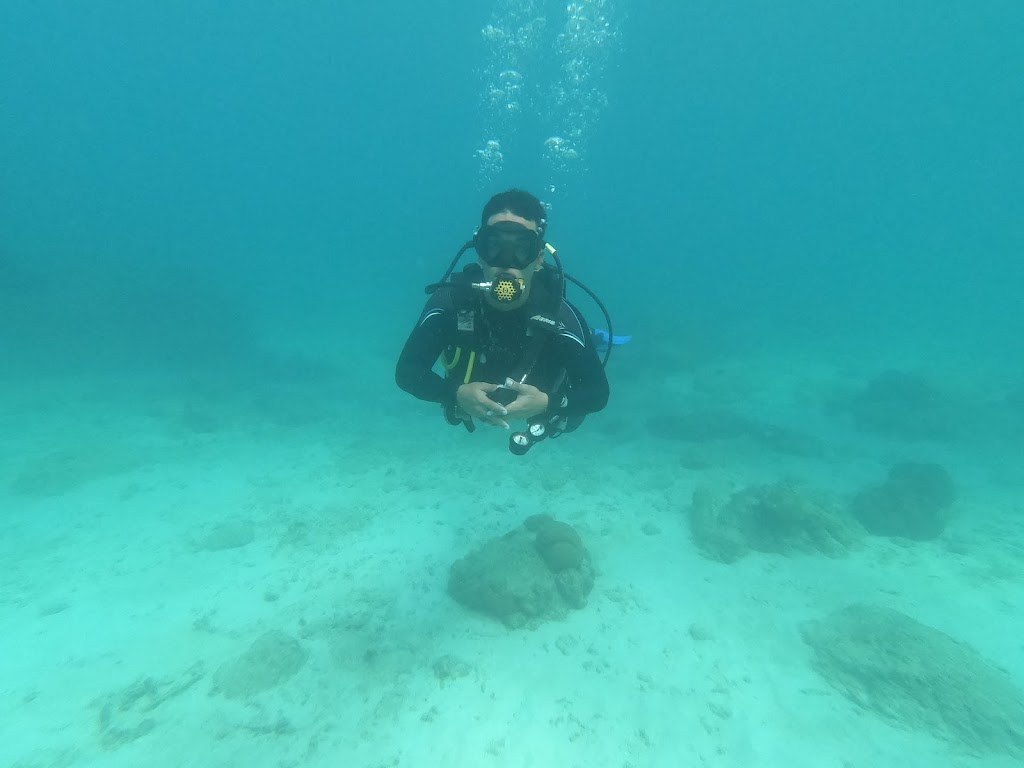
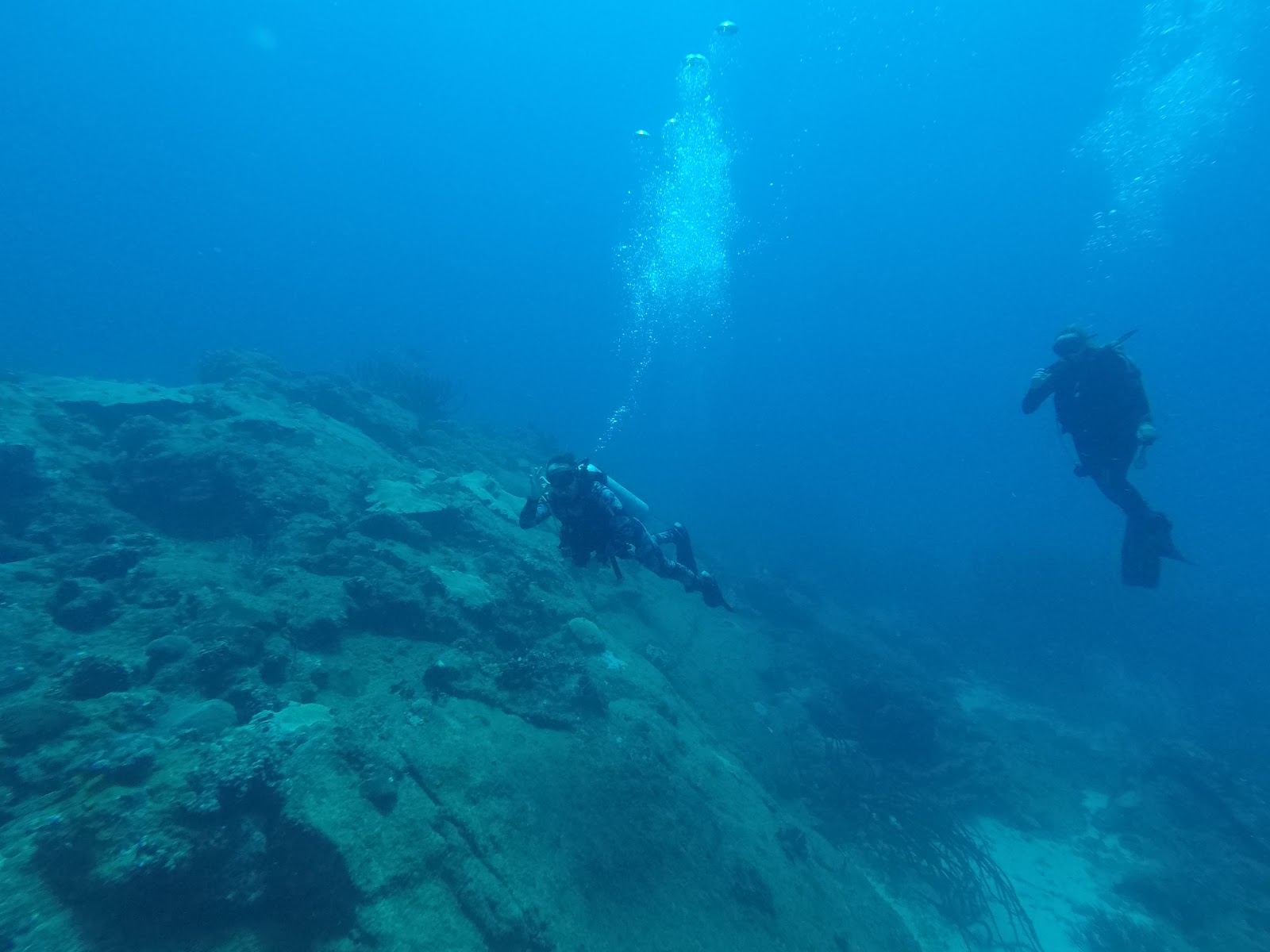
Decades underwater have transformed these wartime casualties into complex artificial reefs, providing essential habitat. They now serve as foundational substrates, anchoring and nurturing a significant portion of the park's vibrant marine inhabitants, from schooling fish to sessile invertebrates. Divers will find structures largely broken but with distinct features still recognizable, allowing for exploration of cargo holds, deck areas, and engine rooms depending on the wreck.
Most of these sites are accessible at depths generally reaching up to 20 m / 65 ft, which makes them highly suitable for a broad spectrum of certified divers, including those with Open Water certifications. Access to this captivating underwater museum is exclusively by boat, typically a short ride from shore, setting the stage for an immersive historical and ecological encounter.
The relatively calm conditions often present here further enhance the appeal for diverse skill levels.
Conditions are Good
Optimal conditions expected
Current conditions near Barcos de Isla Larga show 27° air, 29° sea temperature, 0.7 m waves, and 27 km/h wind. Forecast data is refreshed regularly to ensure accuracy.
Best Time to Dive
Planning a visit to Barcos de Isla Larga typically yields good diving conditions throughout the year, with a consistently favorable dive score. Air temperatures remain warm, averaging from 26°C / 79°F in cooler months to 29°C / 84°F in warmer periods. Rainfall is generally low, ranging from approximately 0.7 mm in March to about 7.2 mm in May, with slightly higher rain in the mid-year. While waves are usually moderate (0.6 to 0.9 m / 2 to 3 ft), months like August and September tend to experience some of the calmest conditions, with average wave heights around 0.6 m / 2.0 ft, potentially offering enhanced comfort and visibility for divers.
PEAK SEASON SCORE
Scores combine air & water temps, waves, wind & rainfall for overall conditions.
BEST MONTHS TO DIVE
Monthly records compiled from satellite and marine observation nodes over the last 3 years. Data provided by Open-Meteo and MET Norway.
Dive Experience & Conditions
Navigating the Barcos de Isla Larga wrecks offers a dynamic underwater experience, where the skeletal forms of history merge with thriving marine ecosystems. Each vessel contributes to a rich tapestry of biodiversity, with the abundant marine growth providing essential shelter and food sources that attract diverse species. While specific water temperature data isn't consistently reported for this exact site, conditions are reliably warm, typical of Caribbean waters. Divers can generally anticipate temperatures suitable for a 3mm wetsuit or shorty, enhancing comfort during longer bottom times. Visibility often ranges from good to excellent, although it can vary with currents and recent weather, allowing clear views of the wreck's scale and intricate details. The relatively shallow maximum depths, around 20 meters, mean extended exploration is possible, enabling thorough investigation of the ship's structures and the life they support.
Dive Difficulty & Safety Guidelines
Ensuring a safe dive at Barcos de Isla Larga necessitates a proactive approach to planning and adherence to established protocols. Always consult with a local dive professional, as their insights into current site conditions, potential currents, and specific wreck hazards are invaluable.
Mastering buoyancy control is paramount here; it prevents disturbing delicate marine life, avoids stirring up silt that can reduce visibility, and crucially, minimizes entanglement risks on the wreck structures. Divers must plan their dives meticulously, staying strictly within their certification limits and always diving with a buddy.
Given the unique aspects of wreck exploration, advanced training, such as a PADI Wreck Diver specialty, is highly recommended for those wishing to penetrate or spend significant time exploring within the wrecks. Access to the sites is consistently via boat, requiring careful entry and exit procedures.
Recommended Equipment
Overhead / entanglement risk. Wreck penetration requires proper training.
- Dive Computer
- DSMB
- Primary & Backup Lights
- Wreck Reel
- Cutting Tool
This gear list is based on verified equipment signals for Barcos de Isla Larga, Venezuela. Always confirm final gear choices with your dive operator, guide, or liveaboard.
Recommended Dive Suit
Water temperatures at Barcos de Isla Larga are currently estimated to be around 29°C (84°F), shaping the overall diving conditions for today. Surface air temperatures are resting at 27°C (80°F).
For the majority of recreational dives here, 2-3mm shorty or light wetsuit should provide suitable protection. A hood or vest is suggested for sensitive divers due to surface winds.
Environmental conditions are expected to remain consistent in the short-term outlook.
Emergency & Medical Support
Essential information to help you plan your dive trip to Barcos de Isla Larga.

Hyperbaric chambers are a critical part of dive safety infrastructure. Availability varies significantly by region, and not all dive areas have immediate access.
Before diving, it's recommended to:
- confirm nearest medical facilities
- check emergency procedures with local dive operators
- ensure dive insurance covers evacuation if required
Divers Alert Network
Diving emergency assistance available through DAN World.
+1-919-684-9111- 24/7 emergency hotline
- Diving medical assistance
- Evacuation coordination
Emergency contacts are provided for reference. Always verify local emergency services before diving.
Marine Life at Barcos de Isla Larga
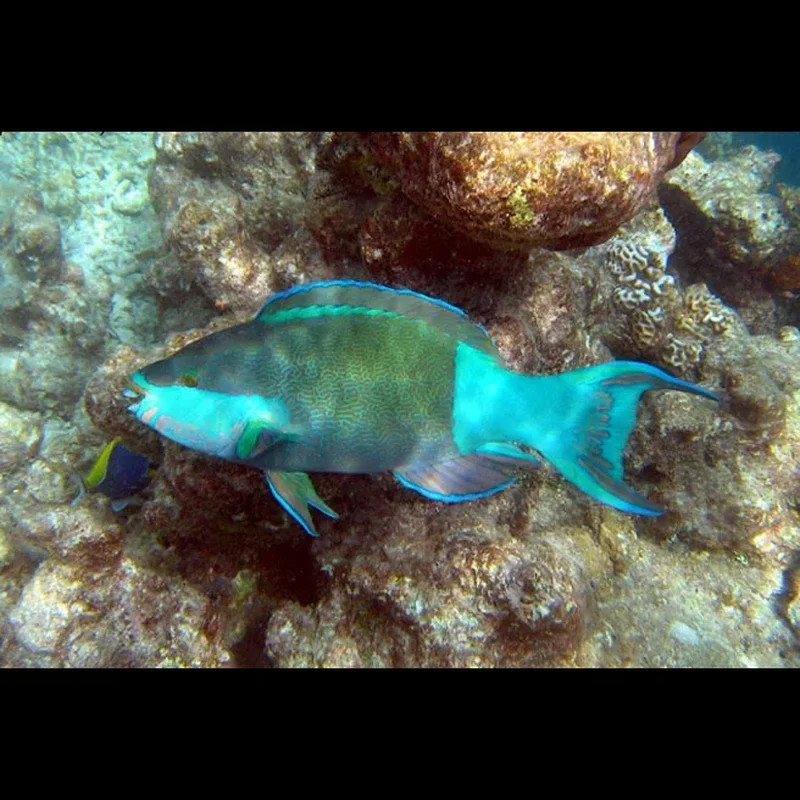
The conversion of these historic vessels into vibrant artificial reefs has cultivated a remarkable sanctuary for marine life at Barcos de Isla Larga. Descending upon the wrecks, divers frequently encounter dense schools of parrotfish and trumpetfish, navigating the ship's framework.
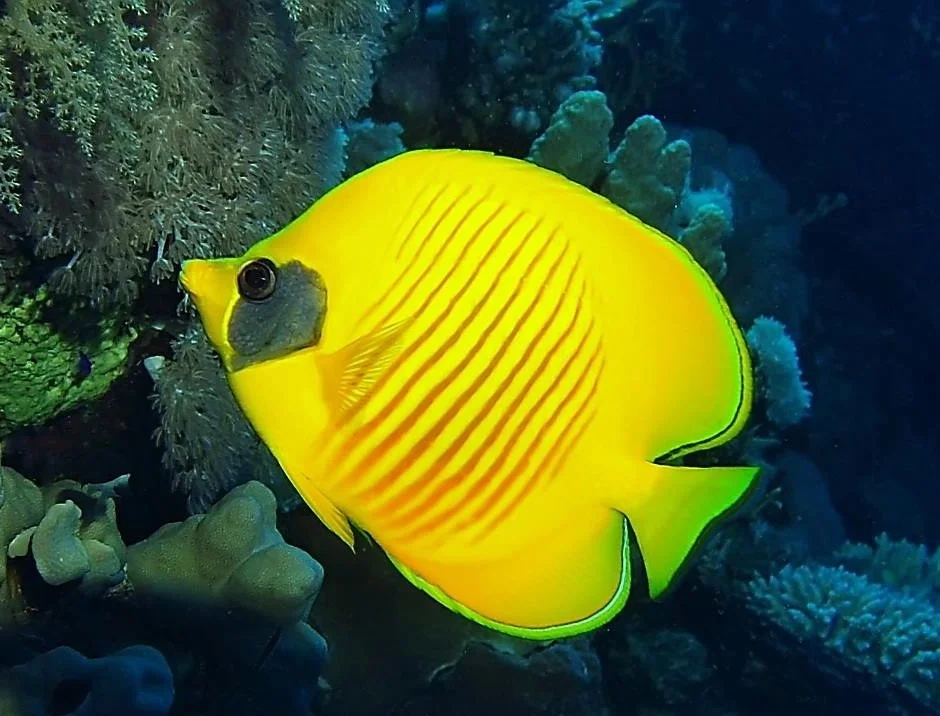
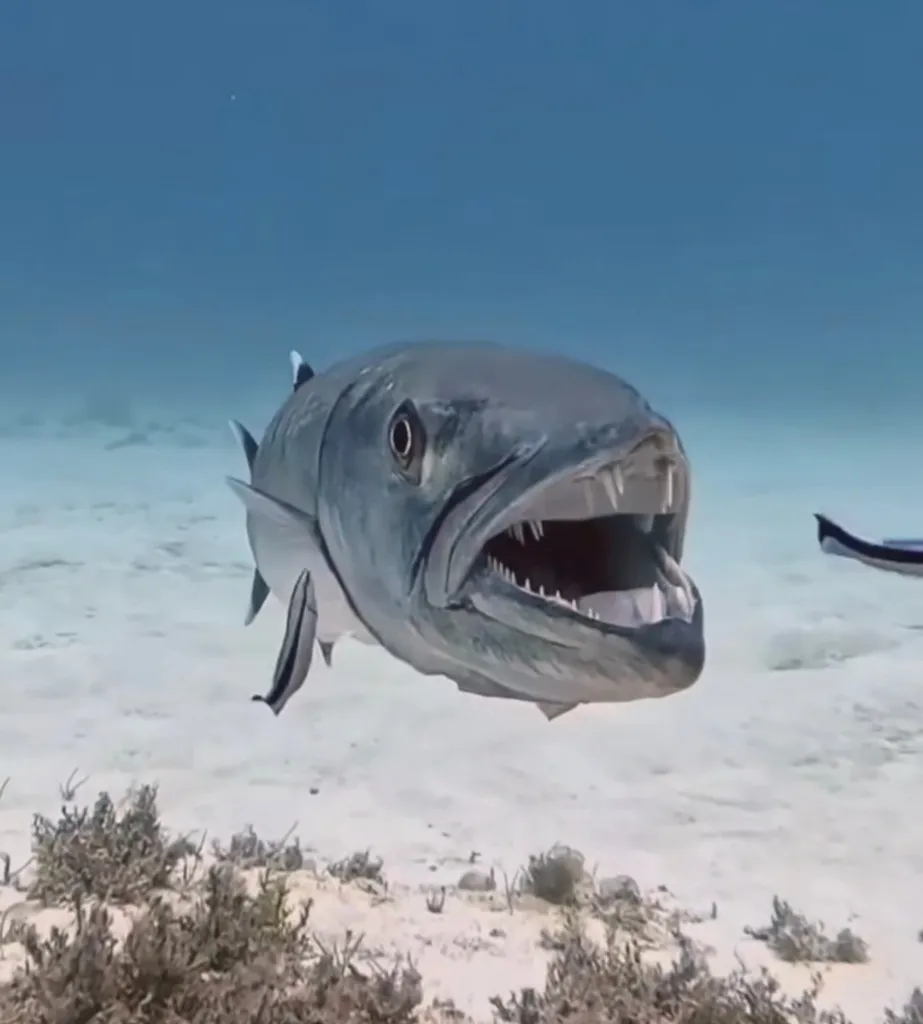
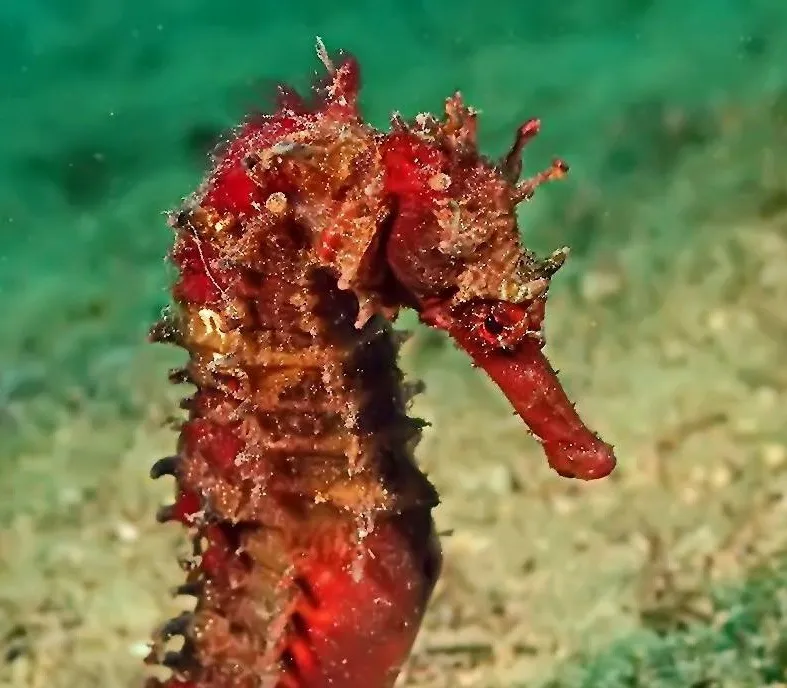
Colorful butterflyfish are a common sight, gracefully flitting among the corroded structures and feeding on the abundant growth. For those with a keen eye, seahorses, barracudas, and various starfish species are also commonly observed, demonstrating the diverse ecological niches created by these submerged relics.
This rich concentration of both macro and wide-angle subjects makes the wrecks a prime location for underwater photography, offering compelling compositions at every turn.

Dive Sites Near Barcos de Isla Larga
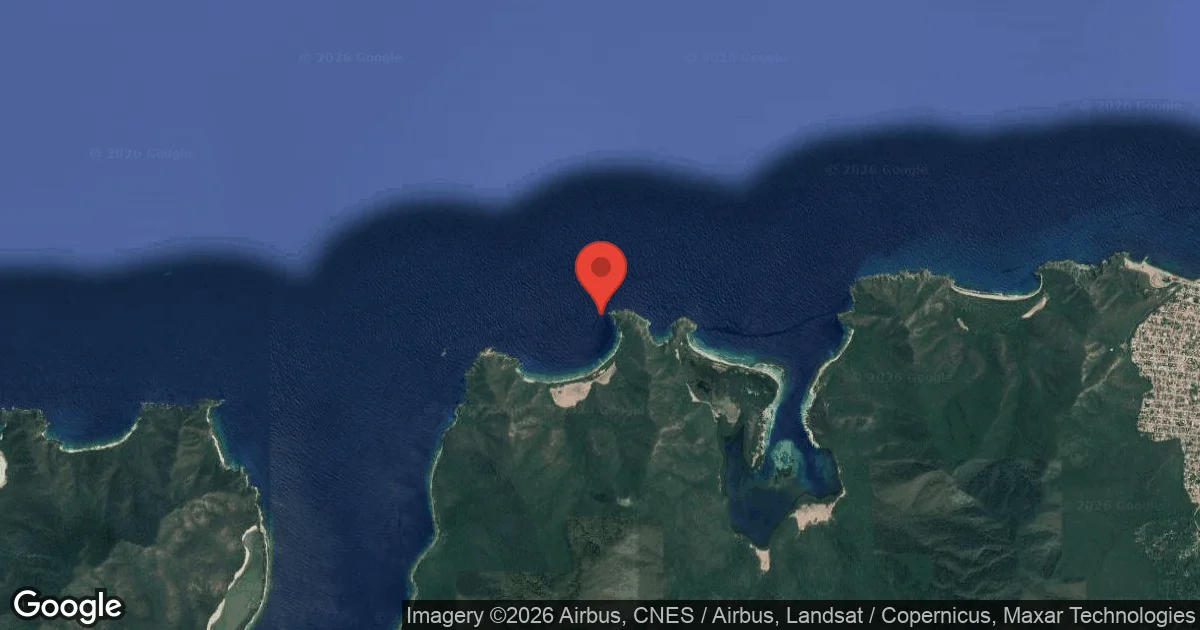
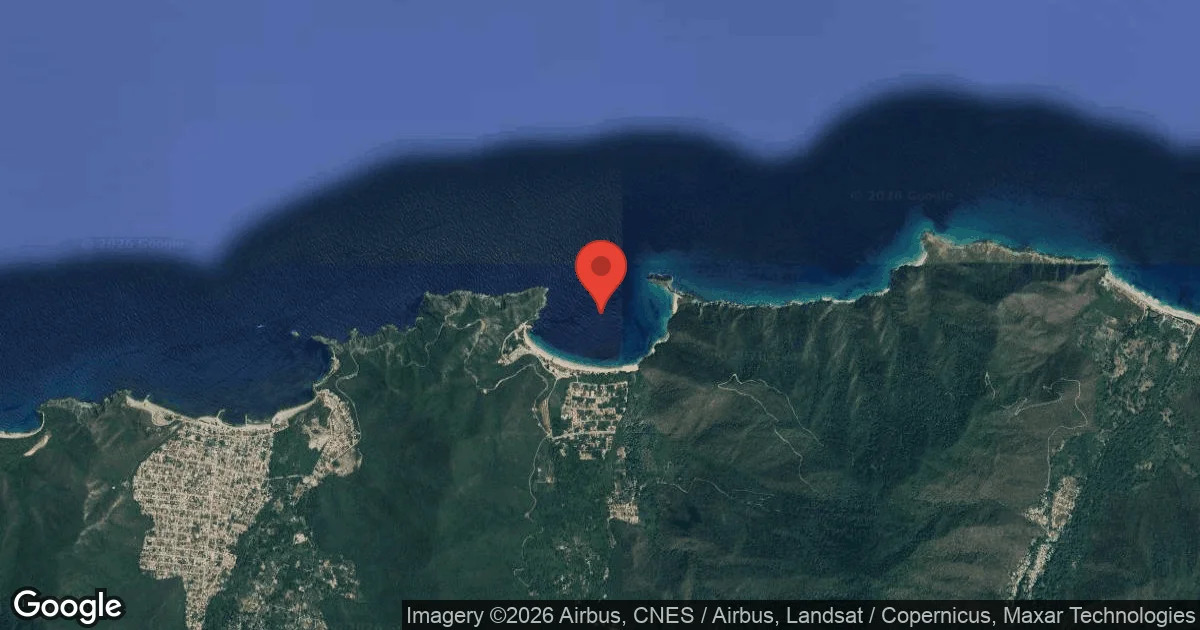
View all dive sites in VenezuelaDiscover more underwater gems in this area.
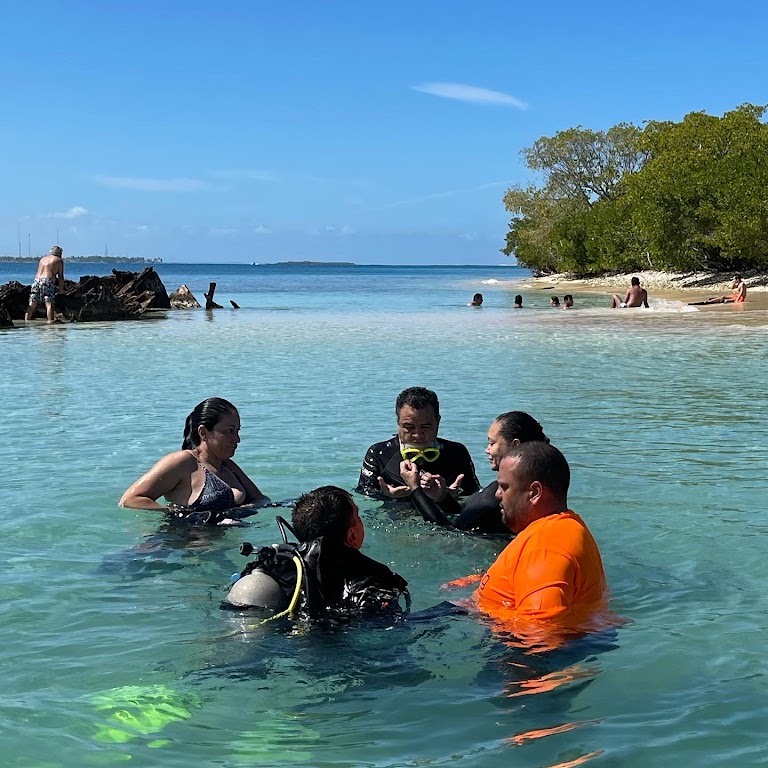
Dive Centers Near Barcos de Isla Larga
Today: Closed
Nearest Airports
Nearest airports to help plan travel to this dive area.
Search Flights
Check available flights and routes on Expedia, using the nearby airports listed in this section.
Search Flights on ExpediaFrequently Asked Questions
What is the historical background of the Barcos de Isla Larga wrecks?
These ships are primarily Italian and German-flagged vessels from World War II. They sought refuge in neutral Venezuelan waters but were scuttled by their crews when Venezuela joined the Allies, preventing them from falling into enemy hands.
What is the typical maximum depth at Barcos de Isla Larga?
The maximum depth for diving these wrecks is generally around 20 m / 65 ft. This depth makes the site suitable for a range of certified divers, from Open Water to Advanced.
What marine life can be seen at the wreck sites?
The wrecks serve as artificial reefs, attracting parrotfish, trumpetfish, and butterflyfish. Divers also frequently spot seahorses, barracudas, and starfish, among other reef dwellers.
Is a boat required to access the dive sites?
Yes, access to the Barcos de Isla Larga wrecks is exclusively by boat. This ensures divers can reach the specific locations of the scattered vessels efficiently and safely.
What dive certifications are recommended for this site?
PADI Open Water Diver certification is suitable for initial exploration, but PADI Advanced Open Water Diver and PADI Wreck Diver certifications are highly recommended to fully appreciate and safely navigate these sites.
How do water temperatures vary at Barcos de Isla Larga?
Specific water temperature data for this site is not consistently reported. However, as with many Caribbean locations, divers can generally expect warm conditions, making a 3mm wetsuit or shorty usually sufficient for comfort.
How do seasonal weather patterns affect diving conditions?
Diving conditions are generally good year-round, with warm air temperatures and low rainfall. While waves are typically moderate, months like August and September often present the calmest surface conditions, which can lead to better visibility and a more comfortable boat ride.
Planning to dive Barcos de Isla Larga?
Send one inquiry and receive offers directly from the best verified local dive operators.
Conditions are Good
Optimal conditions expected
Current conditions near Barcos de Isla Larga show 27° air, 29° sea temperature, 0.7 m waves, and 27 km/h wind. Forecast data is refreshed regularly to ensure accuracy.