
Diving at Josie J Shipwreck (Honduras)
Descending to the Josie J Shipwreck presents a formidable technical challenge, as the vessel rests at approximately 65 m / 215 ft. Not a typical recreational dive, it is an exploration into a working cargo ship's remnants. A ship's silhouette gradually transforms into a detailed structure, revealing final, unexpected cargo, creating a compelling visual narrative for advanced wreck enthusiasts.
As evening covers Josie J Shipwreck, the local air temperature is measured at 28.5°C. The current wave height at the surface is recorded at 0.6 m. These late-day readings characterize the surface conditions for the night.
Dive Site Location & Key Facts
Dive Site Overview
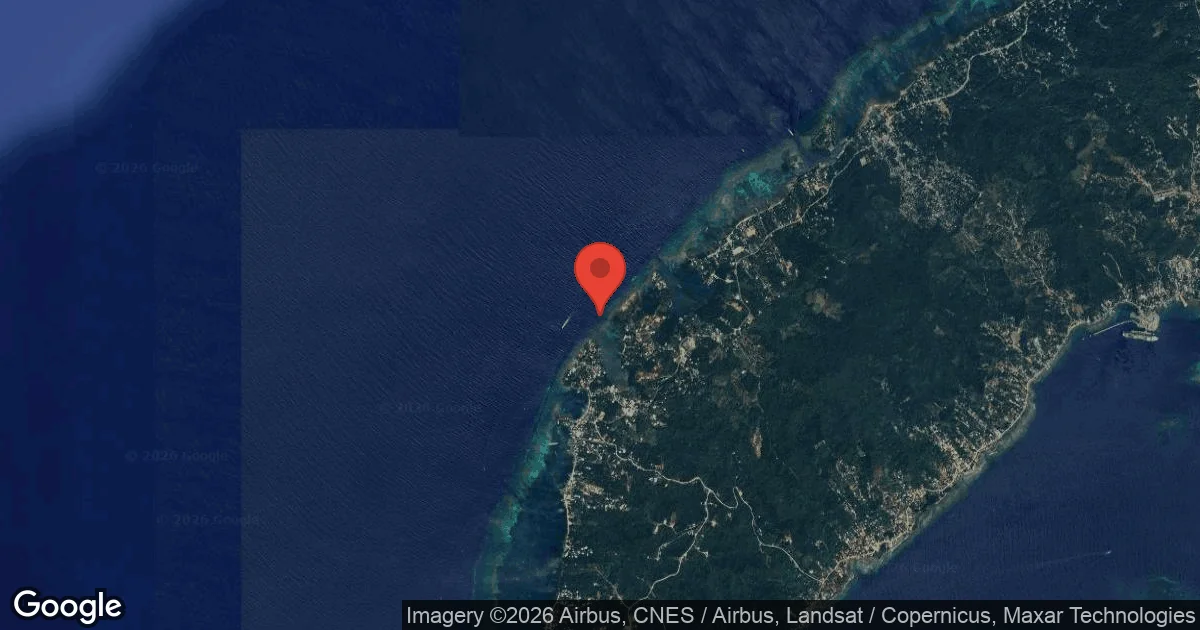
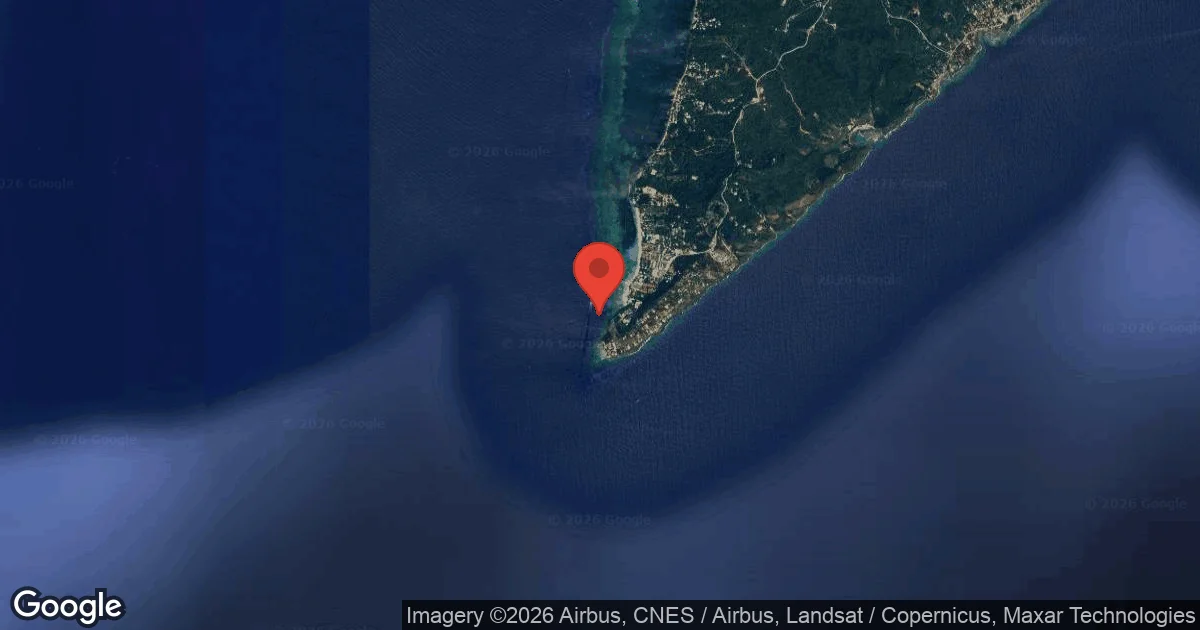
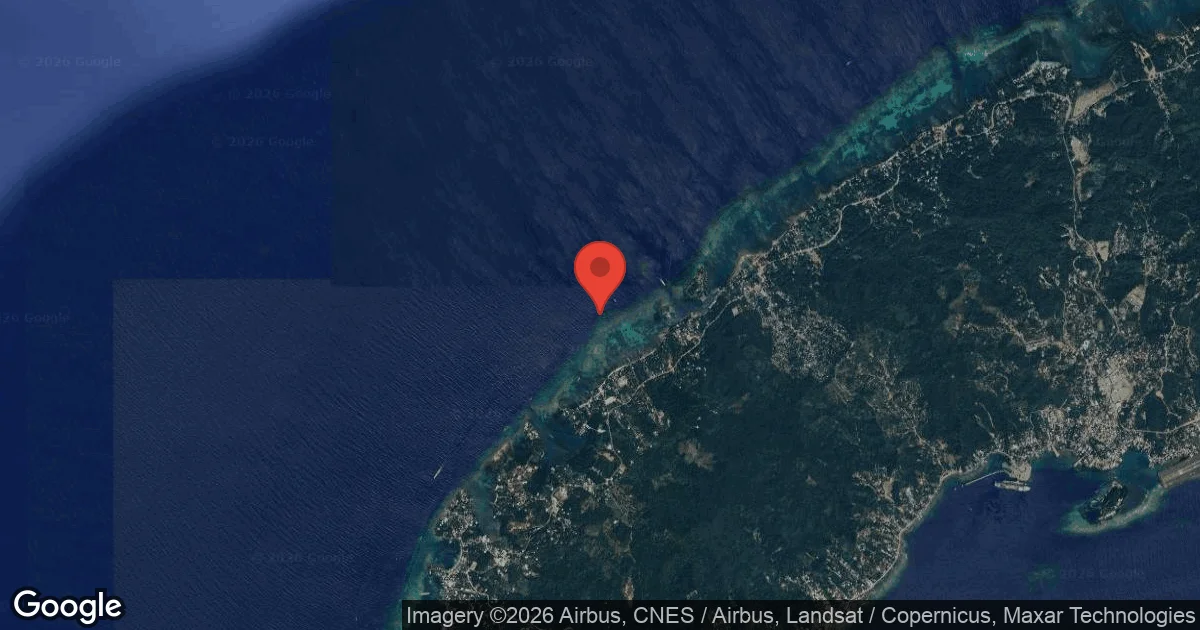
A Bahamian cargo vessel, the Josie J, measures 75 feet long and 30 feet wide, with an estimated weight of 90 tonnes. It lies on a sand bed off the West End Wall, conveniently located just 5 to 10 minutes by boat from Brisas Del Mar.
Sinking in the early 1980s due to a bilge pump malfunction, the ship was en route from Cayman to Roatan, carrying a diverse cargo. Divers navigating this wreck observe original contents largely intact within holds and distributed across the deck. Remnants include stacks of PVC pipes, bundles of metal rebar, gypsum bags, and crushed sacks of various building supplies, painting a vivid picture of its final voyage.
Interspersed with these industrial items are everyday provisions: Crisco oil, soft drinks, and other groceries, surprisingly preserved and emphasizing the suddenness of its demise. Underneath the hull, a deteriorated blue bus presents a surreal and poignant addition to the underwater landscape.
Though the wheelhouse retains some structural integrity, its internal electronics and wires dangle precariously, a potent reminder of the vessel's abrupt end and current instability. Site offers ample opportunities for exterior inspection, its various components creating an intricate habitat for marine life.
Conditions are Good
Optimal conditions expected
Current conditions near Josie J Shipwreck show 29° air, 30° sea temperature, 0.6 m waves, and 25 km/h wind. Forecast data is refreshed regularly to ensure accuracy.
Best Time to Dive
Planning a dive to the Josie J benefits from understanding Roatan's seasonal patterns, particularly concerning surface conditions for the boat ride to the site. While technical diving is less impacted by surface chop, calmer seas are always preferred. August, September, and October often present good diving conditions, with lower average wave heights and rainfall; for example, September averages 0.9 m / 3.0 ft wave height and 5.6 mm / 0.22 in of rain. In contrast, months like January and February see higher wind speeds and wave heights, reaching around 31-33 km/h / 19-20 mph and 1.3 m / 4.3 ft respectively. Air temperatures consistently range from 25-29°C / 77-84°F year-round, while water temperatures generally vary between 24-30°C / 75-86°F. The drier months from March to September are commonly cited as optimal, aligning with lower rainfall tendencies in the system data.
PEAK SEASON SCORE
Scores combine air & water temps, waves, wind & rainfall for overall conditions.
BEST MONTHS TO DIVE
Monthly records compiled from satellite and marine observation nodes over the last 3 years. Data provided by Open-Meteo and MET Norway.
Dive Experience & Conditions
Approaching the Josie J, divers are met with an environment that demands precision and advanced preparation. This deep wreck dive requires significant technical expertise, including redundant gas setups and meticulous decompression planning. Water temperatures in the vicinity typically range from 24-30°C / 75-86°F, which makes wetsuit choice comfortable but the depth mandates thermal consideration. Visibility around the wreck can be mild, which adds to the atmospheric feel of the dive. Current conditions are not consistently reported as strong; however, conditions can vary with local weather patterns. Due to the dive's depth and complexity, it's routinely scheduled as the first dive of the day, with no additional dives afterward to ensure adequate surface intervals.
Dive Difficulty & Safety Guidelines
Safety on the Josie J wreck is paramount, with critical hazards requiring strict adherence to protocols. The ship's wheelhouse, in particular, is unstable and instructors strongly advise against any penetration, referring to it as 'just a hanging trap'.
Divers must hold a Tec 50 certification or higher, along with specialized training in deep diving and wreck diving. These requirements underscore the need for advanced skills, including proper gas management, redundant systems, and thorough decompression planning.
Each dive to the Josie J must be meticulously planned, accounting for its depth and the inherent risks of overhead environments. Consulting with local technical dive operators is essential to ensure all safety measures are in place.
Recommended Equipment
Technical depth range. Advanced planning, gas management, and appropriate certification required.
Overhead / entanglement risk. Wreck penetration requires proper training.
- Dive Computer
- DSMB
- Primary & Backup Lights
- Wreck Reel
- Cutting Tool
This gear list is based on verified equipment signals for Josie J Shipwreck, Honduras. Always confirm final gear choices with your dive operator, guide, or liveaboard.
Recommended Dive Suit
Thermal protection such as dive skin or rash guard is commonly used for water temperatures in this range. A hood or vest is suggested for sensitive divers due to surface winds.
Divers entering the water at Josie J Shipwreck today can expect temperatures near 30°C (86°F) beneath the surface. Surface air temperatures are resting at 29°C (83°F).
The next few days appear likely to bring similar environmental conditions.
Emergency & Medical Support
Essential information to help you plan your dive trip to Josie J Shipwreck.

Hyperbaric chambers are a critical part of dive safety infrastructure. Availability varies significantly by region, and not all dive areas have immediate access.
Before diving, it's recommended to:
- confirm nearest medical facilities
- check emergency procedures with local dive operators
- ensure dive insurance covers evacuation if required
Divers Alert Network
Diving emergency assistance available through DAN World.
+1-919-684-9111- 24/7 emergency hotline
- Diving medical assistance
- Evacuation coordination
Emergency contacts are provided for reference. Always verify local emergency services before diving.
Marine Life at Josie J Shipwreck
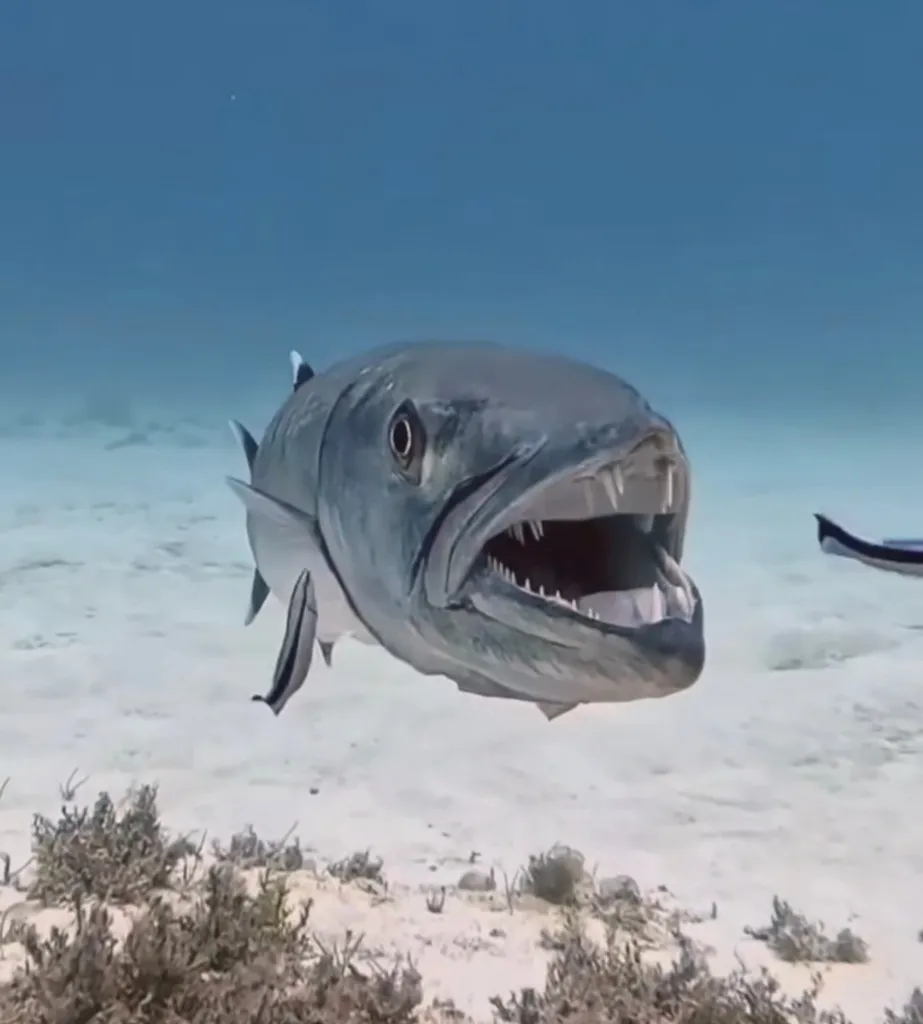
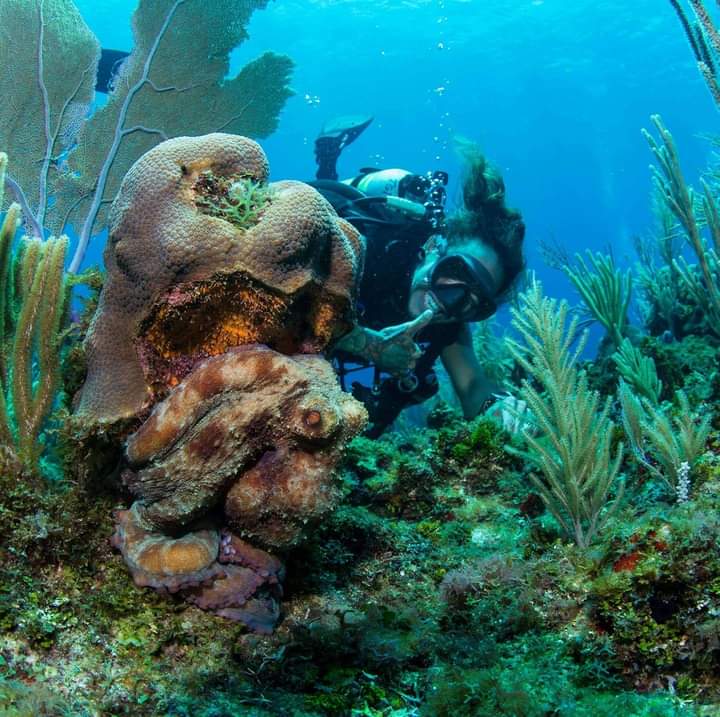
The Josie J Shipwreck acts as an artificial reef, gradually attracting various marine species to its structure. Divers frequently observe barracuda patrolling the wreck, taking advantage of its substantial size for hunting.
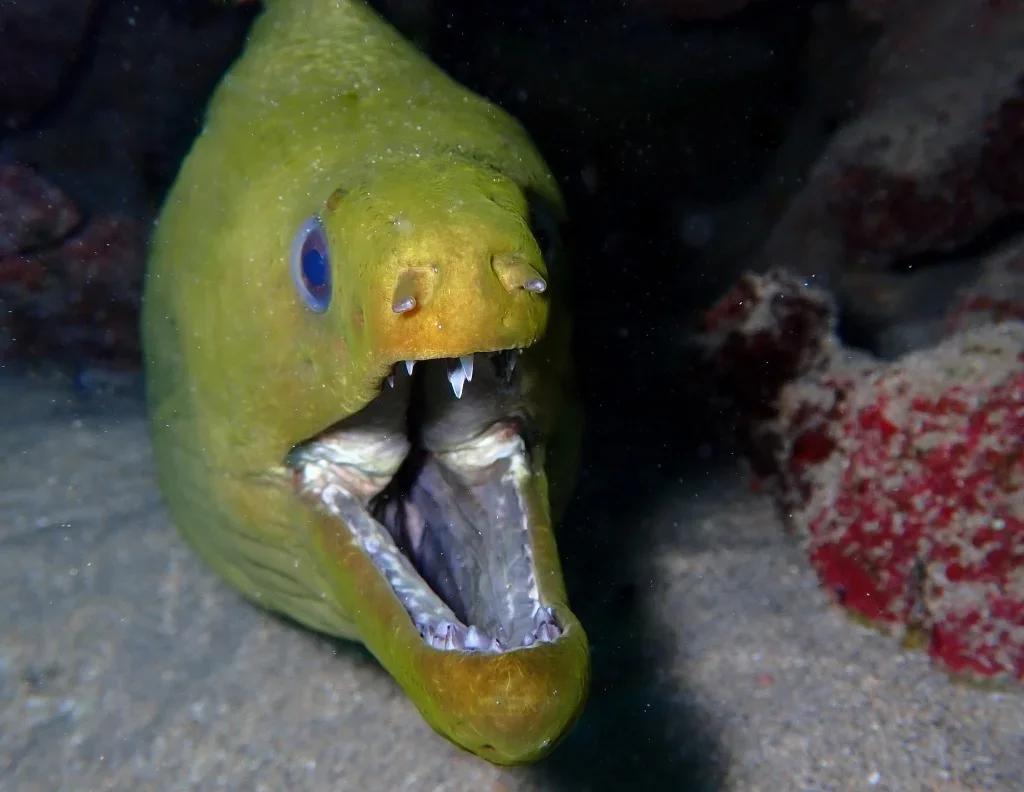
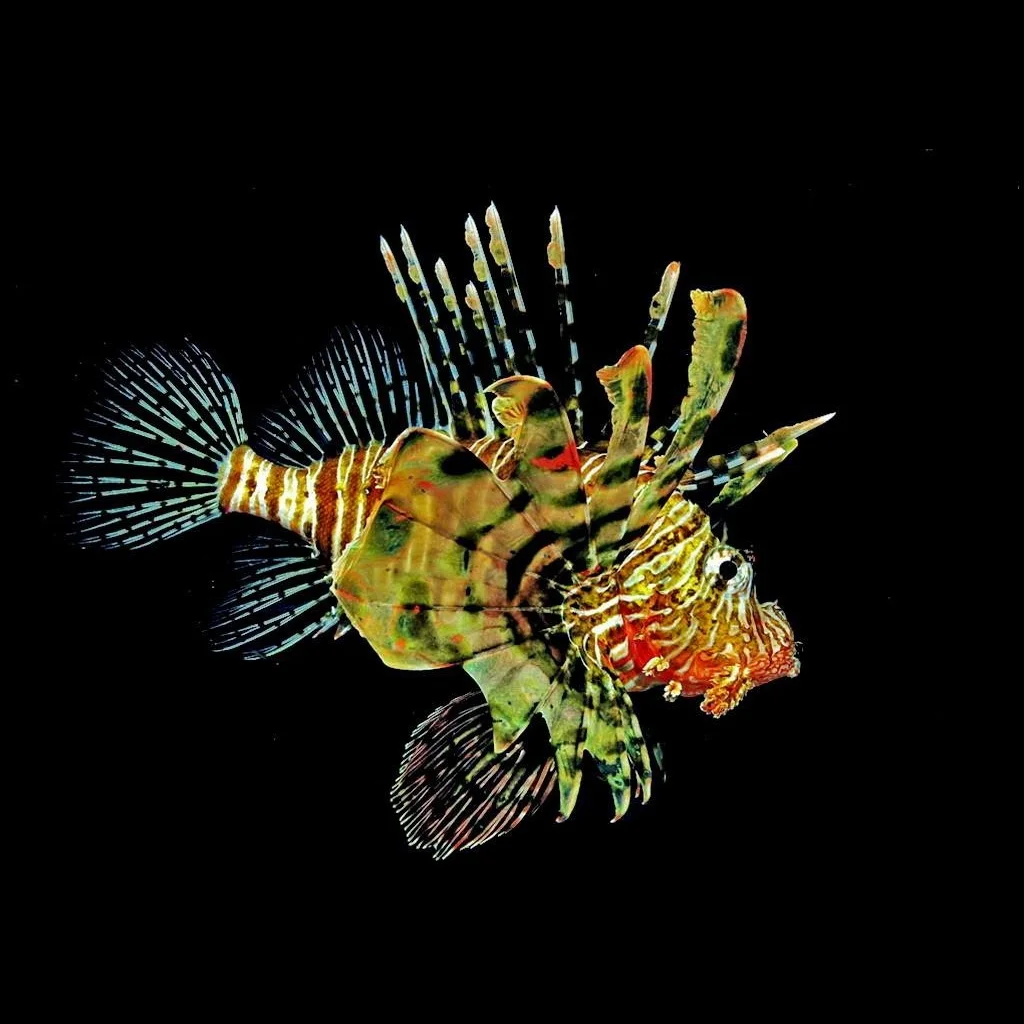
Lionfish are also common inhabitants, often seen amongst the wreck's debris and structural elements. Green moray eels have made the crevices and shadowed areas of the sunken vessel their home, occasionally peeking out from their hiding spots.
The entire site offers a habitat for numerous fish species and some coral formations, despite its industrial past.
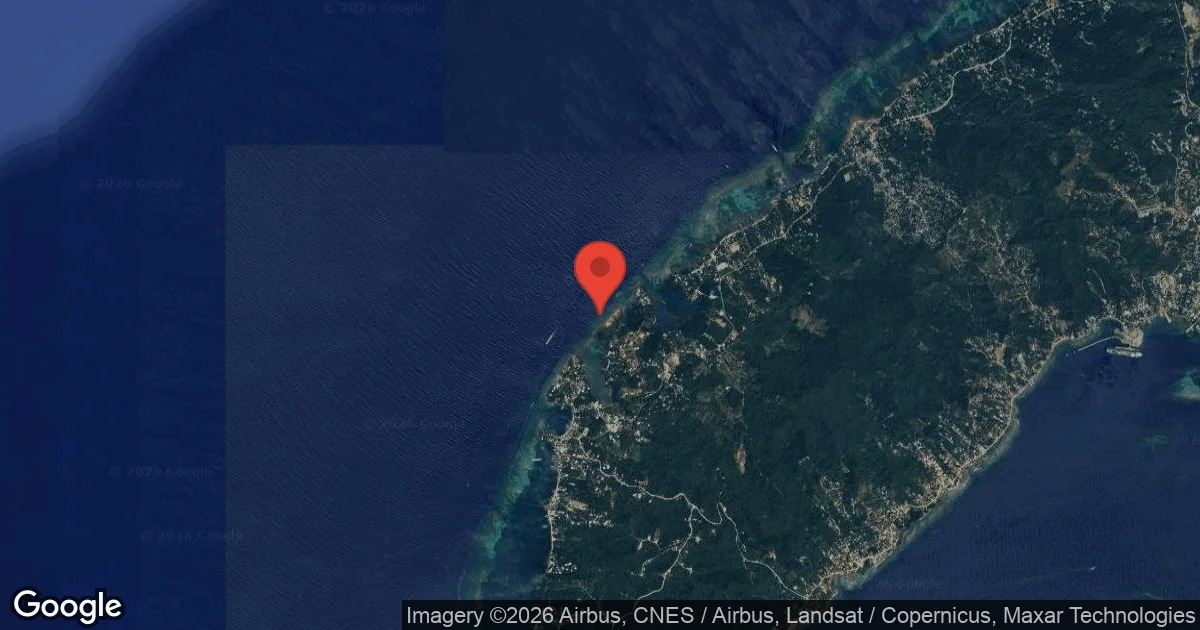
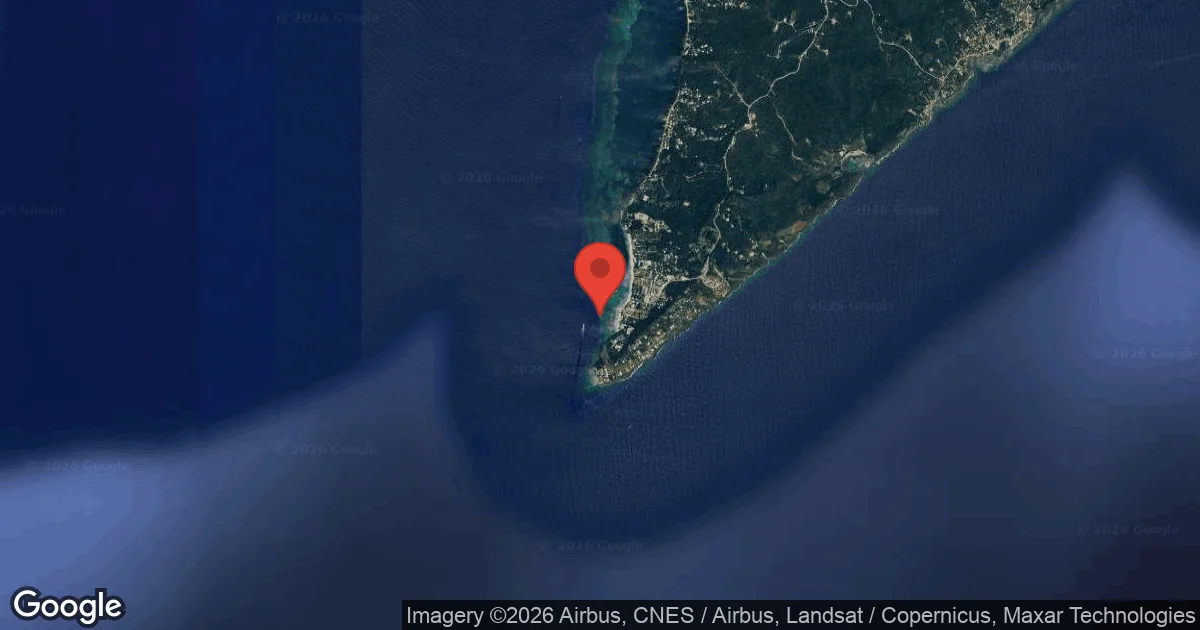
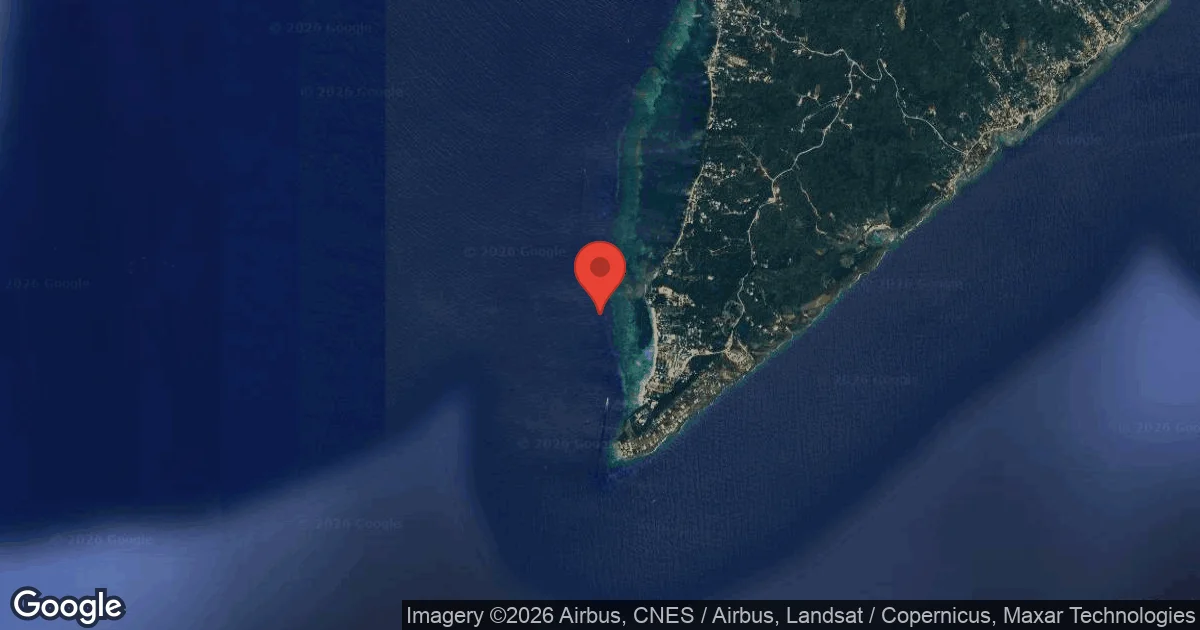
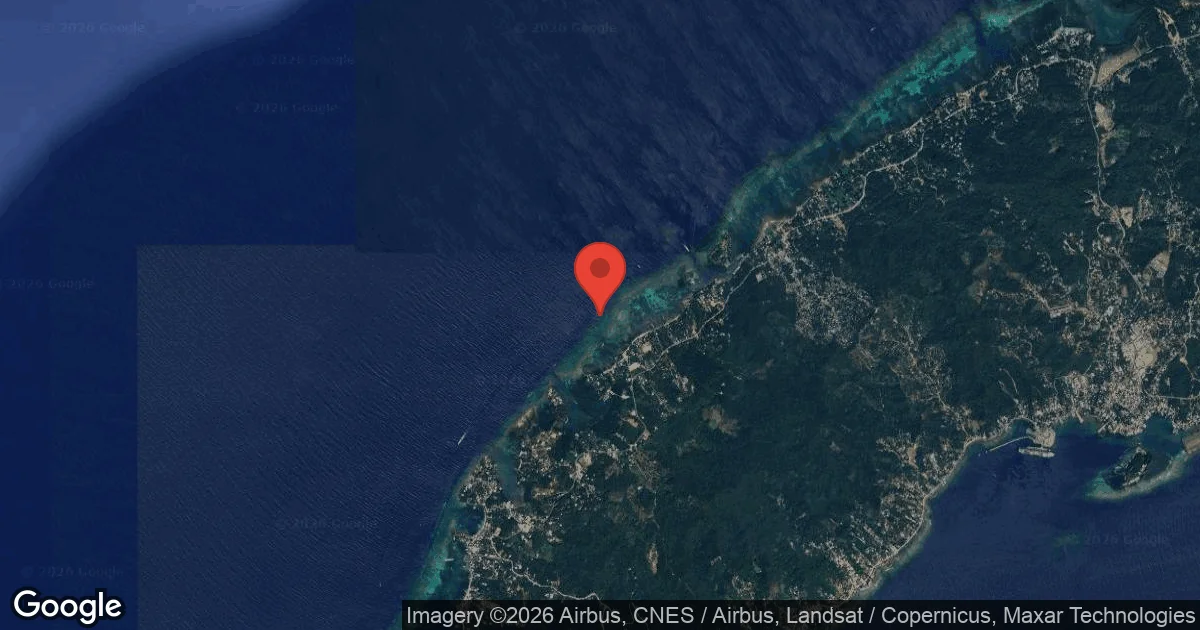
Dive Sites Near Josie J Shipwreck
View all dive sites in HondurasDiscover more underwater gems in this area.
Dive Centers Near Josie J Shipwreck
Today: 08:00 - 16:00
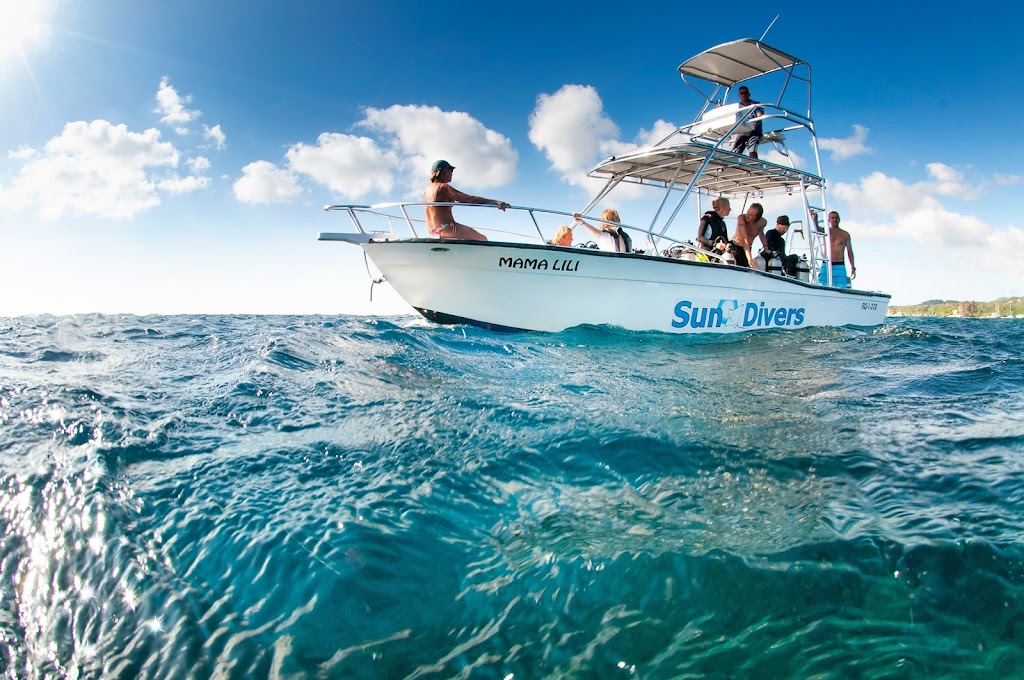
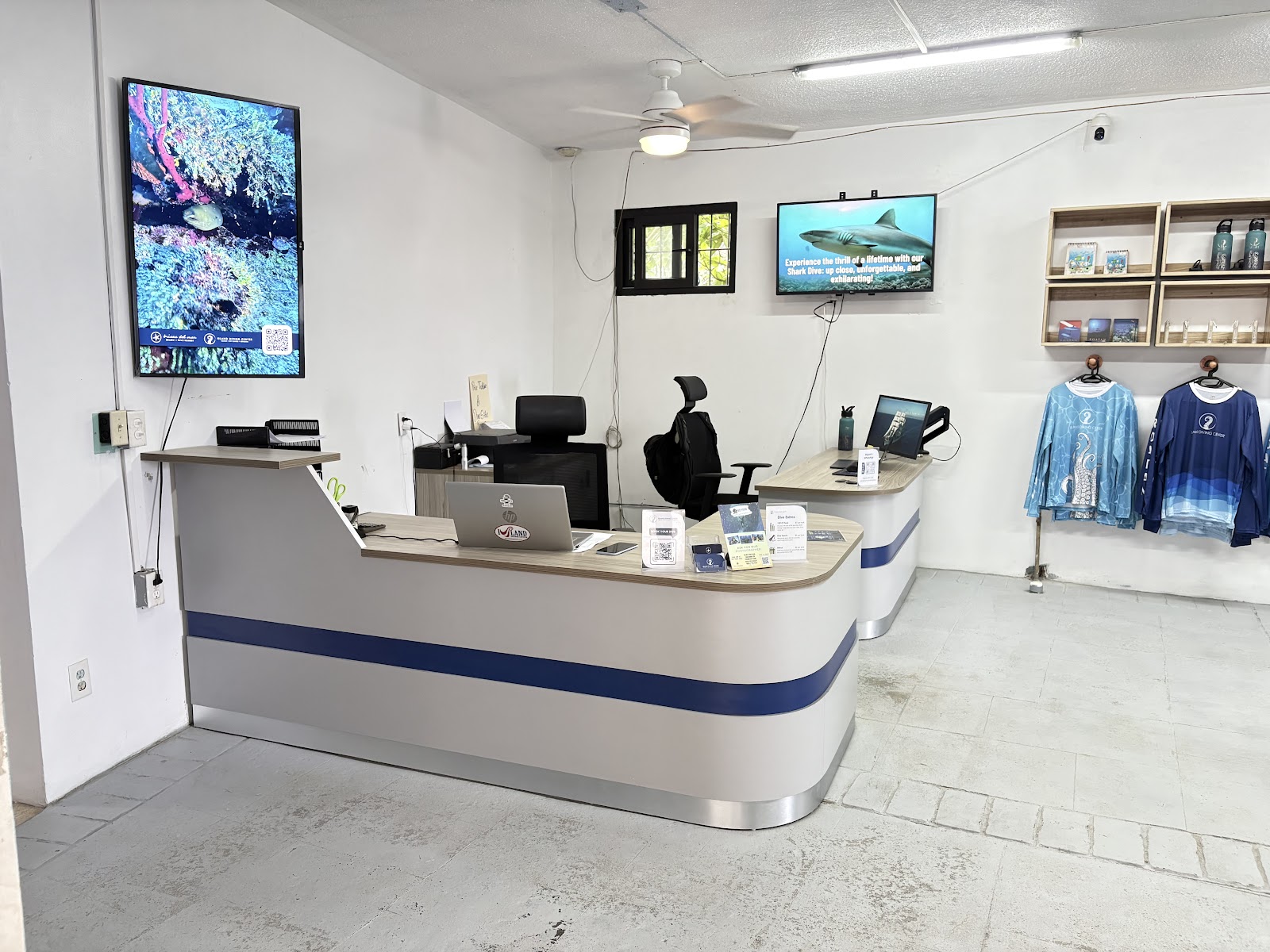
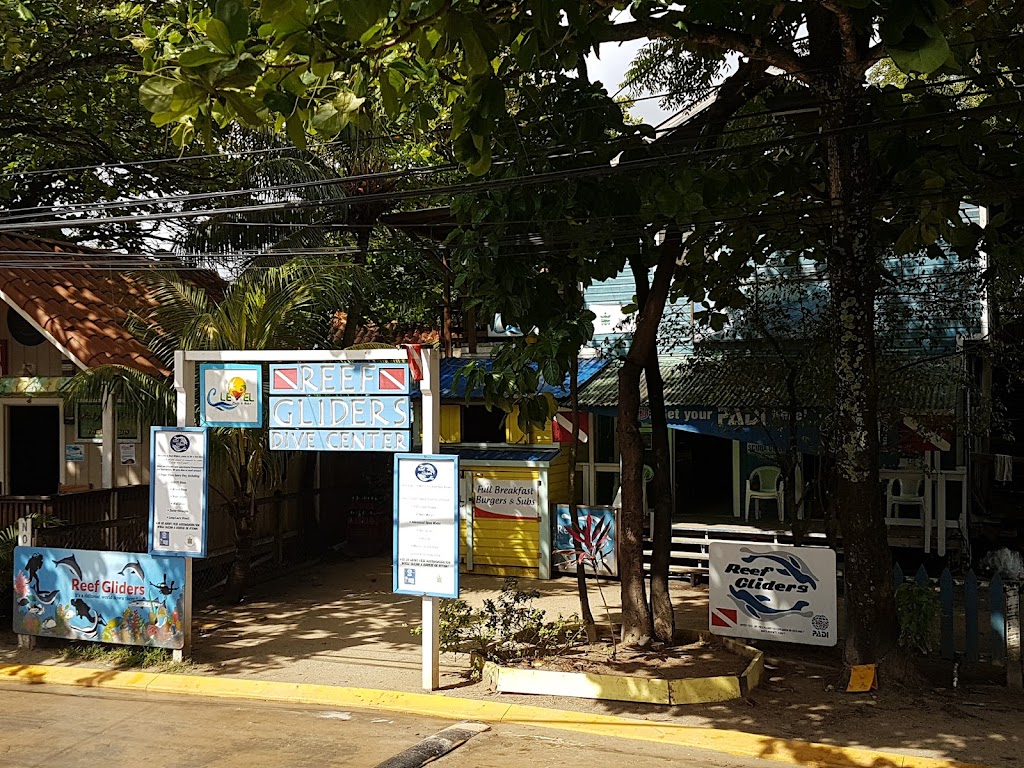
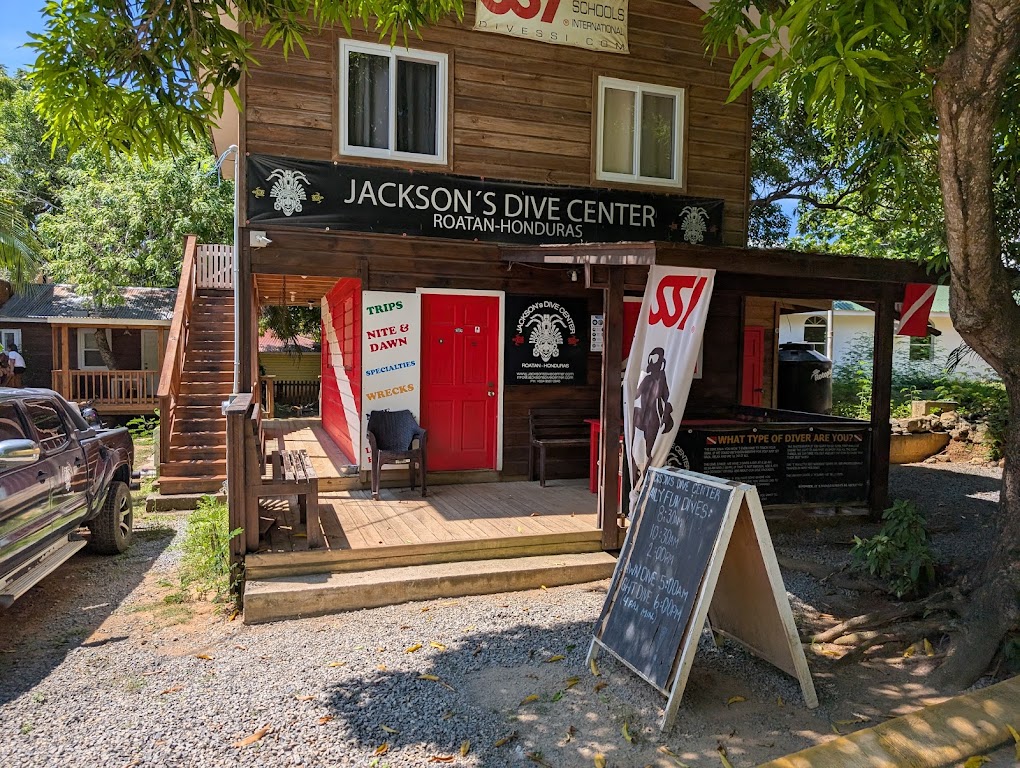
Nearest Airports
Nearest airports to help plan travel to this dive area.
Search Flights
Check available flights and routes on Expedia, using the nearby airports listed in this section.
Search Flights on ExpediaFrequently Asked Questions
What certification is required to dive the Josie J?
Divers must possess a Tec 50 certification or higher. Additional training in Deep Diver Specialty and Wreck Diver Specialty is strongly recommended due to the depth and complexity of the site.
What is the maximum depth of the Josie J Shipwreck?
The Josie J Shipwreck rests on a sand bed at approximately 65 meters / 215 feet deep. This depth necessitates technical diving procedures and equipment.
What unique features or cargo can be seen on the wreck?
The wreck contains its original cargo, including PVC pipes, metal rebar, gypsum, and sacks of building materials. Divers can also spot everyday goods like Crisco oil and soft drinks, along with a deteriorated blue bus crumpled beneath the hull.
Are there any specific hazards to be aware of?
The primary hazard is the unstable wheelhouse, which is considered a 'hanging trap'. Penetration of the wheelhouse or other unstable sections is strongly advised against by local instructors.
When is the best time of year to dive the Josie J?
While technically diveable year-round, the months from March to September are commonly cited as optimal, offering generally calmer surface conditions. August, September, and October tend to have lower wave heights and rainfall, contributing to more favorable boat rides.
Can recreational divers explore the Josie J?
No, the Josie J wreck is beyond recreational diving limits due to its depth and the technical skills required. It's strictly a site for certified technical divers with appropriate training and experience.
How long does it take to get to the dive site?
The wreck is conveniently located, typically a short 5 to 10-minute boat ride from docks such as the one at the Brisas Del Mar hotel.
Planning to dive Josie J Shipwreck?
Send one inquiry and receive offers directly from the best verified local dive operators.
Conditions are Good
Optimal conditions expected
Current conditions near Josie J Shipwreck show 29° air, 30° sea temperature, 0.6 m waves, and 25 km/h wind. Forecast data is refreshed regularly to ensure accuracy.