
Diving at M-5 (United States)
Navigating Florida's diverse underwater landscape, including sites like M-5, challenges divers with an array of experiences from deep wrecks to shallow muck dives. Prepare to adapt your skills across varied conditions, whether exploring vast artificial reefs or seeking out intricate macro life. Successfully diving here demands keen observation and readiness for changing environments, promising rewarding encounters for every level of expertise.
Tonight's objective overview for M-5 shows an air temperature of 27.5°C. The measured surface conditions include wave heights around 0.3 m. This environmental data is logged for the close of the day.
Dive Site Location & Key Facts
Dive Site Overview
Envision a dive destination where every descent presents a new narrative, from the solemn history of a sunken vessel to the vibrant tapestry of a shallow reef. Florida's coastal waters, where sites like M-5 are found, live up to their "Wreckreational" capitol moniker, hosting over 35 significant wrecks that form extensive artificial reefs.
These vary widely in depth, from accessible sections around 5.5 m (18 ft) to challenging depths beyond 82 m (270 ft), ensuring opportunities for all certification levels. Many wrecks lie on sandy bottoms, which can facilitate macro photography with clean backgrounds and generally good visibility. Beyond the wrecks, divers can explore diverse ecosystems: freshwater spring drift dives, muck diving for unique critters under bridges, and cavern diving within sinkholes.
Expect to encounter schools of rays, immense goliath groupers, and a variety of pelagic species that patrol these waters seasonally. The state's warm climate and diverse aquatic environments create a habitat supporting tropical fish alongside larger marine life, making each dive unpredictable.
Ease of access, whether from shore or via well-versed boat captains, simplifies planning, appealing to both seasoned divers and groups that include non-divers.
Conditions are Good
Optimal conditions expected
Current conditions near M-5 show 28° air, 31° sea temperature, 0.3 m waves, and 29 km/h wind. Forecast data is refreshed regularly to ensure accuracy.
Best Time to Dive
The optimal window for diving in Florida, including potential visits to M-5, primarily spans from spring through autumn, contrasting sharply with the cooler winter months. During this period, air temperatures are considerably warmer, ranging from 23-29°C (73-84°F) between April and September, compared to January's average of 16°C (61°F). While specific water temperature data isn't consistently reported, the warmer air generally corresponds with more comfortable surface intervals and pleasant conditions. Rainfall varies; expect heavier averages in June and August, with 4.5 mm and 9.3 mm respectively, which could temporarily affect visibility in some areas. However, other months like November and April see less rain, averaging around 1.0-1.4 mm. July often presents excellent dive scores due to lower average wave heights, around 0.4 m (1.3 ft), offering calm seas for boat excursions. While conditions are generally favorable year-round, planning during spring or autumn allows divers to capitalize on warm weather and often more stable underwater environments, avoiding the potential for increased rain during late summer.
PEAK SEASON SCORE
Scores combine air & water temps, waves, wind & rainfall for overall conditions.
BEST MONTHS TO DIVE
Monthly records compiled from satellite and marine observation nodes over the last 3 years. Data provided by Open-Meteo and MET Norway.
Dive Experience & Conditions
Descending into Florida's waters at sites like M-5 often feels like entering a different world, where visibility can shift dramatically. You might find yourself immersed in clear conditions, extending from 8 to 30 meters (25 to 100 feet), allowing expansive views of wreck structures or vibrant reef patches. However, some areas, particularly shallow muck dives, might present reduced visibility, sometimes as low as 3 meters (10 feet), especially if the bottom gets stirred. Currents vary depending on the site and tide; in certain shallow locations like under the Blue Heron Bridge, diving is best done around high tide to avoid strong currents that significantly degrade visibility. Depths range from very shallow, around 4.3 m (14 ft) on average for some shore dives, to the maximum depths required for deep wreck exploration. While specific water temperatures for M-5 are not consistently reported, local advice suggests needing a 5 mm wetsuit even in May's "chillier waters," indicating that thermal protection is often a consideration for comfort throughout the year.
Dive Difficulty & Safety Guidelines
Ensuring a safe dive experience in Florida's diverse settings, including M-5, requires understanding and preparing for varying conditions. Divers navigating areas like the Blue Heron Bridge must be aware of an active boat channel nearby, necessitating strict adherence to dive flag laws. Florida law mandates dragging a dive flag for shore dives, a practice crucial for signaling your presence to surface vessels.
Current strength is another factor; in specific locations, diving is only advised about one hour before to one hour after high tide to mitigate strong currents and maintain visibility. For deeper wreck dives, such as the USS Oriskany, conditions can change rapidly, demanding advanced certification and preparedness for variable environments.
Always consult with local dive shops for current site-specific conditions and any necessary permits, especially for night diving which often requires local sponsorship for parking passes. Proper planning for equipment, including thermal protection, also contributes to a safer and more comfortable dive.
Recommended Equipment
- Dive Computer
This gear list is based on verified equipment signals for M-5, United States. Always confirm final gear choices with your dive operator, guide, or liveaboard.
Recommended Dive Suit
Forecast models show minimal temperature variation in the coming days.
Some divers prefer slightly warmer exposure protection simply for additional comfort.
Dive skin or rash guard usually works well for maintaining comfort during standard dive profiles in these conditions. A hood or vest is suggested for sensitive divers due to surface winds. Divers preparing to enter the water at M-5 will likely find temperatures around 31°C (88°F) today. Surface air temperatures are resting at 28°C (82°F).
Emergency & Medical Support
Essential information to help you plan your dive trip to M-5.

Hyperbaric chambers are a critical part of dive safety infrastructure. Availability varies significantly by region, and not all dive areas have immediate access.
Before diving, it's recommended to:
- confirm nearest medical facilities
- check emergency procedures with local dive operators
- ensure dive insurance covers evacuation if required
Divers Alert Network
Diving emergency assistance available through DAN World.
+1-919-684-9111- 24/7 emergency hotline
- Diving medical assistance
- Evacuation coordination
Emergency contacts are provided for reference. Always verify local emergency services before diving.
Marine Life at M-5
Upon entry into Florida's dive sites, one often immediately notices the sheer diversity of marine inhabitants. Vast fields of gorgonians frequently carpet the wrecks, providing a habitat for a myriad of smaller creatures.
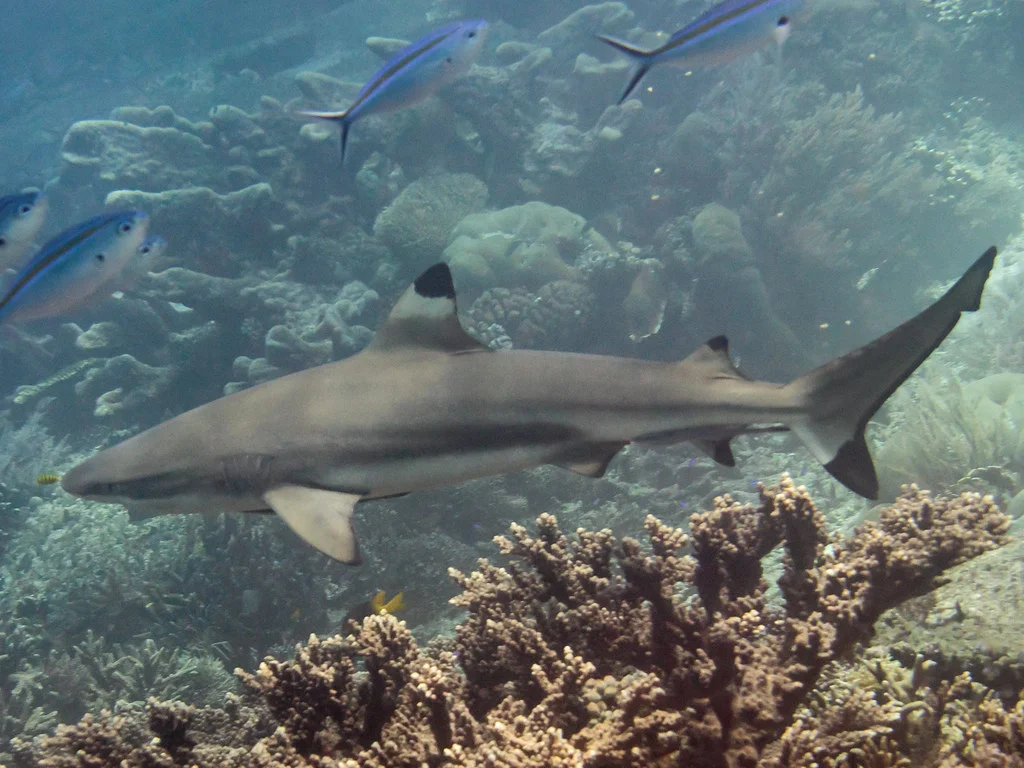
Keep an eye out for enormous goliath groupers, often found lurking within wreck structures. Seasonal visitors include lemon sharks and blacktip reef sharks, adding an element of thrill to a dive.
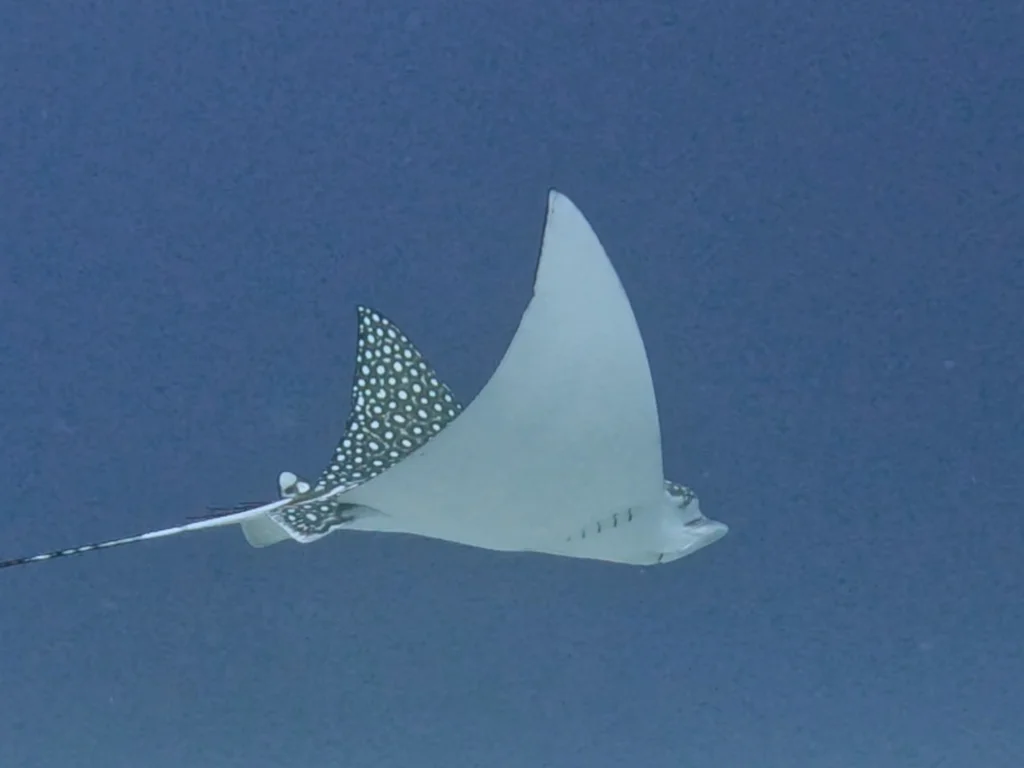
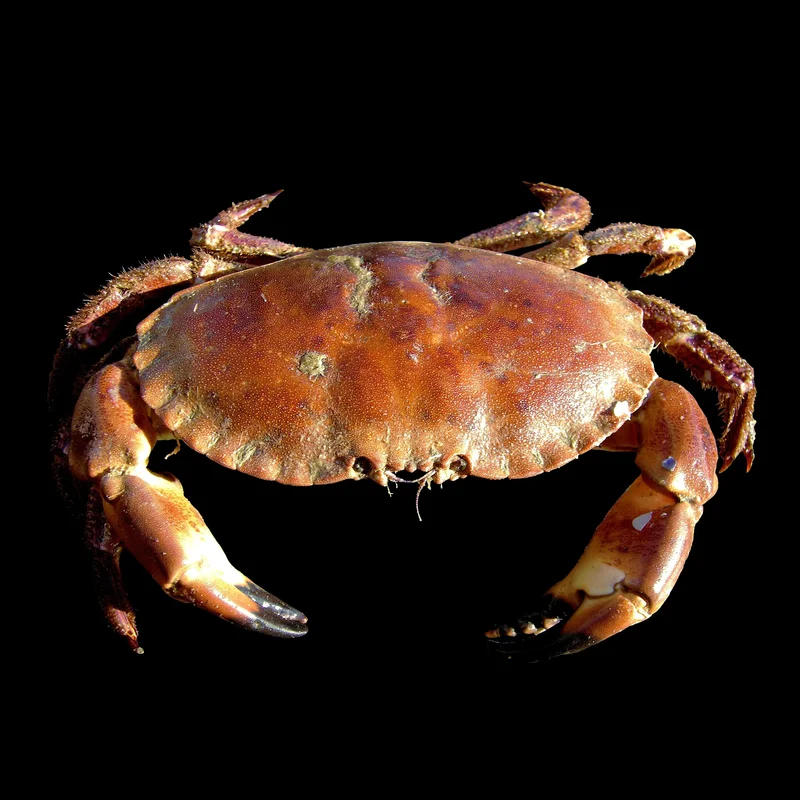
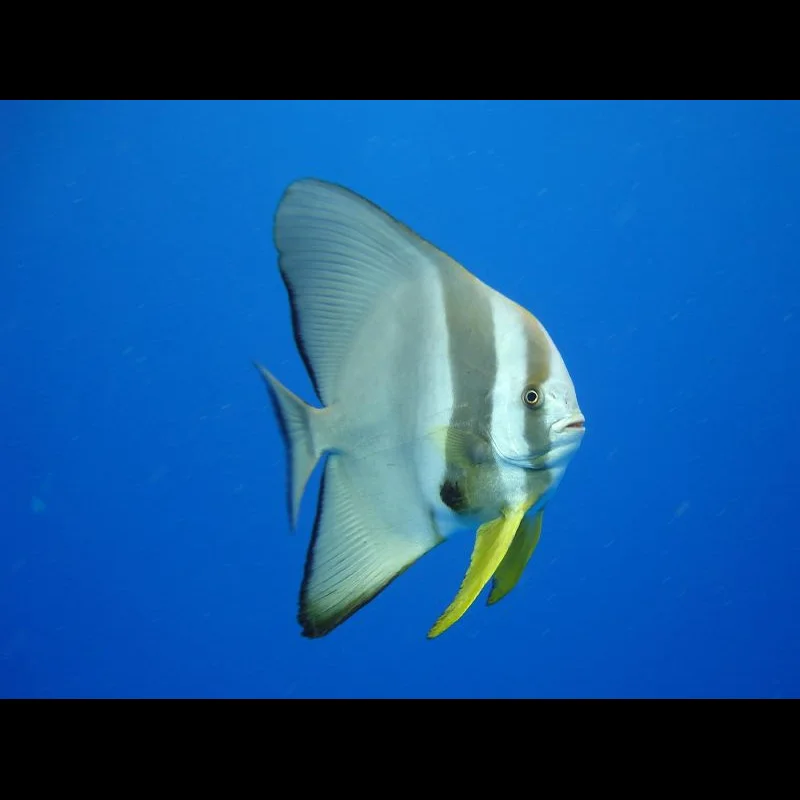
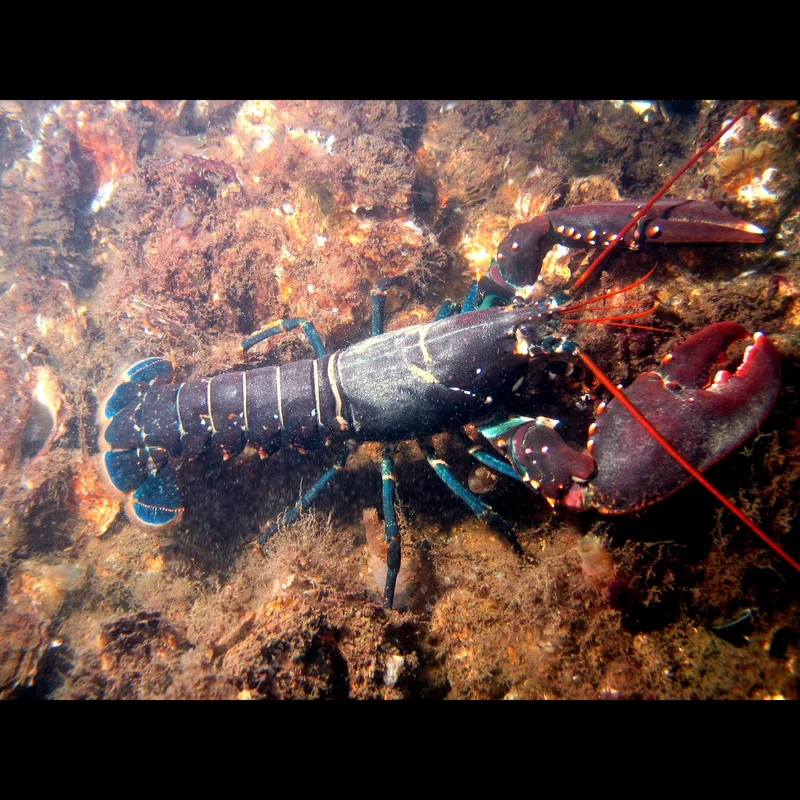
Shallow muck dives might reveal spotted eagle rays gliding effortlessly, delicate seahorses clinging to seagrass, or perhaps a camouflaged red-lipped batfish. Octopus, various crabs, lobsters, and eels also inhabit the reefs and sandy bottoms, alongside colorful nudibranchs and spotted drums. Manatees are a special encounter in certain areas, providing a serene observation opportunity.
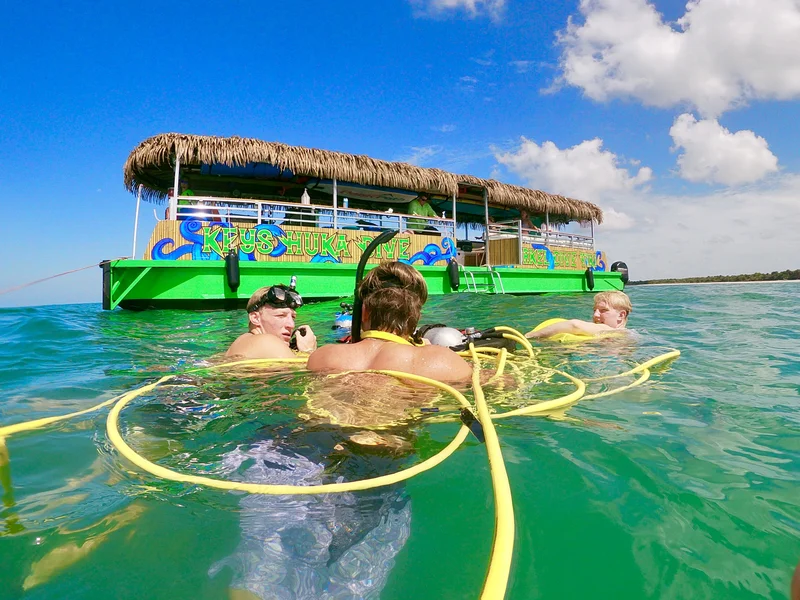
Dive Centers Near M-5
Today: 09:00 - 18:00
Nearest Airports
Nearest airports to help plan travel to this dive area.
Search Flights
Check available flights and routes on Expedia, using the nearby airports listed in this section.
Search Flights on Expedia
Plan Your Stay
Looking for a place to stay for your dive trip? Explore hotels, stays, and vacation rentals for dive groups near Siesta Key.
Dive Navigator may earn a commission from these links at no extra cost to you.
Frequently Asked Questions
What kind of diving is primarily available in the M-5 area of Florida?
Diving in the M-5 area, like much of Florida, offers extensive wreck diving opportunities on artificial reefs, ranging from shallow to very deep. Additionally, muck diving, spring drift dives, and even cavern diving in sinkholes are popular regional options.
What is the typical visibility at Florida dive sites?
Visibility in Florida waters can range significantly, often between 8 to 30 meters (25 to 100 feet). However, it can drop to around 3 meters (10 feet) in certain shallow areas or when strong currents are present, especially during outgoing tides.
Are there strong currents to be aware of?
Yes, currents can be a factor, particularly in specific shallow locations like under bridges or in channels. Diving these sites is often recommended around high tide to minimize current effects and improve underwater clarity.
What marine life might I encounter?
Divers frequently encounter goliath groupers, various rays, and seasonal pelagics such as lemon and blacktip reef sharks. Macro enthusiasts can spot seahorses, octopus, nudibranchs, and a wide array of crustaceans on the wrecks and sandy bottoms.
Is special equipment required for diving here?
A dive flag is legally required for many shore dives in Florida to alert boat traffic. Given the varying water temperatures, a 5 mm wetsuit or other suitable thermal protection is often recommended for comfort, even outside cooler months.
What months are best for diving in Florida?
The best time to dive is generally from spring through autumn. Air temperatures are warmest, and seas tend to be calmer, particularly in July. While conditions are often good year-round, these seasons provide the most favorable overall experience.
Are there options for less experienced divers?
Yes, Florida offers dive sites suitable for all skill levels. Many wrecks have shallower sections or are at recreational depths, and specific shore dives are quite easy to access. Deeper or more challenging sites are available for advanced divers.
Planning to dive M-5?
Send one inquiry and receive offers directly from the best verified local dive operators.
Conditions are Good
Optimal conditions expected
Current conditions near M-5 show 28° air, 31° sea temperature, 0.3 m waves, and 29 km/h wind. Forecast data is refreshed regularly to ensure accuracy.