
Diving at Brunswick (South Africa)
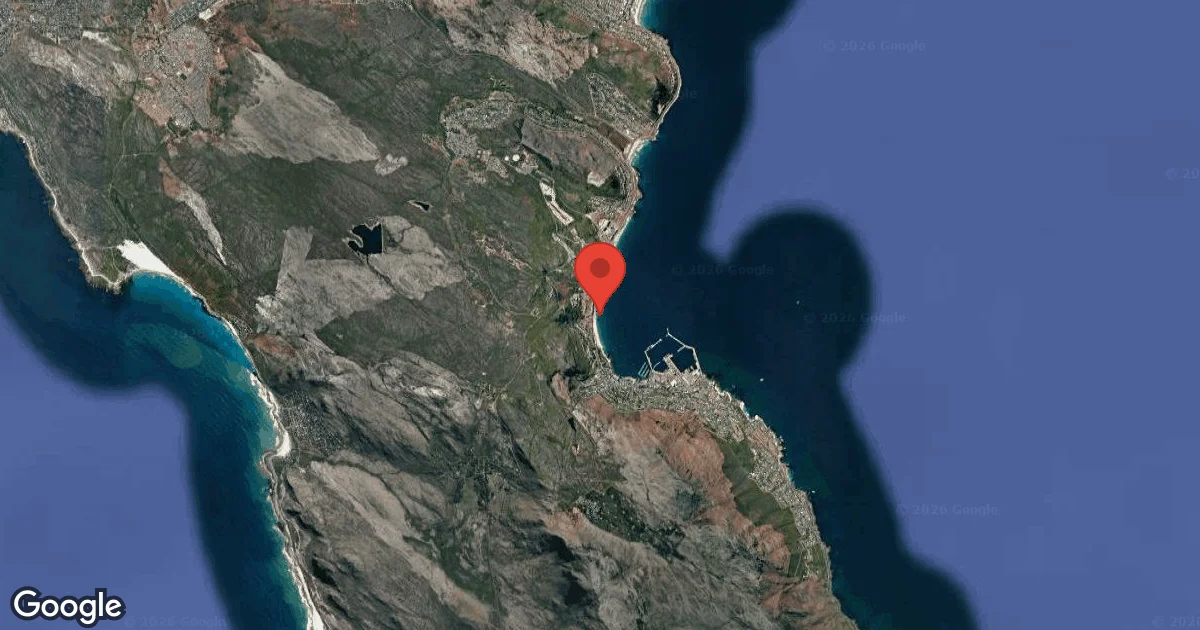
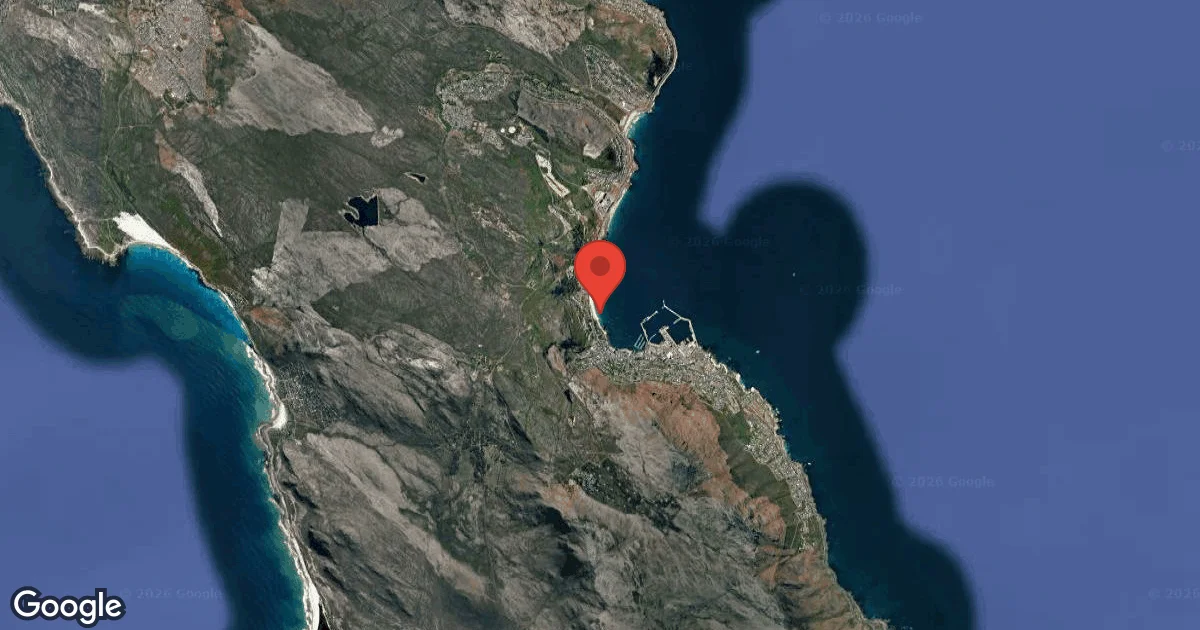
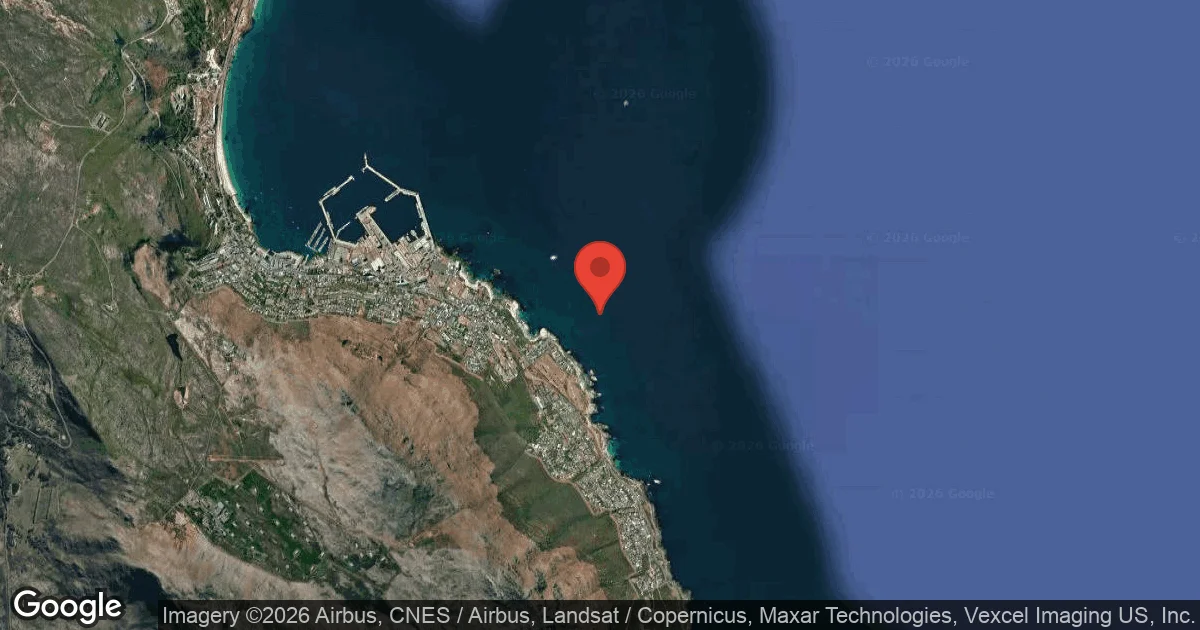
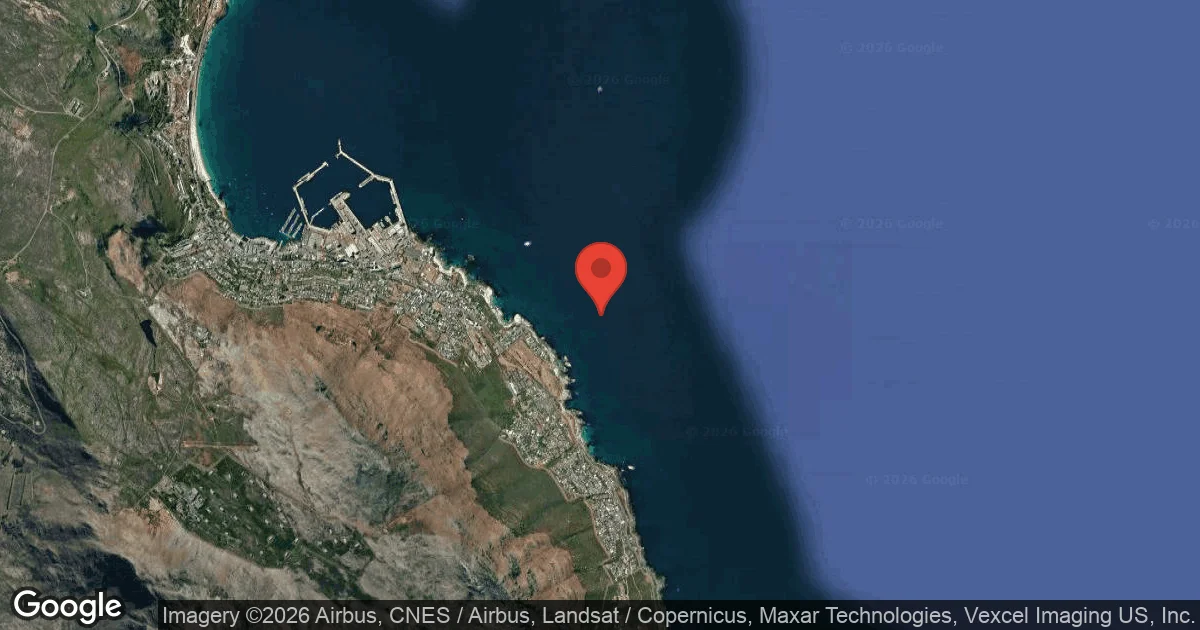
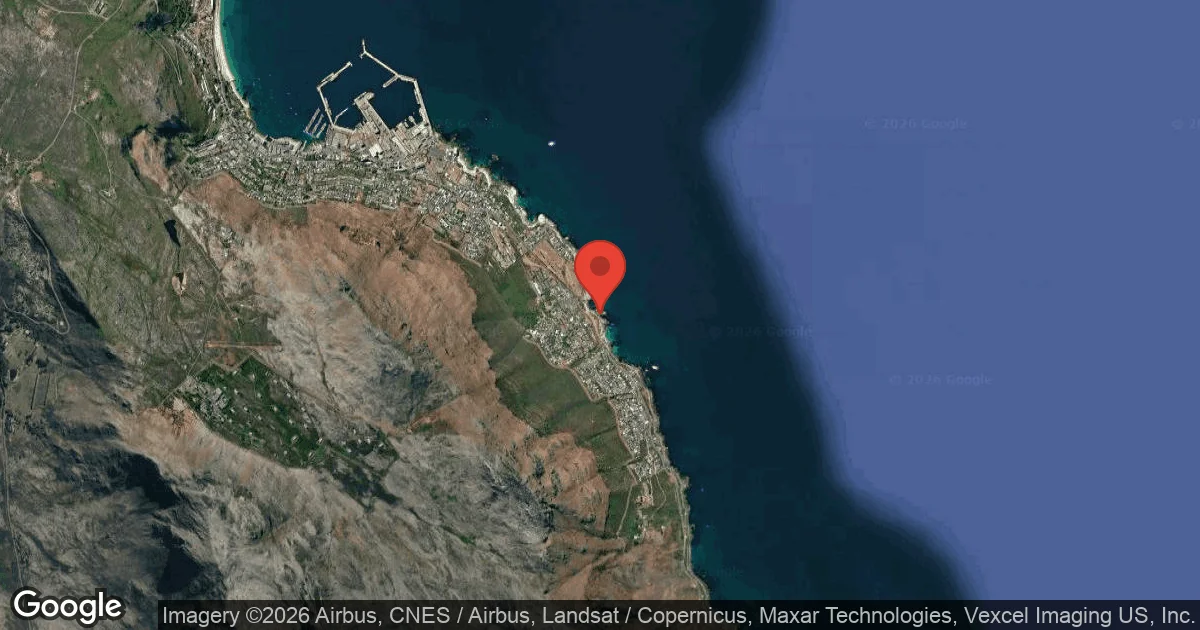
A protected historical site in South Africa, the Brunswick wreck presents an accessible shallow dive experience. Positioned approximately 120 m (130 yards) offshore near Simon's Town, this ancient East Indiaman rests within the Table Mountain National Park Marine Protected Area. Divers exploring this site must obtain the necessary permits and permission before entry.
As evening covers Brunswick, the local air temperature is measured at 13.5°C. The current wave height at the surface is recorded at 2.8 m. These late-day readings characterize the surface conditions for the night.
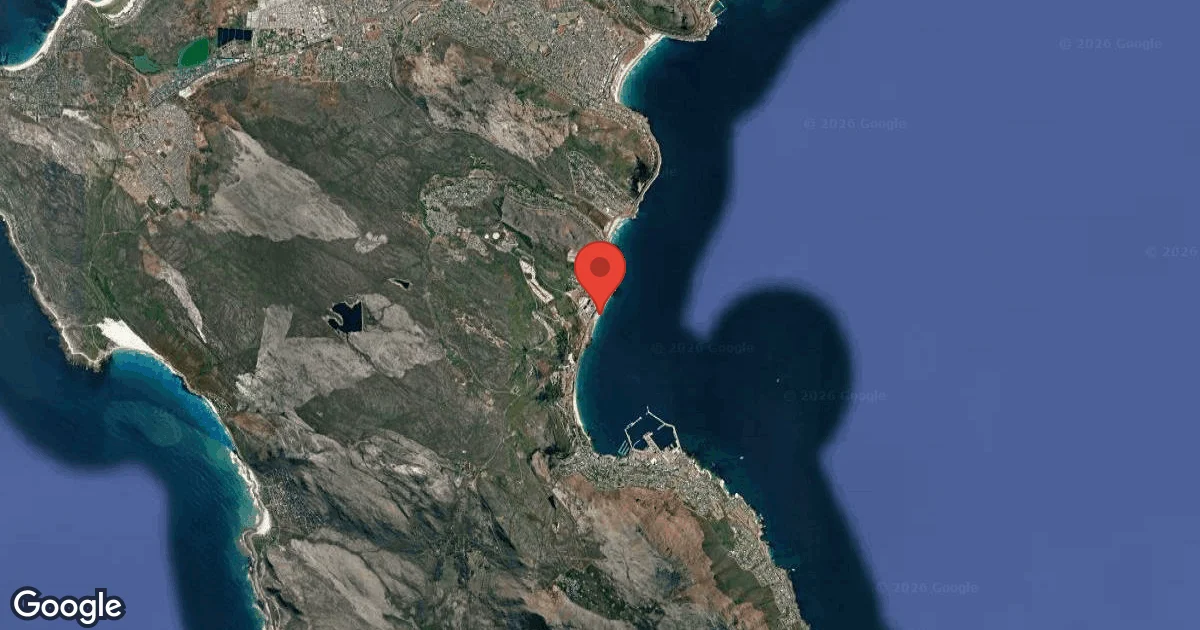
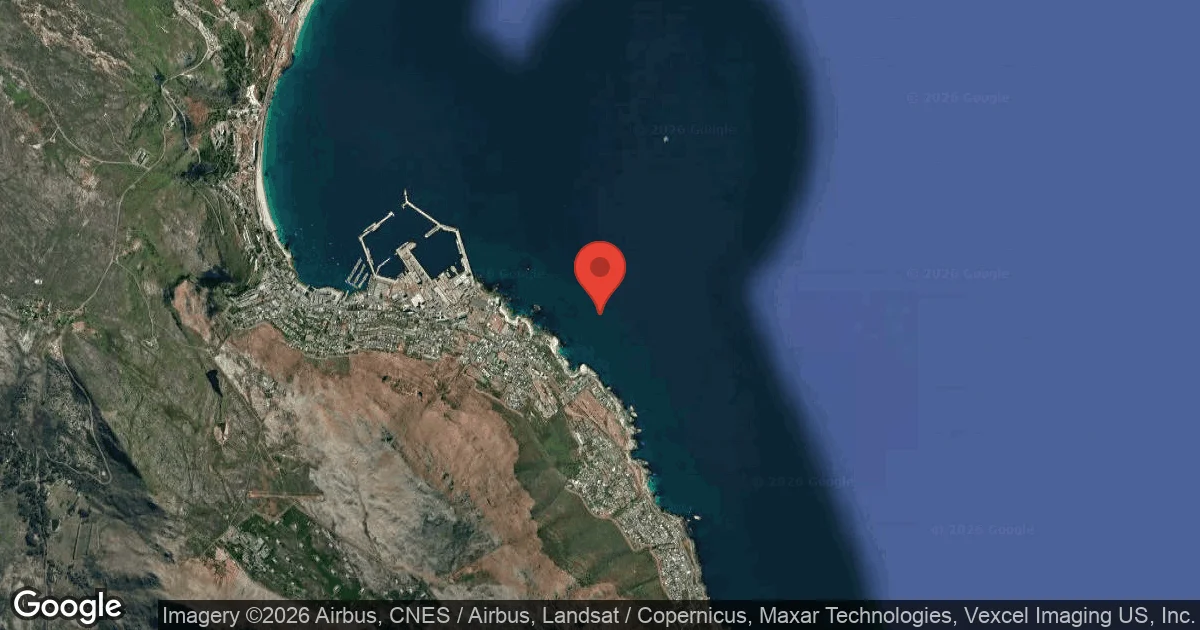
Dive Site Location & Key Facts
Dive Site Overview
Exploring Brunswick offers an immersive dive into an 1805 English East Indiaman. Originally about 40 m (130 ft) long and 13 m (43 ft) wide with three decks and thirty guns, the vessel met its end near Simon's Town.
Today, wreckage lies broken up and partially buried in fine sand. Divers can observe structural remnants, including a prominent keelson, sections of the copper rudder strap, and iron knees, which indicate its original formidable construction.
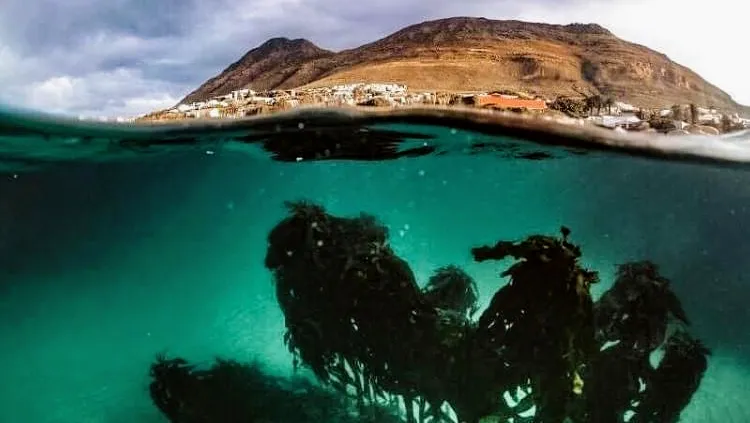
The site's shallow conditions, reaching a maximum depth of about 6 m (20 ft) and an average of 4.5 m (15 ft), ensure excellent light penetration across the debris field. Heavy kelp and other seaweeds now thoroughly encrust the historical timbers, creating a dynamic, living habitat.
This is an archaeological site, protected by legislation, meaning no disturbance or removal of artifacts is permitted, ensuring its preservation for future explorers.
Conditions are Poor
High Swell Advisory. Not recommended.
Current conditions near Brunswick show 13° air, 12° sea temperature, 2.4 m waves, and 54 km/h wind. Forecast data is refreshed regularly to ensure accuracy.
Best Time to Dive
For the most favorable experience, consider diving Brunswick during periods with reduced wave action and clearer conditions, which often occur in cooler months. While climate data generally indicates 'Poor' to 'Moderate' dive scores throughout the year, historical reports suggest winter dives at low tide can yield better visibility, despite higher average wave heights (e.g., July averages 3.2 m / 10.5 ft). Air temperatures during winter months, like July, average around 13°C (55°F). Conversely, April and May often present 'Moderate' dive scores with milder air temperatures, averaging 16.5°C (62°F) and 15.5°C (60°F) respectively, and slightly lower average wave heights (April averages 2.4 m / 7.9 ft). Water temperatures have been reported around 15°C (59°F). Conditions ultimately vary; planning for calm days is essential, even though the site is somewhat sheltered.
PEAK SEASON SCORE
Scores combine air & water temps, waves, wind & rainfall for overall conditions.
BEST MONTHS TO DIVE
Monthly records compiled from satellite and marine observation nodes over the last 3 years. Data provided by Open-Meteo and MET Norway.
Dive Experience & Conditions
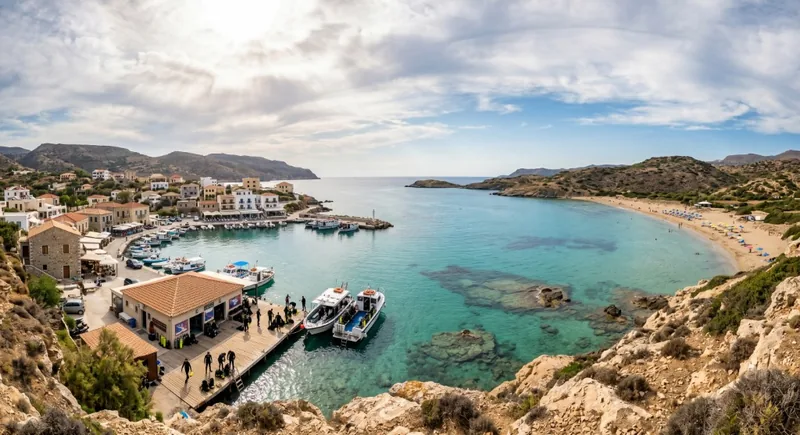
Your dive at Brunswick can begin with either a shore entry via rocks or a small beach, depending on the tide, or a boat entry. From shore, divers typically swim out around 120 m (130 yards) to reach the wreck. Topography reveals a fine sandy bottom where much of Brunswick's wooden structure has broken up and lies partially buried, often shifting with seasonal weather patterns. Visible sections are heavily overgrown with kelp and various seaweeds. Maximum depth for this site is approximately 6 m (20 ft), allowing ample natural light to reach the wreckage. Visibility is usually moderate, and while seldom excellent due to its inshore position, the shallow depth significantly improves overall brightness underwater.
Dive Difficulty & Safety Guidelines
Diving Brunswick requires adherence to specific guidelines to ensure safety and preserve this significant archaeological site. As it is situated within the Table Mountain National Park Marine Protected Area, a valid permit is mandatory.
Additionally, divers must contact the SA Navy Ops Room at 021 787 3818 to request permission and provide dive duration details. Wreckage is a legally protected archaeological site; therefore, disturbing, touching, or removing any part of the wreckage is strictly prohibited.
Given its shallow nature and proximity to shore, it's generally accessible for divers with basic open water certification, but respect for the fragile historical remains is paramount.
Recommended Equipment
Overhead / entanglement risk. Wreck penetration requires proper training.
- Dive Computer
- Primary & Backup Lights
- Wreck Reel
- Cutting Tool
This gear list is based on verified equipment signals for Brunswick, South Africa. Always confirm final gear choices with your dive operator, guide, or liveaboard.
Recommended Dive Suit
Drysuit (strongly recommended) is widely used for recreational dives in waters of this temperature. Strong winds are present; please take strong precautions against rapid cooling during surface intervals. A thermal robe or jacket is recommended between dives. Those diving at Brunswick today will likely encounter water temperatures in the region of 12°C (53°F). Surface air temperatures are resting at 13°C (56°F).
Forecasts suggest rising temperatures later this week. A warming trend is expected over the next few days.
Water temperatures can occasionally shift throughout the day depending on currents and depth layers.
Due to technical issues with our weather providers, data hasn't been fetched for over 48 hours. The data above reflects the conditions at the time of the last successful fetch.
Emergency & Medical Support
Essential information to help you plan your dive trip to Brunswick.

Hyperbaric chambers are a critical part of dive safety infrastructure. Availability varies significantly by region, and not all dive areas have immediate access.
Before diving, it's recommended to:
- confirm nearest medical facilities
- check emergency procedures with local dive operators
- ensure dive insurance covers evacuation if required
Divers Alert Network
Diving emergency assistance available through DAN Southern Africa.
+27828106010- 24/7 emergency hotline
- Diving medical assistance
- Evacuation coordination
Emergency contacts are provided for reference. Always verify local emergency services before diving.
Marine Life at Brunswick
Overgrown with kelp and seaweeds, Brunswick wreck acts as a magnet for diverse marine inhabitants. Upon initial inspection, you'll likely observe various invertebrates and fish species interacting with the historical structure.
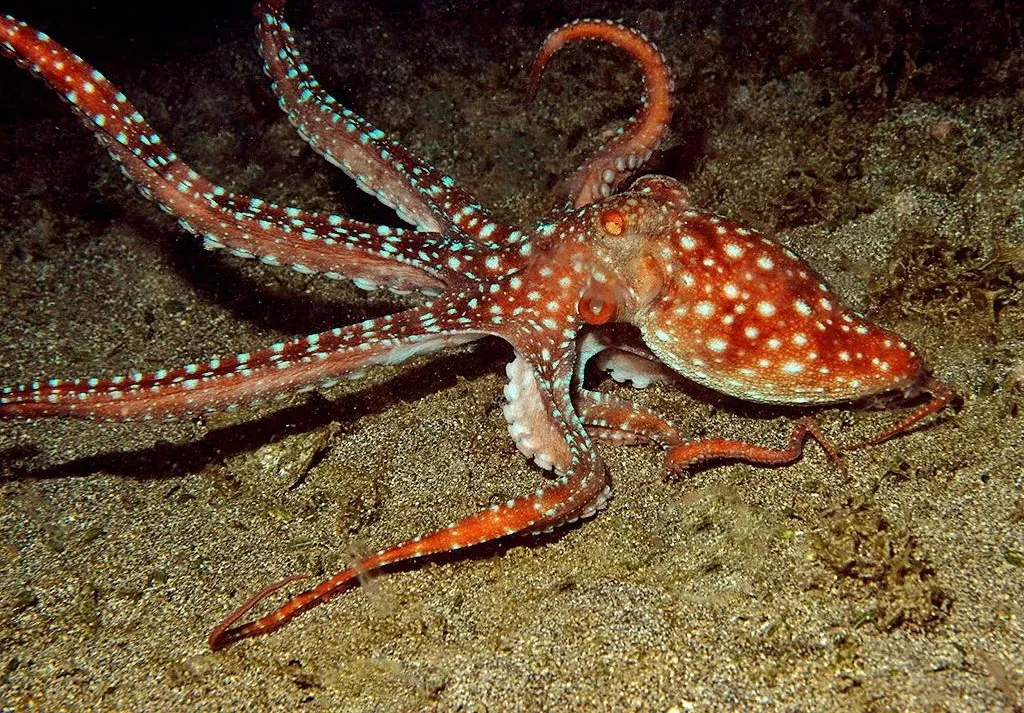
Exploring under the wreckage with a torch often reveals pyjama catsharks, which are commonly spotted. Octopuses are also frequently encountered amongst the debris.
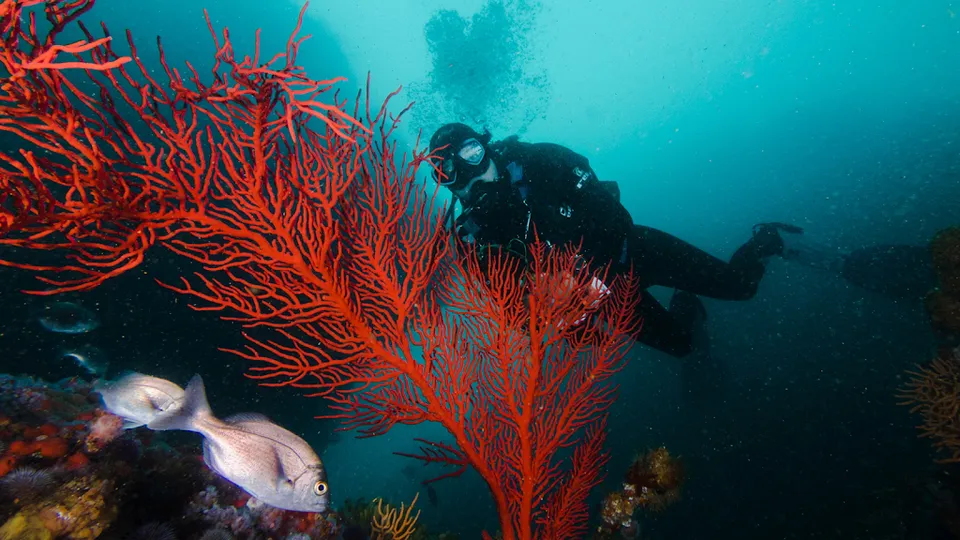
Schools of pagrus have taken up residence, and seasonally, steentjies uncover parts of the wreck to lay their eggs.

Dive Sites Near Brunswick
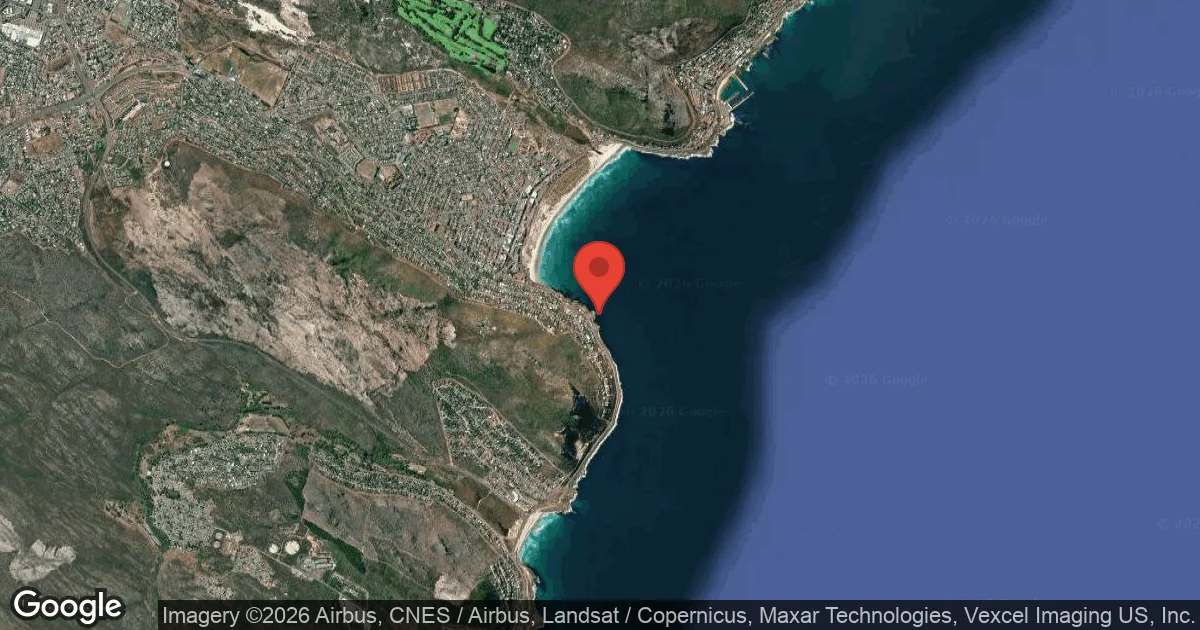
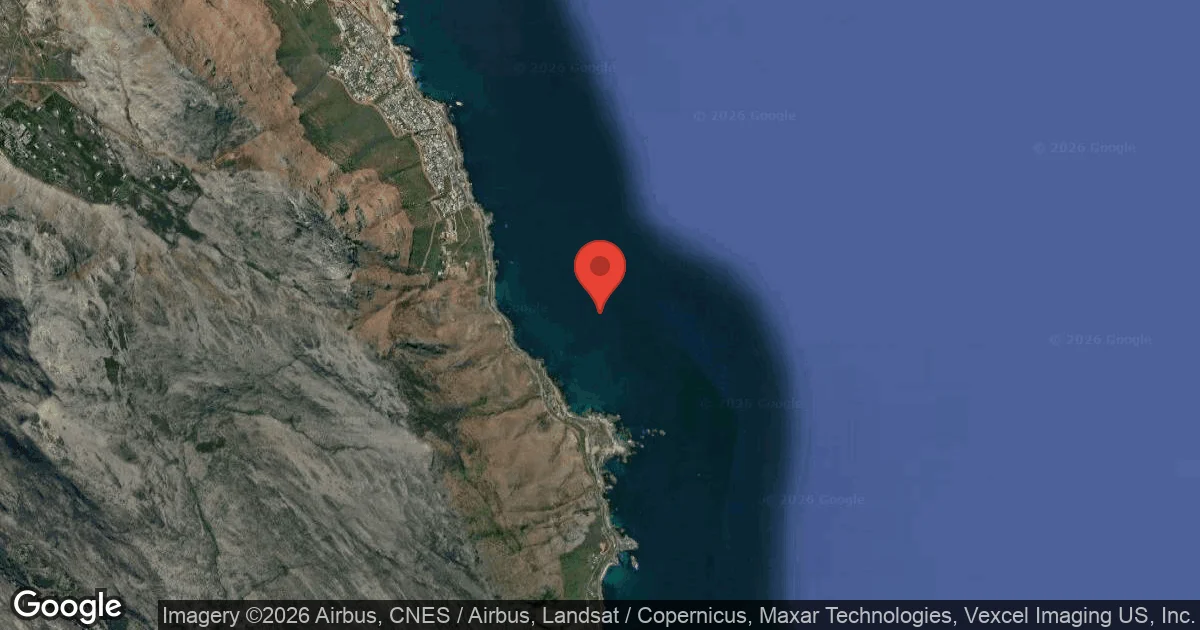
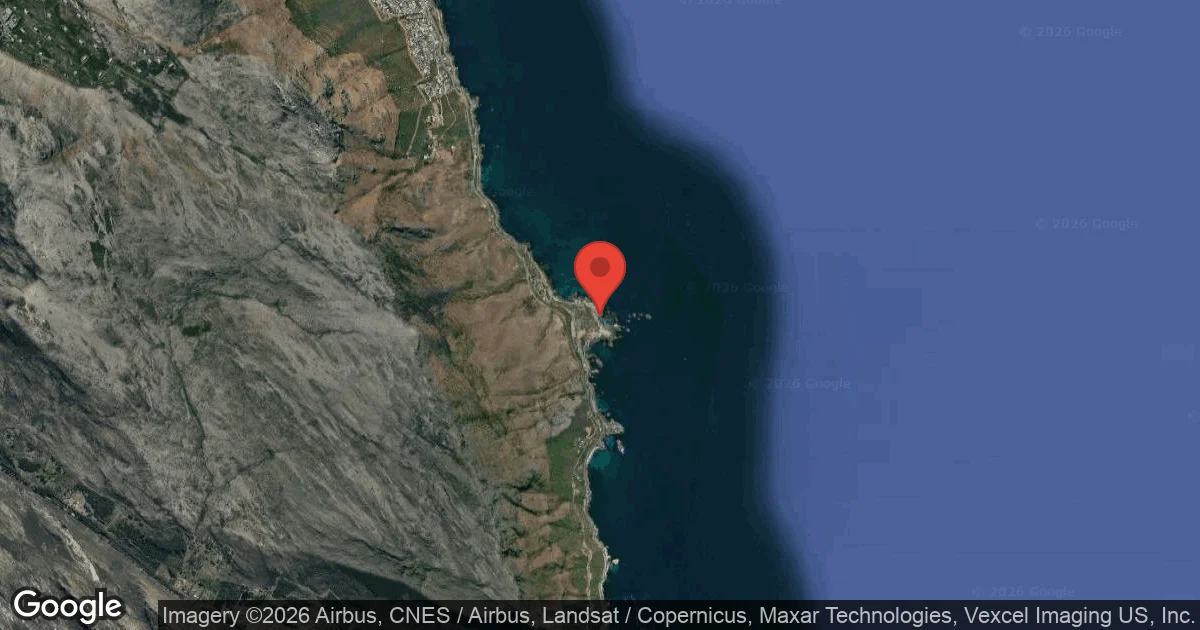
View all dive sites in South AfricaDiscover more underwater gems in this area.
Dive Centers Near Brunswick
Today: 08:00 - 16:30

Nearest Airports
Nearest airports to help plan travel to this dive area.
Search Flights
Check available flights and routes on Expedia, using the nearby airports listed in this section.
Search Flights on ExpediaFrequently Asked Questions
What kind of wreck is the Brunswick?
The Brunswick is an English East Indiaman, a large wooden merchant ship from 1805 that was armed with 30 guns and transported goods between Britain and the East Indies. It ran aground after losing anchors in a storm.
What is the maximum depth at the Brunswick dive site?
The maximum depth for diving at the Brunswick wreck site is about 6 m (20 ft), with an average depth of around 4.5 m (15 ft). This makes it a relatively shallow dive.
Are there any permits or permissions required to dive the Brunswick?
Yes, diving the Brunswick requires a permit for the Table Mountain National Park Marine Protected Area. Additionally, you must call the SA Navy Ops Room at 021 787 3818 to ask for permission and inform them of your planned dive duration.
What kind of marine life can be seen at the Brunswick?
Divers can expect to see octopuses, pyjama catsharks, and schools of pagrus. The wreckage is also heavily covered in kelp and seaweeds, attracting a variety of invertebrates and other fish.
What is the typical visibility at the Brunswick wreck?
Visibility at the Brunswick is usually moderate. While it's seldom very good due to its close-inshore location, the shallow depth allows for good ambient light penetration, which enhances underwater viewing.
Is the Brunswick wreck suitable for beginner divers?
Given its shallow maximum depth of 6 m (20 ft), the Brunswick wreck can be suitable for open water certified divers. However, all divers should respect its status as a protected archaeological site.
What are the water temperatures typically like?
Water temperatures around the Brunswick have been reported at approximately 15°C (59°F). This suggests cooler conditions, making appropriate thermal protection important for comfort.
Planning to dive Brunswick?
Send one inquiry and receive offers directly from the best verified local dive operators.
Conditions are Poor
High Swell Advisory. Not recommended.
Current conditions near Brunswick show 13° air, 12° sea temperature, 2.4 m waves, and 54 km/h wind. Forecast data is refreshed regularly to ensure accuracy.