Marine Life

What Divers Should Know About Orca

Learn all about the Orca, including dynamic specs, encounter highlights, habitats, and the best dive sites to find them.
Orca
Scientific Name

Orcinus orca

Size

6–9.8 m

Depth

0–1000 m

Habitat

open water

Conservation

Data deficient (DD)

Danger Level

Harmless

About the Orca

Recognizable by their stark black and white pigmentation, the orca (Orcinus orca), also known as the killer whale, stands as the largest member of the oceanic dolphin family. Males typically range from 6 to 8 meters long and weigh over 6 tonnes, while females average 5 to 7 meters and 3 to 4 tonnes. These powerful toothed whales are a cosmopolitan species, inhabiting a wide range of marine environments from polar to tropical seas, though divers are most likely to encounter them in temperate or cooler coastal waters.

Highly social, orcas often form stable, matrilineal family groups called pods, demonstrating sophisticated hunting techniques and unique vocal behaviors. Males are particularly impressive with dorsal fins reaching up to 1.8 meters, significantly larger than the females' more curved fins. Equipped with excellent vision both above and below water, coupled with sophisticated echolocation, these intelligent animals are apex predators in their diverse marine habitats. Crucially for divers, orcas rarely pose a threat to humans, and no fatal attacks have ever been recorded in the wild, making encounters with these magnificent creatures truly awe-inspiring.

Where You Can See Orca

This map highlights the main regions where divers may encounter Orca or where the species is commonly associated with suitable marine habitats. Actual sightings depend on local dive sites, season, visibility, depth, and natural behaviour.

East Pacific
Atlantic
Indian Ocean
Mediterranean

Dive Sites with Orca

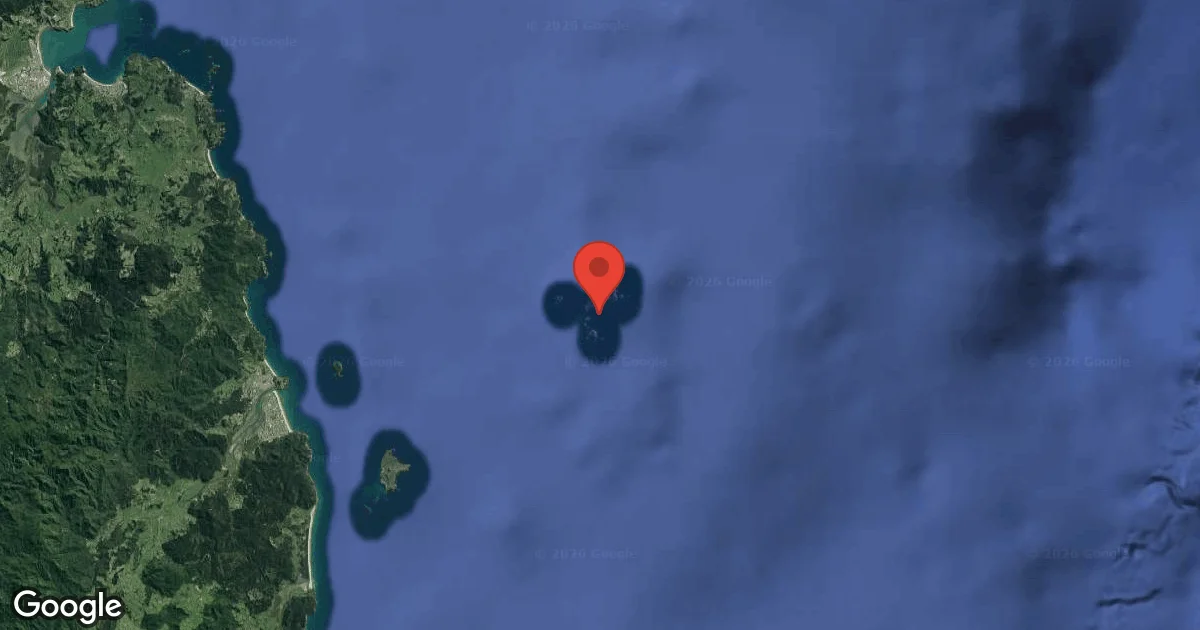
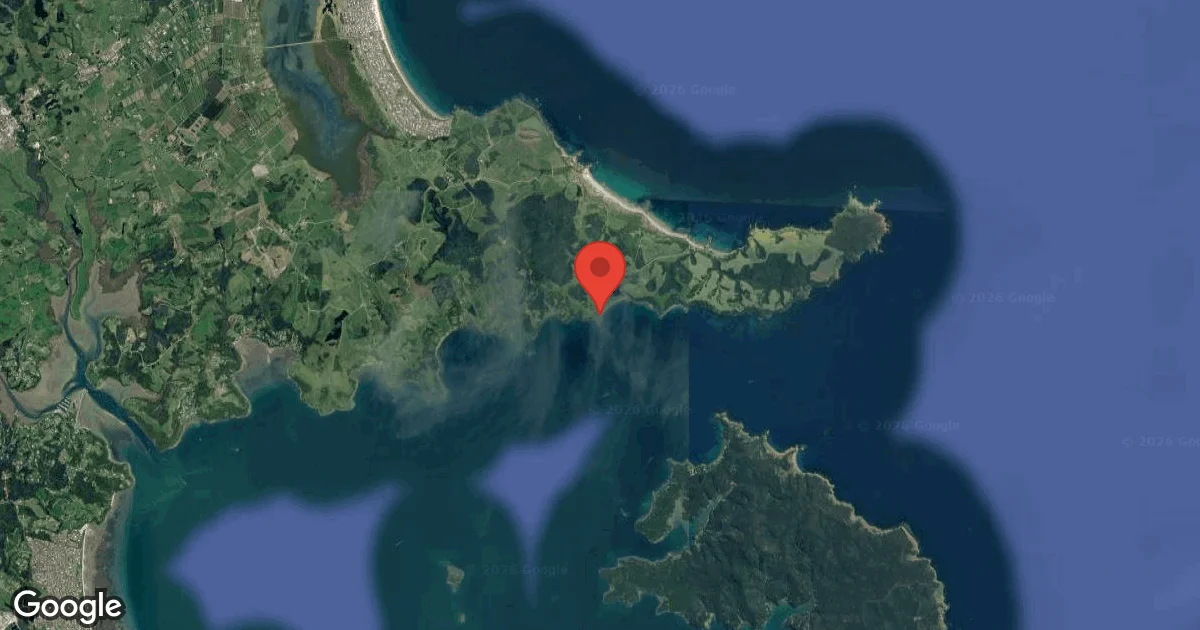
Discover 2 breathtaking locations where you can encounter this species.
Related Marine Life

Explore other incredible species you can encounter on your diving adventures.