
Diving at Aldermen Islands (New Zealand)
East of the Tairua River mouth, roughly 20 minutes by boat, the Aldermen Islands present a small cluster of rocky islets. This volcanic complex, comprising Hongiora, Middle, Raumahuanui, and Ruamahuaiti, consists of rhyolite domes and various breccia deposits. Their precipitous and imposing appearance from the sea inspired Captain Cook's name 'The Court of Aldermen' in 1769.
Tonight's objective overview for Aldermen Islands shows an air temperature of 14°C. The measured surface conditions include wave heights around 1.3 m. This environmental data is logged for the close of the day.
Dive Site Location & Key Facts
Dive Site Overview
Exploring the waters surrounding the Aldermen Islands offers divers a rich experience near Tairua, on the Coromandel Peninsula. This popular destination, named by Captain James Cook in 1769, features over 30 distinct dive locations, with underwater scenery often drawing comparisons to the Poor Knights.
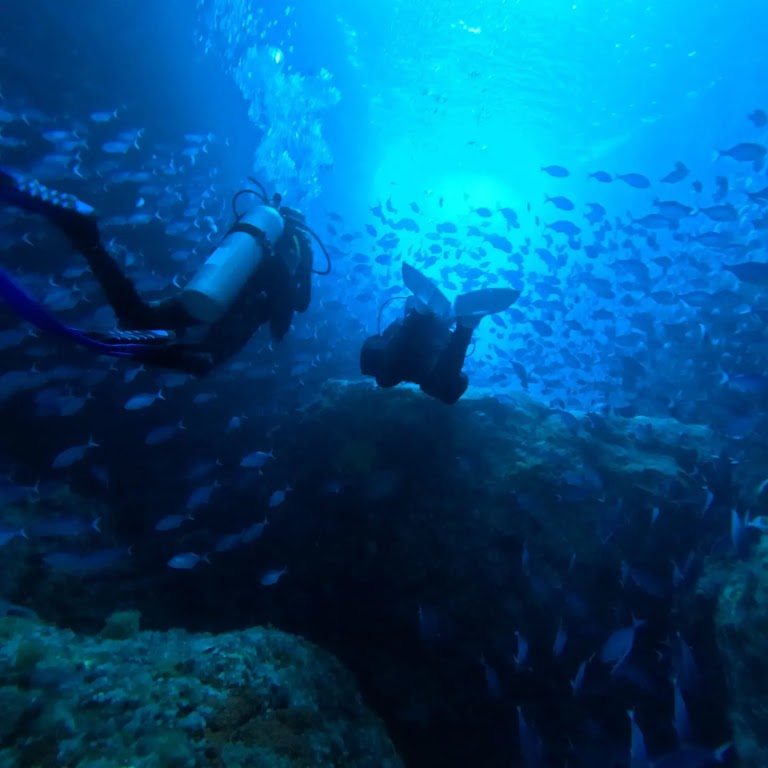
The volcanic origins of the islands have sculpted a diverse topography that awaits exploration. Divers can navigate through extensive cave systems, dramatic pinnacles rising from the seafloor, and vibrant reef structures, alongside expansive sandy bottoms and open ocean environments.
A wide variety of species thrive here, providing an experience without the full marine reserve restrictions common elsewhere. Dive sites cater to all skill levels; advanced divers can navigate the challenging, extensive Honeycomb Caves and Lens Reef, exploring intricate formations and deeper sections.
Beginners can enjoy more accessible sites such as Ugly Point and Rolex, which offer shallower, sheltered areas. Encounters with kingfish and a broad spectrum of New Zealand reef fish are common across the various sites.
Occasional sightings of larger pelagic life like dolphins, seals, and even orcas add to the memorable nature of a visit, making each dive unique.
Conditions are Moderate
High Wind Advisory (52km/h). Unsafe surface.
Current conditions near Aldermen Islands show 14° air, 16° sea temperature, 1.3 m waves, and 52 km/h wind. Forecast data is refreshed regularly to ensure accuracy.
Best Time to Dive
Planning a dive trip to the Aldermen Islands often centers around the warmer, less rainy months for more consistent conditions. February typically presents the most favorable diving, with average air temperatures around 20°C (68°F) and minimal rainfall at 1.74 mm, earning a 'Good' dive score. The broader summer and early autumn period, from January through March, also offers moderate to good conditions, with air temperatures generally ranging from 18.5°C to 20°C (65-68°F) and rainfall below 4.5 mm. Water temperature is not consistently reported in our data, but usually warms up significantly during these months. Winter months, particularly June, show a 'Poor' dive score with higher rainfall and cooler air temperatures of about 15°C (59°F), indicating less ideal conditions due to increased wave height and wind activity.
PEAK SEASON SCORE
Scores combine air & water temps, waves, wind & rainfall for overall conditions.
BEST MONTHS TO DIVE
Monthly records compiled from satellite and marine observation nodes over the last 3 years. Data provided by Open-Meteo and MET Norway.
Dive Experience & Conditions
Waters surrounding the Aldermen Islands reveal a complex underwater landscape, characterized by remnants of ancient volcanoes. Divers navigate past dramatic pinnacles rising from the seafloor and explore various reef structures, each offering distinct features. Recreational diving depth often reaches 40 m (131 ft), providing ample opportunity for deeper exploration while shallower sections are readily found around the numerous islets, suitable for extended bottom times. Many sites, including the Honeycomb Caves, allow exploration of fascinating cavern systems where light plays on the walls. Visibility varies depending on prevailing conditions, such as recent rainfall or plankton blooms, but the area generally presents good clarity, especially when compared to other regional sites. Typical underwater temperatures can range from 16-22°C (61-72°F) seasonally, influencing wetsuit choice. Entry to these dive sites is exclusively by boat, typically departing from the Coromandel Peninsula.
Dive Difficulty & Safety Guidelines
Exploring the Aldermen Islands demands good navigation skills and thorough dive planning. This area contains many unmapped 'pins' or shallow submerged rocks, making local knowledge invaluable for safe vessel operation and dive site selection. The islands themselves are a forested nature reserve, home to rare species like the Tuatara; land access is by permit only.
Surrounding waters are part of the Hauraki Gulf Maritime Park. Divers should remain aware of potential currents, which vary significantly with tides and weather.
Considering the varied depths and intricate topography, advanced training such as the PADI Advanced Open Water Diver course can enhance a diver's ability to fully enjoy the deeper or more complex sites.
Recommended Equipment
Deep dive hazard. Increased narcosis and gas consumption risk.
Overhead environment. Do not enter beyond training and gas planning limits.
- Dive Computer
- DSMB
- Primary & Backup Lights
- Reel / Spool
- Cutting Tool
This gear list is based on verified equipment signals for Aldermen Islands, New Zealand. Always confirm final gear choices with your dive operator, guide, or liveaboard.
Recommended Dive Suit
Forecast trends indicate little change in overall diving conditions during the next few days.
Two divers in the same water temperature may experience very different comfort levels. Surface intervals may feel noticeably cooler once you exit the water.
Many divers find that 5-7mm wetsuit offers the right level of insulation for conditions like these. A thermal robe or jacket is recommended between dives. Divers preparing to enter the water at Aldermen Islands will likely find temperatures around 16°C (60°F) today. Surface air temperatures are resting at 14°C (57°F).
Emergency & Medical Support
Essential information to help you plan your dive trip to Aldermen Islands.

Hyperbaric chambers are a critical part of dive safety infrastructure. Availability varies significantly by region, and not all dive areas have immediate access.
Before diving, it's recommended to:
- confirm nearest medical facilities
- check emergency procedures with local dive operators
- ensure dive insurance covers evacuation if required
Divers Alert Network
Diving emergency assistance available through DAN World.
+1-919-684-9111- 24/7 emergency hotline
- Diving medical assistance
- Evacuation coordination
Emergency contacts are provided for reference. Always verify local emergency services before diving.
Marine Life at Aldermen Islands
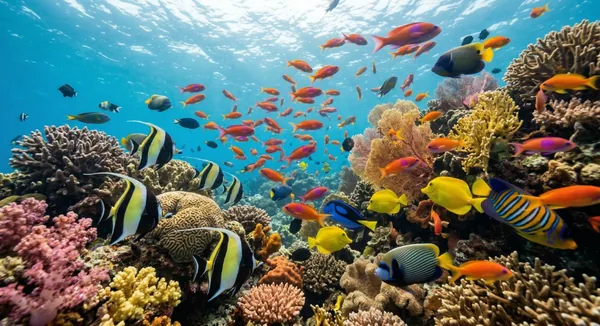
Diverse underwater topography at the Aldermen Islands supports a rich variety of marine life. Its reefs and rocky formations provide habitat for an extensive range of New Zealand reef fish, with kingfish regularly observed.
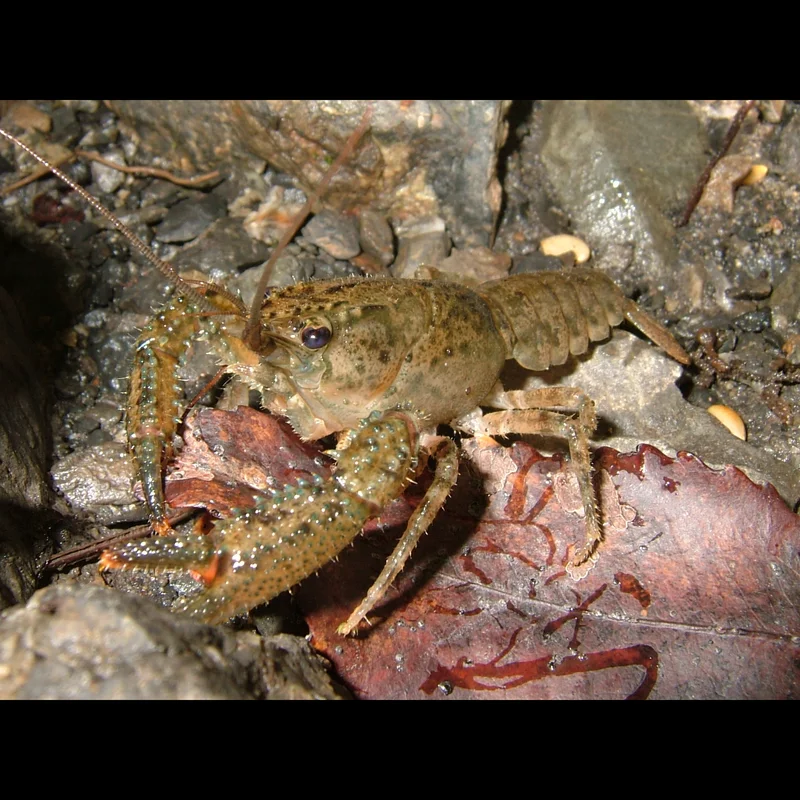
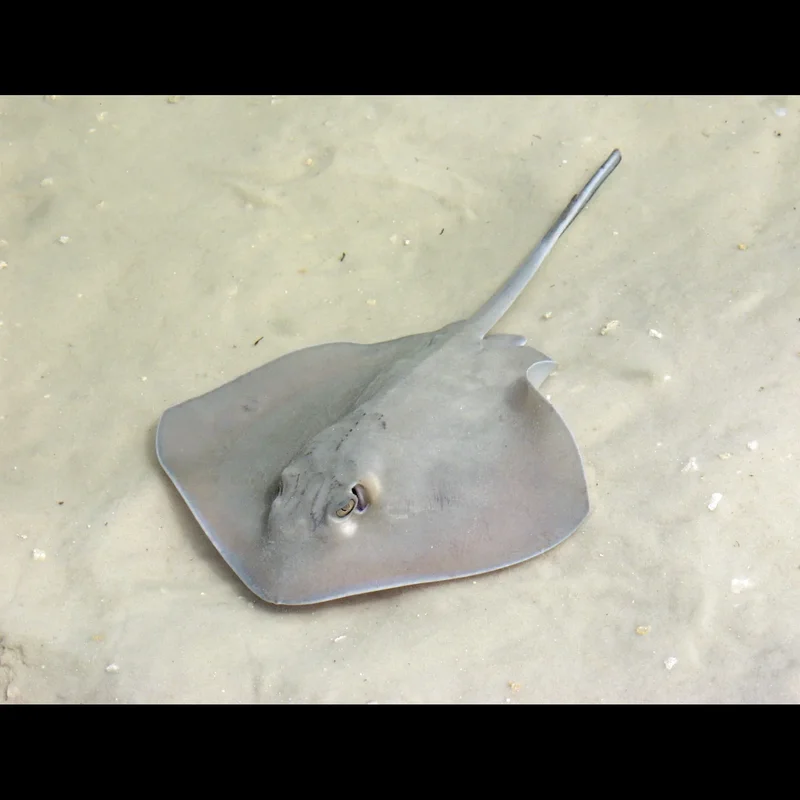
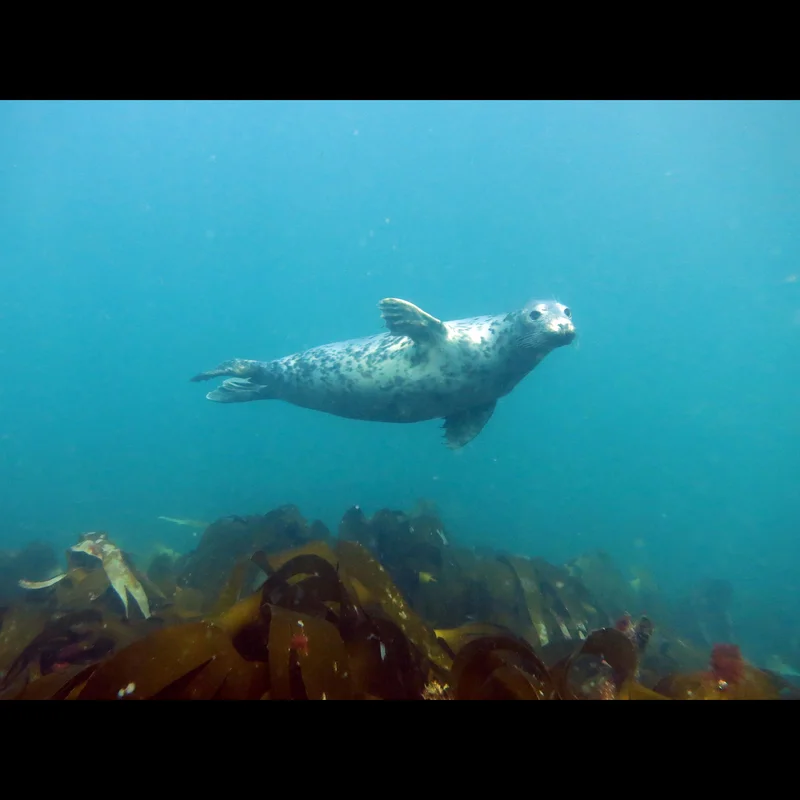
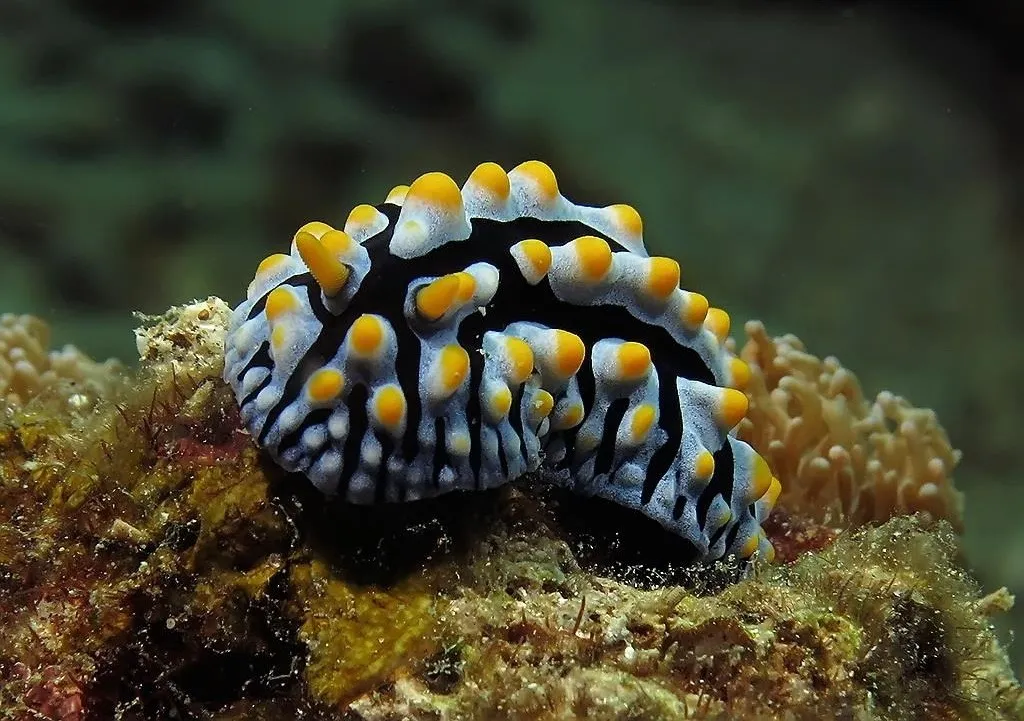
Crayfish and nudibranchs populate the intricate rockwork and caves, while stingrays are common sightings in sandy bottom areas. Larger pelagic species also frequent the area; dolphins and seals are often seen.
On occasion, divers might even encounter turtles, marlin, or impressive orcas, adding to the excitement of an exploration here.
Dive Centers Near Aldermen Islands
Nearest Airports
Nearest airports to help plan travel to this dive area.
Search Flights
Check available flights and routes on Expedia, using the nearby airports listed in this section.
Search Flights on ExpediaFrequently Asked Questions
What is the maximum depth for diving at the Aldermen Islands?
Maximum depth for recreational diving in the Aldermen Islands area is 40 m (131 ft). Divers will find a range of depths, from shallow reef sections to deeper walls and pinnacles.
Are there many dive sites to choose from?
Yes, over 30 distinct dive sites are available around the Aldermen Islands. This variety includes locations suitable for all levels of divers, from beginners to experienced explorers, covering diverse underwater topography.
What kind of marine life can I expect to see?
Divers regularly encounter kingfish and a wide array of New Zealand reef fish. Common sightings also include nudibranchs, crayfish, stingrays, dolphins, seals, and turtles, with occasional visits by marlin and orcas.
How do you access the dive sites?
Access to the dive sites around the Aldermen Islands is exclusively by boat. Operators typically depart from the nearby town of Tairua on the Coromandel Peninsula.
Is the area a marine reserve?
The Aldermen Islands themselves are a protected nature reserve, and surrounding waters form part of the Hauraki Gulf Maritime Park. While not a full marine reserve, management protects its natural values and allows diverse diving without certain common restrictions.
What are the best months for diving?
February generally offers the best conditions, with warm air temperatures and low rainfall. Broader summer and early autumn, from January to March, also provide favorable moderate to good diving conditions.
Planning to dive Aldermen Islands?
Send one inquiry and receive offers directly from the best verified local dive operators.
Conditions are Moderate
High Wind Advisory (52km/h). Unsafe surface.
Current conditions near Aldermen Islands show 14° air, 16° sea temperature, 1.3 m waves, and 52 km/h wind. Forecast data is refreshed regularly to ensure accuracy.