
Diving at Jones Bay (New Zealand)
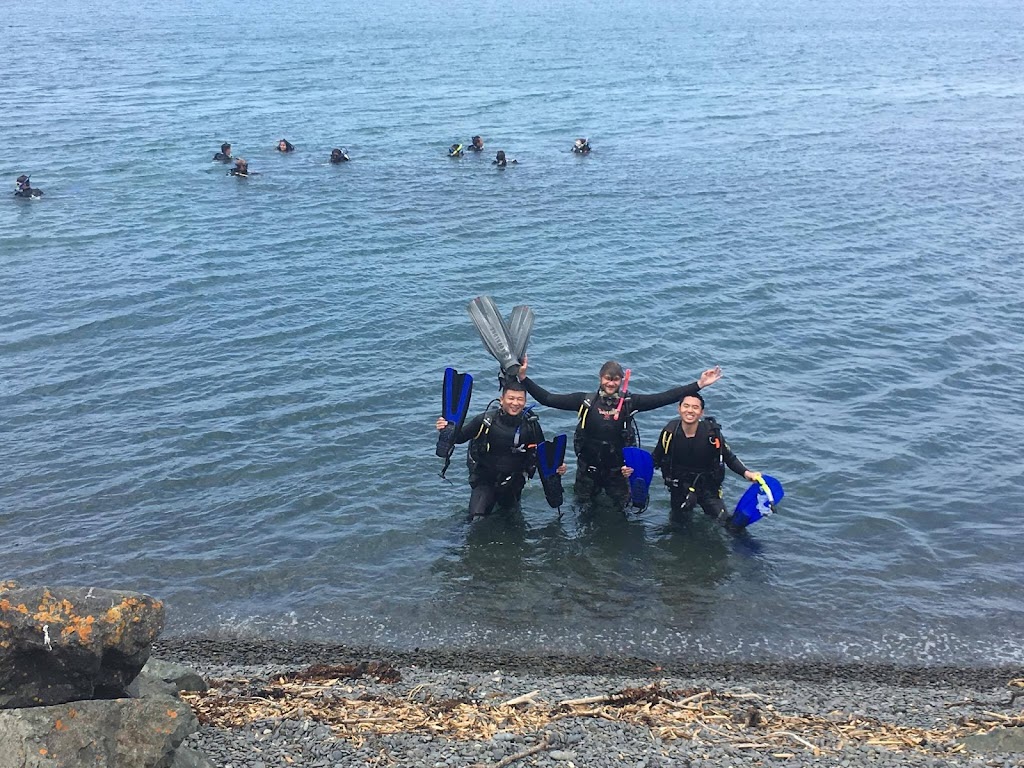
Stepping onto the shore at Jones Bay, you'll encounter a distinctly pebbly beach with a noticeable slope leading into the water. From the bank, the clear sandy bay stretches out, revealing a prominent reef system on the right. The air carries the scent of the ocean, often calmer than more frequented spots, hinting at a less crowded dive experience. This accessibility and visible reef structure make conditions feel welcoming, even before you enter the water.
Evening condition tracking at Jones Bay features an air temperature of 15°C. We have recorded wave heights measuring 0.9 m during this period. These figures outline the environmental parameters currently present.
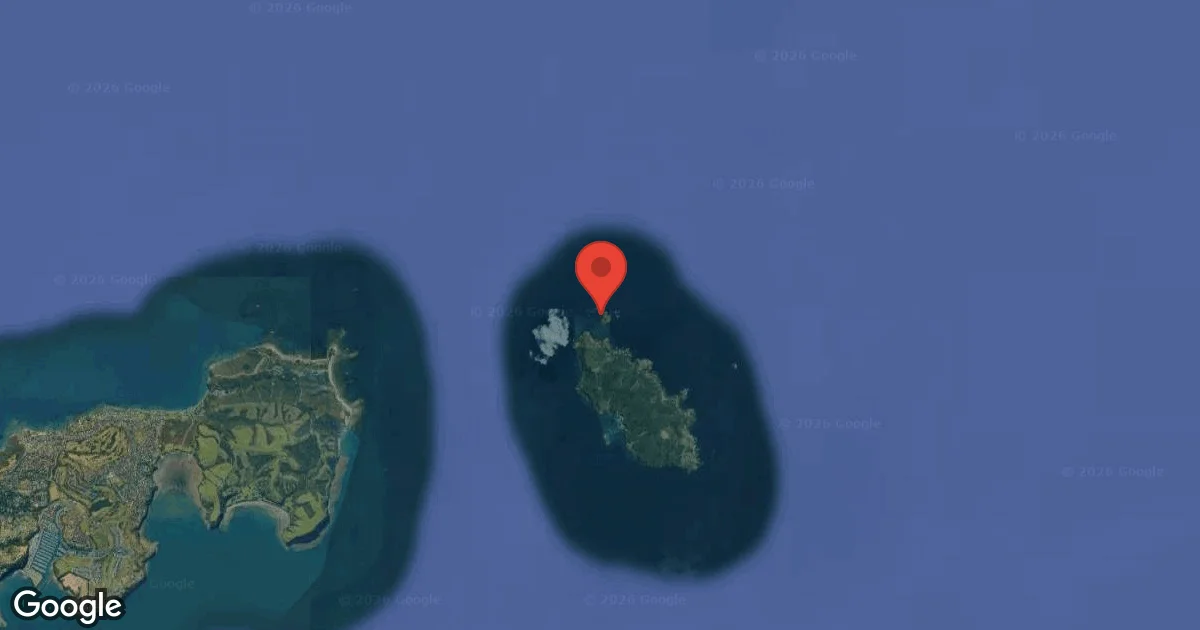
Dive Site Location & Key Facts
Dive Site Overview
Jones Bay presents a distinct underwater geography, characterized by a broad, sandy expanse that seamlessly transitions into a significant rocky reef system. This diverse configuration provides a range of habitats, appealing to various diving preferences.
Accessing the site is notably straightforward from a sloping pebble beach, with the main reef visible directly from the shoreline. This immediate clarity offers divers an advantage for assessing real-time water conditions before entry. Operating as an open diving location, Jones Bay contrasts with some of the region's more stringent marine reserves, yet its reef sections are vital.
They function as a crucial natural nursery, especially during the vibrant spring and summer months when juvenile marine life congregates. Depths here vary considerably; the shallower bay areas begin at just a few meters, gradually increasing as one ventures further from the headland to over 25 m (82 ft).
Most recreational dives often settle near 9 m (30 ft), allowing ample bottom time to explore both the sandy flats and the reef's complexities. Expect to begin a dive over the soft bottom, then progressively encounter kelp gardens and rocky crevices as you approach the main reef structure.
Conditions are Moderate
High Wind Advisory (46km/h). Unsafe surface.
Current conditions near Jones Bay show 15° air, 15° sea temperature, 0.9 m waves, and 46 km/h wind. Forecast data is refreshed regularly to ensure accuracy.
Best Time to Dive
Optimizing a dive at Jones Bay largely aligns with the warmer, drier periods, though its 'Good' dive score persists through much of the year. The summer months, particularly February and March, often present the most favorable conditions, with average air temperatures hovering around 20°C (68°F) and 18°C (64°F) respectively, and rainfall at its lowest, often less than 2 mm (0.08 inches). While water temperatures are not consistently reported for all months, a range of 11-15°C (52-59°F) is observed across the cooler seasons. Even during winter, July and August maintain a 'Good' dive score, with average air temperatures around 12-11°C (54-52°F), making it a viable year-round destination depending on your cold water tolerance. Visibility, however, can vary, with reports ranging from 5 m (16 ft) to 10 m (33 ft) depending on specific conditions and tidal influence.
PEAK SEASON SCORE
Scores combine air & water temps, waves, wind & rainfall for overall conditions.
BEST MONTHS TO DIVE
Monthly records compiled from satellite and marine observation nodes over the last 3 years. Data provided by Open-Meteo and MET Norway.
Dive Experience & Conditions
Dropping into Jones Bay from its sloping pebble beach, divers will find themselves transitioning from a clear sandy bottom towards a more complex reef structure. The site's average depth hovers around 9 m (30 ft), though it gradually deepens to over 25 m (82 ft) further out from the headland. Near the reef, you'll navigate through kelp forests and rocky outcrops, where a significant amount of juvenile marine life congregates. Beyond the reef, expansive sandy areas are common, providing a different habitat to explore. Currents here can be quite changeable and occasionally strong, influenced significantly by tidal movements. Reported currents can range from negligible to about 1 knot (1.9 km/h), requiring divers to remain attentive to their surroundings. Visibility, while sometimes noted as average, is not consistently reported and can fluctuate with weather and recent rainfall.
Dive Difficulty & Safety Guidelines
Experienced divers understand that local conditions can shift rapidly, making careful assessment crucial before entering the water at Jones Bay. The beach's steep slope means tides exert a significant influence on entry and exit dynamics. While generally accessible, unpredictable and changeable currents are a known factor; always consult local dive operators or experienced individuals for real-time reports.
Summer months may see an increase in boat traffic, necessitating the use of surface marker buoys, especially when ascending or drifting. Maintaining situational awareness, particularly near the reef where boaters might approach, is a good practice.
Always dive within your certification limits and consider the variable visibility when planning your route.
Recommended Equipment
- Dive Computer
This gear list is based on verified equipment signals for Jones Bay, New Zealand. Always confirm final gear choices with your dive operator, guide, or liveaboard.
Recommended Dive Suit
The latest conditions reported around Jones Bay place the water temperature close to 15°C (60°F). Surface air temperatures are resting at 15°C (59°F).
5-7mm wetsuit generally offers enough warmth for most dives under these conditions. Consider warmer surface protection (like a boat coat) due to brisk winds. A thermal robe or jacket is recommended between dives.
Forecasts suggest a slight cooling pattern in the days ahead. Cooler days are ahead; you might want a warmer option for later in the week. Some divers prefer carrying a slightly thicker suit as a backup.
Emergency & Medical Support
Essential information to help you plan your dive trip to Jones Bay.

Hyperbaric chambers are a critical part of dive safety infrastructure. Availability varies significantly by region, and not all dive areas have immediate access.
Before diving, it's recommended to:
- confirm nearest medical facilities
- check emergency procedures with local dive operators
- ensure dive insurance covers evacuation if required
Divers Alert Network
Diving emergency assistance available through DAN World.
+1-919-684-9111- 24/7 emergency hotline
- Diving medical assistance
- Evacuation coordination
Emergency contacts are provided for reference. Always verify local emergency services before diving.
Marine Life at Jones Bay
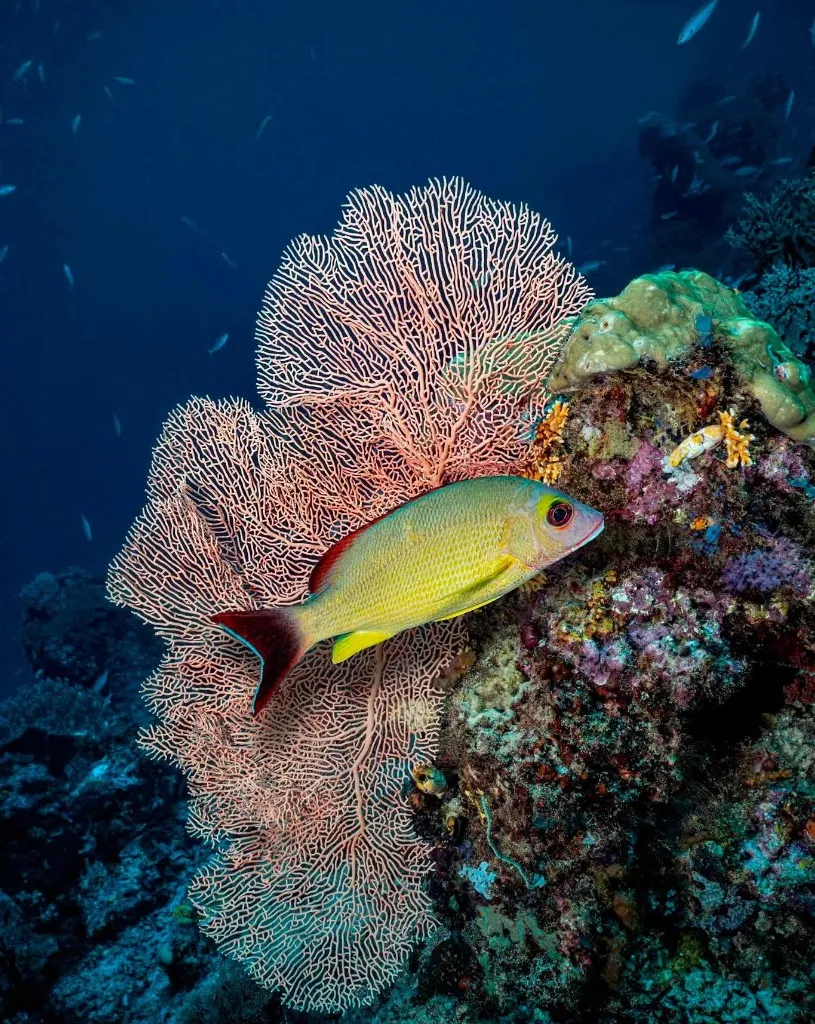
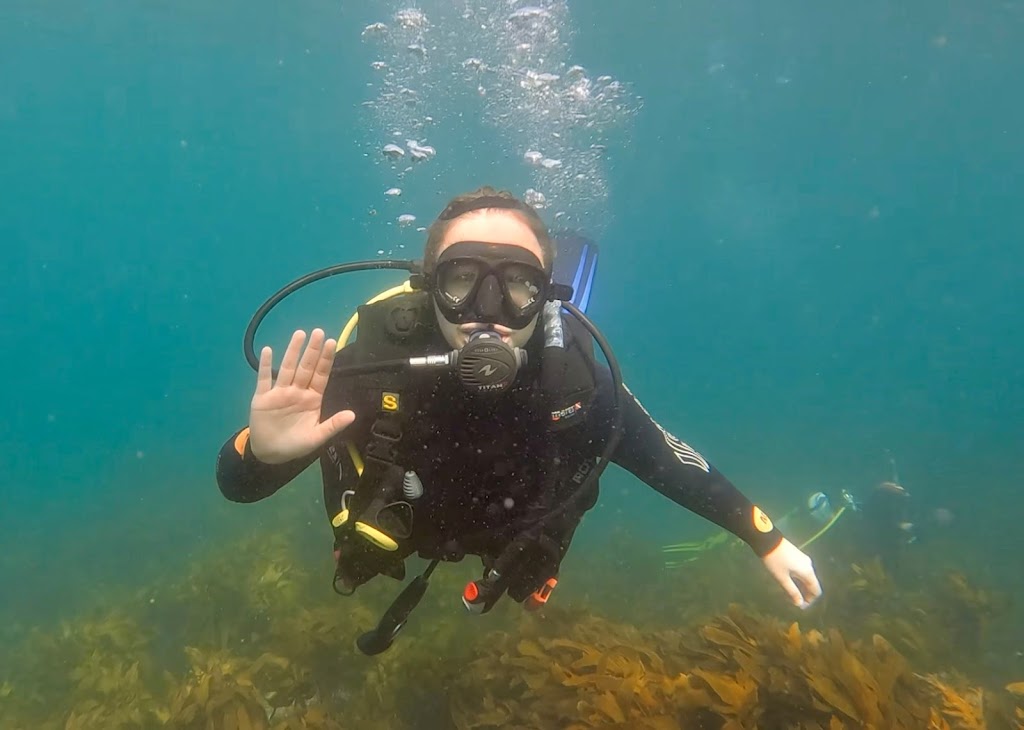
Upon entering the reef system at Jones Bay, you'll frequently observe a bustling nursery environment, especially vibrant during spring and summer. Thousands of baby spotties often school here, sharing space with juvenile snapper and goatfish seeking shelter amongst the rocky structures and kelp.
Look closely for triplefins and blennies nestled within the reef crevices. On the kelp, you might spot delicate squid eggs.
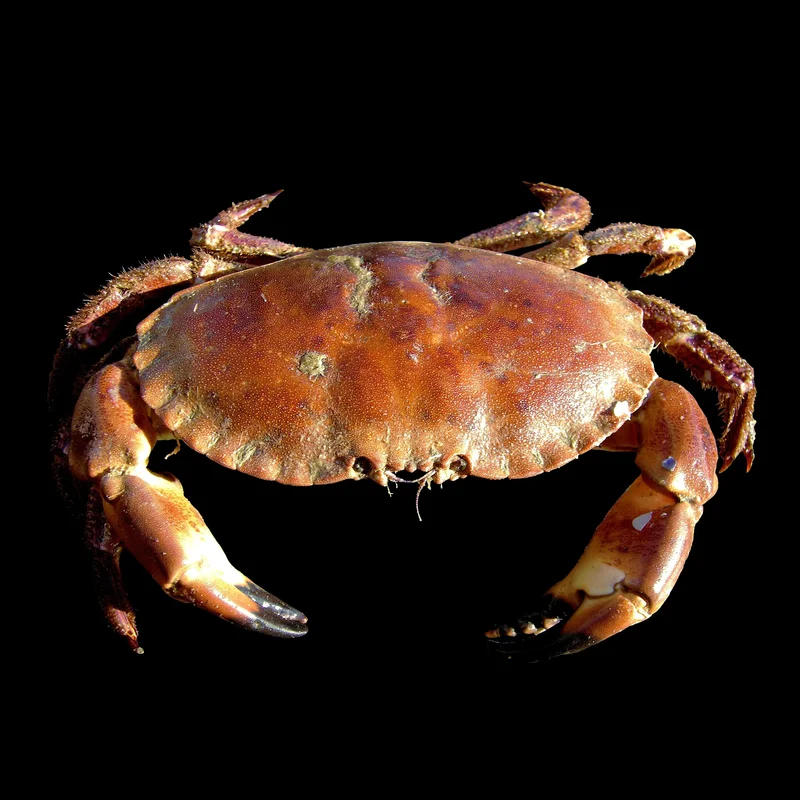
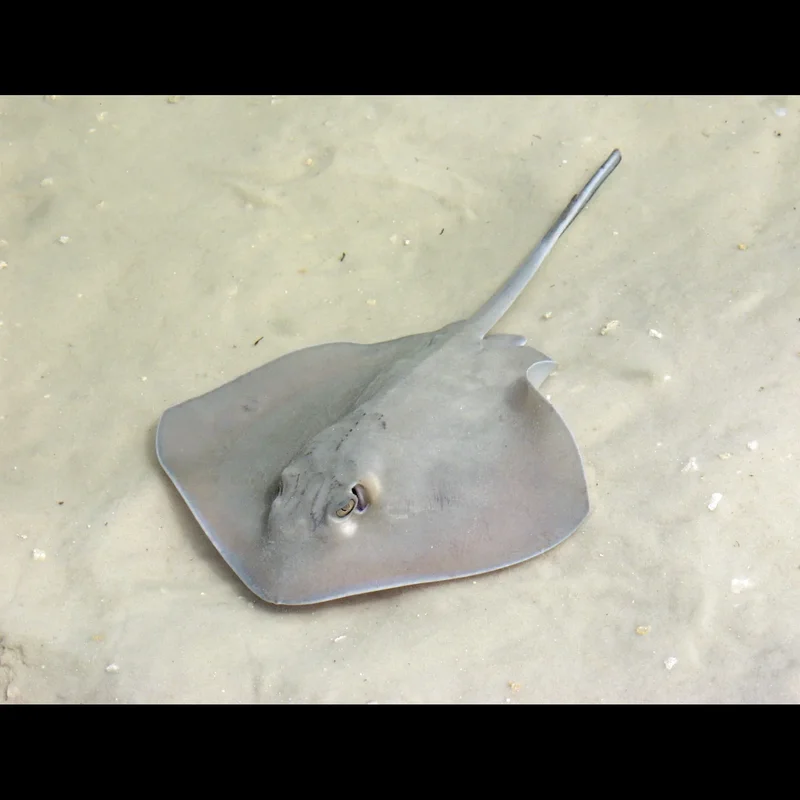
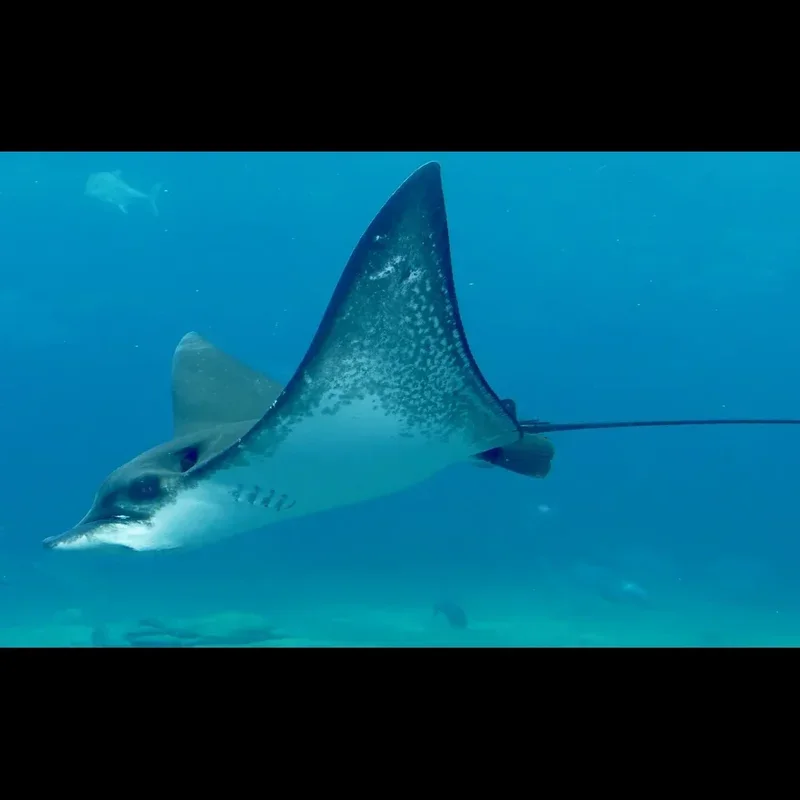
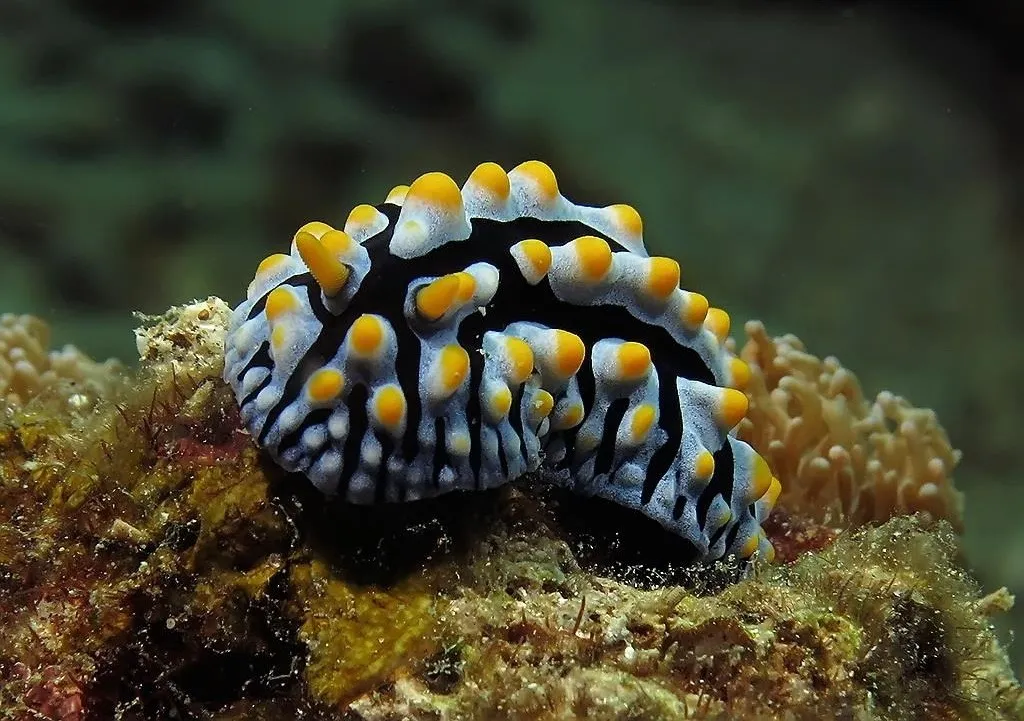
Venturing over the sandy flats, keep an eye out for larger stingrays and eagle rays. Nudibranchs, various starfish, and crabs are also commonly seen exploring the sandy patches. While less frequent, sightings of octopus, and occasionally even orca and dolphin, have been reported.
Dive Sites Near Jones Bay
View all dive sites in New ZealandDiscover more underwater gems in this area.
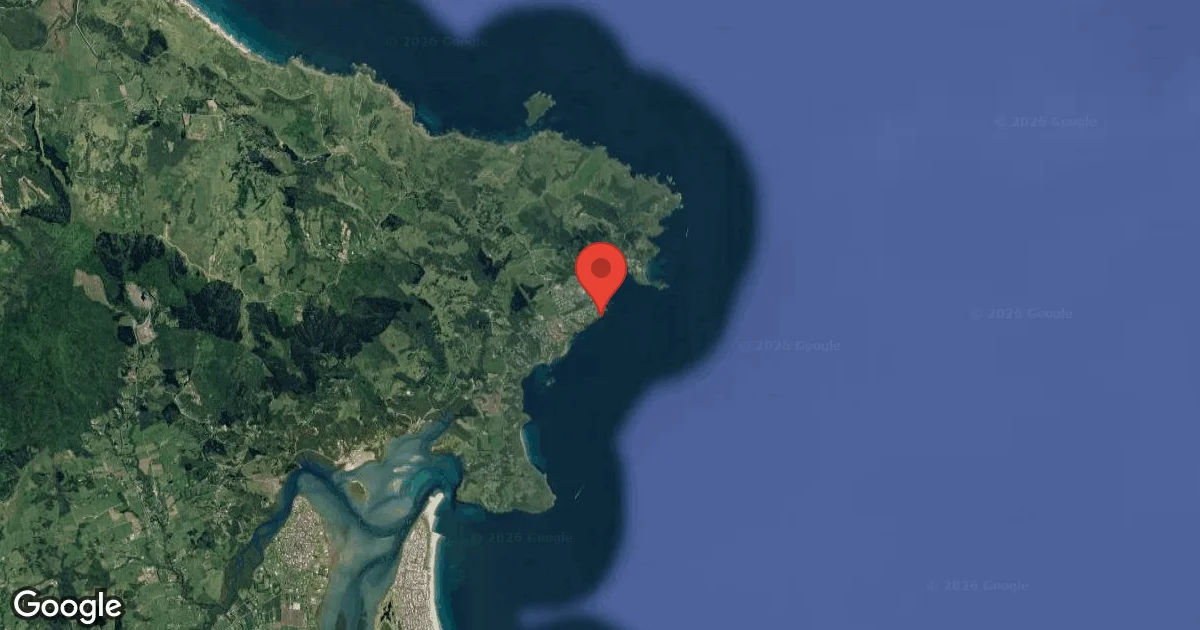
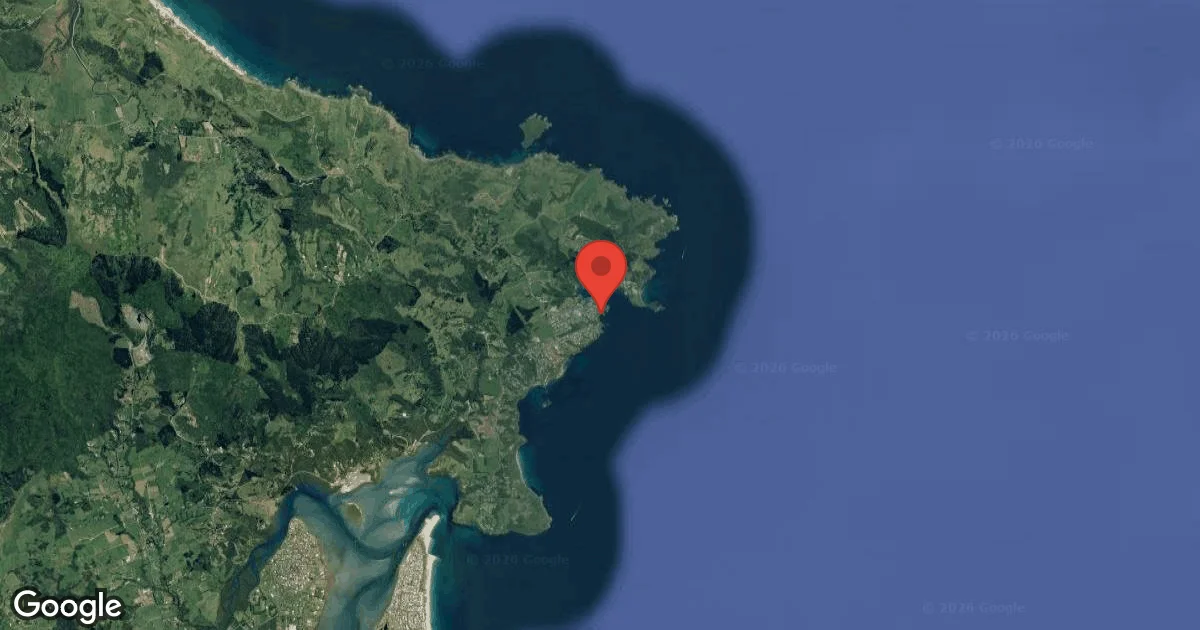
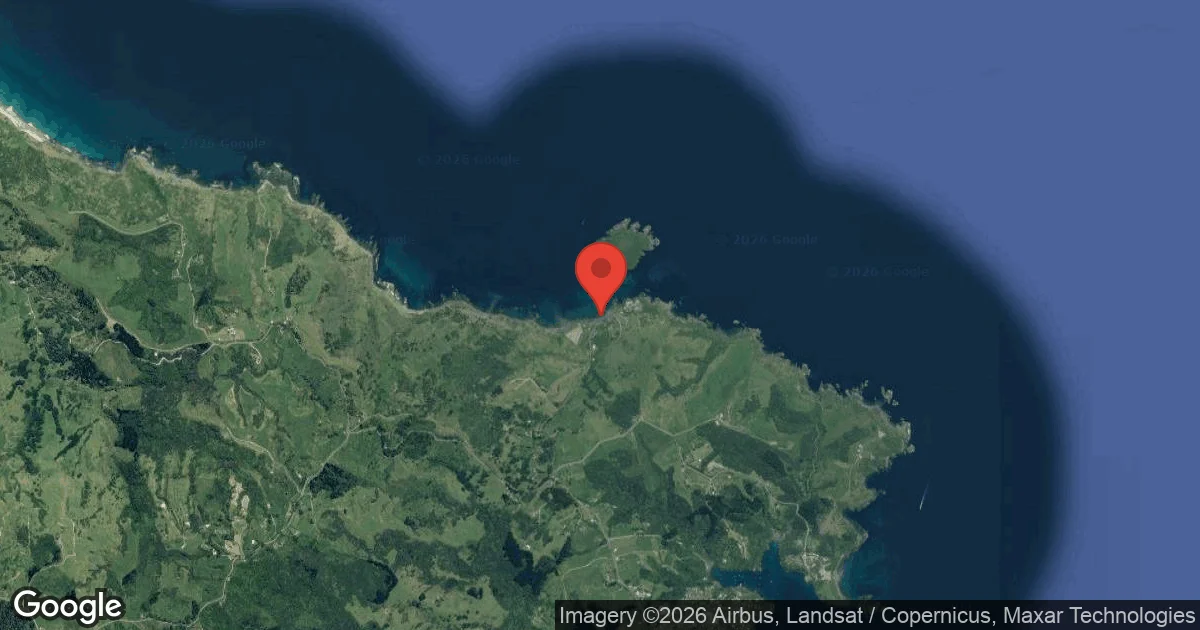
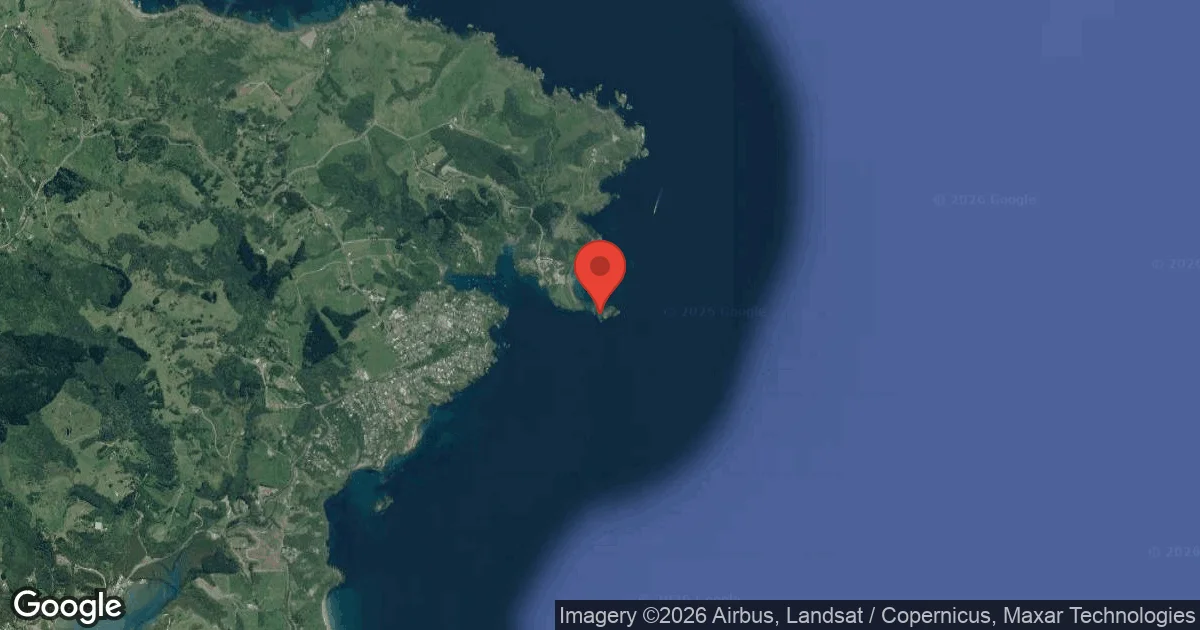
Dive Centers Near Jones Bay
Today: 08:30 - 16:00
Nearest Airports
Nearest airports to help plan travel to this dive area.
Search Flights
Check available flights and routes on Expedia, using the nearby airports listed in this section.
Search Flights on ExpediaFrequently Asked Questions
What is the typical depth range at Jones Bay?
Jones Bay offers a varied depth profile, ranging from approximately 4 m (13 ft) in the shallows near the beach to over 25 m (82 ft) further out from the headland. An average dive often explores around 9 m (30 ft).
Are there strong currents at Jones Bay?
Currents at Jones Bay can be unexpected and changeable, ranging from negligible to 1 knot (1.9 km/h). Tidal influences are significant, so it's advisable to check local conditions before diving.
What kind of marine life can I expect to see?
The site functions as a nursery, particularly in spring and summer, hosting baby spotties, juvenile snapper, and goatfish. Divers often encounter triplefins, blennies, nudibranchs, starfish, crabs, stingrays, and eagle rays. Octopus sightings are also common.
Is Jones Bay suitable for beginner divers?
With its easy entry and exit points, along with a visible reef from shore, Jones Bay is often considered excellent for all levels of divers, including those learning. However, beginners should be mindful of potential currents.
What are the water temperatures like?
Water temperatures at Jones Bay typically range from 11-15°C (52-59°F). Adequate thermal protection, such as a thick wetsuit or drysuit, is recommended for comfort.
How does Jones Bay compare to Goat Island for diving?
Jones Bay is often overlooked in favor of the more popular Goat Island, which can be a benefit for divers seeking fewer crowds. While not a marine reserve, Jones Bay still offers a rich nursery environment and diverse marine life.
What is the visibility generally like?
Visibility at Jones Bay can be variable, with reports ranging from 5 m (16 ft) to 10 m (33 ft) or more depending on weather conditions and tidal movements. It is not consistently reported as 'crystal clear' but often described as 'average'.
Planning to dive Jones Bay?
Send one inquiry and receive offers directly from the best verified local dive operators.
Conditions are Moderate
High Wind Advisory (46km/h). Unsafe surface.
Current conditions near Jones Bay show 15° air, 15° sea temperature, 0.9 m waves, and 46 km/h wind. Forecast data is refreshed regularly to ensure accuracy.