
Diving at Anemone Bay North Solitary Island (Australia)
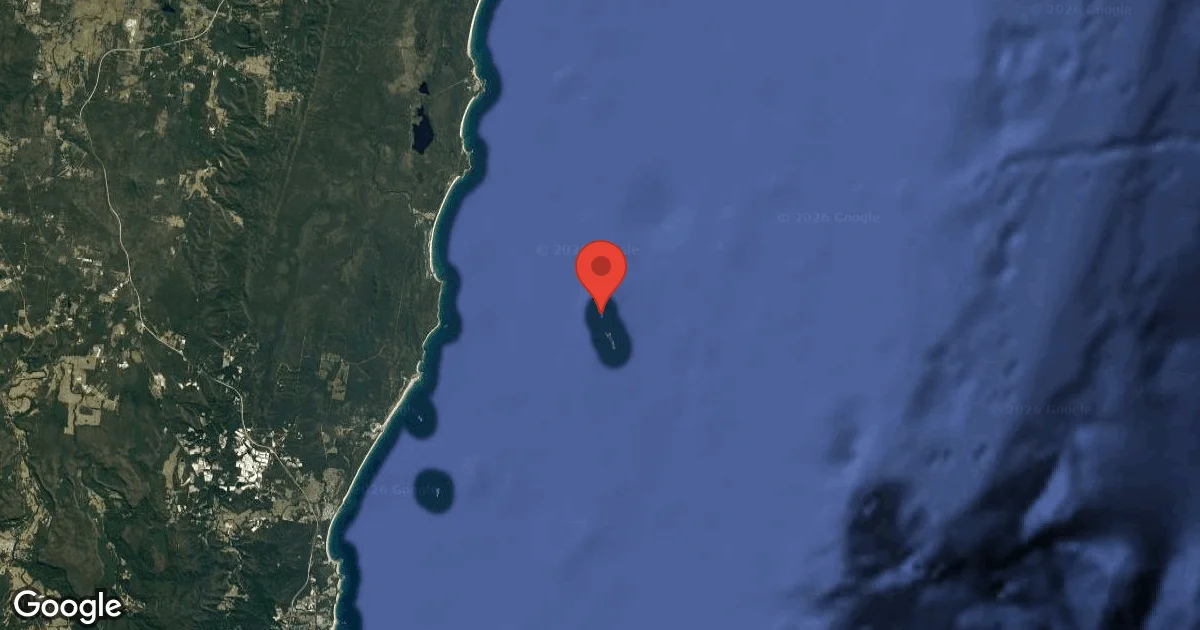
Anemone Bay, nestled on North Solitary Island's northern side, presents a sheltered diving environment. Extending approximately 200 m (656 ft) wide by 75 m (246 ft) long, this expansive bay projects further oceanward for another 75 m (246 ft). Its strategic location offers protection from southerly swells, fostering a calm habitat for characteristic marine life.
As evening covers Anemone Bay North Solitary Island, the local air temperature is measured at 16°C. The current wave height at the surface is recorded at 2.8 m. These late-day readings characterize the surface conditions for the night.
Dive Site Location & Key Facts
Dive Site Overview
Exceptional biodiversity and unique benthic coverage define Anemone Bay. Divers often describe a 'fish soup' experience here, particularly appreciating the high density of reef dwellers.
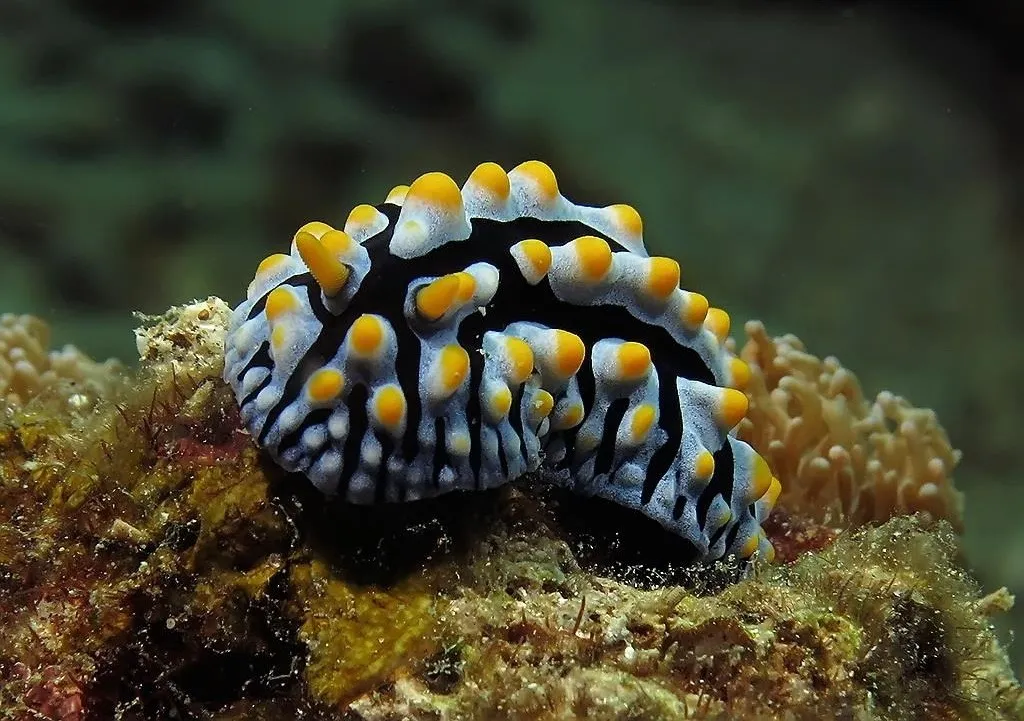
Within expansive anemone fields, observant divers can find an array of symbiotic creatures, including various crabs and shrimps. Macro photographers discover ample subjects, from elusive nudibranchs to camouflaged crabs and tiny shrimps, frequently nestled within or around colorful tentacles. For those seeking larger encounters, sightings of giant cuttlefish are common, especially during mating seasons.
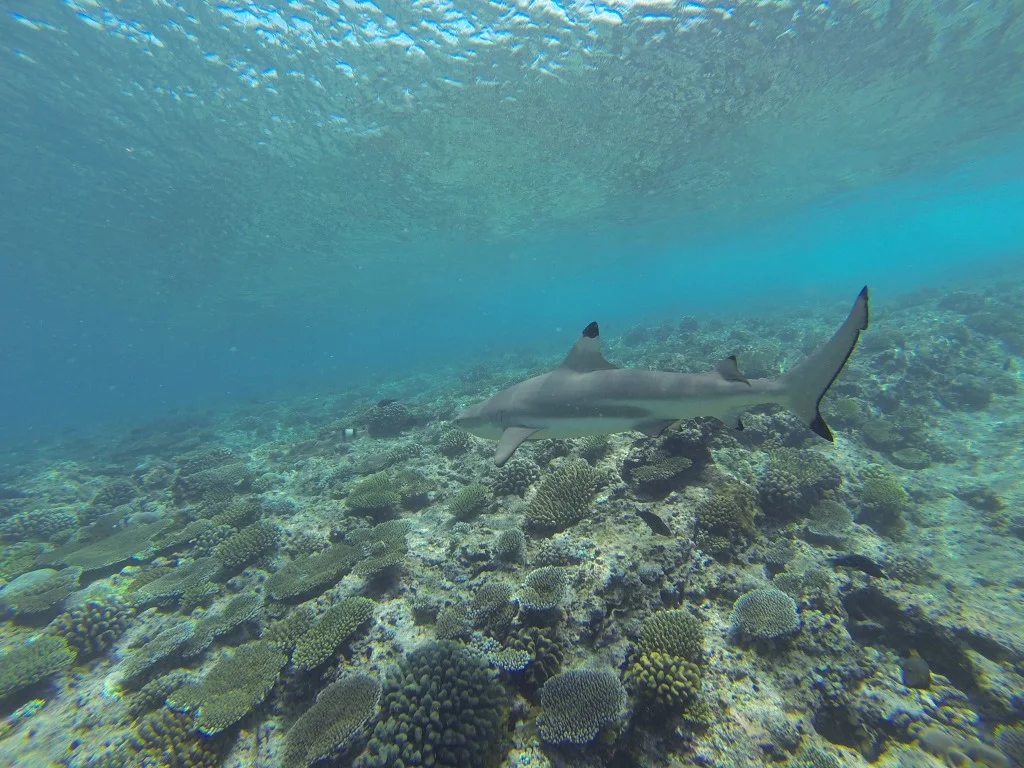
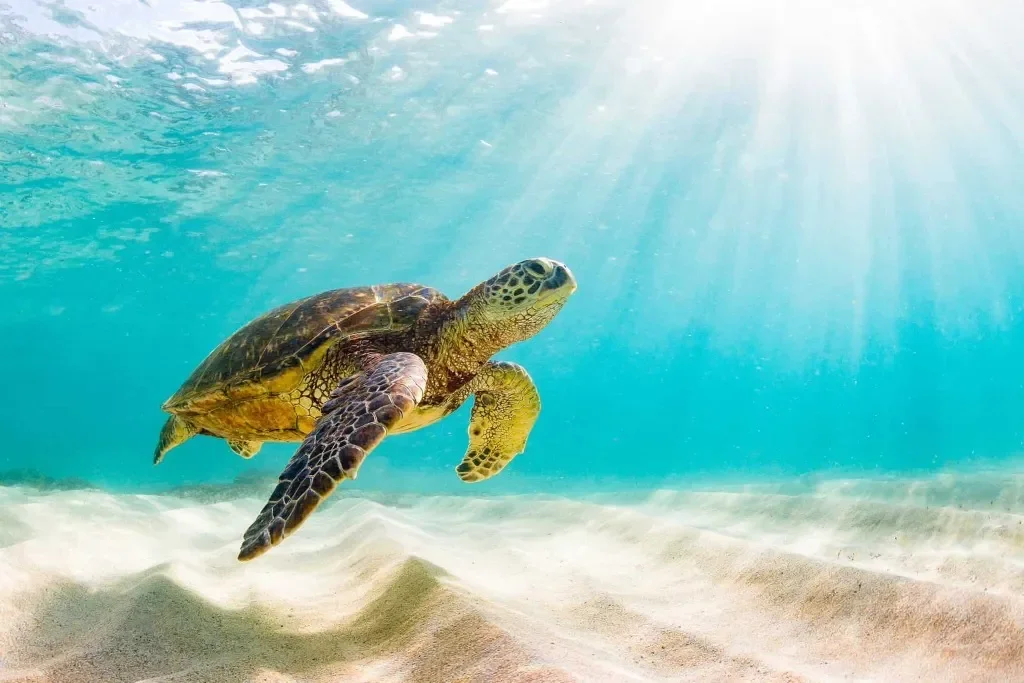
Various shark species, including wobbegongs, grey nurses, and guitar sharks, are regular residents, often found resting on the seabed or patrolling reef edges. Occasional hammerhead sharks, several ray species, and green sea turtles add to the allure, gliding through deeper sections.
Recreational divers can explore a maximum depth of 30 m (100 ft), though shallower sections provide equally rich observations within the 10-20 m (33-66 ft) range. Water temperatures typically range from 22-27°C (72-81°F), ensuring comfortable dive conditions throughout much of the year.
This constant activity ensures varied observations across different parts of a dive, from bustling anemone gardens to sandy patches where rays might hide.
Conditions are Good
07:00 - 14:00
Optimal conditions expected
Current conditions near Anemone Bay North Solitary Island show 16° air, 21° sea temperature, 1.4 m waves, and 16 km/h wind. Forecast data is refreshed regularly to ensure accuracy.
Best Time to Dive
Optimal seasonal planning for an Anemone Bay dive involves considering sea conditions crucial for the journey from mainland ports. A 25-minute boat ride from Wooli or a longer 75-minute trip from Coffs Harbour both require reasonably calm seas for comfort and safety. Dive scores consistently indicate moderate conditions during January, February, and the extended period from June through September, as well as November and December. These months typically offer favorable sea states, making access to North Solitary Island reliable. Air temperatures during these periods generally range from 17-25°C (63-77°F), contributing to comfortable surface intervals. Conversely, March, April, May, and October often present poorer dive scores, primarily due to higher average wave heights. Such increased swell can make longer crossings less predictable and potentially uncomfortable, impacting overall dive trip feasibility. Always consult local operators for the most current weather and sea state forecasts before finalizing plans.
PEAK SEASON SCORE
Scores combine air & water temps, waves, wind & rainfall for overall conditions.
BEST MONTHS TO DIVE
Monthly records compiled from satellite and marine observation nodes over the last 3 years. Data provided by Open-Meteo and MET Norway.
Dive Experience & Conditions
Descending into Anemone Bay, divers quickly notice the remarkable blanket coverage of anemones across the seabed. Within these vibrant fields, observant divers find many symbiotic creatures, including crabs and various shrimps. While the bay itself can be well-protected and easy to navigate on calmer days, general conditions around North Solitary Island can feature strong north-to-south currents. Divers might explore overhangs and darker spots, where species like shrimps, lobsters, slipper-lobsters, and coral trout tend to hide. Deeper and shallower recreational dives are supported at this site.
Dive Difficulty & Safety Guidelines
Anemone Bay can offer a protected experience on days with small currents. However, be aware that currents around North Solitary Island can be significant, flowing from north to south. Strong currents can be too challenging to swim against, making a return to the starting point difficult without proper planning.
Wandering too wide from the bay in such conditions could lead to an unintended drift dive around North Solitary's eastern side, which is not recommended. Always confirm current conditions with your dive operator and adhere to their guidance. Diving from a boat without a surface watch is not advised in areas prone to strong currents.
Recommended Equipment
- Dive Computer
- DSMB
This gear list is based on verified equipment signals for Anemone Bay North Solitary Island, Australia. Always confirm final gear choices with your dive operator, guide, or liveaboard.
Recommended Dive Suit
Temperatures look set to gradually increase over the next several days. A warming trend is expected over the next few days.
Divers who prefer a balanced level of warmth often select 5mm wetsuit in water temperatures like this. Strong winds are present; please take strong precautions against rapid cooling during surface intervals. A thermal robe or jacket is recommended between dives.
Recent environmental data from Anemone Bay North Solitary Island indicates water temperatures near 21°C (69°F). Surface air temperatures are resting at 16°C (61°F).
Due to technical issues with our weather providers, data hasn't been fetched for over 48 hours. The data above reflects the conditions at the time of the last successful fetch.
Emergency & Medical Support
Essential information to help you plan your dive trip to Anemone Bay North Solitary Island.

Hyperbaric chambers are a critical part of dive safety infrastructure. Availability varies significantly by region, and not all dive areas have immediate access.
Before diving, it's recommended to:
- confirm nearest medical facilities
- check emergency procedures with local dive operators
- ensure dive insurance covers evacuation if required
Divers Alert Network
Diving emergency assistance available through DAN World.
+1-919-684-9111- 24/7 emergency hotline
- Diving medical assistance
- Evacuation coordination
Emergency contacts are provided for reference. Always verify local emergency services before diving.
Marine Life at Anemone Bay North Solitary Island
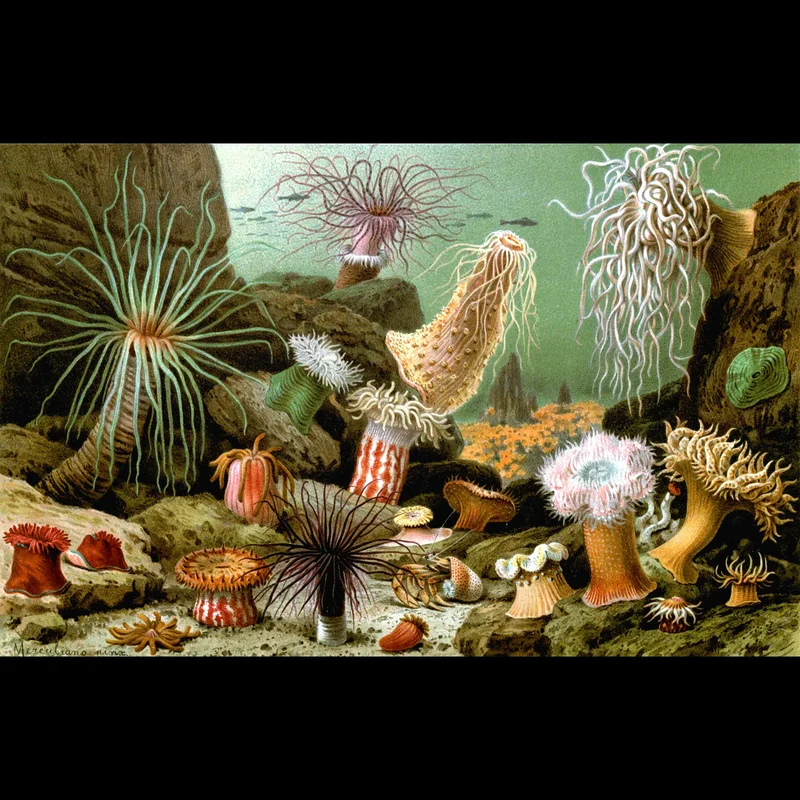
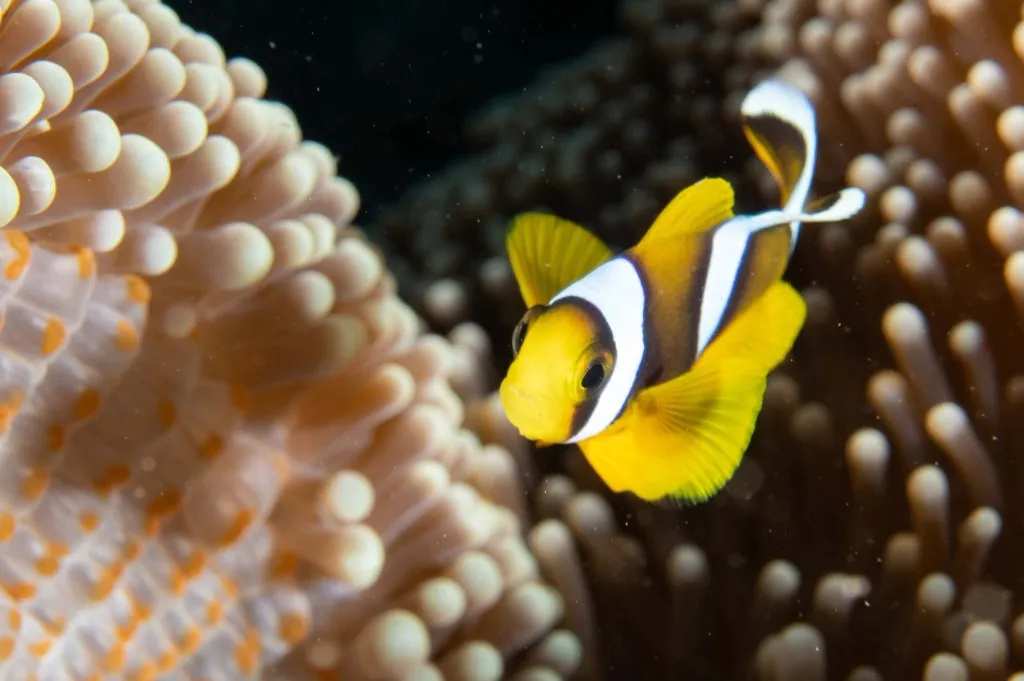
Extensive anemone beds dominate the underwater landscape, providing a visual spectacle and acting as a living canvas for countless clownfish. Beyond this blanket, divers will encounter a remarkable 'fish soup' density.
Look for giant cuttlefish camouflaged against reef structures, various nudibranchs, and a diverse array of fish species throughout the site. Keep an eye out for larger pelagics and reef dwellers like wobbegong, grey nurse, and guitar sharks, along with rays and green sea turtles.
Dive Sites Near Anemone Bay North Solitary Island
View all dive sites in AustraliaDiscover more underwater gems in this area.
Dive Centers Near Anemone Bay North Solitary Island
No Dive Centers Local To Anemone Bay North Solitary Island
Are you a dive center visiting this location? Get listed to reach divers.
Nearest Airports
Nearest airports to help plan travel to this dive area.
Search Flights
Check available flights and routes on Expedia, using the nearby airports listed in this section.
Search Flights on ExpediaFrequently Asked Questions
What makes Anemone Bay unique?
Anemone Bay is distinguished by its vast, blanket-like coverage of anemones, reportedly hosting the largest population of clownfish on the Australian coast. This creates a remarkably vibrant and densely populated underwater environment.
Are there strong currents at Anemone Bay?
While Anemone Bay itself can offer shelter on calm days, the broader North Solitary Island area is known for potentially strong north-to-south currents. Divers should stay within the bay's protected area or plan for drift diving with appropriate support.
What type of marine life can I expect to see?
Divers can expect a rich diversity, from numerous clownfish and other symbiotic creatures within anemones to nudibranchs, cuttlefish, and various fish. Larger marine life spotted includes wobbegong, grey nurse, and guitar sharks, along with rays and turtles.
Is Anemone Bay suitable for all diver levels?
Site features include both shallow and deep sections and can be easy to navigate under good conditions. However, potential for strong currents in the general area means divers should be aware of their experience level and dive with operators familiar with local conditions.
How long does it take to get to Anemone Bay?
A boat trip from Wooli typically takes about 25 minutes, while departures from Coffs Harbour involve a longer journey of approximately 75 minutes. Travel times are highly dependent on sea conditions.
Why is a dive torch recommended for Anemone Bay?
A dive torch is highly recommended to reveal true colors of the reef and to illuminate creatures hiding in many overhangs and shaded areas. Doing so allows divers to discover shy species like shrimps and lobsters.
Planning to dive Anemone Bay North Solitary Island?
Send one inquiry and receive offers directly from the best verified local dive operators.
Conditions are Good
07:00 - 14:00
Optimal conditions expected
Current conditions near Anemone Bay North Solitary Island show 16° air, 21° sea temperature, 1.4 m waves, and 16 km/h wind. Forecast data is refreshed regularly to ensure accuracy.