
Diving at Pimpernel Rock (Australia)
Pimpernel Rock presents a dramatic offshore pinnacle system, plunging to 40 m / 130 ft, known for its isolation and lack of surface break. A main structure features twin steep pinnacles, connected by a vast underwater cavern approximately 12 meters high and 15 meters wide. This deep-water environment reveals an impressive underwater topography of boulders, trenches, and overhangs. An expansive reef spreads from the base of the pinnacles.
As evening covers Pimpernel Rock, the local air temperature is measured at 19°C. The current wave height at the surface is recorded at 1.7 m. These late-day readings characterize the surface conditions for the night.
Dive Site Location & Key Facts
Dive Site Overview
Descending into the blue at Pimpernel Rock provides a memorable deep diving experience. An isolated offshore site, it doesn't breach the surface, requiring experienced navigation and precise dive planning.
Descending steep pinnacles leads to depths of 40 m / 130 ft, revealing an enormous central cavern. Measuring approximately 12 meters high and 15 meters wide, this cavern acts as a sanctuary for diverse marine life, including schools of large pelagics and resident sharks. Structural complexity extends beyond, with rocky boulders, small trenches, and overhangs forming varied habitats.
Sponge gardens, sea fans, and sea whips colonize the reef, radiating from the base of three distinct pinnacles. Navigating the site, divers frequently encounter significant schools of jewfish, kingfish, and various tuna species.
Currents here present challenges, requiring proficiency in drift management and advanced buoyancy control. It's not a beginner's dive; its depth and conditions demand certified, experienced divers.
Conditions are Good
07:00 - 14:00
Optimal conditions expected
Current conditions near Pimpernel Rock show 19° air, 21° sea temperature, 1.5 m waves, and 13 km/h wind. Forecast data is refreshed regularly to ensure accuracy.
Best Time to Dive
Optimal diving conditions at Pimpernel Rock often contrast with broader regional weather patterns, requiring careful consideration. November typically sees the highest dive scores, marked by generally calmer wave heights averaging around 1.5 meters and lower rainfall. Warmer months, from December to February, bring air temperatures ranging from approximately 23.5°C to 24°C, accompanied by moderate rainfall and consistent wind speeds. Conversely, a cooler period from June to August presents average air temperatures between 14.5°C and 16°C, often with less rain but similar wave conditions compared to other seasons. Water temperatures are not consistently reported but generally align with regional temperate and subtropical influences, suggesting variability throughout the year. Visibility varies greatly depending on oceanographic conditions and nutrient upwellings, sometimes influenced by stronger currents, present throughout the year. Consulting local dive operators closer to your planned trip for real-time updates on currents and visibility is essential.
PEAK SEASON SCORE
Scores combine air & water temps, waves, wind & rainfall for overall conditions.
BEST MONTHS TO DIVE
Monthly records compiled from satellite and marine observation nodes over the last 3 years. Data provided by Open-Meteo and MET Norway.
Dive Experience & Conditions
Descending at Pimpernel Rock immediately signals a dive for advanced capabilities. Strong currents remain a consistent factor, often demanding a swift, controlled drop to reach the main structure's shelter. Such currents can make initial entry and a safe return to the boat challenging, pushing diver ability if not managed properly. Underwater, divers explore a deep environment reaching considerable depths, characterized by excellent visibility when conditions are favorable, though this isn't consistently reported. Water temperatures vary depending on the season, influenced by temperate and tropical currents, so layered exposure protection might be beneficial. Being far from shore, stable weather and sea conditions are crucial for comfortable boat travel and a safe dive. Plan for potentially choppy surface conditions and be ready for an active dive.
Dive Difficulty & Safety Guidelines
Pimpernel Rock presents a significant challenge, making it suitable exclusively for experienced, advanced-certified divers. Its substantial deep profile, reaching around 40 meters, necessitates adherence to deep diving protocols and excellent gas management. Strong and unpredictable currents are a defining feature, requiring divers to be proficient in drift diving techniques and prepared for potentially strenuous ascents or descents.
Due to its isolated offshore nature, divers must be self-reliant and comfortable with open ocean conditions. Not a site for beginners; proficiency in buoyancy, navigation, and emergency procedures is paramount.
Always dive with a reliable buddy, carry appropriate safety equipment like an SMB, and ensure your dive plan accounts for potential current changes and extended decompression obligations.
Recommended Equipment
Technical depth range. Advanced planning, gas management, and appropriate certification required.
Overhead environment. Do not enter beyond training and gas planning limits.
- Dive Computer
- DSMB
- Primary & Backup Lights
- Reel / Spool
- Cutting Tool
This gear list is based on verified equipment signals for Pimpernel Rock, Australia. Always confirm final gear choices with your dive operator, guide, or liveaboard.
Recommended Dive Suit
Thermal protection such as 5mm wetsuit is commonly used for water temperatures in this range. A hood or vest is suggested for sensitive divers due to surface winds. Surface intervals may feel cooler.
Divers entering the water at Pimpernel Rock today can expect temperatures near 21°C (69°F) beneath the surface. Surface air temperatures are resting at 19°C (66°F).
The next few days appear likely to bring similar environmental conditions.
Emergency & Medical Support
Essential information to help you plan your dive trip to Pimpernel Rock.

Hyperbaric chambers are a critical part of dive safety infrastructure. Availability varies significantly by region, and not all dive areas have immediate access.
Before diving, it's recommended to:
- confirm nearest medical facilities
- check emergency procedures with local dive operators
- ensure dive insurance covers evacuation if required
Divers Alert Network
Diving emergency assistance available through DAN World.
+1-919-684-9111- 24/7 emergency hotline
- Diving medical assistance
- Evacuation coordination
Emergency contacts are provided for reference. Always verify local emergency services before diving.
Marine Life at Pimpernel Rock
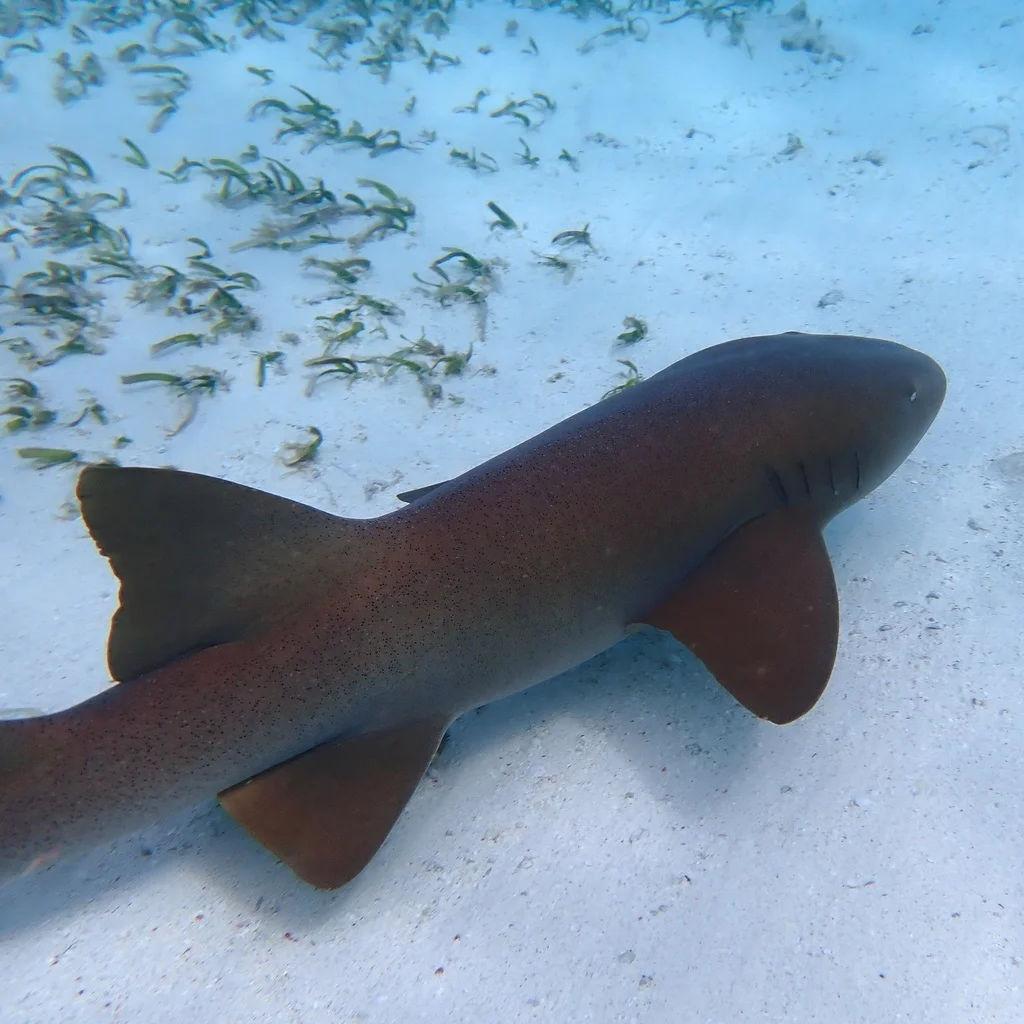
Pimpernel Rock's underwater landscape thrives with a diverse array of marine species, amidst its pinnacles and cavernous structures. Gray nurse sharks are a common sight, often patrolling deeper cave areas or higher up rock walls.
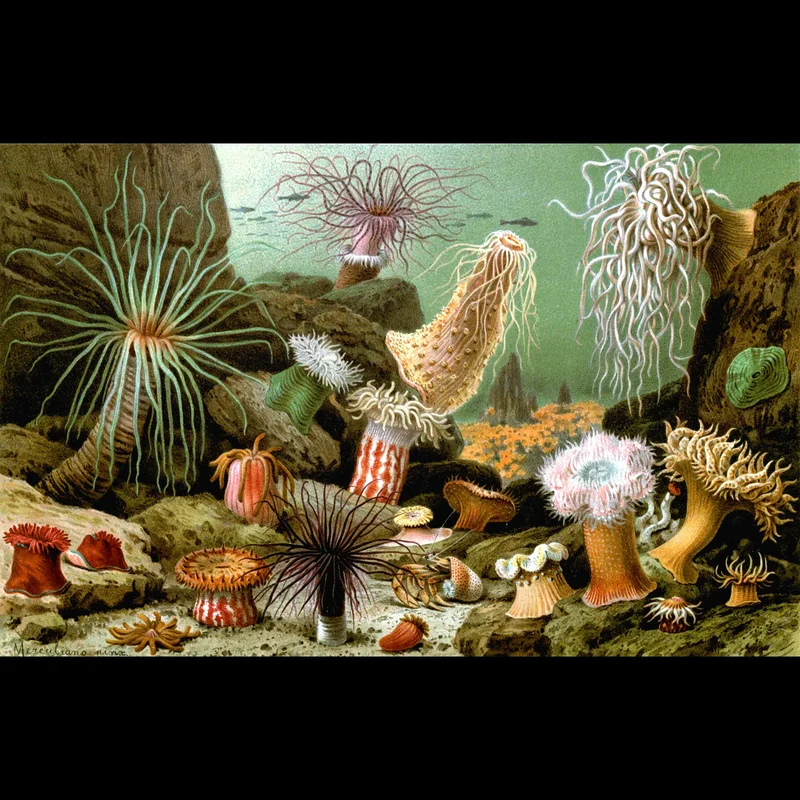
Huge schools of jewfish, yellowtail kingfish, and various tuna species frequently traverse the site, creating dynamic "fish soup" environments. Closer inspection reveals unique deep-water inhabitants: sponge gardens adorn the reef, while sea whips are often covered in numerous tiger or wandering anemones.
Other notable sightings include black cod, mangrove jacks, spangled emperor, and elusive Spanish dancers clinging to cave walls.

Dive Sites Near Pimpernel Rock
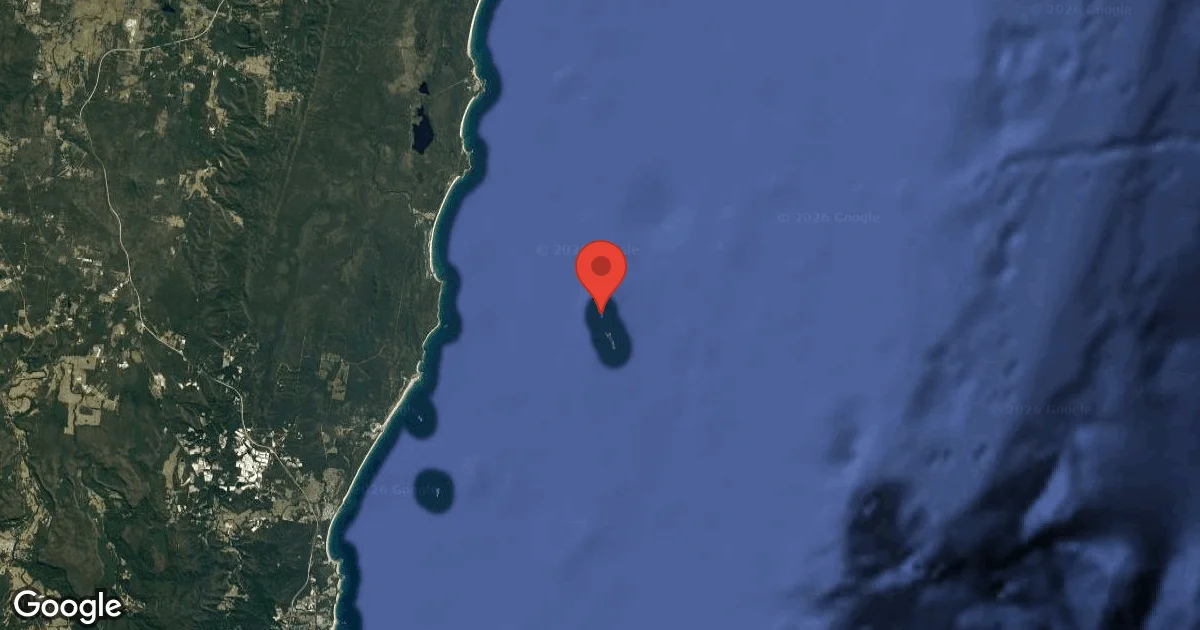
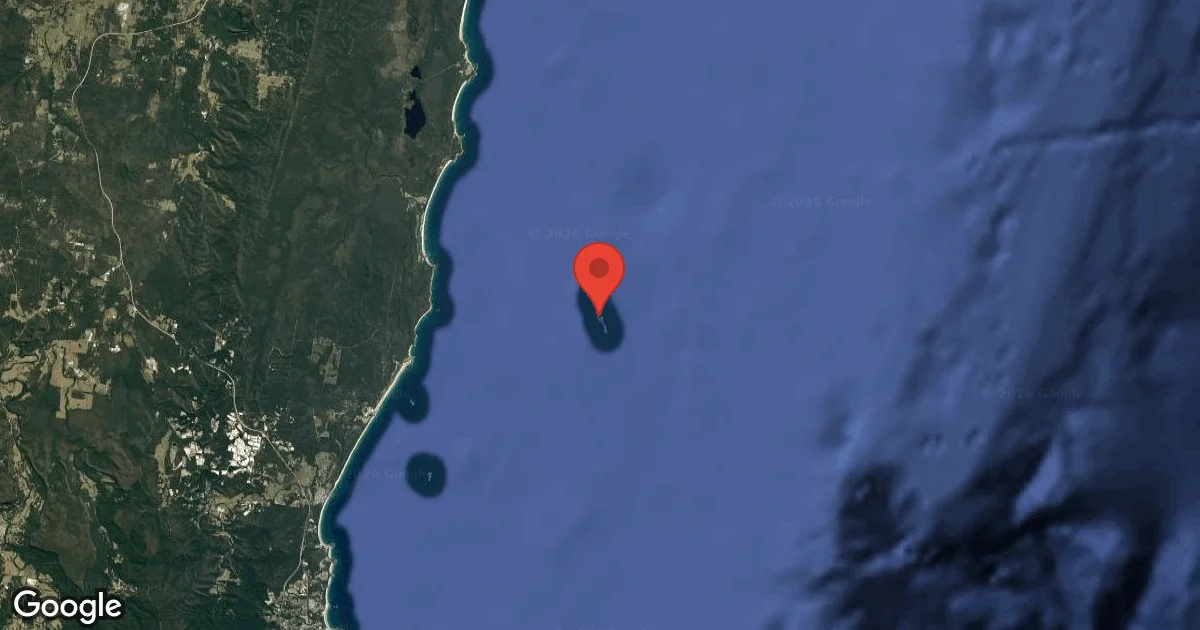
View all dive sites in AustraliaDiscover more underwater gems in this area.
Dive Centers Near Pimpernel Rock
No Dive Centers Local To Pimpernel Rock
Are you a dive center visiting this location? Get listed to reach divers.
Nearest Airports
Nearest airports to help plan travel to this dive area.
Search Flights
Check available flights and routes on Expedia, using the nearby airports listed in this section.
Search Flights on ExpediaFrequently Asked Questions
What is the maximum depth at Pimpernel Rock?
Maximum depth at Pimpernel Rock reaches approximately 40 meters. This deep profile contributes to its status as an advanced dive site.
Is Pimpernel Rock suitable for beginner divers?
No, Pimpernel Rock is strictly recommended for experienced, advanced-certified divers. Its significant depth and strong currents pose challenges unsuitable for beginners.
What kind of marine life can I expect to see?
Divers can expect to see large pelagics like kingfish, jewfish, and tuna, alongside gray nurse sharks. The site also features abundant sponge gardens, sea whips with anemones, and various reef fish.
Are currents a significant factor at this dive site?
Yes, strong and potentially unpredictable currents are a consistent characteristic of Pimpernel Rock. Divers must be proficient in managing these conditions.
How do I access Pimpernel Rock?
Access to Pimpernel Rock is typically via charter boat from Wooli, which often requires a group of at least six divers. It's an offshore site, a considerable distance from the mainland.
What makes Pimpernel Rock a challenging dive?
Challenges stem from its substantial depth, isolated offshore location, and the presence of strong, variable currents. These factors require advanced diving skills and thorough planning.
What are the unique geological features of the site?
Site is primarily known for its two steep pinnacles connected by a massive underwater cavern, about 12 meters high and 15 meters wide. It also features rocky boulders, trenches, and overhangs.
Planning to dive Pimpernel Rock?
Send one inquiry and receive offers directly from the best verified local dive operators.
Conditions are Good
07:00 - 14:00
Optimal conditions expected
Current conditions near Pimpernel Rock show 19° air, 21° sea temperature, 1.5 m waves, and 13 km/h wind. Forecast data is refreshed regularly to ensure accuracy.