
Diving at Tweed River (Australia)
Tweed River is situated as a rare shore diving opportunity near Brisbane, providing accessible diving without boat charters. Its structure includes a rock wall, shallow jetties, and sections suitable for drift diving. This dive site serves as a practical location for building experience or simply enjoying an easy day underwater. You'll find entry and exit points designed to simplify access, especially for those new to river diving.
Evening condition tracking at Tweed River features an air temperature of 18°C. We have recorded wave heights measuring 1 m during this period. These figures outline the environmental parameters currently present.
Dive Site Location & Key Facts
Dive Site Overview
Considering a dive at Tweed River means preparing for an approachable, budget-friendly experience, a contrast to many pricier Australian dive sites. While it might not be a "bucket list" destination, it provides valuable opportunities to hone skills and observe marine life in a riverine environment.
Shallow waters, with depths varying from 5 to 12 m (16 to 39 ft), make it ideal for training or relaxed shore dives. Many divers find value in revisiting after initial dives with poor visibility, often discovering its true pleasure on a day with better clarity. Diving here can be a social outing; non-diving companions can enjoy the nearby park or beach while you explore underwater.
Shore access allows for easy organization and a full day out. Divers should be self-sufficient in planning, as conditions change daily and general tips complement, but don't replace, personal dive plans.
Conditions are Good
07:00 - 14:00
Optimal conditions expected
Current conditions near Tweed River show 18° air, 21° sea temperature, 1.2 m waves, and 21 km/h wind. Forecast data is refreshed regularly to ensure accuracy.
Best Time to Dive
Optimal diving at Tweed River often depends on tidal patterns and recent weather. High tide is generally preferred, as ocean water ingress improves visibility, though clarity rarely exceeds 10 m (33 ft). Slack tide is also recommended for safety due to the river mouth's currents, even though some current will remain, allowing for an easy drift dive. Visibility significantly diminishes if it has rained in the days leading up to a dive. Higher rainfall averages in March (around 11.62 mm) and January (around 5.22 mm) suggest these months might be less predictable for good visibility. Drier months like June (1.27 mm) or September (1.52 mm) could offer better chances for clearer conditions. Air temperatures range from cooler averages of 14.5°C (58°F) in July to warmer averages around 24°C (75°F) in January, influencing comfort levels for surface time. Be mindful of potential time zone differences if traveling from Queensland, as New South Wales observes daylight saving.
PEAK SEASON SCORE
Scores combine air & water temps, waves, wind & rainfall for overall conditions.
BEST MONTHS TO DIVE
Monthly records compiled from satellite and marine observation nodes over the last 3 years. Data provided by Open-Meteo and MET Norway.
Dive Experience & Conditions
Understanding current dynamics is crucial for a smooth dive at Tweed River. This location functions well as a drift dive, especially when commencing from Little Duranbah Beach (avoiding Duranbah Beach itself). By keeping the rock wall to your right, you can effortlessly follow the flow of the river. The corner where the beach meets the river can sometimes present a stronger current, so prepare for that initial push. Slack high tide provides the most manageable conditions, balancing visibility benefits with reduced current intensity. The dive is relatively shallow, typically ranging from 5-12 m (16-39 ft), with an average dive depth often closer to 6-9 m (20-30 ft) when hugging the wall. Visibility, while often a concern, can improve significantly on a good day, particularly after a dry spell and during high tide cycles. Limited available data prevents precise water temperature reporting, but surface conditions mirror typical coastal fluctuations.
Dive Difficulty & Safety Guidelines
Navigating Tweed River requires awareness, though it's not categorized among highly dangerous sites. The river is an active waterway, frequented by boats; therefore, divers must strictly stay close to the side and never surface in the middle of the channel. Contact with the riverbed or rock structures should be minimized.
Stonefish and wobbegong sharks inhabit these areas, presenting potential hazards if divers touch the ground or hold onto rocks. Certain algae can also cause skin irritation.
While diving here, it's advisable to carry a dive torch to inspect cracks and overhangs carefully, where marine life hides. The typical dive is shallow, and experienced divers can often complete a drift dive before reaching 50 bars, potentially allowing for longer bottom times given the site's max depth.
Recommended Equipment
- Dive Computer
- Hard-soled Dive Boots
This gear list is based on verified equipment signals for Tweed River, Australia. Always confirm final gear choices with your dive operator, guide, or liveaboard.
Recommended Dive Suit
Forecast models show minimal temperature variation in the coming days.
Some divers prefer slightly warmer exposure protection simply for additional comfort.
5mm wetsuit usually works well for maintaining comfort during standard dive profiles in these conditions. A hood or vest is suggested for sensitive divers due to surface winds. Surface intervals may feel cooler. The latest environmental readings for Tweed River suggest water temperatures around 21°C (69°F). Surface air temperatures are resting at 18°C (64°F).
Emergency & Medical Support
Essential information to help you plan your dive trip to Tweed River.

Hyperbaric chambers are a critical part of dive safety infrastructure. Availability varies significantly by region, and not all dive areas have immediate access.
Before diving, it's recommended to:
- confirm nearest medical facilities
- check emergency procedures with local dive operators
- ensure dive insurance covers evacuation if required
Divers Alert Network
Diving emergency assistance available through DAN World.
+1-919-684-9111- 24/7 emergency hotline
- Diving medical assistance
- Evacuation coordination
Emergency contacts are provided for reference. Always verify local emergency services before diving.
Marine Life at Tweed River
Exploring the rock wall and its many crevices reveals a variety of marine inhabitants within the Tweed River's underwater landscape. Divers often encounter numerous filefish, a species frequently seen in this region.
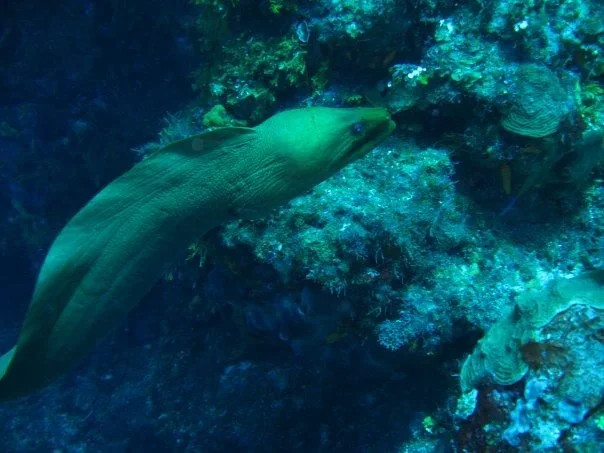
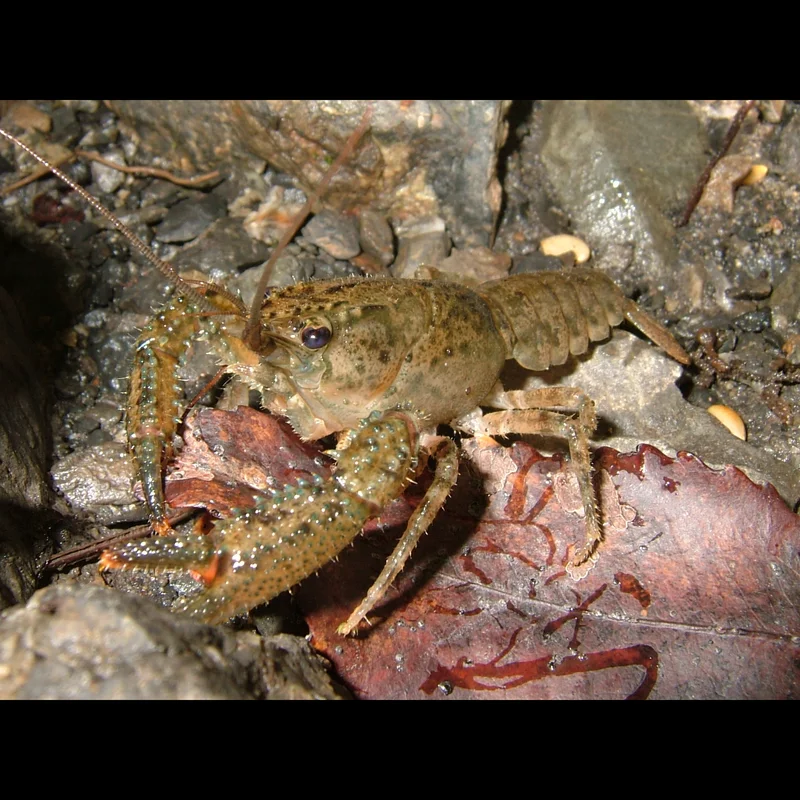
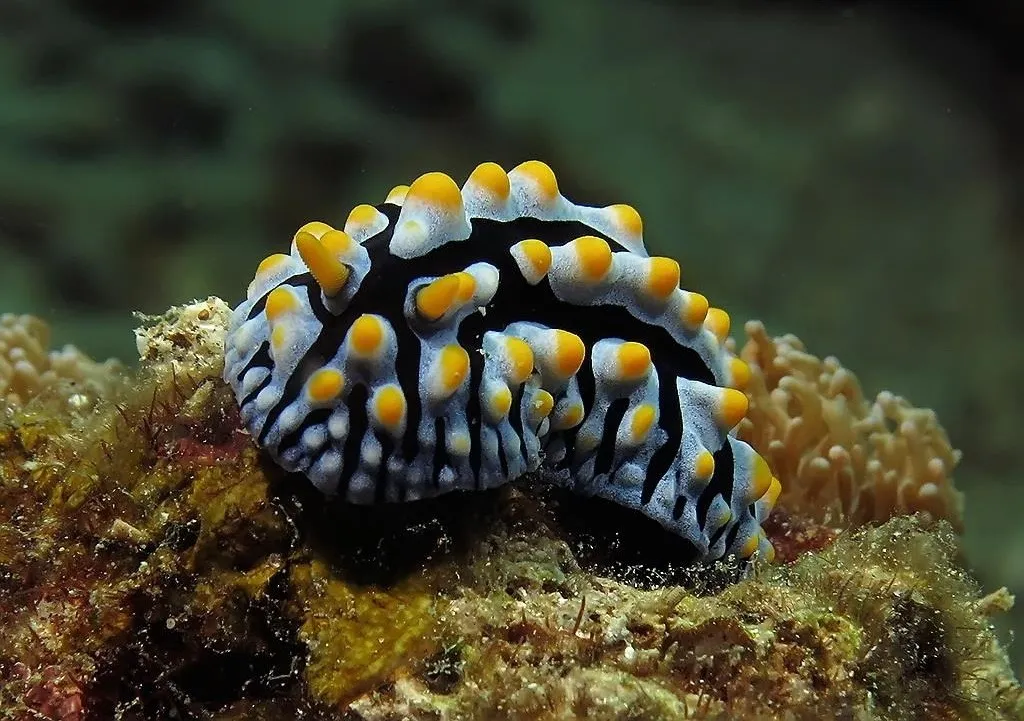
Keep a keen eye out in the cracks and under overhangs, where crayfish, various shrimps, and moray eels typically reside. Nudibranchs and their eggs are common finds, often camouflaged against the rocks.
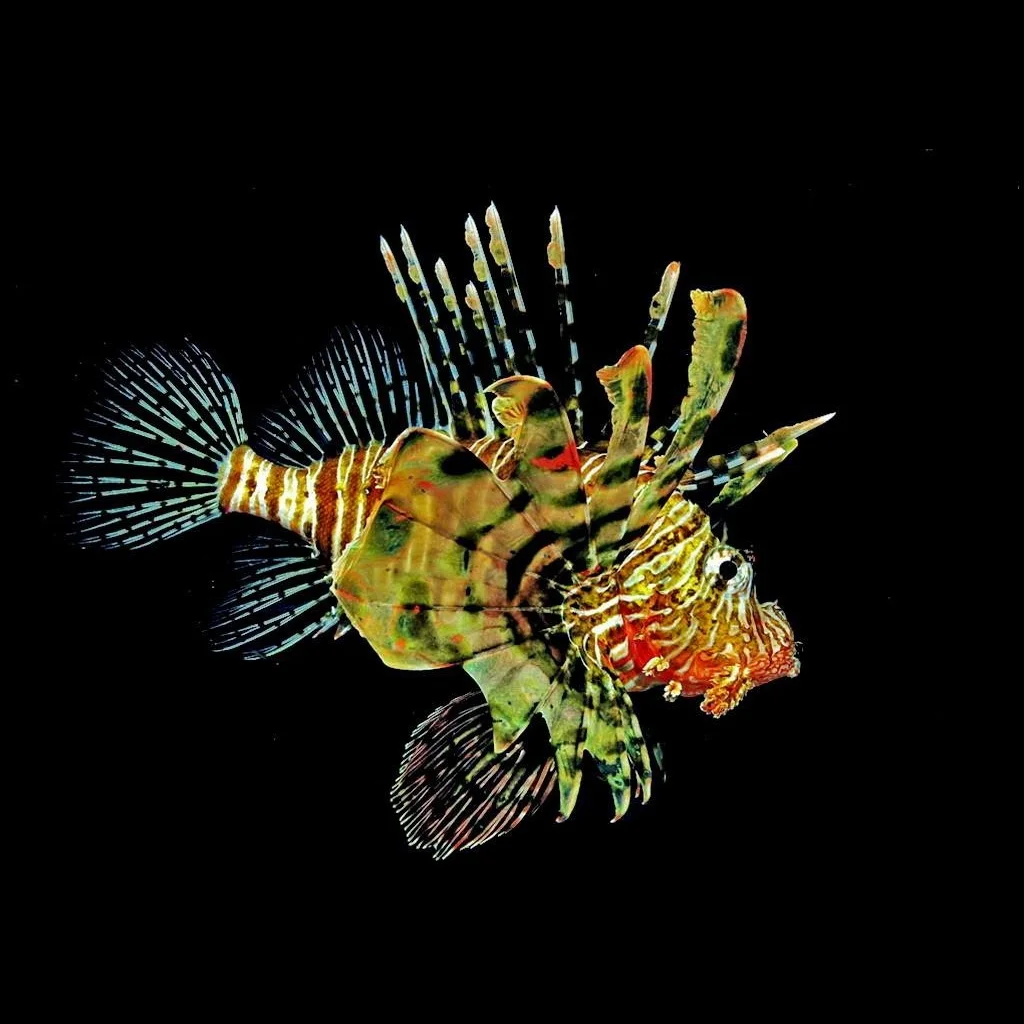
Lionfish are also present. While not guaranteed, an octopus sighting is possible, adding an exciting element to the dive. The presence of these creatures makes exploring the varied textures and small hidings spots of the riverbed and wall rewarding.

Dive Sites Near Tweed River
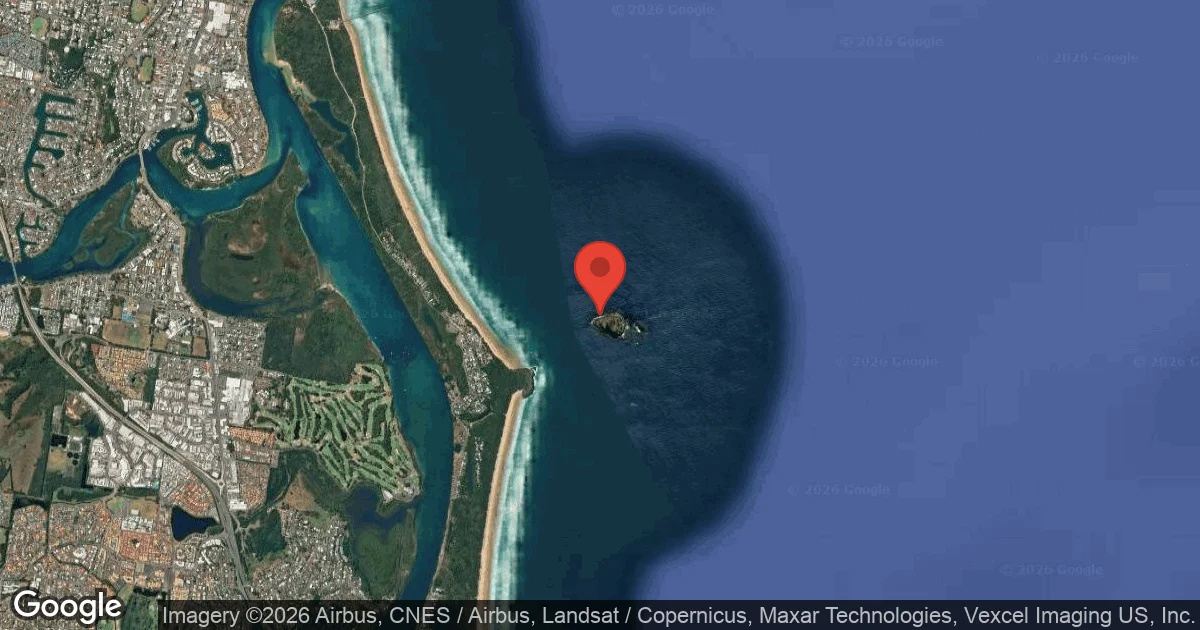
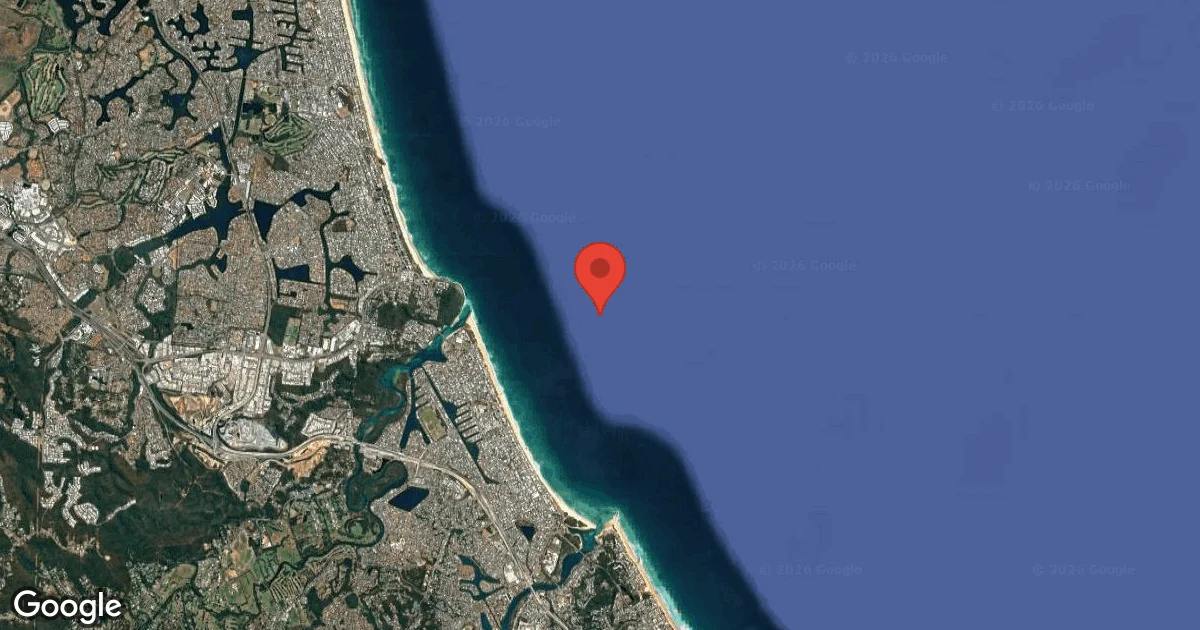
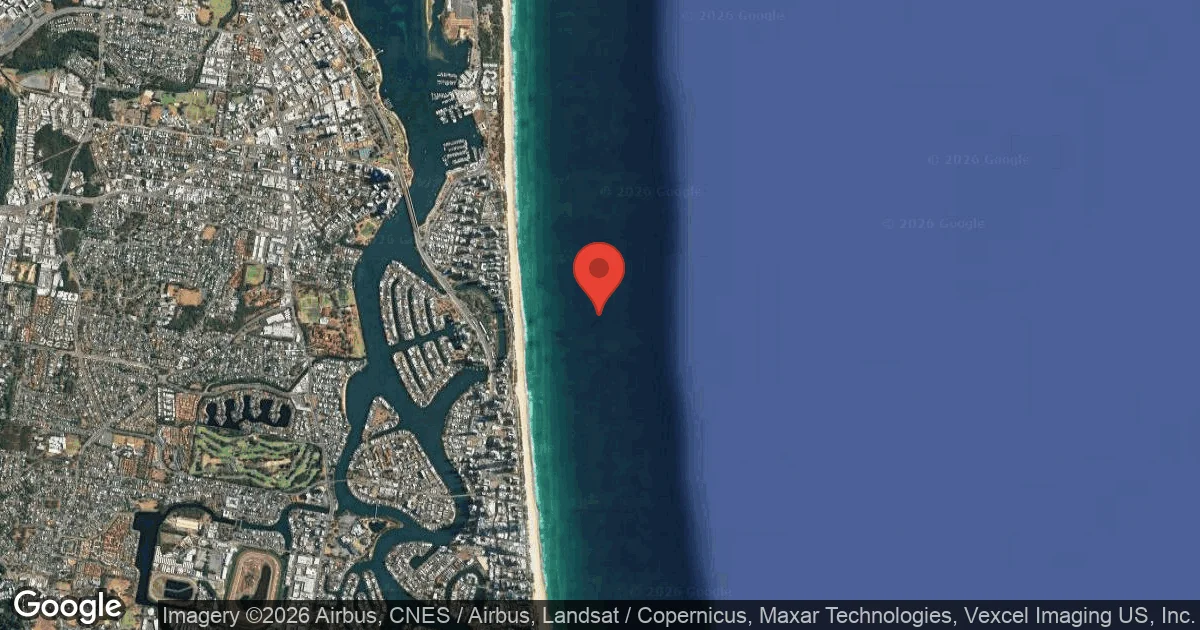
View all dive sites in AustraliaDiscover more underwater gems in this area.
Dive Centers Near Tweed River
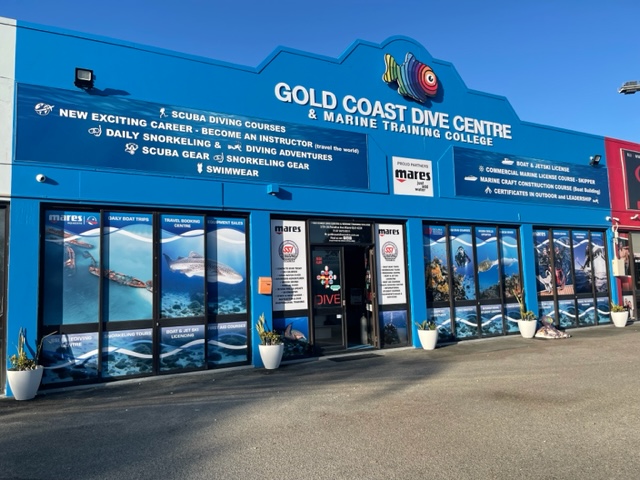
Today: 09:00 - 17:00
Nearest Airports
Nearest airports to help plan travel to this dive area.
Search Flights
Check available flights and routes on Expedia, using the nearby airports listed in this section.
Search Flights on ExpediaFrequently Asked Questions
Is Tweed River suitable for beginner divers?
Yes, Tweed River is considered an easy dive, often used for training PADI Open Water Diver courses. Its shallow depths and shore entry make it a good location for building experience and comfort.
What is the maximum depth at Tweed River?
The maximum depth at Tweed River typically ranges from 5 to 12 m (16 to 39 ft). When diving along the rock wall, the average depth is usually around 6 to 9 m (20 to 30 ft).
How is the visibility in Tweed River?
Visibility in Tweed River can be variable; on a good day, it can be a pleasure to dive, but it's often affected by rain. Don't expect visibility to exceed 10 m (33 ft), and it's best to dive after a few dry days.
Are there currents to be aware of?
Yes, the mouth of the Tweed River is subject to currents. It's advisable to dive at high slack tide to manage these, although some current will usually remain, making it suitable for a drift dive.
What marine life can I expect to see?
You can often spot filefish, crayfish, various shrimps, moray eels, and nudibranchs hiding in the rock wall. Lionfish are also present, and occasionally, divers might encounter an octopus.
Are there any hazards I should know about?
The Tweed River is a busy channel for boats, so always stick to the sides and avoid surfacing in the middle. Stonefish and wobbegong sharks live on the bottom, so avoid touching the ground or rocks.
Is Tweed River a good night diving spot?
Yes, night dives on a high tide are often recommended at Tweed River. The low light can enhance visibility for certain creatures and reveal different behaviors from the daytime.
Planning to dive Tweed River?
Send one inquiry and receive offers directly from the best verified local dive operators.
Conditions are Good
07:00 - 14:00
Optimal conditions expected
Current conditions near Tweed River show 18° air, 21° sea temperature, 1.2 m waves, and 21 km/h wind. Forecast data is refreshed regularly to ensure accuracy.