
Diving at Cook Island (Australia)
Cook Island presents a dynamic underwater landscape, with dive sites typically ranging from 3 meters (10 feet) to 22 meters (72 feet). Its sheltered rocky reefs cater to a broad spectrum of diving experiences, from shallow explorations perfect for beginners to deeper sections appealing to more experienced divers. Water temperatures consistently remain temperate, hovering between 18-26°C / 64-79°F, creating comfortable conditions for year-round diving. It's a versatile destination known for its accessibility and consistent marine encounters.
Evening condition tracking at Cook Island features an air temperature of 20°C. We have recorded wave heights measuring 1.6 m during this period. These figures outline the environmental parameters currently present.
Dive Site Location & Key Facts
Dive Site Overview
Cook Island, also known by the local Indigenous community as Jungarra Ngarrian (Turtle Island), offers a captivating dive experience just off Fingal Head. The site's topography features extensive rocky reefs covered in vibrant corals and sponges, gradually descending from shallow boulder walls to sandy plains punctuated by numerous outcrops.
Divers can explore around a dozen distinct dive sites, with a popular spot being the Northern Ledge, which tumbles down from shallows into deeper sections. Scattered across the reef, parts of the screw steamer Fido, which wrecked in 1907, add historical intrigue to the underwater landscape.
As an Aquatic Reserve since 1998, the area strictly prohibits fishing, contributing to its rich biodiversity. This protection, combined with several public moorings, helps preserve the delicate marine environment.
Access to the island typically involves a 15-20 minute boat ride from the Tweed River or a longer 45-55 minute trip from the Gold Coast Seaway.
Conditions are Good
Optimal conditions expected
Current conditions near Cook Island show 20° air, 21° sea temperature, 1.4 m waves, and 24 km/h wind. Forecast data is refreshed regularly to ensure accuracy.
Best Time to Dive
Visibility at Cook Island often proves superior to dive sites further north, making it a reliable choice for consistent underwater views throughout the year. The site shines brightest for diving during the Australian winter months, specifically June, July, and November, which often register "Good" dive scores. During these periods, average wave heights are typically lower, ranging from 1.3-1.5 meters (4-5 feet), and rainfall is minimal, often below 2 millimeters (0.08 inches). Warmer summer months, particularly December, also offer "Good" conditions. Air temperatures range from 14.5-24°C / 58-75°F, providing comfortable surface conditions, while the water remains a balmy 18-26°C / 64-79°F year-round. While diving is possible across all seasons, conditions during March, with higher average rainfall around 11.6 millimeters (0.46 inches) and wave heights approaching 2 meters (6.5 feet), might present more variable experiences.
PEAK SEASON SCORE
Scores combine air & water temps, waves, wind & rainfall for overall conditions.
BEST MONTHS TO DIVE
Monthly records compiled from satellite and marine observation nodes over the last 3 years. Data provided by Open-Meteo and MET Norway.
Dive Experience & Conditions
The sensory impression of diving at Cook Island is one of consistent comfort and rewarding encounters, largely due to its clear, sheltered waters. The island's exposed rock structure provides reliable protection from swell and wind on opposing sides, creating calmer conditions even when surface weather is challenging. This makes it an all-weather dive site that rarely disappoints. Exploring the rugged rocky terrain is often described as a joy, with its abundant coral and sponge coverage. Waters remain warm throughout the year, never dropping below 18°C / 64°F and reaching up to 26°C / 79°F in summer. While specific current information isn't consistently reported, the protected nature of the site generally implies manageable conditions suitable for various skill levels.
Dive Difficulty & Safety Guidelines
Navigating to Cook Island requires attention to local conditions, particularly when crossing the Tweed Bar, which can pose hazards. A longer boat trip from the Gold Coast Seaway offers a safer alternative if conditions are challenging. Strict guidelines govern the area, designated an Aquatic Reserve since 1998: all fishing is prohibited to safeguard marine biodiversity.
Divers are required to use public moorings, preventing anchor damage to delicate coral and fauna. Recreational access to the exposed island above the high-water mark is also restricted, ensuring protection for nesting seabirds. Observing these regulations is essential for preserving this sanctuary's vibrant ecosystem.
Recommended Equipment
- Dive Computer
- DSMB
This gear list is based on verified equipment signals for Cook Island, Australia. Always confirm final gear choices with your dive operator, guide, or liveaboard.
Recommended Dive Suit
5mm wetsuit is widely used for recreational dives in waters of this temperature. A hood or vest is suggested for sensitive divers due to surface winds. Surface intervals may feel cooler. For divers entering the water at Cook Island, temperatures are currently hovering around 21°C (70°F). Surface air temperatures are resting at 20°C (68°F).
Short-term weather patterns suggest stable conditions for divers visiting the area.
Water temperatures can occasionally shift throughout the day depending on currents and depth layers.
Emergency & Medical Support
Essential information to help you plan your dive trip to Cook Island.

Hyperbaric chambers are a critical part of dive safety infrastructure. Availability varies significantly by region, and not all dive areas have immediate access.
Before diving, it's recommended to:
- confirm nearest medical facilities
- check emergency procedures with local dive operators
- ensure dive insurance covers evacuation if required
Divers Alert Network
Diving emergency assistance available through DAN World.
+1-919-684-9111- 24/7 emergency hotline
- Diving medical assistance
- Evacuation coordination
Emergency contacts are provided for reference. Always verify local emergency services before diving.
Marine Life at Cook Island
Cook Island truly earns its 'Turtle Island' moniker, with encounters with these graceful reptiles being a common sight. Beyond this prominent feature, the site supports a diverse community of both larger marine species and fascinating macro critters.
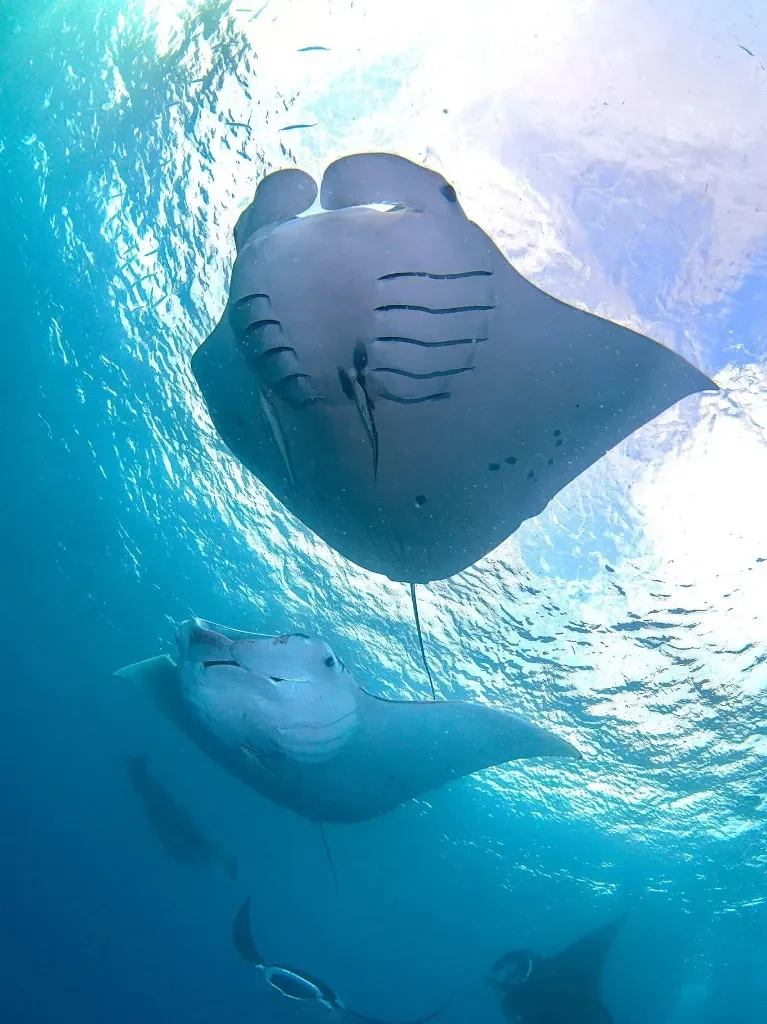
Divers routinely observe wobbegongs, a variety of reef fish, and pelagic visitors. Summer months bring opportunities to spot migrating manta rays and leopard sharks, while grey nurse sharks may appear during winter.
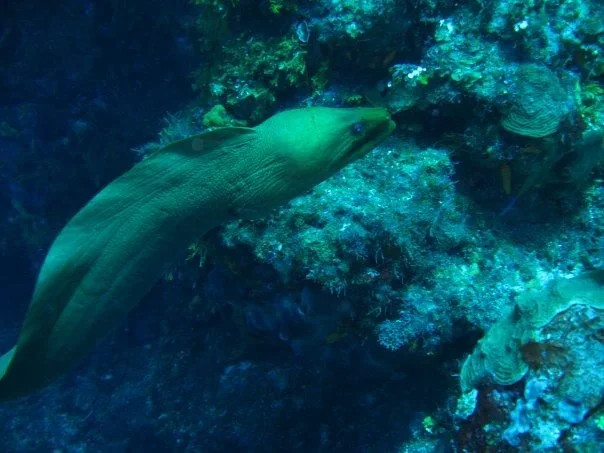
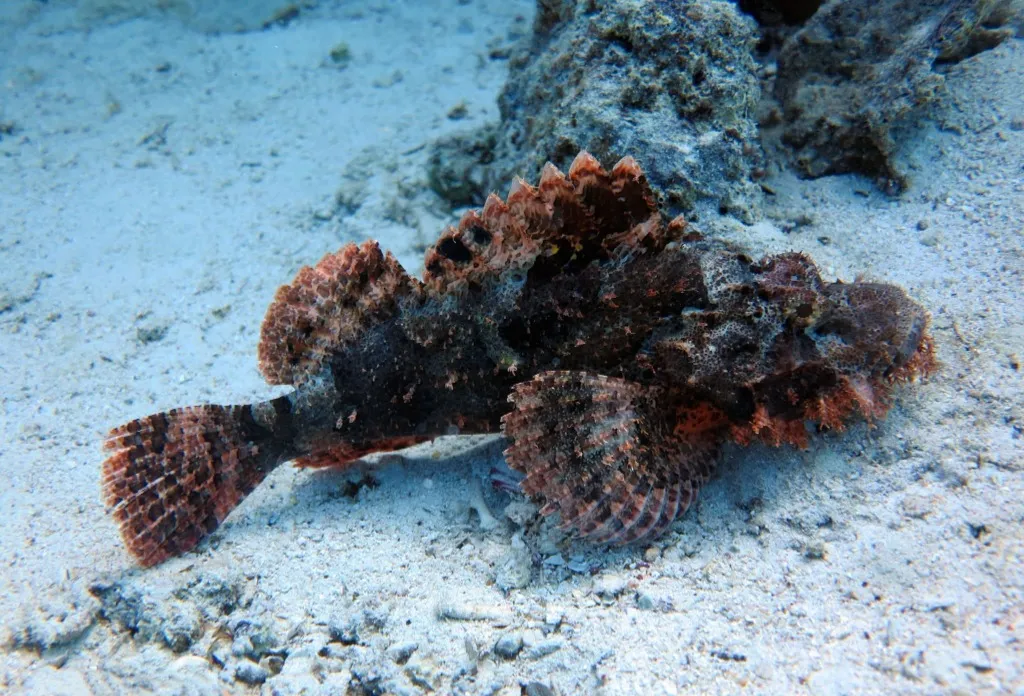
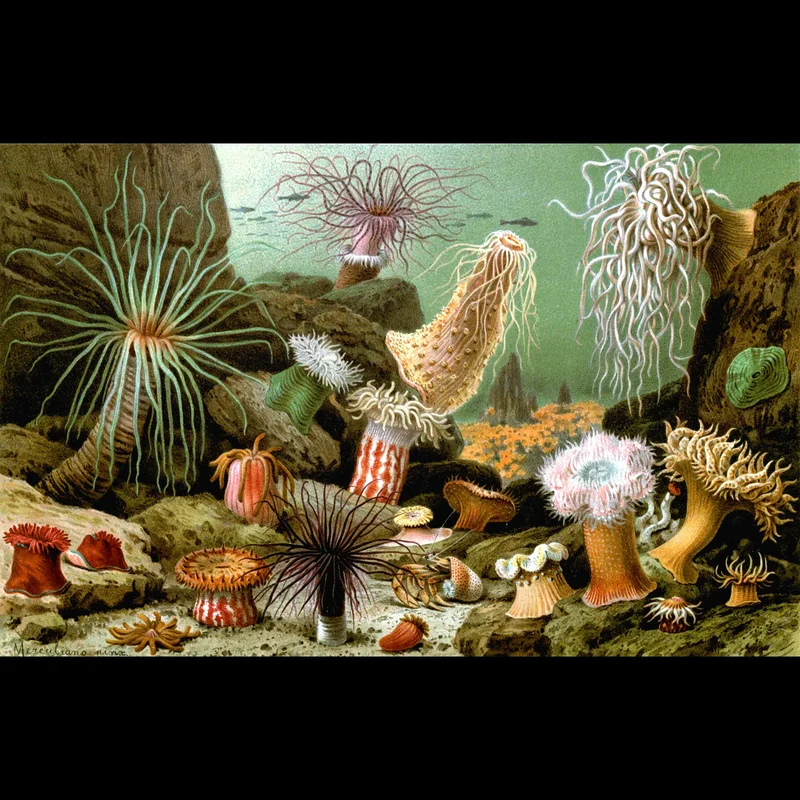
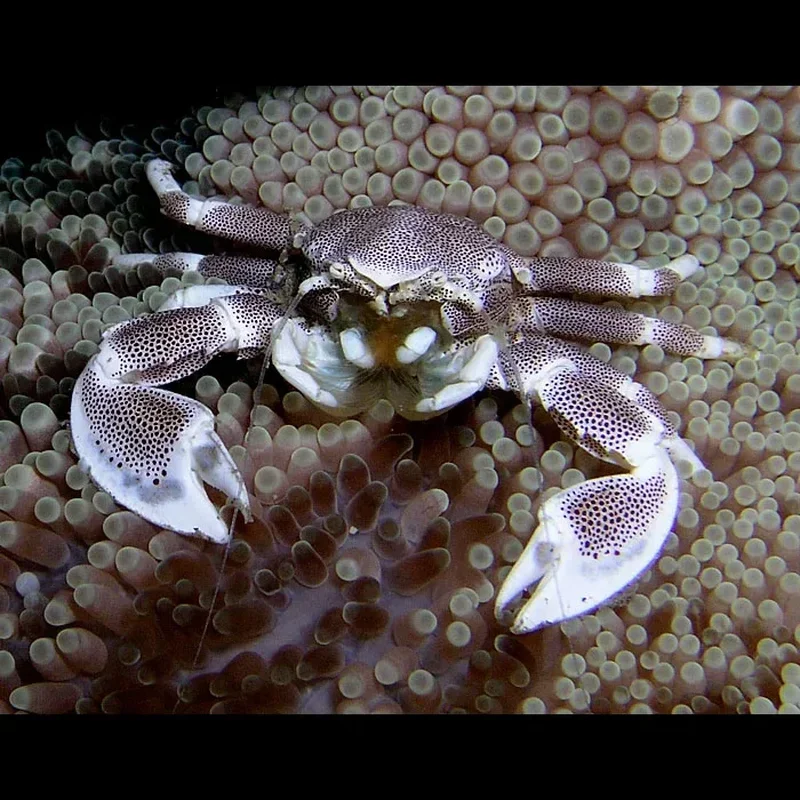
Intricate details emerge upon closer inspection among the boulders: lionfish, scorpionfish, moray eels, octopuses, cuttlefish, and nudibranchs are present, along with anemonefish and porcelain crabs dwelling amongst sea anemones.
Dive Sites Near Cook Island
View all dive sites in AustraliaDiscover more underwater gems in this area.
Dive Centers Near Cook Island
Today: 09:00 - 17:00
Nearest Airports
Nearest airports to help plan travel to this dive area.
Search Flights
Check available flights and routes on Expedia, using the nearby airports listed in this section.
Search Flights on ExpediaFrequently Asked Questions
Where does Cook Island lie, and what's the access like?
Cook Island is off Fingal Head, near the Tweed Coast in New South Wales, Australia. Access is exclusively by boat, typically a 15-20 minute ride from the Tweed River or a 45-55 minute trip from the Gold Coast Seaway.
What are the typical dive depths at Cook Island?
Dive sites around Cook Island vary in depth from approximately 3 m / 10 ft to 22 m / 72 ft. This range accommodates both shallow snorkeling areas and deeper recreational dives.
Is Cook Island suitable for beginner divers?
Yes, Cook Island is an ideal location for divers of all experience levels, including beginners and snorkelers. Its clear, sheltered waters and shallower dive sites provide a welcoming environment.
What kind of marine life can I expect to see?
You can expect to see abundant turtles, wobbegongs, various reef and pelagic fish, nudibranchs, and potentially leopard sharks and manta rays during summer, or grey nurse sharks in winter. The site is known for its diverse tropical and subtropical species.
Why is Cook Island protected, and what are the restrictions?
Cook Island has been an Aquatic Reserve since 1998, protected by law to conserve its biodiversity and fish habitats. All types of fishing are prohibited, and divers must use public moorings to prevent damage to the reef. Recreational use of the island itself is also restricted.
Are there any wrecks at Cook Island?
Yes, parts of the screw steamer Fido, which wrecked in 1907, are scattered across the reef. These remnants add an interesting historical element to the dive experience.
Planning to dive Cook Island?
Send one inquiry and receive offers directly from the best verified local dive operators.
Conditions are Good
Optimal conditions expected
Current conditions near Cook Island show 20° air, 21° sea temperature, 1.4 m waves, and 24 km/h wind. Forecast data is refreshed regularly to ensure accuracy.