
Diving at Wolf Rock (Australia)
Wolf Rock surfaces as two prominent volcanic pinnacles, a natural hazard for early seafarers, situated just 2 km (1.2 miles) off Double Island Point. These outcrops represent the exposed tips of a much larger, complex underwater structure comprising a series of volcanic formations, deep gutters, and gulleys. Essentially, it's an underwater oasis in a predominantly sandy environment before Fraser Island.
Tonight's objective overview for Wolf Rock shows an air temperature of 20.5°C. The measured surface conditions include wave heights around 2.2 m. This environmental data is logged for the close of the day.
Dive Site Location & Key Facts
Dive Site Overview
Diving at Wolf Rock consistently ranks among Australia's most exciting experiences, especially for those seeking encounters with large marine animals. This world-class site serves as a vital aggregation point for marine life along Australia's East Coast, drawing creatures from far and wide to breed, feed, and seek shelter.
The underwater topography, characterized by volcanic pinnacles and a network of deep gutters and gulleys, plunges to depths of 38 m (125 ft), creating a dynamic habitat. Its strategic position off Double Island Point also means strong currents often sweep through, ensuring a well-oxygenated environment that attracts an impressive array of megafauna. Beyond the critically endangered Grey Nurse Sharks, which are a major draw, divers regularly encounter various ray species, turtles, and diverse pelagic and reef fish.
Wolf Rock supports an entire ecosystem, making it a compelling destination for both wide-angle and macro photography.
Conditions are Moderate
High Swell Advisory. Not recommended.
Current conditions near Wolf Rock show 21° air, 22° sea temperature, 2.9 m waves, and 30 km/h wind. Forecast data is refreshed regularly to ensure accuracy.
Best Time to Dive
Planning a dive at Wolf Rock often involves weighing the distinct characteristics of its summer and winter seasons. Winter, typically from June to October, generally brings calmer surface conditions, though taking seasickness tablets is advisable year-round. During these months, average air temperatures range from around 17-22°C (63-72°F), and rainfall is minimal, often less than 2 mm (0.08 inches) in June and September. This period also marks the annual migration of Humpback Whales, offering an opportunity to spot these giants. Conversely, summer, from December to February, sees stronger currents and warmer water temperatures, reaching up to 27°C (81°F) in February, with air temperatures averaging 24-25°C (75-77°F). Rainfall is slightly higher in summer, around 4-6 mm (0.16-0.24 inches) monthly. These warmer, more dynamic conditions are ideal for observing large schools of Eagle Rays and Blotched Fantail Rays, and for higher numbers of Grey Nurse Sharks. Visibility at Wolf Rock is famously unpredictable, averaging 10-15 m (33-49 ft) but capable of rapidly shifting anywhere from 5-50 m (16-164 ft), regardless of the season.
PEAK SEASON SCORE
Scores combine air & water temps, waves, wind & rainfall for overall conditions.
BEST MONTHS TO DIVE
Monthly records compiled from satellite and marine observation nodes over the last 3 years. Data provided by Open-Meteo and MET Norway.
Dive Experience & Conditions
Descending into Wolf Rock's unique underwater landscape immediately reveals its volcanic origins, with multiple pinnacles forming complex systems of ledges and deep gulleys. This site demands a competent level of diving skill, primarily due to the potential for strong currents, significant depths, and highly variable visibility. Water temperatures fluctuate, ranging from a cooler 19°C (66°F) in August to a balmy 27°C (81°F) during the warmer months of February. While not requiring extreme experience, divers should be comfortable managing drifts and navigating in conditions where visibility can change quickly. Typical visibility hovers around 10-15 meters, though it can extend significantly on exceptional days or drop in less favorable conditions. The deeper sections of the site, extending down to 38 m (125 ft), often hold the most concentrated marine activity, requiring careful buoyancy and air management.
Dive Difficulty & Safety Guidelines
Approaching Wolf Rock requires a mindful understanding of its inherent challenges, including strong currents, considerable depth, and potentially unpredictable visibility. Divers should possess a reasonable level of competence and comfort in dynamic underwater environments; local operators prioritize ensuring every diver is adequately prepared to safely enjoy this unique site. Taking seasickness medication is a common recommendation, regardless of the season, due to variable surface conditions.
The site is a critical breeding and gestating ground for Grey Nurse Sharks; therefore, strict adherence to responsible diving practices is paramount to minimize disturbance to these critically endangered animals. Always maintain a respectful distance from all marine life, and follow your dive guide's instructions closely, as they possess invaluable knowledge of local conditions and wildlife behavior.
Recommended Equipment
- Dive Computer
This gear list is based on verified equipment signals for Wolf Rock, Australia. Always confirm final gear choices with your dive operator, guide, or liveaboard.
Recommended Dive Suit
The coming days appear slightly cooler according to the latest forecast. Cooler days are ahead; you might want a warmer option for later in the week. A hood or vest can noticeably improve warmth during longer dives.
Divers who prefer a balanced level of warmth often select 3-5mm wetsuit in water temperatures like this. Consider warmer surface protection (like a boat coat) due to brisk winds. Surface intervals may feel cooler.
Current dive conditions indicate that water temperatures around Wolf Rock are sitting at roughly 22°C (71°F). Surface air temperatures are resting at 21°C (69°F).
Emergency & Medical Support
Essential information to help you plan your dive trip to Wolf Rock.

Hyperbaric chambers are a critical part of dive safety infrastructure. Availability varies significantly by region, and not all dive areas have immediate access.
Before diving, it's recommended to:
- confirm nearest medical facilities
- check emergency procedures with local dive operators
- ensure dive insurance covers evacuation if required
Divers Alert Network
Diving emergency assistance available through DAN World.
+1-919-684-9111- 24/7 emergency hotline
- Diving medical assistance
- Evacuation coordination
Emergency contacts are provided for reference. Always verify local emergency services before diving.
Marine Life at Wolf Rock
Wolf Rock's dramatic volcanic pinnacles and deep gutters attract a remarkable array of marine life. Its primary draw remains the critically endangered Grey Nurse Sharks, a constant presence year-round, with numbers peaking from December to July.
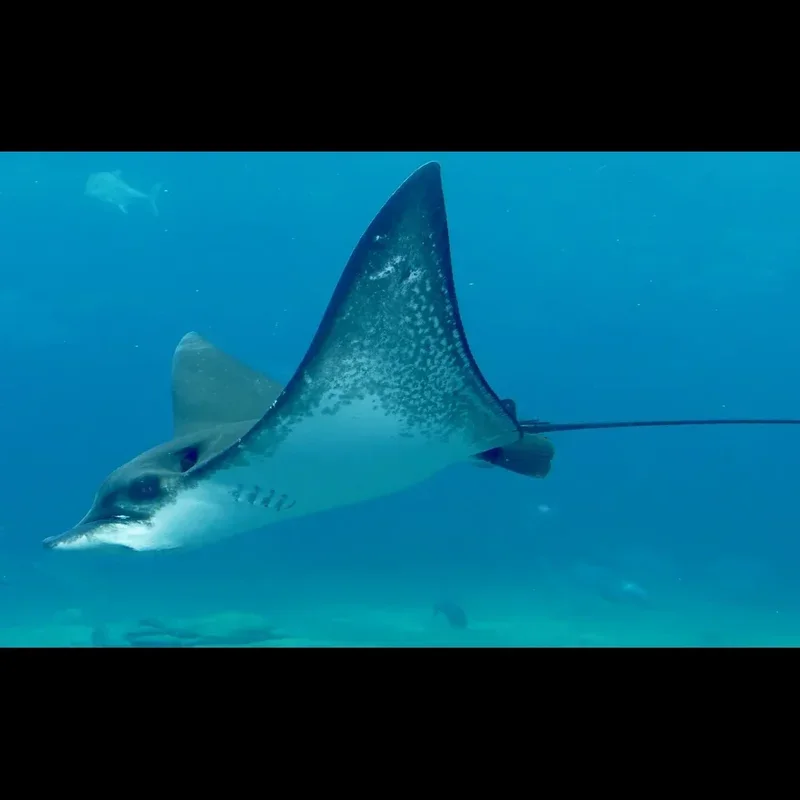
Beyond these iconic sharks, divers regularly encounter various ray species. Large schools of Eagle Rays are common between August and February, while Blotched Fantail Rays aggregate throughout summer.
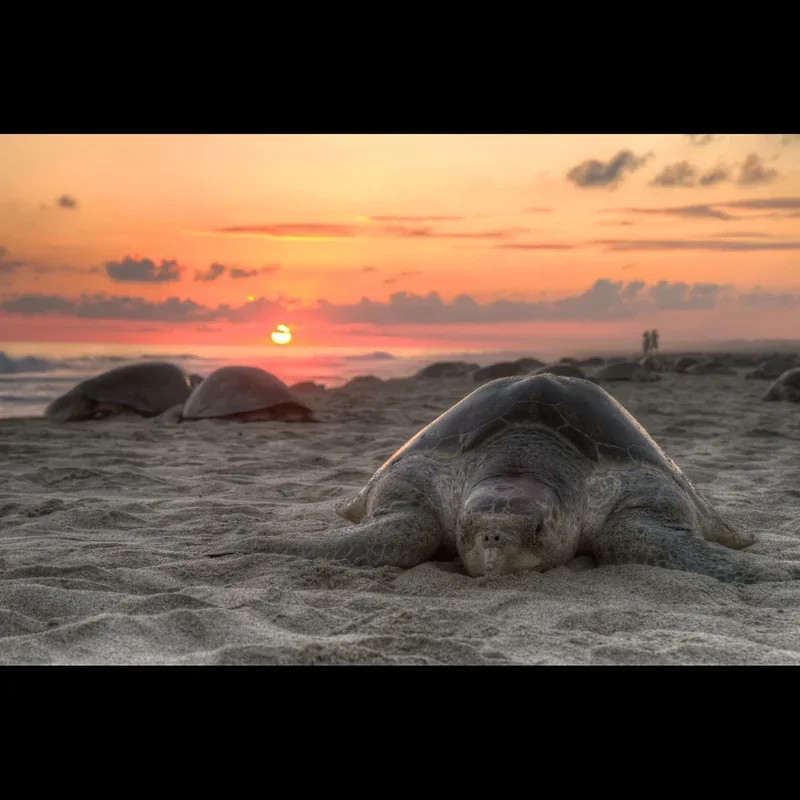
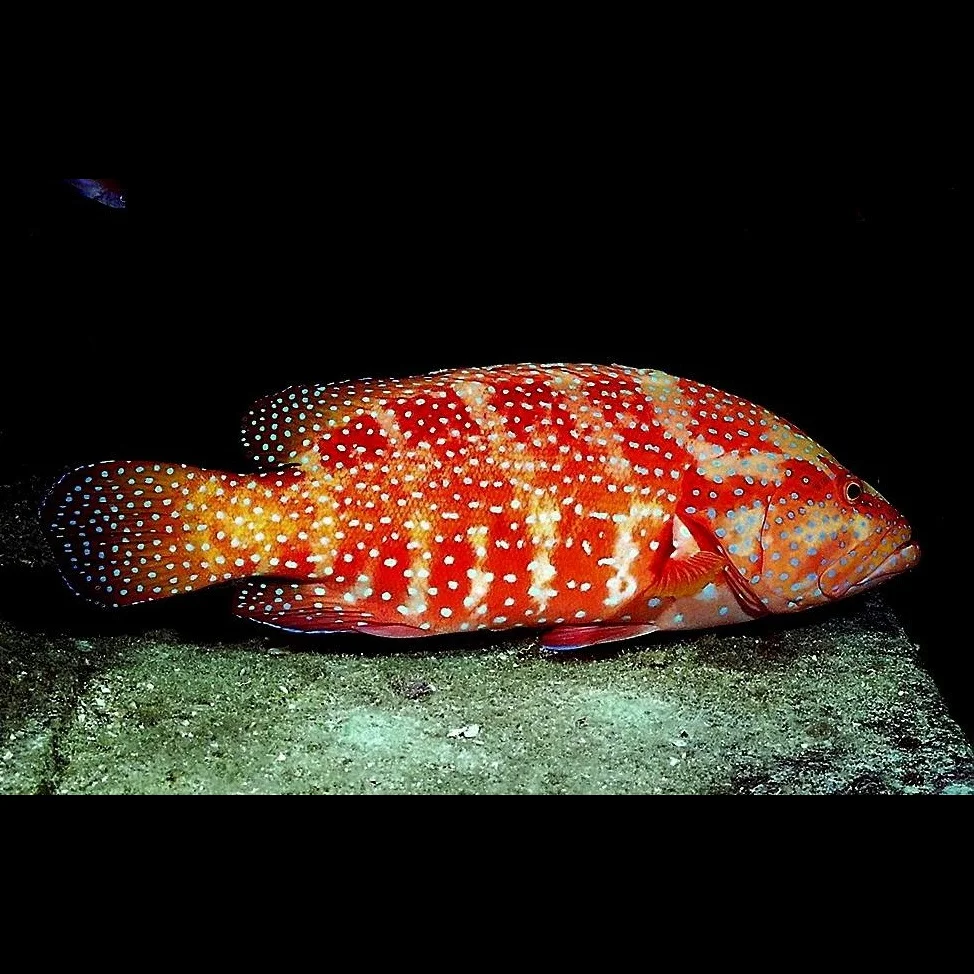
Queensland Groupers reside here year-round, often forming an aggregation during the November full moon. Three different species of sea turtle are frequently seen, enriching the site's biodiversity. Seasonally, Humpback Whales migrate past between June and October.
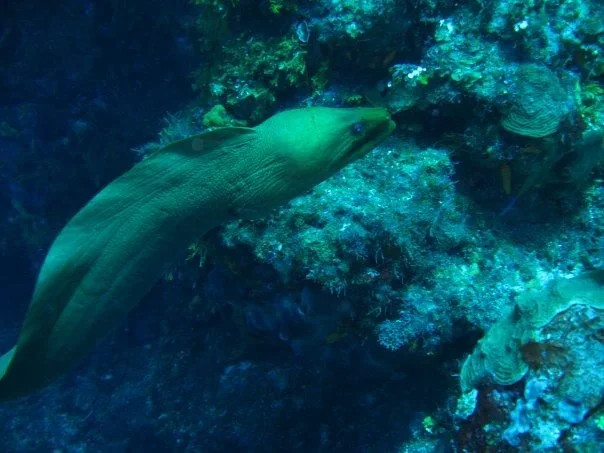
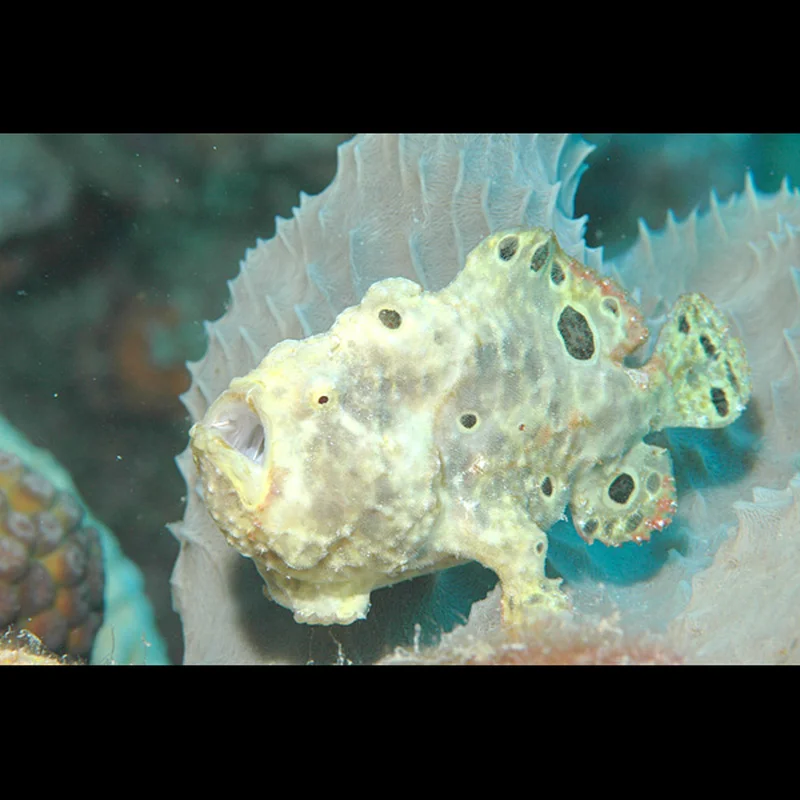
Leopard Sharks appear daily from November to March, and Reef Manta Rays visit for cleaning from March to October, sighted on roughly half of dives. For macro enthusiasts, the reef structures host Moray Eels, Nudibranchs, Frogfish, Octopus, and Olive Sea Snakes.
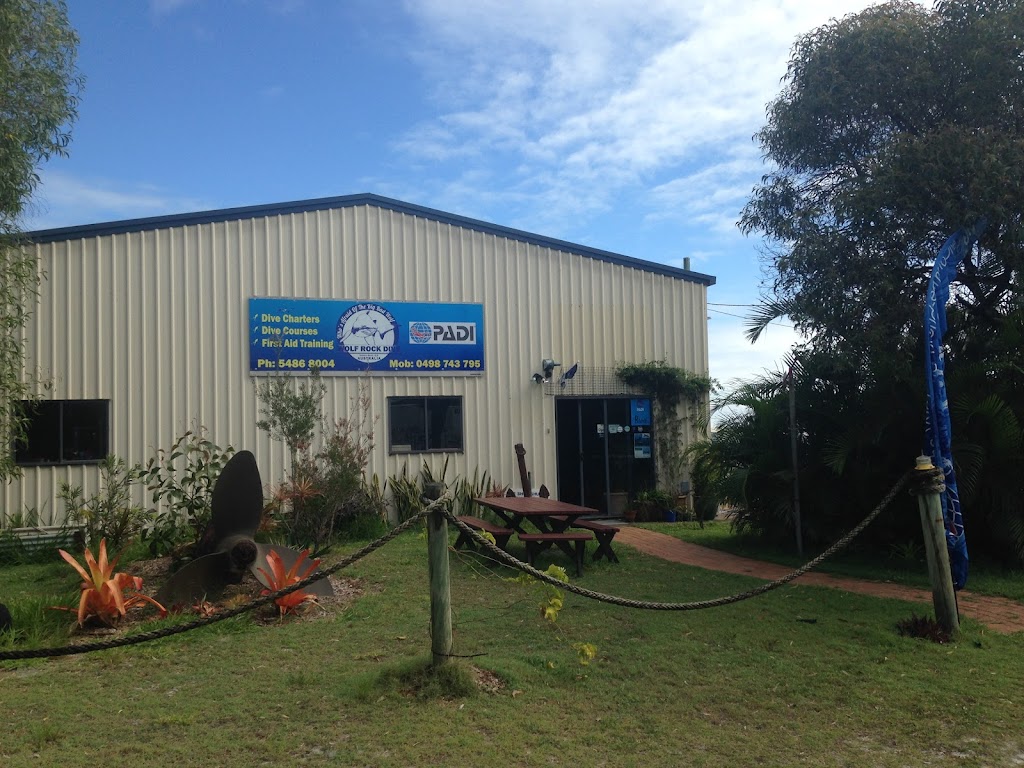
Dive Centers Near Wolf Rock
Nearest Airports
Nearest airports to help plan travel to this dive area.
Search Flights
Check available flights and routes on Expedia, using the nearby airports listed in this section.
Search Flights on ExpediaFrequently Asked Questions
What makes Wolf Rock a world-class dive site?
Wolf Rock is consistently rated as a world-class dive site primarily due to its significant population of critically endangered Grey Nurse Sharks. It also serves as a vital aggregation point for a wide array of other large marine animals, including various rays and turtles, in a unique volcanic underwater landscape.
What are the typical dive conditions at Wolf Rock?
Conditions can be challenging, characterized by strong currents and visibility that averages 10-15 meters but can range significantly depending on conditions. Depths extend to the site's maximum of 38 meters. Water temperatures vary seasonally, from a cooler 19°C (66°F) in winter to a warmer 27°C (81°F) in summer.
Is Wolf Rock suitable for beginner divers?
Wolf Rock is considered a challenging site due to depth, currents, and variable visibility. While you don't need to be highly experienced, you should be a reasonably competent diver comfortable with these conditions. Local dive operators pride themselves on ensuring divers are well-prepared.
When is the best time to see Grey Nurse Sharks?
Grey Nurse Sharks are resident at Wolf Rock and can be seen throughout the entire year, as it is a breeding and gestating site for them. Greater numbers are typically observed between December and July.
Can I see Humpback Whales while diving at Wolf Rock?
Humpback Whales migrate to the warmer Australian coastal waters between June and October. While you may spot them from the boat, lucky divers might even see them swim past underwater during their dive.
What other megafauna can be seen at Wolf Rock?
Beyond Grey Nurse Sharks and Humpback Whales, divers frequently encounter large schools of Eagle Rays (August-February), Blotched Fantail Rays (summer), Leopard Sharks (November-March), and occasional Reef Manta Rays (March-October). Queensland Groupers are also year-round residents.
Planning to dive Wolf Rock?
Send one inquiry and receive offers directly from the best verified local dive operators.
Conditions are Moderate
High Swell Advisory. Not recommended.
Current conditions near Wolf Rock show 21° air, 22° sea temperature, 2.9 m waves, and 30 km/h wind. Forecast data is refreshed regularly to ensure accuracy.