
Diving at Herring Cove (Canada)
Beneath the surface at Herring Cove, Nova Scotia, divers encounter an engaging underwater landscape characterized by a gentle slope. This site combines expansive sandy areas with distinct rocky shorelines, providing varied exploration. Patches of lush eelgrass and swaying kelp forests add structure, creating a dynamic environment that caters to different interests. It's a shore dive that immediately reveals a mix of bottom types.
Evening condition tracking at Herring Cove features an air temperature of 15.5°C. We have recorded wave heights measuring 0.8 m during this period. These figures outline the environmental parameters currently present.
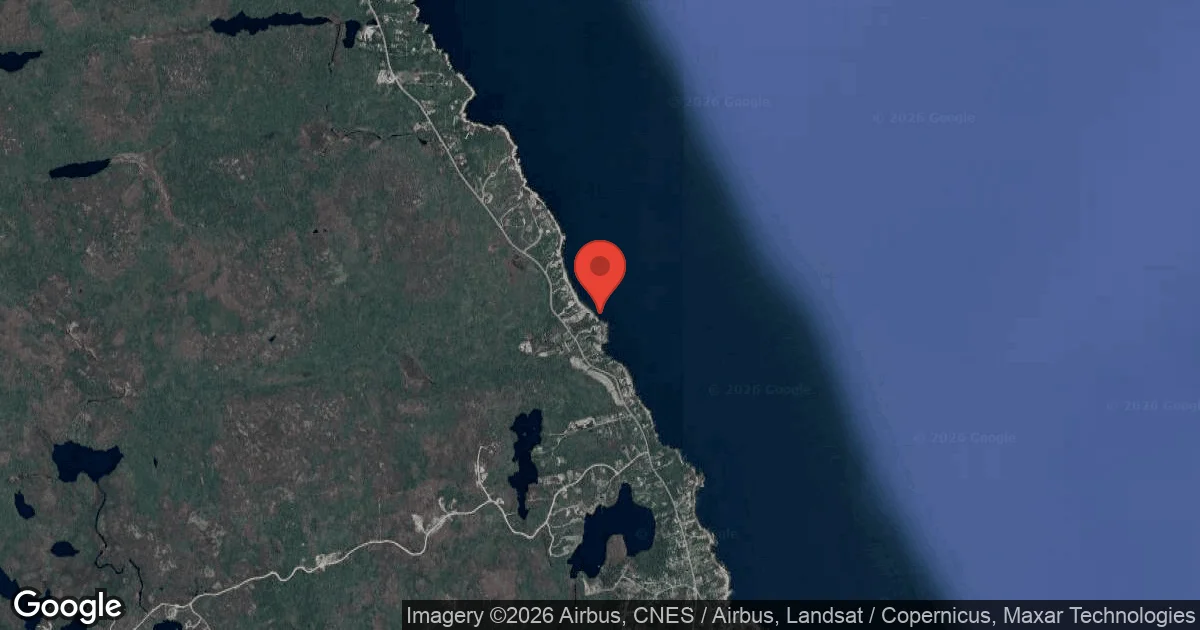
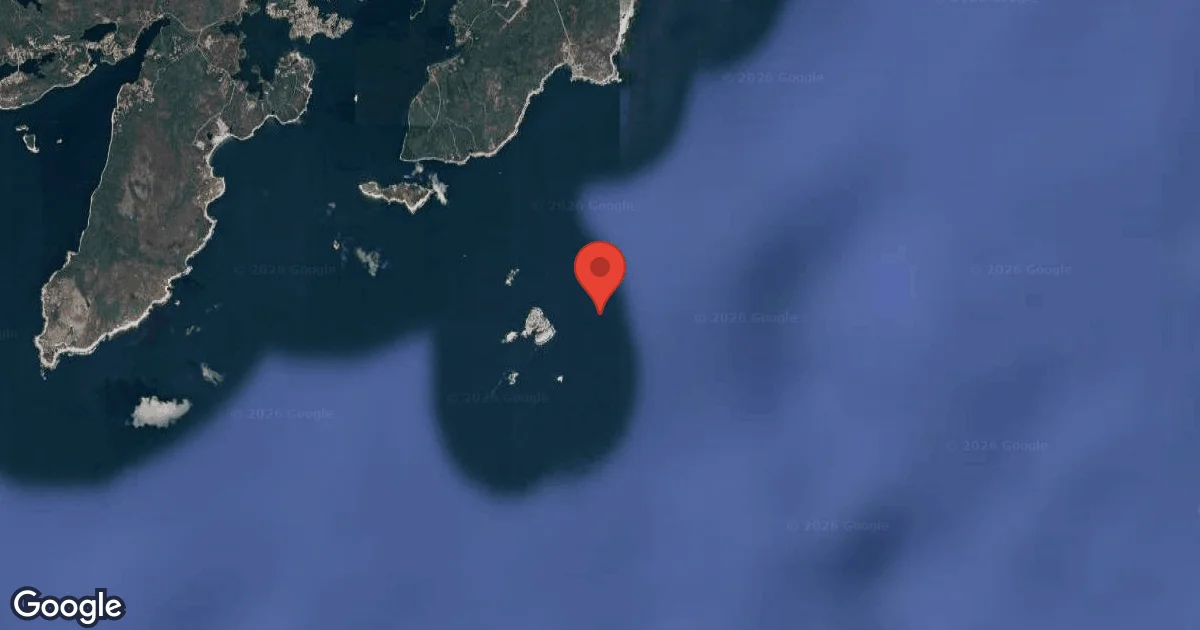
Dive Site Location & Key Facts
Dive Site Overview
Herring Cove offers a welcoming experience for divers of various certification levels, from novice to intermediate, thanks to its generally protected nature from weather. Underwater, a gradual descent over predominantly sandy bottom transitions into rocky sections and areas dense with kelp and eelgrass.
Depths typically range from 3 m (9.8 ft) to 16 m (52 ft), making much of the site accessible for extended bottom times. For those seeking deeper exploration, navigating towards the point of the island can lead to drops exceeding 18 m (60 ft), though this is often easier during lower tides. The site's diverse terrain, featuring rock, sand, and kelp, supports a variety of marine life suitable for easy photography.
Accessibility is a major draw, providing a straightforward shore entry and exit, making it a popular choice among local dive communities.
Conditions are Good
07:00 - 14:00
Optimal conditions expected
Current conditions near Herring Cove show 16° air, 17° sea temperature, 0.9 m waves, and 24 km/h wind. Forecast data is refreshed regularly to ensure accuracy.
Best Time to Dive
For optimal visibility and more comfortable conditions, consider diving Herring Cove between May and September, which consistently rates as a 'Good' period for diving. During these months, water temperatures typically warm to 12–18°C (54-64°F), making for a more pleasant experience. Air temperatures also climb, averaging around 10°C (50°F) in May and reaching nearly 20°C (68°F) in July, reducing the chill associated with gearing up. While rain can occur, average monthly rainfall during this peak season remains moderate, generally between 2.8 and 6.2 mm (0.11-0.24 inches), which is less likely to significantly impact water clarity. Visibility, reported to range between 5 and 15 meters, tends to be at its best during calmer summer days when waves are typically lower.
PEAK SEASON SCORE
Scores combine air & water temps, waves, wind & rainfall for overall conditions.
BEST MONTHS TO DIVE
Monthly records compiled from satellite and marine observation nodes over the last 3 years. Data provided by Open-Meteo and MET Norway.
Dive Experience & Conditions
Approaching the site, divers will find an easy shore entry into Indian Cove, characterized by a gently sloping rocky expanse right next to the parking area. This entry area consists of smaller rocks and crushed stone, interspersed with larger boulders, which requires careful footing while carrying gear. Once submerged, divers can expect generally mild currents and a moderate surge, depending on recent weather patterns. Visibility often ranges from 5 to 15 meters, although this can vary significantly with tidal flows and recent precipitation. Water temperatures fluctuate, hovering between 2–6°C (36-43°F) in winter and warming to 12–18°C (54-64°F) during the summer months. Overall, the site's protective natural setting often mitigates severe weather impacts.
Dive Difficulty & Safety Guidelines
When diving Herring Cove, managing the moderate surge and potentially colder water temperatures are key considerations for diver safety. Planning your dive around tidal conditions can help mitigate surge impacts, particularly near the deeper points of the island. While the entry is straightforward, the uneven, rocky entry point requires attention to footing to prevent slips, especially when carrying heavy equipment.
Be mindful that no restroom facilities are available on-site, necessitating prior planning. Additionally, this area is an active walking trail used by locals; divers should always be respectful of parking etiquette and local residents.
Regularly checking local conditions before diving is advisable to anticipate any changes in currents or visibility.
Recommended Equipment
- Dive Computer
This gear list is based on verified equipment signals for Herring Cove, Canada. Always confirm final gear choices with your dive operator, guide, or liveaboard.
Recommended Dive Suit
For dives of average duration, 5-7mm wetsuit usually provides sufficient protection from heat loss. A hood or vest is suggested for sensitive divers due to surface winds. A thermal robe or jacket is recommended between dives.
Divers planning a dive at Herring Cove today will likely encounter water temperatures close to 17°C (62°F). Surface air temperatures are resting at 16°C (60°F).
Weather models indicate a small drop in surface temperatures later this week. Cooler days are ahead; you might want a warmer option for later in the week. Having a second exposure option available is often a good precaution.
Emergency & Medical Support
Essential information to help you plan your dive trip to Herring Cove.

Hyperbaric chambers are a critical part of dive safety infrastructure. Availability varies significantly by region, and not all dive areas have immediate access.
Before diving, it's recommended to:
- confirm nearest medical facilities
- check emergency procedures with local dive operators
- ensure dive insurance covers evacuation if required
Divers Alert Network
Diving emergency assistance available through DAN World.
+1-919-684-9111- 24/7 emergency hotline
- Diving medical assistance
- Evacuation coordination
Emergency contacts are provided for reference. Always verify local emergency services before diving.
Marine Life at Herring Cove
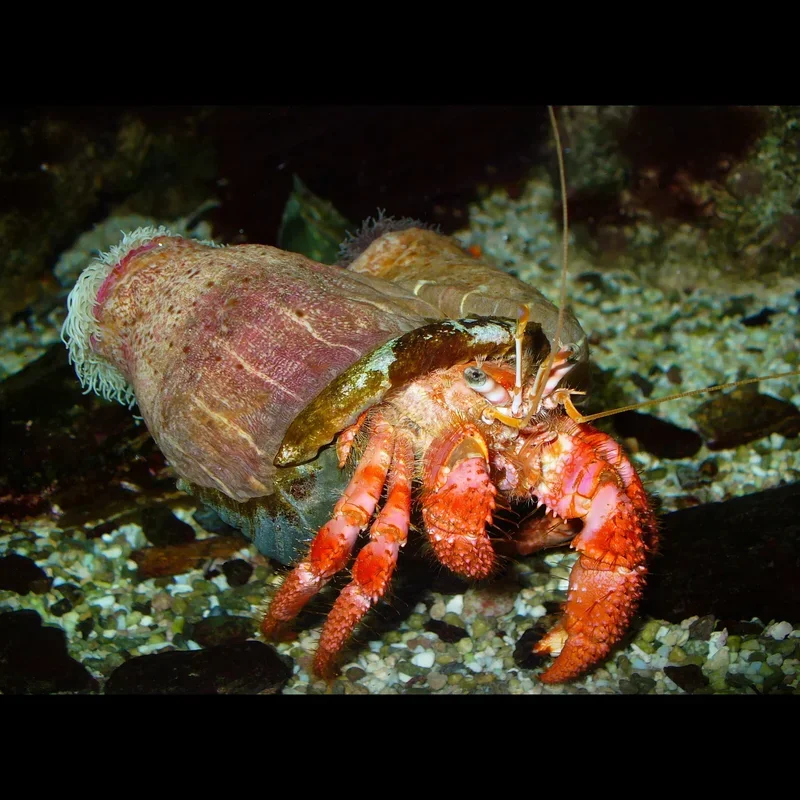
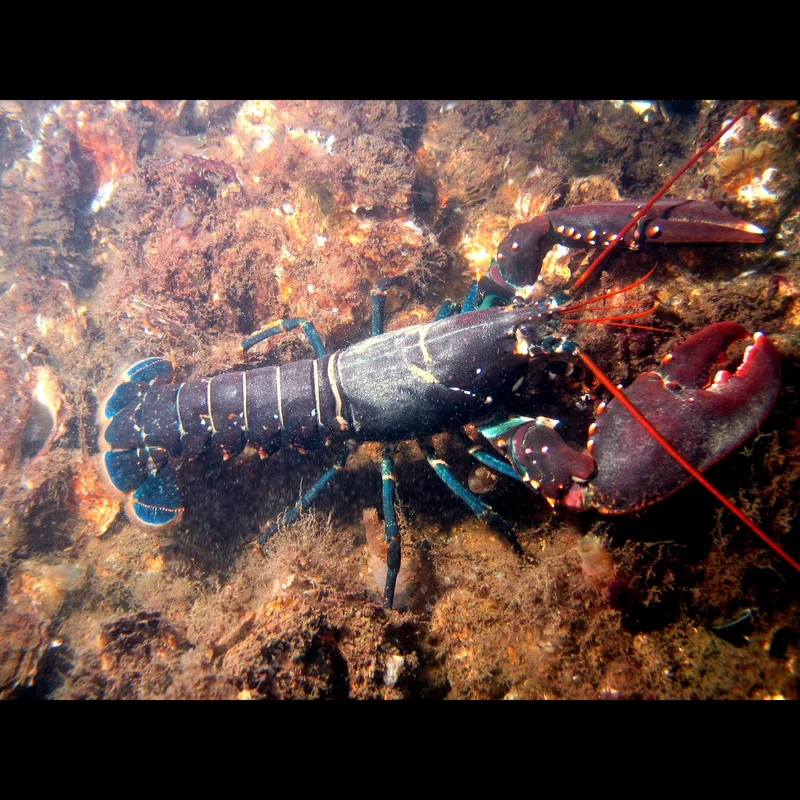
Beneath the mixed bottom types of Herring Cove, divers frequently encounter a variety of resilient marine life. Common sightings include lobsters and various crabs, often found sheltering within the rocky reefs and kelp forests.
Flounder are regularly spotted camouflaged against the sandy bottom, while sea ravens add another interesting fish species to observe. Divers might also spot hermit crabs scuttling across the seabed and numerous sand dollars embedded in the sediment.
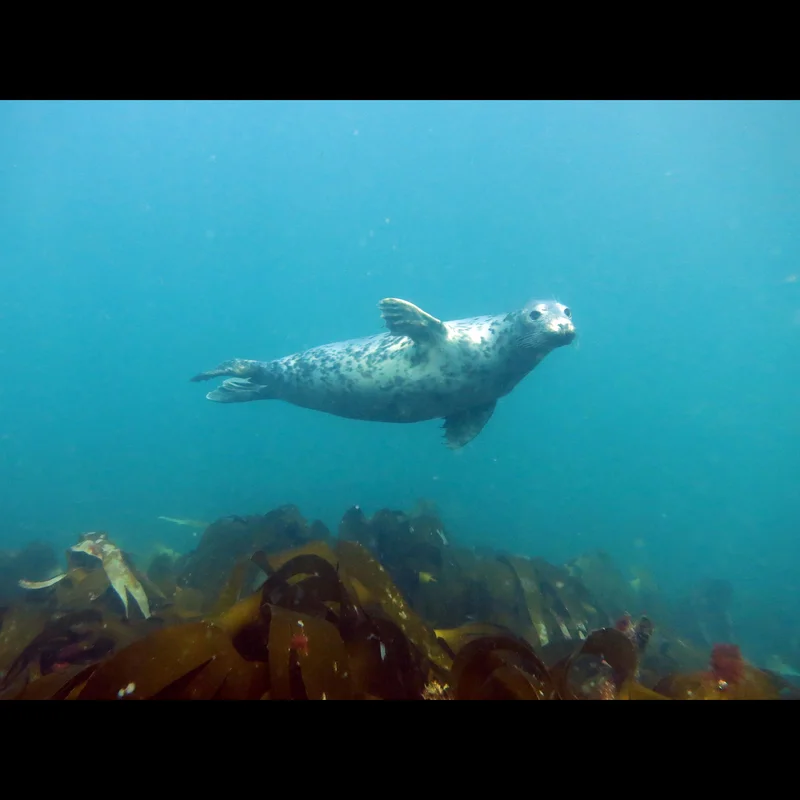
Occasionally, an inquisitive seal might make an appearance, adding a special moment to the dive within the diverse underwater environment.

Dive Sites Near Herring Cove
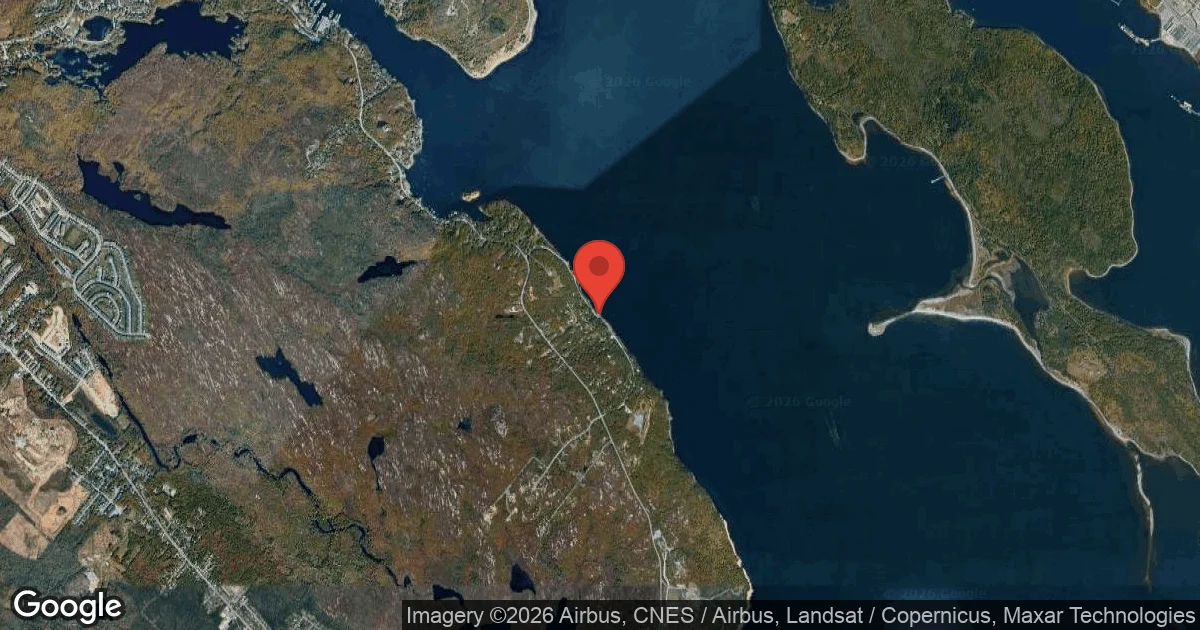
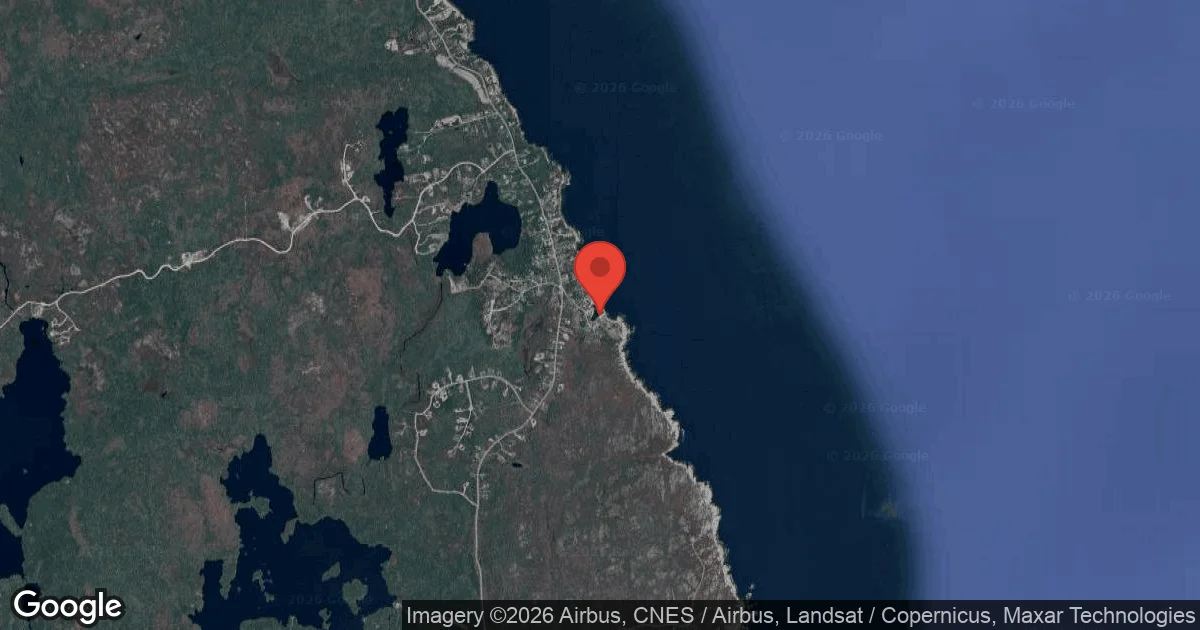
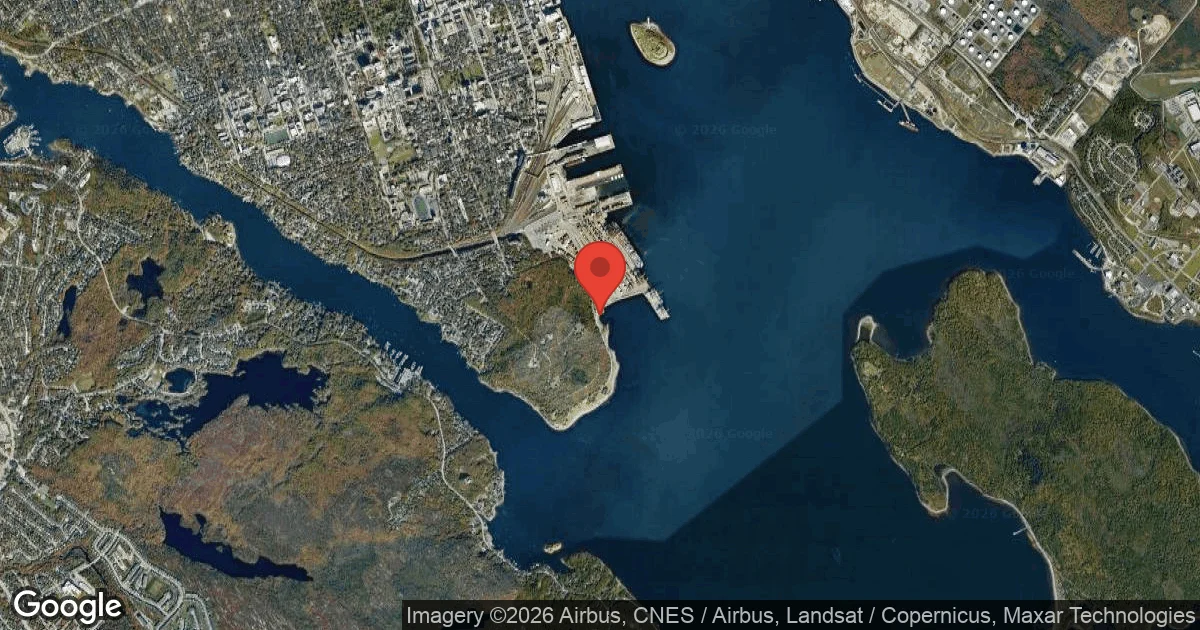
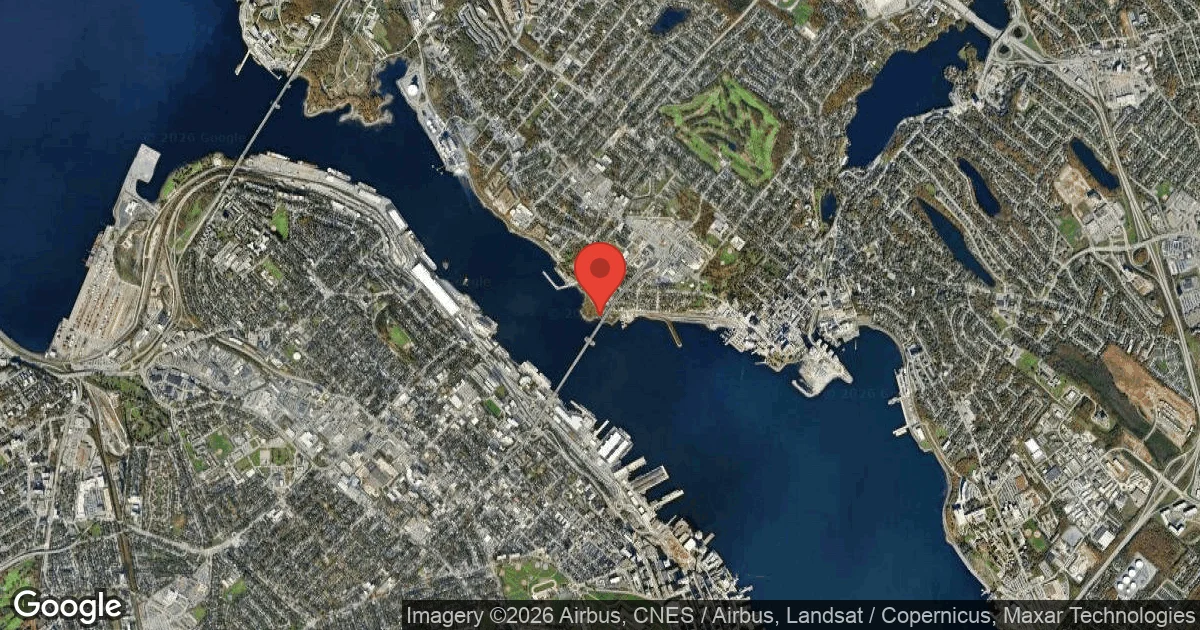
View all dive sites in CanadaDiscover more underwater gems in this area.
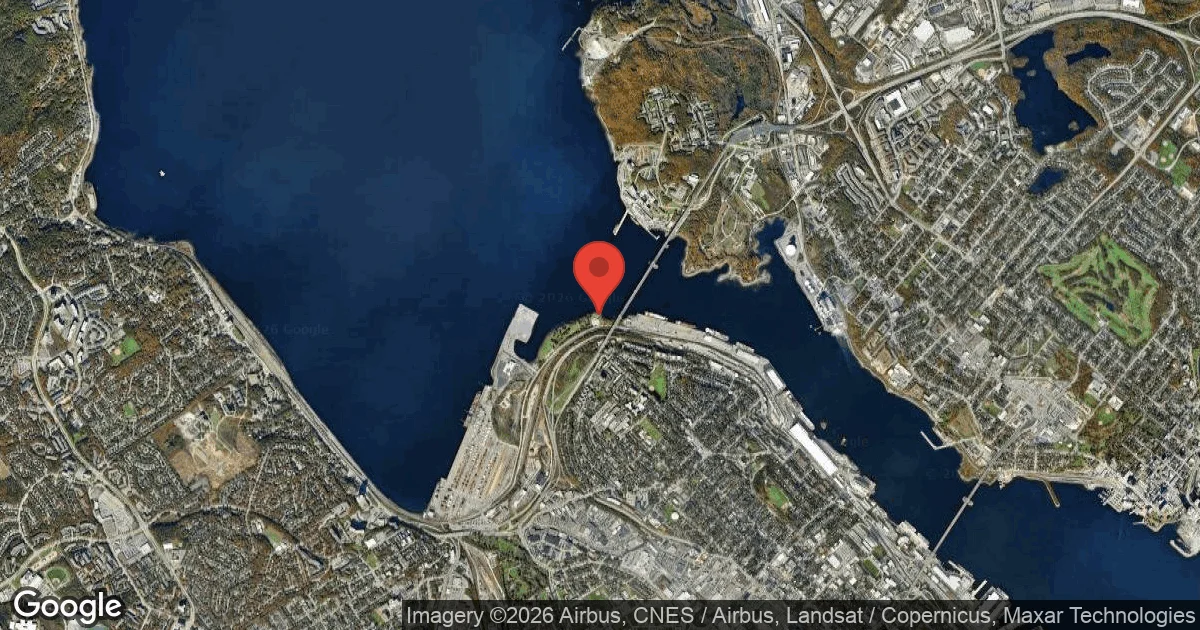
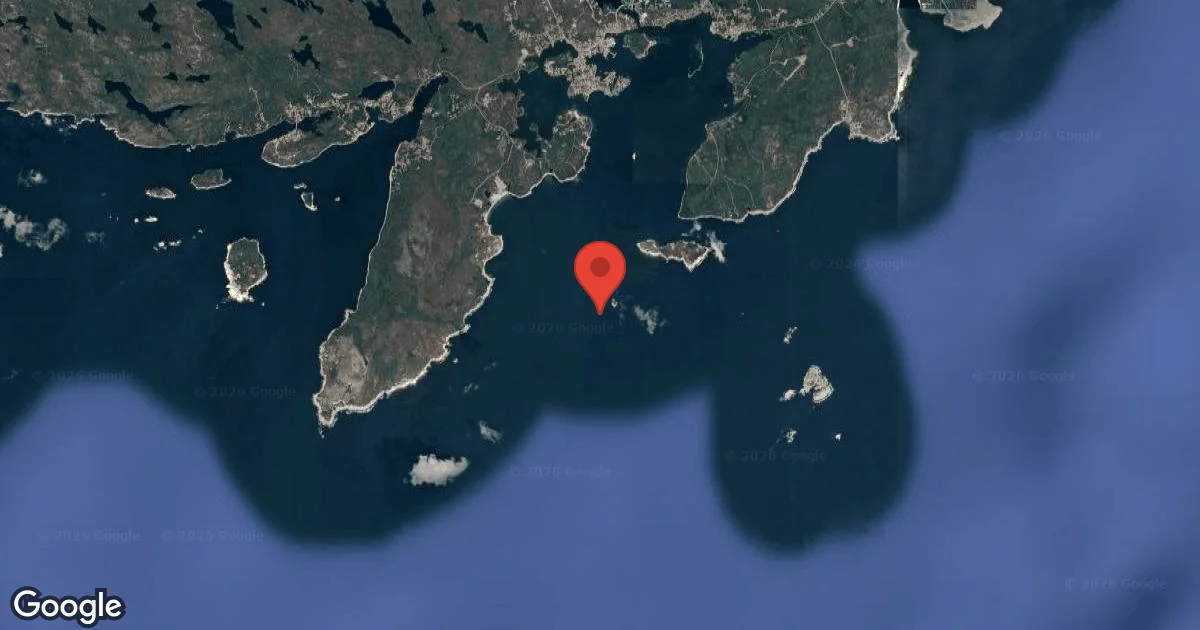
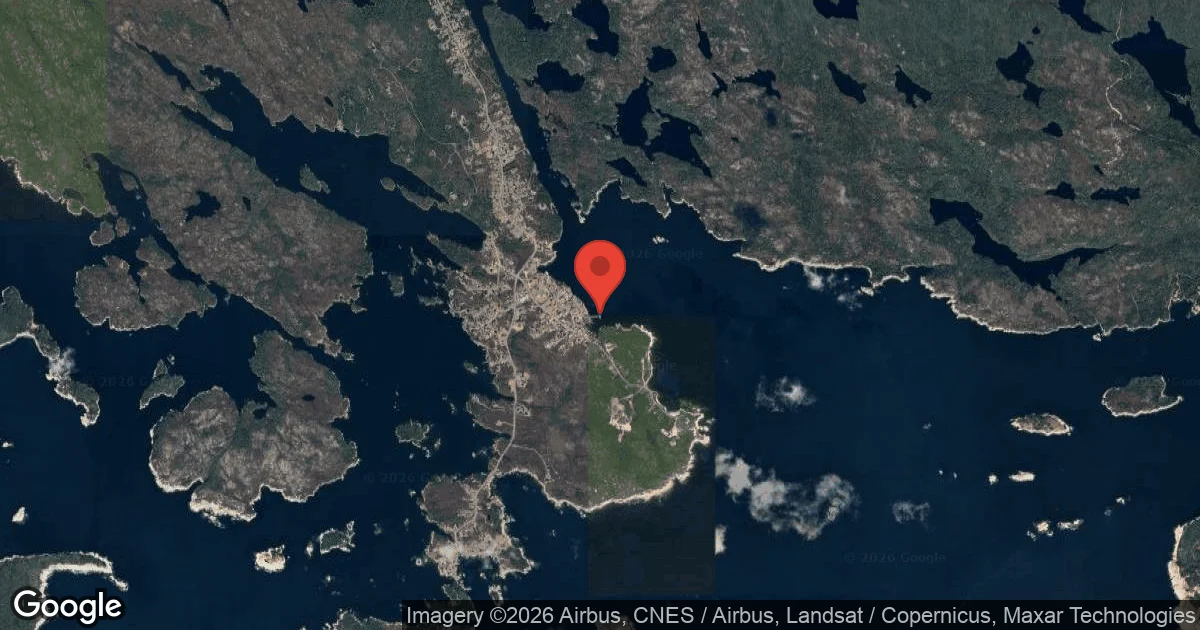
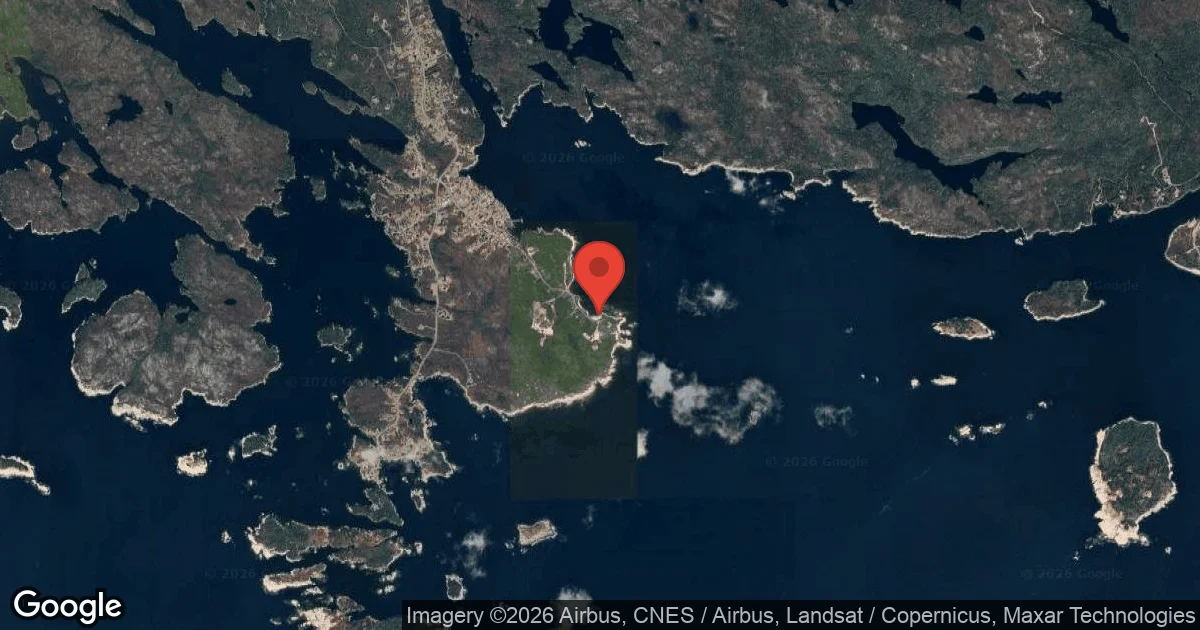
Dive Centers Near Herring Cove
Today: 09:00 - 17:00
Nearest Airports
Nearest airports to help plan travel to this dive area.
Search Flights
Check available flights and routes on Expedia, using the nearby airports listed in this section.
Search Flights on ExpediaFrequently Asked Questions
What is the typical depth range at Herring Cove?
Depths at Herring Cove generally range from 3 m (9.8 ft) to 16 m (52 ft) across the main dive areas. For those aiming for deeper sections, venturing towards the island's point can lead to drops beyond recreational limits, often more accessible at low tide.
Is Herring Cove suitable for beginner divers?
Yes, Herring Cove is considered suitable for all levels, including novice divers. Its protected nature, easy shore entry, and relatively shallow sections provide an accommodating environment for those with less experience. Intermediate certification is recommended for deeper explorations.
What are the expected water temperatures throughout the year?
Water temperatures vary significantly by season. In winter, temperatures can be as low as 2–6°C (36-43°F). During the summer months, the water warms up to a range of 12–18°C (54-64°F).
How easy is the entry and exit at the dive site?
The entry into Indian Cove is generally very easy, featuring a gently sloping rocky shoreline that leads directly from the parking area. Divers should be aware of the small rocks, crushed stone, and scattered boulders that make up the underfoot terrain.
What kind of marine life can divers expect to see?
Divers can expect to encounter various marine species such as lobsters, crabs, and flounder. Hermit crabs, sand dollars, and sea ravens are also commonly observed. Occasionally, seals may be seen exploring the site.
Are there any facilities available at Herring Cove?
No, there are no restroom facilities directly at the dive site. Divers should plan accordingly before arriving. Parking is available, but visitors are asked to be respectful of local residents and the active walking trail.
What are the typical visibility conditions?
Visibility at Herring Cove typically ranges from 5 to 15 meters. These conditions can vary based on factors like weather, tidal patterns, and recent rainfall, with clearer conditions often experienced during calmer summer months.
Planning to dive Herring Cove?
Send one inquiry and receive offers directly from the best verified local dive operators.
Conditions are Good
07:00 - 14:00
Optimal conditions expected
Current conditions near Herring Cove show 16° air, 17° sea temperature, 0.9 m waves, and 24 km/h wind. Forecast data is refreshed regularly to ensure accuracy.