
Diving at Portugese Cove (Canada)
Portugese Cove offers divers a tangible sense of coastal Canadian waters. It's an accessible shore dive where nature's rugged beauty merges with maritime history just offshore. Divers immediately notice the bracing North Atlantic environment, hinting at the sturdy life below the surface. This site promises an authentic glimpse into Nova Scotia's underwater character.
Evening condition tracking at Portugese Cove features an air temperature of 16°C. We have recorded wave heights measuring 0.7 m during this period. These figures outline the environmental parameters currently present.
Dive Site Location & Key Facts
Dive Site Overview
Nova Scotia's waters are steeped in maritime history, and Portugese Cove reflects this with its notable wreck, the Letitia. While described as "beaten up a fair bit," this wreck still offers structural remnants for exploration, allowing divers to connect with the past.
Many of the region's shipwrecks, whether intentionally sunk as artificial reefs or those that succumbed to the jagged coastline, are typically within recreational limits, often under 30 m (100 ft). Exploring Nova Scotia generally involves encountering sites ranging from relatively flat wrecks, impacted by wave action and ice over time, to more intact three-dimensional structures in deeper or more sheltered locations. The presence of these historical artifacts provides a tangible window into the area's past.
Understanding the context of these vessels, their origins, and their fates enriches the diving experience at sites like Portugese Cove, even when structures are compromised. Preparing for dives here involves considering the general nature of North Atlantic wrecks, which often require careful navigation and an appreciation for marine preservation in challenging conditions.
An opportunity to explore a tangible piece of history remains a core draw for divers in this coastal Canadian region.
Conditions are Good
Optimal conditions expected
Current conditions near Portugese Cove show 16° air, 16° sea temperature, 1.0 m waves, and 29 km/h wind. Forecast data is refreshed regularly to ensure accuracy.
Best Time to Dive
Planning a dive at Portugese Cove is best aligned with the warmer, calmer months to maximize comfort and surface conditions. May, July, August, and September typically offer "Good" dive scores, indicating more favorable weather patterns. During these periods, air temperatures average between 9.5°C (49°F) in May and 19°C (66°F) in July, providing a more pleasant surface experience. Wave heights are also generally lower, ranging from approximately 1.2 meters (3.9 feet) to 1.4 meters (4.6 feet), which assists with shore entries and overall dive comfort. Rainfall during these months is generally moderate, typically below 6 mm (0.24 inches). Conversely, diving outside these months, particularly from December to March, often presents "Poor" or "Moderate" conditions, with colder air temperatures, higher wave action, and increased wind speeds, making conditions significantly more challenging for divers.
PEAK SEASON SCORE
Scores combine air & water temps, waves, wind & rainfall for overall conditions.
BEST MONTHS TO DIVE
Monthly records compiled from satellite and marine observation nodes over the last 3 years. Data provided by Open-Meteo and MET Norway.
Dive Experience & Conditions
Accessing the water at Portugese Cove is typically via a shore entry, categorizing it as a beach dive. Once underwater, divers can expect the cool North Atlantic environment to unfold into varied topography. A marine landscape often features dramatic rock walls, complemented by stretches of kelp and eelgrass, providing a dynamic habitat for local species. While specific water temperatures aren't consistently reported for this site, North Atlantic waters generally remain cool, necessitating appropriate thermal protection. Depths here are considered within the recreational range, and the Letitia wreck, for example, is noted to be within maximum depths typically under 30 m (100 ft). Visibility varies depending on local currents and recent weather, but a typical range might allow for clear views of underwater structures and marine life. Exploring the site involves navigating along natural reef structures and then to the identified wreck, often over sandy bottom sections.
Dive Difficulty & Safety Guidelines
Diving at Portugese Cove, like many shore entries in Nova Scotia, requires divers to be proficient in cold water techniques and mindful of local conditions. It's crucial to exercise caution around entry points, especially avoiding boat launches if present, due to potential boat traffic and floating logs. Always confirm designated diver entry areas to avoid such hazards.
Fishing and crabbing are prohibited in marina areas; divers should respect these regulations to preserve the marine environment. Planning for shore dives involves assessing surface conditions, including wave height and wind speed, which can impact entry and exit comfort.
Strong currents are not consistently reported but can occur, so awareness of tidal patterns is beneficial. Advisable is diving with experienced local guides or buddies who are familiar with the site's layout and any specific current considerations.
Recommended Equipment
- Dive Computer
This gear list is based on verified equipment signals for Portugese Cove, Canada. Always confirm final gear choices with your dive operator, guide, or liveaboard.
Recommended Dive Suit
For dives of average duration, 5-7mm wetsuit usually provides sufficient protection from heat loss. A hood or vest is suggested for sensitive divers due to surface winds. A thermal robe or jacket is recommended between dives.
Divers planning a dive at Portugese Cove today will likely encounter water temperatures close to 16°C (62°F). Surface air temperatures are resting at 16°C (61°F).
Conditions are expected to stay fairly consistent in the days ahead.
Due to technical issues with our weather providers, data hasn't been fetched for over 48 hours. The data above reflects the conditions at the time of the last successful fetch.
Emergency & Medical Support
Essential information to help you plan your dive trip to Portugese Cove.

Hyperbaric chambers are a critical part of dive safety infrastructure. Availability varies significantly by region, and not all dive areas have immediate access.
Before diving, it's recommended to:
- confirm nearest medical facilities
- check emergency procedures with local dive operators
- ensure dive insurance covers evacuation if required
Divers Alert Network
Diving emergency assistance available through DAN World.
+1-919-684-9111- 24/7 emergency hotline
- Diving medical assistance
- Evacuation coordination
Emergency contacts are provided for reference. Always verify local emergency services before diving.
Marine Life at Portugese Cove
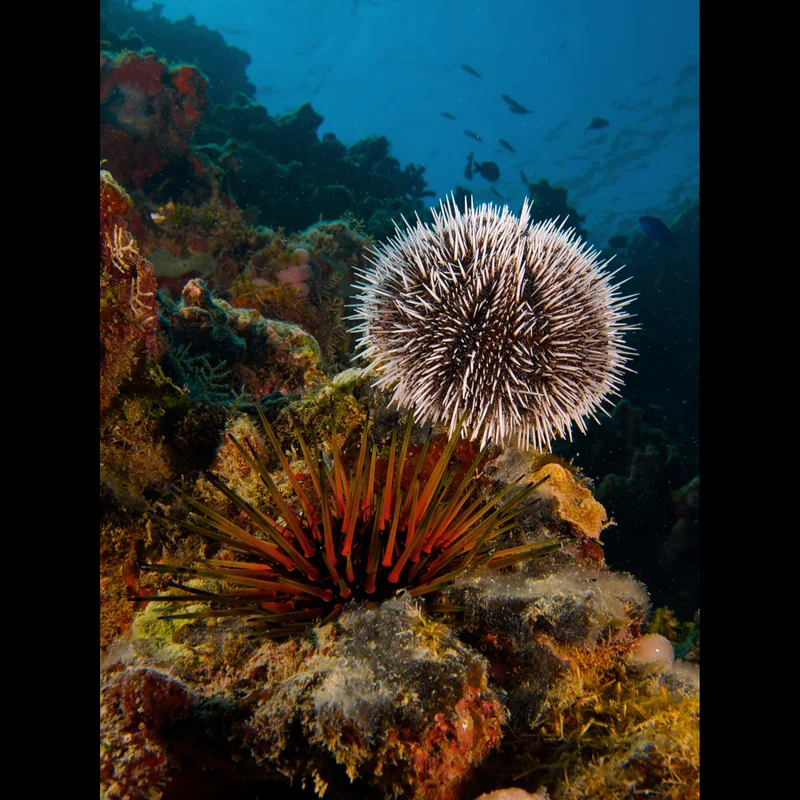
Portugese Cove, situated within Nova Scotia's diverse coastal ecosystems, supports a variety of fascinating marine life. Divers frequently observe sea lions gracefully navigating the waters, alongside the more static yet intriguing sea urchins and sea cucumbers clinging to the seafloor.
Occasional jellyfish pulsate through the water column, adding to the visual interest. Beyond these specific sightings, kelp forests and eelgrass beds provide essential habitat, contributing to a rich biodiversity typical of the North Atlantic.

Dive Sites Near Portugese Cove
View all dive sites in CanadaDiscover more underwater gems in this area.
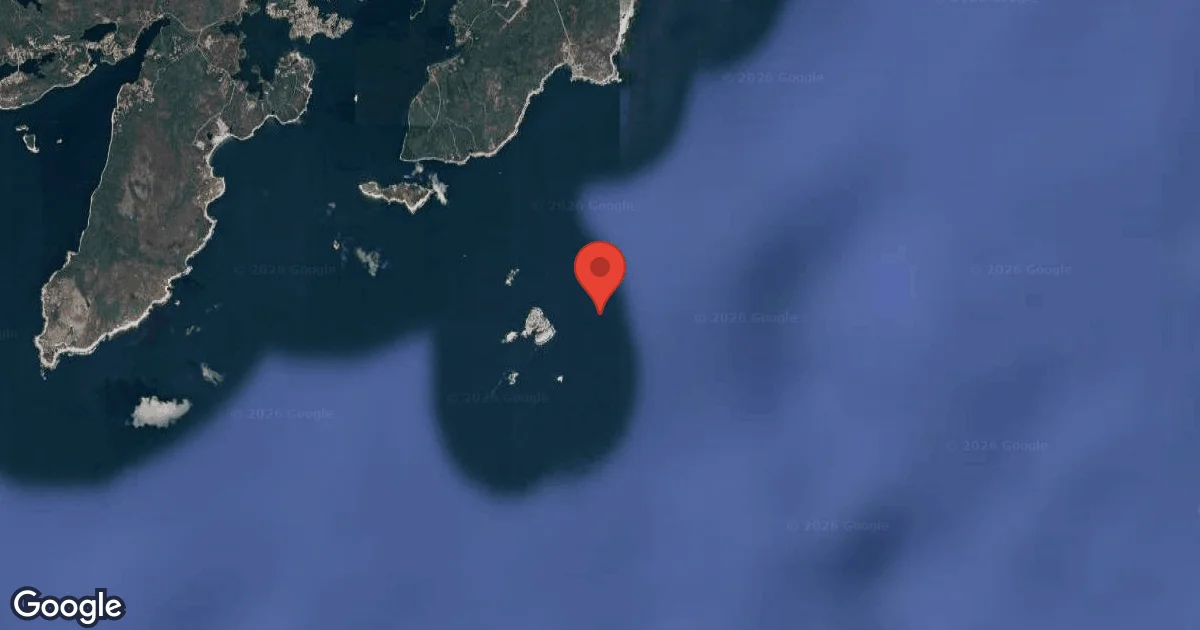
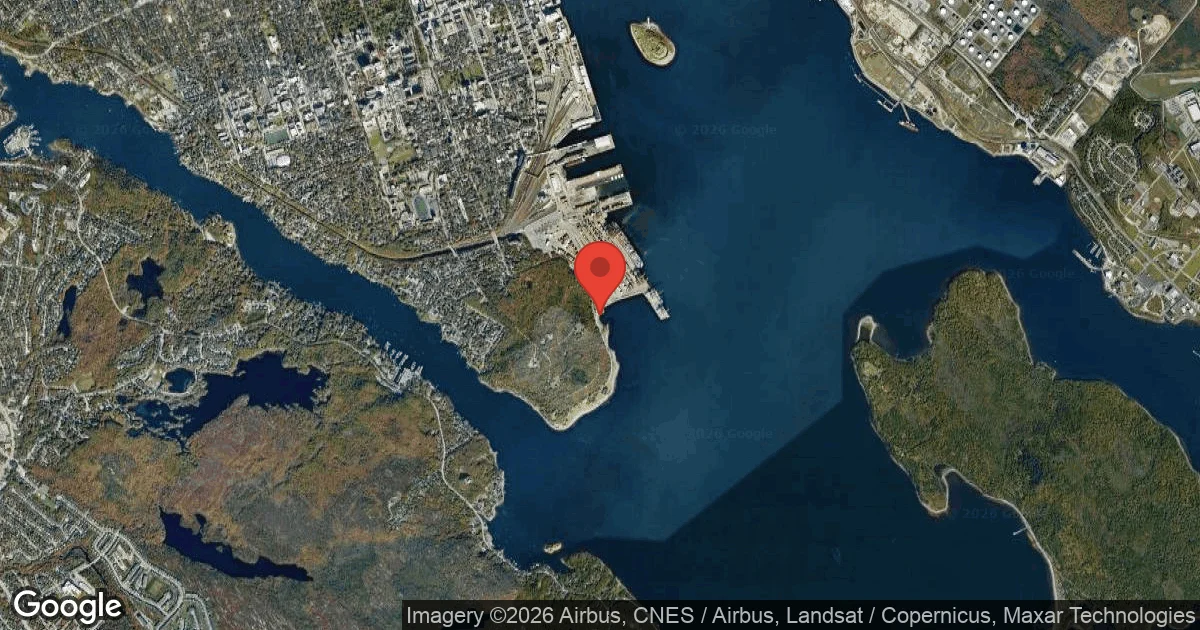
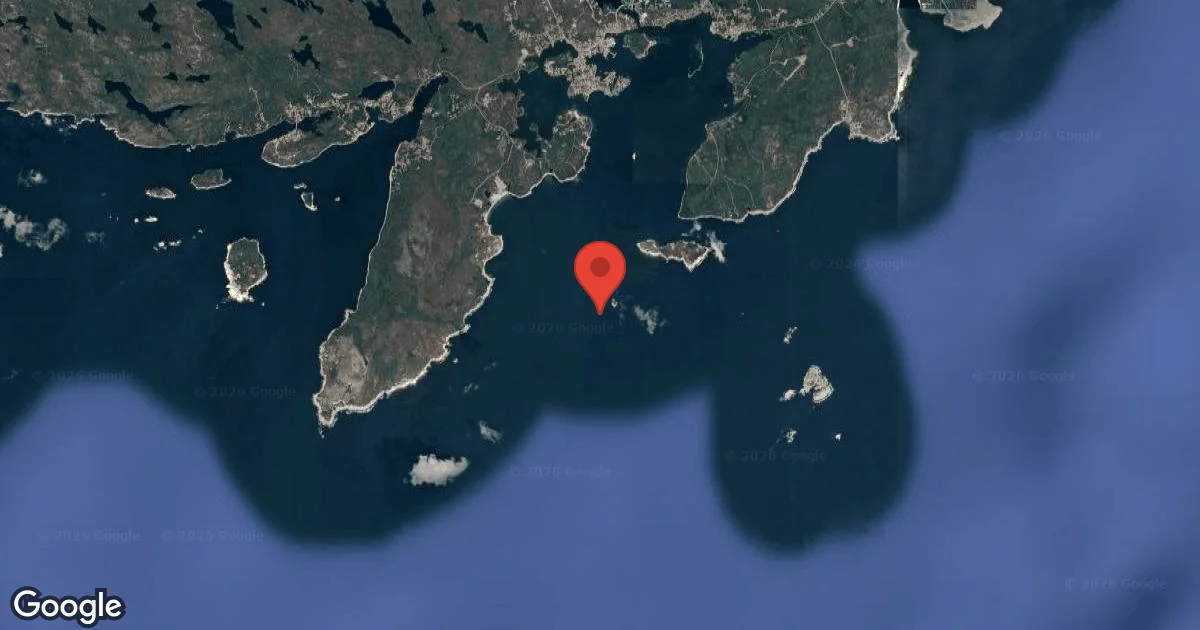
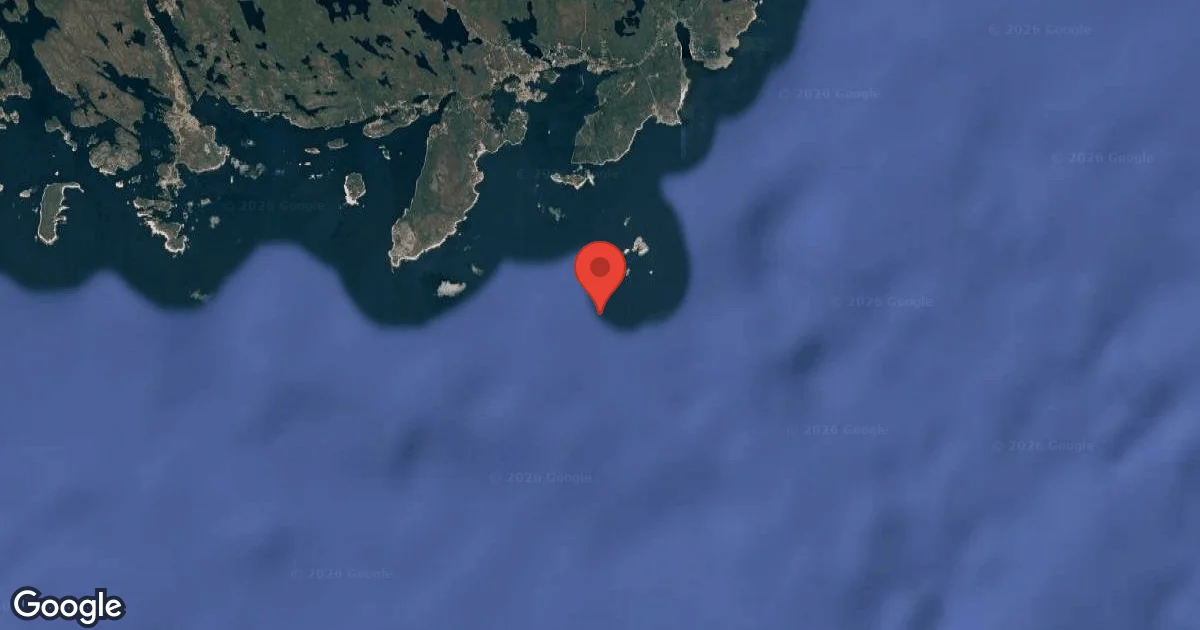
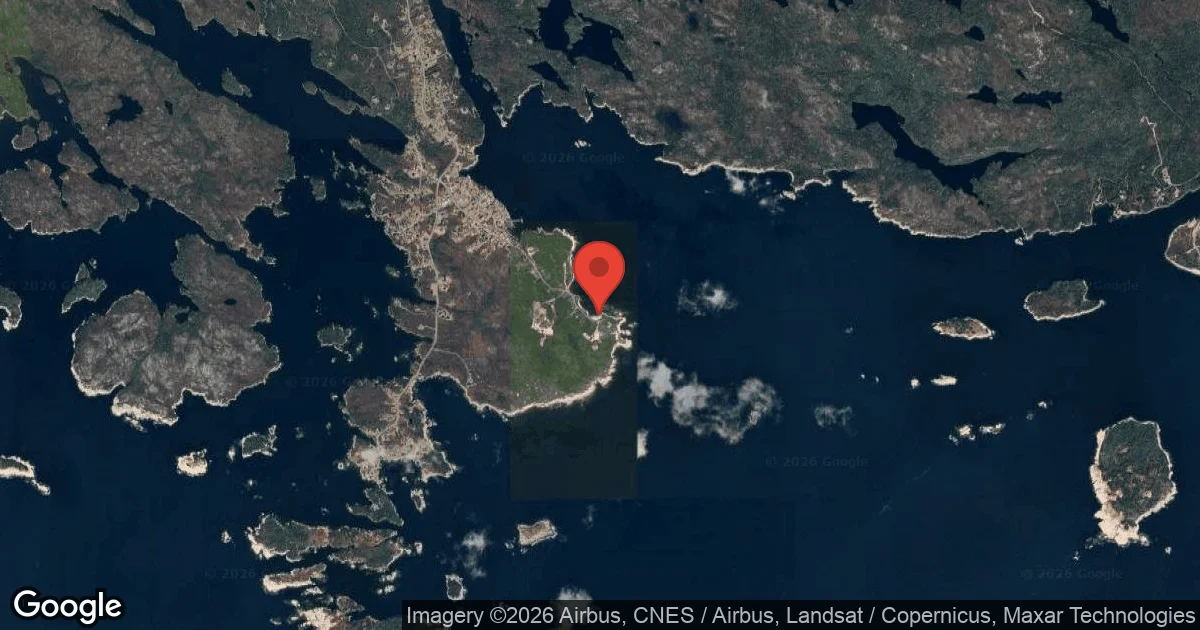
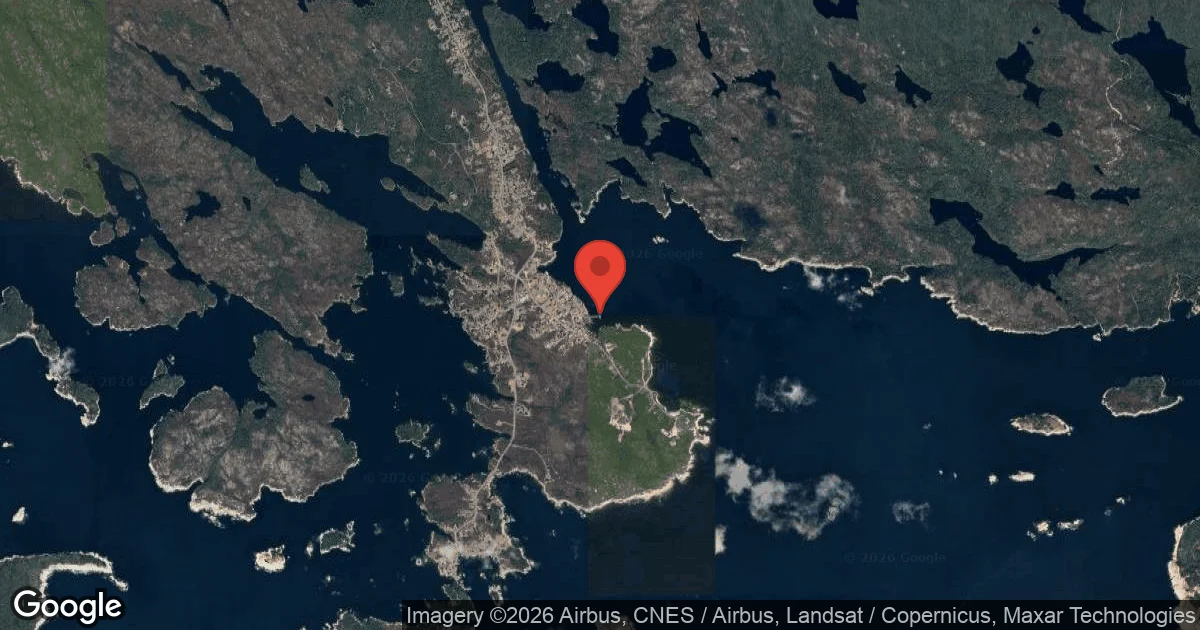
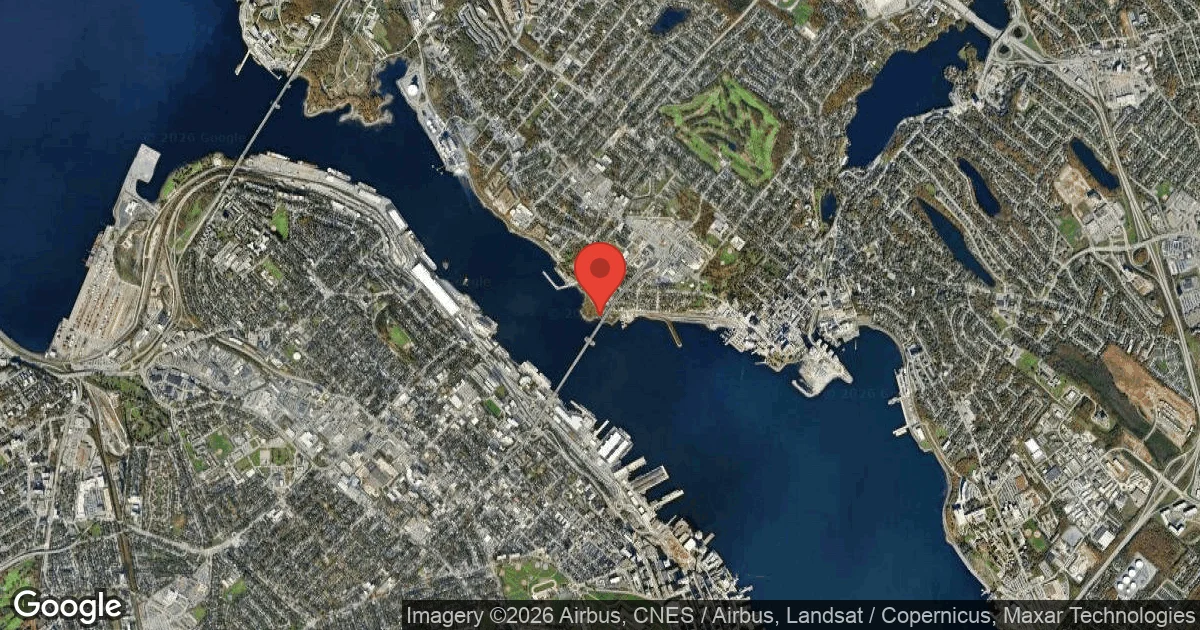
Dive Centers Near Portugese Cove
Today: 09:00 - 17:00

Nearest Airports
Nearest airports to help plan travel to this dive area.
Search Flights
Check available flights and routes on Expedia, using the nearby airports listed in this section.
Search Flights on ExpediaFrequently Asked Questions
What type of dive is Portugese Cove?
Portugese Cove is primarily a shore entry dive, categorized as a beach dive. It offers access to historical elements, including a known wreck, making it suitable for both natural reef exploration and wreck diving.
What's the main underwater attraction at Portugese Cove?
A primary attraction is the Letitia wreck, though it's described as "beaten up." This historical vessel provides divers with an opportunity to explore maritime history underwater, offering structural remnants for observation.
What are the typical diving depths at this site?
Depths at Portugese Cove are within recreational limits, typically under 30 m (100 ft). This makes the site accessible to a range of certified divers, allowing for extended bottom times depending on gas consumption and no-decompression limits.
What marine life can be observed here?
Divers can expect to see sea lions, sea urchins, sea cucumbers, and various species of jellyfish. The site features kelp and eelgrass environments, which also support a diverse range of smaller invertebrates and fish common to the North Atlantic.
Are there any specific entry or exit considerations?
Portugese Cove is a shore entry. Divers should be aware of potential hazards like boat traffic and floating logs if attempting to use undesignated entry points like boat launches. Always use marked diver access points and be cautious of changing surface conditions.
Is a drysuit recommended for diving in Portugese Cove?
Yes, a drysuit is strongly recommended. The North Atlantic waters are consistently cool, even during warmer air temperature months, making effective thermal protection essential for comfort and safety during dives.
Which months offer the best diving conditions?
The best months for diving are typically May, July, August, and September. These periods generally feature milder air temperatures, lower wave heights, and more moderate rainfall, contributing to more comfortable diving conditions.
Planning to dive Portugese Cove?
Send one inquiry and receive offers directly from the best verified local dive operators.
Conditions are Good
Optimal conditions expected
Current conditions near Portugese Cove show 16° air, 16° sea temperature, 1.0 m waves, and 29 km/h wind. Forecast data is refreshed regularly to ensure accuracy.