
Diving at Daniel Stienman (Canada)
Approaching the Daniel Stienman wreck provides an immersive glimpse into a historical maritime loss in Atlantic Canada. This particular wreck is celebrated among local divers for its accessibility and enduring structure. It stands as a significant underwater landmark, inviting exploration for those with the appropriate certification.
As evening covers Daniel Stienman, the local air temperature is measured at 16°C. The current wave height at the surface is recorded at 0.8 m. These late-day readings characterize the surface conditions for the night.
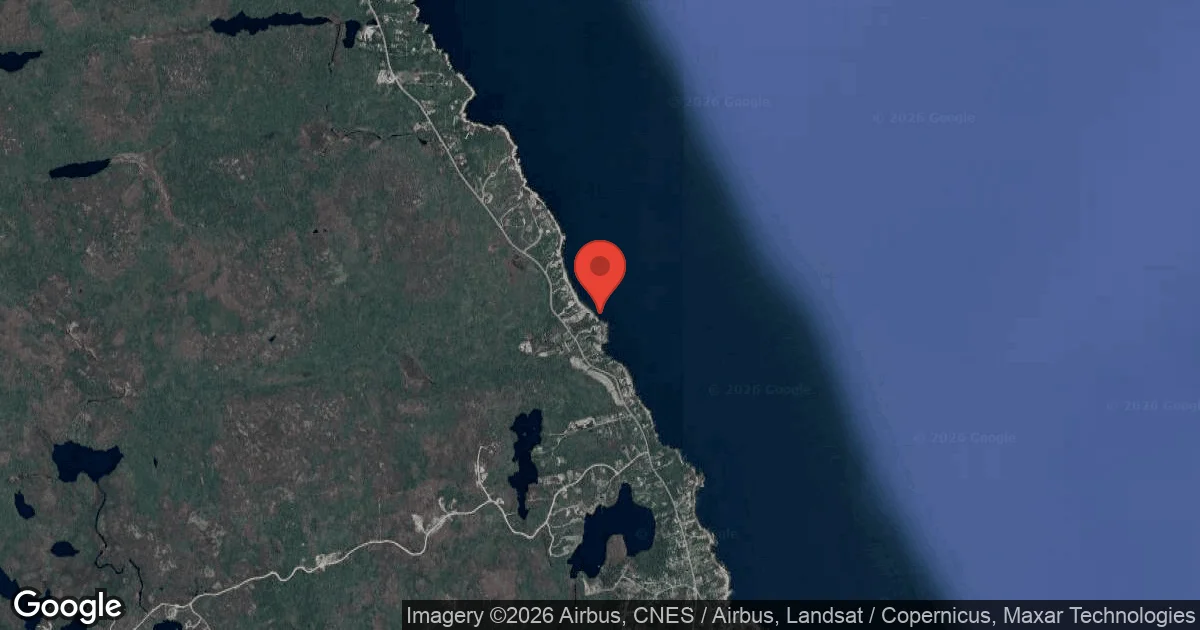
Dive Site Location & Key Facts
Dive Site Overview
Descending onto the SS Daniel Stienman site reveals a poignant piece of maritime history, the vessel having been lost on April 3, 1884. This local favorite typically presents an average depth range of 18 to 24 m (60 to 80 ft), positioning it as a substantial wreck exploration in Atlantic Canada.
Divers approaching the site shouldn't expect a fully intact ship, but rather a compelling field of scattered wreckage and discernible structures. Among these, the impressive boiler often serves as a primary focal point, drawing explorers to its size and historical significance. Remnants of the hull and other mechanical components lie distributed across the seabed, each piece telling a part of the ship's story.
It's a journey through time. While extensive penetration opportunities are not consistently reported due to the wreck's fragmented state, specific sections may allow for limited entry, contingent on prevailing conditions and diver experience and training.
Overall, exploring the Daniel Stienman offers a deep dive into an underwater archaeological site. It presents an authentic connection to its past, urging divers to appreciate the historical context embedded within its submerged remains and the marine life that has now claimed it as habitat.
Careful navigation through the debris field is key to a rewarding and safe experience at this significant historical landmark.
Conditions are Good
Optimal conditions expected
Current conditions near Daniel Stienman show 16° air, 17° sea temperature, 0.9 m waves, and 30 km/h wind. Forecast data is refreshed regularly to ensure accuracy.
Best Time to Dive
For divers considering the Daniel Stienman, the most favorable conditions for an enjoyable experience generally occur from June through September. During September, the dive score is 'Good,' supported by average air temperatures around 17°C (63°F) and lower rain accumulation, averaging just 2.5 mm. The summer months of July and August also present 'Moderate' dive scores, with average air temperatures peaking around 16-18°C (61-64°F) and moderate rainfall. Conversely, winter months, particularly December through March, show 'Poor' dive scores, marked by colder air temperatures, often below 2°C (36°F), and higher wind speeds, making surface conditions and overall diving less appealing.
PEAK SEASON SCORE
Scores combine air & water temps, waves, wind & rainfall for overall conditions.
BEST MONTHS TO DIVE
Monthly records compiled from satellite and marine observation nodes over the last 3 years. Data provided by Open-Meteo and MET Norway.
Dive Experience & Conditions
Diving the Daniel Stienman wreck demands an Advanced Open Water certification, reflecting the typical conditions encountered at depths averaging 18 to 24 meters (60 to 80 feet). Water temperatures are not consistently reported in available data, but Nova Scotia's ocean environment is generally cool, necessitating proper exposure protection. Visibility can vary, influenced by local weather patterns and currents; however, periods of good clarity allow for a comprehensive view of the wreck's structure and surrounding features. Given the colder nature of these waters, many divers in the region choose dry suit usage for comfort and extended bottom times, a practice often integrated into local training.
Dive Difficulty & Safety Guidelines
Navigating the Daniel Stienman wreck requires adherence to specific safety guidelines, primarily due to its nature as a historical underwater structure and the Advanced Open Water certification level recommended. Divers should always consult with local dive professionals familiar with the site and its current conditions before undertaking an exploration. Maintaining situational awareness is crucial, especially around submerged wreckage.
Given the potential for colder water, proper exposure protection and dive planning are essential for preventing hypothermia. Always dive within your certified limits and be mindful of your air consumption and decompression obligations.
Recommended Equipment
Overhead / entanglement risk. Wreck penetration requires proper training.
- Dive Computer
- Primary & Backup Lights
- Wreck Reel
- Cutting Tool
This gear list is based on verified equipment signals for Daniel Stienman, Canada. Always confirm final gear choices with your dive operator, guide, or liveaboard.
Recommended Dive Suit
With water temperatures around 17°C (62°F), many divers find a 5-7mm wetsuit provides comfortable protection.
Local conditions can vary slightly across different parts of the same dive site.
Environmental conditions may feel slightly cooler as the week progresses. Cooler days are ahead; you might want a warmer option for later in the week. A warmer option can provide additional comfort if conditions shift.
Emergency & Medical Support
Essential information to help you plan your dive trip to Daniel Stienman.

Hyperbaric chambers are a critical part of dive safety infrastructure. Availability varies significantly by region, and not all dive areas have immediate access.
Before diving, it's recommended to:
- confirm nearest medical facilities
- check emergency procedures with local dive operators
- ensure dive insurance covers evacuation if required
Divers Alert Network
Diving emergency assistance available through DAN World.
+1-919-684-9111- 24/7 emergency hotline
- Diving medical assistance
- Evacuation coordination
Emergency contacts are provided for reference. Always verify local emergency services before diving.
Marine Life at Daniel Stienman
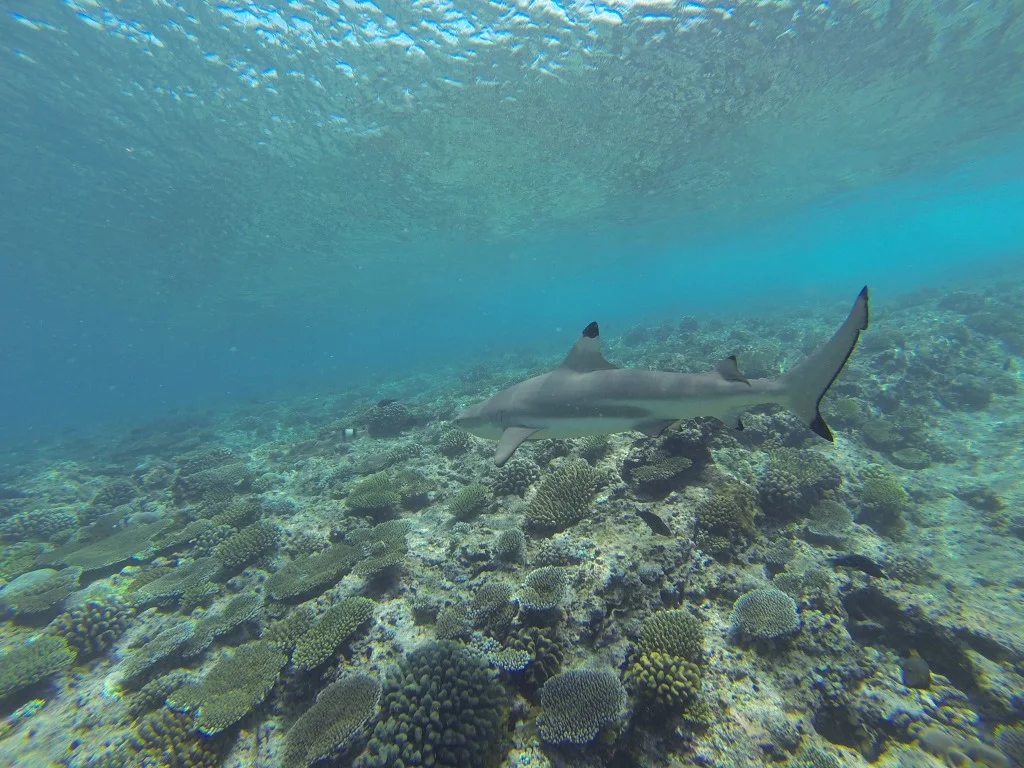
Beneath the surface surrounding the Daniel Stienman wreck, divers have the opportunity to encounter a range of pelagic and resident marine species. Observations from the area include sharks, which occasionally patrol the deeper sections of the site.
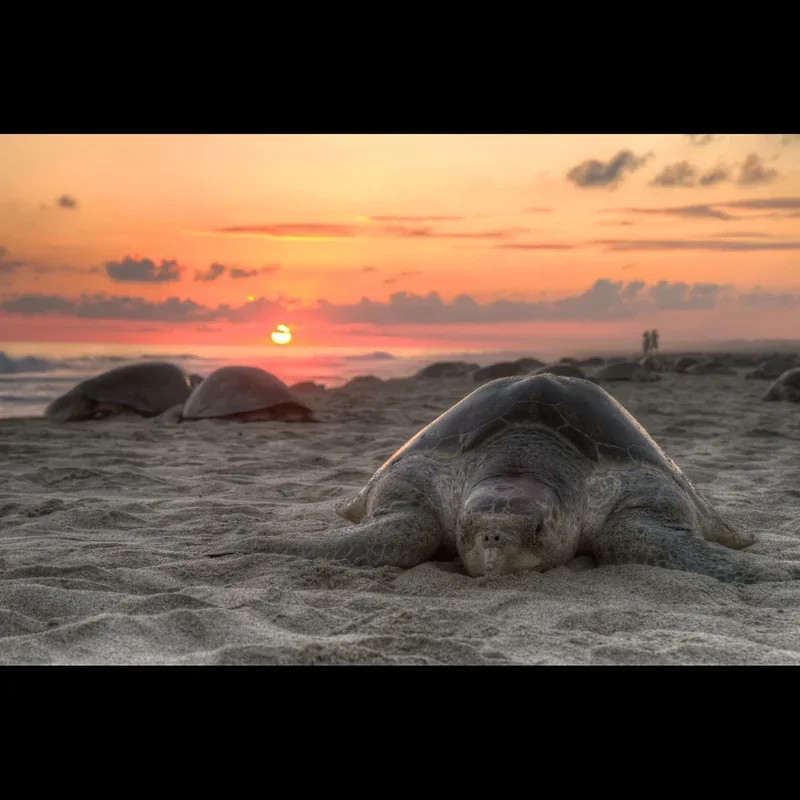
Larger migratory creatures such as whales and dolphins may be spotted in the wider vicinity. Additionally, sea turtles have been reported, adding to the diversity of marine life that interacts with this historical wreck.
Dive Sites Near Daniel Stienman
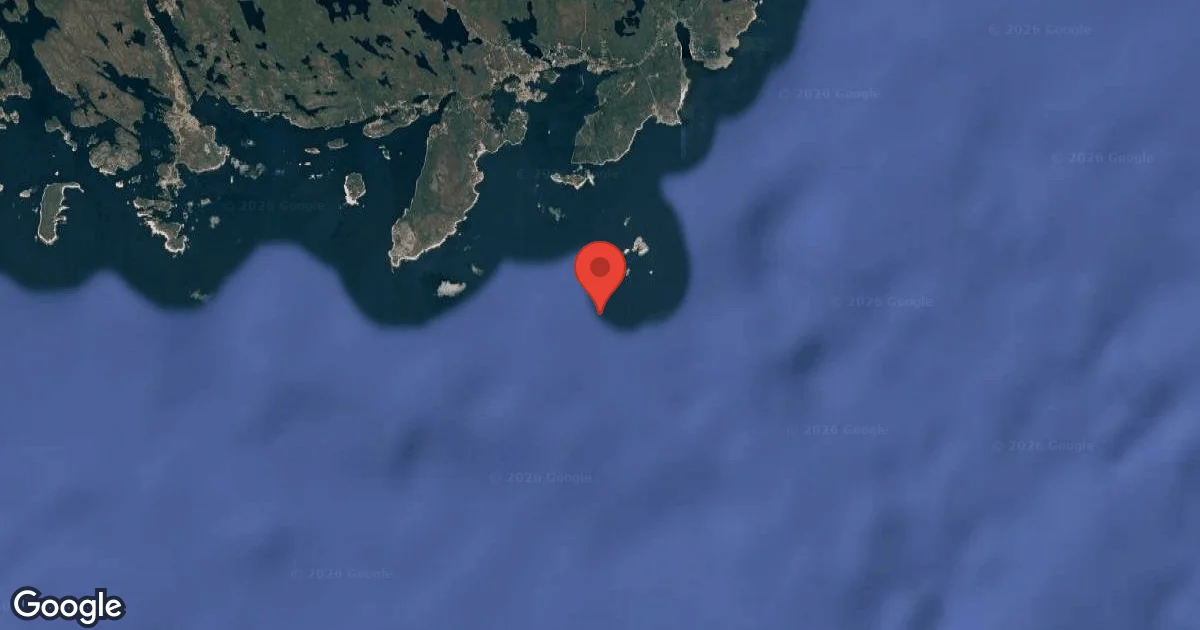
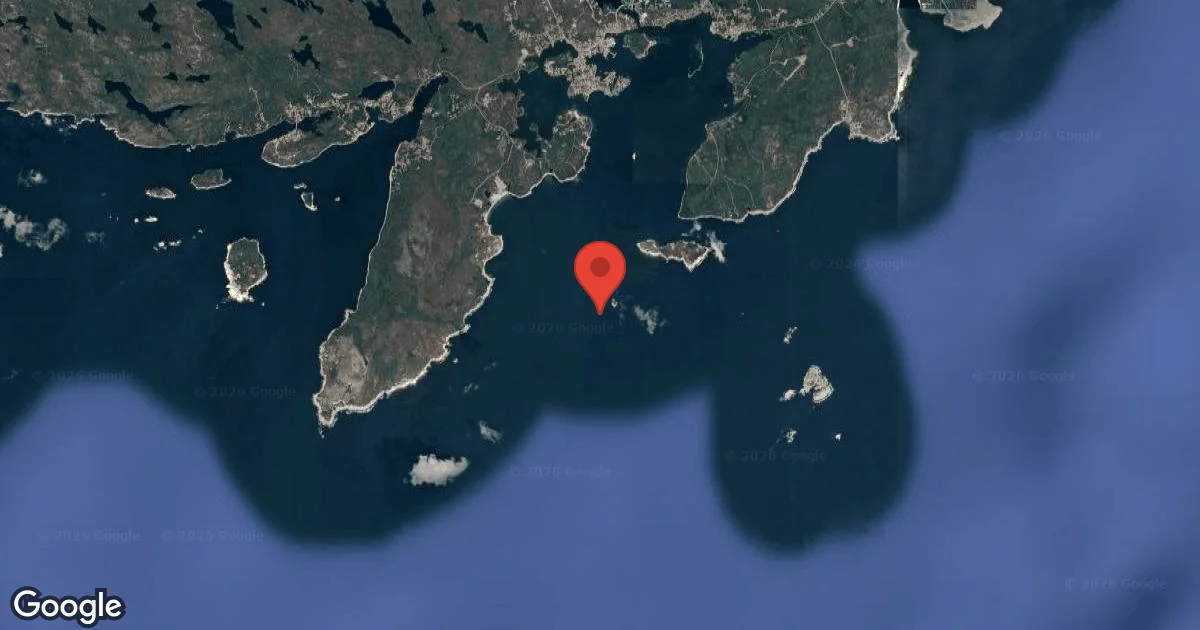
View all dive sites in CanadaDiscover more underwater gems in this area.
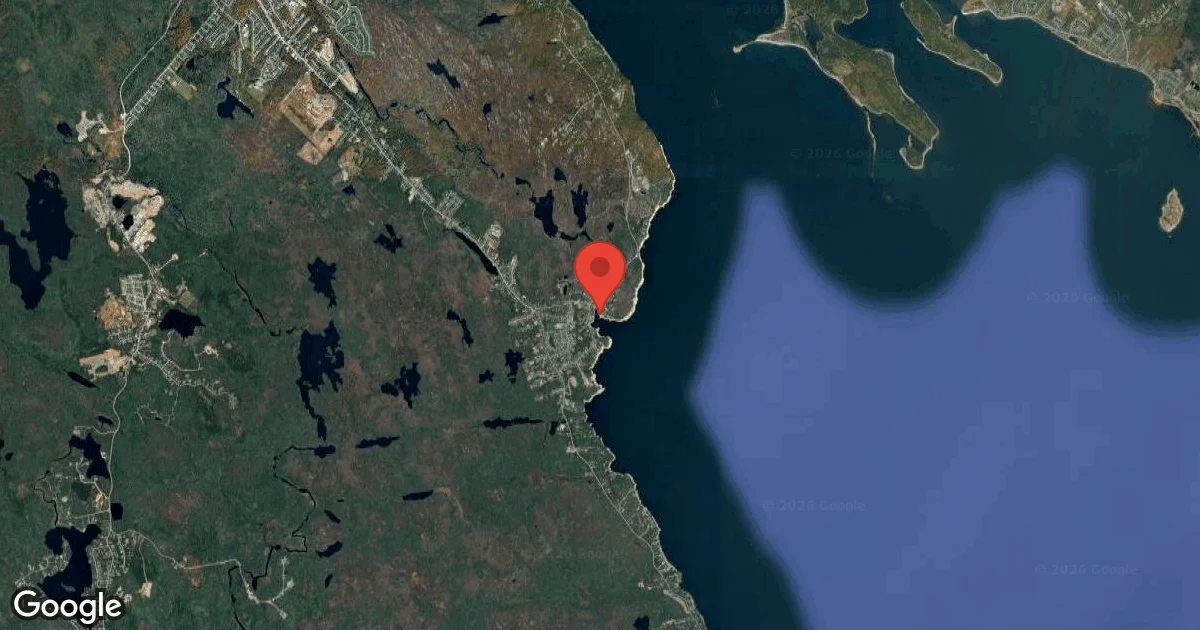
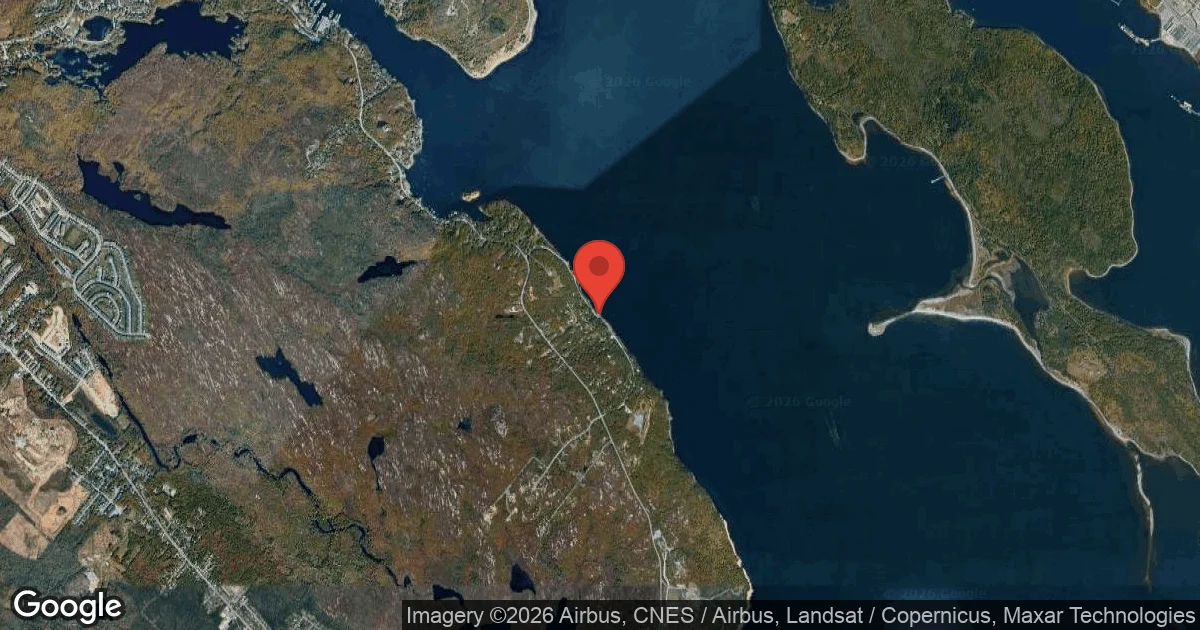
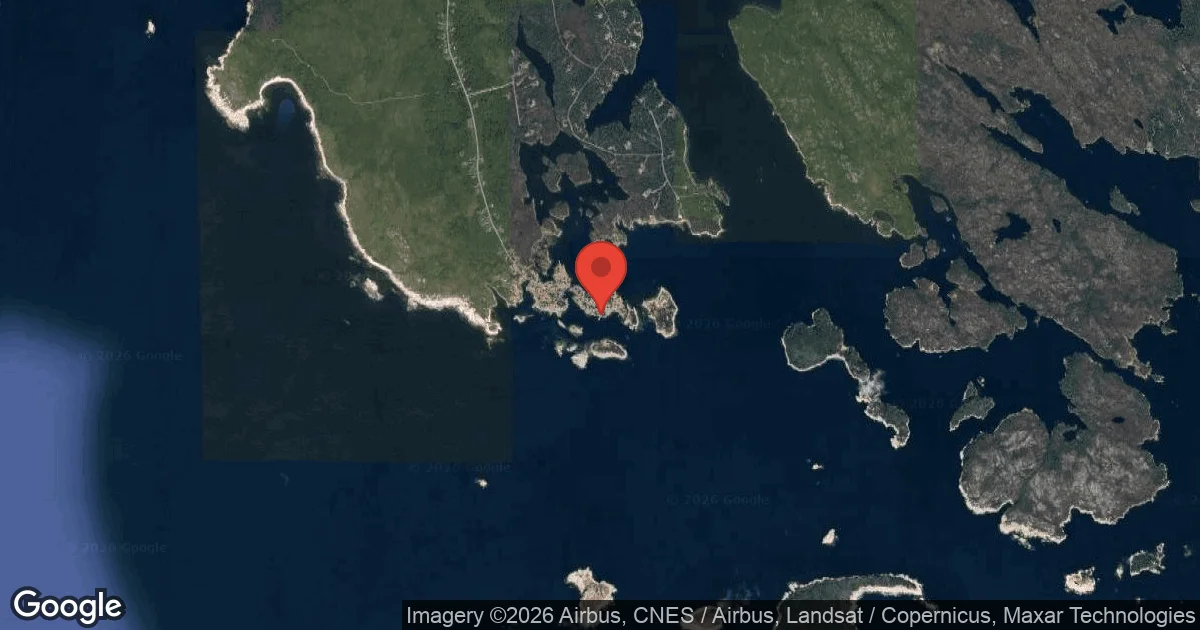
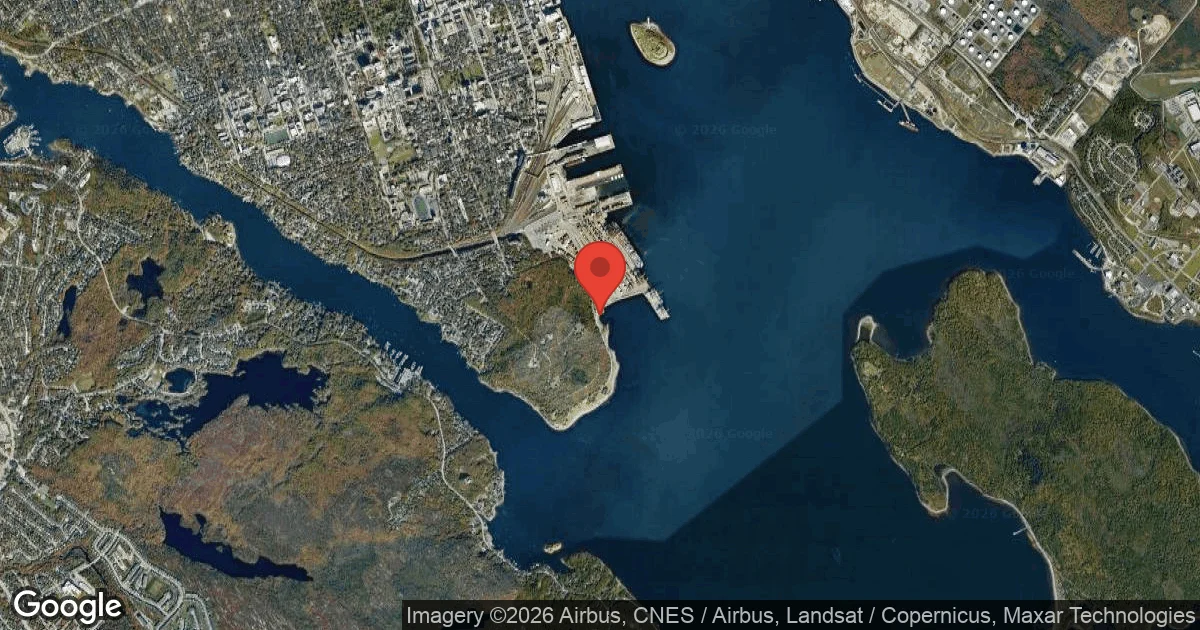
Dive Centers Near Daniel Stienman
Today: 09:00 - 17:00
Nearest Airports
Nearest airports to help plan travel to this dive area.
Search Flights
Check available flights and routes on Expedia, using the nearby airports listed in this section.
Search Flights on ExpediaFrequently Asked Questions
What type of dive is Daniel Stienman?
Daniel Stienman is primarily a wreck dive. It features the remnants of the SS Daniel Steinman, offering historical exploration opportunities for certified divers.
What is the recommended certification level for diving Daniel Stienman?
An Advanced Open Water certification is recommended for diving the Daniel Stienman wreck. This certification level ensures divers have the skills for the typical depths and conditions encountered at the site.
When is the best time of year to dive this site?
The most favorable time to dive Daniel Stienman is typically from June through September. September often provides the best conditions, with 'Good' dive scores and milder air temperatures.
What marine life might divers see at Daniel Stienman?
Divers exploring Daniel Stienman may encounter various marine creatures. Reported sightings include sharks, whales, dolphins, and sea turtles.
What is the average depth of the Daniel Stienman wreck?
The Daniel Stienman wreck is generally found at an average depth ranging from 60 to 80 feet (18 to 24 meters). This depth requires appropriate dive planning and experience.
Are dry suits recommended for diving in Nova Scotia?
Yes, dry suits are highly recommended for diving in Nova Scotia, including Daniel Stienman. The region's cool ocean temperatures make dry suit use essential for diver comfort and safety.
When was the SS Daniel Steinman lost?
The SS Daniel Steinman was lost on April 3, 1884. This historical event makes the wreck an important site for maritime history enthusiasts.
Planning to dive Daniel Stienman?
Send one inquiry and receive offers directly from the best verified local dive operators.
Conditions are Good
Optimal conditions expected
Current conditions near Daniel Stienman show 16° air, 17° sea temperature, 0.9 m waves, and 30 km/h wind. Forecast data is refreshed regularly to ensure accuracy.