
Diving at Portia (Canada)
Diving in the Portia wreck area frequently presents cold water conditions, which can fluctuate significantly depending on the season and prevailing weather. Water visibility often improves during the colder months, a common pattern for Canadian diving environments. Currents are a factor here, characterizing Portia as a drift dive site.
As evening covers Portia, the local air temperature is measured at 13.5°C. The current wave height at the surface is recorded at 0.9 m. These late-day readings characterize the surface conditions for the night.
Dive Site Location & Key Facts
Dive Site Overview
Off the coast of Nova Scotia, the Portia wreck presents a dynamic dive experience that rarely remains constant. This historical site, identified as a wreck dive, undergoes regular transformations due to shifting sand; no two dives may offer the exact same view.
Divers exploring the Portia will encounter a site defined by drift conditions, requiring careful attention to current patterns. While specific details on its sinking are not consistently reported, its presence adds to Canada's rich underwater history, a country where numerous vessels have met their fate due to maritime hazards. The interaction of the ocean floor with these remnants creates a constantly shifting environment.
Divers will find that such conditions demand strong underwater navigation skills and a keen eye for changes in the wreck's exposed features. Unlike the deeply submerged 'Titanic of Canada' wreck found at 30 m (100 ft) in the St. Lawrence River, Portia's accessible nature allows exploration within recreational depth limits.
Navigating this site demands vigilance and an appreciation for its transient structure, a testament to the powerful marine environment.
Conditions are Good
Optimal conditions expected
Current conditions near Portia show 14° air, 16° sea temperature, 0.9 m waves, and 30 km/h wind. Forecast data is refreshed regularly to ensure accuracy.
Best Time to Dive
Planning a dive at Portia means aligning your expectations with the seasonal changes, as the dive experience shifts dramatically throughout the year. While summer months bring the warmest air temperatures, peaking around 19°C (66°F) in July and August, improved visibility for diving typically occurs in the fall and winter. During these colder periods, average air temperatures can drop significantly, reaching as low as -3°C (37°F) in February, with increased wind speeds averaging 24.6 km/h (15.3 mph). Rain averages around 4.5 mm during these months. Despite the surface chill, water temperatures at depth remain more consistent, and the clearer conditions often outweigh the discomfort of the cold. Dive scores indicate 'Good' conditions from May to September, primarily due to calmer waters and milder air, but winter visibility often offers a distinct advantage for observing the wreck. Moderate dive conditions prevail for much of the shoulder seasons, indicating potential variability.
PEAK SEASON SCORE
Scores combine air & water temps, waves, wind & rainfall for overall conditions.
BEST MONTHS TO DIVE
Monthly records compiled from satellite and marine observation nodes over the last 3 years. Data provided by Open-Meteo and MET Norway.
Dive Experience & Conditions
Exploring the Portia wreck delivers a tangible encounter with cold water diving, a fundamental characteristic of this region. Divers should anticipate cold water even during warmer surface periods, with thermoclines a frequent occurrence as you descend. The site is categorized as a drift dive, meaning currents will influence your trajectory and require proficient buoyancy control and navigation. Visibility here can vary, but reports suggest it's notably enhanced during fall and winter months, potentially exceeding 30 meters (100 ft) at some Canadian sites during these times. Wave heights tend to be lower in summer (around 1.2 m or 3.8 ft) and higher in winter (up to 2.0 m or 6.7 ft), directly impacting surface conditions and entry comfort. Expect to feel the dynamic nature of an open ocean site.
Dive Difficulty & Safety Guidelines
Ensuring a safe dive at Portia requires careful attention to local advisories and prevailing conditions. Always check the weather forecast before entering the water, as unexpected changes can significantly alter dive safety, a factor in many historical shipwrecks. If considering a shore entry for other nearby sites, avoid boat launch areas due to heavy vessel traffic and potential floating logs.
Fishing and crabbing are prohibited in marina areas, which might apply to immediate entry points for some Canadian sites; verify local restrictions. Given the site's classification as a drift dive, strong currents are a possibility, necessitating advanced planning and potentially specialized training in drift diving.
Awareness of your surroundings, especially regarding boat traffic on the surface, is always crucial.
Recommended Equipment
Overhead / entanglement risk. Wreck penetration requires proper training.
Current and surface separation risk. Local briefing strongly recommended.
- Dive Computer
- DSMB
- Primary & Backup Lights
- Wreck Reel
- Reel / Spool
- Cutting Tool
This gear list is based on verified equipment signals for Portia, Canada. Always confirm final gear choices with your dive operator, guide, or liveaboard.
Recommended Dive Suit
For many recreational divers, 5-7mm wetsuit provides a practical level of insulation in these conditions. Consider warmer surface protection (like a boat coat) due to brisk winds. A thermal robe or jacket is recommended between dives. Divers who tend to get cold easily may prefer slightly thicker exposure protection.
The waters surrounding Portia are currently maintaining temperatures close to 16°C (61°F). Surface air temperatures are resting at 14°C (56°F).
Current forecasts indicate relatively stable conditions for the coming days.
Emergency & Medical Support
Essential information to help you plan your dive trip to Portia.

Hyperbaric chambers are a critical part of dive safety infrastructure. Availability varies significantly by region, and not all dive areas have immediate access.
Before diving, it's recommended to:
- confirm nearest medical facilities
- check emergency procedures with local dive operators
- ensure dive insurance covers evacuation if required
Divers Alert Network
Diving emergency assistance available through DAN World.
+1-919-684-9111- 24/7 emergency hotline
- Diving medical assistance
- Evacuation coordination
Emergency contacts are provided for reference. Always verify local emergency services before diving.
Marine Life at Portia
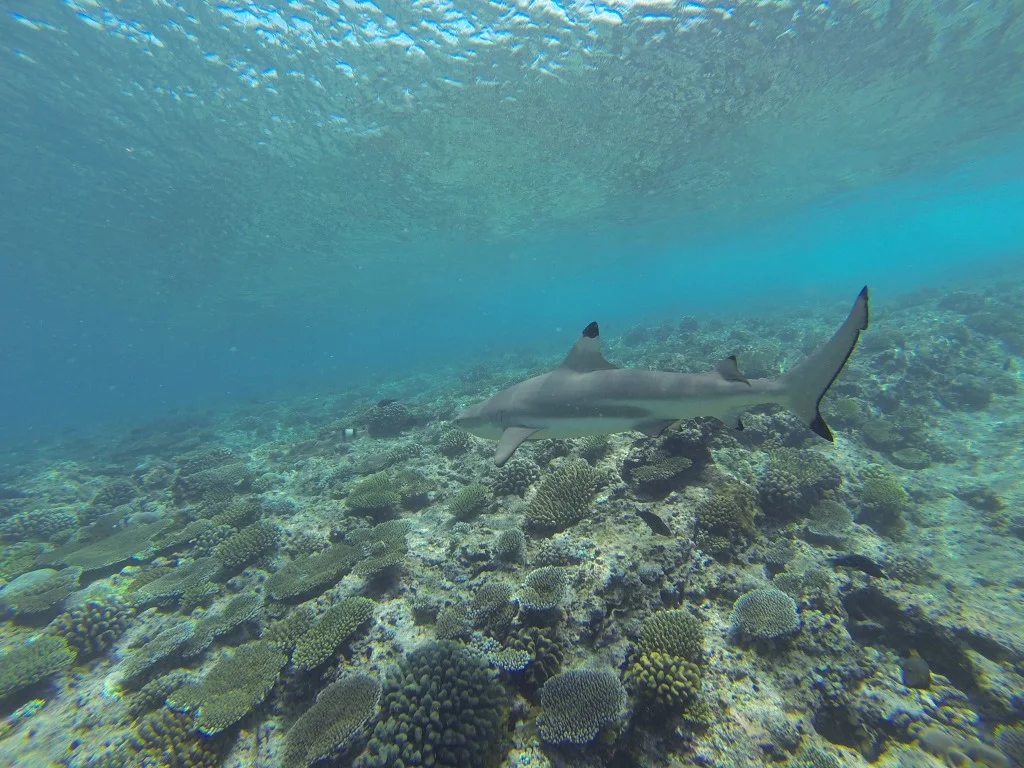
Encounters with larger marine species are a distinct possibility at Portia, making each dive an anticipated experience. Divers frequently report sightings of various sharks in the vicinity.
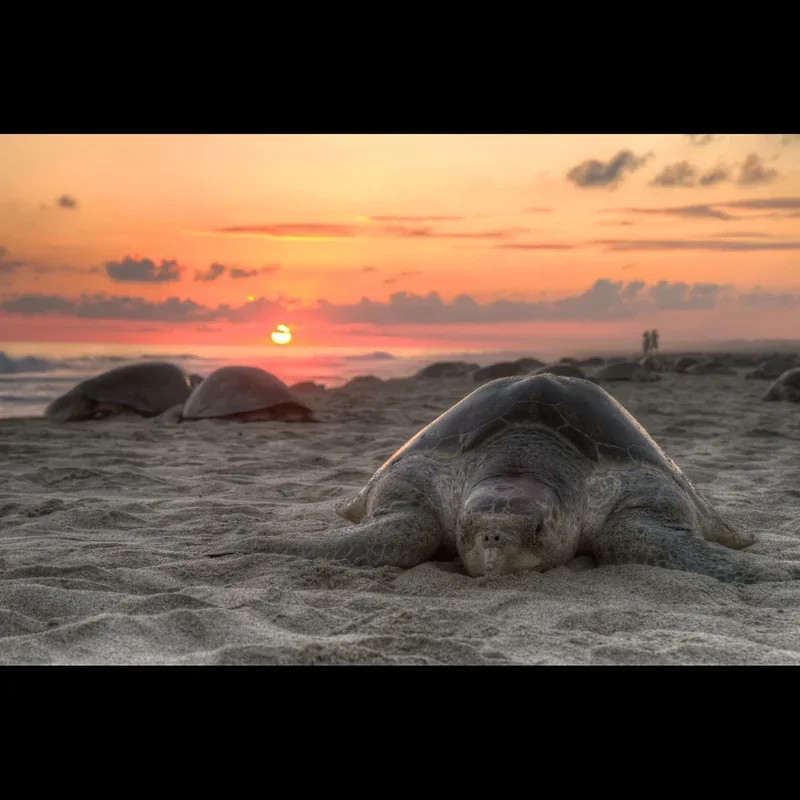
Whales and dolphins are also common visitors to these waters, though sightings can depend on migration patterns and seasonal presence. For those with a keen eye, sea turtles may be observed navigating the wreck's structure.
These larger animals provide compelling photographic opportunities against the backdrop of the dynamic wreck.
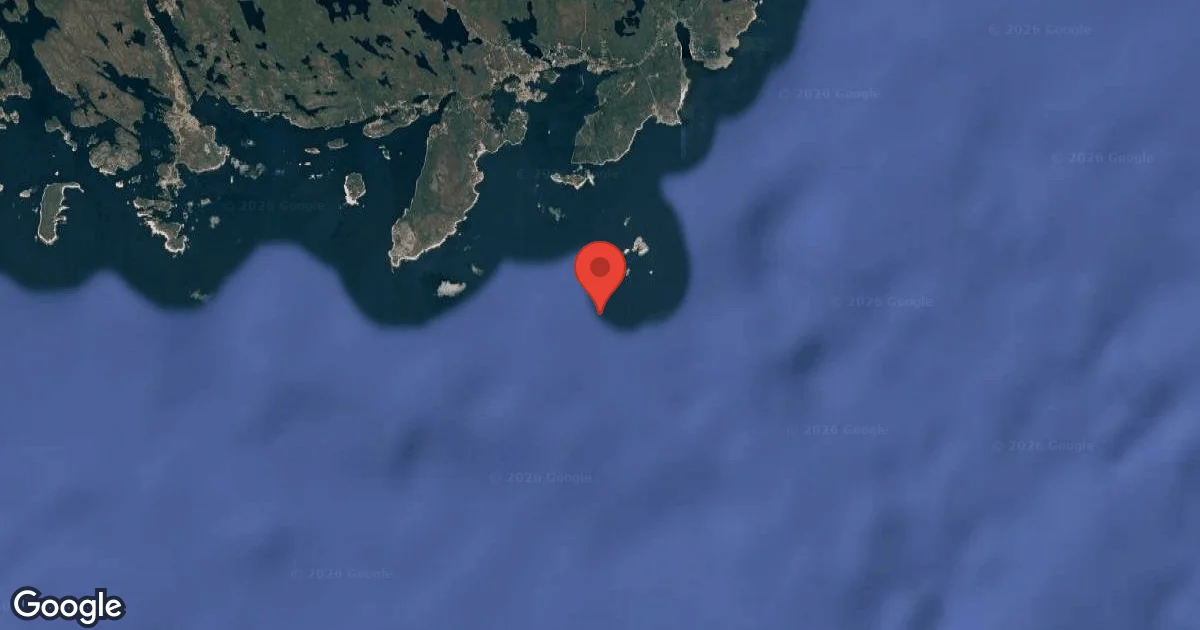
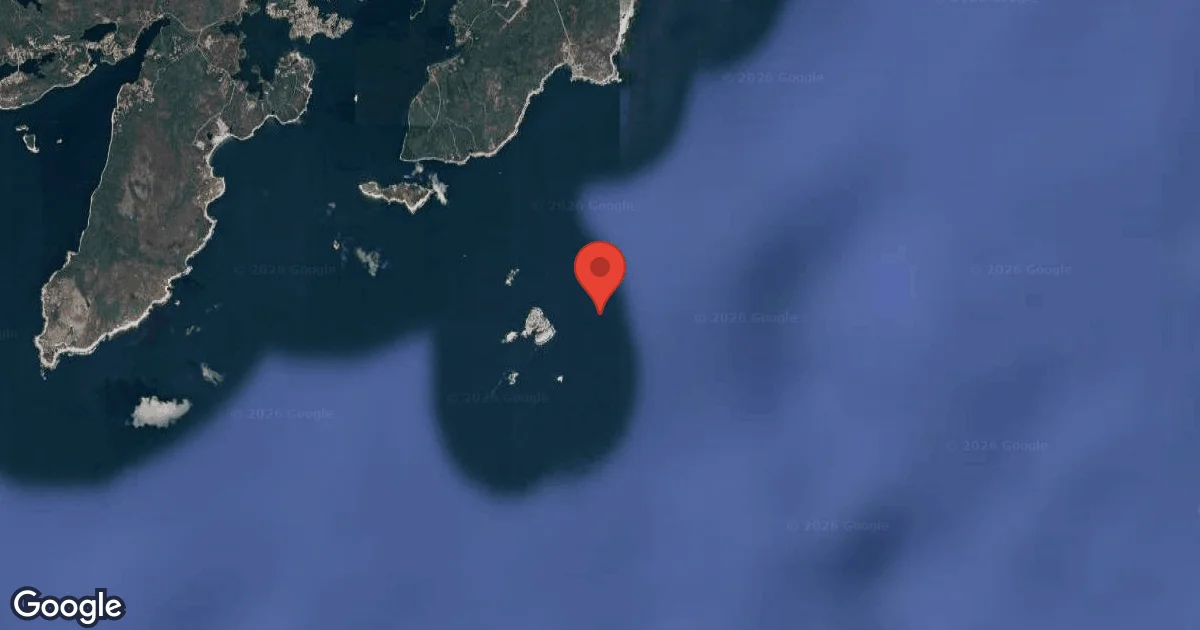
Dive Sites Near Portia
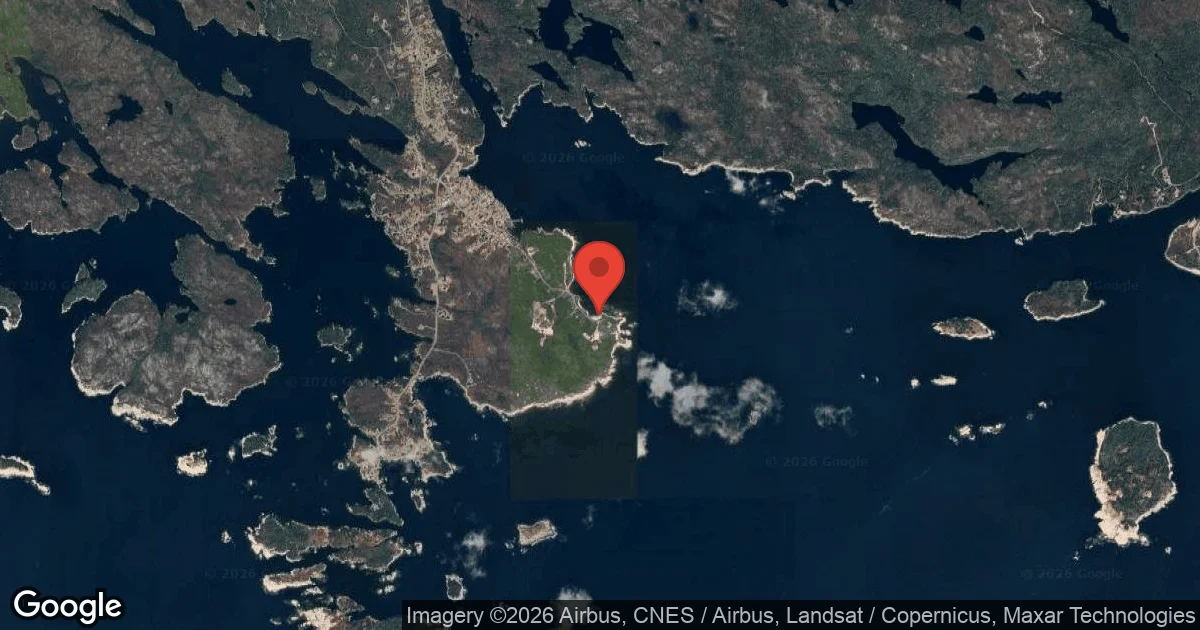
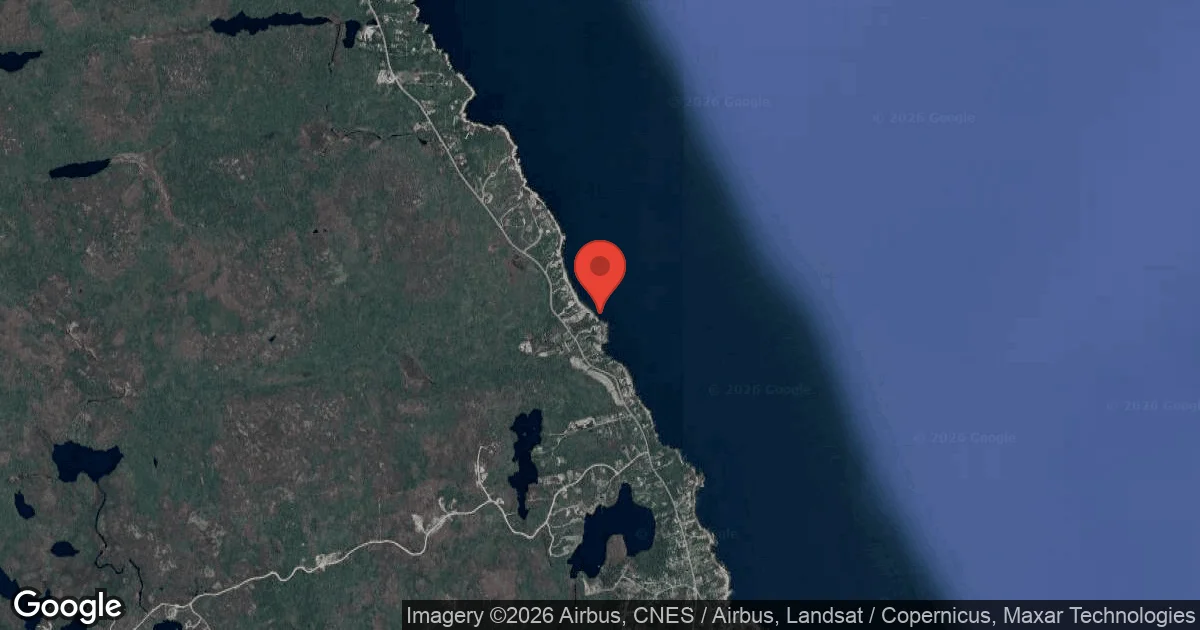
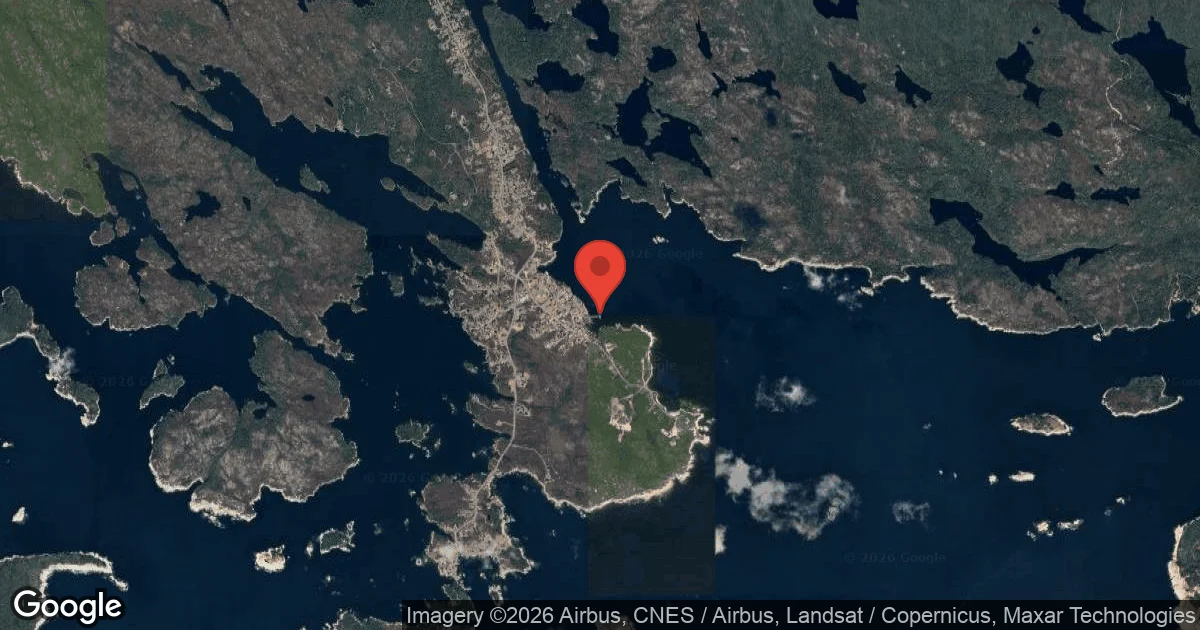
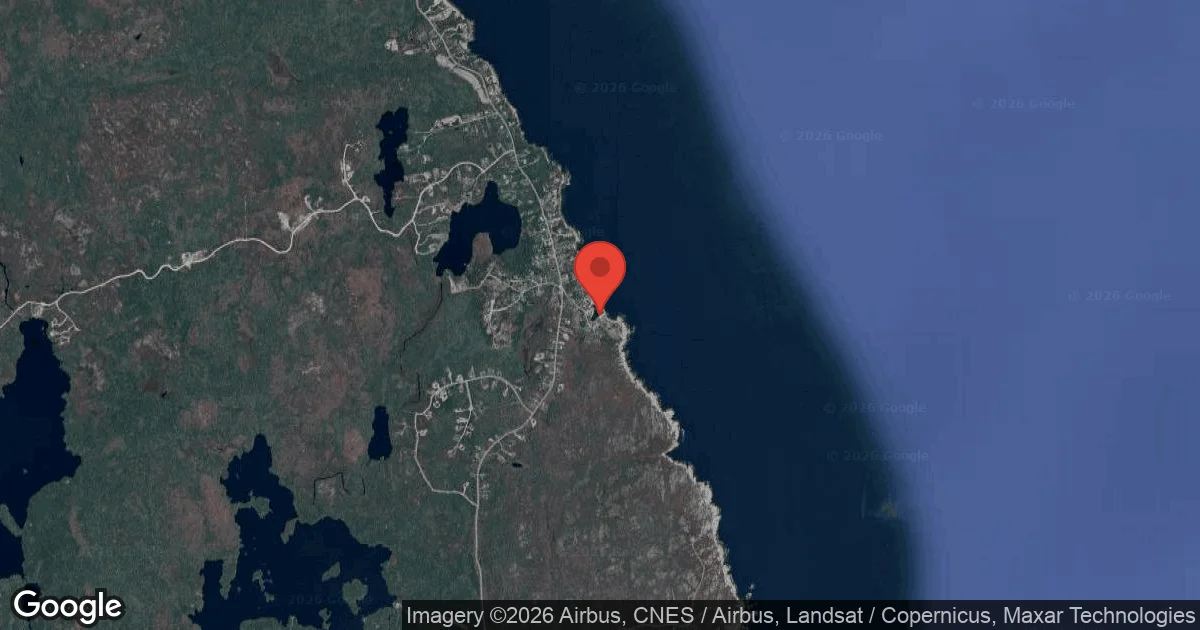
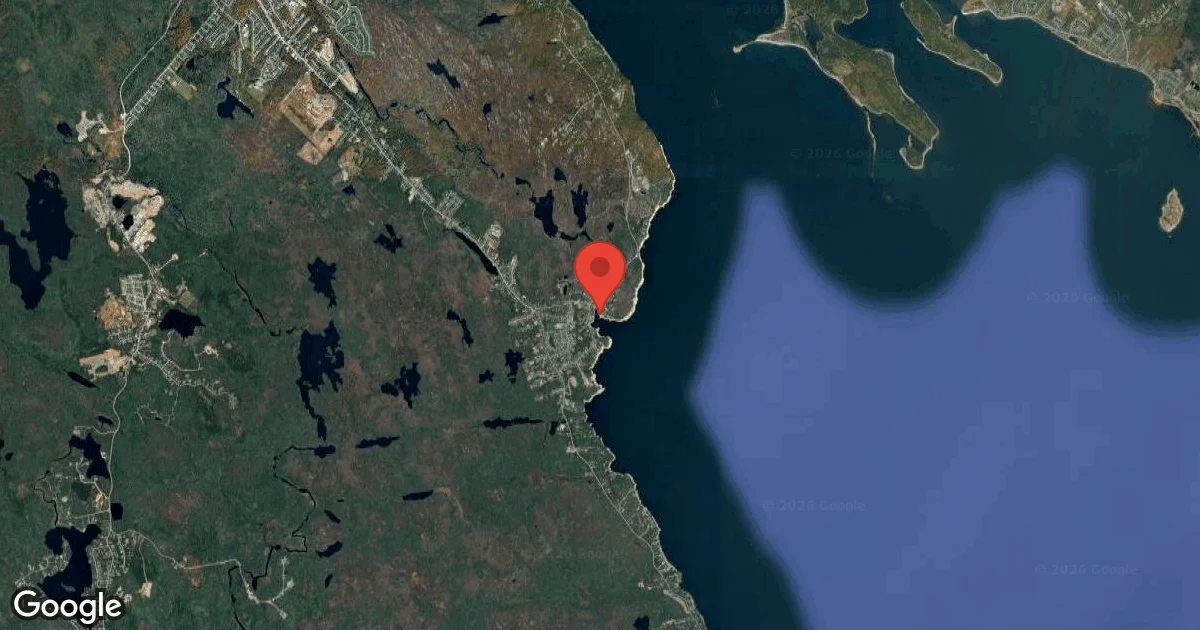
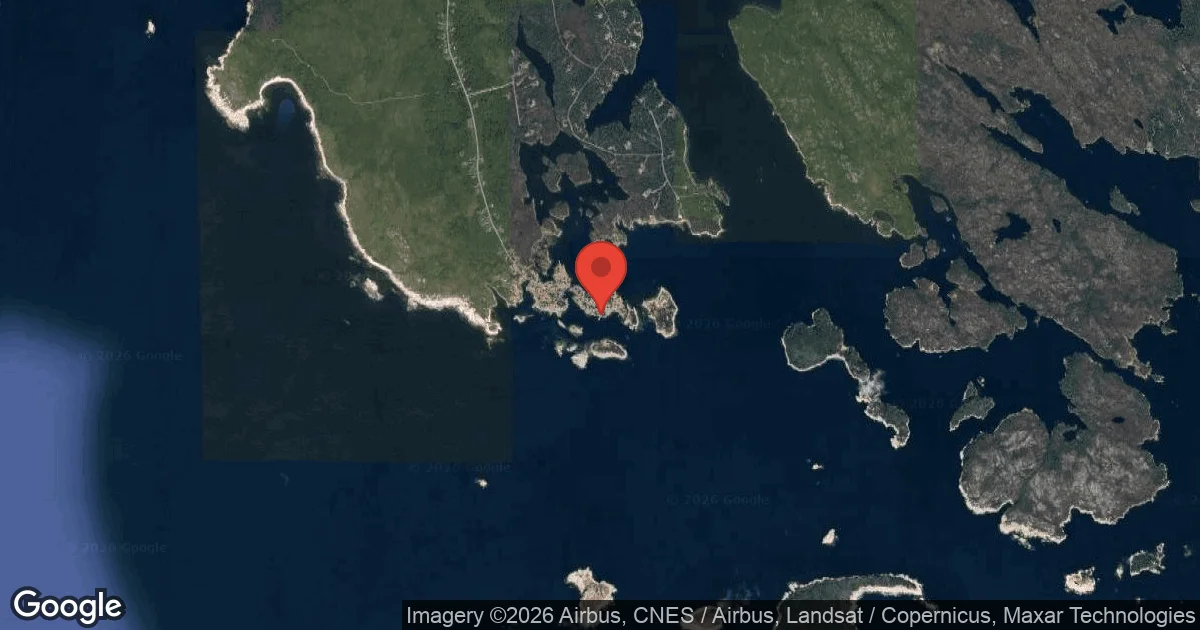
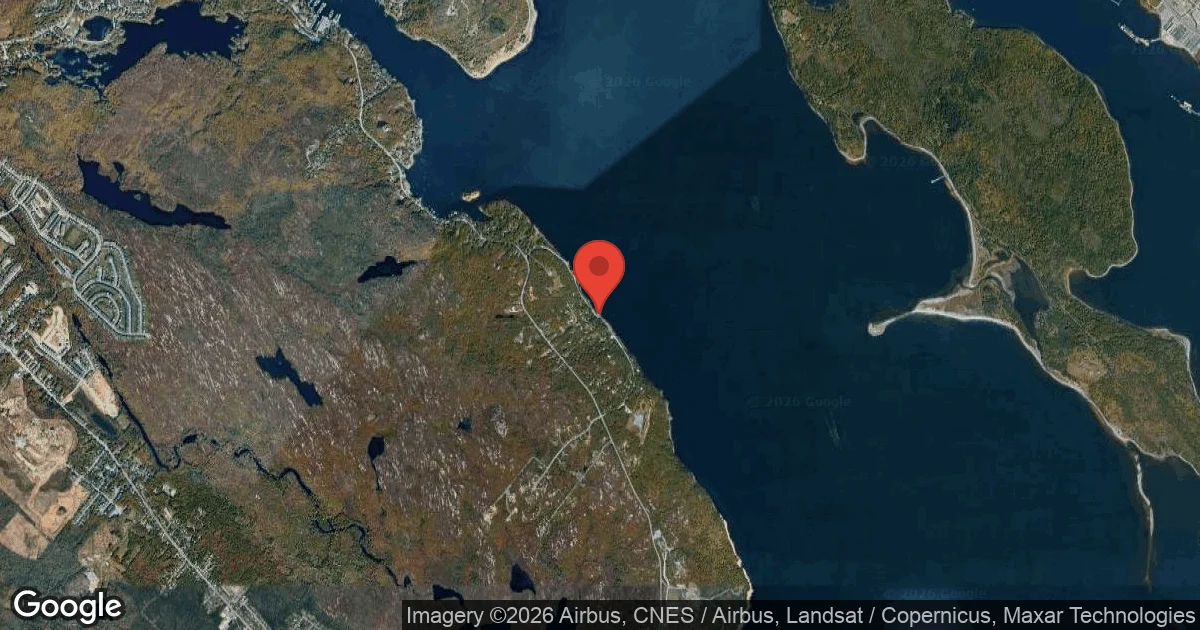
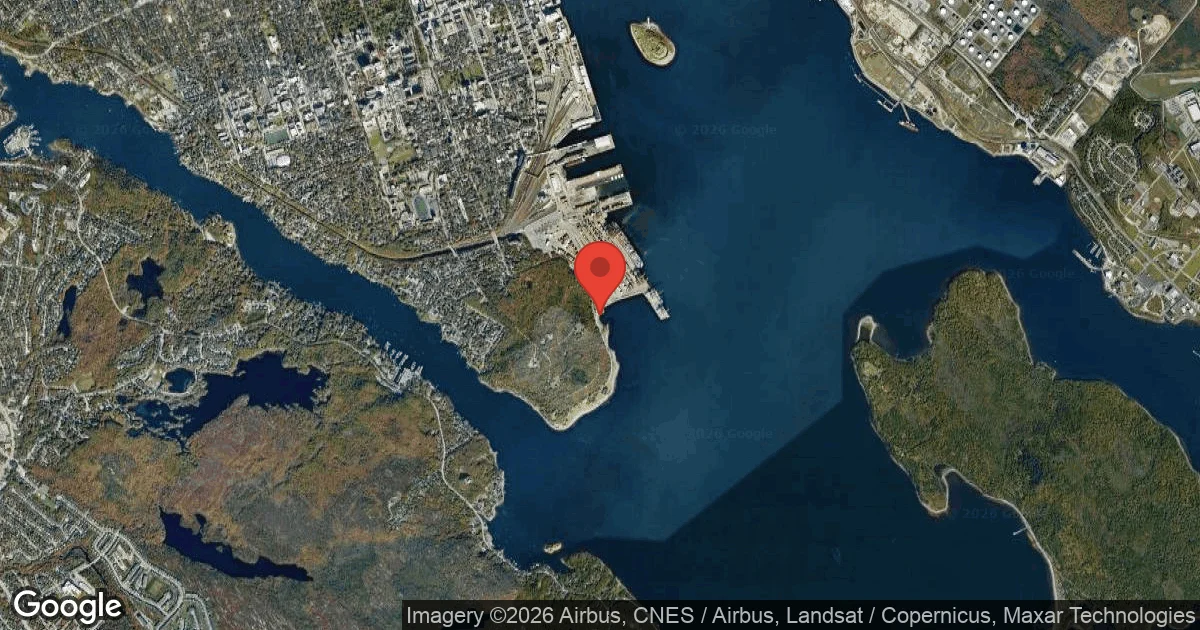
View all dive sites in CanadaDiscover more underwater gems in this area.
Dive Centers Near Portia
Today: 09:00 - 17:00
Nearest Airports
Nearest airports to help plan travel to this dive area.
Search Flights
Check available flights and routes on Expedia, using the nearby airports listed in this section.
Search Flights on ExpediaFrequently Asked Questions
How does sand movement affect the Portia wreck?
Sand movement frequently changes the Portia wreck's exposed features. This means visibility, structure, and accessibility of different parts can vary significantly between dives. Each visit offers a potentially new perspective of the site, requiring divers to adapt to a dynamic environment.
What should divers know about currents at Portia?
Portia is characterized as a drift dive site, indicating that currents are a consistent factor. Divers must be proficient in buoyancy control and underwater navigation to manage their trajectory effectively. Advanced planning for drift diving techniques is highly recommended here.
What are the typical water temperatures for diving the Portia?
This region generally presents cold water conditions, even during warmer surface periods. Divers should anticipate thermoclines during descent. A dry suit, hood, and gloves are essential for maintaining core body temperature and ensuring comfort.
When is the best time of year for diving at Portia?
While 'Good' dive scores often occur from May to September due to calmer waters, improved visibility typically appears in the fall and winter months. These colder periods often offer clearer conditions for observing the wreck's features. Surface conditions, including wave height, are also calmer in summer.
What visibility can divers expect at the Portia wreck?
Visibility at Portia can vary significantly depending on conditions and season. Reports suggest enhanced visibility during fall and winter months, potentially exceeding 30 meters (100 ft) at some Canadian sites. Summer months, while warmer, might present more variable visibility.
What kind of marine life might I encounter at Portia?
Encounters with larger marine species are a distinct possibility here. Divers frequently report sightings of various sharks in the vicinity. Whales, dolphins, and sea turtles are also common visitors, though their presence often aligns with migration patterns.
Planning to dive Portia?
Send one inquiry and receive offers directly from the best verified local dive operators.
Conditions are Good
Optimal conditions expected
Current conditions near Portia show 14° air, 16° sea temperature, 0.9 m waves, and 30 km/h wind. Forecast data is refreshed regularly to ensure accuracy.