
Diving at Terence Bay Wharf (Canada)
Conditions at Terence Bay Wharf in Nova Scotia, Canada, are generally cold, demanding appropriate thermal protection year-round. While air temperatures vary significantly, water conditions remain consistently cool. Divers typically find better visibility during the colder months due to reduced runoff, whereas summer brings more active marine life. Planning dives for slack high tide can also improve underwater clarity.
Tonight's objective overview for Terence Bay Wharf shows an air temperature of 19°C. The measured surface conditions include wave heights around 0.6 m. This environmental data is logged for the close of the day.
Dive Site Location & Key Facts
Dive Site Overview
Accessible shore diving is a hallmark of Terence Bay Wharf, an experience set amidst a region celebrated for its rustic charm and vibrant Atlantic marine life. Divers, regardless of their experience level, will find a varied underwater landscape here, encompassing large kelp formations and rock ledges around a working wharf.
Explore points of interest easily within a single dive, maximizing your exploration time. Bottom composition primarily features rocky areas mixed with sand, which can transition into silt in certain spots, influencing local visibility. Active local fishermen use the wharf as their operational base, meaning divers occasionally encounter debris like gloves or bottles, adding a discovery element to the site.
The maritime bounty Nova Scotia provides is evident here for those ready for cold water. Being part of an active fishing community also means varied marine life thrives in these North Atlantic waters, making each descent potentially different based on the season and daily conditions.
Conditions are Good
Optimal conditions expected
Current conditions near Terence Bay Wharf show 19° air, 17° sea temperature, 1.0 m waves, and 33 km/h wind. Forecast data is refreshed regularly to ensure accuracy.
Best Time to Dive
Planning your dive around the season can significantly influence the underwater experience at Terence Bay Wharf. While diving is possible year-round in the cold waters of the North Atlantic, the peak season for 'Good' dive scores typically runs from May through September. During these months, average air temperatures are more comfortable, ranging from 10°C (50°F) in May to 19.5°C (67°F) in July, with rainfall being relatively lower in May (2.78mm) and September (3.11mm). Conversely, winter months, particularly December, see 'Poor' dive scores, marked by colder air temperatures averaging 0.5°C (33°F) and higher average wave heights of 2.0 m (6.6 ft). Although colder, winter often brings stunning visibility due to frozen ground and minimal rain runoff, which significantly reduces particulate matter in the water. Late August and September might even surprise divers with slightly warmer water, occasionally attracting seahorses and triggerfish to shallower sections.
PEAK SEASON SCORE
Scores combine air & water temps, waves, wind & rainfall for overall conditions.
BEST MONTHS TO DIVE
Monthly records compiled from satellite and marine observation nodes over the last 3 years. Data provided by Open-Meteo and MET Norway.
Dive Experience & Conditions
Entry and exit at Terence Bay Wharf are versatile, with divers having two primary options. A giant stride off the end of the working wharf is a common method for entering the water. Alternatively, divers can climb over a few boulders along the shore to begin their dive. For exiting, ladders are available along the wharf, with the one in the middle generally being easier due to a convenient top handle; climbing back over the boulders is also an option. Visibility here varies, influenced by factors like weather, rain runoff, wind, waves, and tides, but 4.5 m to 12 m (15 ft to 40 ft) is not uncommon. Improved visibility is often observed during slack high tide. The site is considered easy to navigate, suitable for novice divers, with the left side featuring large boulders and rocks, while the right side is generally shallower. This makes exploring the full site manageable during a single dive.
Dive Difficulty & Safety Guidelines
Diving at Terence Bay Wharf requires awareness of its operational status as a working area and potential marine hazards. Always drive to the wharf, drop off gear and buddies, then park your vehicle in designated areas, ensuring not to block access to lobster traps or other operational zones.
There are no restroom facilities on site, but nearby restaurants and a convenience store are available. A dive flag and knife are recommended due to the presence of fishing gear and passing boat traffic in the vicinity, particularly as the site approaches Halifax Harbour.
Divers should possess at least an Open Water certification, with many shore dives in the wider Halifax area being well-suited for Advanced Open Water levels. Cold water diving requires specific gear and preparedness; prioritizing thermal protection is crucial for safety and comfort.
Recommended Equipment
- Dive Computer
This gear list is based on verified equipment signals for Terence Bay Wharf, Canada. Always confirm final gear choices with your dive operator, guide, or liveaboard.
Recommended Dive Suit
5-7mm wetsuit usually provides adequate warmth in water around this temperature. Surface intervals may feel cooler. Water conditions at Terence Bay Wharf are currently measured at approximately 17°C (63°F). Surface air temperatures are resting at 19°C (66°F).
The coming days appear slightly cooler according to the latest forecast. A significant temperature drop is forecast; strongly suggest bringing a backup warmer suit option. Some divers bring an extra layer for surface intervals between dives.
Conditions can vary slightly across different parts of the same dive site.
Due to technical issues with our weather providers, data hasn't been fetched for over 48 hours. The data above reflects the conditions at the time of the last successful fetch.
Emergency & Medical Support
Essential information to help you plan your dive trip to Terence Bay Wharf.

Hyperbaric chambers are a critical part of dive safety infrastructure. Availability varies significantly by region, and not all dive areas have immediate access.
Before diving, it's recommended to:
- confirm nearest medical facilities
- check emergency procedures with local dive operators
- ensure dive insurance covers evacuation if required
Divers Alert Network
Diving emergency assistance available through DAN World.
+1-919-684-9111- 24/7 emergency hotline
- Diving medical assistance
- Evacuation coordination
Emergency contacts are provided for reference. Always verify local emergency services before diving.
Marine Life at Terence Bay Wharf
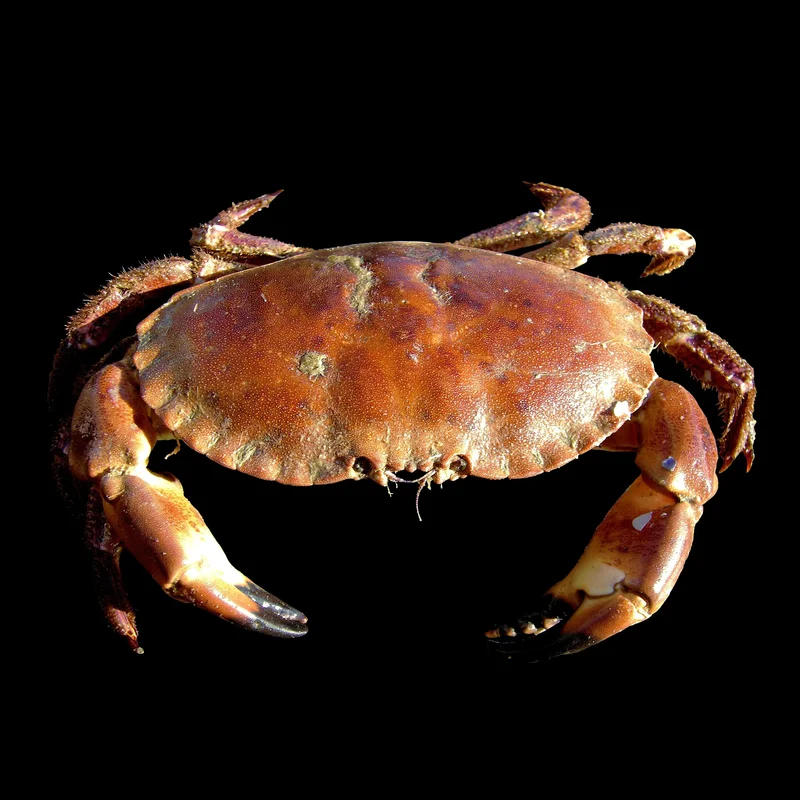
The waters around Terence Bay Wharf reveal a diverse cold-water ecosystem, particularly active during the summer and fall. Divers can expect to encounter schools of fish alongside various crab species, including hermit, green, and rock crabs, which often scuttle across the rocky and sandy bottom.
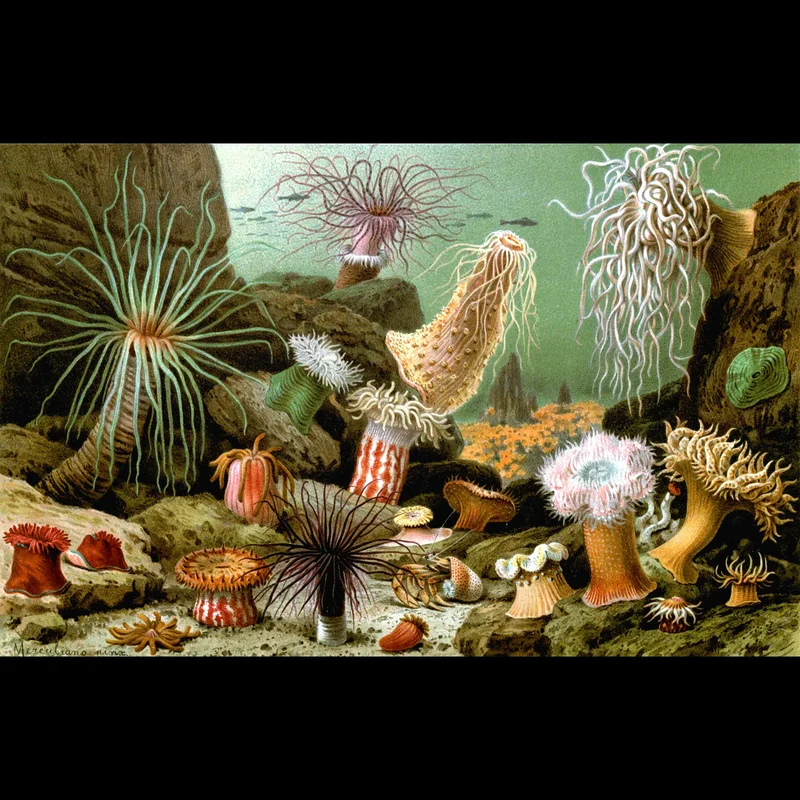
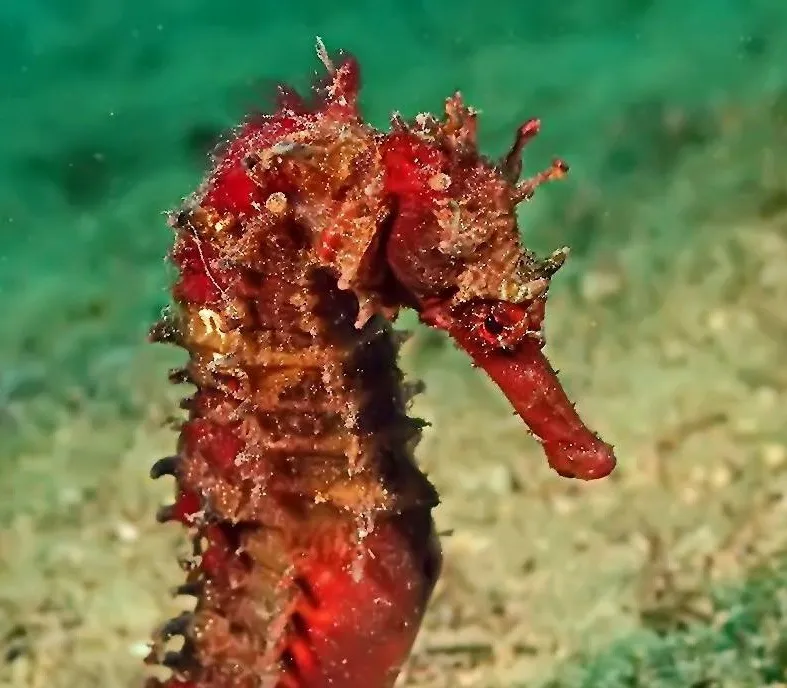
The site features abundant sponges and anemones clinging to the wharf pillars, providing vibrant splashes of color and structural interest. Depending on the time of year, particularly late August and September, sightings might include seahorses and triggerfish in shallower sections.
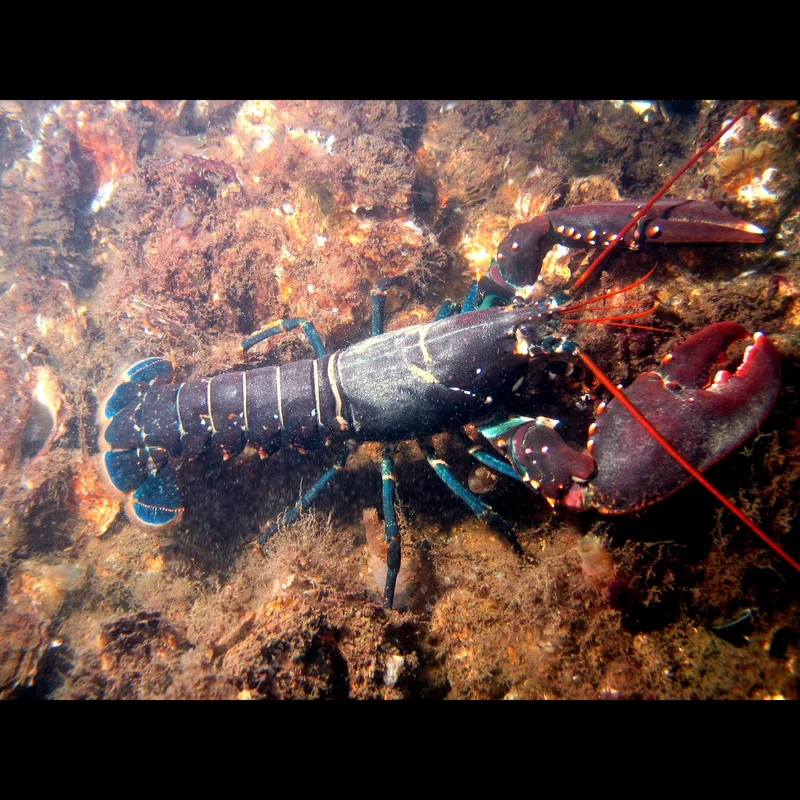
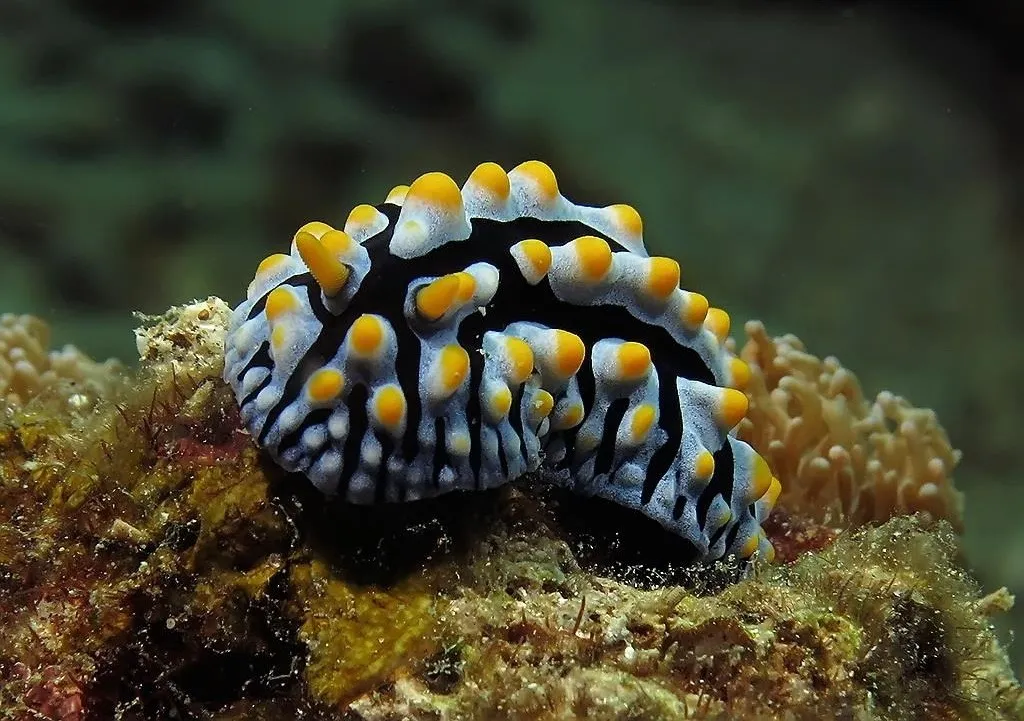
Large nudibranchs and lobsters also frequent the area, offering excellent photo opportunities amidst the kelp formations and rock ledges.
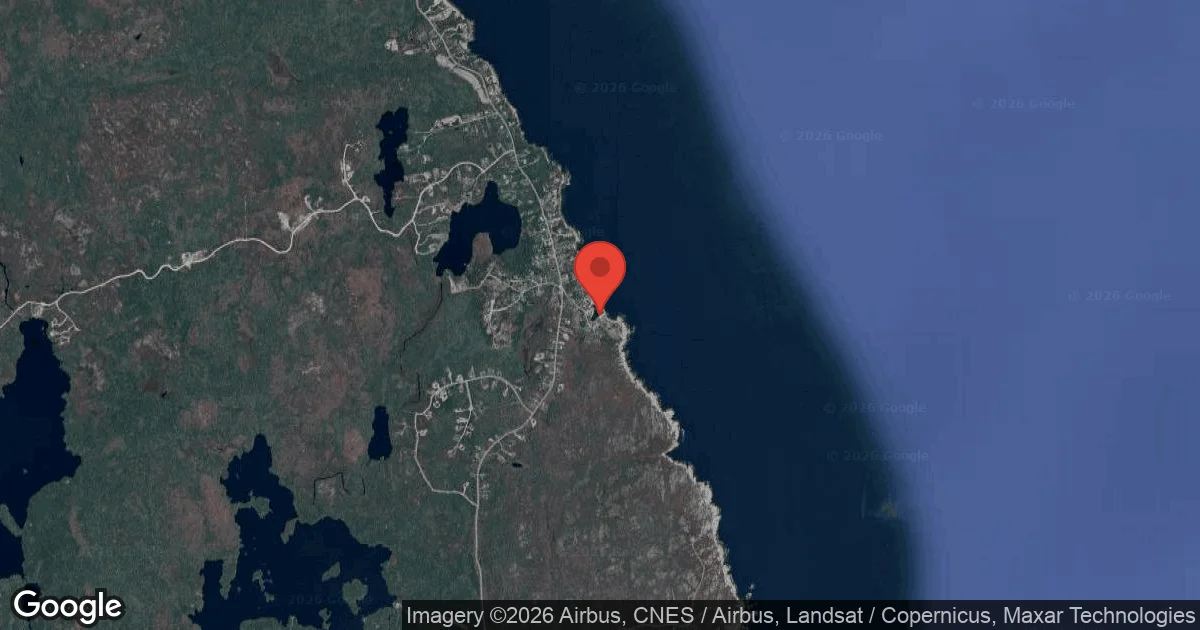
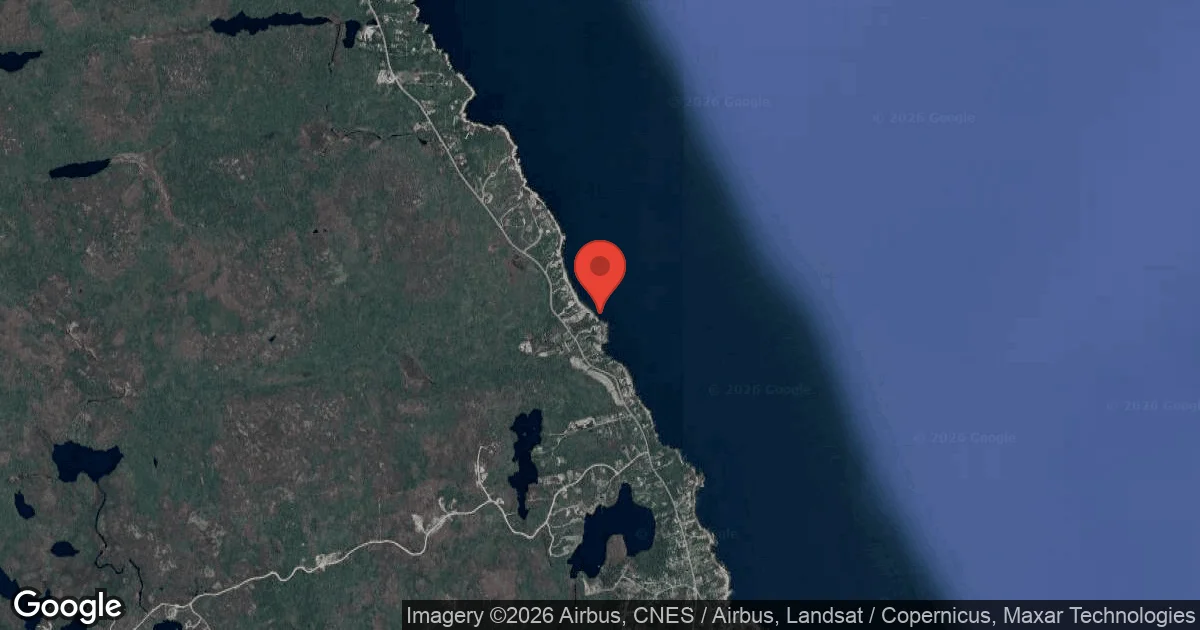
Dive Sites Near Terence Bay Wharf
View all dive sites in CanadaDiscover more underwater gems in this area.
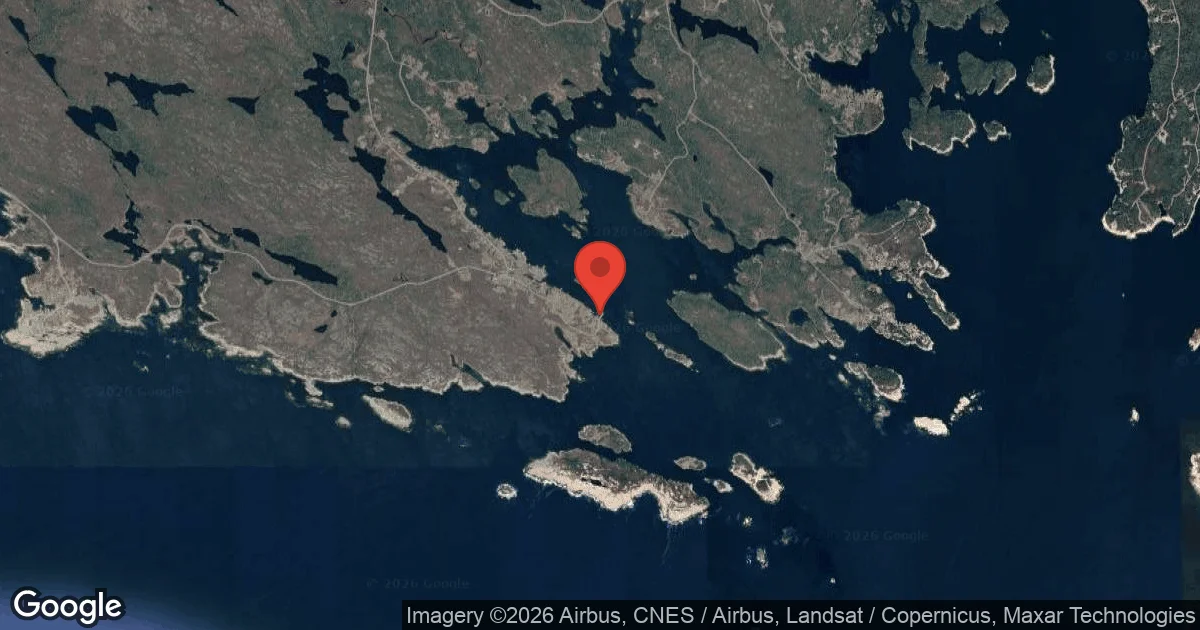
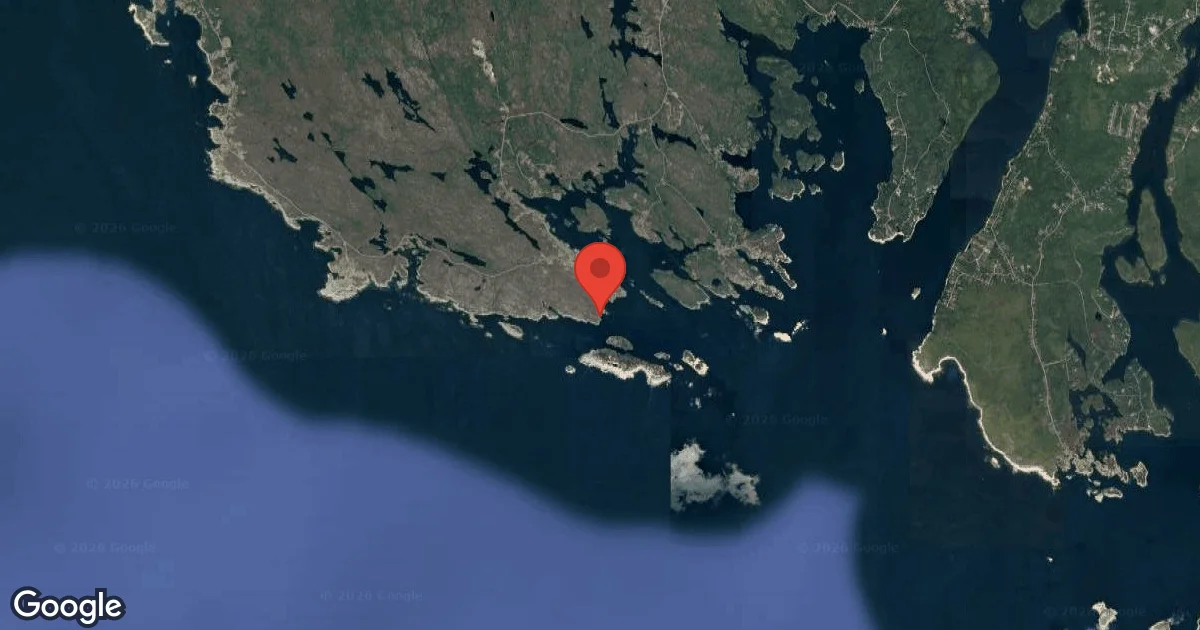
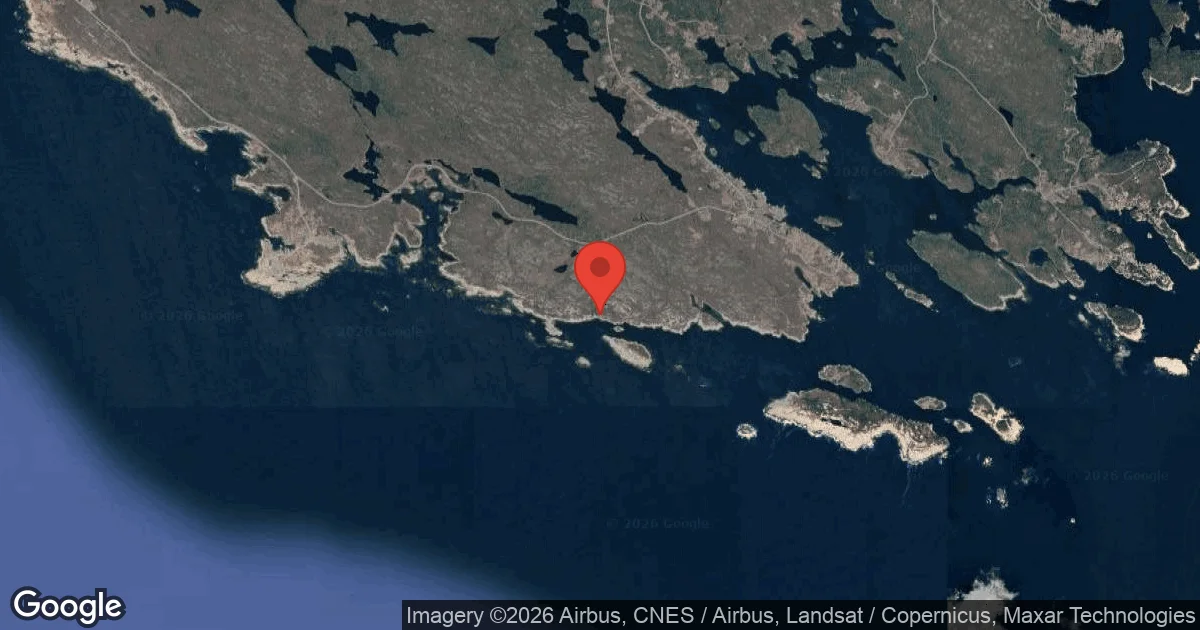
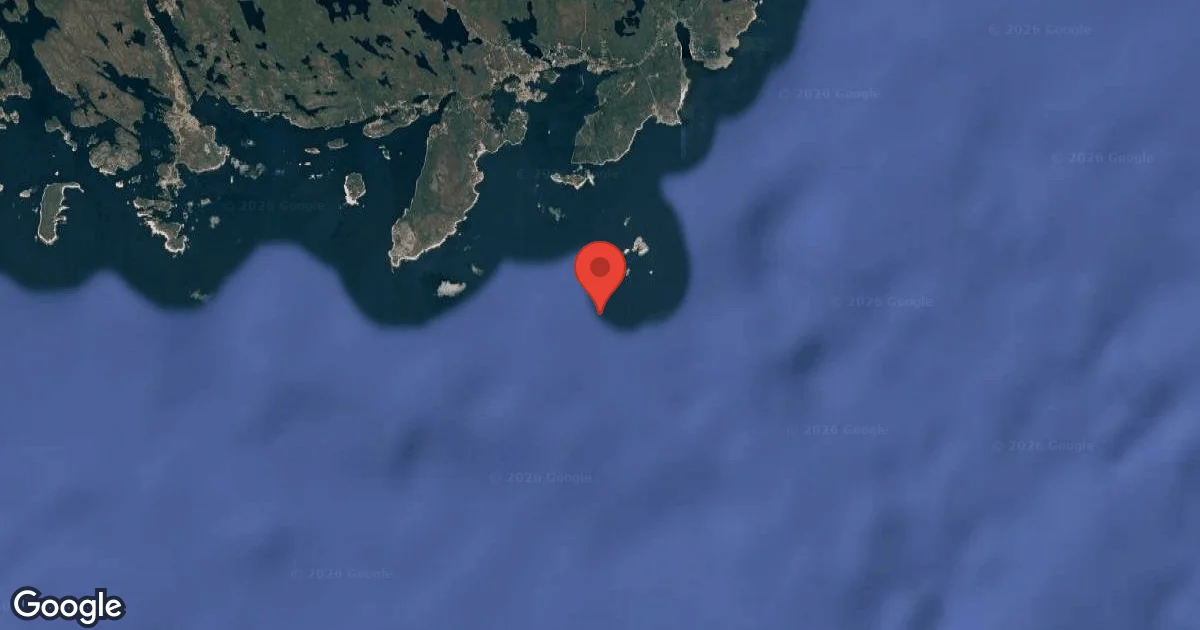
Dive Centers Near Terence Bay Wharf
Today: 09:00 - 21:00

Nearest Airports
Nearest airports to help plan travel to this dive area.
Search Flights
Check available flights and routes on Expedia, using the nearby airports listed in this section.
Search Flights on ExpediaFrequently Asked Questions
What certification level is required for diving at Terence Bay Wharf?
Terence Bay Wharf is ideal for novice divers, making it suitable for those holding an Open Water certification. Its easy navigation and accessible points of interest are welcoming for less experienced divers.
What is the typical visibility at this dive site?
Visibility at Terence Bay Wharf varies based on environmental factors like weather, tides, and runoff. However, 4.5 m to 12 m (15 ft to 40 ft) is a common range, with better clarity often experienced during slack high tide.
Are there specific entry and exit points at the wharf?
Divers can enter the water by performing a giant stride off the end of the wharf or by climbing over boulders. Exiting options include using ladders located along the wharf or re-climbing the boulders.
What kind of marine life can I expect to see?
The site hosts various marine life, including schools of fish, hermit, green, and rock crabs, sponges, and anemones. During late summer and early fall, there's a chance to spot seahorses, triggerfish, large nudibranchs, and lobsters.
What are the parking and facility arrangements at the site?
This is a working wharf, so park only in designated areas to avoid blocking access to lobster traps. It's recommended to drop off gear and buddies at the site before parking. There are no on-site restrooms, but amenities are available nearby.
When is the best time of year to dive Terence Bay Wharf?
The months from May to September generally offer 'Good' dive conditions with warmer air temperatures and active marine life. While winter visibility can be stunning, overall dive scores are lower due to colder conditions and higher waves.
Planning to dive Terence Bay Wharf?
Send one inquiry and receive offers directly from the best verified local dive operators.
Conditions are Good
Optimal conditions expected
Current conditions near Terence Bay Wharf show 19° air, 17° sea temperature, 1.0 m waves, and 33 km/h wind. Forecast data is refreshed regularly to ensure accuracy.