
Diving at Black Rock Beach (Canada)
Black Rock Beach provides accessible diving within a maximum depth of 15 meters (50 feet), making it an approachable site for various certification levels. Its gently sloping profile allows comfortable exploration of both shallower and deeper sections. Divers easily navigate this recreational depth range, making it a practical choice for those new to cold-water shore diving. A straightforward and relaxed underwater experience awaits here.
Tonight's objective overview for Black Rock Beach shows an air temperature of 15.5°C. The measured surface conditions include wave heights around 0.6 m. This environmental data is logged for the close of the day.
Dive Site Location & Key Facts
Dive Site Overview
A gently sloping sandy beach provides an exceptionally easy entry and exit point for divers at Black Rock Beach. Such straightforward access makes it an ideal spot for those new to diving or seeking to test out new equipment without the complexities of boat entries.
Located within Point Pleasant Park in Halifax, NS, underwater topography begins with a broad sandy expanse. Gradual descent from the beach reveals a sandy bottom that transitions into areas punctuated by significant rock formations along both the left and right flanks of the main dive path. Rocky outcrops and ledges create a diverse and structurally rich environment, forming numerous hiding spots and sheltered zones for marine organisms.
Exploring these natural "walls" can reveal historical artifacts like old bottles, which have become integrated into the local ecosystem. Calm conditions generally prevail, allowing for a relaxed exploration of the gently undulating bottom.
For navigation, two specific wreck sites are charted from the beach. A smaller wreck is found by maintaining a bearing of 080 degrees from the entry.
Further out, a second, more substantial wreck is situated on a 095-degree bearing, adjacent to a container jetty. Divers aiming for this second target must be mindful of their depth, as reaching 15 meters (50 feet) or deeper indicates having overshot the wreck. Recreational depth at the site ensures accessibility and safety for a wide range of skill levels.
Conditions are Good
07:00 - 14:00
Optimal conditions expected
Current conditions near Black Rock Beach show 15° air, 17° sea temperature, 0.9 m waves, and 23 km/h wind. Forecast data is refreshed regularly to ensure accuracy.
Best Time to Dive
Visibility often dictates the optimal diving season at Black Rock Beach. A sediment-rich bottom means that stirred conditions can significantly reduce clarity, sometimes taking several minutes to settle. Therefore, planning dives when waves are minimal and conditions are generally calm becomes paramount. Based on climate data, the period from May through September consistently offers "Good" dive scores, aligning with lower average wave heights, which typically range from 1.2 to 1.4 meters (3.9 to 4.6 feet) during these months. Air temperatures are also most favorable, averaging between 10°C (50°F) in May and peaking around 19°C (66°F) in July. Rain levels during these peak months are generally lower, ranging from 2.8 to 6.2 mm (0.11 to 0.24 inches), contributing to better overall conditions and reduced runoff that can impact underwater clarity. While October also presents moderate conditions, early summer and fall tend to offer the most reliable combination of calm seas and comfortable topside temperatures.
PEAK SEASON SCORE
Scores combine air & water temps, waves, wind & rainfall for overall conditions.
BEST MONTHS TO DIVE
Monthly records compiled from satellite and marine observation nodes over the last 3 years. Data provided by Open-Meteo and MET Norway.
Dive Experience & Conditions
Currents at Black Rock Beach are generally calm, contributing to its reputation as an accessible site for divers of all levels. Such relative tranquility allows for a relaxed pace of exploration along the gently sloping bottom. However, divers should be aware of the site's sediment-heavy substrate; stirring the bottom can significantly reduce visibility for several minutes. Water temperatures for Black Rock Beach are not consistently reported in specific data, but regional conditions suggest cool to temperate ranges, especially outside of peak summer months. Given limited available data, divers should prepare for varying thermal conditions typical of Nova Scotia's coastal waters. Beach entry is sandy and offers a good slope, making gearing up and water access relatively easy. Divers can typically expect a maximum depth of around 15 meters (50 feet), allowing for extended bottom times within recreational limits.
Dive Difficulty & Safety Guidelines
Navigating Black Rock Beach requires careful attention to potential hazards, primarily stemming from its bottom composition and underwater features. A significant amount of sediment on the bottom can lead to greatly reduced visibility if stirred, taking several minutes to clear. Divers should practice excellent buoyancy control to minimize disturbance.
Rocks line both sides of the beach; therefore, taking a bearing, such as 080 degrees towards the small wreck, is essential for safe navigation and return. A second, deeper wreck on a 095-degree bearing also exists, and divers must be cautious not to exceed 15 meters (50 feet) while searching for it, as this indicates overshooting the target.
Establishing a comprehensive emergency plan before any dive is crucial, including procedures for lost divers and ensuring a charged cell phone with good signal is available. If conditions feel uncomfortable, postponing or canceling the dive is always the safest approach. Finally, avoid disturbing marine life to maintain the ecosystem's health.
Recommended Equipment
- Dive Computer
This gear list is based on verified equipment signals for Black Rock Beach, Canada. Always confirm final gear choices with your dive operator, guide, or liveaboard.
Recommended Dive Suit
The coming days appear slightly cooler according to the latest forecast. Cooler days are ahead; you might want a warmer option for later in the week. Divers planning multiple dives may appreciate having a warmer option available.
Factors such as dive duration, depth, and activity level can influence how warm a diver feels underwater. Surface intervals may feel noticeably cooler once you exit the water.
5-7mm wetsuit typically balances flexibility and thermal protection in these temperatures. A thermal robe or jacket is recommended between dives. Divers preparing to enter the water at Black Rock Beach will likely find temperatures around 17°C (63°F) today. Surface air temperatures are resting at 15°C (60°F).
Emergency & Medical Support
Essential information to help you plan your dive trip to Black Rock Beach.

Hyperbaric chambers are a critical part of dive safety infrastructure. Availability varies significantly by region, and not all dive areas have immediate access.
Before diving, it's recommended to:
- confirm nearest medical facilities
- check emergency procedures with local dive operators
- ensure dive insurance covers evacuation if required
Divers Alert Network
Diving emergency assistance available through DAN World.
+1-919-684-9111- 24/7 emergency hotline
- Diving medical assistance
- Evacuation coordination
Emergency contacts are provided for reference. Always verify local emergency services before diving.
Marine Life at Black Rock Beach
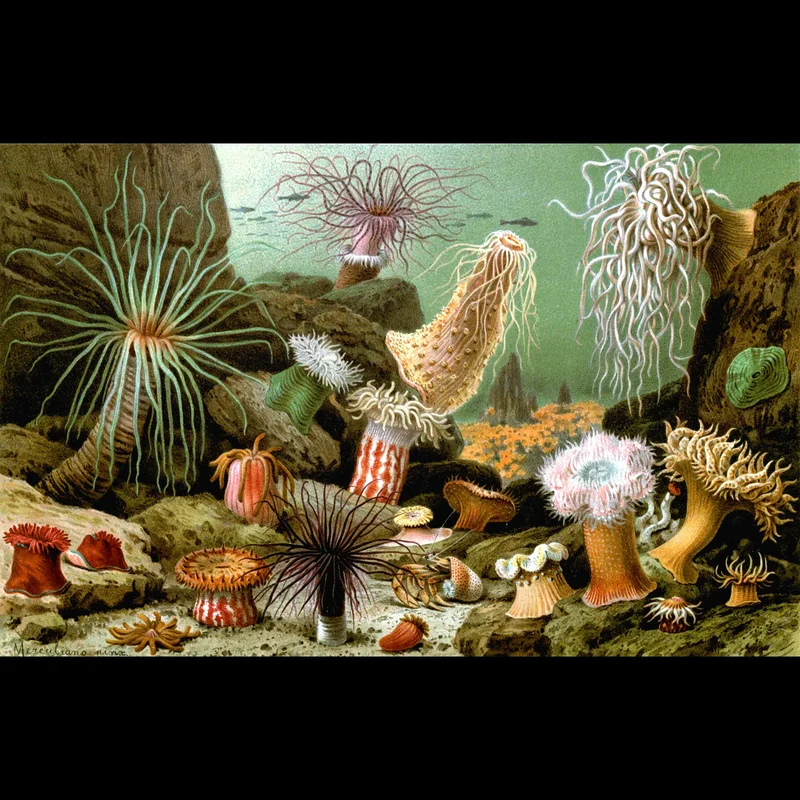
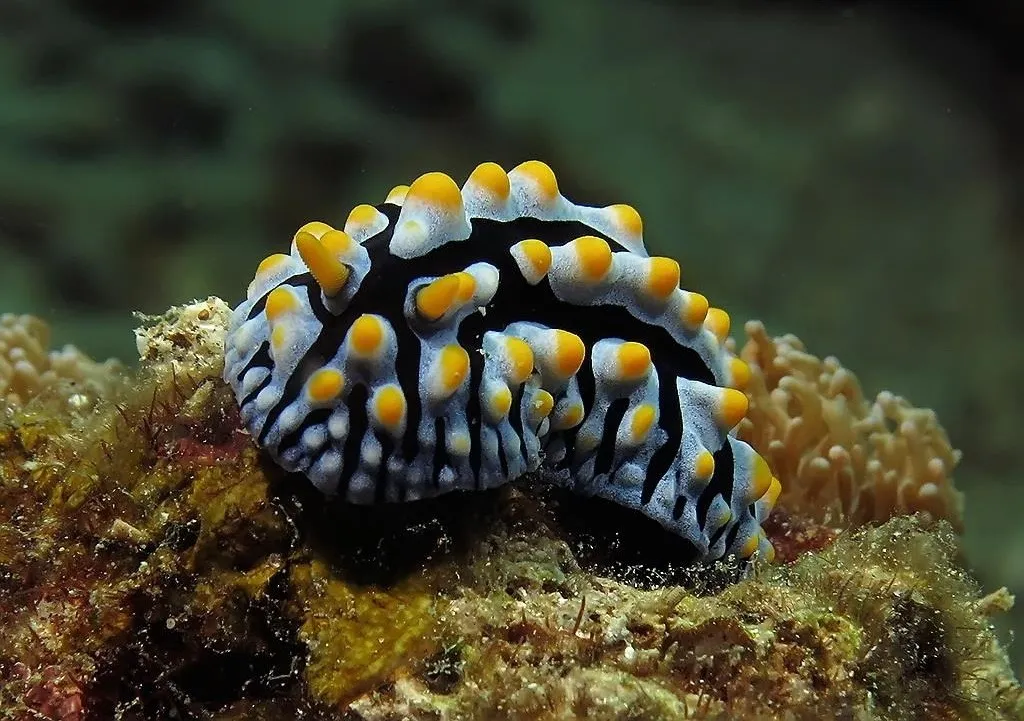
Varied underwater landscapes at Black Rock Beach support a surprising array of smaller marine life. Beneath sandy expanses and within the crevices of rocky sections, divers frequently encounter tube anemones and various species of nudibranchs.
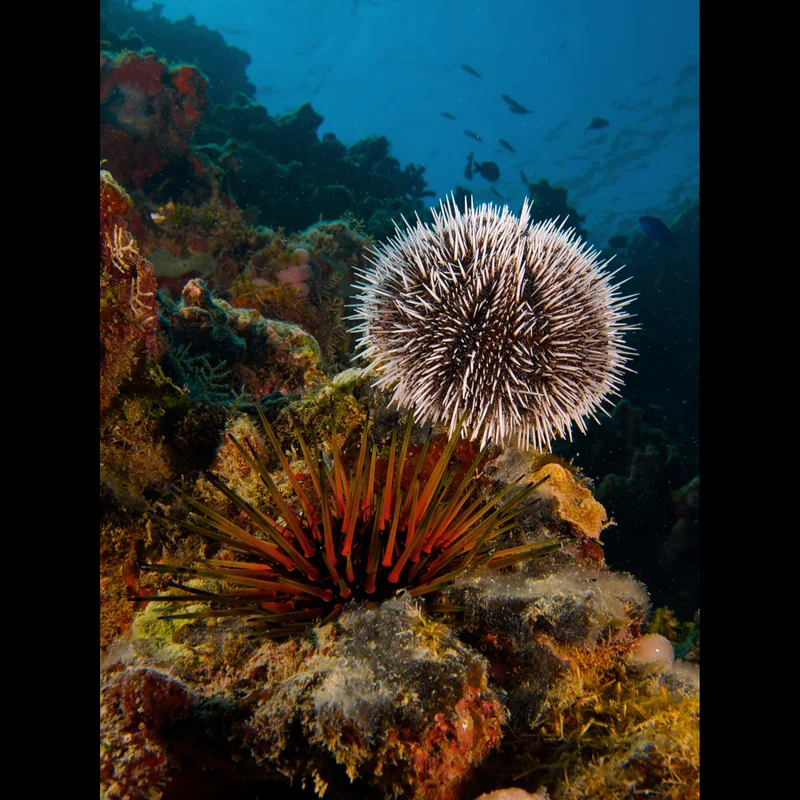
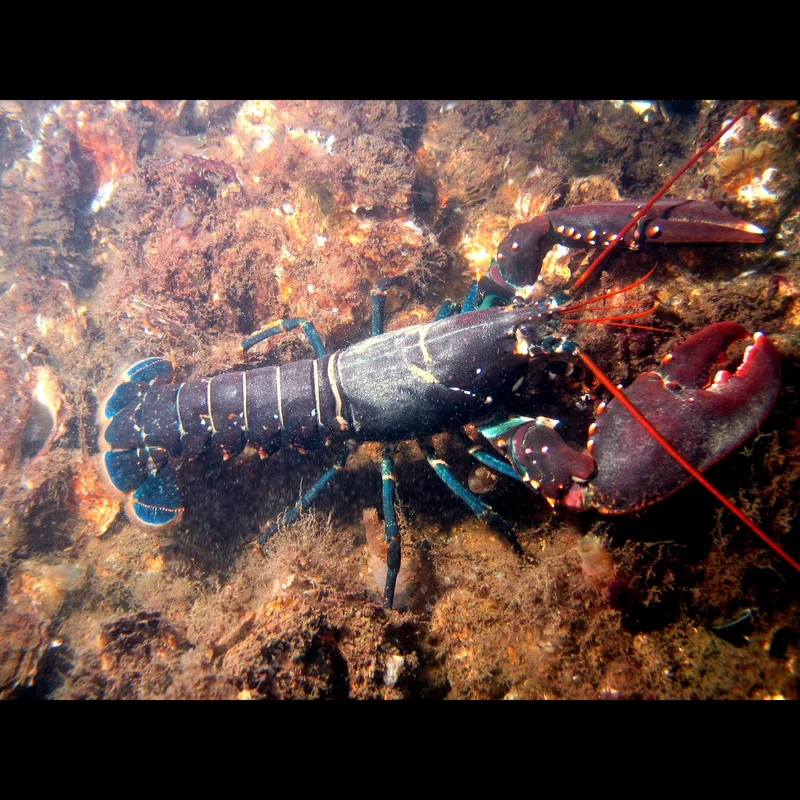
Kelp also provides additional habitat and shelter. Exploring structural elements, including old bottles that have become part of the environment, often reveals sea urchins and occasionally impressive, massive lobsters seeking refuge.
While larger pelagic sightings are less common for this specific beach dive, focus here is on the fascinating macro and invertebrate life thriving in its temperate coastal waters.
Dive Sites Near Black Rock Beach
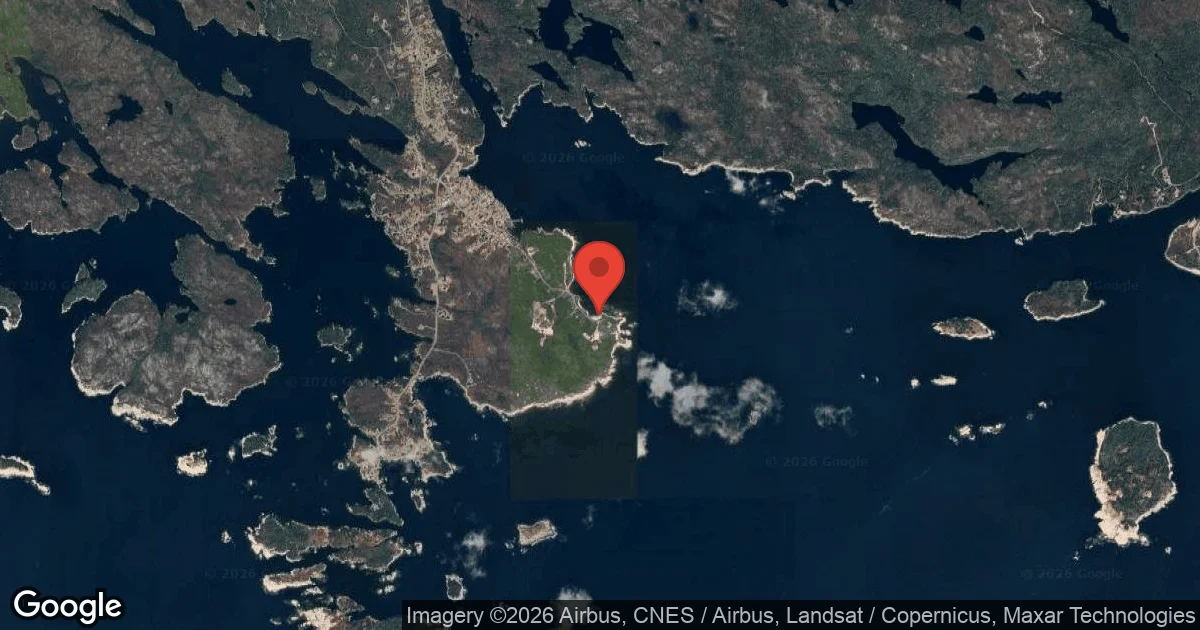
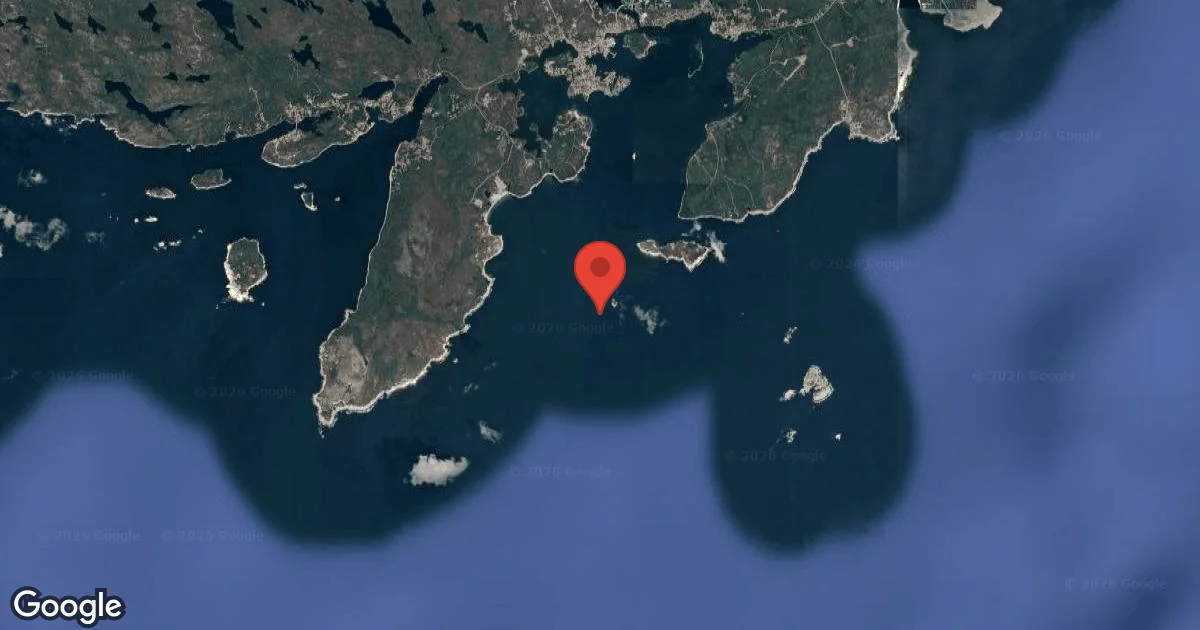
View all dive sites in CanadaDiscover more underwater gems in this area.
Dive Centers Near Black Rock Beach
Today: 09:00 - 21:00
Nearest Airports
Nearest airports to help plan travel to this dive area.
Search Flights
Check available flights and routes on Expedia, using the nearby airports listed in this section.
Search Flights on ExpediaFrequently Asked Questions
Is Black Rock Beach suitable for beginner divers?
Yes, Black Rock Beach is considered an easy dive site suitable for all certification levels, including beginners and novices. Its sandy, gently sloping entry and generally calm conditions make it very accessible for learning or practice dives.
What are the typical depths at Black Rock Beach?
The site typically reaches a maximum depth of about 15 meters, with shallower sections ideal for extended exploration. Deeper areas remain well within recreational dive limits for most certified divers.
How is the visibility at this dive site?
Visibility can vary significantly due to sediment on the bottom. If the bottom is stirred by divers or strong surge, it may take several minutes for the visibility to clear, so divers should practice good buoyancy control to minimize disturbance.
Are there any shipwrecks to explore?
Yes, two wreck sites are accessible from the beach. A smaller wreck can be found on a bearing of 080 degrees from the entry point. A second, deeper wreck lies on a 095-degree bearing, though divers should monitor depth to avoid exceeding recreational limits near it.
What kind of marine life can I expect to see?
Divers can expect to find tube anemones, various nudibranchs, sea urchins, and massive lobsters sheltering in the rocky sections. Old bottles found on the bottom also serve as habitat, adding to the site's unique character and supporting small invertebrates.
What's the best way to navigate the dive site?
Navigation typically involves following the natural contours of the rocky sections along the left or right of the sandy entry point. Using compass bearings, such as 080 degrees for the smaller wreck, is recommended to orient yourself and ensure a safe return to the entry point.
Is parking readily available at Black Rock Beach?
Yes, Black Rock Beach, part of Point Pleasant Park in Halifax, features a large parking lot. Parking close to the beach near a wall is often recommended for convenient gear donning and doffing, especially for shore divers.
Planning to dive Black Rock Beach?
Send one inquiry and receive offers directly from the best verified local dive operators.
Conditions are Good
07:00 - 14:00
Optimal conditions expected
Current conditions near Black Rock Beach show 15° air, 17° sea temperature, 0.9 m waves, and 23 km/h wind. Forecast data is refreshed regularly to ensure accuracy.