
Diving at Sandy Cove (Canada)
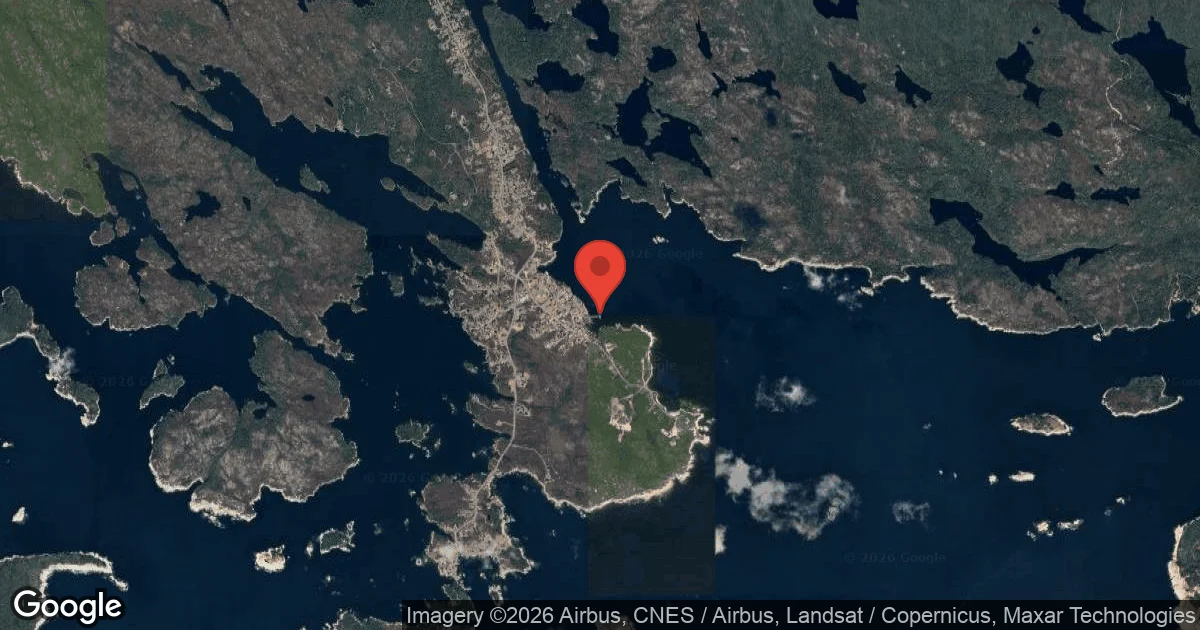
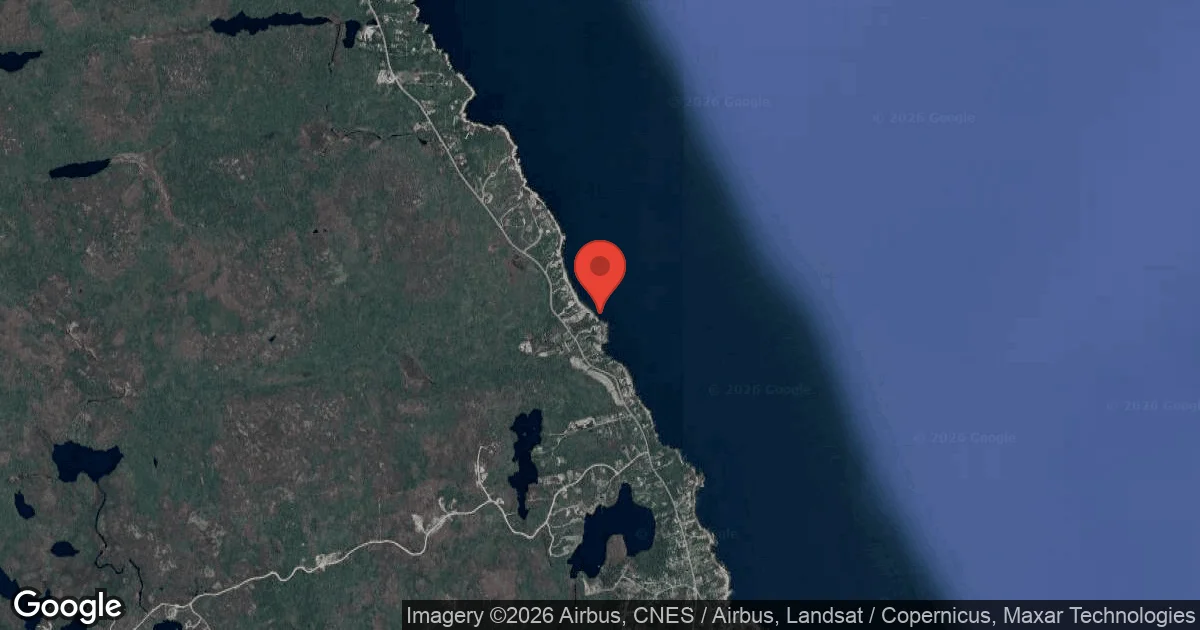
Currently, Sandy Cove stands out as an easily accessible shore dive site in Terence Bay, Nova Scotia, making it a practical choice for local divers. Located approximately 45 minutes south of Halifax, its primary draw is the straightforward entry and exit directly from a 75-meter strip of beach. This convenience, coupled with ample roadside parking, positions it as a favored spot for recreational and training dives.
Tonight's objective overview for Sandy Cove shows an air temperature of 15°C. The measured surface conditions include wave heights around 0.8 m. This environmental data is logged for the close of the day.
Dive Site Location & Key Facts
Dive Site Overview
Historically named for its predominant feature, Sandy Cove presents divers with an expansive sandy bottom that gradually slopes into deeper waters. Initially, the site maintains a gentle sandy incline extending from the entry point, eventually transitioning to gravel and small cobble closer to the maximum depths.
Moving straight out from the middle of the cove, divers will encounter a broad sand plain reaching approximately 9 m (30 ft) before the terrain changes significantly. A key aspect of the site structure includes substantial granite boulders and bedrock ridges cloaked in rich seaweeds, particularly along the right and left sides of the inner cove, providing both navigational markers and essential marine habitat. These rocky formations create sheltered pockets and more complex topography compared to the open sandy expanse.
Exploring these varied bottom structures, from the initial open sand to the rocky outcrops, defines the overall dive experience here. The gradual descent across these distinct environments allows for diverse encounters within a single dive.
Conditions are Good
Optimal conditions expected
Current conditions near Sandy Cove show 15° air, 16° sea temperature, 0.9 m waves, and 33 km/h wind. Forecast data is refreshed regularly to ensure accuracy.
Best Time to Dive
Optimizing your dive experience at Sandy Cove often means planning for the warmer, calmer months. The period from May through September consistently offers 'Good' dive conditions, aligning with higher dive scores from system data. During these months, air temperatures typically range between 10-19°C (50-66°F), making surface intervals more comfortable. Wave heights also tend to be lower, averaging 1.1-1.4 meters (3.6-4.6 ft), contributing to calmer waters and improved visibility. Rain activity remains moderate, usually below 5.7mm (0.22 inches) per month, further enhancing the appeal of summer and early autumn diving.
PEAK SEASON SCORE
Scores combine air & water temps, waves, wind & rainfall for overall conditions.
BEST MONTHS TO DIVE
Monthly records compiled from satellite and marine observation nodes over the last 3 years. Data provided by Open-Meteo and MET Norway.
Dive Experience & Conditions
Stepping into the water, divers encounter a gently sloping sandy bottom immediately, typical of a shore-accessible site. This expanse quickly deepens to an average of 12 meters (40 ft). For those venturing further offshore, the bottom gradually drops to a maximum depth of 20 meters (65 ft). As exploration continues, the initial sandy terrain gives way to sections of gravel and small cobble. Along the cove's perimeter, especially to the right, divers will encounter impressive granite boulders and bedrock ridges dense with seaweed. These formations offer sheltered pockets and a more intricate environment than the open sand. Water conditions here often vary; while generally manageable, visibility depends heavily on recent weather and any prevailing surge. Expect to navigate a diverse environment ranging from open sediment plains to rugged, algae-covered rocky structures.
Dive Difficulty & Safety Guidelines
Open Water certified divers will find Sandy Cove an accommodating site for training and general recreational dives. Its gentle sandy slope and easy water access make it suitable for less experienced individuals.
However, awareness of potential site hazards remains crucial. The presence of fishing boats in the area necessitates caution; while a dive buoy isn't strictly mandated, deploying one is a responsible practice to enhance visibility to surface traffic.
Carrying a dive flag and a knife is also recommended due to potential fishing gear in the water, a general safety measure across many Nova Scotian dive sites. Always maintain situational awareness, particularly near the entrance to the bay.
Recommended Equipment
- Dive Computer
This gear list is based on verified equipment signals for Sandy Cove, Canada. Always confirm final gear choices with your dive operator, guide, or liveaboard.
Recommended Dive Suit
Comfort levels can also depend on how active a diver is during the dive.
The water around Sandy Cove is currently holding at approximately 16°C (61°F), setting the tone for today's dives. Surface air temperatures are resting at 15°C (59°F). When water temperatures fall within this range, many divers dive comfortably with 5-7mm wetsuit. Consider warmer surface protection (like a boat coat) due to brisk winds. A thermal robe or jacket is recommended between dives.
Conditions are expected to stay fairly consistent in the days ahead.
Emergency & Medical Support
Essential information to help you plan your dive trip to Sandy Cove.

Hyperbaric chambers are a critical part of dive safety infrastructure. Availability varies significantly by region, and not all dive areas have immediate access.
Before diving, it's recommended to:
- confirm nearest medical facilities
- check emergency procedures with local dive operators
- ensure dive insurance covers evacuation if required
Divers Alert Network
Diving emergency assistance available through DAN World.
+1-919-684-9111- 24/7 emergency hotline
- Diving medical assistance
- Evacuation coordination
Emergency contacts are provided for reference. Always verify local emergency services before diving.
Marine Life at Sandy Cove
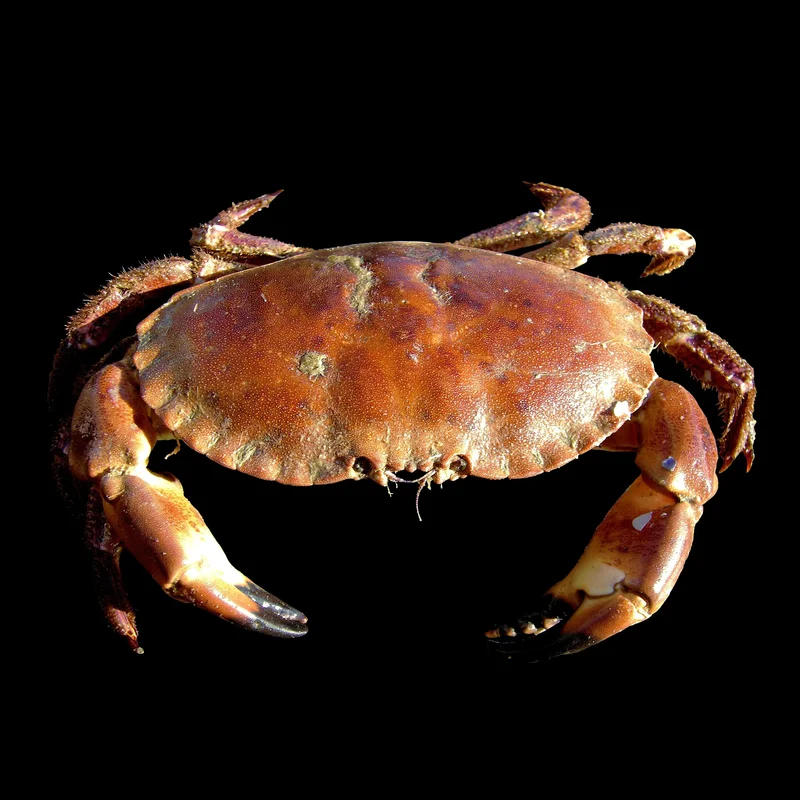
Upon entering Sandy Cove, schools of pollock, cunner, and various other small fish are often among the first marine inhabitants divers notice. Peering closer to the sandy bottom and within the seaweed-covered areas, divers commonly find sculpin and flounder, masters of camouflage.
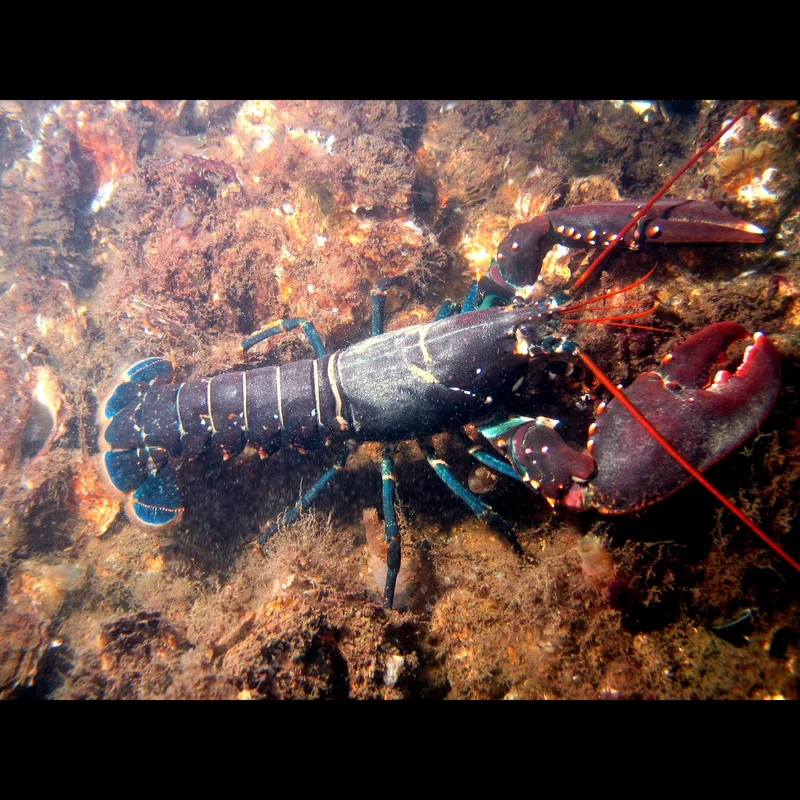
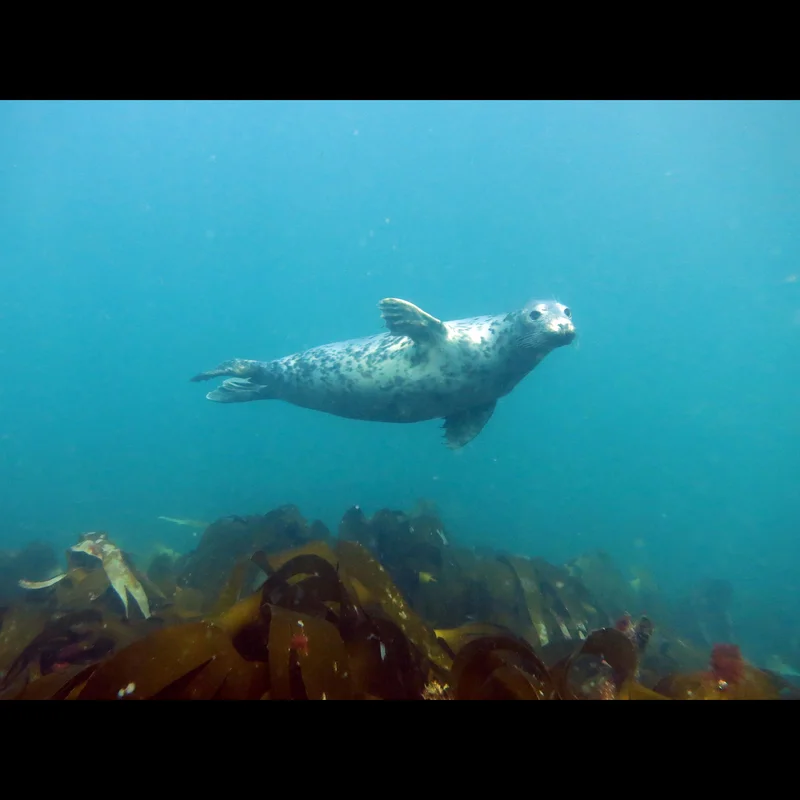
In the more sheltered sections among the granite boulders and bedrock ridges, lobsters, sea ravens, and different crab species are frequently observed. On rarer occasions, lucky divers might even spot a seal hauled out on the nearby coastal rocks or occasionally swimming in the bay.

Dive Sites Near Sandy Cove
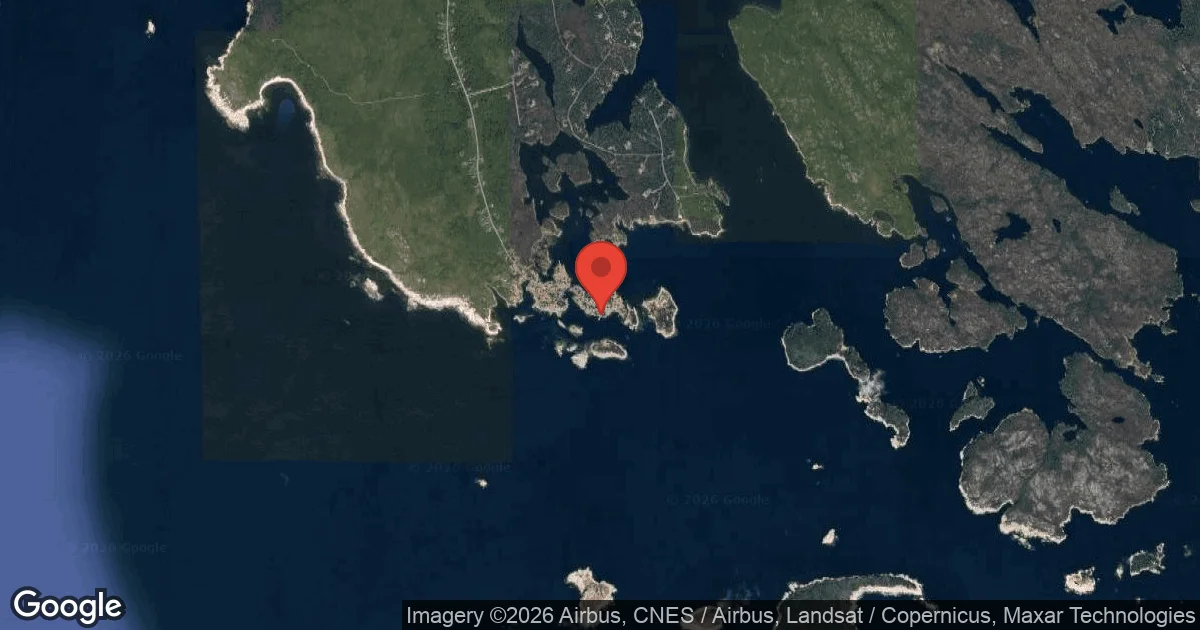
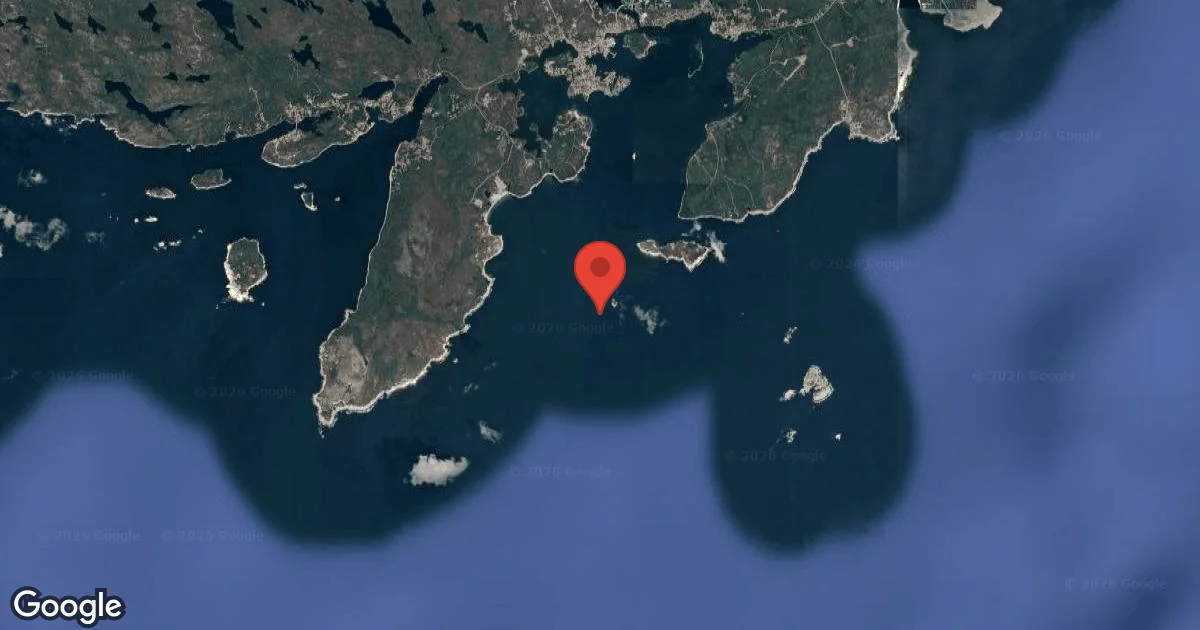
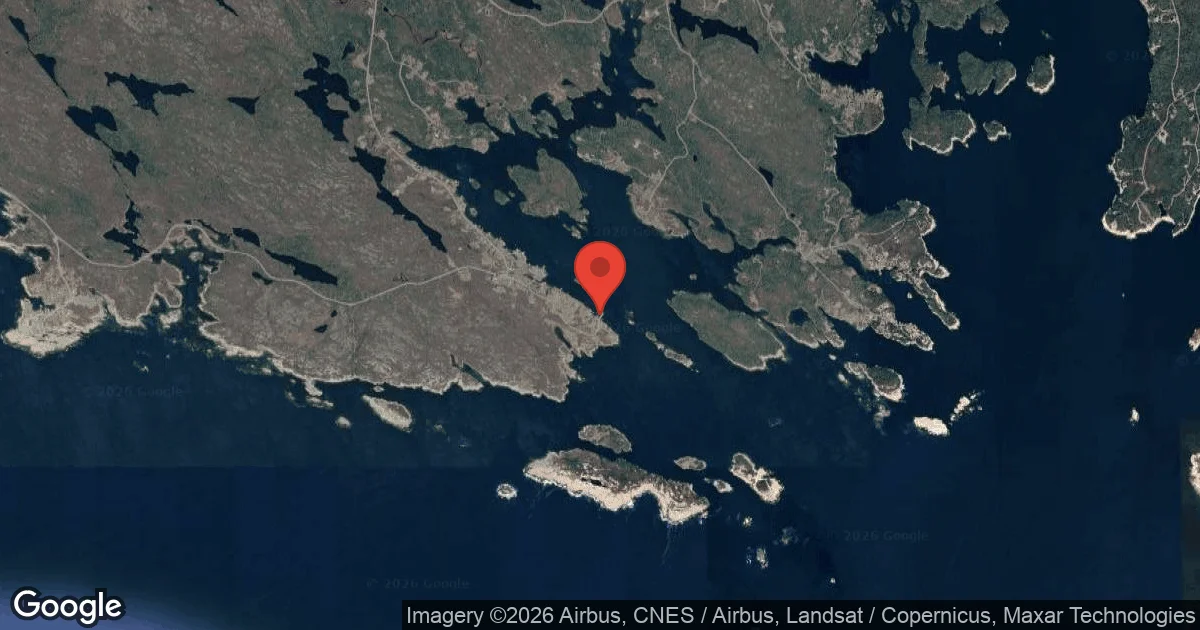
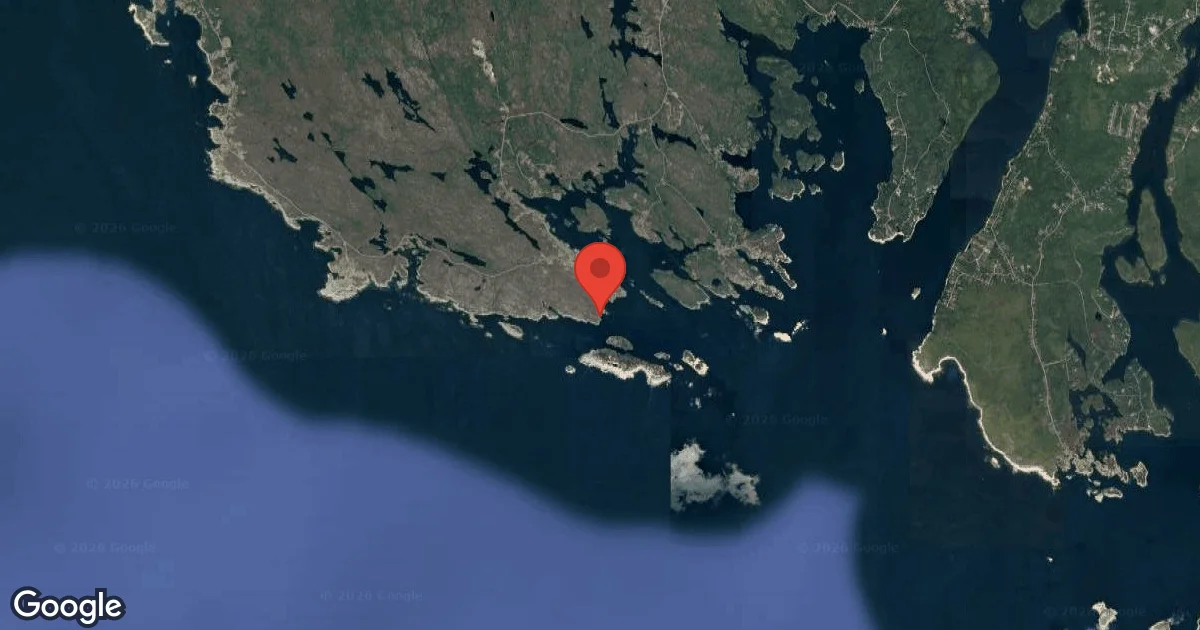
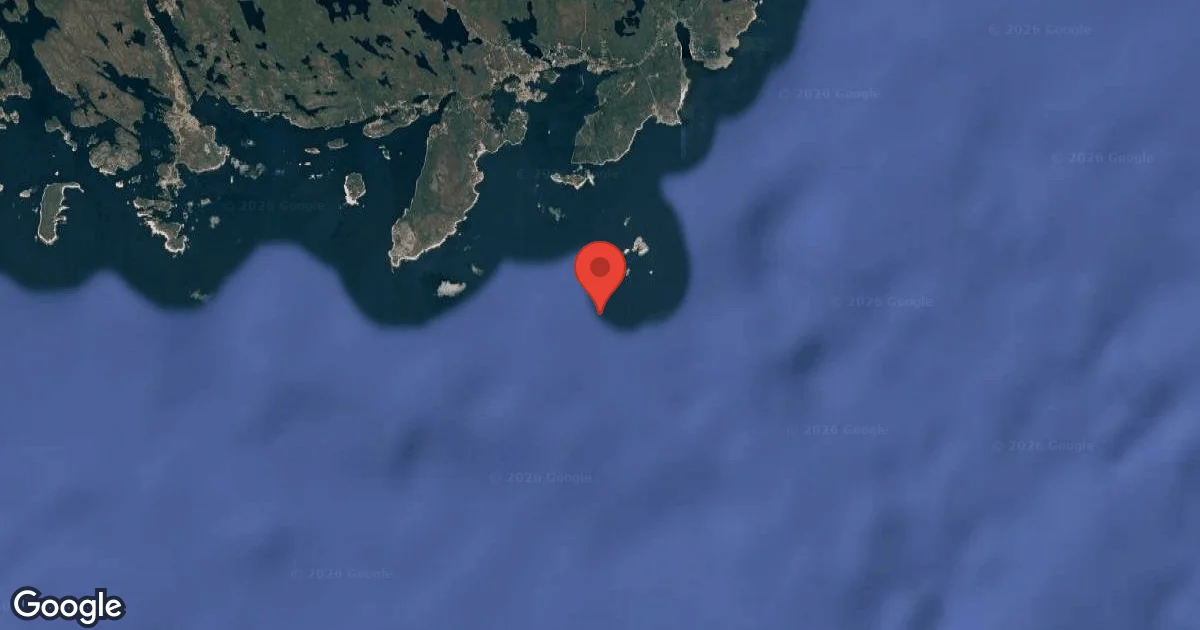
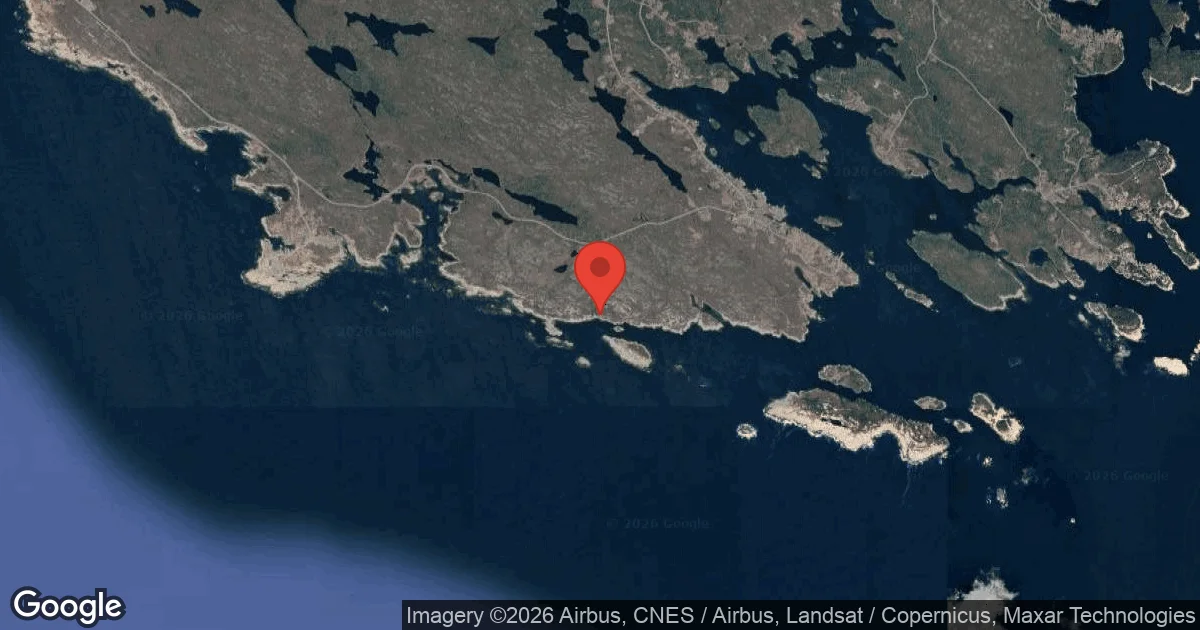
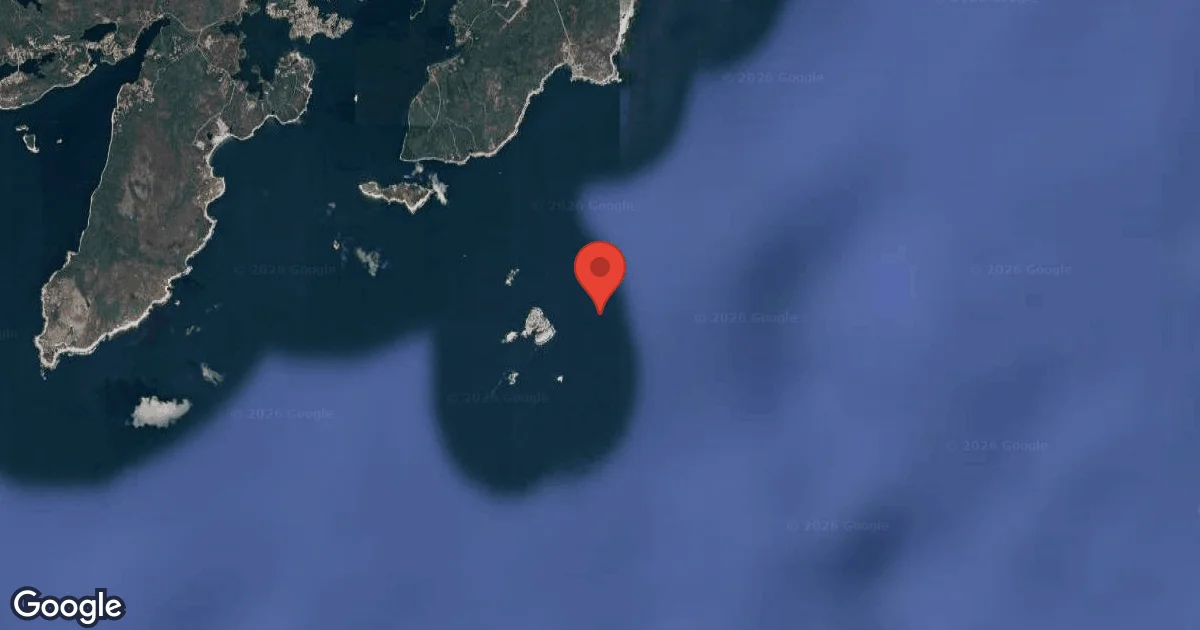
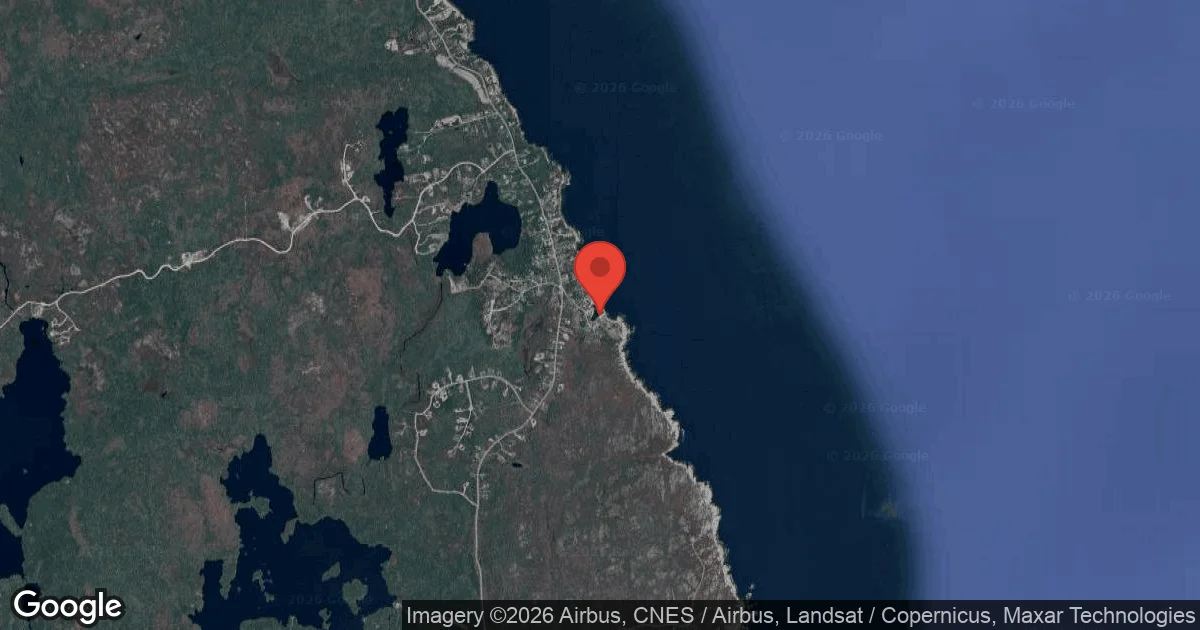
View all dive sites in CanadaDiscover more underwater gems in this area.
Dive Centers Near Sandy Cove
Today: 09:00 - 17:00
Nearest Airports
Nearest airports to help plan travel to this dive area.
Search Flights
Check available flights and routes on Expedia, using the nearby airports listed in this section.
Search Flights on ExpediaFrequently Asked Questions
What certification level is recommended for Sandy Cove?
Sandy Cove is generally considered suitable for Open Water certified divers. Its accessible entry and gentle depth profile make it an excellent site for both recreational dives and diver training.
What is the typical depth range at Sandy Cove?
The average depth at Sandy Cove is around 12 meters (40 ft). Further from shore, the bottom gradually slopes to a maximum depth of 20 meters, keeping dives well within recreational limits.
How accessible is Sandy Cove?
Sandy Cove offers very easy accessibility with a direct shore entry and exit from a 75-meter strip of sand. Ample roadside parking is available in a cul-de-sac, typically allowing for close proximity to the entry point.
What kind of bottom terrain can I expect?
The bottom is predominantly sand, living up to its name. As you move deeper and towards the sides of the cove, the sand transitions to areas of gravel, small cobble, and granite boulders, often cloaked in seaweed.
Are there any specific hazards to be aware of at Sandy Cove?
Divers should be aware of fishing boat traffic, particularly near the entrance to the cove. It's advisable to use a dive buoy for surface visibility and carry a dive flag and knife as general safety precautions in the region.
What marine life might I encounter?
Common sightings include schools of pollock, cunner, sculpin, and flounder. In rocky areas, you can often spot lobsters, sea ravens, and various crab species. Occasionally, seals are observed in the area.
How far is Sandy Cove from Halifax?
Sandy Cove is located about a 45-minute drive south of Halifax, making it a convenient day trip for divers based in the city.
Planning to dive Sandy Cove?
Send one inquiry and receive offers directly from the best verified local dive operators.
Conditions are Good
Optimal conditions expected
Current conditions near Sandy Cove show 15° air, 16° sea temperature, 0.9 m waves, and 33 km/h wind. Forecast data is refreshed regularly to ensure accuracy.