
Diving at MacDonald Bridge (Canada)
Strong currents define the initial approach at MacDonald Bridge, demanding careful planning around slack tide. This dive site in Halifax, Nova Scotia, reveals diverse ocean life and rock formations once you're past the initial currents. It's an entry point for divers comfortable with variable visibility, offering a glimpse into both natural and man-made underwater structures, including historical artifacts.
Evening condition tracking at MacDonald Bridge features an air temperature of 15°C. We have recorded wave heights measuring 0.6 m during this period. These figures outline the environmental parameters currently present.
Dive Site Location & Key Facts
Dive Site Overview
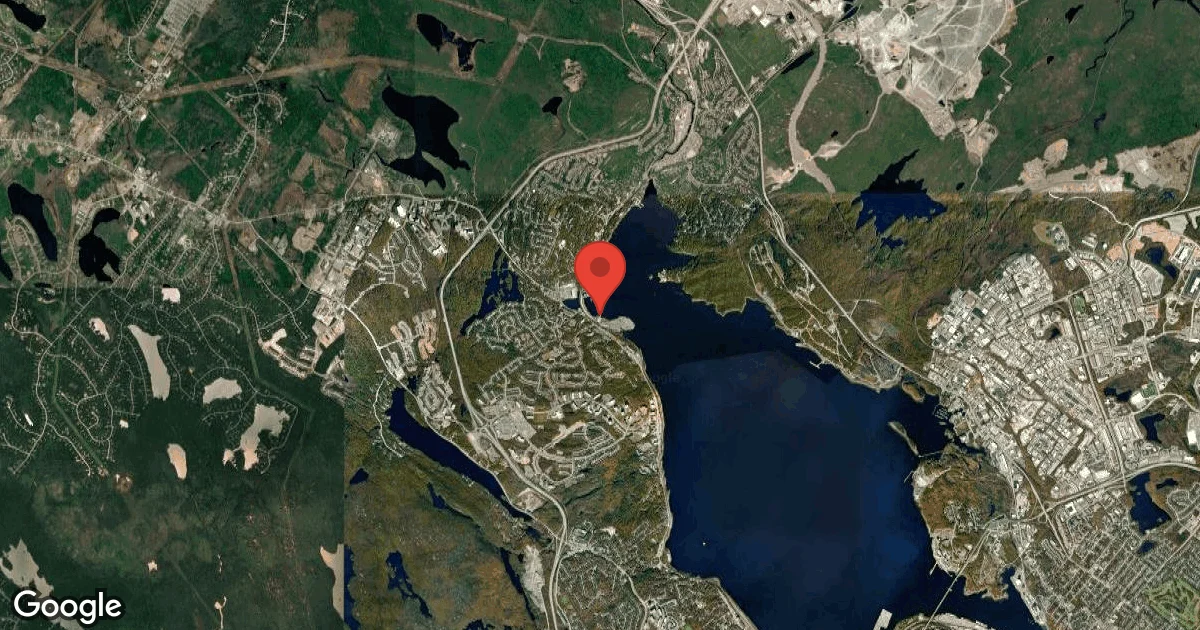
Diving beneath the MacDonald Bridge provides a distinctive experience, blending urban infrastructure with surprising underwater discoveries. The site begins from a small rocky entry point, inviting divers into a shallow cove approximately 10 meters (33 ft) wide to finalize gear and buoyancy checks.
Venturing out on a compass bearing of 210 degrees leads towards the bridge tower, a journey of around 120 meters from shore. Halfway to the tower, a small drop-off descends to a depth of 9 m (30 ft), introducing larger boulders that are part of the bridge's foundation. Divers can then explore around the tower, turning left or right to encounter deeper channels that radiate from its base.
Beyond the natural rock formations and bridge structure, the site is known for an impressive collection of bottles, spanning from contemporary discards to artifacts dating back to the late 1800s. This mix of marine environment and historical debris creates an intriguing landscape, suitable for recreational divers willing to navigate potential current fluctuations.
Conditions are Excellent
07:00 - 14:00
Optimal conditions expected
Current conditions near MacDonald Bridge show 15° air, 17° sea temperature, 0.9 m waves, and 21 km/h wind. Forecast data is refreshed regularly to ensure accuracy.
Best Time to Dive
Optimizing your dive at MacDonald Bridge often hinges on seasonal conditions, particularly water clarity. The site generally sees clearer water during the winter and spring months. However, the warmest air temperatures, conducive to comfortable topside gear preparation, occur between May and September, ranging from 10°C (50°F) to 19.5°C (67°F). During this period, the monthly rain averages are moderate, typically around 2.9 to 6.3 mm, contributing to generally good dive scores. Outside these peak summer months, especially from December to March, air temperatures can drop below freezing, with averages between -3.5°C (38°F) and 1.5°C (35°F), and rainfall remains consistent. Planning your dive for calmer days within these 'good' score months will likely enhance the overall experience, balancing surface comfort with underwater visibility tendencies.
PEAK SEASON SCORE
Scores combine air & water temps, waves, wind & rainfall for overall conditions.
BEST MONTHS TO DIVE
Monthly records compiled from satellite and marine observation nodes over the last 3 years. Data provided by Open-Meteo and MET Norway.
Dive Experience & Conditions
Conditions at MacDonald Bridge offer a dynamic dive, starting from the small rocky beach. From the shore, the water initially feels shallow, giving divers ample space to finalize gear before venturing outwards. Visibility at this site can vary significantly; on optimal days, it might extend up to 9 meters, but conditions can quickly shift to near zero. A strong current often accompanies incoming and outgoing tides, particularly between the shore and the first bridge tower, creating a noticeable push. Diving at slack tide becomes paramount here to manage these forces effectively. As you descend, the water temperature, while not consistently reported, generally aligns with colder Atlantic averages for the region, suggesting a need for appropriate thermal protection for extended dives. Ambient light diminishes quickly with depth and lower visibility, casting an atmospheric glow on the foundational boulders.
Dive Difficulty & Safety Guidelines
Navigating the MacDonald Bridge dive site requires a mindful approach to safety, especially regarding its strong currents. Diving at slack tide is a crucial guideline, as the incoming and outgoing tides can create powerful flows, particularly near the bridge towers. Divers must be prepared for variable visibility, which can range from excellent to very limited.
Given these conditions, the site is considered suitable for divers from novice to advanced certification levels, implying that less experienced divers should conduct their dives under the supervision of a local guide or instructor familiar with the site's specific dynamics. Before entering, divers should watch for trains when crossing tracks en route to the water's edge.
A compass bearing of 210 is recommended when heading towards the bridge tower, assisting with underwater navigation in potentially low-visibility conditions. There are no specific hazards listed, but the local conditions of currents and visibility necessitate experienced decision-making.
Recommended Equipment
- Dive Computer
This gear list is based on verified equipment signals for MacDonald Bridge, Canada. Always confirm final gear choices with your dive operator, guide, or liveaboard.
Recommended Dive Suit
The latest conditions reported around MacDonald Bridge place the water temperature close to 17°C (63°F). Surface air temperatures are resting at 15°C (59°F).
Many divers choose 5-7mm wetsuit when diving in similar conditions. A thermal robe or jacket is recommended between dives.
Forecasts suggest a slight cooling pattern in the days ahead. Cooler days are ahead; you might want a warmer option for later in the week. Some divers prefer carrying a slightly thicker suit as a backup.
Emergency & Medical Support
Essential information to help you plan your dive trip to MacDonald Bridge.

Hyperbaric chambers are a critical part of dive safety infrastructure. Availability varies significantly by region, and not all dive areas have immediate access.
Before diving, it's recommended to:
- confirm nearest medical facilities
- check emergency procedures with local dive operators
- ensure dive insurance covers evacuation if required
Divers Alert Network
Diving emergency assistance available through DAN World.
+1-919-684-9111- 24/7 emergency hotline
- Diving medical assistance
- Evacuation coordination
Emergency contacts are provided for reference. Always verify local emergency services before diving.
Marine Life at MacDonald Bridge
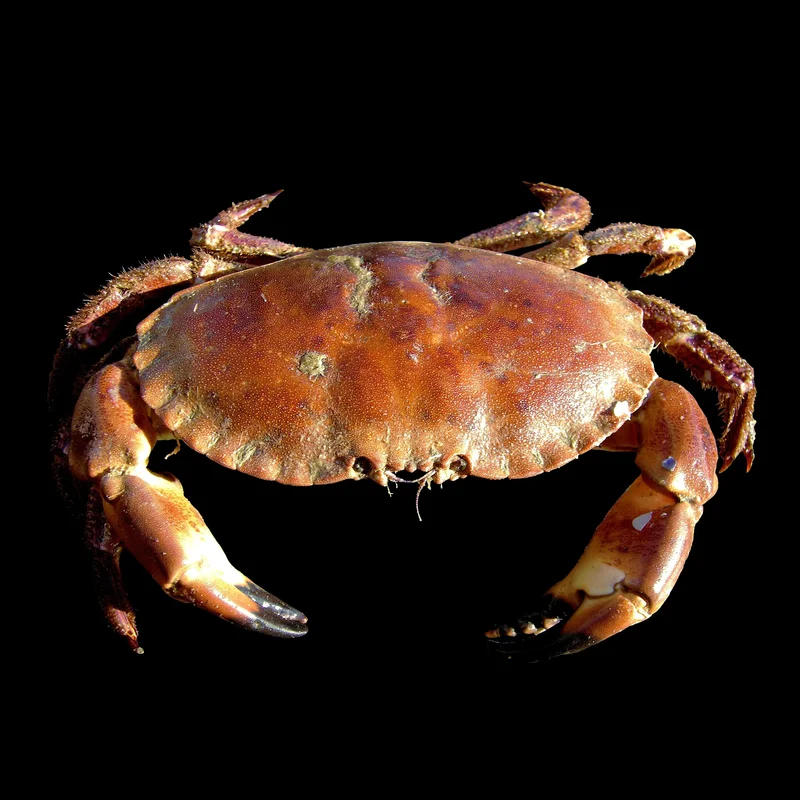
While specific species are not consistently reported for MacDonald Bridge, general observations indicate a variety of ocean life can be found among the rock formations and bridge foundations. Divers might spot various small fish species, crabs, and other invertebrates taking shelter within the structural elements and natural crevices.
The mixture of hard and soft bottom areas, alongside the bridge's man-made structures, creates microhabitats that attract different marine organisms. Keep an eye out for bottom dwellers that thrive in cooler Atlantic waters. The site's environment, with its varied terrain, supports a modest but observable ecosystem.
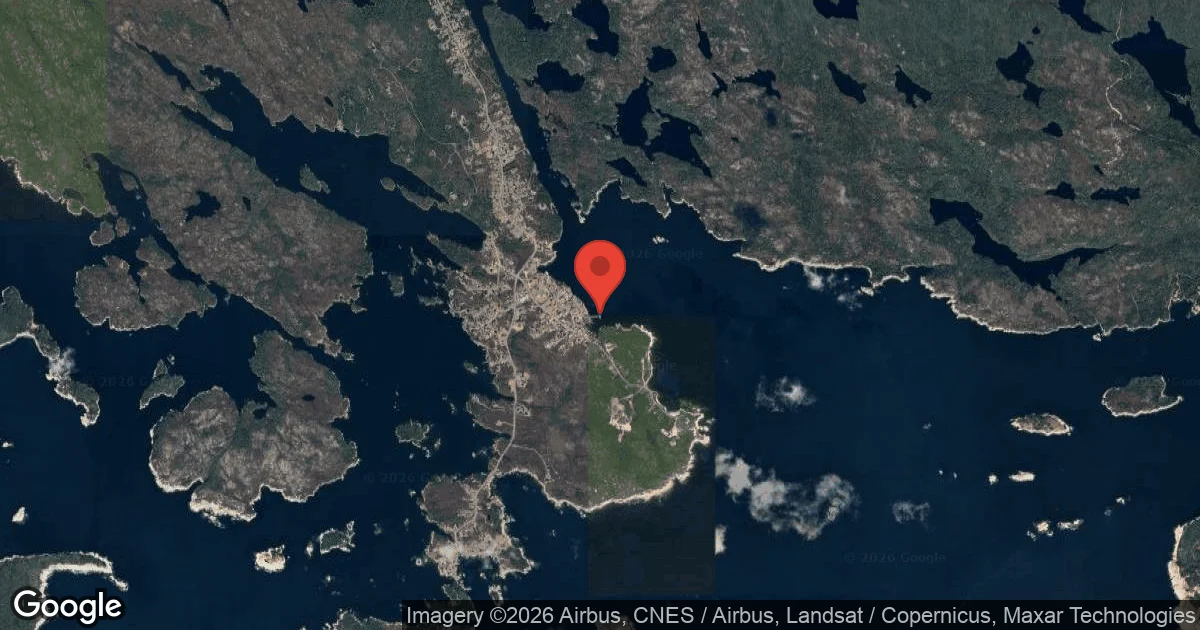
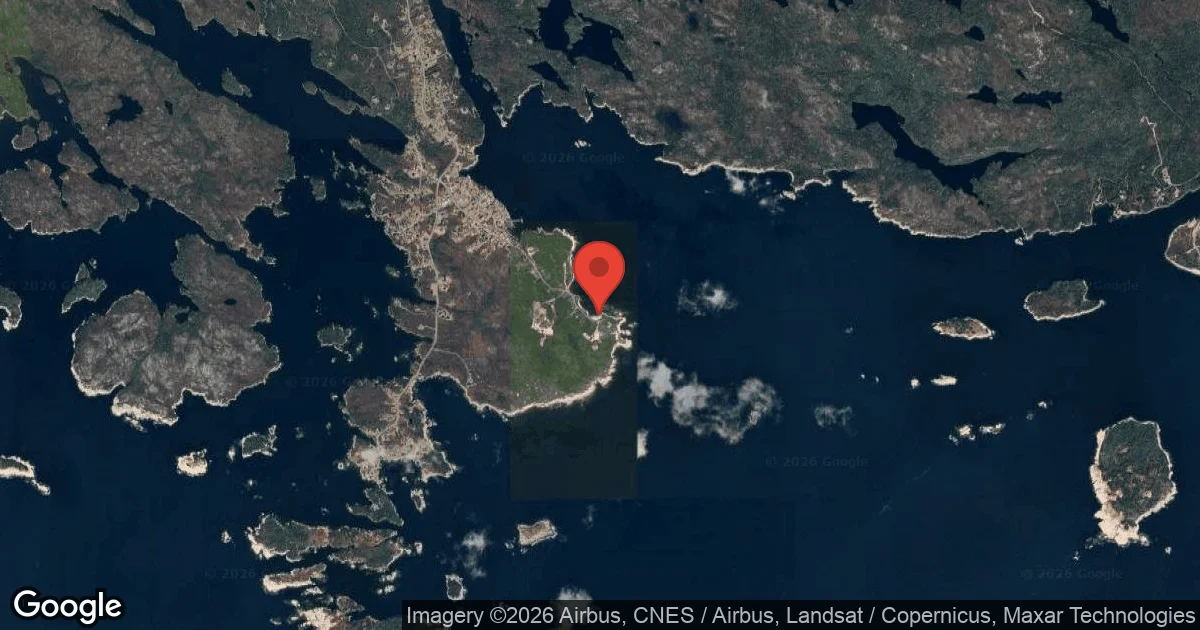
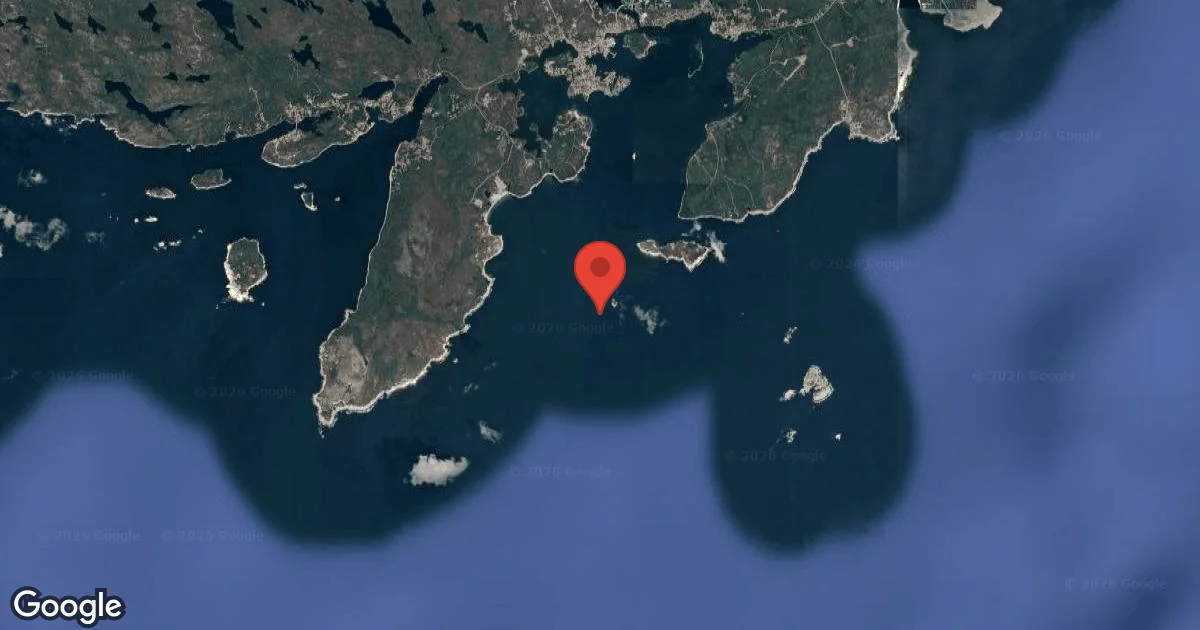
Dive Sites Near MacDonald Bridge
View all dive sites in CanadaDiscover more underwater gems in this area.
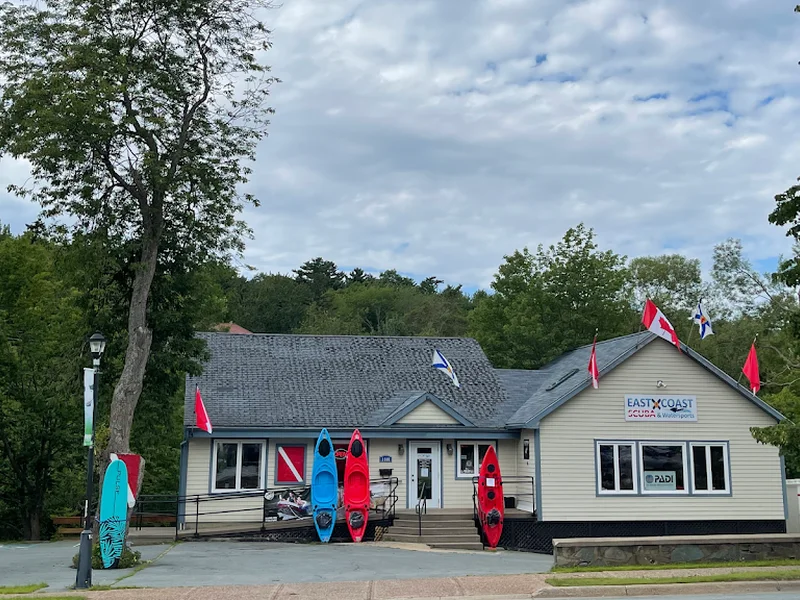
Dive Centers Near MacDonald Bridge
Today: 09:00 - 21:00
Nearest Airports
Nearest airports to help plan travel to this dive area.
Search Flights
Check available flights and routes on Expedia, using the nearby airports listed in this section.
Search Flights on ExpediaFrequently Asked Questions
What certification level is required for diving at MacDonald Bridge?
This dive site is considered suitable for divers ranging from novice to advanced certification levels. However, due to potentially strong currents and variable visibility, less experienced divers are advised to dive with a local guide.
How do you enter the water at MacDonald Bridge?
Entry to the water is a shore dive from a small rocky beach. Divers gear up at a nearby parking lot and walk approximately 50 meters (164 ft) down a road/pathway to the water's edge.
What is the typical visibility at this dive site?
Visibility at MacDonald Bridge is highly variable, ranging from near zero to up to 9 meters on the best days. Water clarity can be better during the winter and spring months.
Are there strong currents at MacDonald Bridge?
Yes, strong currents are common with the incoming and outgoing tides, especially between the shore and the first bridge tower. It's best to dive this site at slack tide to manage these currents effectively.
What unique features can divers expect to see?
Divers will encounter interesting rock formations and large boulders that form part of the bridge's foundation. The site is also noted for a good deposit of bottles, some dating back to the late 1800s.
How far is the bridge tower from the shore entry point?
The first bridge tower is approximately 400 ft (122 m) from the shore. A compass bearing of 210 is recommended for navigating towards it.
What is the maximum depth found at MacDonald Bridge?
A small drop-off about halfway to the tower reaches approximately 9 meters. Around the tower foundation, there are deeper channels, but specific maximum depths are not consistently reported.
Planning to dive MacDonald Bridge?
Send one inquiry and receive offers directly from the best verified local dive operators.
Conditions are Excellent
07:00 - 14:00
Optimal conditions expected
Current conditions near MacDonald Bridge show 15° air, 17° sea temperature, 0.9 m waves, and 21 km/h wind. Forecast data is refreshed regularly to ensure accuracy.