
Diving at Hmcs Saguenay (Canada)
Descending into the cool Atlantic waters off Nova Scotia, the silhouette of HMCS Saguenay gradually resolves from the blue. This former destroyer rests upright on a sandy and rocky seabed, its structure inviting exploration. A distinct chill often permeates the water, sharpening the senses as you approach the sunken vessel. The wreck offers a somber yet vibrant artificial reef environment.
Starting the day at Hmcs Saguenay, the ambient air temperature is recorded at 15.5°C. Ongoing monitoring shows wave heights measuring 0.7 m. This data represents the current surface conditions for early activities.
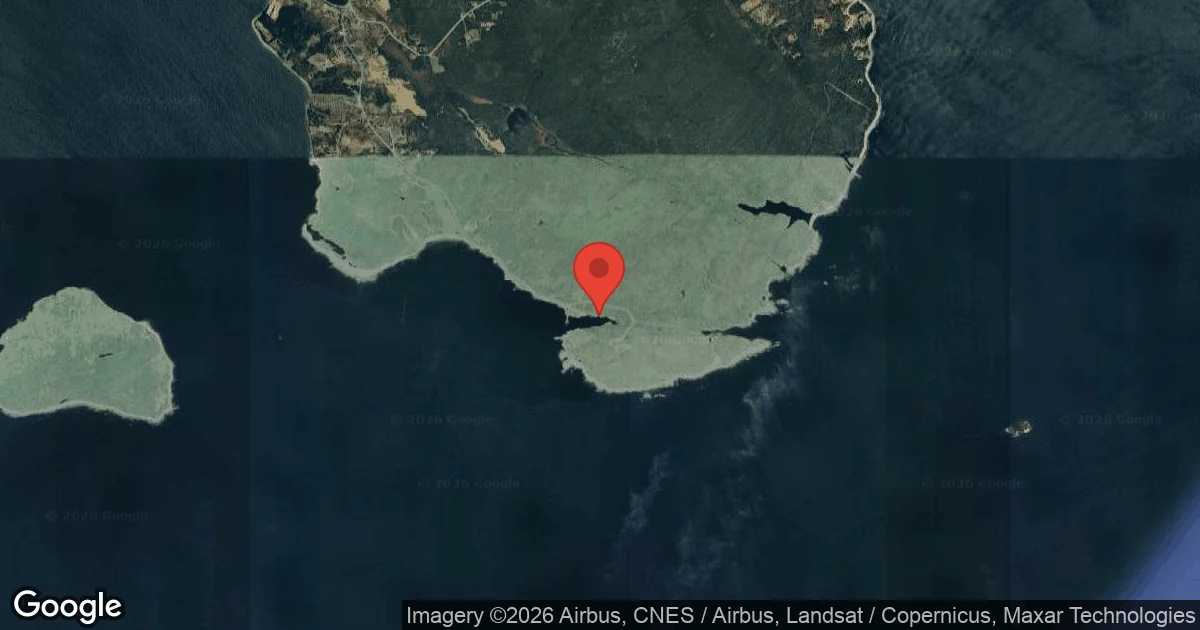
Dive Site Location & Key Facts
Dive Site Overview
HMCS Saguenay presents a deliberate underwater transformation, intentionally sunk in 1994 by the Nova Scotia Underwater Council to create an artificial reef near Lunenburg. This former Royal Canadian Navy destroyer offers an exciting dive for those interested in wreck exploration within a controlled environment.
The vessel itself provides varied topographical interest; its mast rises to about 15 m (50 ft), while the deepest parts of the wreck rest on the seafloor around 30 m (100 ft). Despite natural decay and the marine environment progressively altering its form, much of the ship remains largely intact for exploration. Sections of the superstructure are showing signs of breakdown, for instance, and the hangar has collapsed, adding new elements to the dive profile.
Divers can navigate through various compartments and around the exterior, observing how marine life has repurposed the structure over decades. Accessible primarily by boat, the site caters to divers seeking a meaningful wreck experience.
Conditions are Good
Optimal conditions expected
Current conditions near Hmcs Saguenay show 16° air, 17° sea temperature, 0.7 m waves, and 39 km/h wind. Forecast data is refreshed regularly to ensure accuracy.
Best Time to Dive
Optimal diving conditions at HMCS Saguenay generally align with the warmer months, specifically from June through September. During this period, surface air temperatures are at their most comfortable, averaging around 16°C (61°F) in June and peaking at 20.5°C (69°F) in July, before gradually cooling to 17°C (63°F) by September. Rainfall is typically lower during these summer months, averaging 3.3-4.2 mm, which contributes to more stable surface conditions. Water temperatures are also at their warmest, ranging from 10-18°C (50-64°F) in the summer. Conversely, winter conditions, from December to March, present a more challenging dive environment with air temperatures often below freezing, averaging -3°C (37°F) to 2°C (36°F). Water temperatures during winter can drop to 0-5°C (32-41°F), and wave heights tend to be higher, making boat access and diving less predictable.
PEAK SEASON SCORE
Scores combine air & water temps, waves, wind & rainfall for overall conditions.
BEST MONTHS TO DIVE
Monthly records compiled from satellite and marine observation nodes over the last 3 years. Data provided by Open-Meteo and MET Norway.
Dive Experience & Conditions
Exploring HMCS Saguenay challenges divers with a distinctly temperate water experience. Water temperatures range considerably, from 0-5°C (32-41°F) in winter to a warmer 10-18°C (50-64°F) during summer months. Visibility at the site can vary, typically ranging from 5 to 15 meters (16 to 49 feet), depending on plankton blooms or recent weather disturbances. Divers should anticipate mild currents around the wreck, which can contribute to drift but are generally manageable. A moderate surge is also common, particularly closer to the surface or during periods of elevated wave activity. Much of the wreck sits on a mixed sand and rock bottom, providing a stable foundation for the artificial reef structure. Recreational divers can navigate to shallower sections of the mast, or explore deeper parts reaching the maximum depth of the site on the seafloor.
Dive Difficulty & Safety Guidelines
Prioritizing safety at this artificial reef involves adherence to specific guidelines for wreck diving. An advanced certification is recommended due to the depth range and the potential for overhead environments as one explores the interior of the vessel. Always plan your dive thoroughly, considering the moderate surge and variable visibility.
It's prudent to carry a reliable dive light to illuminate darker interior sections and to enhance visibility even in open water around the wreck. Given the cooler water temperatures, especially outside of peak summer, proper thermal protection is essential to prevent hypothermia.
Always dive with a buddy and maintain good buoyancy control to avoid disturbing the wreck or stirring up sediment on the sandy bottom, which can quickly reduce visibility for yourself and others. No specific permits are reported as required for diving HMCS Saguenay.
Recommended Equipment
Overhead / entanglement risk. Wreck penetration requires proper training.
- Dive Computer
- Primary & Backup Lights
- Wreck Reel
- Cutting Tool
This gear list is based on verified equipment signals for Hmcs Saguenay, Canada. Always confirm final gear choices with your dive operator, guide, or liveaboard.
Recommended Dive Suit
5-7mm wetsuit is often considered an appropriate level of exposure protection for conditions like these. Consider warmer surface protection (like a boat coat) due to brisk winds. A thermal robe or jacket is recommended between dives.
Current readings at Hmcs Saguenay show water temperatures near 17°C (62°F). Surface air temperatures are resting at 16°C (60°F).
The forecast outlook suggests that temperatures will stay close to current levels.
Emergency & Medical Support
Essential information to help you plan your dive trip to HMCS Saguenay.

Hyperbaric chambers are a critical part of dive safety infrastructure. Availability varies significantly by region, and not all dive areas have immediate access.
Before diving, it's recommended to:
- confirm nearest medical facilities
- check emergency procedures with local dive operators
- ensure dive insurance covers evacuation if required
Divers Alert Network
Diving emergency assistance available through DAN World.
+1-919-684-9111- 24/7 emergency hotline
- Diving medical assistance
- Evacuation coordination
Emergency contacts are provided for reference. Always verify local emergency services before diving.
Marine Life at Hmcs Saguenay
The artificial reef structure of HMCS Saguenay has cultivated a thriving ecosystem on its surfaces and within its depths. Various marine species have colonized the wreck, turning the former warship into a vibrant habitat.
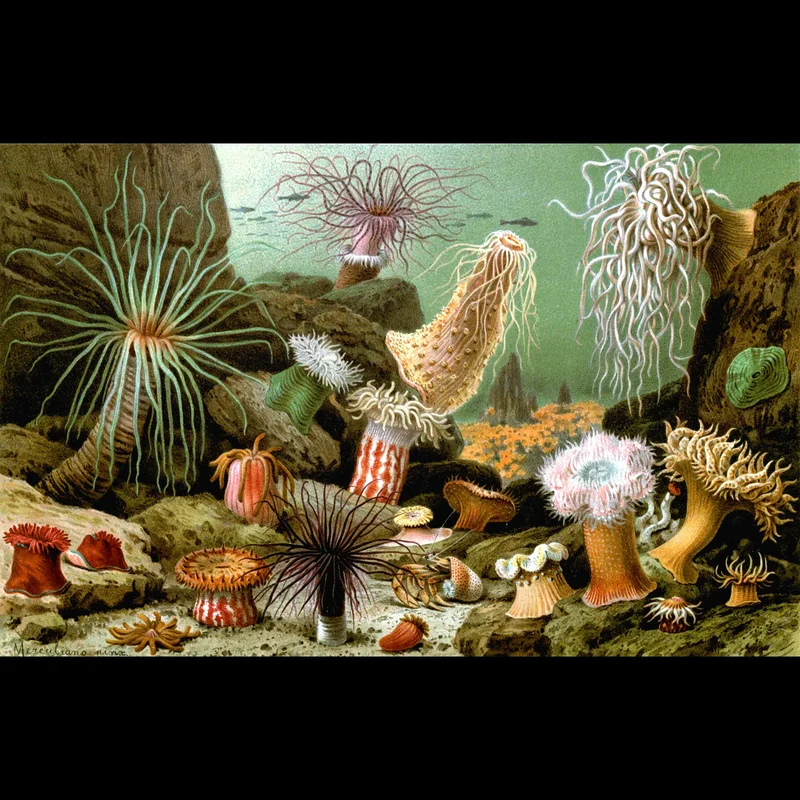
Schools of fish often congregate around the superstructure and within the open sections of the hull, using the metal as shelter. Invertebrates such as anemones and various corals attach to the ship's framework, creating colorful patches against the steel.
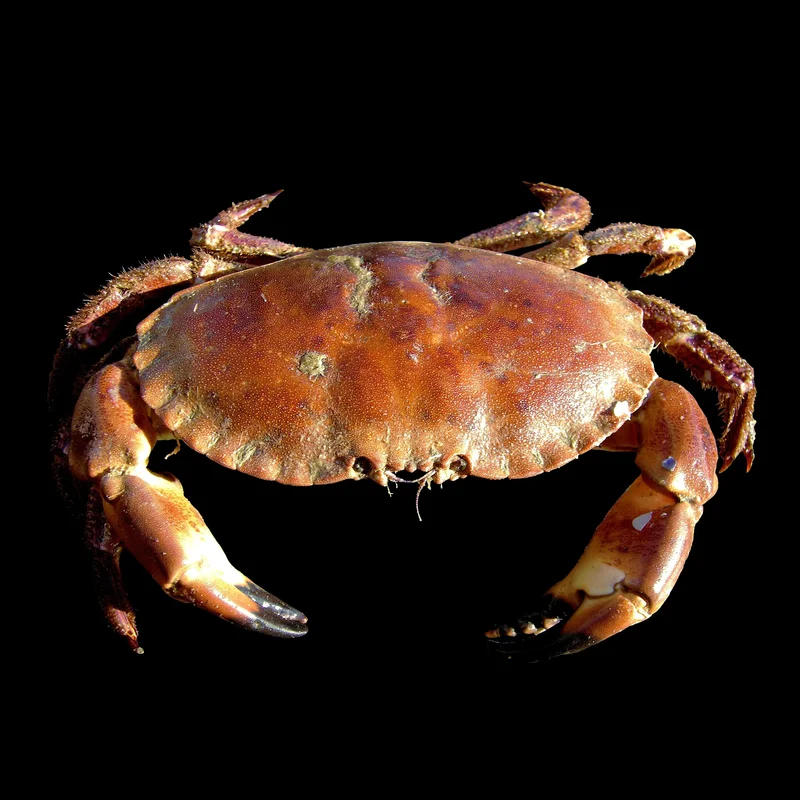
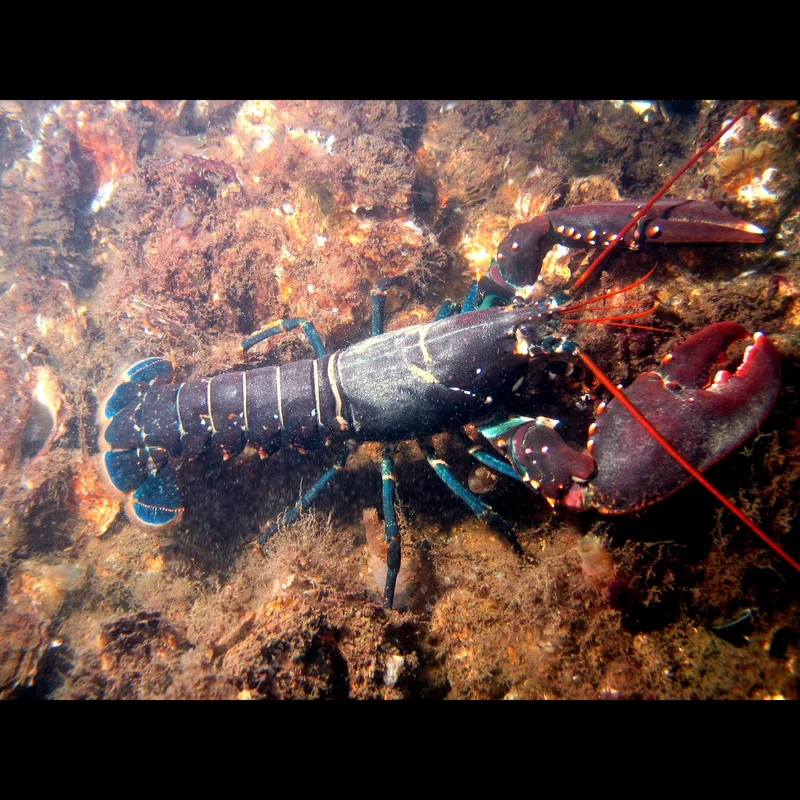
Closer inspection might reveal crabs scuttling across the decks or lobsters hiding in crevices, adapting to their new rock and metal surroundings. This intentional reef offers an excellent opportunity for observing how marine life integrates with submerged man-made structures.
Dive Sites Near Hmcs Saguenay
View all dive sites in CanadaDiscover more underwater gems in this area.
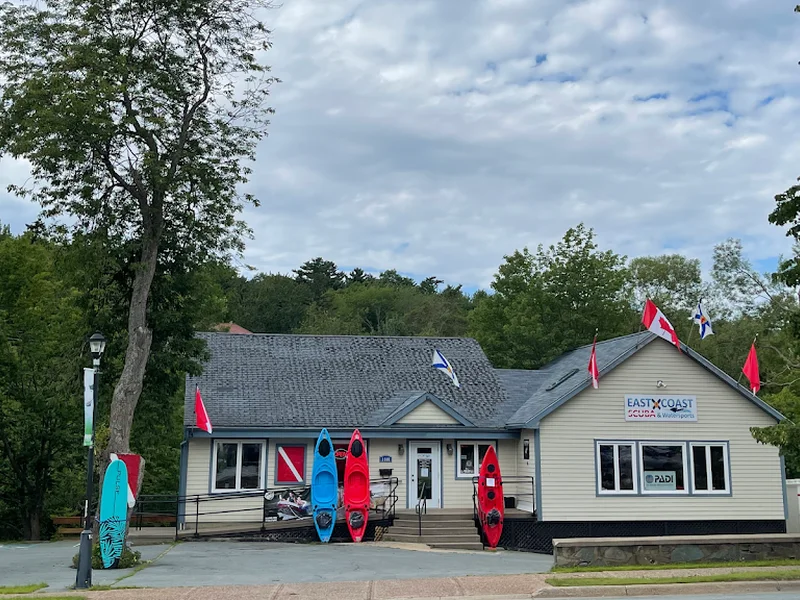
Dive Centers Near Hmcs Saguenay
Today: 09:00 - 17:00
Nearest Airports
Nearest airports to help plan travel to this dive area.
Search Flights
Check available flights and routes on Expedia, using the nearby airports listed in this section.
Search Flights on ExpediaFrequently Asked Questions
What is the maximum depth at HMCS Saguenay?
The wreck itself reaches a maximum depth of approximately 30 meters on the seafloor. Some reports suggest the overall site extends to about 40 meters. Recreational divers often explore sections ranging from the mast's shallowest point to the main deck.
What are the typical water temperatures at the dive site?
Water temperatures at HMCS Saguenay vary significantly by season. During summer, expect temperatures between 10-18°C (50-64°F), while winter diving sees temperatures drop to 0-5°C (32-41°F).
Is HMCS Saguenay suitable for beginner divers?
Due to its depth and the nature of wreck diving, HMCS Saguenay is considered an intermediate to advanced dive site. An advanced certification is recommended to safely explore the wreck.
What kind of marine life can be observed on the wreck?
The wreck serves as an artificial reef, attracting various marine species. Divers commonly observe different types of fish, crabs, and invertebrates that have made the ship their home. Though less common, larger marine animals like sharks and whales are occasionally sighted in the general area.
How do I access the dive site?
Access to HMCS Saguenay is exclusively by boat. This ensures divers can reach the precise location of the sunken destroyer safely and efficiently.
What is the typical visibility at the site?
Visibility at HMCS Saguenay can vary, typically ranging from 5 to 15 meters (16 to 49 feet). Conditions depend on local weather and plankton activity.
Are there any strong currents or surges?
Divers should expect mild currents around the wreck. There can also be a moderate surge, particularly in shallower sections or during periods of active weather. Divers should plan accordingly.
Planning to dive Hmcs Saguenay?
Send one inquiry and receive offers directly from the best verified local dive operators.
Conditions are Good
Optimal conditions expected
Current conditions near Hmcs Saguenay show 16° air, 17° sea temperature, 0.7 m waves, and 39 km/h wind. Forecast data is refreshed regularly to ensure accuracy.