
Diving at New Harbour (Canada)
New Harbour Dive Site, located in Blandford, Nova Scotia, functions as a sheltered cove offering easy shore access. An active fishing harbour on the edge of the North Atlantic, it provides a unique environment for cold-water diving. Shallow depths and historical remnants render it suitable for diver training and exploration, particularly appealing to those interested in maritime history. The seabed comprises a mix of sand, silt, and scattered rock.
As evening covers New Harbour, the local air temperature is measured at 17°C. The current wave height at the surface is recorded at 0.4 m. These late-day readings characterize the surface conditions for the night.
Dive Site Location & Key Facts
Dive Site Overview
Diving into New Harbour provides an encounter with remnants of a past whaling industry. Within the cove's shallower sections, typically 3 to 6 m (10 to 20 ft) deep, divers can discover whale bones.
Two substantial 5-meter-long (16-foot) skulls rest opposite a pale blue fish shack in roughly 4.5-5.8 m (15-19 ft) of water, accompanied by scattered ribs and vertebrae. This land-locked former rock quarry offers a calm, accessible environment frequently used for dive training. The seabed consists of coarse sand and soft silt, adorned with shells, small pebbles, and isolated dark shale boulders supporting seaweeds.
Air temperatures fluctuate widely, from -1.5°C (35°F) in February to 17.5°C (64°F) in August, yet water temperatures consistently require thermal protection. Visibility in this active harbour can range from excellent to quite poor, making artifact navigation challenging.
Conditions are Good
Optimal conditions expected
Current conditions near New Harbour show 17° air, 17° sea temperature, 0.6 m waves, and 38 km/h wind. Forecast data is refreshed regularly to ensure accuracy.
Best Time to Dive
Optimal underwater clarity at New Harbour isn't always consistent, sometimes complicating the search for whale bones. Late summer and early fall often bring warmer air temperatures, but these don't guarantee ideal visibility. Climate averages rate diving conditions as 'Good' from April through October. This period aligns with average air temperatures rising from 4.5°C (40°F) in April to a peak of 17.5°C (64°F) in August, then slowly decreasing. Rainfall during these favorable months typically measures between 2.2 mm (0.09 inches) and 3.9 mm (0.15 inches), indicating generally drier periods. Winter months, November to March, hold a 'Moderate' dive rating. They are marked by colder air, wind speeds averaging over 40 km/h (25 mph), and increased wave activity.
PEAK SEASON SCORE
Scores combine air & water temps, waves, wind & rainfall for overall conditions.
BEST MONTHS TO DIVE
Monthly records compiled from satellite and marine observation nodes over the last 3 years. Data provided by Open-Meteo and MET Norway.
Dive Experience & Conditions
Water access at New Harbour is straightforward, with two distinct entry points. Divers can use steps leading into the water or perform a giant stride off the lower sections of the wharf, provided boat traffic allows. A slipway offers another entry and exit option. This site functions as a shallow dive, averaging 3 to 6 m (10 to 20 ft), which facilitates extended bottom times. Its seabed comprises a mix of coarse sand and soft silt, punctuated by scattered shells and small pebbles. Divers will also encounter isolated large boulders of dark shale, anchoring points for diverse seaweeds. Though generally sheltered, visibility is not consistently reported. It can vary from very good to very poor, often complicating buddy contact or locating specific features.
Dive Difficulty & Safety Guidelines
Diving New Harbour requires constant awareness of its active commercial operations. As a working fishing harbour, caution around boat traffic and numerous ropes is essential. Maintaining situational awareness throughout the dive is crucial.
Sometimes low visibility necessitates strict adherence to the buddy system for both safety and navigation. While suitable for novice divers due to its shallow depths, preparing for cold water temperatures remains paramount.
Divers should also be mindful of the easily disturbed silty bottom, which can quickly reduce visibility further. Effective dive planning, accounting for local tides and weather, helps ensure a safe and enjoyable experience.
Recommended Equipment
- Dive Computer
This gear list is based on verified equipment signals for New Harbour, Canada. Always confirm final gear choices with your dive operator, guide, or liveaboard.
Recommended Dive Suit
Divers planning deeper dives may feel cooler than those staying in shallower areas.
Many divers find that 5-7mm wetsuit offers a comfortable balance between warmth and mobility. A thermal robe or jacket is recommended between dives. Surface temperatures may decrease slightly later in the week. Cooler days are ahead; you might want a warmer option for later in the week. Carrying a secondary suit is common practice among experienced divers.
Divers heading to New Harbour today should expect water temperatures around 17°C (62°F). Surface air temperatures are resting at 17°C (62°F).
Emergency & Medical Support
Essential information to help you plan your dive trip to New Harbour.

Hyperbaric chambers are a critical part of dive safety infrastructure. Availability varies significantly by region, and not all dive areas have immediate access.
Before diving, it's recommended to:
- confirm nearest medical facilities
- check emergency procedures with local dive operators
- ensure dive insurance covers evacuation if required
Divers Alert Network
Diving emergency assistance available through DAN World.
+1-919-684-9111- 24/7 emergency hotline
- Diving medical assistance
- Evacuation coordination
Emergency contacts are provided for reference. Always verify local emergency services before diving.
Marine Life at New Harbour
Marine life observation here primarily focuses on historical remnants: whale bones spread across the cove floor. Divers can find two large, 5-meter (16-foot) whale skulls, along with various ribs and vertebrae.
While artifacts are a highlight, this cold-water environment supports diverse adapted life. Large dark shale boulders provide a substrate for seaweeds, forming micro-habitats.
Nova Scotia's cold-water ecosystems are known for their biodiversity, often hosting unique species, although specific vibrant reef life within the immediate cove varies with conditions.

Dive Sites Near New Harbour
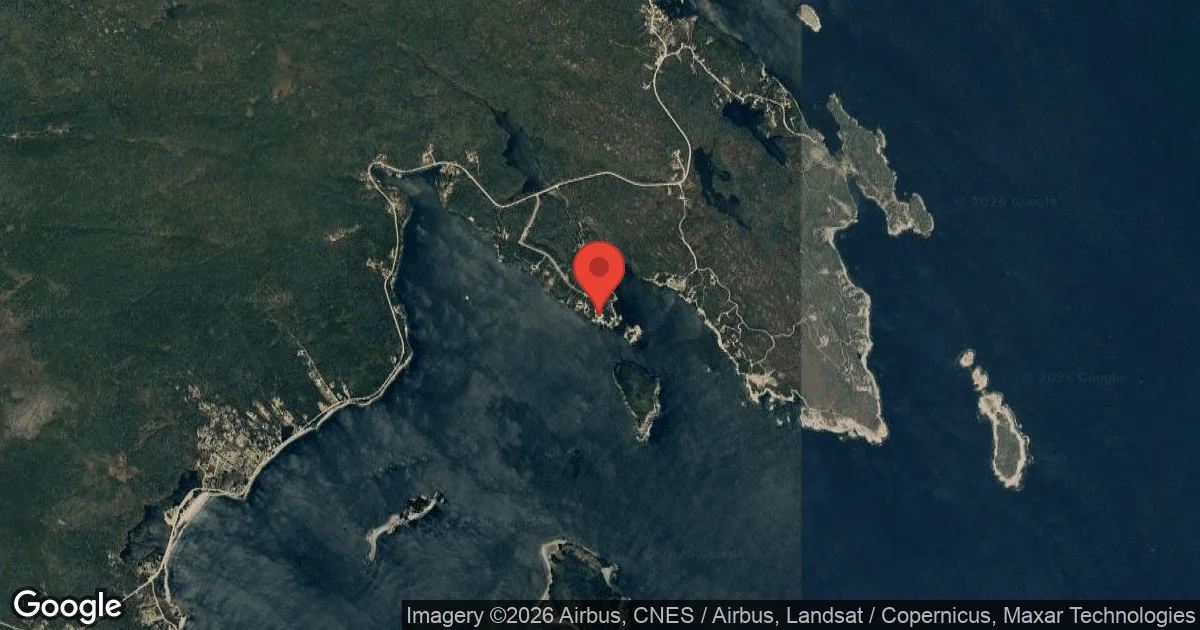
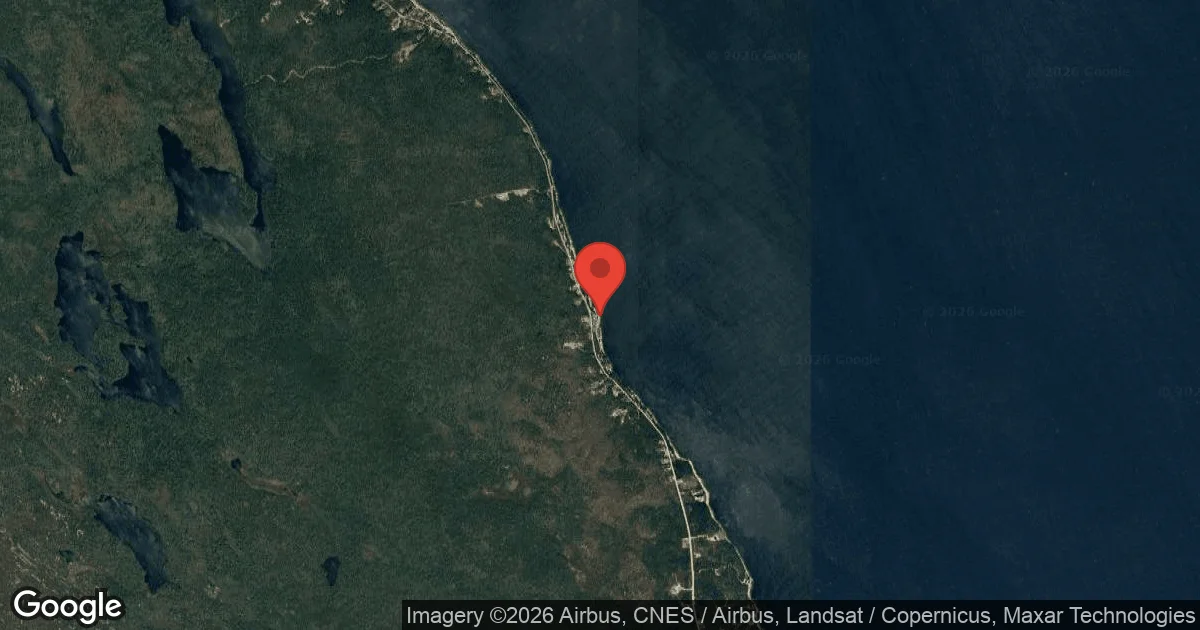
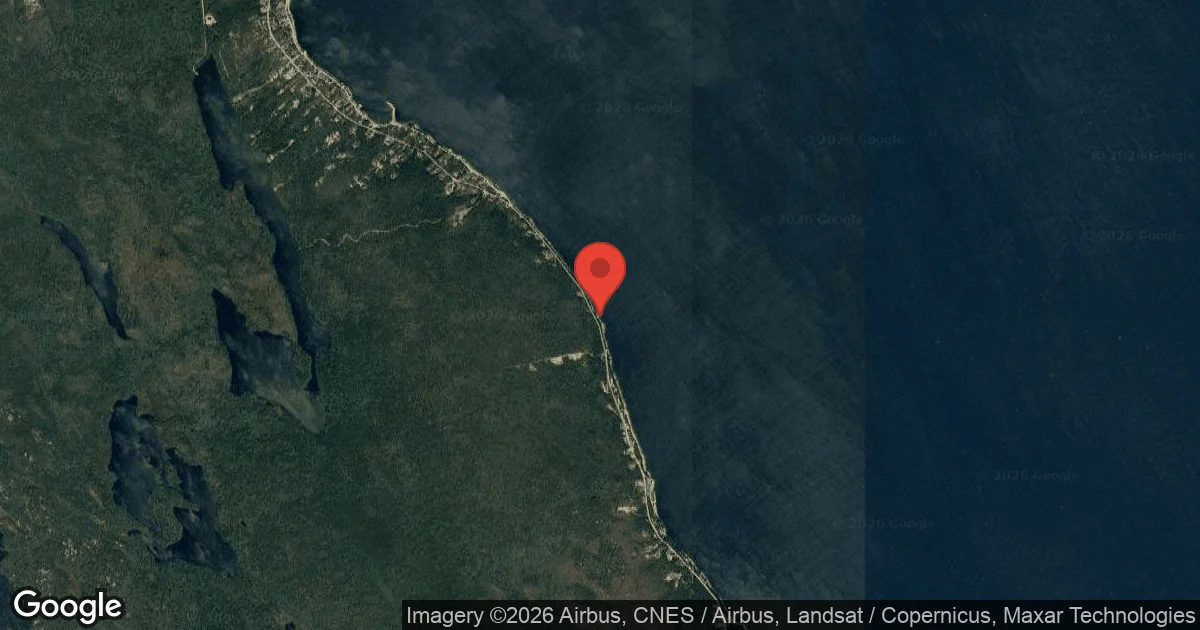
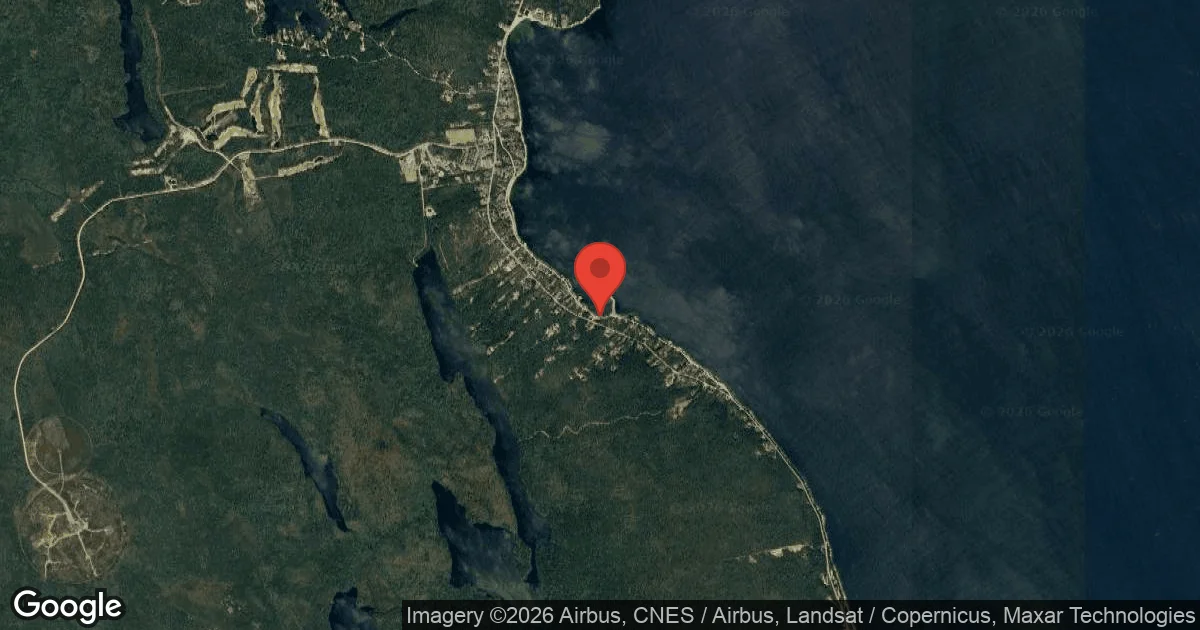
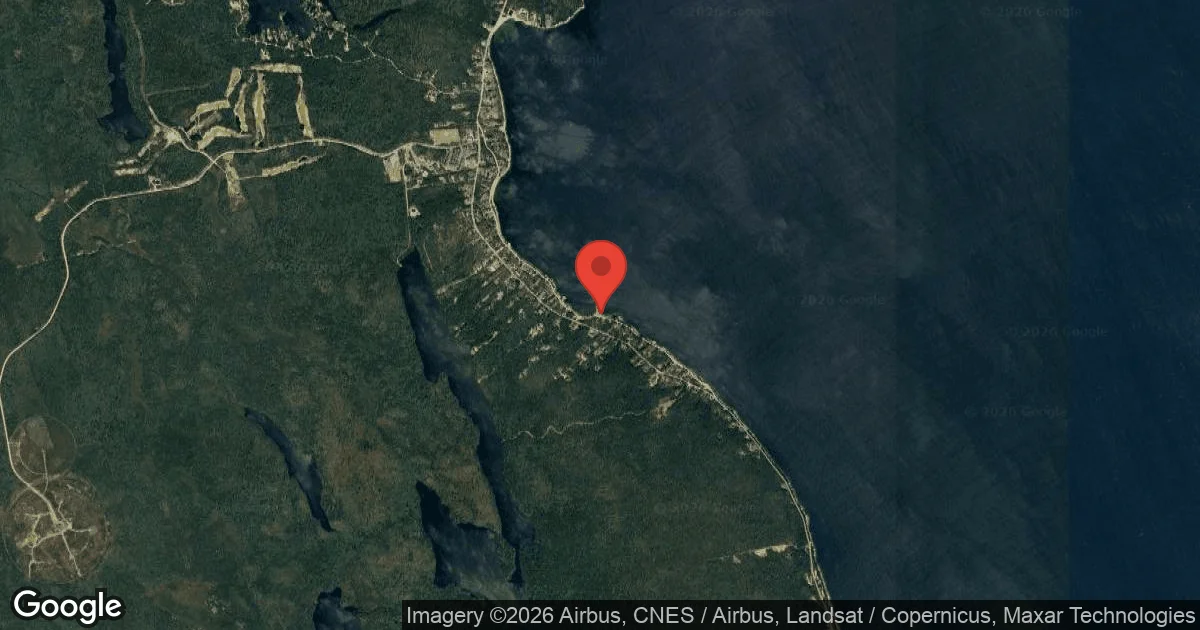
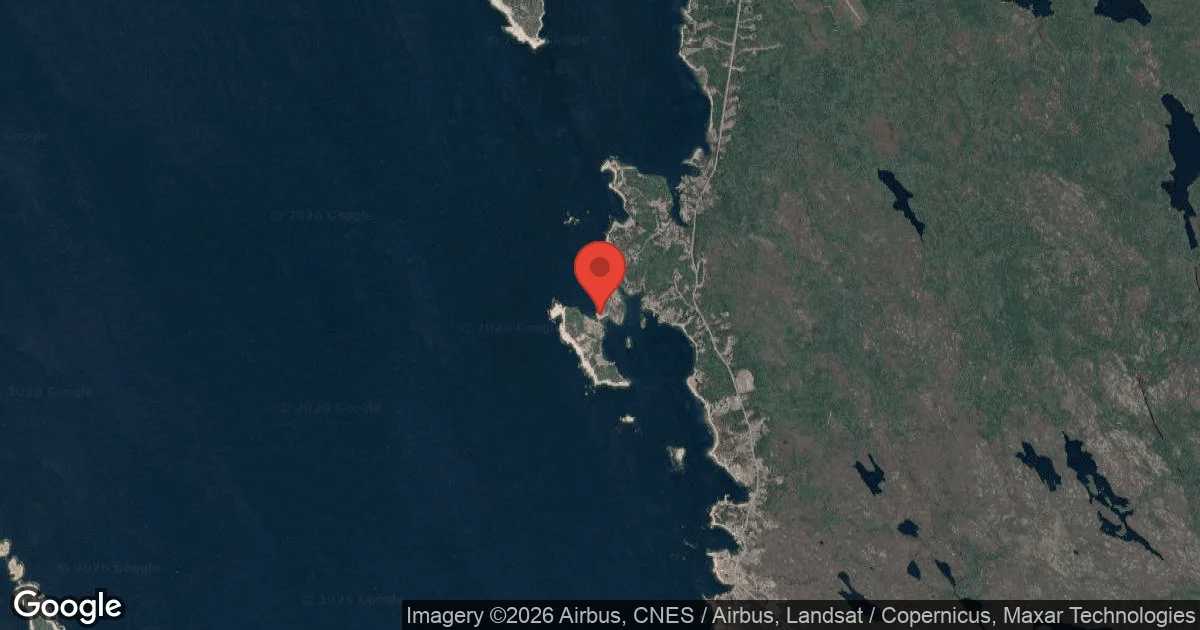
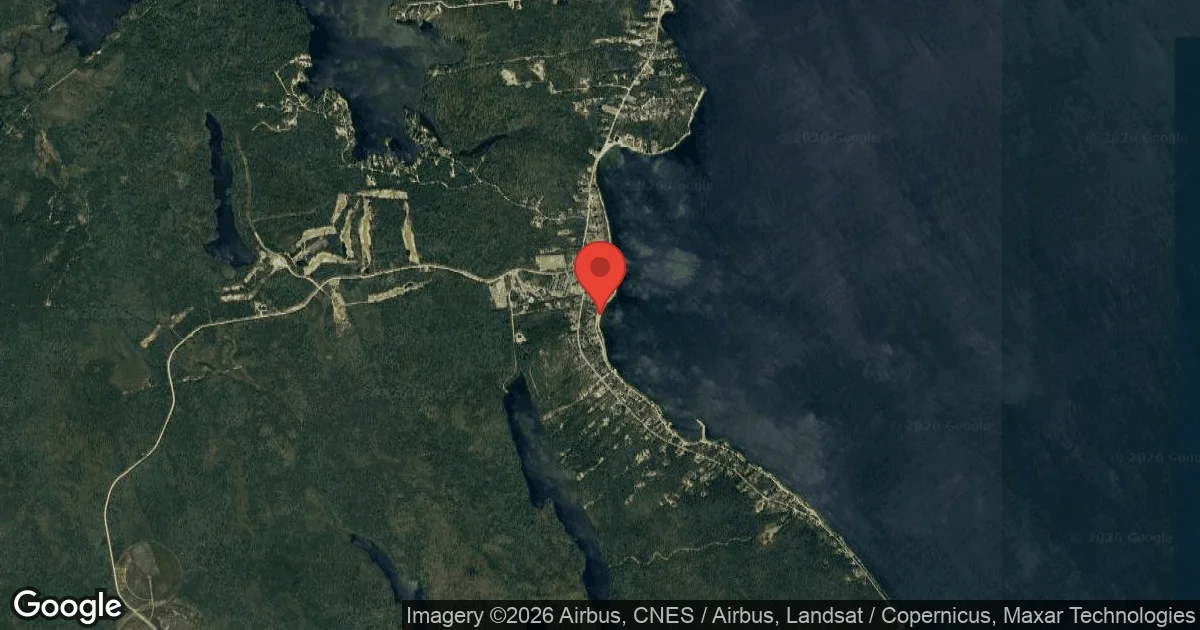
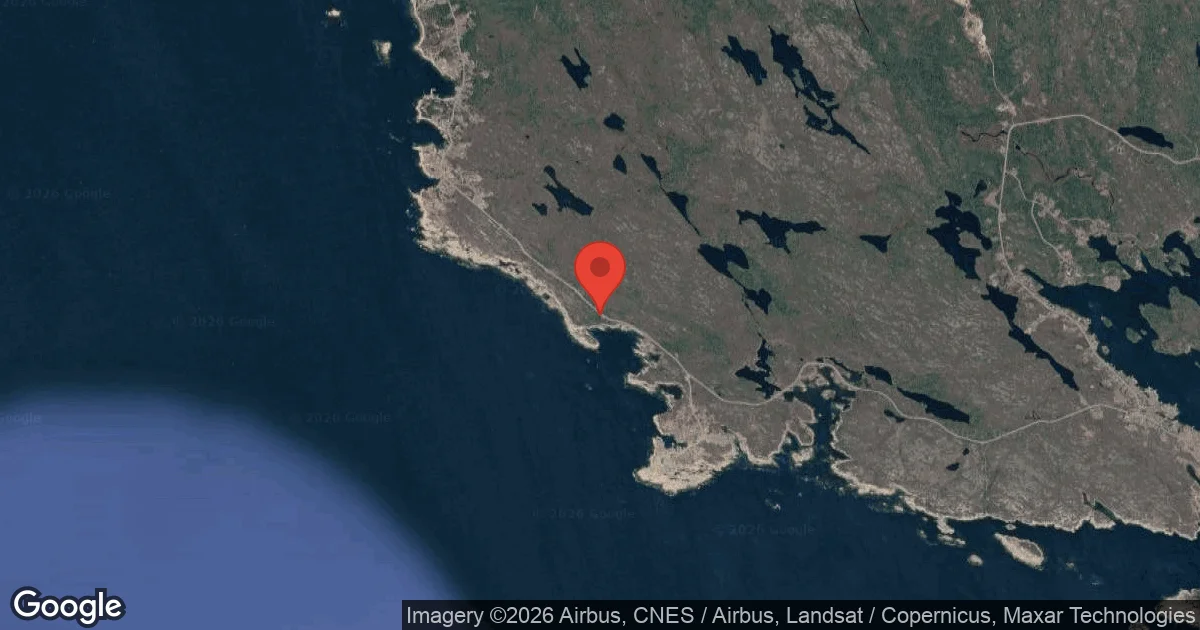
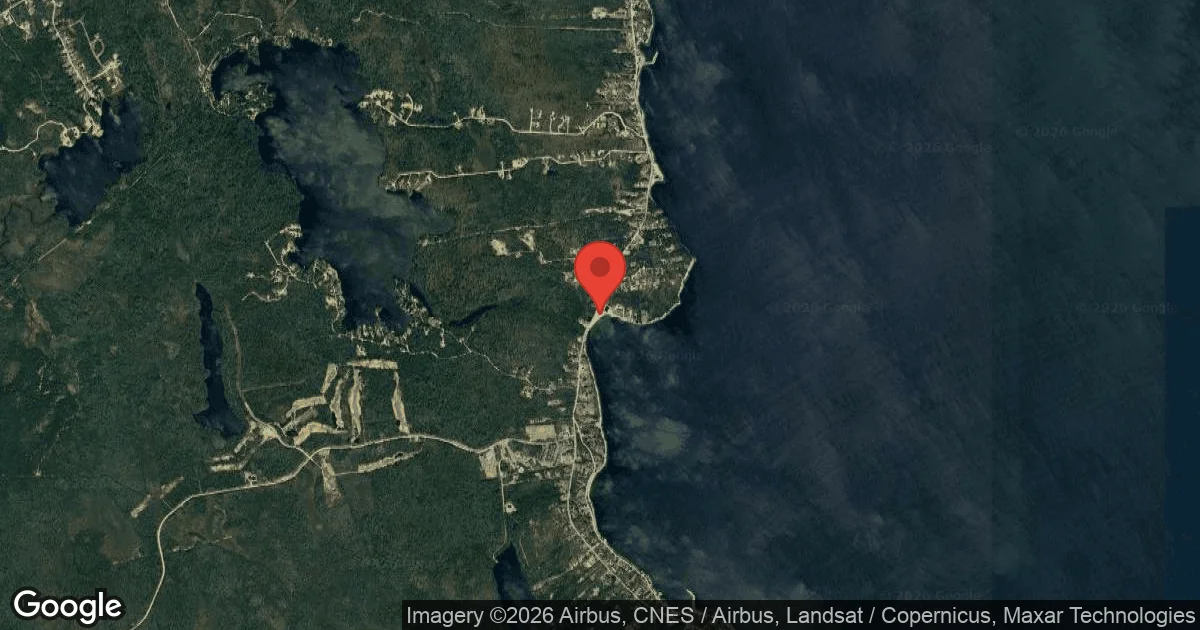
View all dive sites in CanadaDiscover more underwater gems in this area.
Dive Centers Near New Harbour
Today: 09:00 - 17:00

Nearest Airports
Nearest airports to help plan travel to this dive area.
Search Flights
Check available flights and routes on Expedia, using the nearby airports listed in this section.
Search Flights on ExpediaFrequently Asked Questions
What is the typical depth range for diving at New Harbour?
New Harbour is a shallow dive site, with average depths ranging from 3 to 6 meters (10 to 20 feet). This allows divers to spend considerable time exploring the bottom, making it ideal for training and leisurely recreational dives.
Are there any specific marine life features at New Harbour?
The most notable features are the historical whale bones, including two 5-meter (16-foot) skulls and scattered ribs and vertebrae. While the cove itself may not be teeming with large marine animals, the seaweeds on the shale boulders support smaller cold-water species.
What are the common entry and exit points for this dive site?
Divers can access the water either by using steps or by performing a giant stride off the lower sections of the wharf. An alternative entry and exit point is also available via the slipway, providing flexibility depending on harbour activity.
What are the main hazards to be aware of at New Harbour?
Being an active fishing harbour, divers must be cautious of boat traffic and the presence of numerous ropes. Varying visibility can also be a challenge, so maintaining the buddy system and good dive planning are essential for safety.
When is the best time of year to dive at New Harbour?
The dive score is rated 'Good' from April through October, offering generally more favorable air temperatures and calmer conditions. However, divers should be aware that visibility can be inconsistent, even during these months.
Is New Harbour suitable for novice divers?
Yes, New Harbour is considered suitable for novice divers due to its shallow depths and relatively sheltered conditions. However, proper cold-water equipment and awareness of the active harbour environment are still crucial.
Planning to dive New Harbour?
Send one inquiry and receive offers directly from the best verified local dive operators.
Conditions are Good
Optimal conditions expected
Current conditions near New Harbour show 17° air, 17° sea temperature, 0.6 m waves, and 38 km/h wind. Forecast data is refreshed regularly to ensure accuracy.