
Diving at Porteau Cove (Canada)
This accessible Canadian dive site offers divers a structured underwater journey, guided by a network of buoys and a distinct fire hose leading to several accessible wrecks. With easy shore entry via concrete stairs, Porteau Cove is ideal for methodical exploration. Divers can systematically navigate through artificial reefs and submerged vessels, discovering key features like the "Leaning Tower of Porteau" and multiple shipwrecks within a clearly defined area, ensuring a focused and manageable dive experience.
Tonight's objective overview for Porteau Cove shows an air temperature of 14.5°C. The measured surface conditions include wave heights around 0.1 m. This environmental data is logged for the close of the day.
Dive Site Location & Key Facts
Dive Site Overview
Porteau Cove, a prominent BC Provincial Park north of Vancouver, is distinguished by its extensive artificial reef system designed specifically for divers. What makes this site particularly valuable is its adaptability, serving as a popular training ground for new divers while also providing ample exploration for seasoned enthusiasts.
The site features multiple deliberately sunk vessels, with four distinct wrecks and other structural elements creating a dynamic underwater landscape. Divers utilize a convenient shore entry down concrete steps, finding a dive map nearby to orient themselves to the various points of interest. A crucial navigation aid is the fire hose, stretching from the first marker buoy directly to the third wreck, simplifying routes within the site.
The dive area itself is clearly delineated by white buoys, prohibiting boat traffic and ensuring diver safety. These submerged structures, including a concrete monolith often called the "Leaning Tower of Porteau" and a series of purpose-sunk ships, provide diverse habitats.
Access to the main dive area requires a short surface swim to one of three descent lines, guiding divers efficiently to the primary features. Combined with readily available amenities like washrooms, benches for gear setup, and even a diver shower, Porteau Cove is positioned as a highly accessible and well-supported destination for underwater exploration in salt water conditions. Its thoughtful layout and historical development as an artificial reef park enhance its appeal.
Conditions are Excellent
07:00 - 14:00
Optimal conditions expected
Current conditions near Porteau Cove show 15° air, 16° sea temperature, 0.0 m waves, and 8 km/h wind. Forecast data is refreshed regularly to ensure accuracy.
Best Time to Dive
Optimal diving conditions at Porteau Cove are often experienced during the winter months, when visibility can extend to around 14 meters (about 40 feet). This period typically sees lower air temperatures, ranging from 2-5°C / 36-41°F in January through March, accompanied by moderate rainfall, around 7-10 mm / 0.28-0.39 inches per month. While the air might be cooler, the water clarity tends to be at its best due to reduced plankton and algae blooms. Conversely, summer months, with warmer air temperatures peaking around 20°C / 68°F in July and August and significantly less rain (1-3 mm / 0.04-0.12 inches), can introduce plankton and algae clouds. This natural phenomenon can reduce visibility, sometimes obscuring the seafloor. Wind speeds remain relatively consistent throughout the year, generally around 9-10 km/h / 5-6 mph, contributing to generally calm surface conditions. For divers prioritizing maximum visibility, planning a trip between December and March is often recommended, accepting the cooler ambient conditions.
PEAK SEASON SCORE
Scores combine air & water temps, waves, wind & rainfall for overall conditions.
BEST MONTHS TO DIVE
Monthly records compiled from satellite and marine observation nodes over the last 3 years. Data provided by Open-Meteo and MET Norway.
Dive Experience & Conditions
Initiating a dive at Porteau Cove begins with a straightforward shore entry via concrete stairs, followed by a surface swim of about five minutes to reach a descent line. The dive site gently slopes, reaching depths around 18 m / 60 ft within its marked boundaries. Beyond this, the seafloor drops considerably deeper. Divers navigating the site will encounter a mild tidal current at times, which varies depending on specific conditions. Visibility itself is variable, with summer months prone to plankton and algae blooms that can significantly reduce clarity, sometimes making it challenging to see the bottom. In contrast, winter often provides improved visibility, offering clearer views of the artificial reefs and wrecks. One notable deeper wreck, the Nakaya, an old minesweeper, sits at about 21-24 m / 70-80 ft, appearing dark and gloomy, and is not marked by a surface buoy. The main shallower area offers a well-defined underwater route, often aided by the prominent fire hose that connects key points of interest.
Dive Difficulty & Safety Guidelines
Divers planning an outing to Porteau Cove should be mindful of several guidelines to ensure a safe and enjoyable experience. Using the boat launch for water entry is strictly prohibited due to inherent dangers from boat traffic and floating logs.
Furthermore, fishing and crabbing are not allowed within the designated marina area. While the site is suitable for both new and experienced divers, understanding personal limits, especially regarding the deeper Nakaya wreck, is crucial; its depth and dark conditions can be intimidating.
A mild tidal current can occasionally be present, so basic current awareness and navigation skills are beneficial. Given the variable visibility, especially during summer plankton blooms and on deeper sections, carrying a reliable dive light is essential year-round. Adhering to these local regulations and best practices contributes to a safe dive.
Recommended Equipment
Overhead / entanglement risk. Wreck penetration requires proper training.
- Dive Computer
- Primary & Backup Lights
- Wreck Reel
- Cutting Tool
- Hard-soled Dive Boots
This gear list is based on verified equipment signals for Porteau Cove, Canada. Always confirm final gear choices with your dive operator, guide, or liveaboard.
Recommended Dive Suit
With water temperatures around 16°C (61°F), many divers find a 5-7mm wetsuit provides comfortable protection.
Local dive briefings can provide the most accurate guidance.
A modest cooling trend is expected in the upcoming forecast. Cooler days are ahead; you might want a warmer option for later in the week. A warmer option can provide additional comfort if conditions shift.
Emergency & Medical Support
Essential information to help you plan your dive trip to Porteau Cove.

Hyperbaric chambers are a critical part of dive safety infrastructure. Availability varies significantly by region, and not all dive areas have immediate access.
Before diving, it's recommended to:
- confirm nearest medical facilities
- check emergency procedures with local dive operators
- ensure dive insurance covers evacuation if required
Divers Alert Network
Diving emergency assistance available through DAN World.
+1-919-684-9111- 24/7 emergency hotline
- Diving medical assistance
- Evacuation coordination
Emergency contacts are provided for reference. Always verify local emergency services before diving.
Marine Life at Porteau Cove
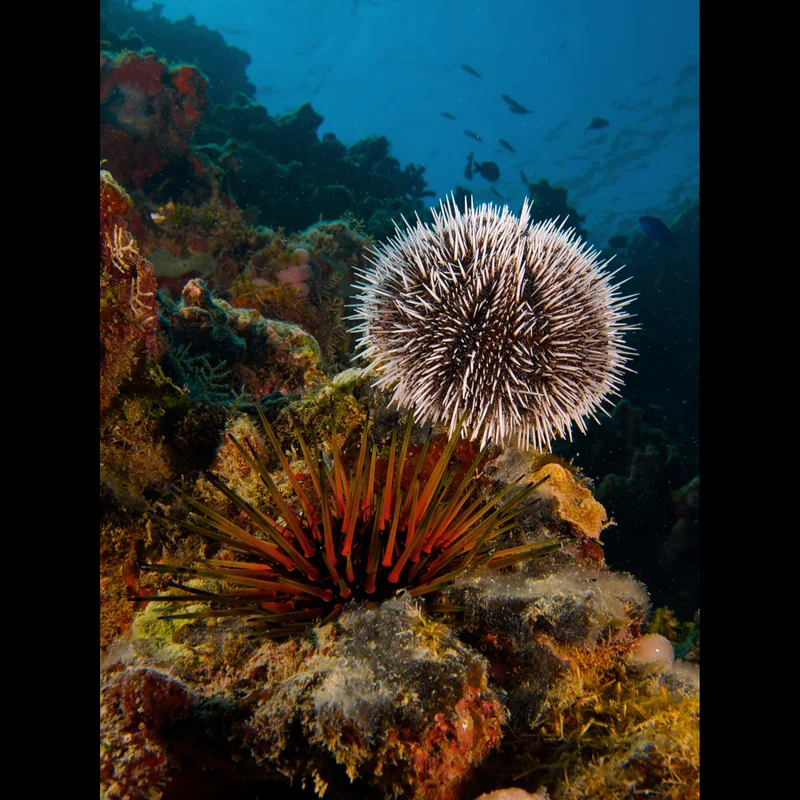
The artificial reef structures at Porteau Cove create diverse habitats that attract various marine species. Among the shipwrecks and submerged features, divers may observe sea urchins clinging to surfaces and sea cucumbers slowly traversing the sandy bottom.
Jellyfish are often seen drifting through the water column, adding a delicate presence. On the deeper Nakaya wreck, tube worms have colonized the disintegrating hull, forming distinct white formations.
Lingcod occasionally shelter on structural elements like the "Leaning Tower of Porteau", providing an opportunity for close observation. This blend of purpose-sunk objects and natural inhabitants creates an engaging underwater landscape.

Dive Sites Near Porteau Cove
View all dive sites in CanadaDiscover more underwater gems in this area.
Dive Centers Near Porteau Cove
Today: 10:00 - 18:00
Nearest Airports
Nearest airports to help plan travel to this dive area.
Search Flights
Check available flights and routes on Expedia, using the nearby airports listed in this section.
Search Flights on ExpediaFrequently Asked Questions
What depth can I expect at Porteau Cove?
The main dive area generally slopes to around 18 meters, equivalent to about 60 feet, within its marked boundaries. Deeper explorations, such as the Nakaya wreck, extend further, commonly found in the 21 to 24-meter range, or approximately 70 to 80 feet, and potentially deeper.
Is Porteau Cove suitable for beginner divers?
Yes, Porteau Cove is considered popular for both new and experienced divers. Its well-marked routes, multiple accessible wrecks, and amenities make it an excellent site for various training dives and general exploration.
How is the visibility at Porteau Cove?
It tends to be best in winter, reaching around 14 meters of clarity, which is about 40 feet, while summer months can experience reduced visibility due to plankton and algae blooms.
Are there any navigation aids underwater?
Yes, the site features a useful fire hose laid out from the first marker buoy to the third wreck. This serves as a clear guide for divers navigating the main points of interest.
What amenities are available for divers at Porteau Cove?
The provincial park provides convenient amenities including a large parking lot, washrooms, benches for gear preparation, and a diver shower at the top of the concrete stairway used for water entry. Park staff appreciate divers keeping gear tidy.
Can I see marine life at Porteau Cove?
Yes, the artificial reefs and wrecks attract various species. Common sightings include sea urchins, sea cucumbers, jellyfish, and lingcod. Tube worms also colonize some of the deeper wreck structures.
Are there currents at the dive site?
A mild tidal current can occasionally be present at Porteau Cove. Divers should be aware of this and be prepared for potential drift depending on the specific conditions of their dive.
Planning to dive Porteau Cove?
Send one inquiry and receive offers directly from the best verified local dive operators.
Conditions are Excellent
07:00 - 14:00
Optimal conditions expected
Current conditions near Porteau Cove show 15° air, 16° sea temperature, 0.0 m waves, and 8 km/h wind. Forecast data is refreshed regularly to ensure accuracy.