
Diving at Whytecliff Park (Canada)
Whytecliff Park functions as a key shore diving location situated at the western tip of West Vancouver, adjacent to Horseshoe Bay Village. Its accessibility, roughly a 15-minute drive from Lions Gate Bridge, makes it a convenient site. The park provides ample parking, alongside a concession stand and changing facilities, supporting dive operations. Entry to the main dive area involves a short, steep vertical drop from the staging point to the beach. The site itself is characterized by a rocky ridge visible at low tide, bisecting the primary dive zones.
As evening covers Whytecliff Park, the local air temperature is measured at 18°C. The current wave height at the surface is recorded at 0 m. These late-day readings characterize the surface conditions for the night.
Dive Site Location & Key Facts
Dive Site Overview
Established as a marine protected sanctuary, Whytecliff Park has long served as Vancouver's most popular dive destination, catering to various skill levels. Site layout typically segments diving activities: open water classes frequently utilize the shallow bay, where depths range from 5 m (15 ft) to about 12 m (40 ft), though marine life here is less concentrated.
More compelling underwater features are found east and west of this central bay. Around the rocky ridge and boat marker, divers explore interesting rock formations and remnants of an old marina. Moving west, the site transitions into a sloping wall dive, primarily favored by certified and technical divers.
Sandy ledges in this area extend well beyond recreational depth limits, making it a regular training ground for deeper exploration. Such diverse environments, from shallow training grounds to deeper wall dives, underscore the park's versatile appeal for both guided fun dives and advanced skill development.
Conditions are Excellent
07:00 - 14:00
Optimal conditions expected
Current conditions near Whytecliff Park show 18° air, 16° sea temperature, 0.0 m waves, and 10 km/h wind. Forecast data is refreshed regularly to ensure accuracy.
Best Time to Dive
Assessing optimal diving periods for Whytecliff Park primarily involves considering surface conditions, as specific water temperatures are not consistently reported. The site generally maintains an "Excellent" dive score throughout most of the year (January-November), shifting to a "Good" rating in December. For surface comfort, the summer months, particularly July and August, present the most favorable conditions, with average air temperatures peaking around 19°C (66°F) and minimal rainfall, averaging less than 2 mm (0.08 in) per month. Conversely, winter months like November and December experience higher rainfall, with averages around 9-11 mm (0.35-0.43 in), and cooler air temperatures dipping to 6-7°C (43-45°F). Despite these seasonal variations in surface weather, the consistent high dive scores suggest that underwater conditions generally remain suitable year-round, accommodating cold water diving preferences.
PEAK SEASON SCORE
Scores combine air & water temps, waves, wind & rainfall for overall conditions.
BEST MONTHS TO DIVE
Monthly records compiled from satellite and marine observation nodes over the last 3 years. Data provided by Open-Meteo and MET Norway.
Dive Experience & Conditions
Navigating the underwater topography at Whytecliff Park presents varying dynamics, from shallow, sheltered areas to deeper, exposed walls. Divers should be comfortable with shore entries, which involve a steep path down to the water's edge. The waters are saltwater, and temperatures are characteristic of cold water diving environments, necessitating appropriate thermal protection. Visibility varies depending on conditions, but the site's structure, including a rocky ridge, offers clear orientation points. The main dive site to the west features a sloping wall with sandy underwater ledges extending to significant depths, appealing to those seeking deeper recreational or technical exploration. Shallower sections around the ridge offer distinct rock formations and an old marina's remnants, providing visual interest closer to the surface. It's an environment that rewards divers attentive to their buoyancy and comfort in varying conditions.
Dive Difficulty & Safety Guidelines
Approaching dives at Whytecliff Park requires a foundational understanding of cold water protocols and specific certifications. Divers must hold at least an Open Water Diver certification and have dived within the last 12 months, demonstrating current proficiency. Comfort with shore entries and cold water is essential.
For those planning to utilize a drysuit, a Drysuit Specialty Certification or equivalent training is mandatory. Minors, aged 12 and above, may dive with parental approval.
Operators conducting guided dives at Whytecliff adhere to high safety standards; guides are experienced in local cold water diving, First Aid, and oxygen delivery, with necessary kits present on every trip. Dive plans may be adjusted based on prevailing weather or diver comfort levels, emphasizing a proactive approach to safety.
Recommended Equipment
- Dive Computer
- Hard-soled Dive Boots
This gear list is based on verified equipment signals for Whytecliff Park, Canada. Always confirm final gear choices with your dive operator, guide, or liveaboard.
Recommended Dive Suit
Exposure protection is partly a personal preference.
5-7mm wetsuit typically provides a reliable level of thermal protection for dives here. Surface intervals may feel cooler. Surface temperatures may decrease slightly later in the week. Cooler days are ahead; you might want a warmer option for later in the week. Carrying a secondary suit is common practice among experienced divers.
Divers heading to Whytecliff Park today should expect water temperatures around 16°C (61°F). Surface air temperatures are resting at 18°C (65°F).
Emergency & Medical Support
Essential information to help you plan your dive trip to Whytecliff Park.

Hyperbaric chambers are a critical part of dive safety infrastructure. Availability varies significantly by region, and not all dive areas have immediate access.
Before diving, it's recommended to:
- confirm nearest medical facilities
- check emergency procedures with local dive operators
- ensure dive insurance covers evacuation if required
Divers Alert Network
Diving emergency assistance available through DAN World.
+1-919-684-9111- 24/7 emergency hotline
- Diving medical assistance
- Evacuation coordination
Emergency contacts are provided for reference. Always verify local emergency services before diving.
Marine Life at Whytecliff Park
Upon entry, divers at Whytecliff Park frequently encounter a diverse array of invertebrates and fish, often in close proximity. The site is a sanctuary for numerous creatures, with plentiful plumose anemones carpeting surfaces and various crab species, including dungeness, red rock, hermit, and decorator crabs, inhabiting crevices.
Massive sun stars and sea cucumbers are common sightings on the seabed. Rocky areas provide habitat for several rockfish species, gobies, and sole.
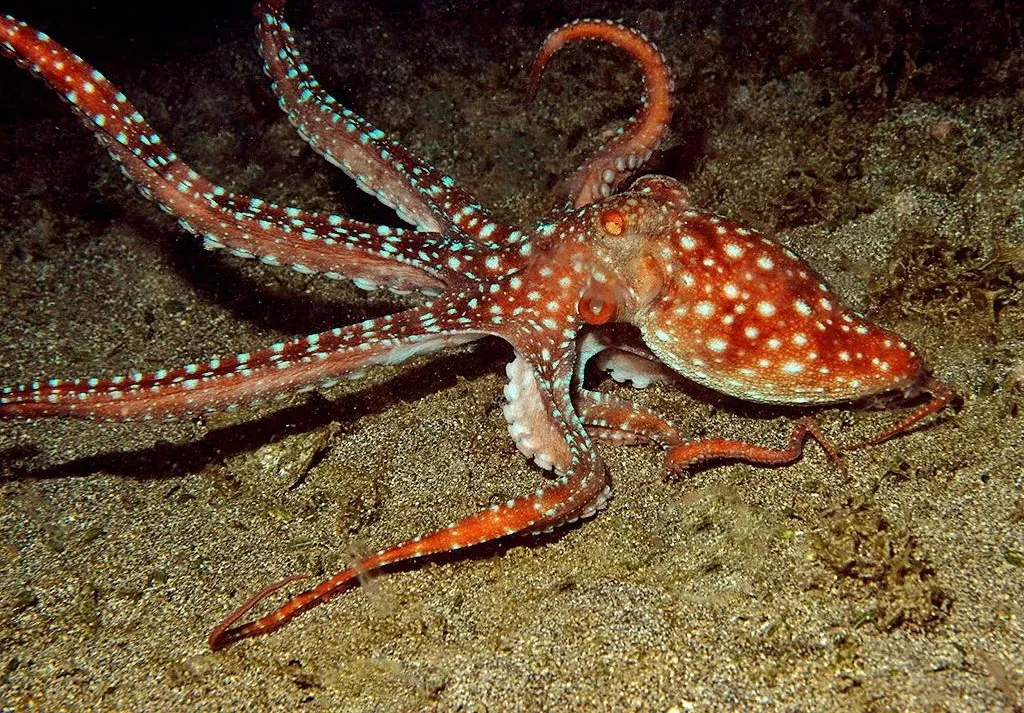
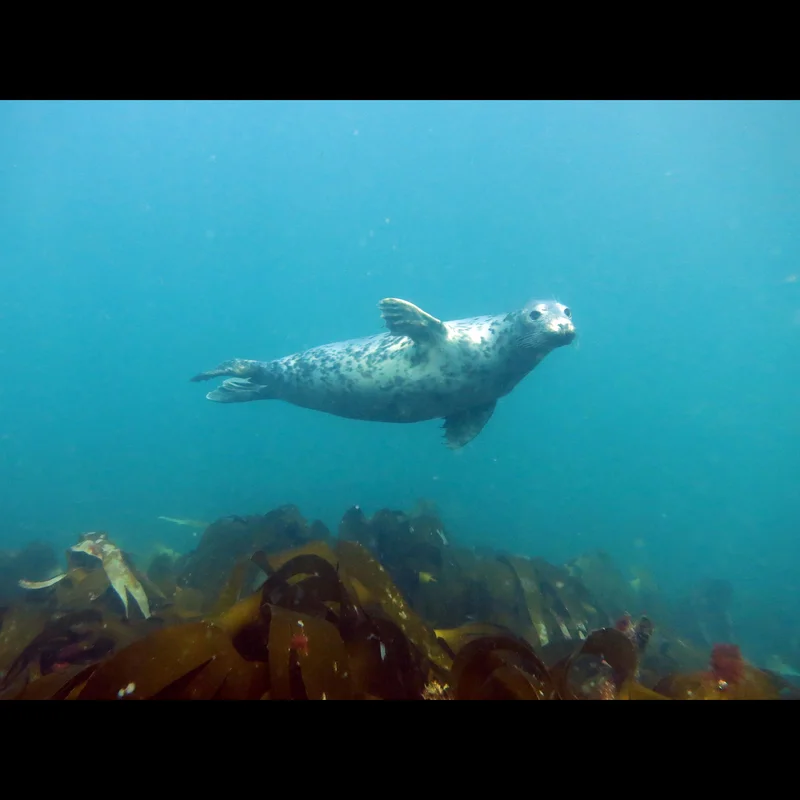
The park is also known for its more elusive residents; a friendly seal occasionally interacts with divers in the bay, and secretive octopuses are often observed either hunting or concealed within their dens. Dogfish may make seasonal appearances during summer months, adding to the site's rich biodiversity.

Dive Sites Near Whytecliff Park
View all dive sites in CanadaDiscover more underwater gems in this area.
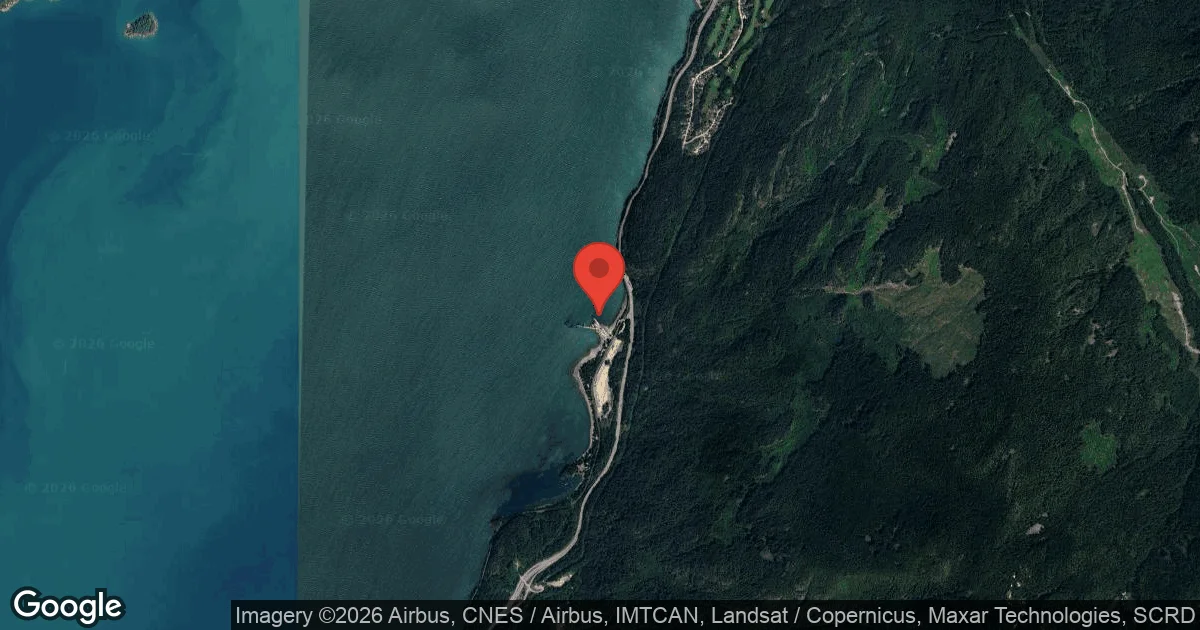
Dive Centers Near Whytecliff Park

Today: 10:00 - 18:00

Nearest Airports
Nearest airports to help plan travel to this dive area.
Search Flights
Check available flights and routes on Expedia, using the nearby airports listed in this section.
Search Flights on ExpediaFrequently Asked Questions
What certification is required to dive at Whytecliff Park?
Divers need at least an Open Water Diver certification and must have dived within the last 12 months. For drysuit use, a Drysuit Specialty Certification or equivalent training is mandatory.
What are the typical water temperatures?
Whytecliff Park features cold water diving conditions, requiring appropriate thermal protection. Specific water temperatures aren't consistently reported, but divers should expect cold water suitable for drysuit or thick wetsuit use.
What kind of marine life can I expect to see?
Divers frequently encounter plumose anemones, various crab species (dungeness, red rock, hermit, decorator), and large sun stars. Rocky areas host rockfish, gobies, and sole.
Is Whytecliff Park suitable for beginner divers?
Yes, shallow bay areas are frequently used for open water classes, with depths up to 12 m (40 ft). Beginners, however, should be comfortable with cold water and shore entries.
What are the best months to dive at Whytecliff Park?
Site generally maintains an "Excellent" dive score most of the year (January-November), with a "Good" rating in December. Summer months offer more favorable surface conditions, but underwater conditions are suitable year-round for cold water diving.
What are the entry and exit conditions like?
Entry to main dive area involves a short, steep vertical drop from staging point to beach. Divers should be comfortable with shore entries, which require navigating a steep path to the water's edge.
Are guided dives available?
Yes, operators conducting guided dives adhere to high safety standards. Guides are experienced in local cold water diving, First Aid, and oxygen delivery.
Planning to dive Whytecliff Park?
Send one inquiry and receive offers directly from the best verified local dive operators.
Conditions are Excellent
07:00 - 14:00
Optimal conditions expected
Current conditions near Whytecliff Park show 18° air, 16° sea temperature, 0.0 m waves, and 10 km/h wind. Forecast data is refreshed regularly to ensure accuracy.