
Diving at Indus (Chile)
Indus wreck serves as a distinctive cold-water dive site, resting on a sandy bottom in the expansive Pacific Ocean off Chile. A submerged structure, it provides a focal point for divers exploring a region characterized by rugged underwater topography. Its location makes it accessible within Chile's diverse diving landscape, appealing to those interested in wreck exploration.
Tonight's objective overview for Indus shows an air temperature of 14.5°C. The measured surface conditions include wave heights around 1.3 m. This environmental data is logged for the close of the day.
Dive Site Location & Key Facts
Dive Site Overview
Diving Indus wreck offers a compelling cold-water experience, integrating historical exploration with the natural marine environment typical of the Chilean Pacific. An ocean-based wreck resting on a sandy bottom, it provides an opportunity for divers to explore a sunken vessel.
While specific depths are not consistently reported for Indus itself, similar wreck dives in this region often range from 20 to 40 m / 65 to 130 ft, generally appealing to divers comfortable with advanced open water conditions. The unique challenges of cold-water ocean diving mean divers should be prepared for variable visibility and potential currents. Logistical frameworks for diving in Chile are generally accessible, accommodating various experience levels, yet conditions at specific sites like Indus demand meticulous planning and an understanding of the local environment.
Cold-water marine ecosystems here feature a distinct biodiversity, which divers may encounter around the wreck's structure and on the surrounding seabed. Dive scores for the area consistently remain moderate throughout the year, indicating a relatively stable but potentially challenging environment for exploration.
Conditions are Good
Optimal conditions expected
Current conditions near Indus show 14° air, 14° sea temperature, 1.3 m waves, and 27 km/h wind. Forecast data is refreshed regularly to ensure accuracy.
Best Time to Dive
Seasonal conditions significantly influence the overall experience at Indus, although the site consistently holds a 'Moderate' dive score year-round. Air temperatures fluctuate from approximately 12°C / 54°F in July to a warmer 17°C / 63°F in February, which can impact surface comfort. Water temperatures are not consistently reported for this specific site, but generally align with the cold-water characteristics of the Chilean Pacific. Wave heights typically range between 2.1 to 2.5 meters / 7 to 8 feet, and wind speeds can average 19 to 24 km/h / 12 to 15 mph. While rainfall is generally low, months like June, July, and August see slightly higher precipitation, which might affect local visibility or surface conditions. Planning around these moderate conditions, particularly considering wave and wind, is advisable for optimal enjoyment.
PEAK SEASON SCORE
Scores combine air & water temps, waves, wind & rainfall for overall conditions.
BEST MONTHS TO DIVE
Monthly records compiled from satellite and marine observation nodes over the last 3 years. Data provided by Open-Meteo and MET Norway.
Dive Experience & Conditions
Dropping into the waters around Indus wreck, divers immediately notice colder temperatures characteristic of the Chilean Pacific. Expect a vibrant, though sometimes muted, underwater palette in this environment. Visibility varies depending on oceanic conditions, currents, and recent weather patterns, but divers should anticipate moderate visibility, typical for a cold-water ocean wreck. A sandy bottom surrounding the wreck can be stirred by currents, potentially reducing clarity further. Currents can also be present, requiring divers to be proficient in drift and buoyancy control. The wreck's structure provides both sheltered areas and exposed sections where surge and current may be more pronounced, adding to the dynamic nature of the dive.
Dive Difficulty & Safety Guidelines
Approaching any wreck dive, especially one in colder waters and oceanic conditions like Indus, requires meticulous planning and adherence to safety protocols. Given the inherent complexities of wreck exploration, ensure you possess appropriate wreck diving certification and experience. Consult with local dive professionals thoroughly familiar with the site and its present conditions before entry.
They can provide crucial insights into recent currents, visibility, and any specific entry or exit challenges. Always dive within your training limits, maintain excellent buoyancy control to protect the wreck, and carry appropriate signaling devices.
While specific reported hazards are limited, a comprehensive risk assessment is always needed for this type of dive.
Recommended Equipment
Overhead / entanglement risk. Wreck penetration requires proper training.
- Dive Computer
- DSMB
- Primary & Backup Lights
- Wreck Reel
- Cutting Tool
This gear list is based on verified equipment signals for Indus, Chile. Always confirm final gear choices with your dive operator, guide, or liveaboard.
Recommended Dive Suit
For divers planning standard recreational dives, 7mm wetsuit or semidry is usually a suitable option. A hood or vest is suggested for sensitive divers due to surface winds. A thermal robe or jacket is recommended between dives. Divers vary widely in how quickly they feel cold underwater.
Conditions at Indus currently place the water temperature near 14°C (58°F). Surface air temperatures are resting at 14°C (58°F).
The upcoming forecast points to generally steady conditions in the area.
Due to technical issues with our weather providers, live updates are temporarily delayed. The data above reflects the conditions at the time of the last successful fetch.
Emergency & Medical Support
Essential information to help you plan your dive trip to Indus.

Hyperbaric chambers are a critical part of dive safety infrastructure. Availability varies significantly by region, and not all dive areas have immediate access.
Before diving, it's recommended to:
- confirm nearest medical facilities
- check emergency procedures with local dive operators
- ensure dive insurance covers evacuation if required
Divers Alert Network
Diving emergency assistance available through DAN World.
+1-919-684-9111- 24/7 emergency hotline
- Diving medical assistance
- Evacuation coordination
Emergency contacts are provided for reference. Always verify local emergency services before diving.
Marine Life at Indus
Around Indus wreck, a submerged structure resting on a sandy ocean floor, a unique underwater landscape creates diverse microhabitats. While specific marine life details for Indus itself are limited, wider Chilean cold-water ecosystems are known for abundant invertebrates, which likely colonize the wreck. Divers exploring the site might also encounter various cold-water fish species, along with potential sightings of larger marine animals like sea lions or giant kelpfish that frequent the broader Chilean coast.

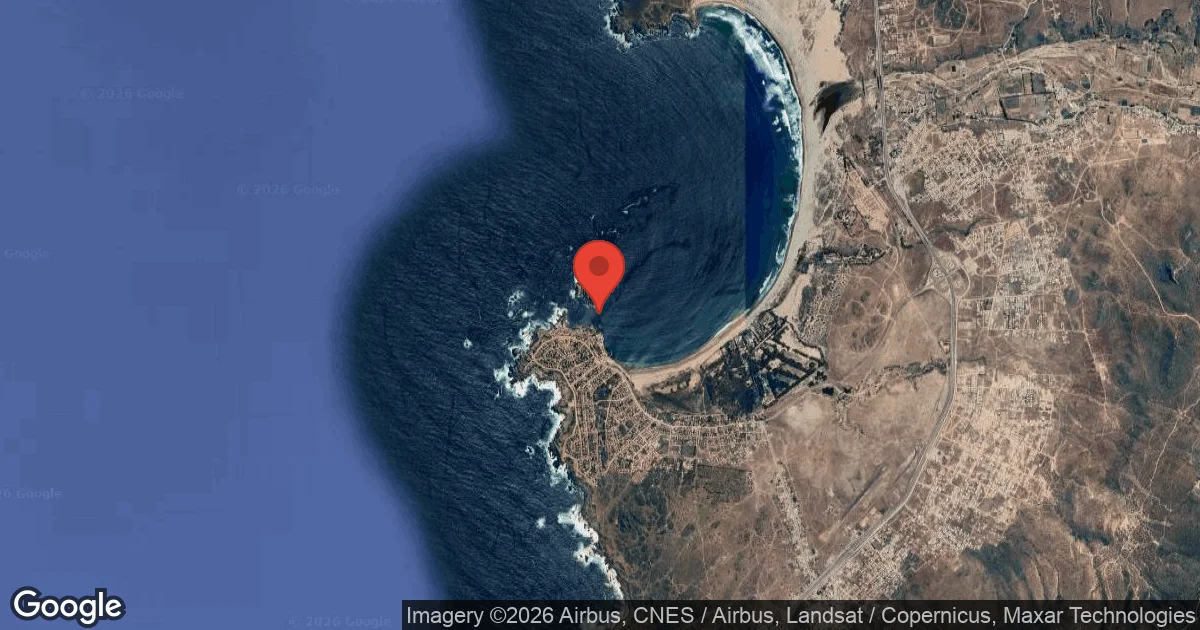
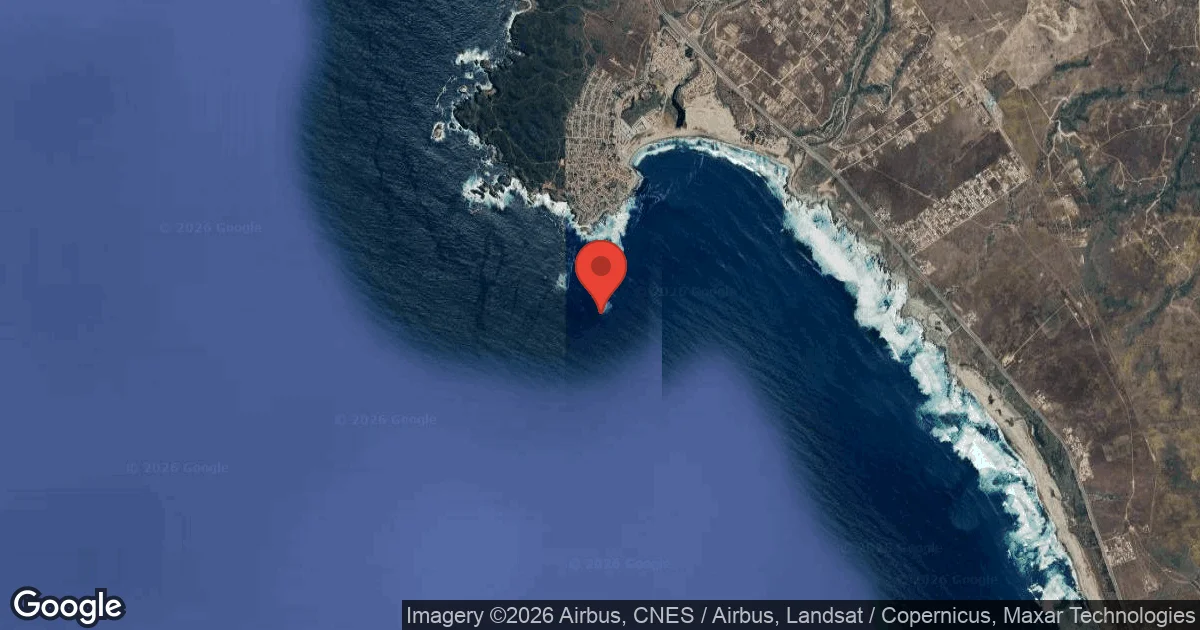
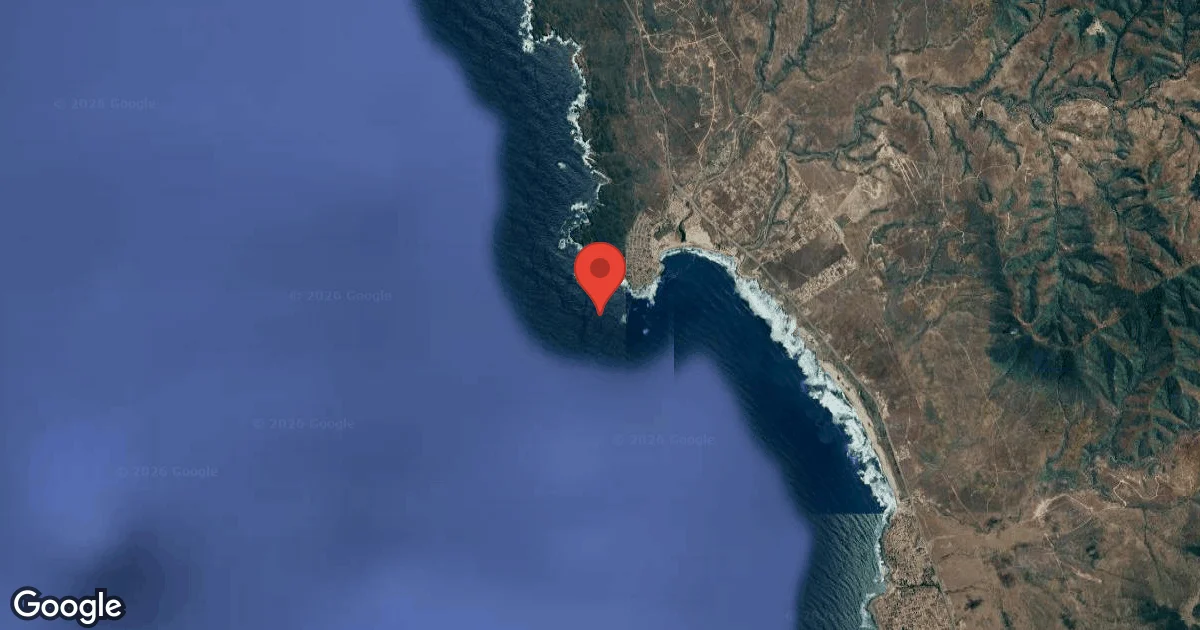
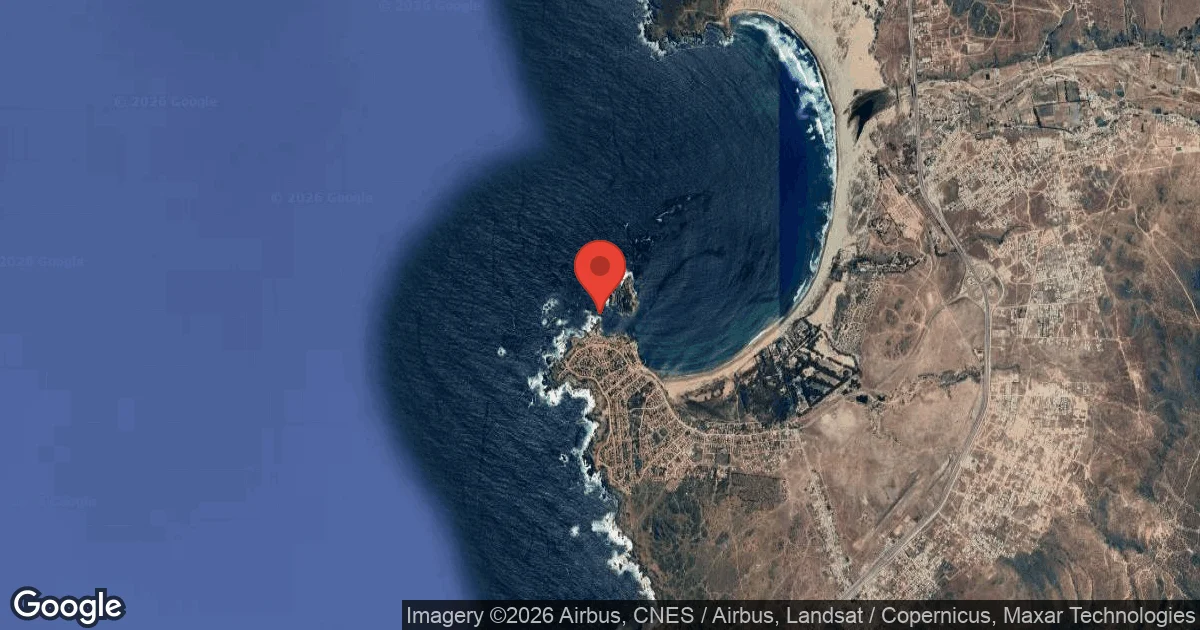
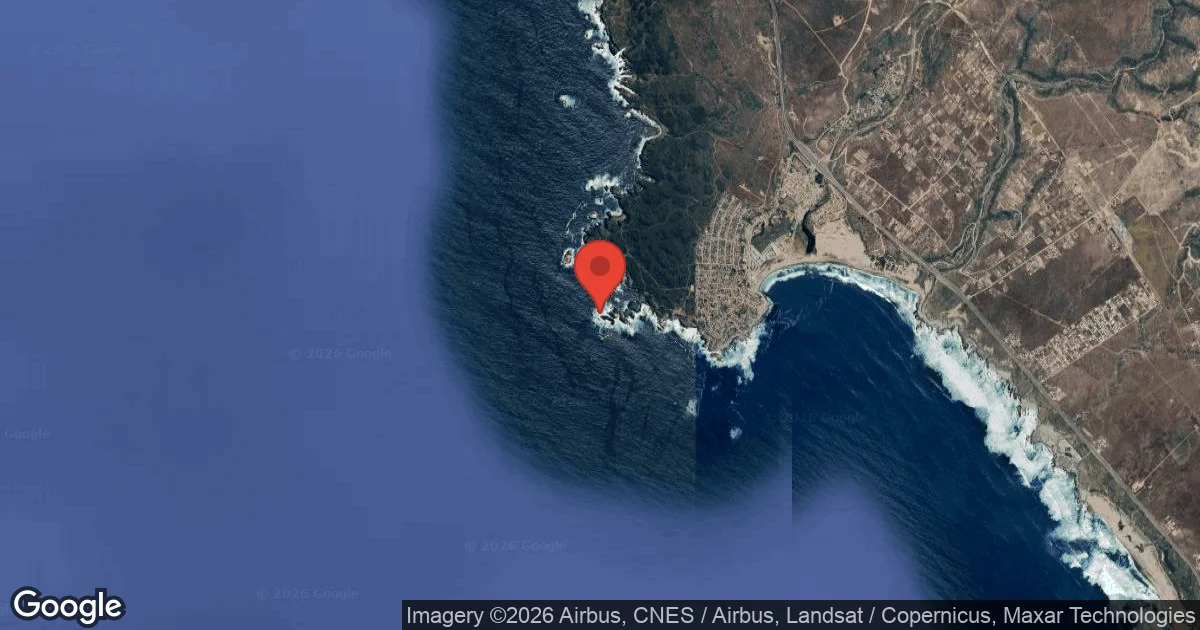
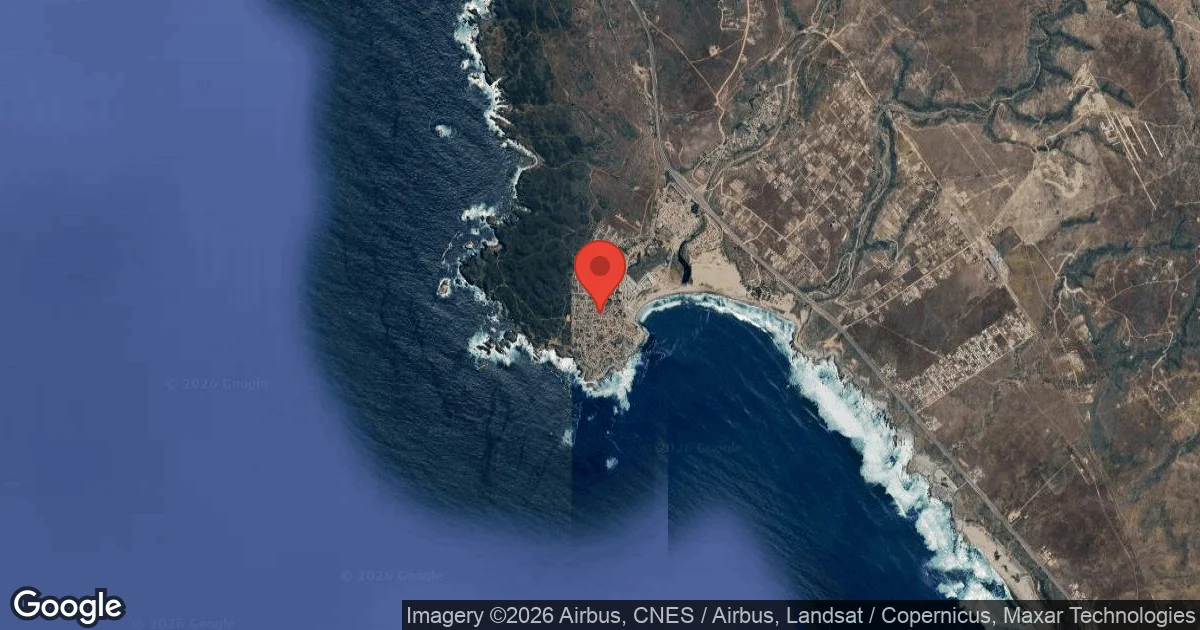
Dive Sites Near Indus
View all dive sites in ChileDiscover more underwater gems in this area.
Dive Centers Near Indus
Nearest Airports
Nearest airports to help plan travel to this dive area.
Search Flights
Check available flights and routes on Expedia, using the nearby airports listed in this section.
Search Flights on ExpediaFrequently Asked Questions
What is the typical water temperature at Indus?
Specific water temperature data for the Indus wreck is not consistently reported. However, diving in Chile generally means encountering cold-water conditions typical of the Pacific Ocean. Divers should prepare for colder temperatures regardless of the season.
Is Indus suitable for beginner divers?
The Indus wreck is situated in an oceanic environment with potential currents and variable visibility. While logistics in Chile are generally accessible, this site is better suited for certified divers with experience in cold water and wreck diving. Consulting a local dive professional is always recommended to assess current conditions.
What kind of marine life can be seen around the wreck?
While specific marine life highlights for Indus are not extensively documented, the Chilean cold-water marine ecosystems are known for abundant invertebrates, various fish species, and occasional sightings of larger animals like sea lions or giant kelpfish. The wreck acts as an artificial reef, likely attracting localized marine communities.
Are there any strong currents at the site?
As an ocean dive site, currents can vary significantly at Indus. Wave heights and wind speeds are consistently moderate throughout the year, suggesting potential water movement. Divers should be prepared for varying current conditions and practice good buoyancy control.
What is the best time of year to dive Indus?
The dive score for Indus remains 'Moderate' throughout the year. Air temperatures are mildest from December to March (austral summer), potentially offering more comfortable surface conditions. However, divers should always prioritize checking local reports for current wave and wind conditions.
What certifications are recommended for diving Indus?
Given that Indus is a wreck dive in potentially challenging conditions, Advanced Open Water certification is generally recommended. For exploring inside the wreck, a Wreck Diver specialty certification would be appropriate. Always dive within your training and experience levels.
How deep is the Indus wreck?
Specific depth details for the Indus wreck are not consistently reported. Wreck dives in the Chilean Pacific can occur at various depths, requiring proper training and equipment for the planned dive profile. Always consult local dive operators for precise depth information and dive planning.
Planning to dive Indus?
Send one inquiry and receive offers directly from the best verified local dive operators.
Conditions are Good
Optimal conditions expected
Current conditions near Indus show 14° air, 14° sea temperature, 1.3 m waves, and 27 km/h wind. Forecast data is refreshed regularly to ensure accuracy.