
Diving at Isla Fuerte (Colombia)
Isla Fuerte lies off Colombia's Caribbean coast, offering divers exploration across an extensive insular shelf. Planning a dive here often begins with boat access to sites like Bajo Bushnell, which presents deep lost cliffs and intricate coral labyrinths. You can anticipate varying topography and a rich underwater landscape as you descend. This island provides more than 30 distinct locations, each promising a different submerged journey.
Tonight's objective overview for Isla Fuerte shows an air temperature of 29°C. The measured surface conditions include wave heights around 0.9 m. This environmental data is logged for the close of the day.
Dive Site Location & Key Facts
Dive Site Overview
Spanning 16 square kilometers, Isla Fuerte's insular shelf creates a vibrant underwater realm considered among the best-preserved coral reef systems in the Colombian Caribbean. Serving as a crucial ecological hub, the area supports diverse marine ecosystems.
Key platform reefs, including Bajo Bushnell, Burbujas, and Caldas, stand out as primary destinations for autonomous diving. Bajo Bushnell, a three-square-kilometer underwater treasure, descends to a maximum depth of 30 m (100 ft). Its impressive cantiles and extensive coral labyrinths provide shelter for numerous species, making it a focal point for conservation efforts through local dive tourism.
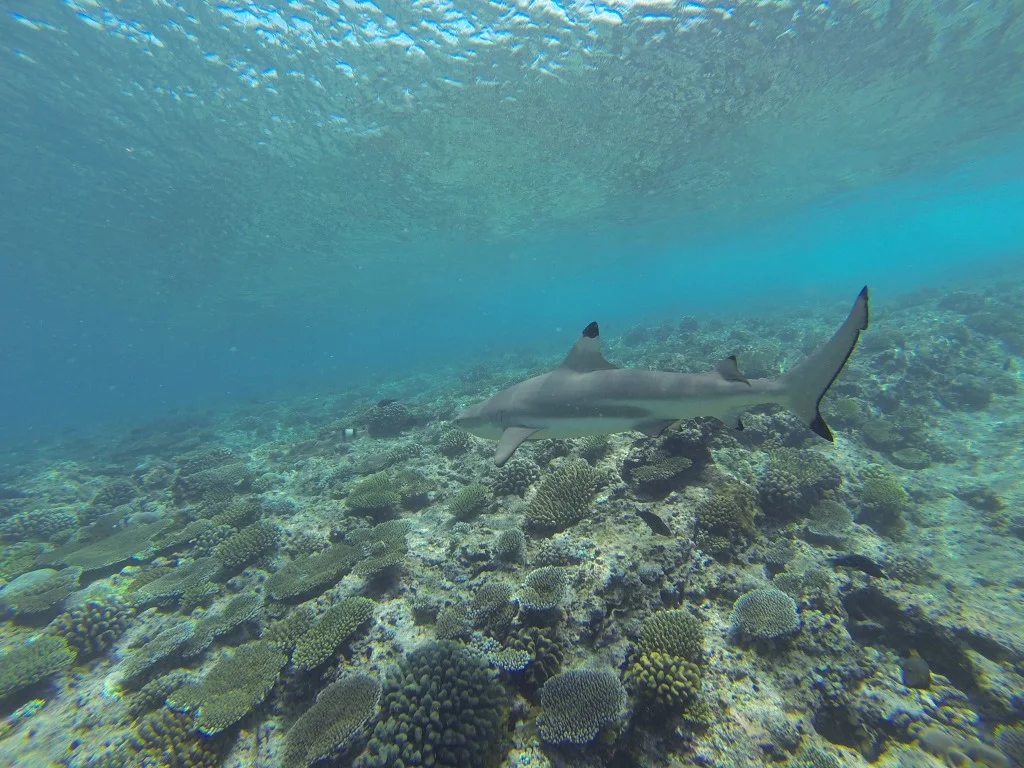
Elsewhere, Burbujas hosts a unique underwater mud volcano, where gas emanations create a fascinating backdrop against black coral formations. El Planchón, a 30-meter length shipwreck at a depth of 9 m (30 ft), has become an artificial reef, colonized by organisms and providing refuge for various fish and sharks.
Shallower sites like El Socorro, at 6 m (20 ft), reveal mass and soft corals in a more accessible environment. From deep cliffs to shallow reef patches, a variety of sites reflects the island's long-standing ecological significance and its current role in promoting responsible exploration of its underwater heritage.
Conditions are Good
Optimal conditions expected
Current conditions near Isla Fuerte show 29° air, 31° sea temperature, 0.9 m waves, and 28 km/h wind. Forecast data is refreshed regularly to ensure accuracy.
Best Time to Dive
Optimal diving conditions around Isla Fuerte generally align with periods of lower rainfall and calmer seas. The months from January to March, and again from May through December, typically offer favorable dive scores, suggesting good to moderate conditions. During these periods, average air temperatures consistently range between 27.5°C (82°F) and 28°C (82°F), contributing to a comfortable surface interval experience. Wave heights are often manageable, particularly from May to November, where they tend to be lower, around 0.6 to 1.1 meters. Conversely, wind speeds can reach their highest in February at approximately 24.7 km/h, potentially influencing surface conditions. Rainfall is minimal from January to April, with as little as 1.23 mm in March, improving visibility. While rain increases in the latter half of the year, it rarely severely impacts underwater clarity. Considering these patterns, planning your trip during the drier months often provides the best opportunity for stable and enjoyable dives, though good conditions are frequently reported throughout much of the year.
PEAK SEASON SCORE
Scores combine air & water temps, waves, wind & rainfall for overall conditions.
BEST MONTHS TO DIVE
Monthly records compiled from satellite and marine observation nodes over the last 3 years. Data provided by Open-Meteo and MET Norway.
Dive Experience & Conditions
Descending into Isla Fuerte's waters, divers encounter a submerged world characterized by diverse coral formations, from vast mushroom-shaped corals to fields of delicate lettuce coral. Visibility varies depending on localized currents and recent weather, but it's generally good enough to appreciate the extensive reef structures and distant schools of fish. Water temperatures are consistently comfortable, typical for the Caribbean. Exploring sites like Bajo Bushnell involves navigating impressive cliffs and detailed reef labyrinths, which can sometimes present moderate currents, especially at deeper sections. Shallower areas, such as Yesbi, offer sinuous paths across calcareous sand patches adorned with soft corals. At Burbujas, the unique sight of gas emanations from an underwater mud volcano creates a surreal atmosphere. Deeper dives, particularly at sites designated for experienced divers like Caldas, may involve significant depth, often reaching the recreational depth limit. Surface conditions can be influenced by wind and wave height, which are typically moderate.
Dive Difficulty & Safety Guidelines
For safe diving in Isla Fuerte, prioritizing local expertise is crucial. Dive with certified operators familiar with the site-specific conditions, especially regarding currents at deeper cliff sections or around unique features like the mud volcano at Burbujas. Undertaking relevant training, such as the PADI Advanced Open Water Diver certification, is recommended for exploring the full range of depths and conditions this area presents.
Specific sites like Fondo Loco are noted for difficult bearings due to local current confluence and flat topography; therefore, advanced navigation skills are highly beneficial. Always conduct a thorough buddy check and monitor your bottom time and no-decompression limits, particularly when exploring depths up to 30 meters.
While no specific hazards are consistently reported in the database, awareness of your surroundings and adherence to established dive plans are always paramount. Local dive centers often provide detailed briefings on site-specific challenges.
Recommended Equipment
Overhead / entanglement risk. Wreck penetration requires proper training.
Current and surface separation risk. Local briefing strongly recommended.
- Dive Computer
- DSMB
- Primary & Backup Lights
- Wreck Reel
- Reel / Spool
- Cutting Tool
This gear list is based on verified equipment signals for Isla Fuerte, Colombia. Always confirm final gear choices with your dive operator, guide, or liveaboard.
Recommended Dive Suit
The coming days appear slightly cooler according to the latest forecast. Cooler days are ahead; you might want a warmer option for later in the week. Divers planning multiple dives may appreciate having a warmer option available.
Factors such as dive duration, depth, and activity level can influence how warm a diver feels underwater. Stronger winds may also make surface intervals feel cooler than usual.
Dive skin or rash guard typically balances flexibility and thermal protection in these temperatures. Consider warmer surface protection (like a boat coat) due to brisk winds. Divers preparing to enter the water at Isla Fuerte will likely find temperatures around 31°C (87°F) today. Surface air temperatures are resting at 29°C (84°F).
Emergency & Medical Support
Essential information to help you plan your dive trip to Isla Fuerte.

Hyperbaric chambers are a critical part of dive safety infrastructure. Availability varies significantly by region, and not all dive areas have immediate access.
Before diving, it's recommended to:
- confirm nearest medical facilities
- check emergency procedures with local dive operators
- ensure dive insurance covers evacuation if required
Divers Alert Network
Diving emergency assistance available through DAN World.
+1-919-684-9111- 24/7 emergency hotline
- Diving medical assistance
- Evacuation coordination
Emergency contacts are provided for reference. Always verify local emergency services before diving.
Marine Life at Isla Fuerte
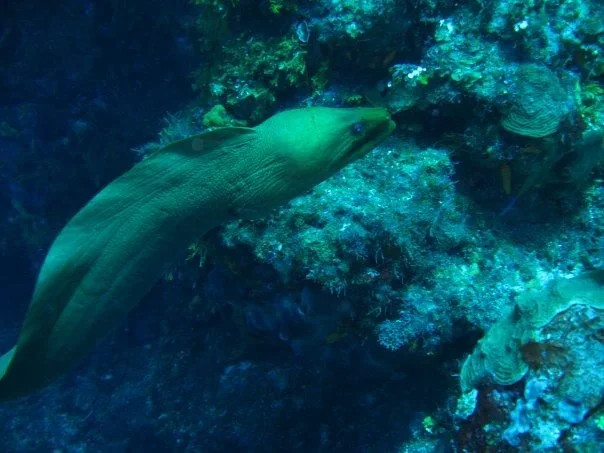
As you descend, the initial impression often centers on the vibrant reef fish schools, constantly moving through the corals. Keep an eye out for moray eels, which are common residents, frequently found tucked away in crevices.
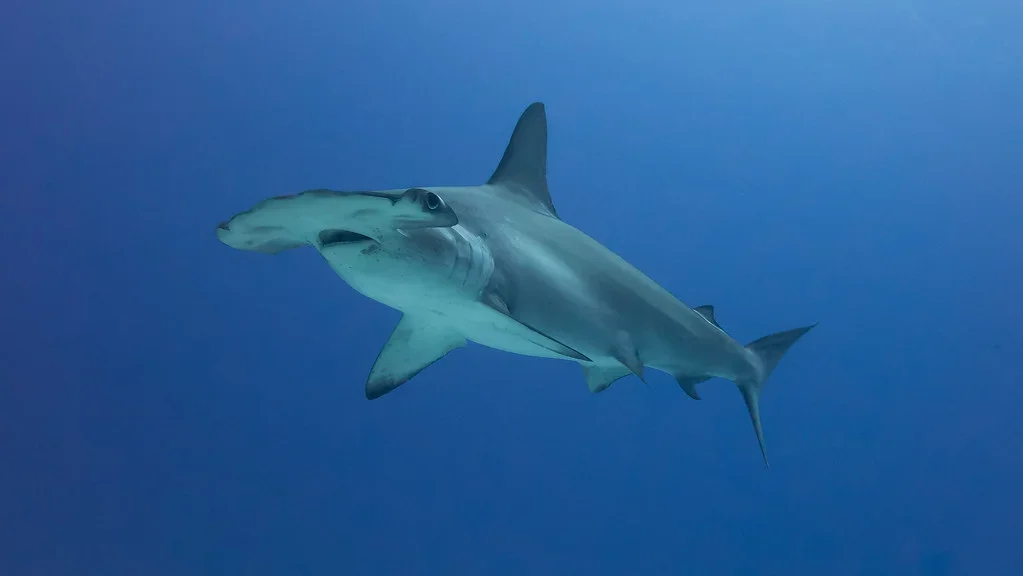
Deeper sections of Bajo Bushnell are known for sightings of larger pelagics, including hammerhead sharks and eagle rays. Hawksbill turtles are also regularly observed grazing on the reef, along with barracuda and various species of grouper.
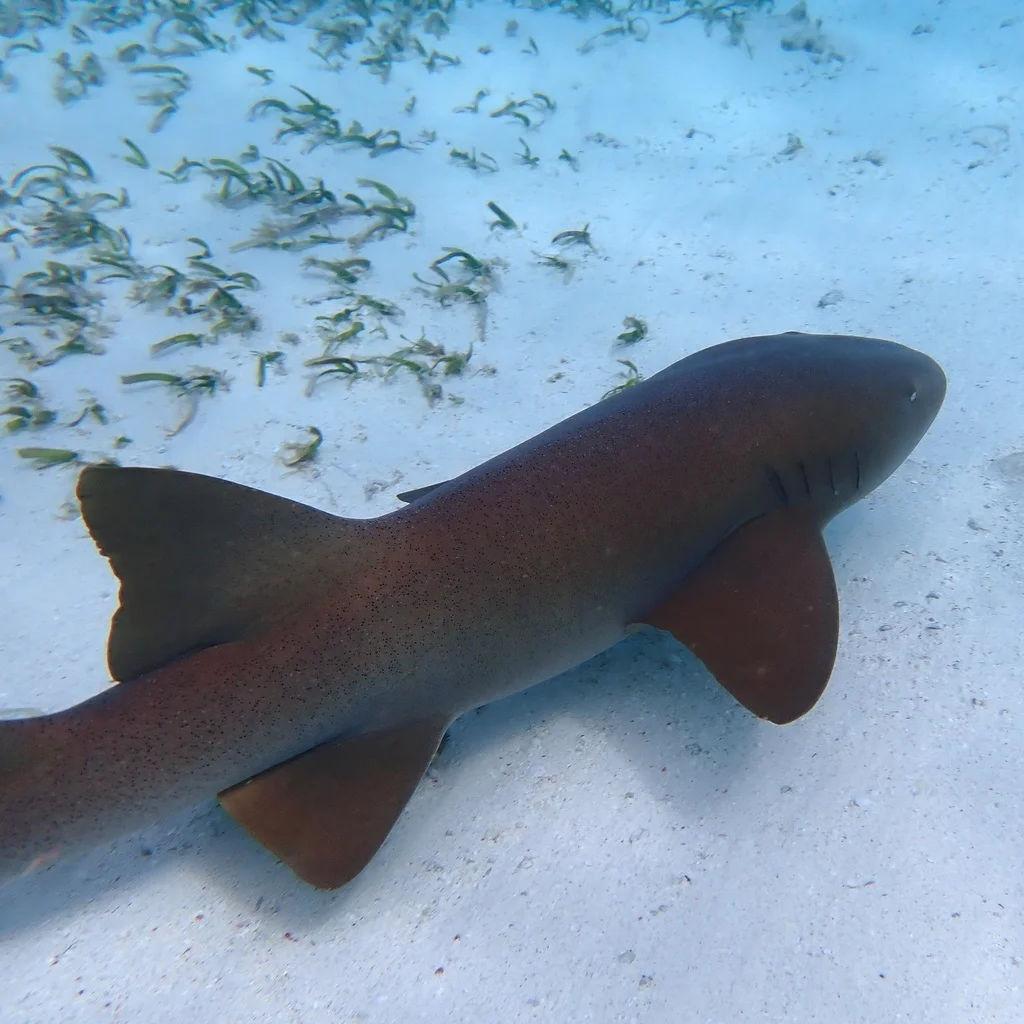
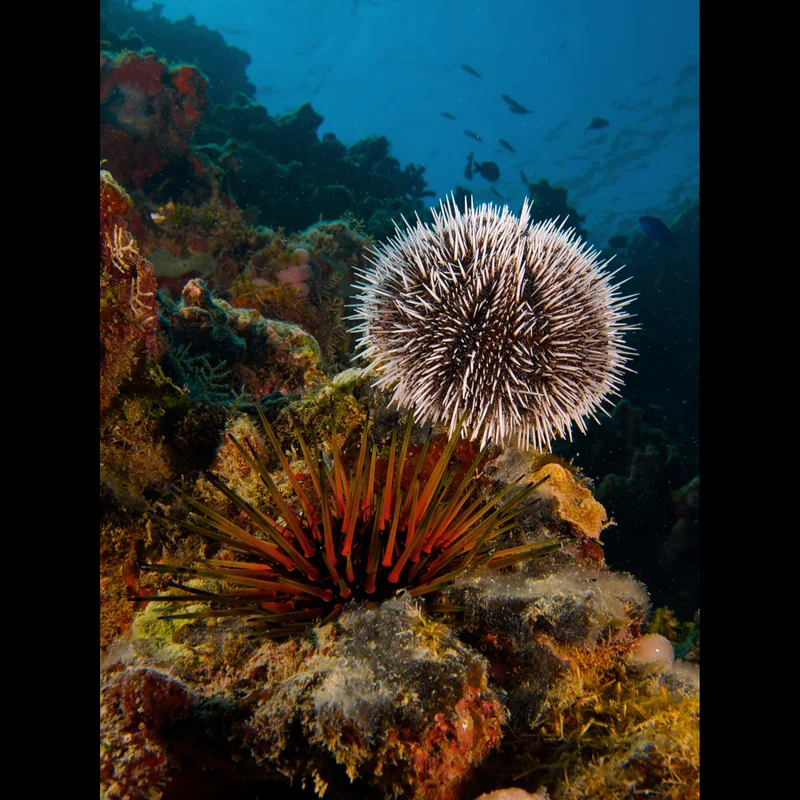
Exploring the shallower sandy patches at Yesbi might reveal unique macro life like shovel winkles and white-sea urchins, amidst the soft corals. Nurse sharks are another frequent sight, often encountered resting on the bottom or cruising along the reef's edge.
Dive Sites Near Isla Fuerte
View all dive sites in ColombiaDiscover more underwater gems in this area.
Dive Centers Near Isla Fuerte
Today: 08:00 - 17:00
Nearest Airports
Nearest airports to help plan travel to this dive area.
Search Flights
Check available flights and routes on Expedia, using the nearby airports listed in this section.
Search Flights on ExpediaFrequently Asked Questions
What is the typical maximum depth for diving around Isla Fuerte?
Most recreational dive sites around Isla Fuerte reach typical maximum recreational depths. Several specific locations, such as Bajo Bushnell, Burbujas, and Caldas, offer dives in the 25-30 meter range. Shallower dives, ideal for beginners, are available at sites like El Socorro, often around 6 to 10 meters.
What types of marine environments can I expect to see?
Divers will encounter diverse coral reef systems, including platform reefs, extensive mushroom-shaped corals, and vast fields of lettuce and elkhorn corals. Some sites feature impressive cliffs, intricate reef labyrinths, and even an underwater mud volcano. Wreck diving is also an option at El Planchón.
Are there strong currents in Isla Fuerte?
Currents vary significantly by site and conditions. Some deeper sections, particularly at sites like Bajo Bushnell and Fondo Loco, can experience moderate to strong localized currents. Consulting with local dive guides about daily conditions is always recommended.
Is Isla Fuerte suitable for beginner divers?
Yes, Isla Fuerte caters to a range of experience levels. While some deeper or current-affected sites are better suited for experienced divers, many shallower reefs like El Socorro and Los Boyones are ideal for beginners and less experienced certified divers. Local PADI resorts offer courses for all levels.
What kind of large marine life might I encounter?
Larger marine life encounters are possible, particularly at sites like Bajo Bushnell. Divers often report seeing hammerhead sharks, eagle rays, and hawksbill turtles. Barracuda, horse mackerel, and various snapper schools are also common.
What is the water temperature like year-round?
Water temperature data is not consistently reported, but being in the Colombian Caribbean, the waters are generally warm and comfortable. Expect typical tropical Caribbean water temperatures, which are usually suitable for diving with a thin wetsuit or rash guard.
Is night diving available on Isla Fuerte?
Yes, night diving is offered. Bajo Mariajo, a small coral structure, is specifically highlighted as ideal for night dives due to the great variety of invertebrates visible after sunset. It's an accessible dive, typically found within shallower recreational depth ranges.
Planning to dive Isla Fuerte?
Send one inquiry and receive offers directly from the best verified local dive operators.
Conditions are Good
Optimal conditions expected
Current conditions near Isla Fuerte show 29° air, 31° sea temperature, 0.9 m waves, and 28 km/h wind. Forecast data is refreshed regularly to ensure accuracy.