
Diving at Brumel (Costa Rica)
For divers seeking a consistently rewarding shark encounter or a sheltered alternative to more exposed sites, Brumel presents a strategic choice. Its proximity to Playa Potrero, under 20 minutes by boat, makes it highly accessible. This site excels in delivering frequent sightings of whitetip reef sharks, particularly with the guidance of experienced local dive professionals.
Evening condition tracking at Brumel features an air temperature of 28°C. We have recorded wave heights measuring 0.8 m during this period. These figures outline the environmental parameters currently present.
Dive Site Location & Key Facts
Dive Site Overview
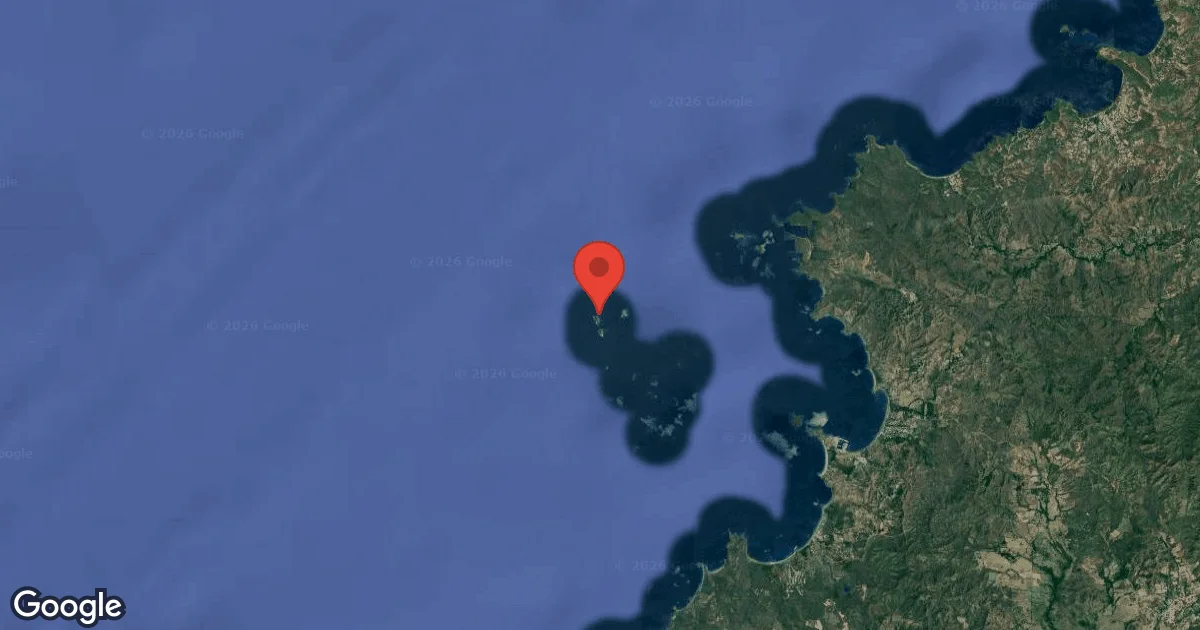
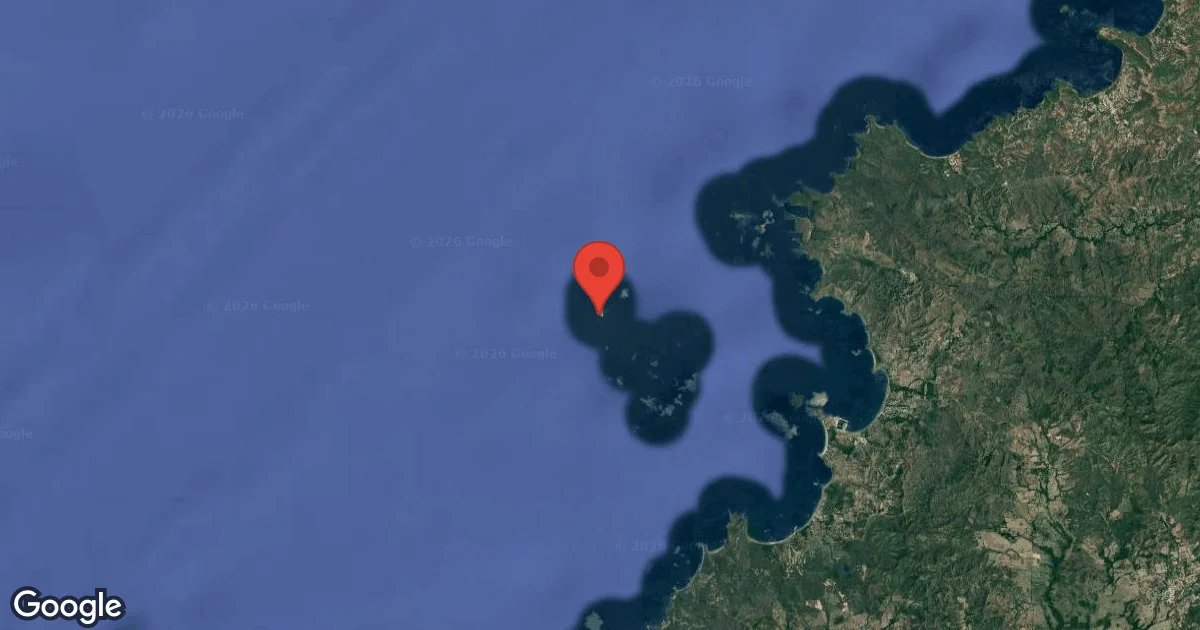
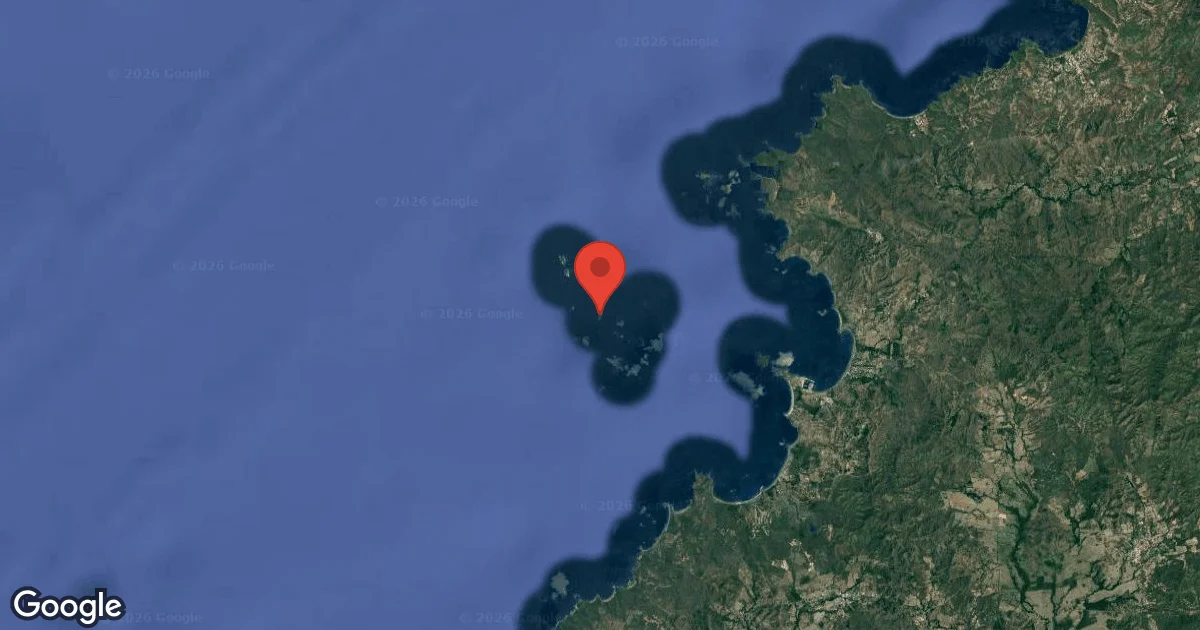
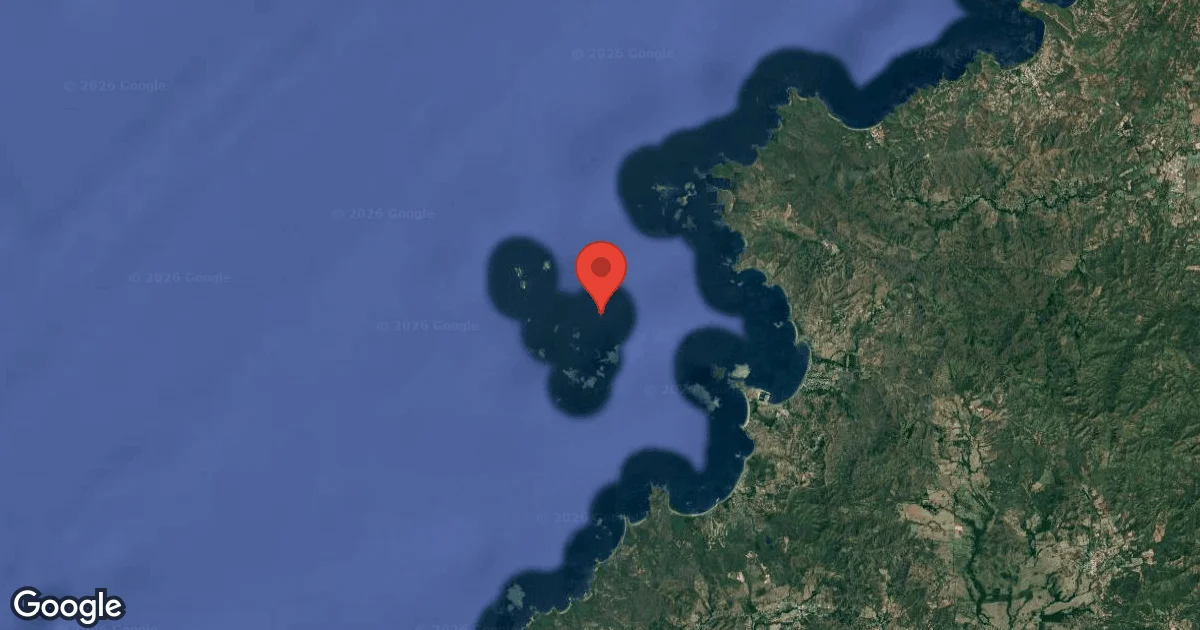
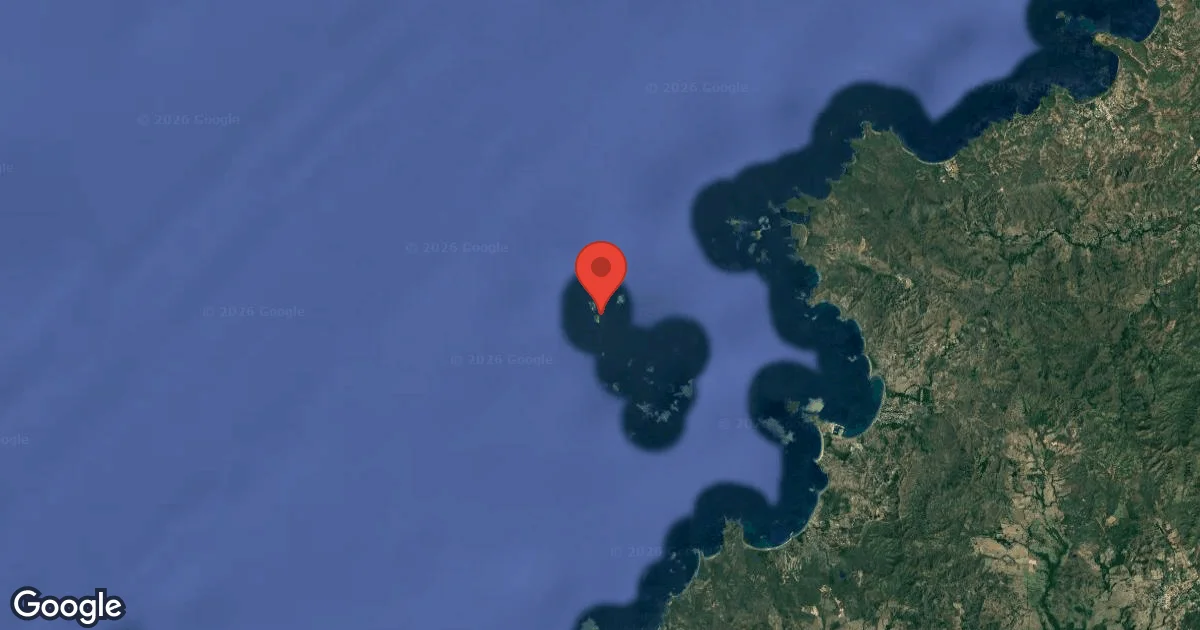
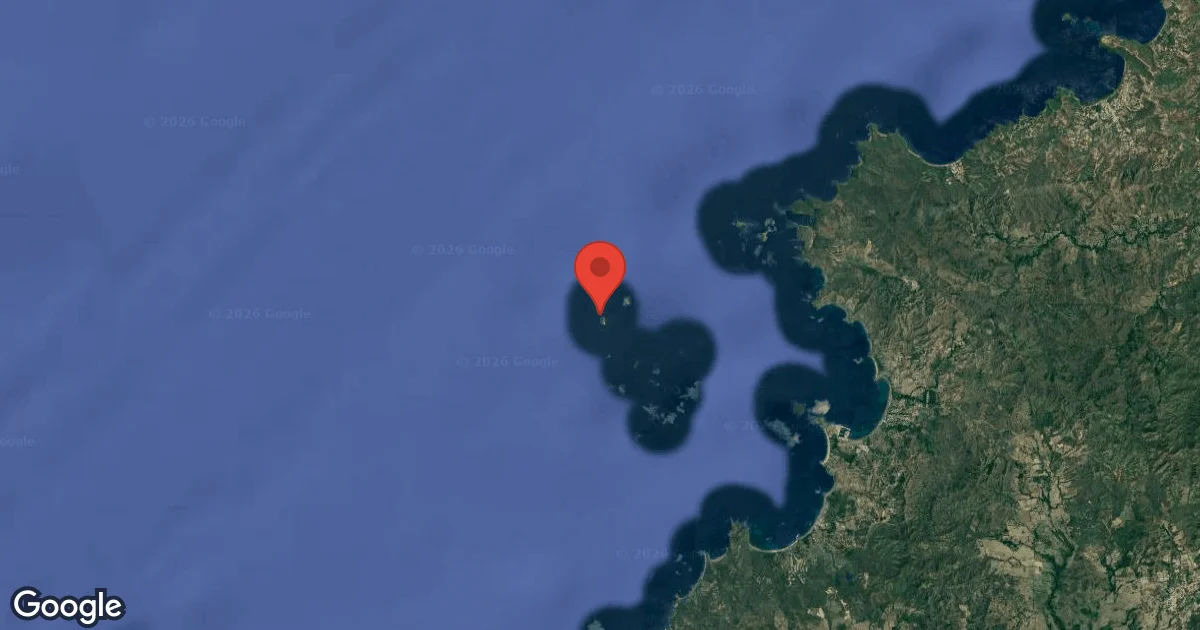
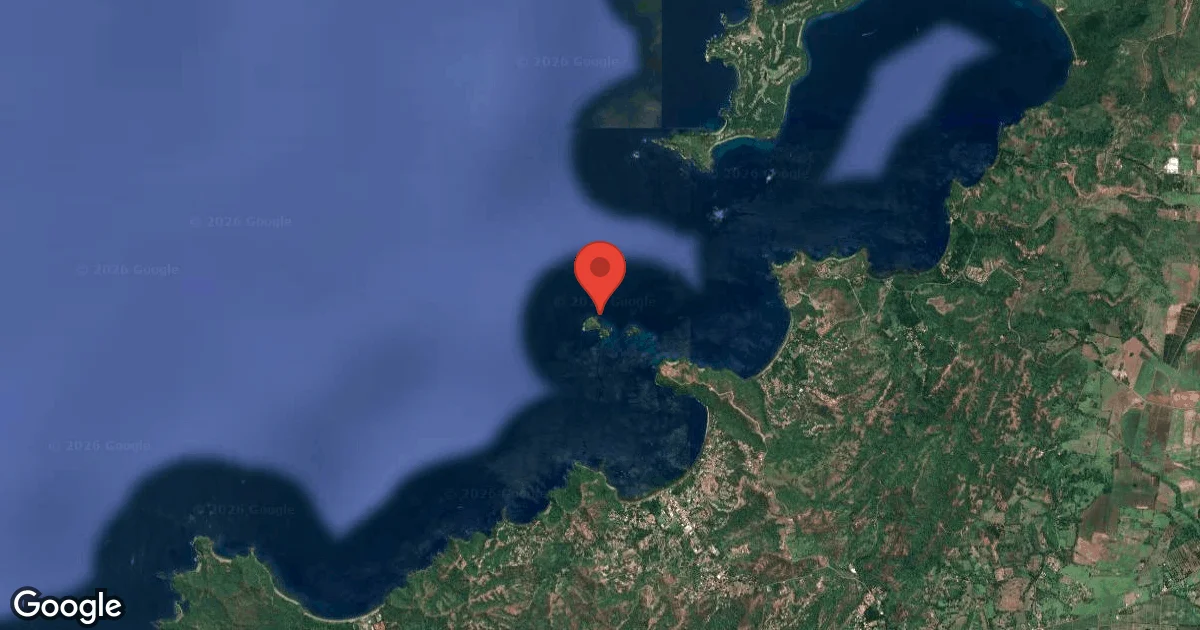
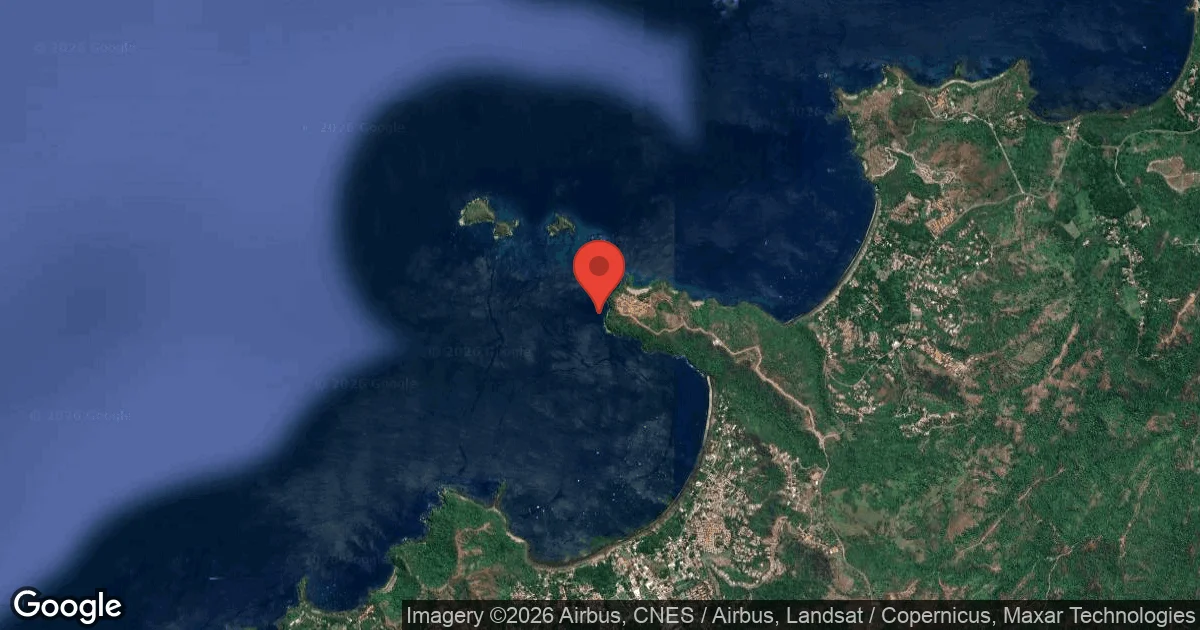
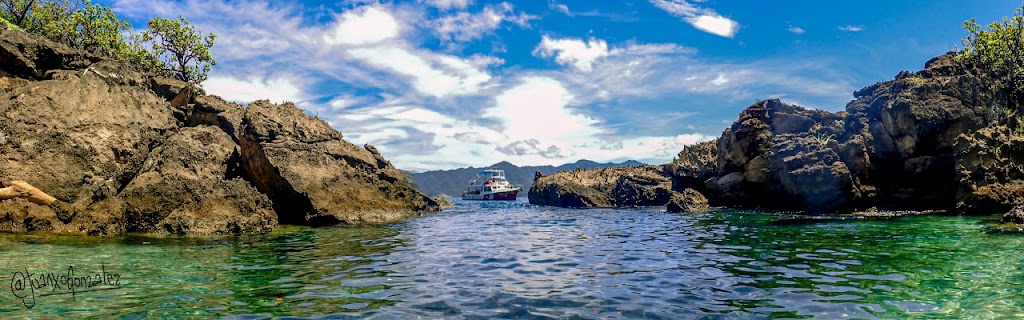
The underwater landscape at Brumel Island unfolds around a significant rock formation that rises approximately 29 meters from sea level. This formation is found between Punta Zapotal and the Catalinas Islands.
Dropping into these waters, divers find a site often chosen as a sheltered alternative, especially when stronger winds affect other locations. This dive offers a rich experience for certified divers, with depths generally spanning from 10 to 30 meters (33 to 100 ft). Exploration centers on a distinctive rock formation extending northward from the island's northwest face.
During your descent, anticipate navigating a channel that eventually opens to a sandy bottom, creating a diverse habitat. Brumel maintains a strong reputation for frequent whitetip reef shark encounters; consulting with local dive professionals often improves the chances of witnessing these sharks.
Beyond these primary residents, divers commonly observe various ray species and large schools of fish, adding continuous interest to each visit. The island's semicircular shape generally contributes to calmer conditions, though actual dive conditions will vary.
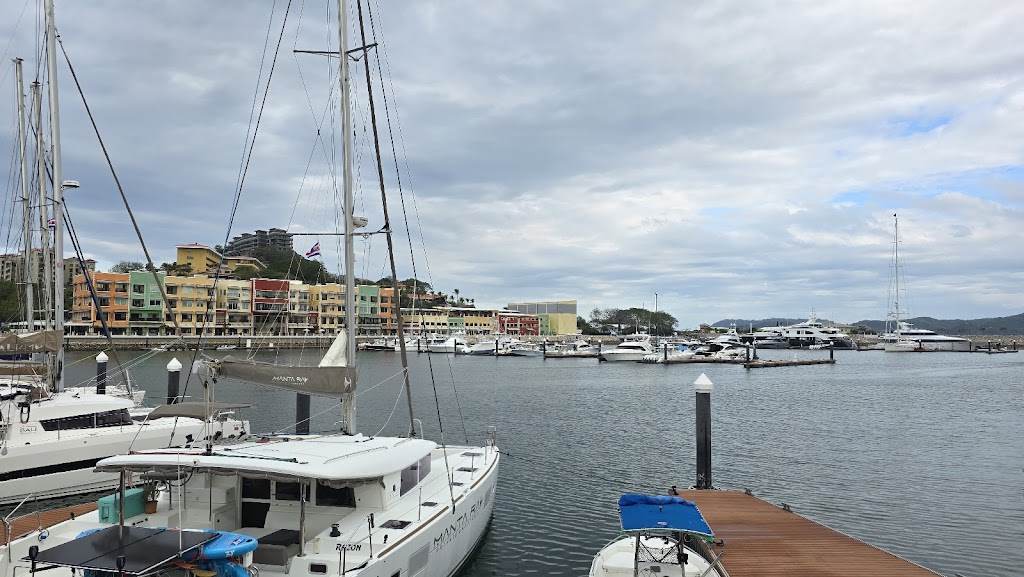
Accessibility is straightforward; a boat journey of under 20 minutes from the Playa Potrero area ensures efficient dive planning.
Conditions are Good
Optimal conditions expected
Current conditions near Brumel show 28° air, 31° sea temperature, 0.8 m waves, and 24 km/h wind. Forecast data is refreshed regularly to ensure accuracy.
Best Time to Dive
Understanding the seasonal shifts helps optimize your Brumel dive plans. The period from January through April, July, August, and December generally offers good diving conditions. During these months, average air temperatures hover around 27-29°C (81-84°F), with minimal rainfall, often less than 1 mm, contributing to more stable sea states. Conversely, May, June, September, October, and November tend to present moderate diving conditions. These months experience increased rainfall, ranging from approximately 6 mm in May to over 18 mm in October, potentially influencing surface conditions and visibility. While diving is possible year-round, planning during the drier months often provides the most comfortable topside experience and potentially clearer waters, although underwater conditions can always vary locally.
PEAK SEASON SCORE
Scores combine air & water temps, waves, wind & rainfall for overall conditions.
BEST MONTHS TO DIVE
Monthly records compiled from satellite and marine observation nodes over the last 3 years. Data provided by Open-Meteo and MET Norway.
Dive Experience & Conditions
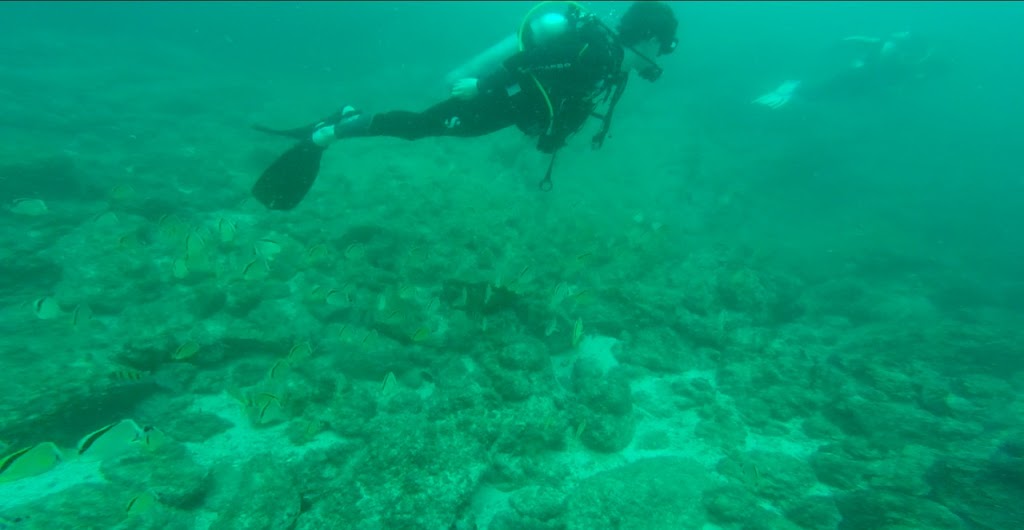
Starting your descent at Brumel, divers typically follow the rock formation that extends into the sea, offering varied topography. Depths range from about 10 meters (33 ft) to the deeper reaches of 30 meters, providing scope for both less experienced and advanced certified divers. The site features a noticeable channel leading towards a sandy bottom, which often hosts different marine life than the rocky areas. While water temperature data isn't consistently reported, coastal waters in this region commonly range from 22-27°C (72-81°F). Visibility varies depending on local currents and recent rainfall, but the generally sheltered nature of the island can sometimes provide more predictable conditions compared to more exposed sites. Expect moderate currents in some areas, particularly along the rock formation's extension.
Dive Difficulty & Safety Guidelines
Navigating Brumel calls for an awareness of its marine inhabitants and respect for the environment. Dangerous wildlife, notably the frequent whitetip reef sharks and various rays, are a significant highlight but also demand cautious observation. Diving with a skilled local guide is highly recommended; they can not only proficiently identify areas of shark activity but also assist in safely managing the dive, particularly at greater depths.
This site is designated as a protected area, offering a reliable alternative during periods of stronger winds elsewhere. Adhering to standard safe diving practices, such as meticulously monitoring no-decompression limits and ascent rates, remains paramount.
Divers must also remain mindful of potential currents, which can fluctuate around the rock formations.
Recommended Equipment
- Dive Computer
- DSMB
This gear list is based on verified equipment signals for Brumel, Costa Rica. Always confirm final gear choices with your dive operator, guide, or liveaboard.
Recommended Dive Suit
In these water temperatures, dive skin or rash guard is a common choice for recreational diving. A hood or vest is suggested for sensitive divers due to surface winds. Longer dive profiles can make thermal protection more important than short exploratory dives.
At the moment, divers exploring Brumel will likely experience water temperatures near 31°C (87°F). Surface air temperatures are resting at 28°C (82°F).
Forecast models indicate that diving conditions should remain largely unchanged.
Emergency & Medical Support
Essential information to help you plan your dive trip to Brumel.

Hyperbaric chambers are a critical part of dive safety infrastructure. Availability varies significantly by region, and not all dive areas have immediate access.
Before diving, it's recommended to:
- confirm nearest medical facilities
- check emergency procedures with local dive operators
- ensure dive insurance covers evacuation if required
Divers Alert Network
Diving emergency assistance available through DAN World.
+1-919-684-9111- 24/7 emergency hotline
- Diving medical assistance
- Evacuation coordination
Emergency contacts are provided for reference. Always verify local emergency services before diving.
Marine Life at Brumel
The primary draw at Brumel is undoubtedly the frequent encounters with whitetip reef sharks; the site is often described as excellent for seeing a maximum number of them. These sharks are typically found patrolling the rock formations and sandy channels.
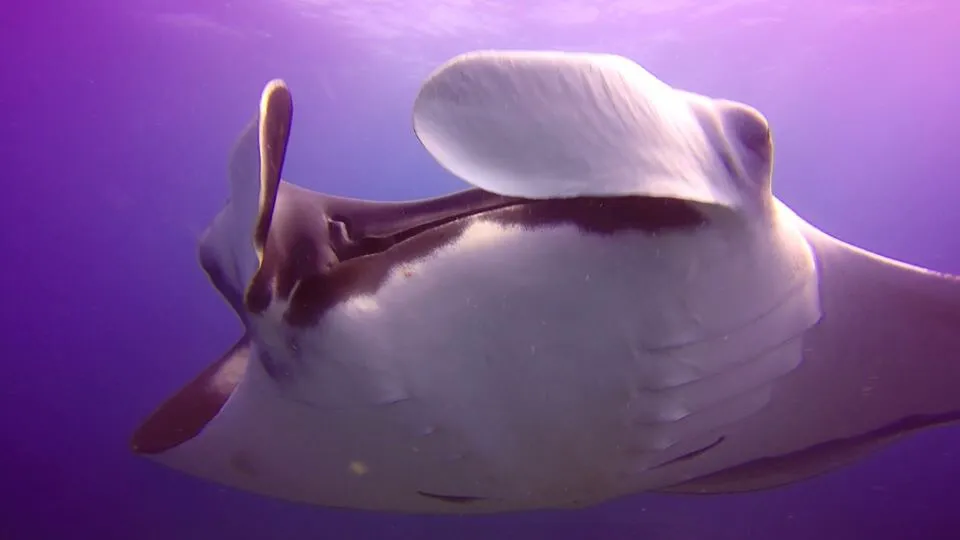
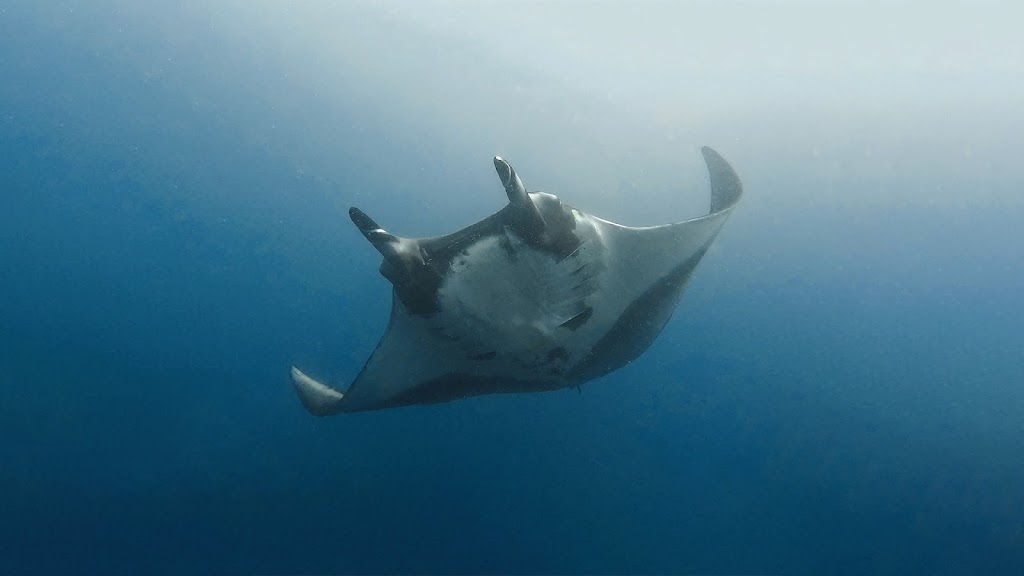
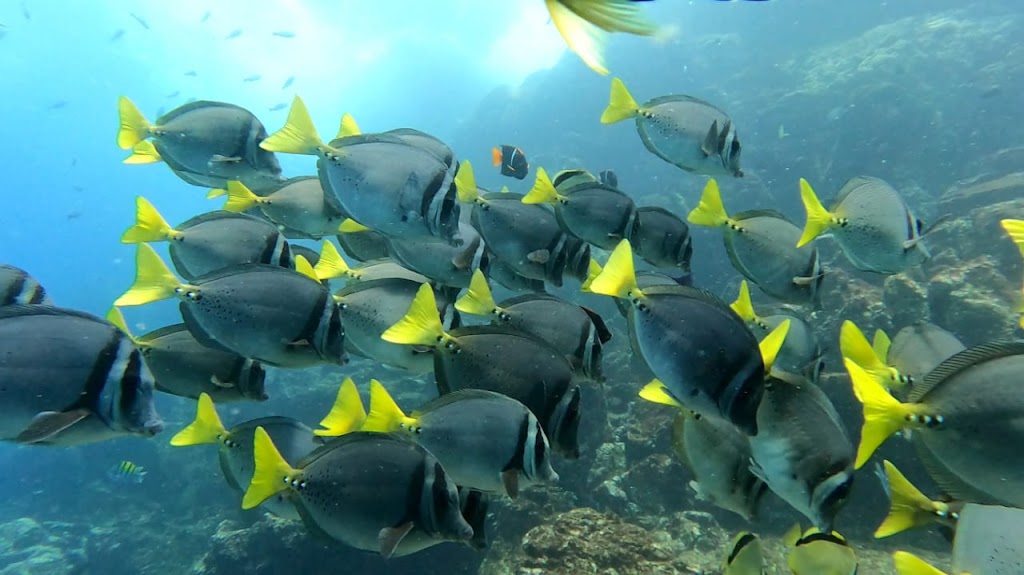
Beyond the sharks, divers routinely encounter different varieties of rays, which can be spotted gliding over the sandy bottom or resting in crevices. Large schools of various fish species also move through the area, adding a dynamic element to every dive.
Keep an eye out for smaller critters within the rocky features, though specific species are not consistently reported.

Dive Sites Near Brumel
View all dive sites in Costa RicaDiscover more underwater gems in this area.
Dive Centers Near Brumel
Today: Open 24 hours
Nearest Airports
Nearest airports to help plan travel to this dive area.
Search Flights
Check available flights and routes on Expedia, using the nearby airports listed in this section.
Search Flights on ExpediaFrequently Asked Questions
What are the typical depths for diving at Brumel?
Dive depths at Brumel generally span from 10 meters (33 ft) down to 30 meters (100 ft). This range accommodates both recreational divers seeking shallower experiences and those certified for deeper exploration.
What kind of marine life is common at Brumel?
Brumel is particularly known for frequent sightings of whitetip reef sharks. Divers also commonly encounter various species of rays and large schools of fish throughout the site.
Is Brumel a suitable dive site for beginners?
Brumel can be suitable for certified divers; however, its deeper sections and the presence of significant marine life like sharks might be more appropriate for those with some experience. Beginners may find Brumel shallow to be ideal.
How do I access Brumel Island for diving?
Brumel Island is easily accessible by boat, typically requiring less than a 20-minute ride from the Playa Potrero area. Dive centers in the region regularly organize trips to this site.
What are the best times of year to dive at Brumel?
Good diving conditions are common from January through April, July, August, and December, offering warmer air temperatures and minimal rain. While diving is possible year-round, these months often provide the most comfortable experience.
Are there any specific safety considerations for diving at Brumel?
Divers should be aware of dangerous wildlife, specifically sharks and rays. It's strongly advised to dive with a skilled local guide who can help navigate the site and manage encounters safely.
What are the main underwater features of Brumel?
The site features a prominent rock formation that extends from the island's northwest face. As you explore, you'll encounter a channel that transitions into a sandy bottom, providing diverse habitats.
Planning to dive Brumel?
Send one inquiry and receive offers directly from the best verified local dive operators.
Conditions are Good
Optimal conditions expected
Current conditions near Brumel show 28° air, 31° sea temperature, 0.8 m waves, and 24 km/h wind. Forecast data is refreshed regularly to ensure accuracy.