
Diving at Las Catalinas Classico (Costa Rica)
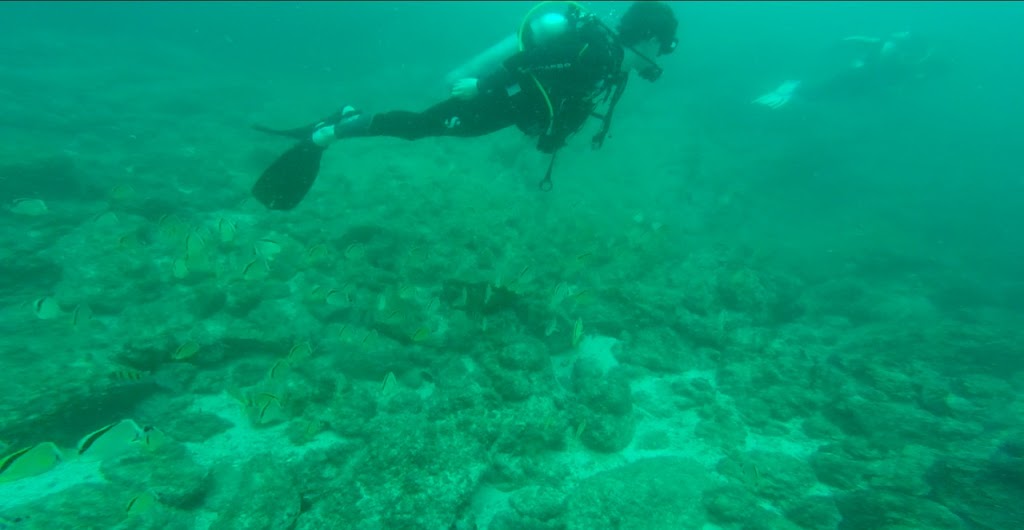
Beneath the surface at Las Catalinas Classico, conditions present a dynamic environment for divers. Water temperatures generally range from 21°C (70°F) in cooler months to 28°C (83°F) during warmer periods, influencing thermal protection choices. The site is characterized by its distinct channels, rocky reefs, and some wall structures, offering varied underwater topography. Visibility typically ranges from 10-25 meters (30-80 feet), dependent on local plankton blooms and currents.
Evening condition tracking at Las Catalinas Classico features an air temperature of 27°C. We have recorded wave heights measuring 1 m during this period. These figures outline the environmental parameters currently present.
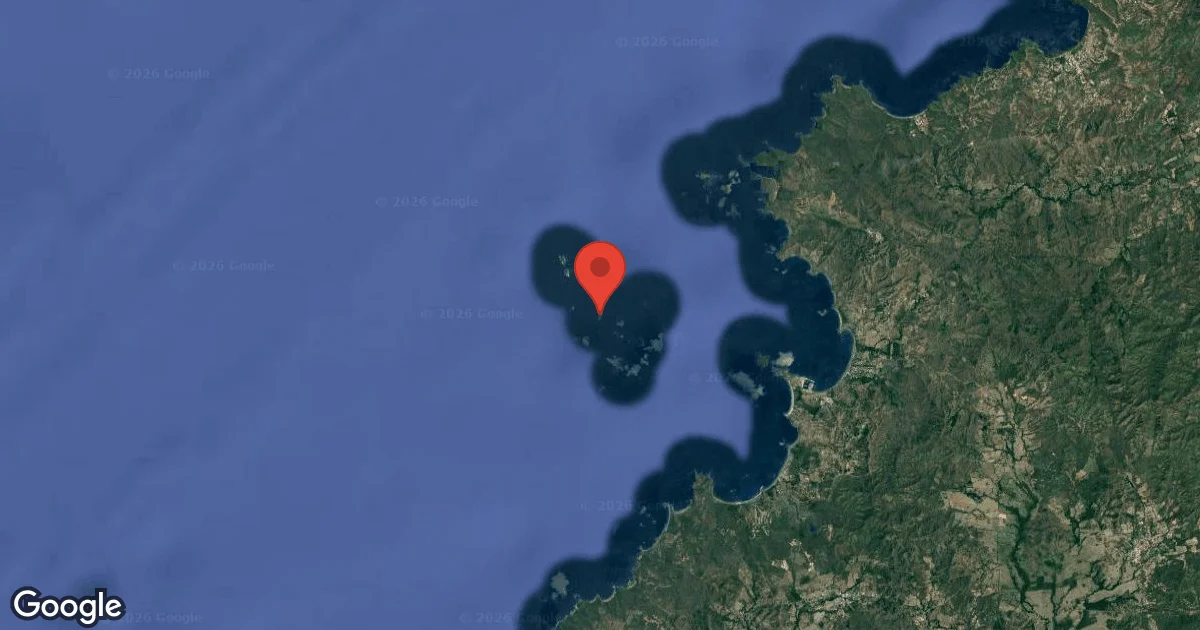
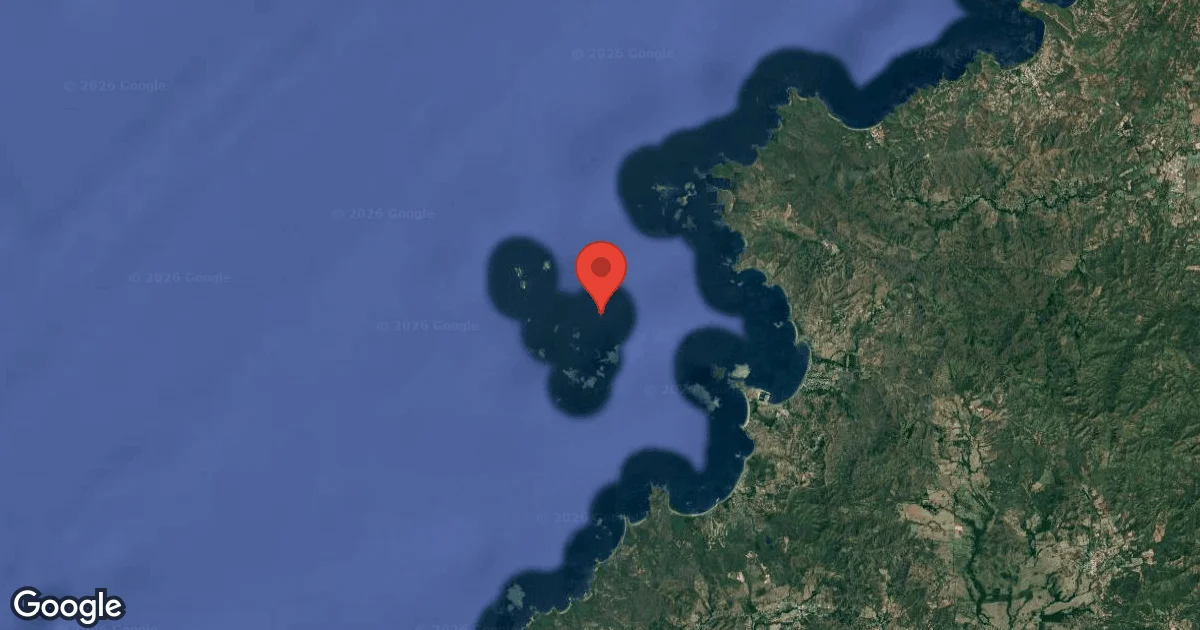
Dive Site Location & Key Facts
Dive Site Overview
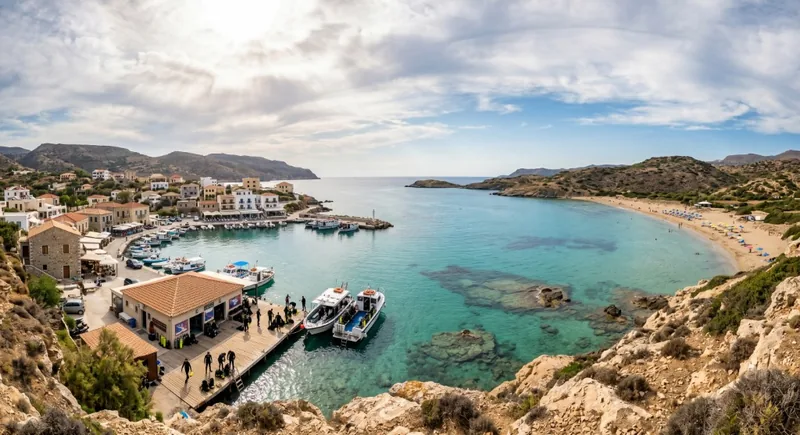
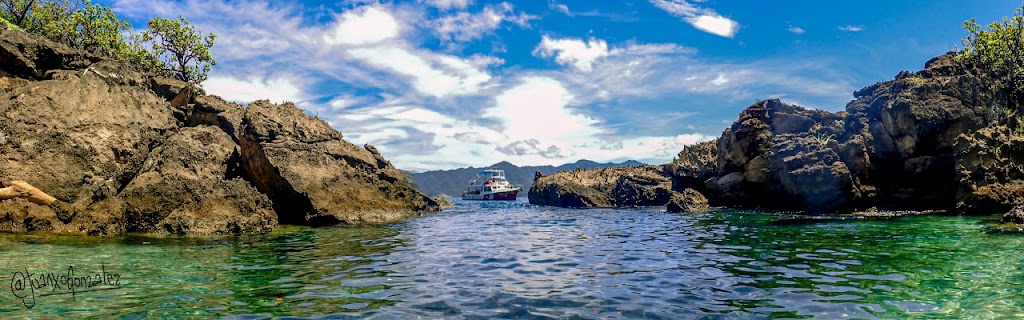
Las Catalinas Classico has long drawn divers to its vibrant underwater ecosystem, establishing itself as a consistently sought-after site. It's a prominent location within the larger Las Catalinas Islands, a region consistently recognized for coastal diving opportunities in Costa Rica.
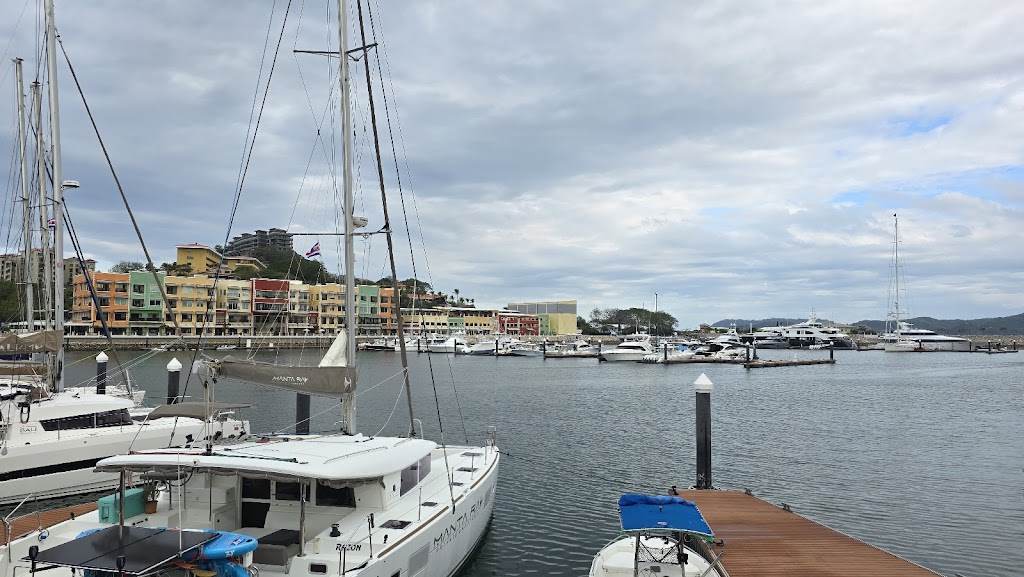
Natural channels often provide shelter for white-tipped reef sharks, alongside extensive rocky reefs and sections of wall topography. Divers here typically experience dives lasting around 45 minutes, with a relaxed hour-long surface interval on board, which usually includes light refreshments. Boat departures are often scheduled from the Flamingo Marina area at 8:15 AM, returning by approximately 1:00 PM, making for a half-day excursion.
Depths encountered are well within recreational limits, commonly extending to about 30 m (100 ft) in its deeper sections. A variety of reef fish and large schools of jacks are common observations, with a chance to encounter larger pelagics.
Accessible structure and consistent biodiversity ensure a rewarding experience across various skill levels.
Conditions are Good
Optimal conditions expected
Current conditions near Las Catalinas Classico show 27° air, 30° sea temperature, 0.9 m waves, and 24 km/h wind. Forecast data is refreshed regularly to ensure accuracy.
Best Time to Dive
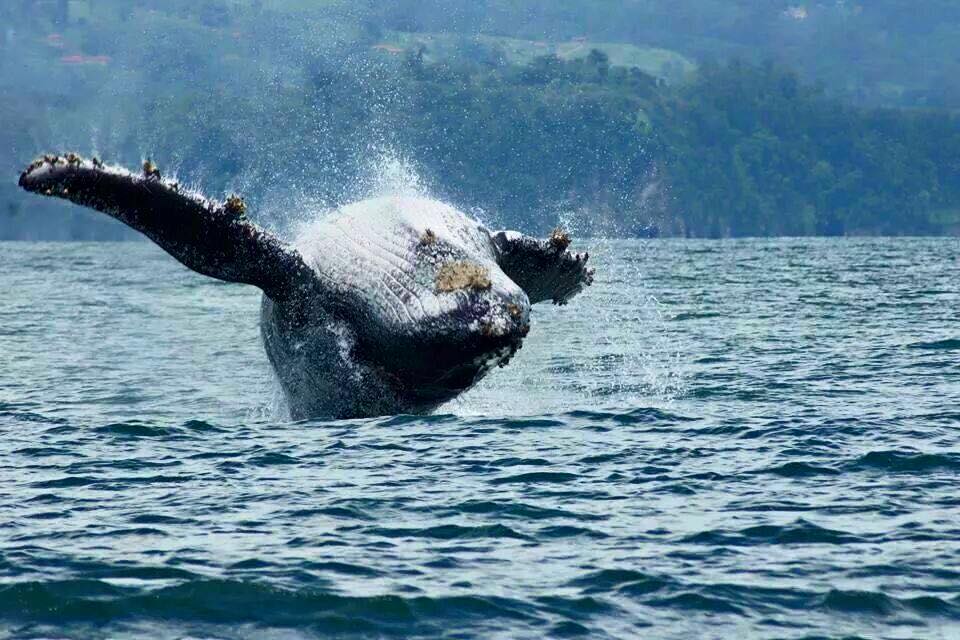
Planning a dive at Las Catalinas Classico offers distinct experiences depending on the season. The period from December through April typically sees "Good" overall dive scores, characterized by average air temperatures around 27-28°C (81-82°F) and minimal rainfall, generally less than 1 mm. During these months, particularly from December to May, divers frequently encounter Giant Pacific Manta Rays. Additionally, February and March are key for Humpback Whale migrations, with sightings and their songs enhancing the underwater experience. From May to November, the dive score shifts to "Moderate" as rainfall increases, averaging up to 12 mm in October. Water temperatures remain comfortably warm throughout the year, ranging from 21°C (70°F) in cooler winter periods to 28°C (83°F) during spring and fall. While some might consider June to October a prime season for overall marine activity due to warmer, clearer ocean conditions, the dry season months still offer excellent visibility and specific pelagic encounters.
PEAK SEASON SCORE
Scores combine air & water temps, waves, wind & rainfall for overall conditions.
BEST MONTHS TO DIVE
Monthly records compiled from satellite and marine observation nodes over the last 3 years. Data provided by Open-Meteo and MET Norway.
Dive Experience & Conditions
Underwater at Classico, the dynamic interplay of currents and topography shapes each dive. Currents here can vary, often mild, yet sometimes noticeable, especially within the site's distinct channels. These currents play a role in attracting larger marine life and maintaining the health of the rocky reef ecosystems. Divers frequently navigate along walls and across vibrant reef sections, observing the active marine environment. Water temperatures are comfortably warm, typically between 21°C (70°F) and 28°C (83°F) throughout the year. Visibility commonly ranges between 10 to 25 meters (30 to 80 feet), but can fluctuate based on local conditions such as plankton density. Maximum depths encountered are within standard recreational limits, allowing for extended bottom times and exploration of both shallower and deeper sections. Site structure ensures a consistent flow of nutrients, supporting schools of fish and attracting various predators.
Dive Difficulty & Safety Guidelines
Approaching Las Catalinas Classico requires certified divers to uphold standard safe diving practices. While the site welcomes a range of experience levels, including those participating in Discover Scuba Diving, maintaining situational awareness is crucial. Always plan dives with a professional guide, especially considering potential variable currents within the channels.
Reviewing emergency procedures and ensuring all equipment is in good working order before entering the water are fundamental steps. Respect the marine environment by practicing responsible buoyancy control to avoid contact with the delicate reefs.
Adhering to depth and bottom time limits ensures a safe and enjoyable experience for all participants. Experienced operators in the region prioritize diver safety, offering professional guidance and support throughout the excursion.
Recommended Equipment
- Dive Computer
This gear list is based on verified equipment signals for Las Catalinas Classico, Costa Rica. Always confirm final gear choices with your dive operator, guide, or liveaboard.
Recommended Dive Suit
In conditions like these, many divers prefer diving with dive skin or rash guard.
Divers planning a dive at Las Catalinas Classico today will likely encounter water temperatures close to 30°C (87°F). Surface air temperatures are resting at 27°C (80°F).
Environmental conditions appear stable for the near future.
Emergency & Medical Support
Essential information to help you plan your dive trip to Las Catalinas Classico.

Hyperbaric chambers are a critical part of dive safety infrastructure. Availability varies significantly by region, and not all dive areas have immediate access.
Before diving, it's recommended to:
- confirm nearest medical facilities
- check emergency procedures with local dive operators
- ensure dive insurance covers evacuation if required
Divers Alert Network
Diving emergency assistance available through DAN World.
+1-919-684-9111- 24/7 emergency hotline
- Diving medical assistance
- Evacuation coordination
Emergency contacts are provided for reference. Always verify local emergency services before diving.
Marine Life at Las Catalinas Classico
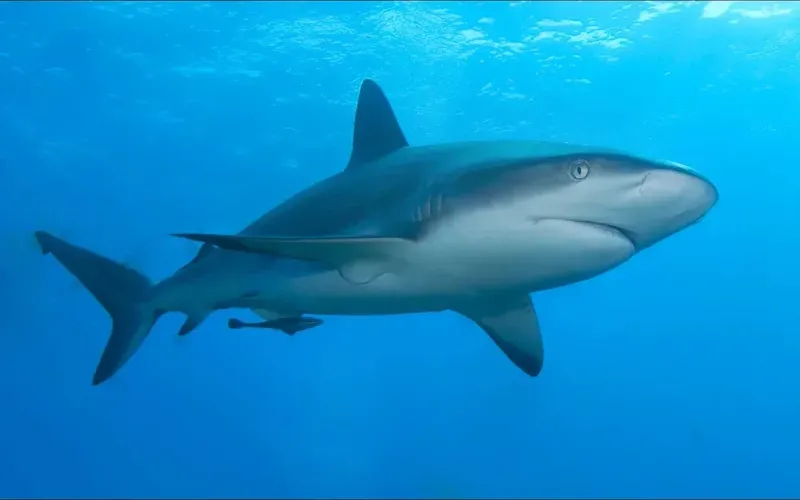
The varied underwater landscape of Las Catalinas Classico serves as a magnet for diverse marine inhabitants. White-tipped reef sharks often rest within the site's channels, a common and anticipated sighting.
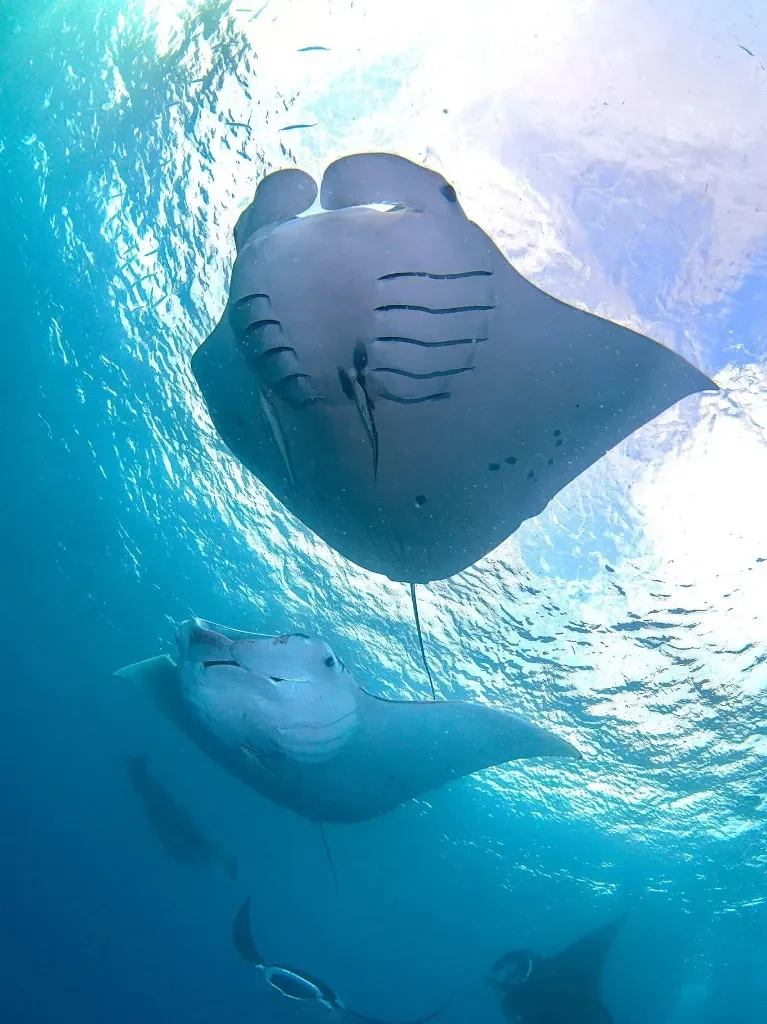
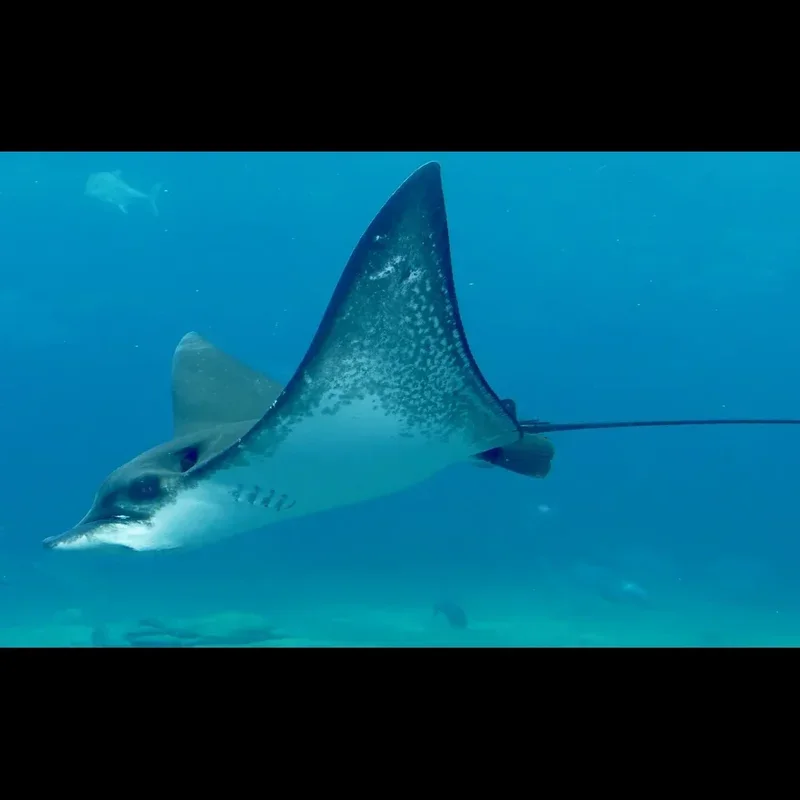
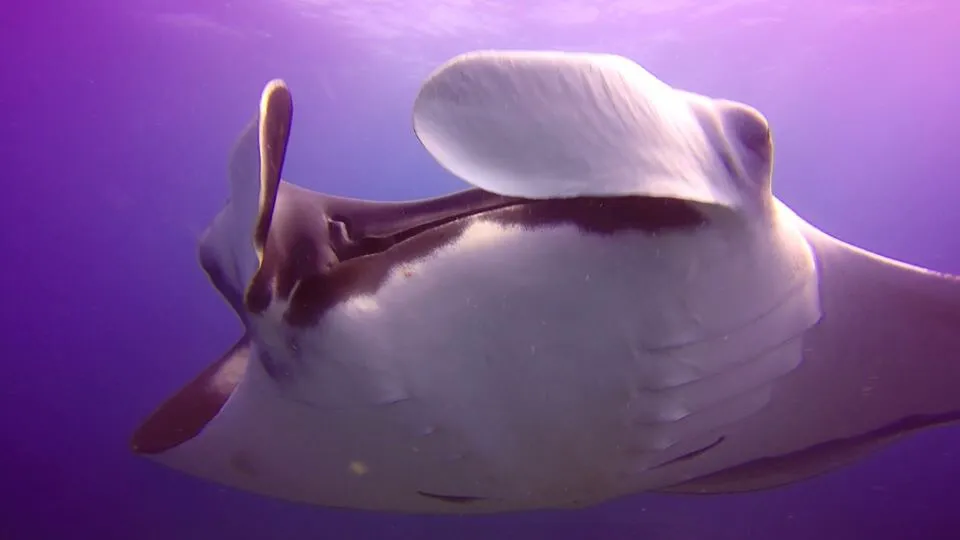
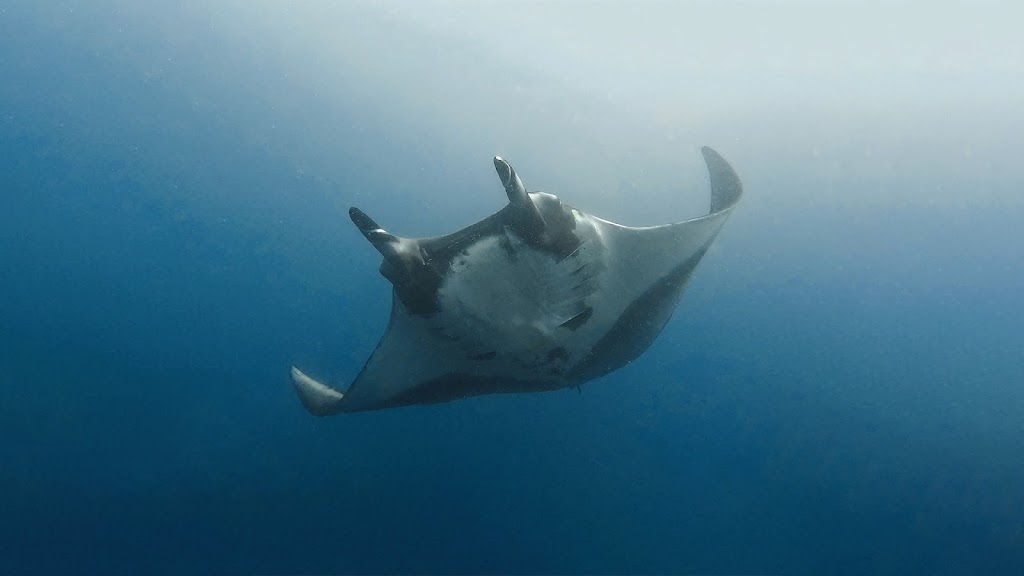
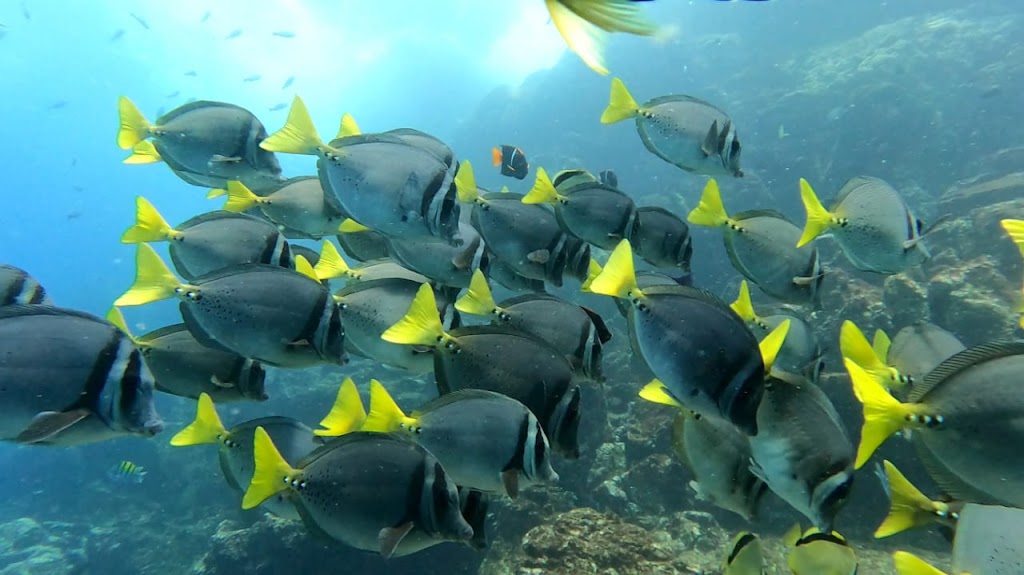
Rocky reefs host large schools of grunts and jacks, creating dynamic displays. Sightings of Giant Pacific Manta Rays are possible, especially from December through May.
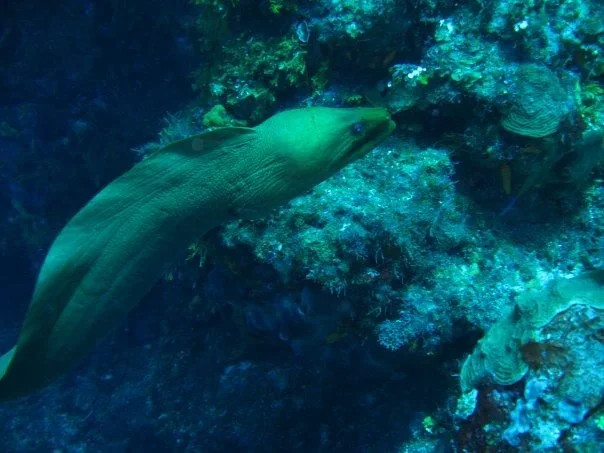
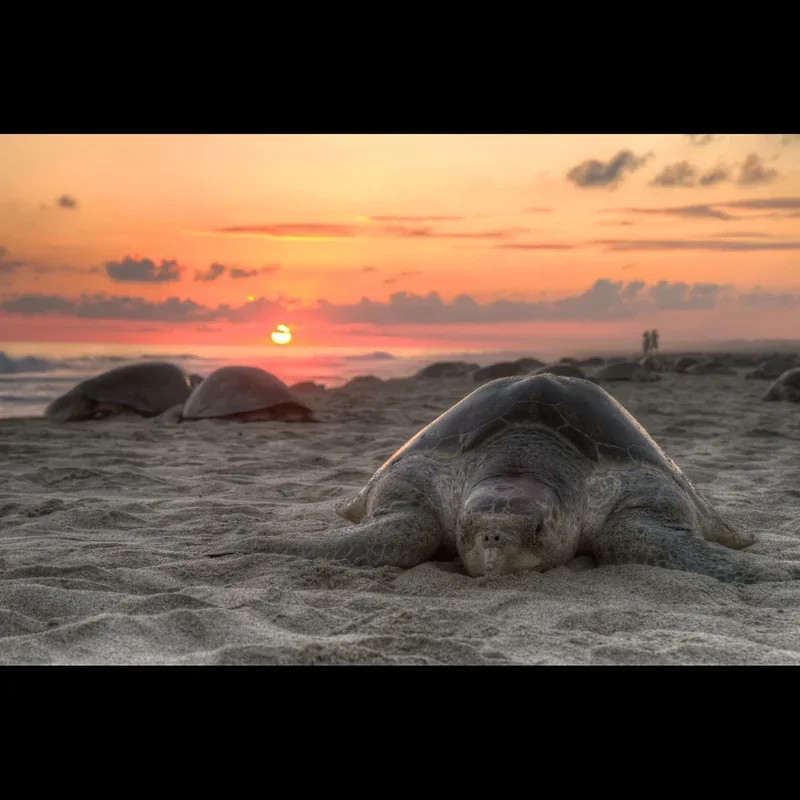
Sea turtles, eagle rays, devil rays, and cow nose rays are frequently observed cruising the reef. Moray eels, puffer fish, octopus, and seahorses can be found tucked into crevices, adding to the biodiversity.
Humpback whales may be heard or spotted seasonally, particularly from February to March and July to October.
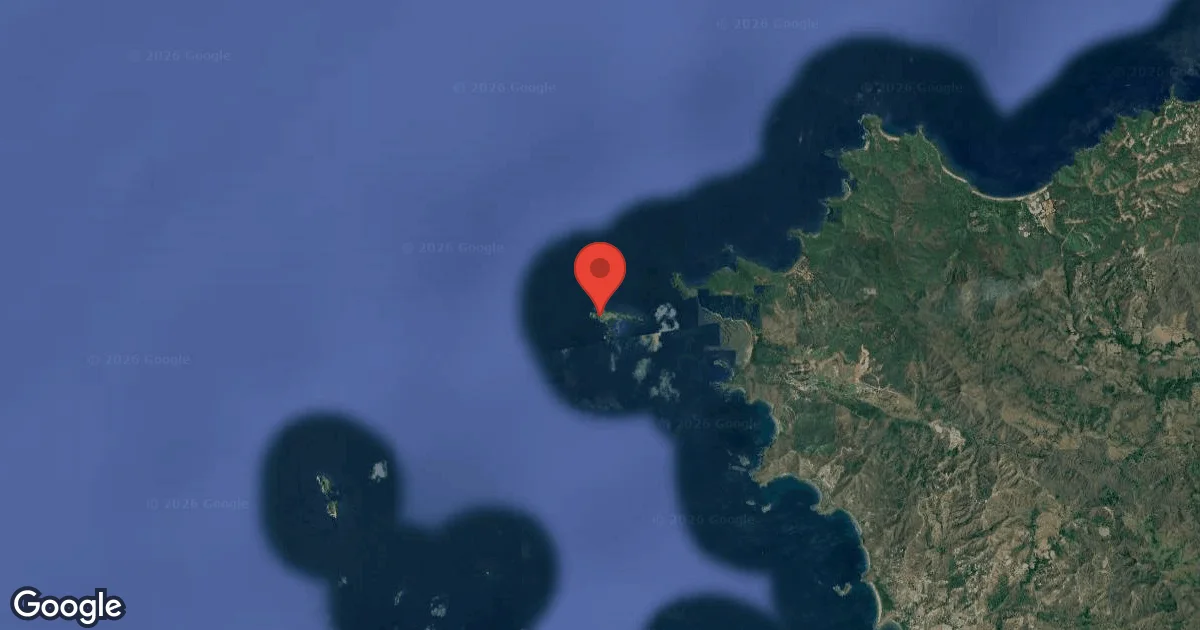
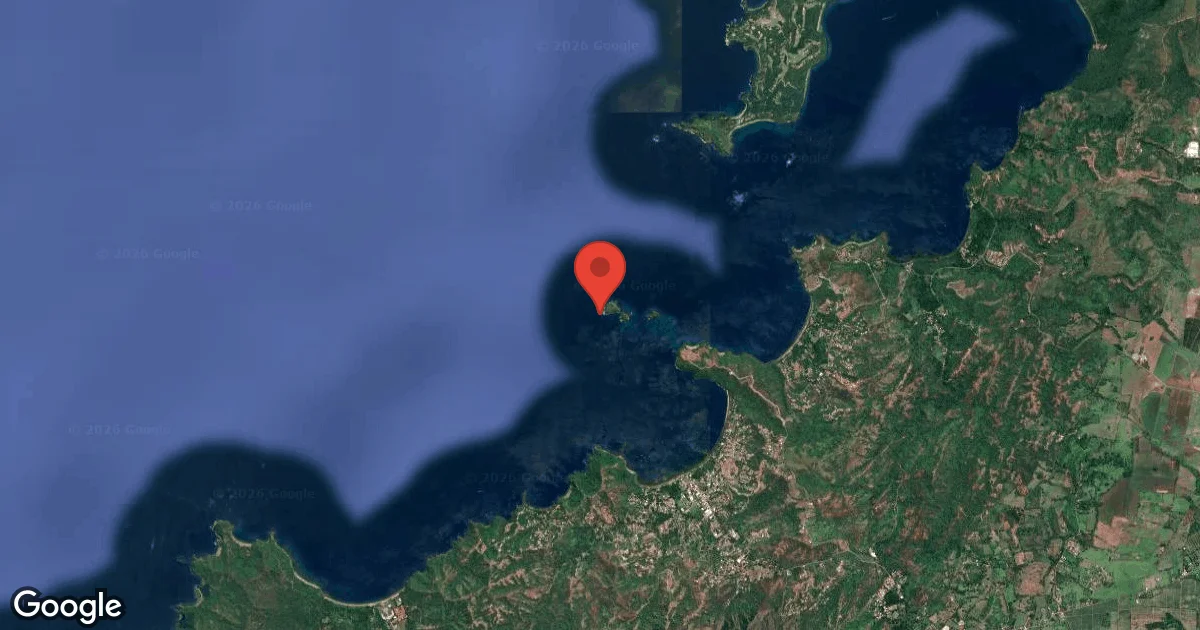
Dive Sites Near Las Catalinas Classico
View all dive sites in Costa RicaDiscover more underwater gems in this area.
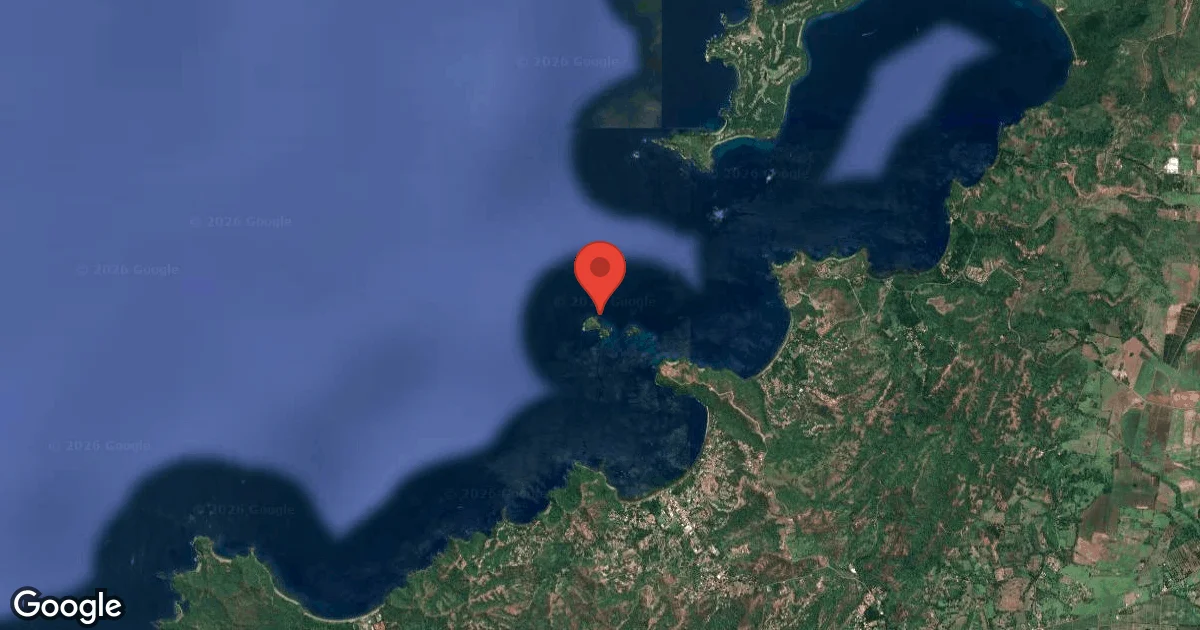
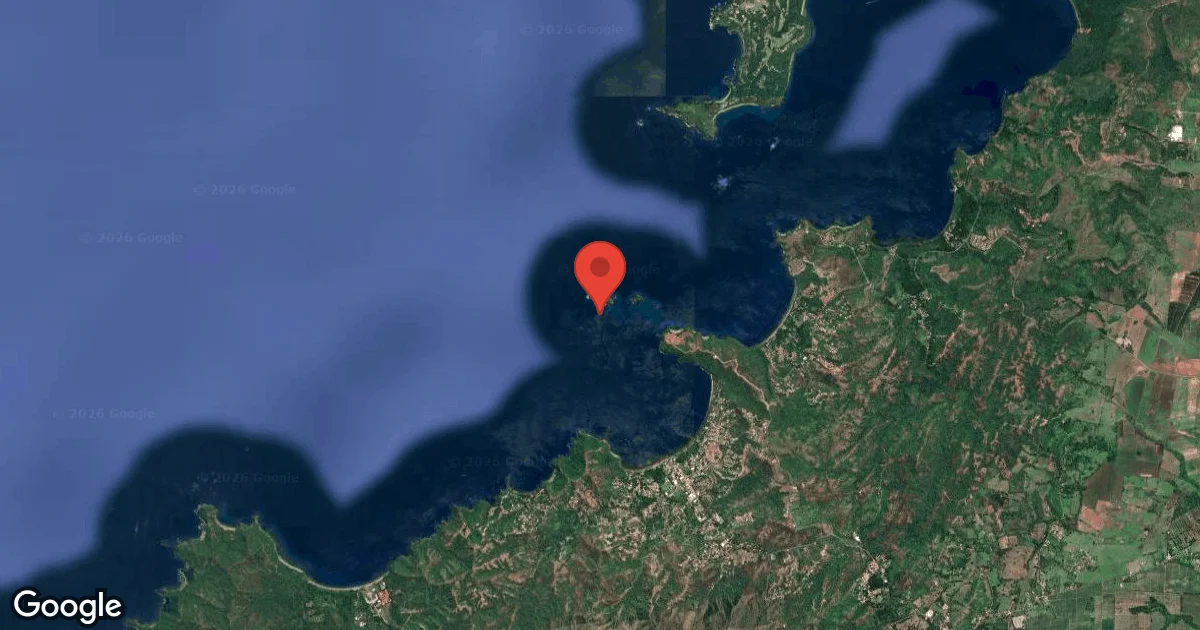
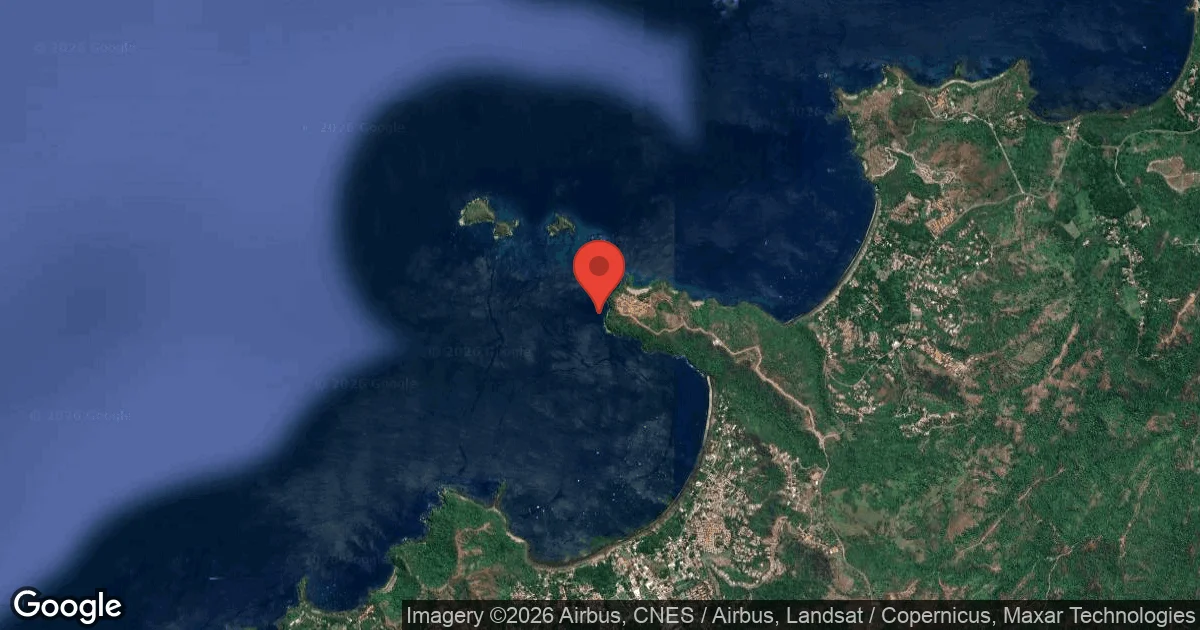
Dive Centers Near Las Catalinas Classico
Today: Open 24 hours
Nearest Airports
Nearest airports to help plan travel to this dive area.
Search Flights
Check available flights and routes on Expedia, using the nearby airports listed in this section.
Search Flights on ExpediaFrequently Asked Questions
What are the typical water temperatures at Las Catalinas Classico?
Water temperatures at Las Catalinas Classico usually range from 21°C (70°F) in cooler periods to 28°C (83°F) during warmer months. This warm water environment generally makes for comfortable diving conditions year-round.
What is the best time of year to dive at Las Catalinas Classico?
The best time to dive varies by preference. December to April offers "Good" overall conditions with minimal rain and higher chances for manta ray sightings. Humpback whales are most prevalent from February to March and July to October.
What kind of marine life can I expect to see at Classico?
Divers frequently encounter white-tipped reef sharks resting in channels and large schools of reef fish on the rocky sections. Pelagic sightings may include Giant Pacific Manta Rays, various rays, sea turtles, and dolphins. Moray eels and octopuses also inhabit the reef.
Are there strong currents at the site?
Currents at Las Catalinas Classico can be variable. While often mild, divers might experience moderate currents, especially within the site's distinctive channels. Your dive guide will assess conditions and plan accordingly.
What are the typical dive depths at Las Catalinas Classico?
Dive depths at Las Catalinas Classico are suitable for recreational diving. Maximum depth is around 30 m (100 ft), with shallower sections offering ample exploration for all certification levels.
Is the site suitable for beginner divers?
Yes, Las Catalinas Classico is accessible for certified divers of varying experience levels. Dive centers also offer Discover Scuba Diving programs here for beginners. It's a site that can cater to different skill sets, often with professional guidance.
How long does a typical dive trip to Classico last?
A typical dive trip usually involves meeting around 7:30 AM and departing by 8:15 AM from the Flamingo Marina area. It includes two dives and a surface interval, concluding by approximately 1:00 PM, making it a half-day excursion.
What equipment is recommended for diving here?
Standard tropical dive gear is recommended for Las Catalinas Classico. Given the consistently warm water temperatures between 21-28°C (70-83°F), a 3mm wetsuit or a dive skin often provides adequate thermal protection and comfort.
Planning to dive Las Catalinas Classico?
Send one inquiry and receive offers directly from the best verified local dive operators.
Conditions are Good
Optimal conditions expected
Current conditions near Las Catalinas Classico show 27° air, 30° sea temperature, 0.9 m waves, and 24 km/h wind. Forecast data is refreshed regularly to ensure accuracy.