
Diving at Elefante (Costa Rica)
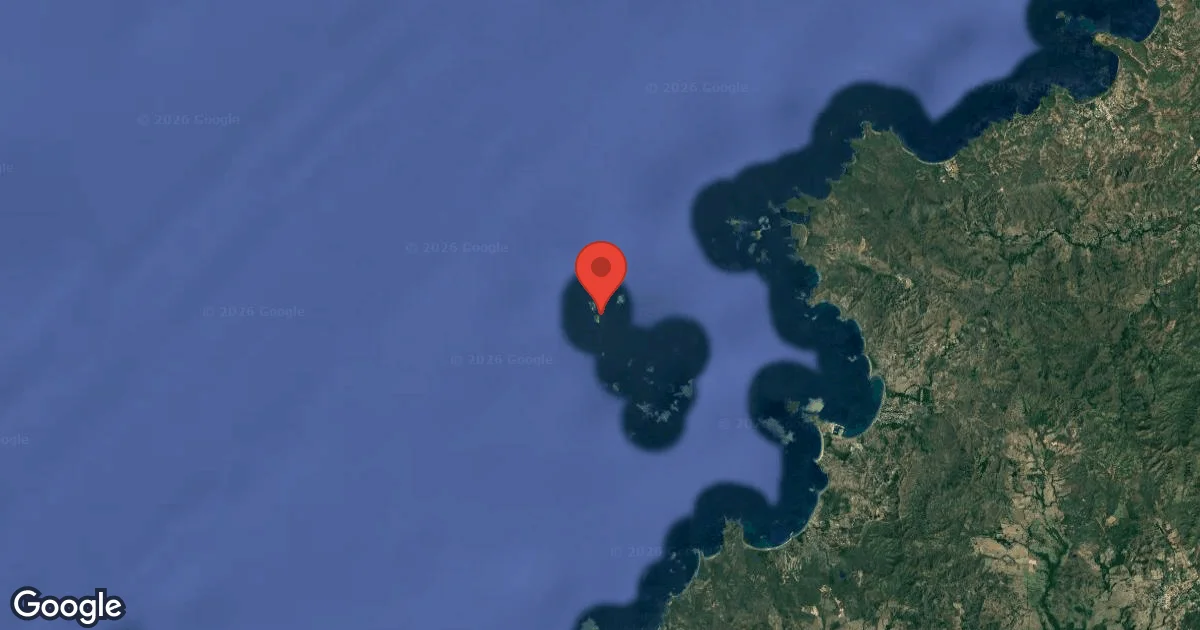
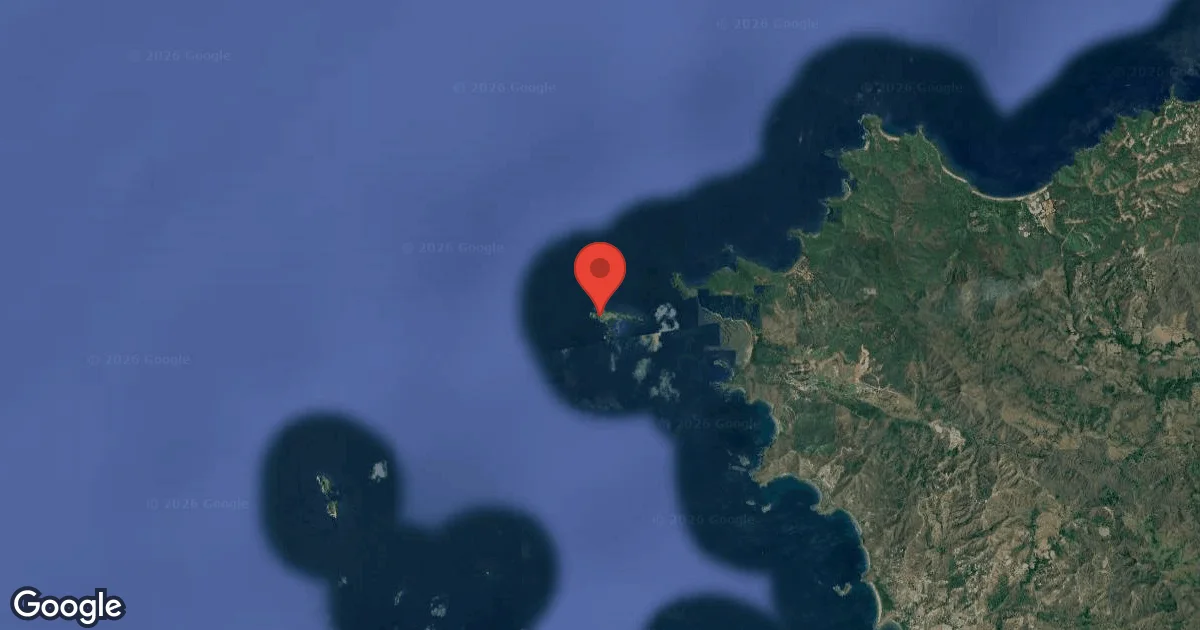
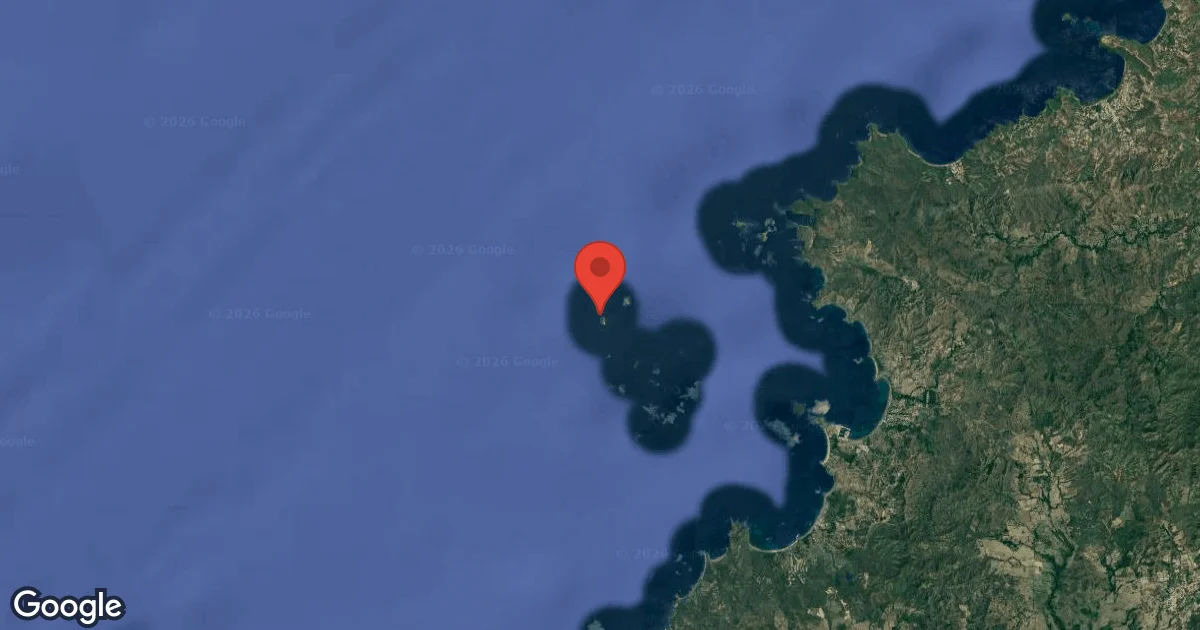
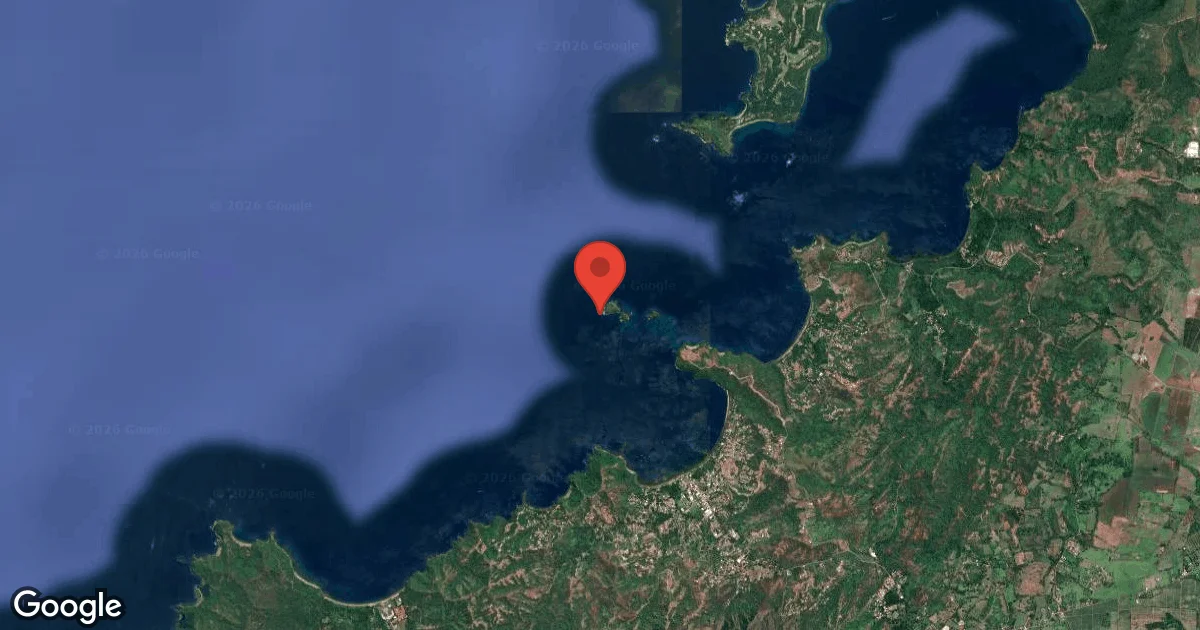
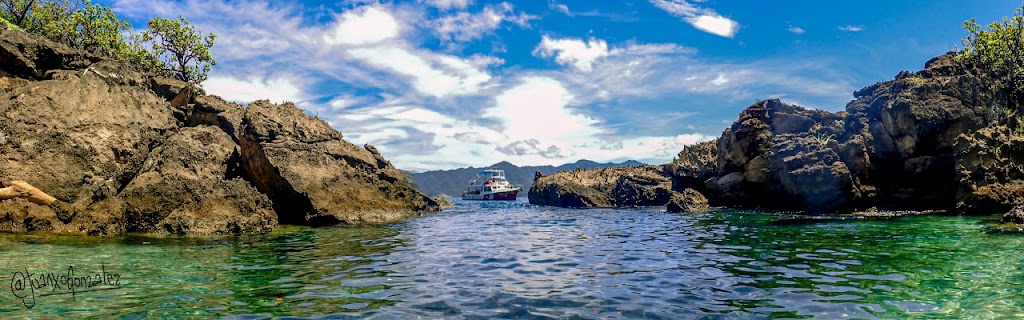
Elefante immediately captures attention with its striking rock formation, which locals say resembles an elephant's trunk when observed from north to south. Situated among the volcanic Catalinas Islands, off Costa Rica's northern Pacific coast in Guanacaste, this site offers divers a visually distinctive underwater landscape. Known also as “El Diente” or “The Tooth,” its character extends beyond its surface appearance, hinting at the intricate features below.
As evening covers Elefante, the local air temperature is measured at 31.5°C. The current wave height at the surface is recorded at 1 m. These late-day readings characterize the surface conditions for the night.
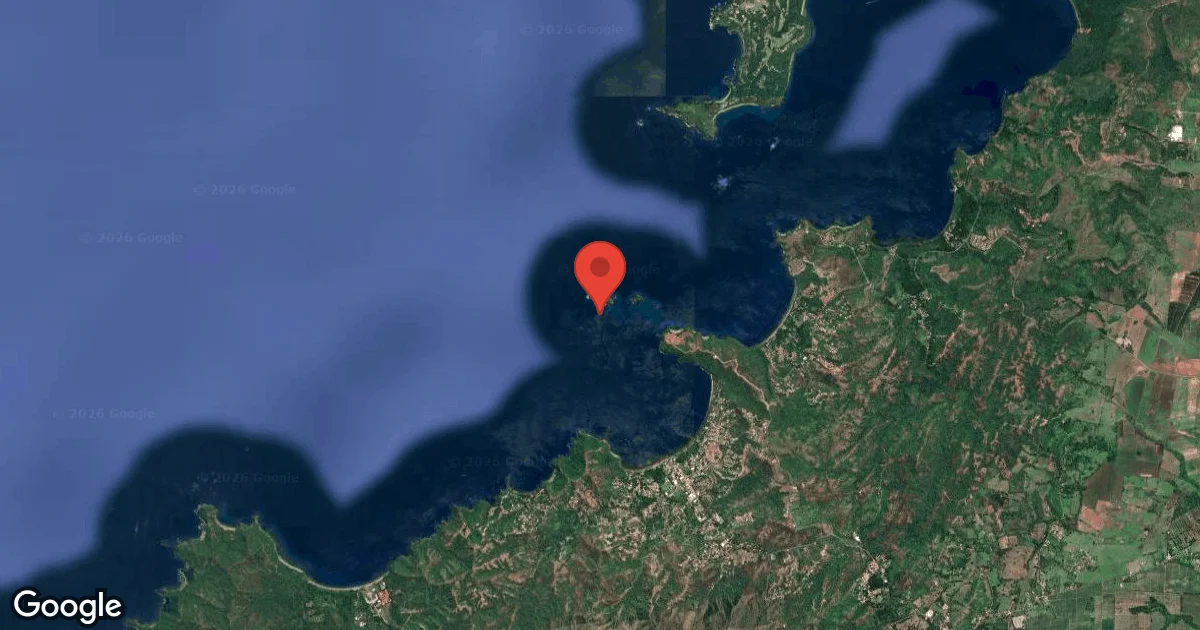
Dive Site Location & Key Facts
Dive Site Overview
A prominent rock formation, which locals say resembles an elephant's trunk, gives Elefante its name. A key component of the Catalinas Islands, it embodies the region's rich volcanic underwater history, shaped by geological forces over millennia.
Reaching this destination typically involves a boat ride of approximately 35 minutes from shore. Once beneath the surface, the dive unfolds into a series of arches and tunnels carved into the rocky topography. These intricate structures make Elefante a compelling destination, particularly for those with advanced diving certifications who seek more complex exploration.
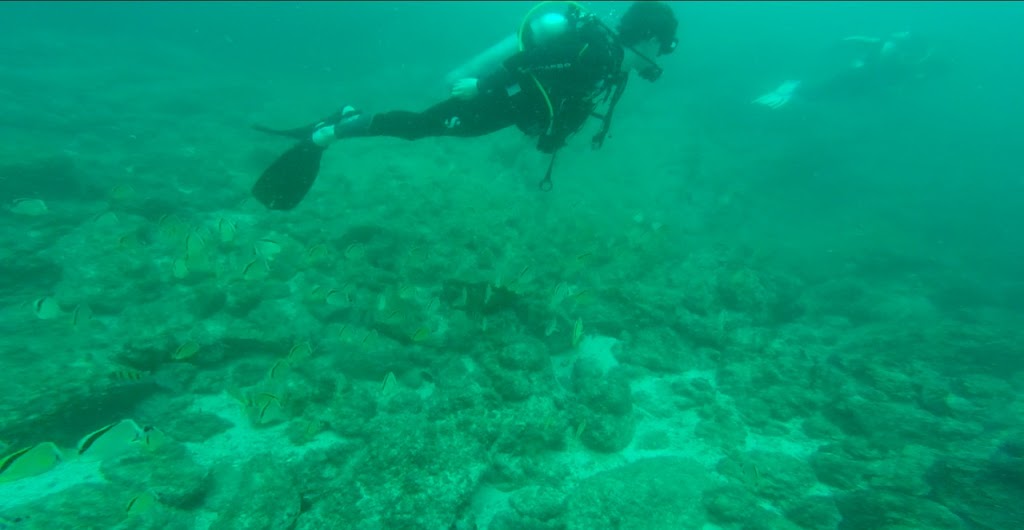
Divers navigating these features often encounter local inhabitants, including lobsters tucked into crevices, various rays gliding through the water, and occasional reef sharks patrolling the area. It reaches a maximum depth of 23 m (75 ft), allowing for significant exploration of both its shallower and deeper sections.
Unique features and accessibility contribute to the broader reputation of the Catalinas Islands, a region globally recognized for its vibrant marine biodiversity and diverse diving experiences. A dynamic dive experience forms from the blend of geological interest and abundant life.
Conditions are Good
Optimal conditions expected
Current conditions near Elefante show 31° air, 30° sea temperature, 0.9 m waves, and 18 km/h wind. Forecast data is refreshed regularly to ensure accuracy.
Best Time to Dive
Maximize your dive experience at Elefante by planning a visit during generally favorable months. 'Good' dive scores typically occur from January through April, July through September, and December, often aligning with less rainfall and moderate wave activity. Air temperatures during these periods usually range from 27-29°C (81-84°F). Conversely, June, October, and November are often rated 'Moderate' due to higher rainfall; October typically receives around 15 mm of rain. Pacific Ocean water temperatures off Costa Rica are not consistently reported and can vary significantly, even day to day, which challenges precise long-term predictions. Divers generally anticipate tropical conditions. Checking current local reports just before your trip is advisable for up-to-date water temperature and visibility, as localized conditions frequently change. Broadly, December to May, known as the dry season, usually brings calmer seas and clearer visibility, though marine life migrations can influence specific encounter timings.
PEAK SEASON SCORE
Scores combine air & water temps, waves, wind & rainfall for overall conditions.
BEST MONTHS TO DIVE
Monthly records compiled from satellite and marine observation nodes over the last 3 years. Data provided by Open-Meteo and MET Norway.
Dive Experience & Conditions
Descending into Elefante immerses divers in a dynamic underwater landscape shaped by volcanic activity. Its distinctive topography includes a series of arches and tunnels, presenting an engaging challenge for advanced divers. Navigation through these features requires attentive buoyancy control and awareness. Specific current data for Elefante isn't consistently reported; however, other Catalinas Islands sites can experience strong currents, so divers should prepare for varying conditions. Pacific waters possess an unpredictable nature, meaning visibility and water movement can shift. Max depth is around 23 m (75 ft). Within submerged structures, expect to find hiding lobsters and various rays. Positioned as an ocean pinnacle, Elefante also draws in reef sharks. Exploring these natural formations offers a sense of discovery within a vibrant, active environment.
Dive Difficulty & Safety Guidelines
For a safe and rewarding dive at Elefante, it's wise to approach the site with a focus on preparedness, particularly given its underwater arches and tunnels. Experienced divers familiar with navigating overhead environments will find these features more manageable. Always perform a thorough buddy check and ensure your equipment is in excellent working order.
Given that this site is known to attract advanced divers, consider having a dive computer and redundant air source, especially when exploring deeper sections or more intricate passages. Although currents aren't always extreme, conditions can be variable within the Catalinas Islands.
Pay close attention to your dive guide's briefing regarding anticipated water movement and entry/exit procedures. Maintaining neutral buoyancy is crucial to avoid disturbing marine life and to navigate the site's rock formations without incident.
Remember, respecting marine life and adhering to responsible diving practices helps preserve this unique ecosystem.
Recommended Equipment
- Dive Computer
- DSMB
This gear list is based on verified equipment signals for Elefante, Costa Rica. Always confirm final gear choices with your dive operator, guide, or liveaboard.
Recommended Dive Suit
Dive skin or rash guard usually provides adequate warmth in water around this temperature. A hood or vest is suggested for sensitive divers due to surface winds. Those diving at Elefante today will likely encounter water temperatures in the region of 30°C (87°F). Surface air temperatures are resting at 31°C (89°F).
Surface temperatures may decrease slightly later in the week. Cooler days are ahead; you might want a warmer option for later in the week. Some divers bring an extra layer for surface intervals between dives.
Conditions can vary slightly across different parts of the same dive site.
Emergency & Medical Support
Essential information to help you plan your dive trip to Elefante.

Hyperbaric chambers are a critical part of dive safety infrastructure. Availability varies significantly by region, and not all dive areas have immediate access.
Before diving, it's recommended to:
- confirm nearest medical facilities
- check emergency procedures with local dive operators
- ensure dive insurance covers evacuation if required
Divers Alert Network
Diving emergency assistance available through DAN World.
+1-919-684-9111- 24/7 emergency hotline
- Diving medical assistance
- Evacuation coordination
Emergency contacts are provided for reference. Always verify local emergency services before diving.
Marine Life at Elefante
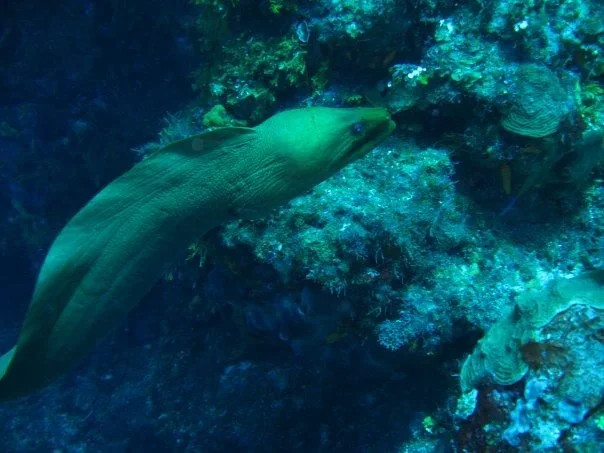
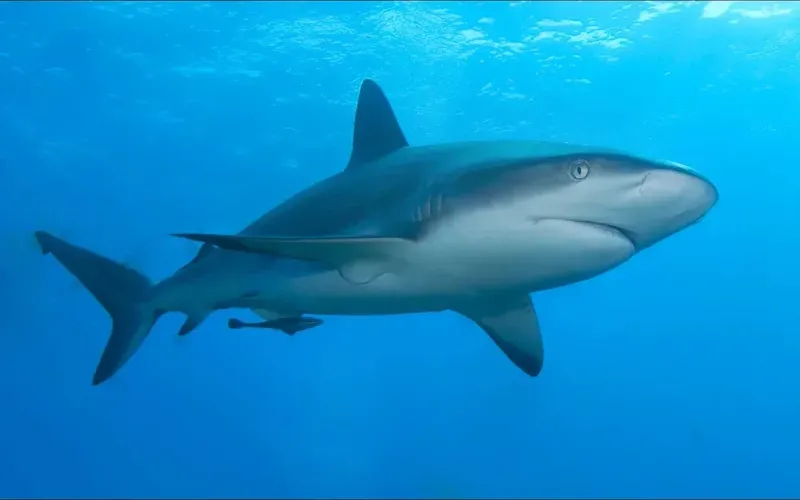
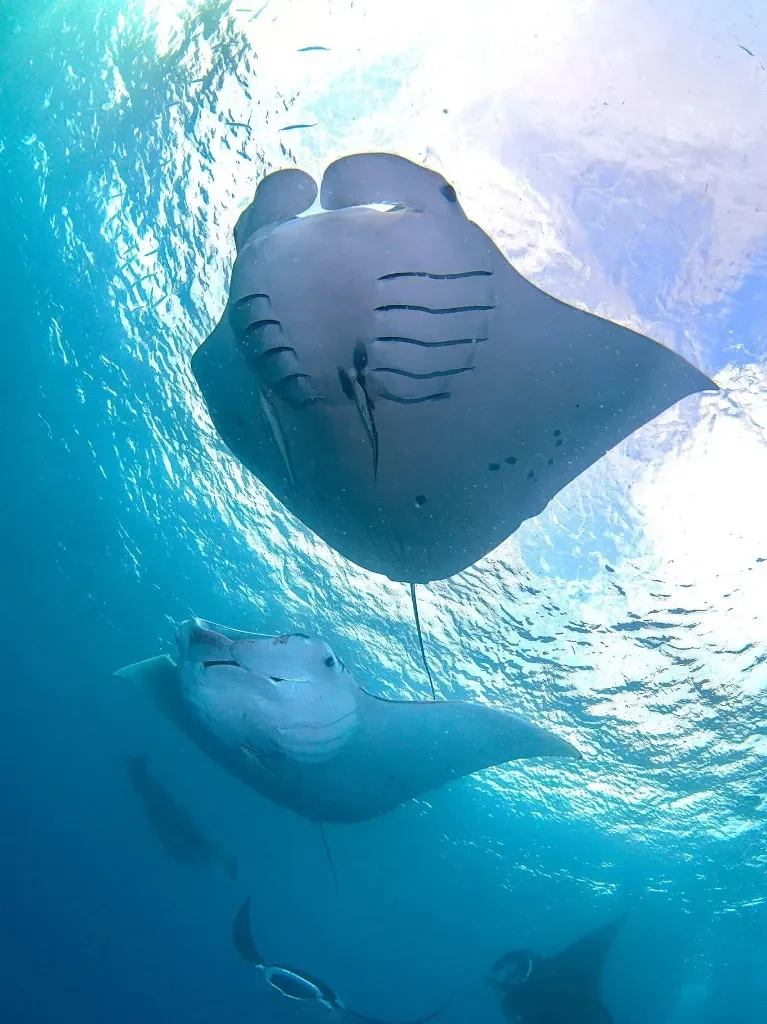
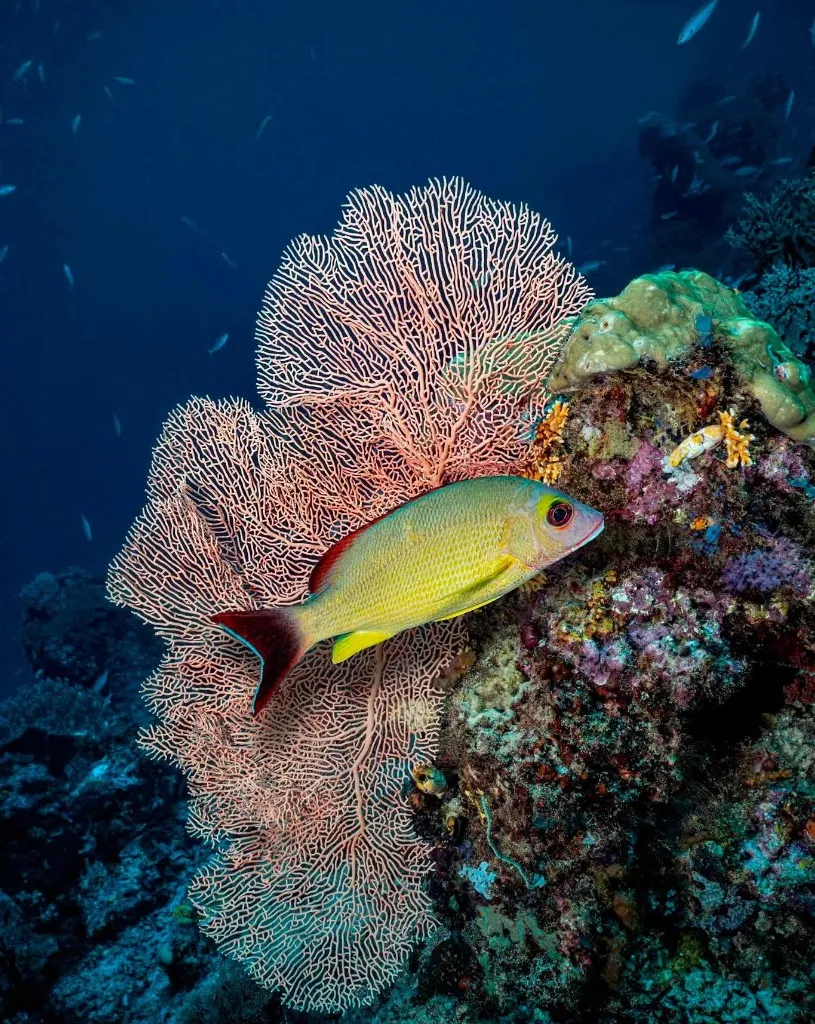
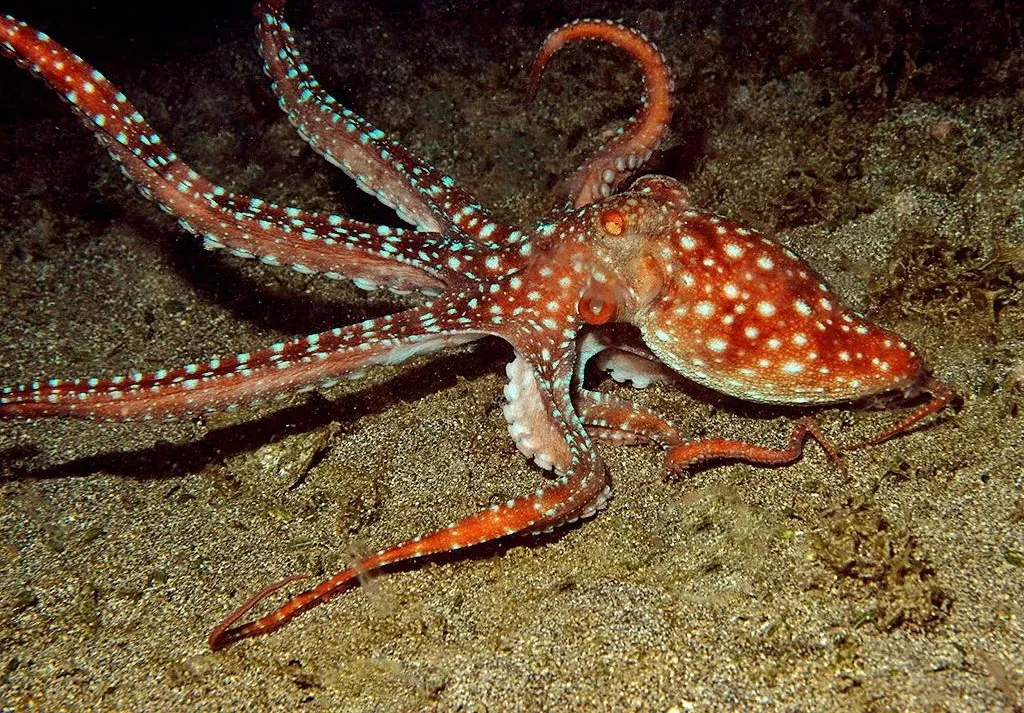
Elefante's underwater landscape acts as a magnet for diverse marine species, thriving amidst its rocky formations and intricate crevices. Within the shelter of arches and tunnels, divers often spot lobsters, patiently waiting in rocky hideouts.
Rays can be observed gliding along sandy patches or exploring deeper sections. Reef sharks are known to frequent the pinnacle, patrolling its edges and surrounding waters.
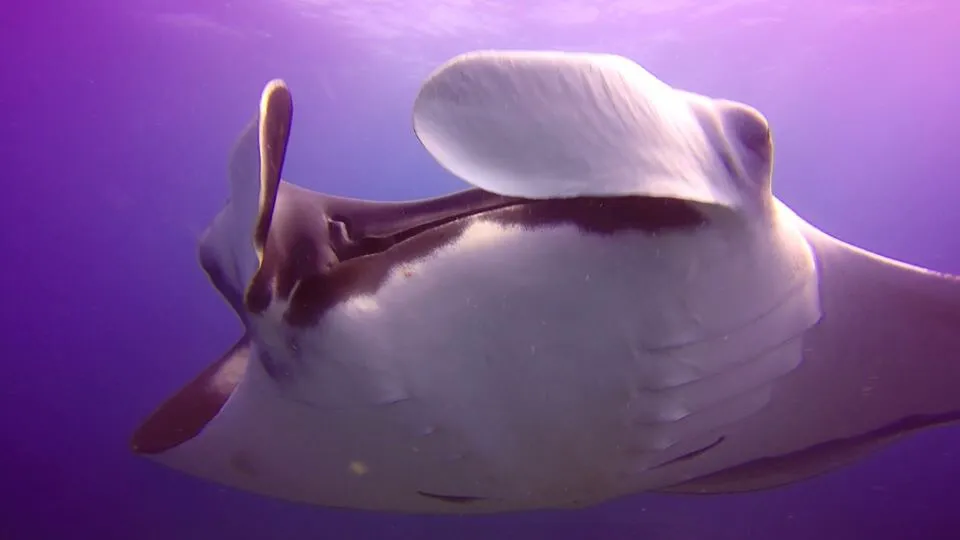
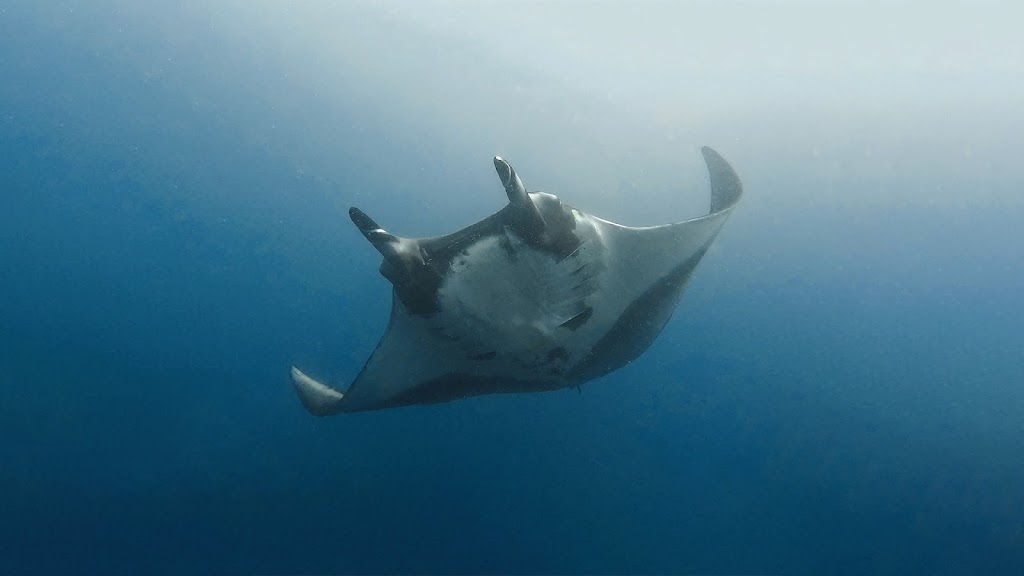
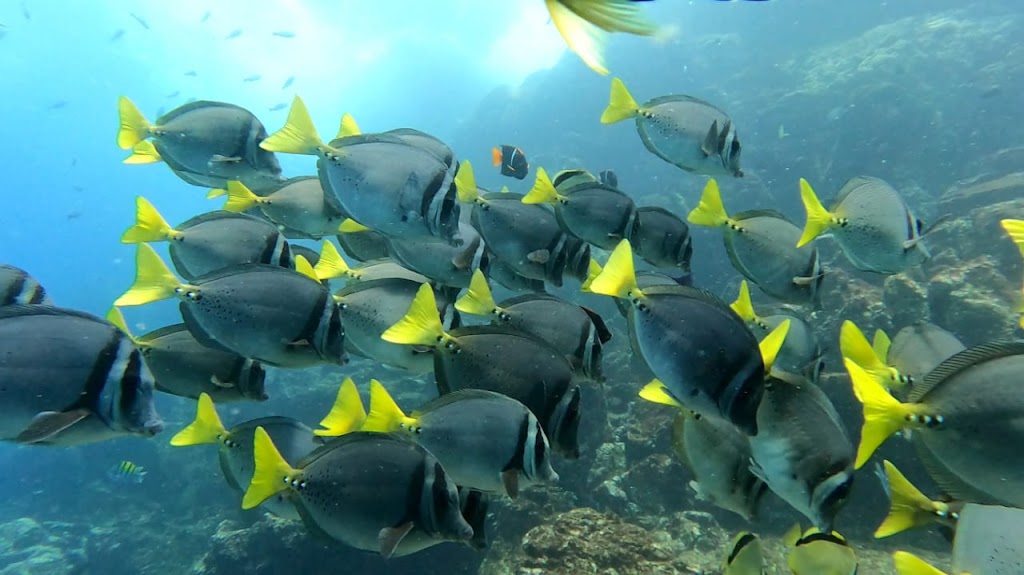
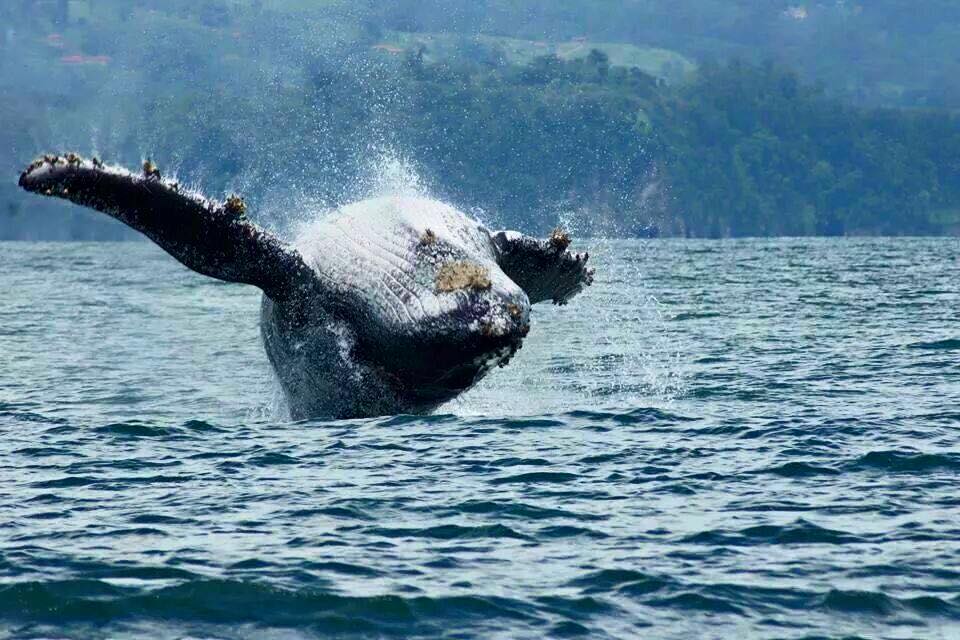
Connecting to the broader Catalinas Islands region, Elefante shares the area's rich biodiversity, including schools of tropical fish like angelfish and snappers. Occasionally, it draws the attention of larger pelagics such as manta rays, though their presence varies seasonally.
Dive Sites Near Elefante
View all dive sites in Costa RicaDiscover more underwater gems in this area.
Dive Centers Near Elefante
Today: Open 24 hours
Nearest Airports
Nearest airports to help plan travel to this dive area.
Search Flights
Check available flights and routes on Expedia, using the nearby airports listed in this section.
Search Flights on ExpediaFrequently Asked Questions
How did Elefante get its name?
Elefante is named after a distinctive rock formation that, when viewed from north to south, resembles the trunk of an elephant. It is also sometimes referred to as “El Diente,” meaning “The Tooth.”
What is the maximum depth at Elefante?
Maximum depth at Elefante is 23 m (75 ft). Exploration is possible across both shallower reef areas and deeper sections around its unique rock formations.
What kind of underwater topography can I expect at Elefante?
Elefante features an exciting underwater topography of natural arches and tunnels. These formations provide intricate pathways and sheltered areas for marine life, particularly appealing to advanced divers.
Is Elefante suitable for all diver levels?
Elefante's underwater arches and tunnels, combined with potentially variable currents in the region, make it particularly appealing to advanced divers. While some areas might be accessible for less experienced divers, the more challenging features are best explored by those with higher certifications.
What marine life might I encounter at Elefante?
Divers at Elefante frequently encounter lobsters hidden in crevices, various species of rays, and reef sharks patrolling the area. Schools of tropical fish also inhabit the site, and larger pelagics like manta rays occasionally appear.
How long does it take to reach Elefante by boat?
Reaching Elefante typically takes about 35 minutes by boat from launch points like Playa Flamingo. Travel time is consistent with other Catalinas Islands dive sites.
What are the typical water temperatures for diving in the Catalinas Islands?
Water temperatures in the Pacific Ocean off Costa Rica, including around Elefante, are not consistently reported and can be quite variable. While generally tropical, conditions can change from season to season and even day to day, so checking local reports is recommended.
Planning to dive Elefante?
Send one inquiry and receive offers directly from the best verified local dive operators.
Conditions are Good
Optimal conditions expected
Current conditions near Elefante show 31° air, 30° sea temperature, 0.9 m waves, and 18 km/h wind. Forecast data is refreshed regularly to ensure accuracy.