
Diving at North Point (Costa Rica)
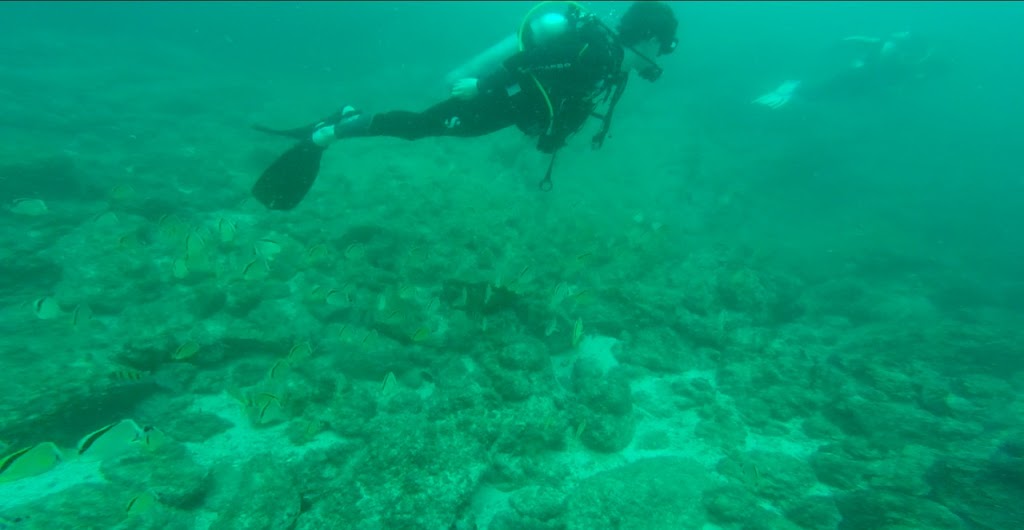
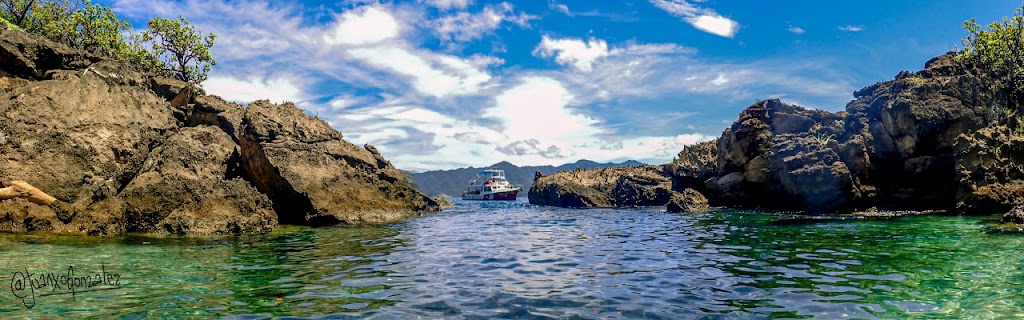
Punta Norte, located on Santa Catalina Island, offers a diverse underwater landscape characterized by extensive volcanic rock formations. These dramatic structures emerge from a sandy seabed, creating an intricate environment for exploration. Shallower areas transition into deeper sections where more complex rock formations are found. This site caters to various diving abilities, providing both tranquil, sheltered spots and more extensive terrain for advanced exploration.
Evening condition tracking at North Point features an air temperature of 28°C. We have recorded wave heights measuring 1.2 m during this period. These figures outline the environmental parameters currently present.
Dive Site Location & Key Facts
Dive Site Overview
North Point presents an inviting dive experience, particularly for those seeking accessible yet engaging underwater environments in Costa Rica. It's considered an excellent spot for beginners and certification courses, providing sheltered conditions largely protected from significant currents.
Situated 11 km (7 miles) from Flamingo, accessing this dive site typically involves a short boat journey. The dive profile often progresses from the island's middle towards its northern tip, gradually revealing its features. Beneath the surface, divers will encounter a transition from shallower, sandy bottoms to more complex volcanic rock formations as they descend.
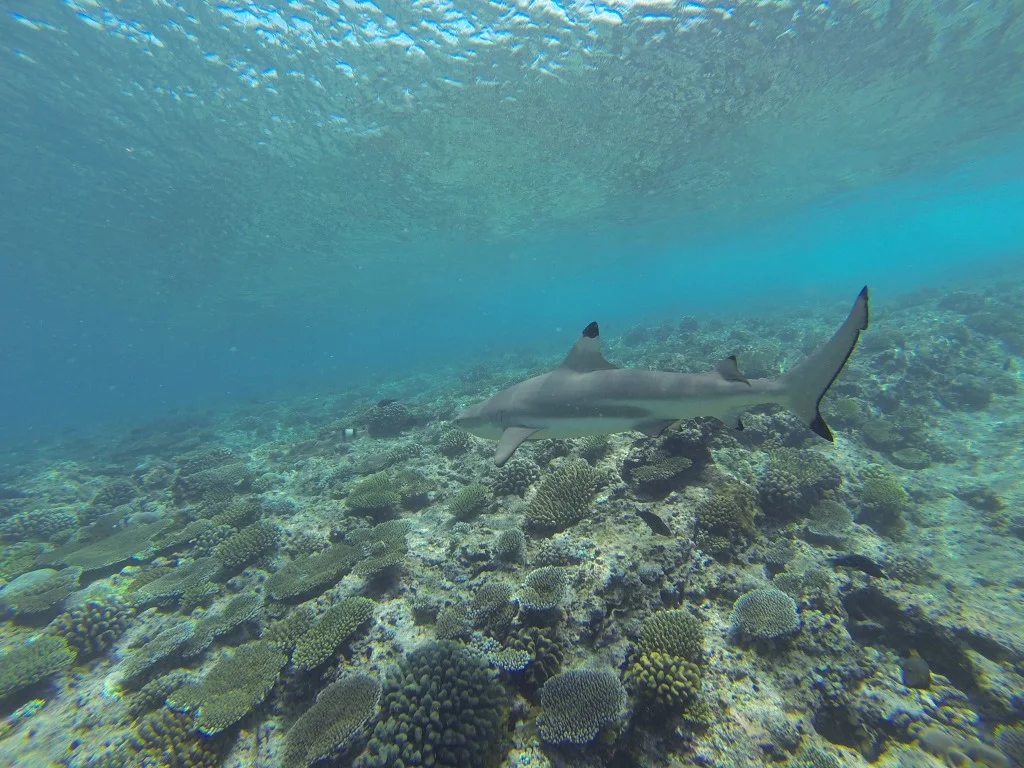
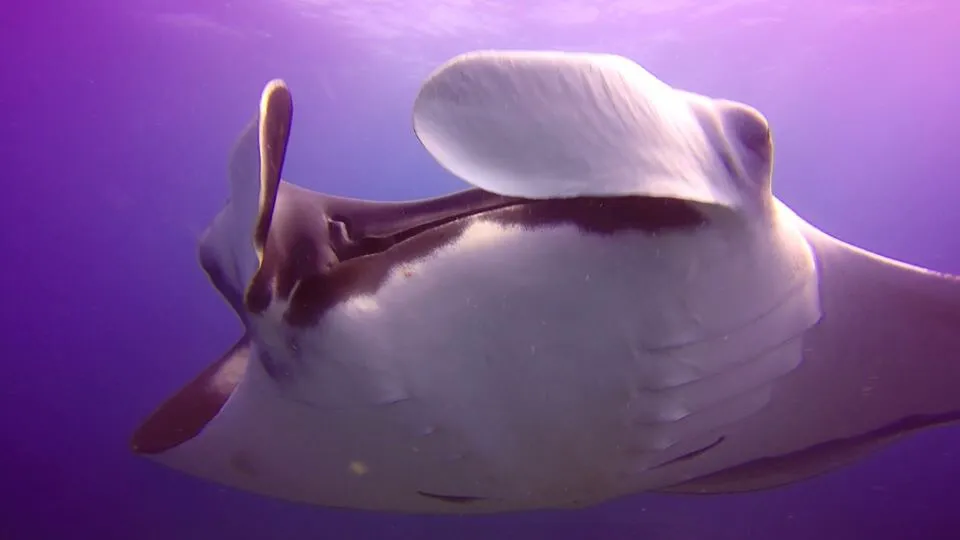
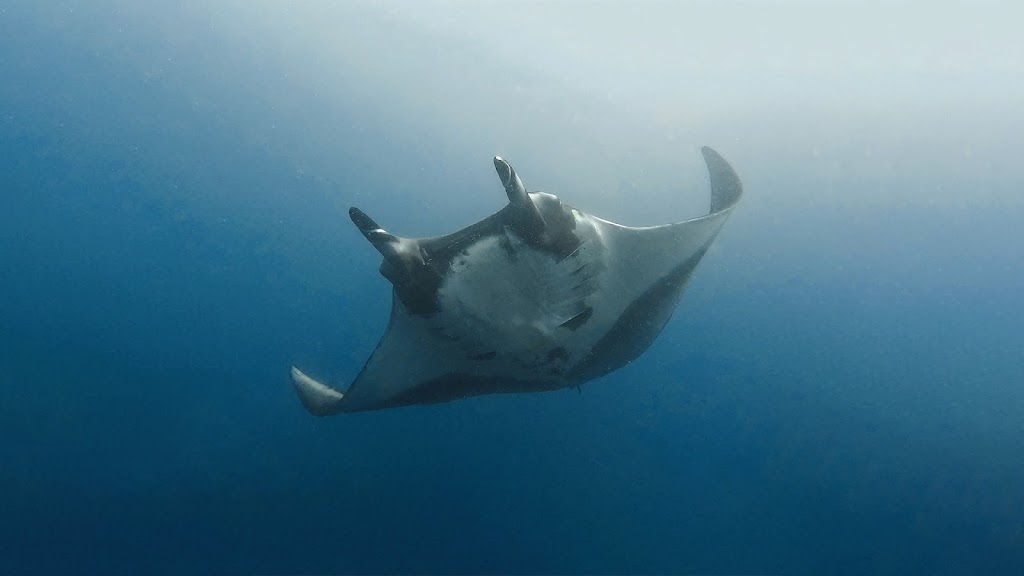
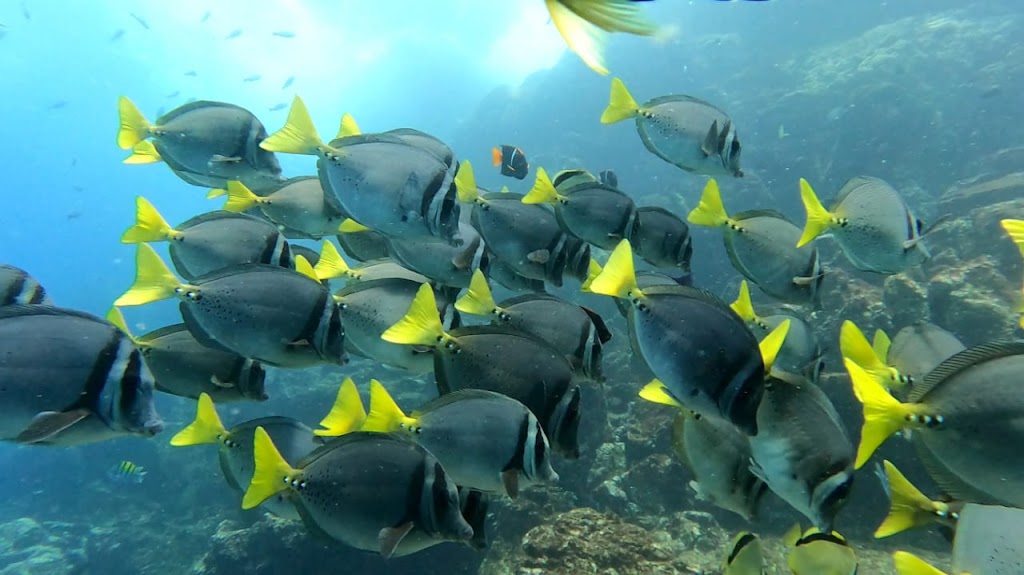
These structures are ideal habitats for a variety of reef fish, creating a vibrant scene. While known more for its calm demeanor than an overwhelming abundance of large pelagics, observant divers still have good chances of spotting rays and occasional sharks.
The maximum recreational depth here generally extends to around 30 m (100 ft), with shallower sections perfect for extended bottom times or introductory dives. Water temperatures, though not consistently reported, generally align with the regional averages, likely ranging from 22-27°C (72-81°F) for comfortable diving throughout the year.
Visibility can vary, influenced by local currents and plankton blooms, but often allows for clear views of the volcanic landscape.
Conditions are Good
Optimal conditions expected
Current conditions near North Point show 28° air, 30° sea temperature, 0.9 m waves, and 27 km/h wind. Forecast data is refreshed regularly to ensure accuracy.
Best Time to Dive
Choosing the optimal time for North Point diving involves considering the distinct seasons, each presenting varying conditions. The drier months, spanning from January through April and again in December, offer generally favorable conditions for diving. During these periods, air temperatures average between 27°C and 28.5°C (81-83°F), with significantly lower rainfall, often less than 0.6 mm per month. This dry season typically correlates with calmer surface conditions and higher dive scores, making it a reliable time for visits. Conversely, the period from May to November sees increased rainfall, peaking at nearly 12 mm in October, and slightly higher wave heights, averaging 1.2-1.3 meters. While dive scores during these months are still rated as moderate, ranging around 6, conditions might be less predictable. Wind speeds show less fluctuation across the year, averaging 21-27 km/h (13-17 mph). For maximum comfort and consistently clear conditions, targeting the drier months is generally recommended, although North Point's sheltered nature often allows for good diving experiences even during the wetter season.
PEAK SEASON SCORE
Scores combine air & water temps, waves, wind & rainfall for overall conditions.
BEST MONTHS TO DIVE
Monthly records compiled from satellite and marine observation nodes over the last 3 years. Data provided by Open-Meteo and MET Norway.
Dive Experience & Conditions
A typical dive at North Point often begins in its shallower sections, which are notably protected from stronger currents, making it accessible for divers of all levels. Descending further, the landscape transitions from a primarily sandy bottom to more intricate formations of volcanic rock. These rocky areas provide structural complexity, creating numerous nooks and crannies for marine life to inhabit. Recreational depths here allow for ample exploration of these features. While deeper waters are present and cater to certified divers seeking more extensive rock formations, the site maintains a manageable profile. Visibility can vary, often influenced by local plankton and surge, but generally supports good viewing conditions. Being sheltered from the main currents is a key characteristic, contributing to a tranquil dive experience. Surface conditions, however, can reflect broader weather patterns, with wave heights generally ranging from 1.0 m to 1.3 m (3.3-4.3 ft) throughout the year, impacting boat travel more than the underwater experience itself.
Dive Difficulty & Safety Guidelines
Approaching North Point requires standard safe diving practices, despite its reputation for calm conditions. While generally sheltered from major currents, local water movement can still occur, particularly near points or during tidal shifts. Divers should always conduct thorough buddy checks and consult with local dive operators regarding current conditions.
It's prudent to review entry and exit procedures carefully, especially if any surface chop is present, with wave heights sometimes reaching 1.3 m (4.3 ft). Understanding and respecting the site's multi-level potential is also key.
Beginner divers should remain in shallower, well-protected areas, while those exploring deeper rock formations need to monitor no-decompression limits and air consumption. No specific unique hazards are consistently reported for this site, but vigilance for marine life, such as observing sharks from a respectful distance, is always a good practice. Carrying an audible surface signaling device and a dive computer is recommended for all dives.
Recommended Equipment
- Dive Computer
This gear list is based on verified equipment signals for North Point, Costa Rica. Always confirm final gear choices with your dive operator, guide, or liveaboard.
Recommended Dive Suit
Recent conditions suggest the water at North Point remains near 30°C (86°F), offering typical conditions for the area. Surface air temperatures are resting at 28°C (82°F).
Weather projections show fairly stable environmental conditions ahead.
Most divers would typically feel comfortable using dive skin or rash guard in these conditions. A hood or vest is suggested for sensitive divers due to surface winds. Dive depth and duration can significantly affect perceived warmth.
Due to technical issues with our weather providers, live updates are temporarily delayed. The data above reflects the conditions at the time of the last successful fetch.
Emergency & Medical Support
Essential information to help you plan your dive trip to North Point.

Hyperbaric chambers are a critical part of dive safety infrastructure. Availability varies significantly by region, and not all dive areas have immediate access.
Before diving, it's recommended to:
- confirm nearest medical facilities
- check emergency procedures with local dive operators
- ensure dive insurance covers evacuation if required
Divers Alert Network
Diving emergency assistance available through DAN World.
+1-919-684-9111- 24/7 emergency hotline
- Diving medical assistance
- Evacuation coordination
Emergency contacts are provided for reference. Always verify local emergency services before diving.
Marine Life at North Point
Upon entering the water at North Point, divers will first notice the vibrant collection of reef fish that inhabit the volcanic rock formations. A multitude of species dart among the crevices and over the sandy patches, creating a lively underwater spectacle.
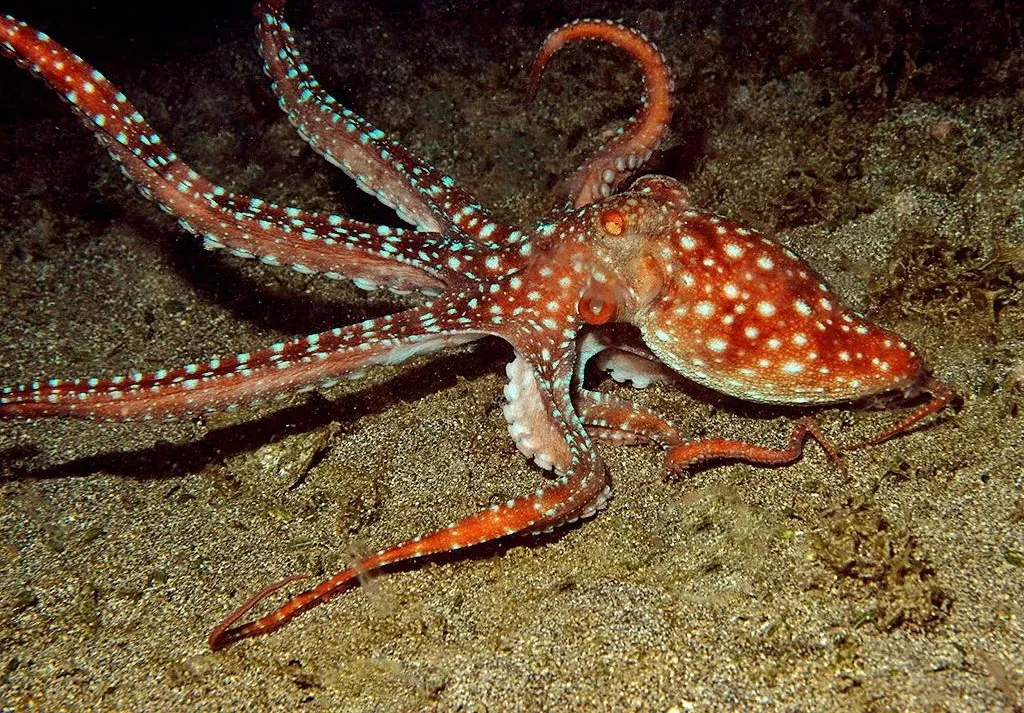
Rays are a common sight, often seen gliding gracefully over the sandy bottom, while octopuses can be spotted camouflaged among the rocks. Lucky divers might encounter various turtle species.
Additionally, while not its primary draw, sightings of white-tip sharks are possible, often resting in the sandy channels or cruising along the deeper sections. This site emphasizes tranquil observation rather than dramatic encounters.

Dive Sites Near North Point
View all dive sites in Costa RicaDiscover more underwater gems in this area.
Dive Centers Near North Point
Today: Open 24 hours
Nearest Airports
Nearest airports to help plan travel to this dive area.
Search Flights
Check available flights and routes on Expedia, using the nearby airports listed in this section.
Search Flights on ExpediaFrequently Asked Questions
Is North Point suitable for beginners?
Yes, North Point is highly recommended for beginner divers and those undertaking certification courses. It's known for its sheltered conditions and relatively mild currents, making it an ideal learning environment.
What kind of marine life can I expect to see?
You can expect to see a multitude of reef fish, rays, and octopuses inhabiting the volcanic rock formations. Occasional sightings of turtles and white-tip sharks are also possible, adding to the diversity.
What are the typical water conditions like?
Water temperatures generally range comfortably for tropical diving. While visibility can vary, influenced by local conditions and plankton, it's often good. Primarily, the site remains largely sheltered from strong currents.
How deep are the dives at North Point?
Dives at North Point accommodate a range of depths. Shallow sections are perfect for beginners, while certified divers can explore deeper rock formations within recreational limits, typically around 30 m (100 ft).
When is the best time of year to dive here?
The drier months from January to April and December generally offer the best diving conditions, with lower rainfall and calmer seas. Diving is possible year-round, however, with moderate conditions during the wetter season.
Are there strong currents at North Point?
North Point is generally sheltered from strong currents, particularly in its main dive areas. This creates a tranquil site, though localized water movement can still occur.
Planning to dive North Point?
Send one inquiry and receive offers directly from the best verified local dive operators.
Conditions are Good
Optimal conditions expected
Current conditions near North Point show 28° air, 30° sea temperature, 0.9 m waves, and 27 km/h wind. Forecast data is refreshed regularly to ensure accuracy.