
Diving at Shipwreck Peltastis (Croatia)
Approaching the Peltastis wreck demands proficiency beyond recreational limits. This deep wreck dive in the Adriatic Sea near Krk Island, Croatia, is specifically tailored for advanced divers. Divers must hold at least an Advanced Open Water certification, and many operators require proof of deep diving experience or a Deep Diver specialty. Due to its depth and potential for decompression risks, it's not a suitable site for novice divers.
As evening covers Shipwreck Peltastis, the local air temperature is measured at 21.5°C. The current wave height at the surface is recorded at 0 m. These late-day readings characterize the surface conditions for the night.
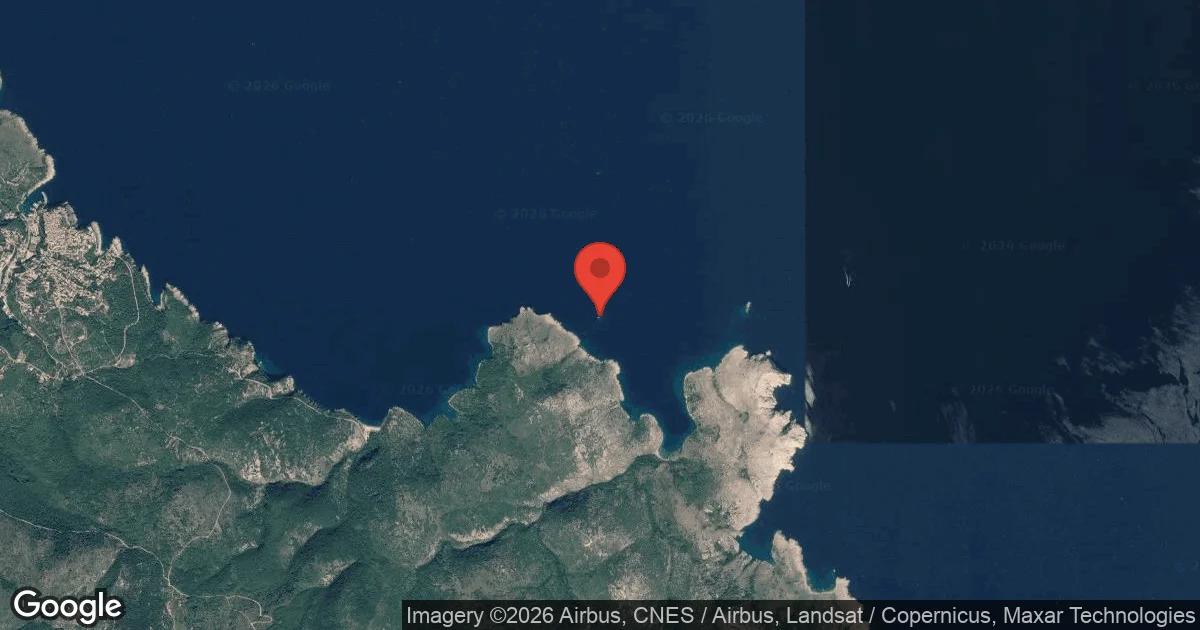
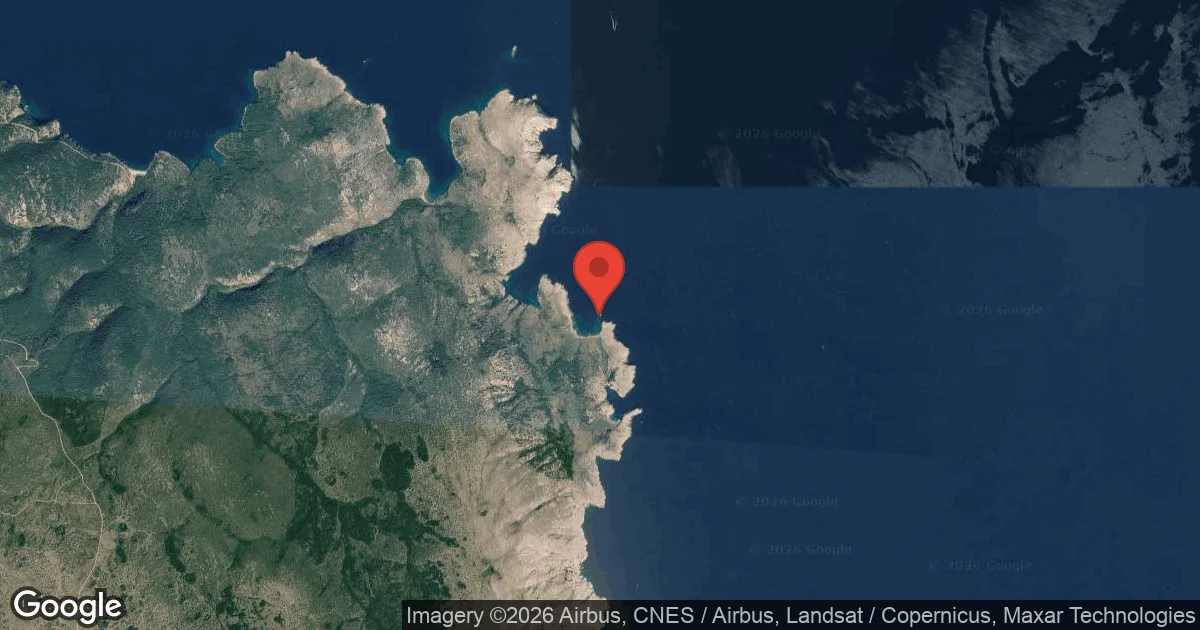
Dive Site Location & Key Facts
Dive Site Overview
The Greek freighter Peltastis tells a compelling tale beneath the Adriatic Sea, a vivid chapter in maritime history. Originally launched in late 1952 as the 'Alsterpark' from a German shipyard, this 60-meter cargo vessel, approximately 197 feet long, served coastal routes before being renamed Peltastis in 1967.
Its final voyage ended tragically on January 8, 1968, when it sank between Šilo and Klimno, claiming seven crew members and Captain Theodoros Belesis. The wreck now rests largely upright on a sandy bottom, its foremast's highest point situated around 8 meters / 26 feet below the surface. The main deck typically begins at approximately 28 meters, while the deepest sections reach a maximum of 32 meters.
The vessel's superstructure is largely gone, yet much of the hull and bow remain remarkably intact, inviting careful exploration. Divers can navigate along the bow section, observe the intricate marine growth on hull plates, and make limited, trained penetrations into the partially collapsed cargo holds.
Significant features still visible include the remains of the bridge, various access points into the holds, and the stern section where the propeller would have been. These structural elements provide shelter for marine life and present varied photographic opportunities, reflecting both the ship's history and its current role as an artificial reef.
Conditions are Excellent
07:00 - 14:00
Optimal conditions expected
Current conditions near Shipwreck Peltastis show 21° air, 25° sea temperature, 0.1 m waves, and 11 km/h wind. Forecast data is refreshed regularly to ensure accuracy.
Best Time to Dive
Optimal conditions for exploring the Peltastis wreck typically occur from June through October, when the sea is generally calmer and water temperatures are at their warmest. During these months, average air temperatures range from 23.5°C (June) to 16.5°C (October), and rainfall is minimal, usually between 2.5 mm and 9.6 mm. Conversely, winter months, especially from November to March, present rougher sea conditions and significantly colder water, often dropping to 12-15°C / 54-59°F. Air temperatures also fall considerably, averaging between 6.5°C and 10.5°C. While the dive score remains 'Excellent' year-round, summer and early autumn provide the most comfortable and visually rewarding experience.
PEAK SEASON SCORE
Scores combine air & water temps, waves, wind & rainfall for overall conditions.
BEST MONTHS TO DIVE
Monthly records compiled from satellite and marine observation nodes over the last 3 years. Data provided by Open-Meteo and MET Norway.
Dive Experience & Conditions
Divers navigating the Peltastis encounter variable water dynamics that demand attentiveness. Currents are generally mild to moderate around the wreck, though unpredictable surges can occur, particularly near openings or within its structure. Visibility is a key factor, typically ranging from 10 to 20 meters, or approximately 33 to 66 feet, with the clearest conditions experienced during summer and early autumn. Winter can see visibility drop to 5-10 meters (16-33 feet) due to plankton blooms, impacting the overall dive experience. Water temperatures reflect the seasons, averaging 20-26°C / 68-79°F in summer and early autumn, necessitating a 5-7mm wetsuit or semi-dry suit. Colder months, from November to March, hover around 12-15°C / 54-59°F, where a dry suit is strongly advised for comfort and safety during this advanced dive. Exploring the wreck involves following a shot line for descent to the deck, which lies at an average depth of 25 meters / 82 feet, requiring careful buoyancy management throughout the dive.
Dive Difficulty & Safety Guidelines
Effective dive planning for the Peltastis site focuses heavily on mitigating its inherent risks. The wreck, while largely intact, harbors potential entanglement hazards from fishing nets and lines. Divers must exercise caution and carry a dive knife.
Inside the cargo holds, excessive finning can easily cause silt-outs, severely reducing visibility; proper buoyancy control is crucial. Penetration dives require specialized wreck diving training, appropriate equipment like a guideline reel, and a thorough understanding of the wreck's layout.
It's highly recommended to dive with a local guide who possesses invaluable site-specific knowledge. Always use a dive computer to monitor depth and no-decompression limits, and agree upon clear lost buddy and equipment failure procedures before descent. Respecting the historical significance of the site means refraining from any artifact removal.
Recommended Equipment
Deep dive hazard. Increased narcosis and gas consumption risk.
Overhead / entanglement risk. Wreck penetration requires proper training.
- Dive Computer
- DSMB
- Primary & Backup Lights
- Wreck Reel
- Cutting Tool
This gear list is based on verified equipment signals for Shipwreck Peltastis, Croatia. Always confirm final gear choices with your dive operator, guide, or liveaboard.
Recommended Dive Suit
Weather models currently point toward consistent diving conditions over the next several days.
For typical recreational dives, 3mm wetsuit generally provides comfortable insulation. Surface intervals may feel cooler.
Recent environmental data from Shipwreck Peltastis indicates water temperatures near 25°C (77°F). Surface air temperatures are resting at 21°C (71°F).
Due to technical issues with our weather providers, data hasn't been fetched for over 48 hours. The data above reflects the conditions at the time of the last successful fetch.
Emergency & Medical Support
Essential information to help you plan your dive trip to Shipwreck Peltastis.

Hyperbaric chambers are a critical part of dive safety infrastructure. Availability varies significantly by region, and not all dive areas have immediate access.
Before diving, it's recommended to:
- confirm nearest medical facilities
- check emergency procedures with local dive operators
- ensure dive insurance covers evacuation if required
Divers Alert Network
Diving emergency assistance available through DAN Europe.
+39 0642115685- 24/7 emergency hotline
- Diving medical assistance
- Evacuation coordination
Emergency contacts are provided for reference. Always verify local emergency services before diving.
Marine Life at Shipwreck Peltastis
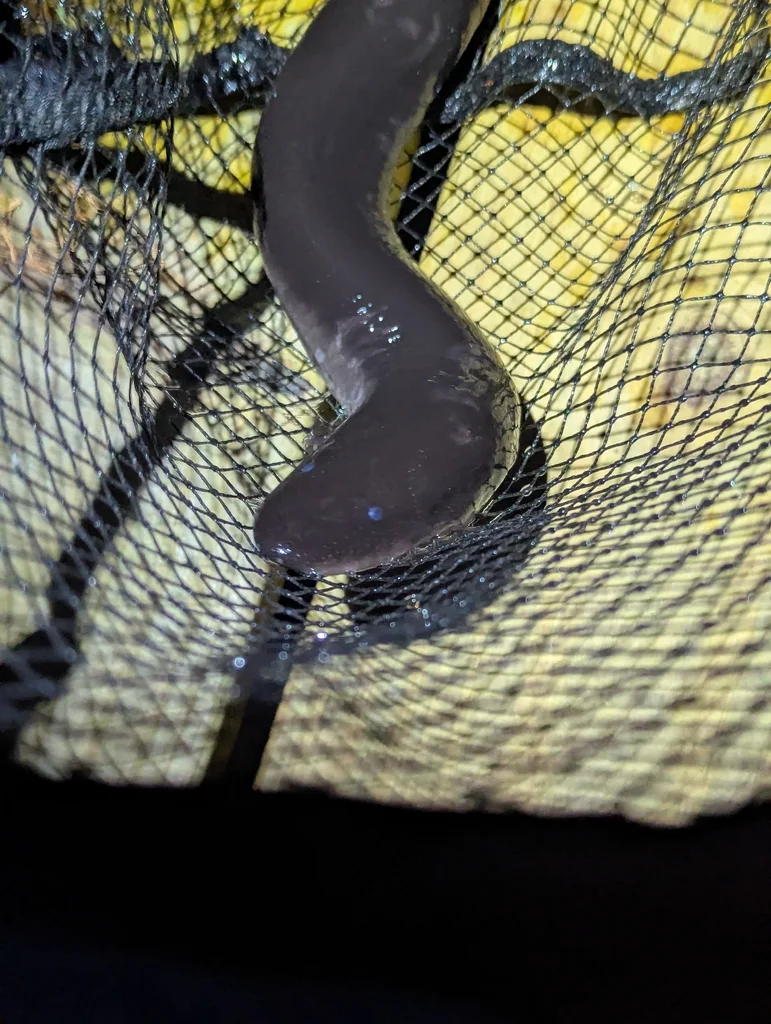
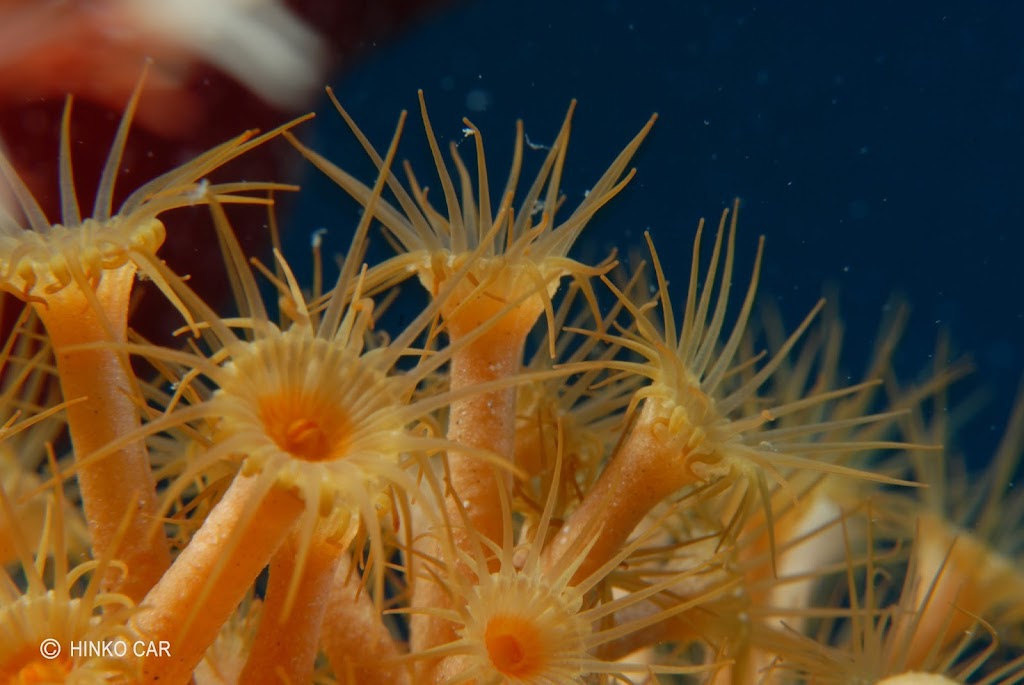
Marine life has significantly colonized the Peltastis wreck, transforming its structure into an artificial reef. Divers commonly encounter various species, including the elusive Conger Eel, which often takes refuge in the wreck's many crevices and hull plates.
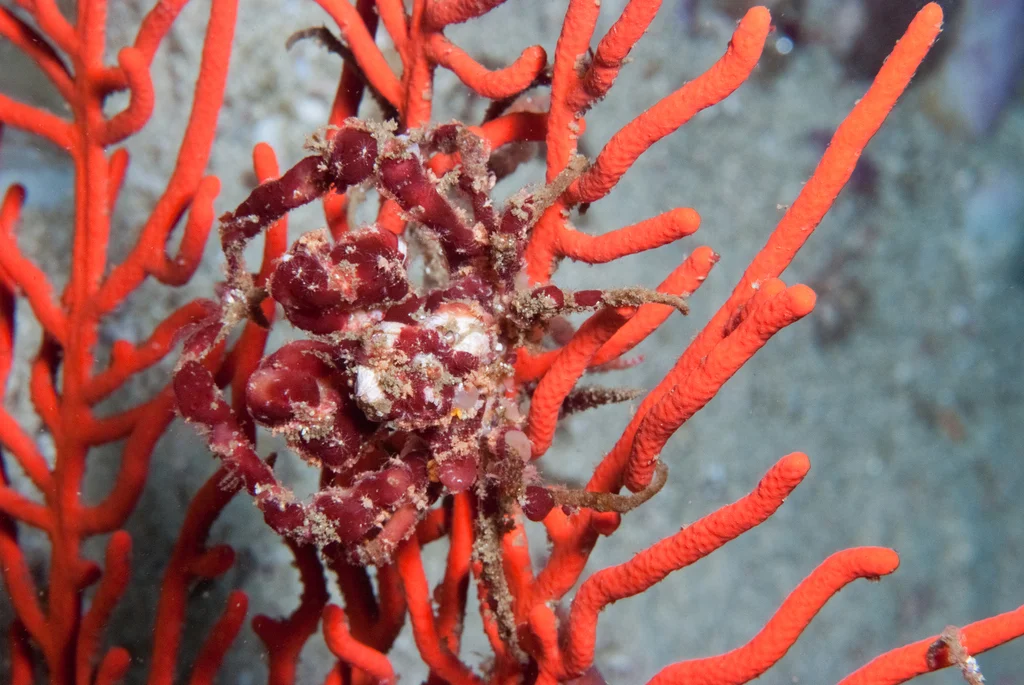
These surfaces are adorned with vibrant sponges and soft corals, providing a habitat for numerous smaller creatures. Spider crabs can be observed moving along the wreck's exterior.
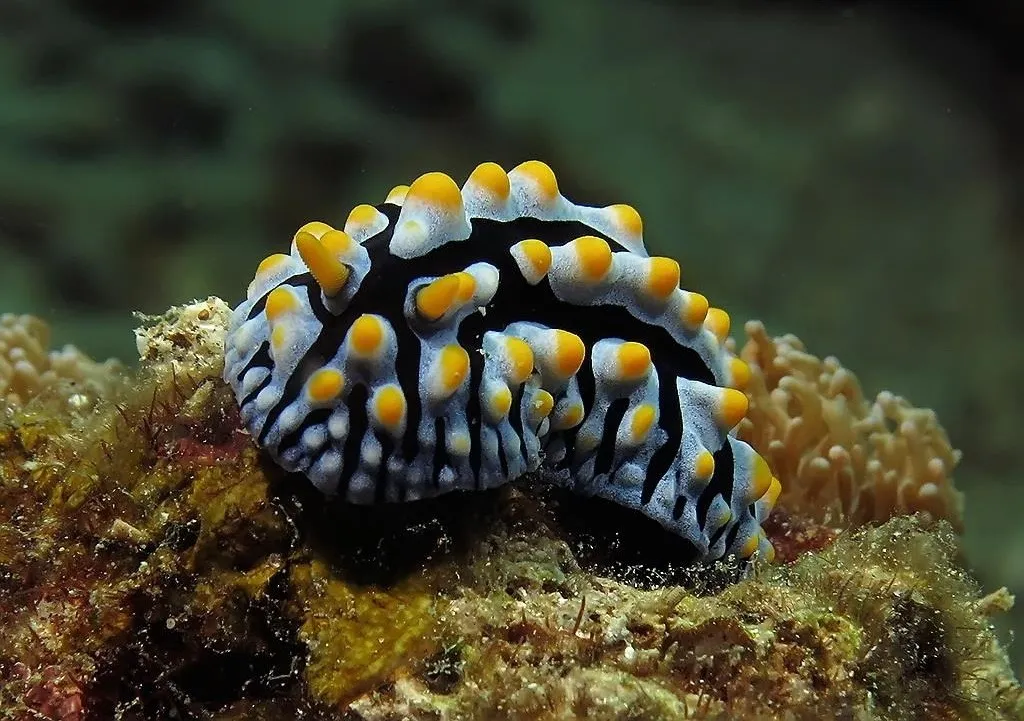
Occasionally, larger pelagic fish like tuna and dentex are spotted patrolling the perimeter. Nudibranchs and sea pens also contribute to the site's biodiversity, adding splashes of color to the underwater scenery.

Dive Sites Near Shipwreck Peltastis
View all dive sites in CroatiaDiscover more underwater gems in this area.
Dive Centers Near Shipwreck Peltastis
Today: 09:00 - 18:00

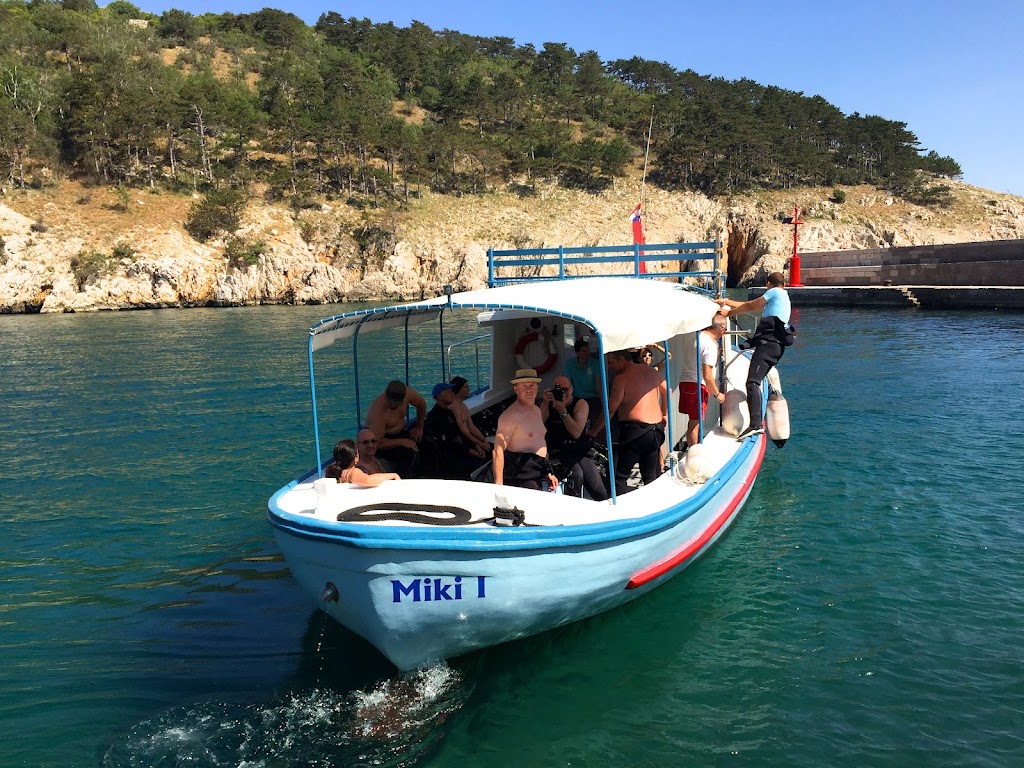
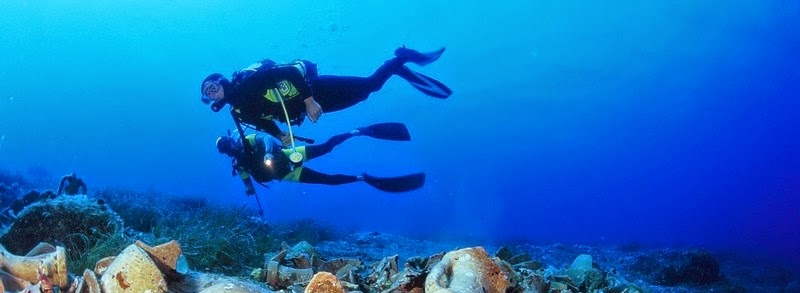
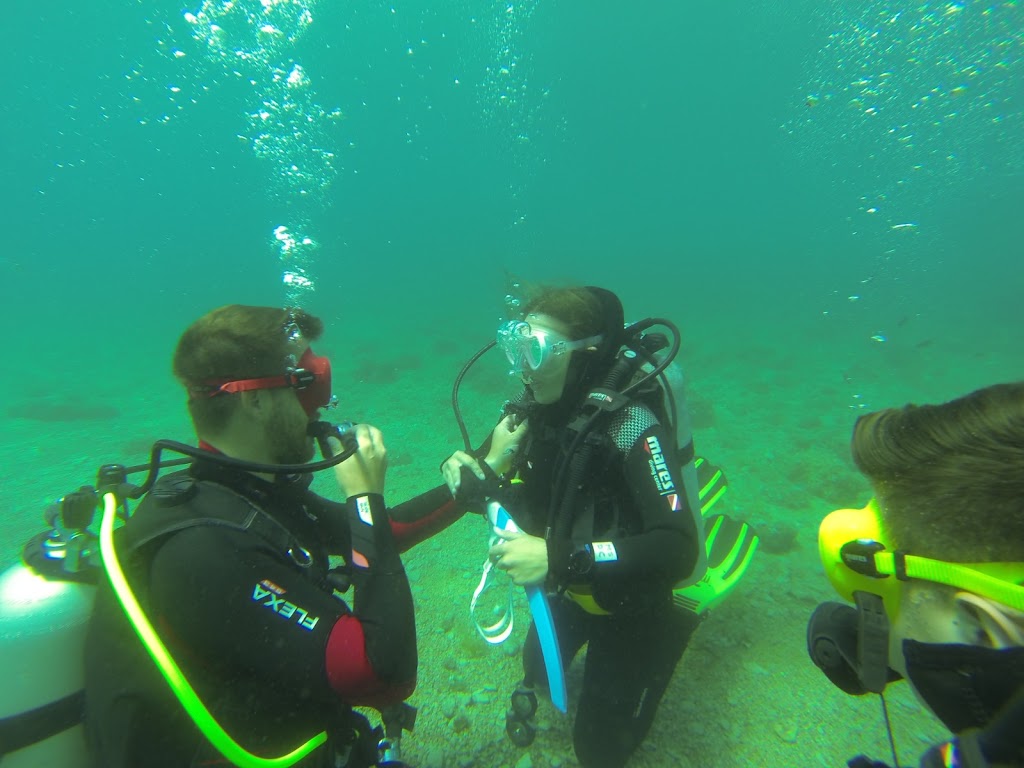
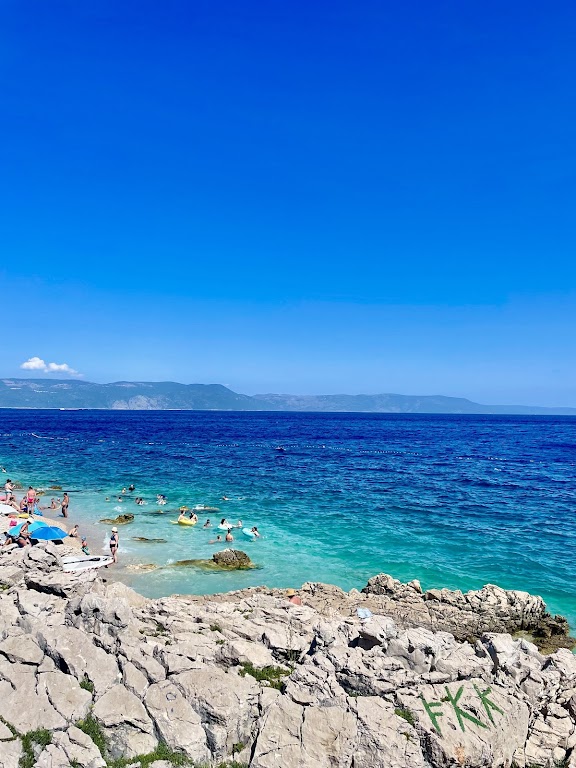
Nearest Airports
Nearest airports to help plan travel to this dive area.
Search Flights
Check available flights and routes on Expedia, using the nearby airports listed in this section.
Search Flights on ExpediaFrequently Asked Questions
What is the maximum depth of the Peltastis wreck?
The Peltastis wreck reaches a maximum depth of 32 meters. Its foremast top is around 8 meters below the surface, and the main deck typically begins at approximately 28 meters.
What certification level is required to dive the Peltastis?
Diving the Peltastis wreck demands at least an Advanced Open Water certification. Many dive operators additionally require proof of deep diving experience or a Deep Diver specialty due to the site's characteristics. This is not a dive suitable for novices.
What kind of marine life can I expect to see?
The wreck is home to diverse marine life, having become an artificial reef. You might encounter Conger Eels hidden in crevices, Spider Crabs on the hull, and vibrant sponges or soft corals. Occasionally, larger pelagic fish like tuna and dentex patrol the perimeter.
Are there any specific hazards at the Peltastis wreck?
Divers should be aware of potential entanglement hazards from fishing nets and lines on the wreck's exterior. Inside the cargo holds, excessive finning can lead to severe silt-outs, so precise buoyancy control is vital. Proper training and equipment are essential for managing these risks.
Is it possible to penetrate the Peltastis wreck?
Limited penetration into the partially collapsed cargo holds is possible for appropriately trained and equipped wreck divers. This requires specialized wreck diving training, such as the Wreck Diver specialty, and specific gear like a guideline reel. Always proceed with extreme caution.
What are the typical water conditions and temperatures?
Water temperatures vary seasonally, from 20-26°C (68-79°F) in summer to 12-15°C (54-59°F) in colder months. Visibility typically ranges from 10 to 20 meters, though it can decrease during winter plankton blooms. Currents are generally mild to moderate.
Is a local guide recommended for diving the Peltastis?
Yes, diving with a local guide is highly recommended. Their invaluable site-specific knowledge, including insights into currents, wreck layout, and potential hazards, significantly enhances safety and the overall dive experience. They can also point out specific marine life.
Planning to dive Shipwreck Peltastis?
Send one inquiry and receive offers directly from the best verified local dive operators.
Conditions are Excellent
07:00 - 14:00
Optimal conditions expected
Current conditions near Shipwreck Peltastis show 21° air, 25° sea temperature, 0.1 m waves, and 11 km/h wind. Forecast data is refreshed regularly to ensure accuracy.