Loading...

Diving at Lokrum Island and Dead Sea Lake (Croatia)
Published
Last updated
Lying 600 m / 1,969 ft southeast of Dubrovnik's medieval walls, Lokrum Island and Dead Sea Lake pairs outer Adriatic limestone reefs with an enclosed inland karst saltwater basin. Protected since 1948 as a Special Reserve alongside a 150 m / 492 ft Natura 2000 marine belt documented on the Public Institution Lokrum Reserve nature portal, the site spans 1 to 5 m / 3 to 16 ft inside the lake down to 30 m / 98 ft on the seaward drop-off. Divers swim through a partially submerged limestone cave tunnel linking the calm inland basin directly to open coastal terraces carpeted in Posidonia oceanica seagrass. Contrary to older tour myths claiming the lake is lifeless, scientific surveys confirm specialized macroalgae, sea anemones, starfish, and reef fish across both sides of the karst siphon.
Early observations for Lokrum Island and Dead Sea Lake report a surface air temperature of 16°C. The water surface is currently presenting wave heights of 1.8 m. Consider these environmental metrics before beginning your descent.
Dive Site Location & Key Facts
Site Characteristics
Max Depth30m / 98ft
Entry Typeboat
Water Typesalt
Dive Types
CavernReef
Dive Site Overview
Rising directly across the Lokrum Channel from Dubrovnik's Old Town, Lokrum Island and Dead Sea Lake holds triple conservation status as a Special Reserve, part of the UNESCO World Heritage ensemble under Croatian Cultural Goods code Z-3818, and Natura 2000 site HR4000017 administered by the Public Institution Lokrum Reserve. Within a total protected area of 119.60 ha / 295.5 acres, the 150 m / 492 ft coastal marine zone covers 48.99 ha / 121.1 acres framed by Upper Cretaceous limestone and dolomite cliffs rising over 30 m / 98 ft according to the Lokrum Reserve Management Plan 2026–2035.
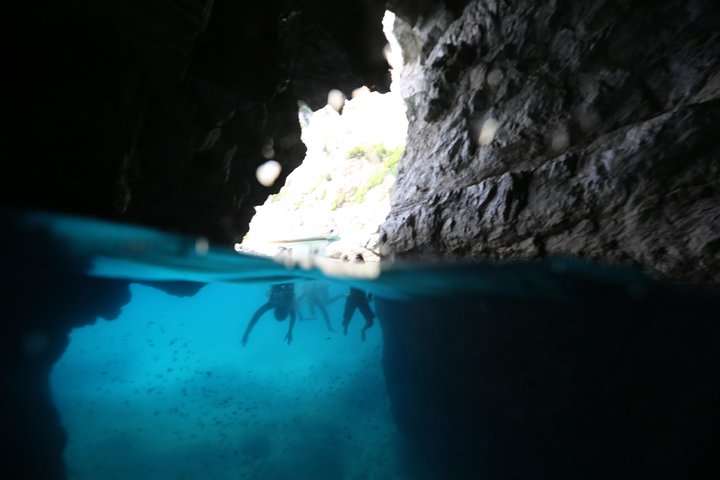
Near the southern tip of the island, wave abrasion and karst dissolution hollowed out a coastal cavern whose ceiling collapsed in geological antiquity to create the enclosed Dead Sea Lake basin. Speleological surveys published in Speleolog map a partially submerged sea cave measuring 15 to 22 m / 49 to 72 ft long and up to 15 m / 49 ft deep linking the 5 m / 16 ft pebble-and-boulder lake directly to the open Adriatic.
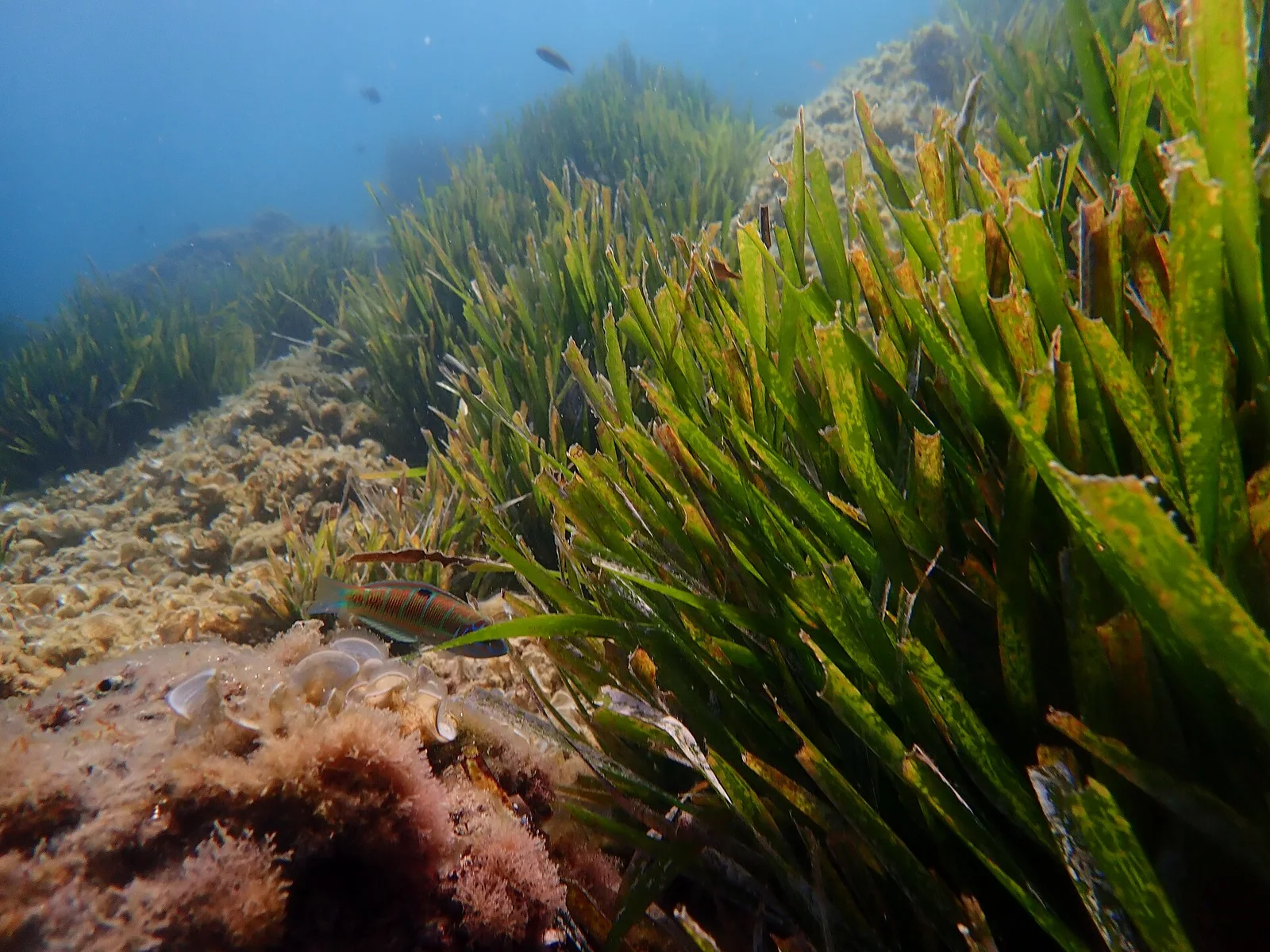
Seaward of the cave portal, vertical cliff bases step down across rocky reefs and priority Posidonia oceanica seagrass meadows to their lower boundary between 23 and 30 m / 75 and 98 ft. Habitat cartography in the Lokrum Reserve Management Plan records 22.61 ha / 55.9 acres of reefs, 21.13 ha / 52.2 acres of seagrass, and seven sea caves kept clean through periodic underwater cleanups with the County Nature Protection Institution.
Centuries of maritime lore surround the island, from its 1023 Benedictine abbey and the 1192 shipwreck shelter of King Richard the Lionheart recounted by the Croatian National Tourist Board to Habsburg stories on the official Lokrum heritage archive. Combining the quiet sunlit karst basin, shadowed tunnel, and 30 m / 98 ft outer reef delivers three distinct underwater settings on a single dive.
API Debug Error:
Weather Error: fetch failed
Best Time to Dive
Diving at Lokrum Island and Dead Sea Lake is best from May through October, when settled coastal weather permits safe passage through the southern cave channel without wave surge. Multi-year data from the Croatian Meteorological and Hydrological Service in Dubrovnik document 2,641 annual sunshine hours with dry 25.4°C / 78°F August days and minimal July rain of 32 mm / 1.3 in. Hydrographic sampling inside Dead Sea Lake published in Acta Adriatica by University of Dubrovnik researchers recorded late-summer lake temperatures between 21.7 and 26.6°C / 71 and 80°F, while outer reef ledges below 18 m / 59 ft cool to 16 to 18°C / 61 to 64°F. Because ferry day-trippers swim in Dead Sea Lake during July and August, diving in May, June, September, or early morning hours avoids surface bathers inside the 5 m / 16 ft basin. Southeasterly gales between November and March drive heavy open-sea swells directly into the southern cliffs, closing the tunnel, while visitor ferries operate only during daytime from April through mid-November per Dubrovnik Tourist Board guidance.
PEAK SEASON SCORE
94/100
ExcellentScores combine air & water temps, waves, wind & rainfall for overall conditions.
BEST MONTHS TO DIVE
JUN
JUL
AUG
DIVE SCORE GUIDE (0–100)
Excellent (90–100)
Very Good (80–89)
Good (70–79)
Moderate (50–69)
Poor (30–49)
Not Recommended (0–29)
Monthly records compiled from satellite and marine observation nodes over the last 3 years. Data provided by Open-Meteo and MET Norway.
Dive Experience & Conditions
Dive boats departing Lapad reach Lokrum's southern cliffs in roughly 15 minutes, mooring over bare rock or sand outside the cave arch so they never anchor in protected seagrass. Entering at the cliff base around 5 to 10 m / 16 to 33 ft places divers in oligotrophic Adriatic water where visibility averages 15 to 25 m / 49 to 82 ft according to Lokrum Channel oceanographic studies in Acta Adriatica. Switching on primary torches, single-file buddy teams swim through the 15 to 22 m / 49 to 72 ft limestone conduit as turquoise light filters in from both ends of the semi-submerged cavern. Rising into the inland Dead Sea Lake brings divers into calm, wave-free water up to 5 m / 16 ft deep where salinity sits between 34.1 and 37.1 PSU and horizontal visibility ranges from 5 to 12 m / 16 to 39 ft. Careful frog kicks prevent stirring bottom sediment before teams retrace the tunnel seaward. Outside the portal, the route follows stepped limestone ledges and Posidonia oceanica beds gently down to 23 to 30 m / 75 to 98 ft where deeper reef fish school along the drop-off. Currents remain absent inside the lake and mild along the outer cliff on calm mornings, though southerly swells from the Strait of Otranto quickly build surge inside the cave throat whenever southeasterly winds rise.
Dive Difficulty & Safety Guidelines
While the 5 to 30 m / 16 to 98 ft outer reef suits Open Water and intermediate divers, swimming through the 15 to 22 m / 49 to 72 ft Dead Sea tunnel requires neutral buoyancy, single-file spacing, and flat seas. Divers must never enter the rock conduit during southerly swell, when wave compression creates dangerous piston-like surge against sharp walls. As noted in the Lokrum Reserve Management Plan, rockfall hazards exist below the 30 m / 98 ft southern cliffs, and divers surfacing inside the 5 m / 16 ft basin must watch closely for swimmers jumping from shore rocks, while keeping outer profiles well within Croatia's 40 m / 131 ft compressed-air ceiling under Croatia's Underwater Activities Ordinance.
Strict conservation rules protect the island and its 150 m / 492 ft marine perimeter under Croatia's Ecological Network Regulation and Cultural Goods Zone A code Z-3818. Under the official Lokrum Reserve Code of Conduct, collecting wildlife, anchoring in Posidonia oceanica beds, motoring boats into the cave mouth, or landing ashore without a valid daytime reserve ticket is prohibited, and teams ascending in the busy Lokrum Channel must deploy a 30 cm / 12 in surface marker buoy. Acute 24-hour emergency care sits minutes away on the mainland at the Emergency Hospital Admission Department of General Hospital Dubrovnik via emergency numbers 112 and 195.
Recommended Equipment
Overhead environment. Do not enter beyond training and gas planning limits.
- Dive Computer
- DSMB
- Primary & Backup Lights
- Reel / Spool
- Cutting Tool
This gear list is based on verified equipment signals for Lokrum Island and Dead Sea Lake, Croatia. Always confirm final gear choices with your dive operator, guide, or liveaboard.
Recommended Dive Suit
Forecast models show minimal temperature variation in the coming days.
Some divers prefer slightly warmer exposure protection simply for additional comfort. Stronger winds may also make surface intervals feel cooler than usual. Surface intervals may feel noticeably cooler once you exit the water.
5mm wetsuit usually works well for maintaining comfort during standard dive profiles in these conditions. Strong winds are present; please take strong precautions against rapid cooling during surface intervals. A thermal robe or jacket is recommended between dives. The latest environmental readings for Lokrum Island and Dead Sea Lake suggest water temperatures around 19°C (67°F). Surface air temperatures are resting at 16°C (60°F).
Lokrum Island and Dead Sea Lake conditions last reviewed: 00:46 local time (UTC+1), Nov 23, 2026
Emergency & Medical Support
Essential information to help you plan your dive trip to Lokrum Island and Dead Sea Lake.

Hyperbaric chambers are a critical part of dive safety infrastructure. Availability varies significantly by region, and not all dive areas have immediate access.
Before diving, it's recommended to:
- confirm nearest medical facilities
- check emergency procedures with local dive operators
- ensure dive insurance covers evacuation if required
24/7 Available
Divers Alert Network
Diving emergency assistance available through DAN Europe.
+39 0642115685- 24/7 emergency hotline
- Diving medical assistance
- Evacuation coordination
Emergency contacts are provided for reference. Always verify local emergency services before diving.
Closest Listed Hyperbaric Chambers (≤ 200 km)
Approximate straight-line distances from this dive site — emergency travel times may vary.
167 km167 kmZavod za pomorsku medicinu Split – Odjel za podvodnu i hiperbaričnu medicinu
Split, Croatia24/7ICU194Details167 kmZavod za pomorsku medicinu Split – Odjel za podvodnu i hiperbaričnu medicinu
24/7 ListedICU CapableSplit, Croatia · Multiplace
24/7 Emergency194CollapseHours: 24/7 EmergencyFacility: Zavod za pomorsku medicinu / KBC Split (Križine)ICU On-Site: YesSource: KBC Rijeka / Poliklinika OXY
167 km
Zavod za pomorsku medicinu Split – Odjel za podvodnu i hiperbaričnu medicinu
Split, Croatia24/7ICU194Details
167 km
Zavod za pomorsku medicinu Split – Odjel za podvodnu i hiperbaričnu medicinu
24/7 ListedICU CapableSplit, Croatia · Multiplace
24/7 Emergency194
CollapseHours: 24/7 Emergency
Facility: Zavod za pomorsku medicinu / KBC Split (Križine)
ICU On-Site: Yes
Source: KBC Rijeka / Poliklinika OXY
Chamber data is sourced from official Croatian hospital and baromedicine facility records and has not been independently verified by Dive Navigator. Always contact local emergency services, DAN, your dive operator, or the facility directly before travelling.
Reference onlyMarine Life at Lokrum Island and Dead Sea Lake
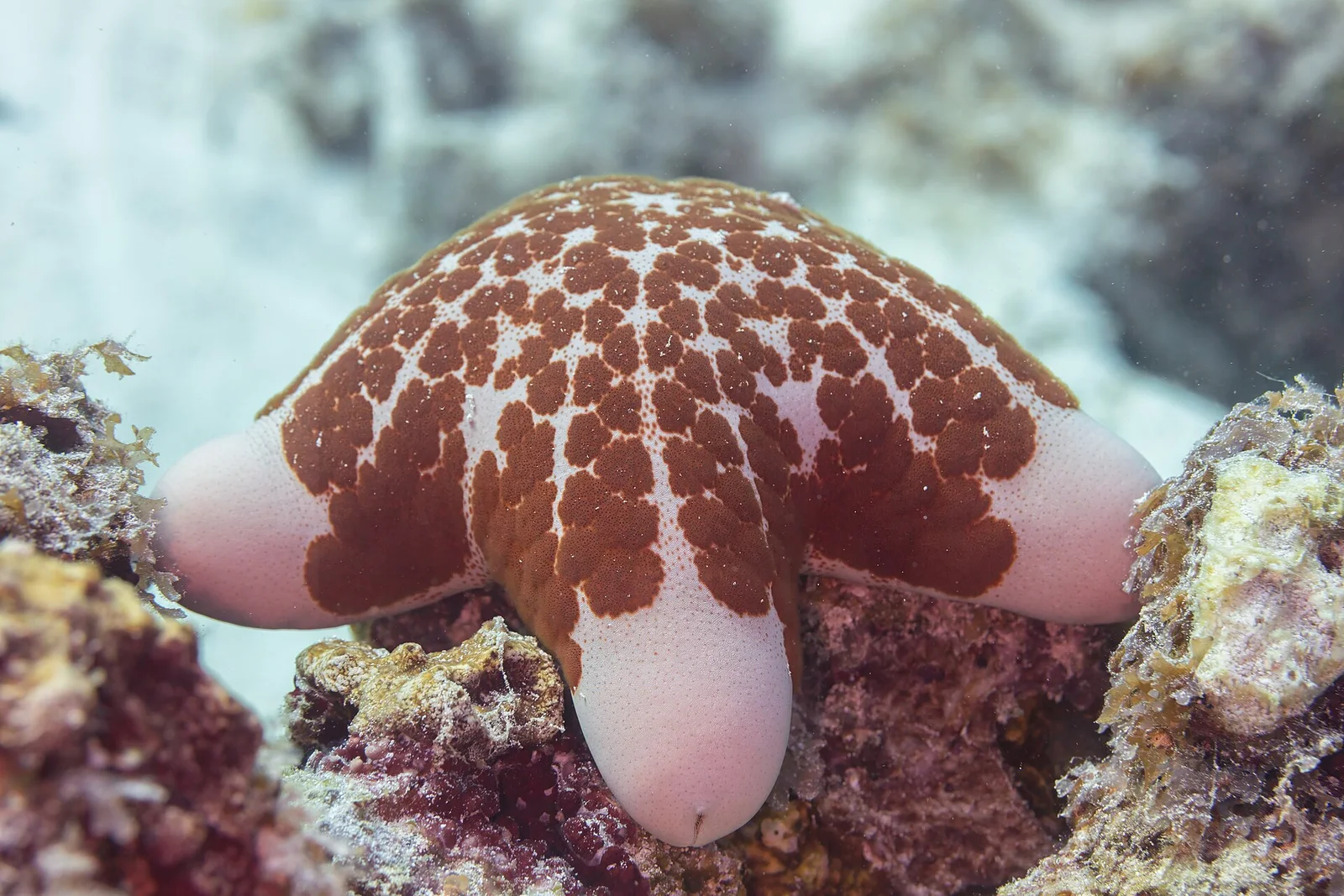
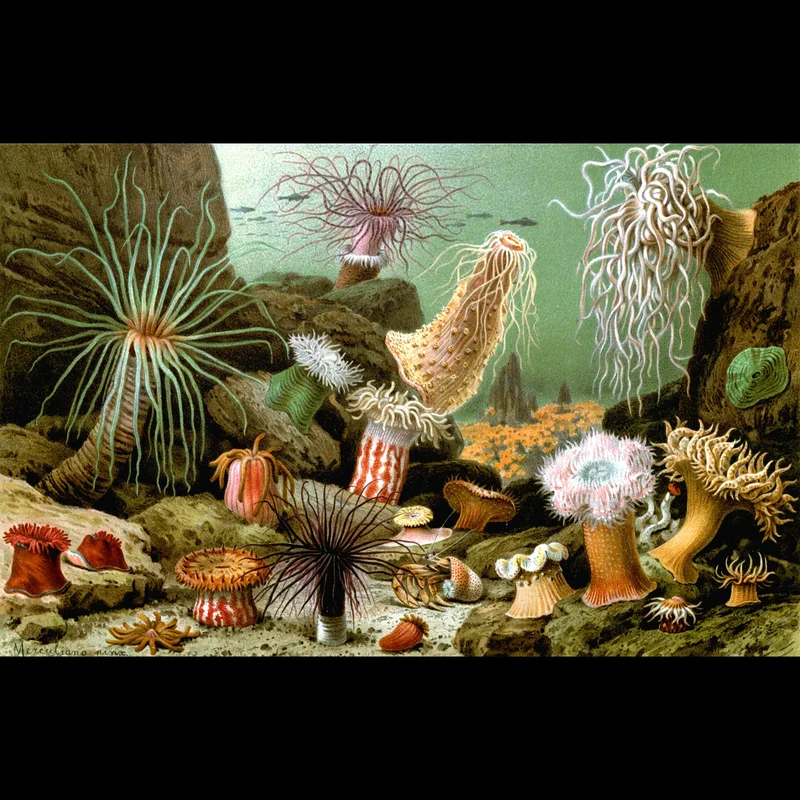
Contrary to tourist brochures claiming Dead Sea Lake is devoid of life, scientific inventories in the Lokrum Reserve Management Plan document umbrella-shaped mermaid's wineglass algae, brown peacock's tail algae, spiny starfish, green sea anemones, and beadlet anemones across submerged rocks alongside 97 benthic diatom taxa identified in Acta Adriatica diatom research. Inside the shaded connecting cave passage, crabs, stony sponges, and schools of seabream shelter beneath limestone ledges.
Along the outer cliffs and Posidonia oceanica meadows down to 30 m / 98 ft, visual fish censuses in the Lokrum Reserve Management Plan recorded shoals of over 200 saddled seabream and 100 two-banded seabream swimming alongside salema, ornate wrasse, Mediterranean rainbow wrasse, painted combers, Mediterranean parrotfish, and juvenile dusky groupers. Across deeper rocky and sandy borders rest Mediterranean red sea stars, protected tubular sea cucumbers, and spiny fan mussels.
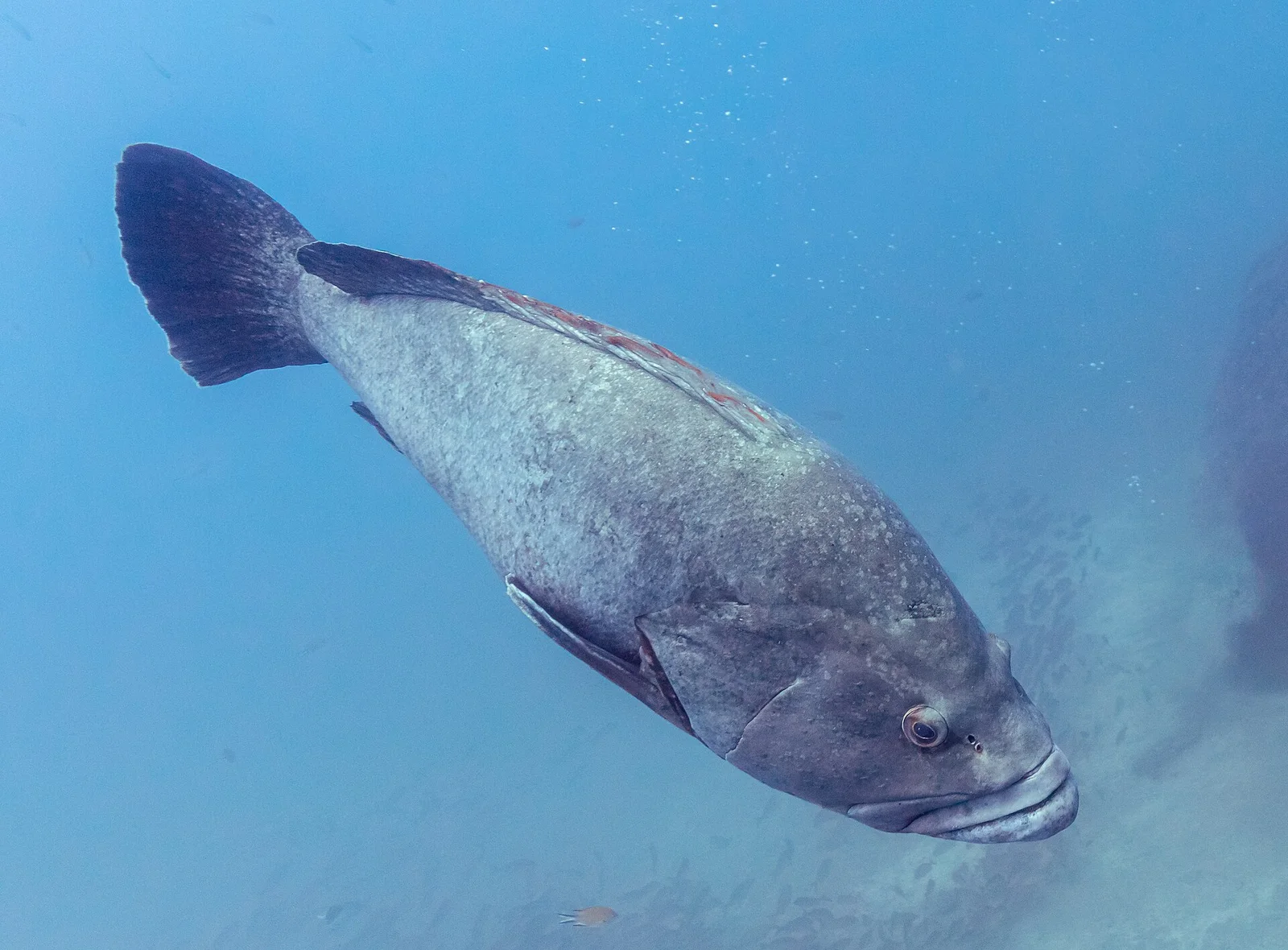
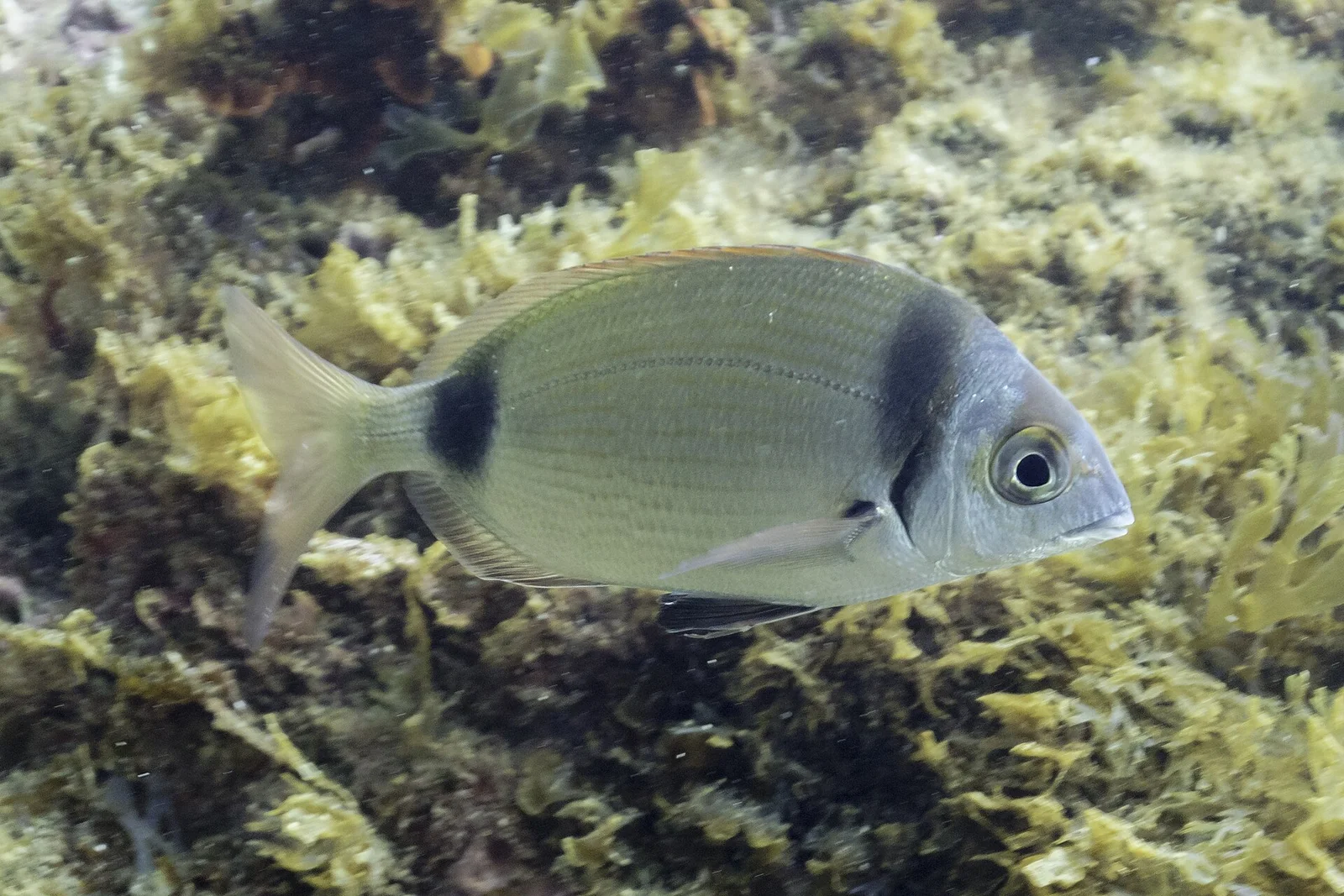
1 / 2
Image contributors:Diego Delso, Giacomo Merculiano + 2 more
Want to contribute photos or local dive knowledge? Learn how to contributeDive Sites Near Lokrum Island and Dead Sea Lake
View all dive sites in CroatiaDiscover more underwater gems in this area.
Max 35 m
0.4 km
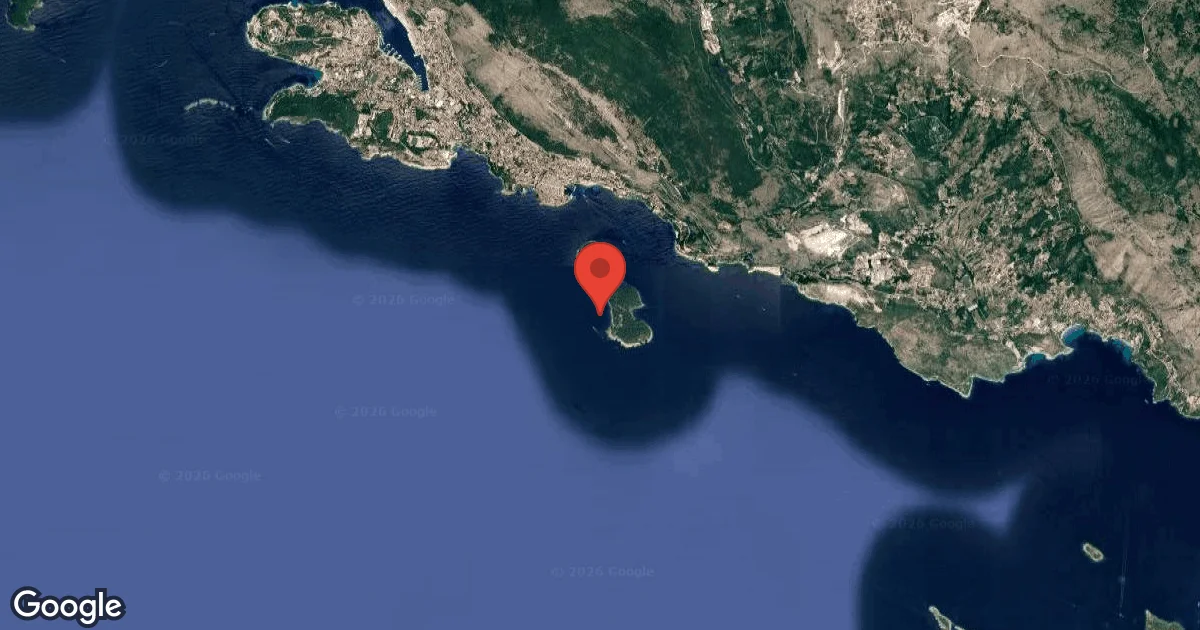
Tomislav Wreck
BoatOcean
Max 30 m
9.8 km
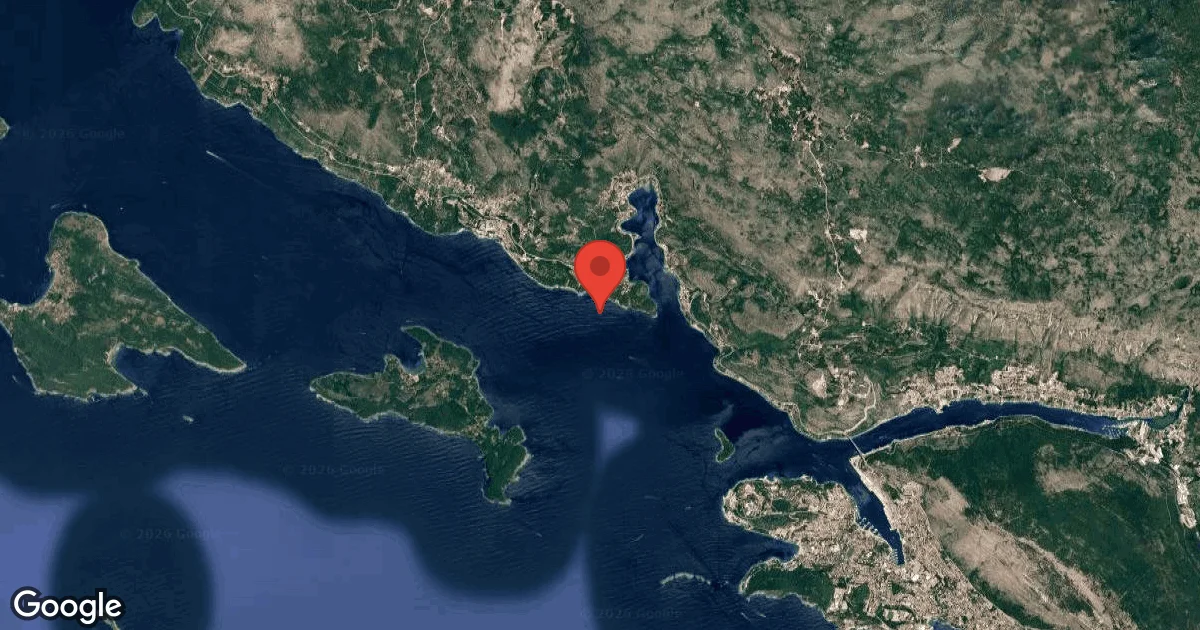
Zaton Bay
BoatCavern
Max 30 m
8.1 km
intermediateSupetar Islet Roman Wreck
BoatDown Line
Max 80 m
6 km
Bobara Islet
BoatCanyon
Max 40 m
6.4 km
Grebeni Islets
BoatCanyon
Max 52 m
6.9 km
SS Taranto
BoatOcean
Max 50 m
9.4 km
Jabuka Caves
BoatCave
Max 40 m
7.9 km
Mrkan Island
BoatCave
Max 35 m
0.4 km
Tomislav Wreck
BoatOcean
Max 30 m
9.8 km
Zaton Bay
BoatCavern
Max 30 m
8.1 km
intermediateSupetar Islet Roman Wreck
BoatDown Line
Max 80 m
6 km
Bobara Islet
BoatCanyon
Max 40 m
6.4 km
Grebeni Islets
BoatCanyon
Max 52 m
6.9 km
SS Taranto
BoatOcean
Max 50 m
9.4 km
Jabuka Caves
BoatCave
Max 40 m
7.9 km
Mrkan Island
BoatCave
Max 47 m
6 km
Maro's Cave
CaveOcean
Max 50 m
8.9 km
Mrkanjac Reef
BoatDrift
1 / 2
Dive Centers Near Lokrum Island and Dead Sea Lake
Working Hours
SunClosed
Mon09:00 - 17:00
Tue09:00 - 17:00
Wed09:00 - 17:00
Thu09:00 - 17:00
Fri09:00 - 17:00
Sat09:00 - 17:00
Today: 09:00 - 17:00
SunClosed
Mon09:00 - 17:00
Tue09:00 - 17:00
Wed09:00 - 17:00
Thu09:00 - 17:00
Fri09:00 - 17:00
Sat09:00 - 17:00
4.7| 113 reviews
38.8 km
4.9| 79 reviews
48.8 kmNearest Airports
Nearest airports to help plan travel to this dive area.
Dubrovnik Ruđer Bošković Airport DBV
14 km
Tivat Airport TIV
55 km
Brač Airport BWK
139 km
💵 Currency: EUR
Search Flights
Check available flights and routes on Expedia, using the nearby airports listed in this section.
Search Flights on ExpediaAffiliate link · Dive Navigator may earn a commission at no extra cost to you.
Frequently Asked Questions
Is it true that Dead Sea Lake on Lokrum has no marine life?
No, that is a persistent myth inspired by the lake's local name, which refers to its still, wave-sheltered surface and not an absence of biology. Field studies in Acta Adriatica and the Lokrum Reserve Management Plan confirm 97 diatom species, mermaid's wineglass algae, sea anemones, starfish, crabs, and coastal fish inside the basin.
How long and deep is the cave tunnel into Dead Sea Lake?
Speleological mapping in Speleolog records a partially submerged karst cave channel 15 to 22 m / 49 to 72 ft long and up to 15 m / 49 ft deep. Inside Dead Sea Lake itself, water reaches a maximum depth of 5 m / 16 ft, while the outer reef slopes to 30 m / 98 ft.
What certification level do divers need for Lokrum and Dead Sea Lake?
Open Water and intermediate divers can comfortably explore the outer reef and seagrass terraces from 5 to 30 m / 16 to 98 ft in calm seas. Passing through the cave tunnel into Dead Sea Lake requires steady neutral buoyancy, dive torches, and guidance from an authorized local leader.
What conservation rules apply around Lokrum Island?
Both the island and its 150 m / 492 ft coastal belt belong to a Special Reserve, Natura 2000 site HR4000017, and UNESCO Cultural Goods Zone A code Z-3818 detailed on the Lokrum Reserve nature portal. Anchoring in Posidonia oceanica beds, removing marine organisms, driving motorboats into the cave entrance, or stepping ashore without a daytime reserve ticket is strictly prohibited under the Lokrum Reserve Code of Conduct.
When is the best time of day to dive the Dead Sea tunnel?
Early morning boat departures in May, June, September, and October provide glassy water and light boat wakes in the Lokrum Channel. During peak July and August weeks, early morning dives also avoid daytime ferry crowds swimming and jumping inside the 5 m / 16 ft lake basin.
How warm and salty is the water inside Dead Sea Lake?
Because seawater circulates directly through the submerged cave conduit with zero river inflow, late-summer salinity averages 36.15 PSU within a 34.07 to 37.07 PSU range measured in Acta Adriatica. Summer water in the shallow 5 m / 16 ft lake reaches 21.7 to 26.6°C / 71 to 80°F, noticeably warmer than deeper outer reef ledges.
Trip Inquiry
Planning to dive Lokrum Island and Dead Sea Lake?
Tell us your dates and diving needs. We'll review your request and seek offers from relevant local dive centers.
Request Dive Offers Free request for offers • No booking obligation
API Debug Error:
Weather Error: fetch failed