Loading...

Diving at SS Taranto (Croatia)
Published
Last updated
Resting along a steep rocky and sandy slope off the western tip of the Grebeni islets near Dubrovnik, SS Taranto is the best-preserved Second World War steamship wreck in southern Dalmatia. Historically recorded in shipping registries as the Italian cargo steamer SS Totonno, the 60.7 m / 199 ft steel vessel struck a naval mine on 15 February 1943 while carrying flour and interwar Ansaldo tractors toward Dubrovnik. Today her intact hull reclines at a 45-degree angle from 23 m / 75 ft at the bow down to 52 m / 171 ft at the stern, placing upper decks within advanced recreational limits and the upright tractor at 50 m / 164 ft inside technical diving range. Safeguarded under Croatian underwater cultural heritage law, the wreck is visited exclusively on guided boat dives from nearby Lapad.
Current morning readings from SS Taranto indicate an air temperature of 17.5°C. Surface wave heights are averaging around 1.6 m at this time. These local measurements provide a baseline for your daily dive planning.
Dive Site Location & Key Facts
Site Characteristics
Max Depth52m / 171ft
Entry Typeboat
Water Typesalt
Dive Types
DeepTechnicalWreck
Dive Site Overview
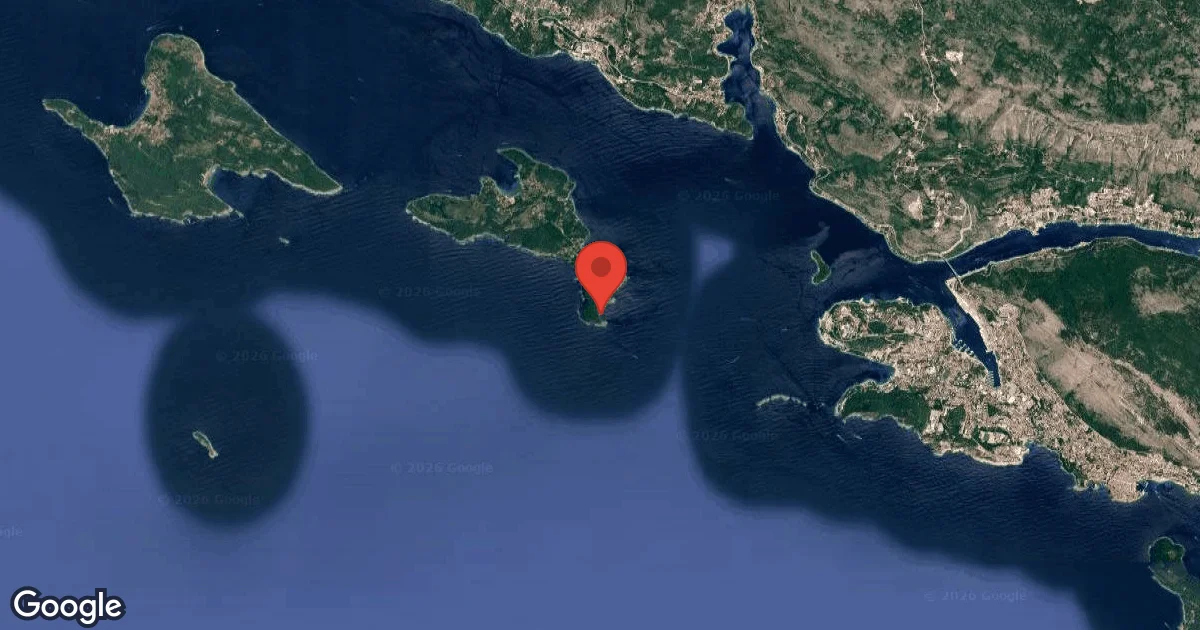
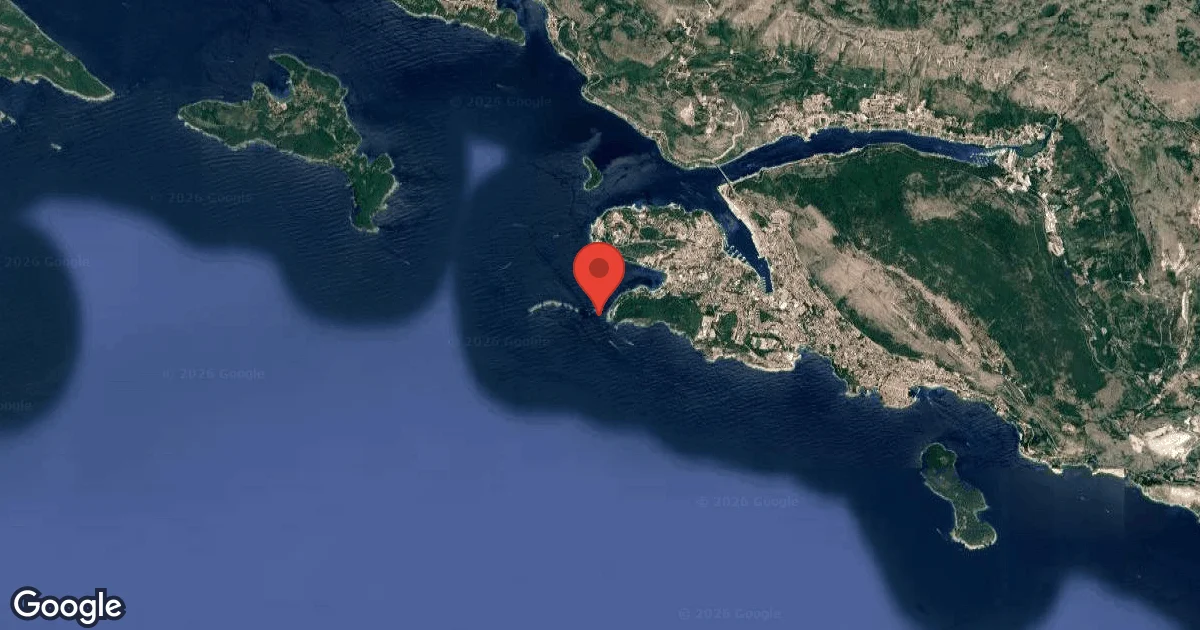
Positioned off the westernmost rock of the Grebeni reef chain, SS Taranto lies at the seaward gate of Dubrovnik's main harbor approach roughly 1.2 km / 0.65 NM west of the Lapad peninsula. Maritime traffic past this jagged limestone ridge has been guided since 1872 by the Cliffs Grebeni Lighthouse, allowing local dive boats to reach the wreck drop zone in roughly 5 minutes.
Although southern Dalmatian divers have known the wreck as SS Taranto for decades, historical shipping registers identify the sunken vessel as the Italian merchant steamer Totonno. Built in Rotterdam in 1899 as the 674 gross register ton Dutch steamer Curaçao measuring 60.7 m / 199 ft long with a 10.0 m / 33 ft beam, she sailed under Dutch, French, and Italian flags before military requisition in World War II. As logged in the February 1943 maritime loss chronology, Totonno was steaming from Bari to Dubrovnik with flour and two Ansaldo tractors on 15 February 1943 when she struck a defensive mine off Grebeni and sank without loss of life, adding to the regional steamship heritage preserved by the Maritime Museum in Dubrovnik.
Underwater, the hull sits upright along the 45-degree slope of the reef, creating a continuous depth gradient from bow to stern. At 23 m / 75 ft, the foredeck retains its heavy anchor windlass and chain runs after post-war salvage removed both bow anchors, while midship holds between 30 and 38 m / 98 and 125 ft display wide cargo hatches, davit remnants, and steel frames where the wooden wheelhouse decayed away, leading down to the stern deck at 40 m / 131 ft and the rudder on the seabed at 52 m / 171 ft.
Roughly 20 m / 66 ft off the port flank on pale sand at 50 m / 164 ft, an interwar Ansaldo tractor stands upright on its wheels cloaked in soft pink sponges near a second tractor in the deep debris field. Because twentieth-century shipwrecks in Croatian waters are protected as national heritage as detailed in the International Centre for Underwater Archaeology in Zadar guide, dive boats never anchor onto the hull and enforce strict hands-off protocols.
SS Taranto
Conditions are Poor
4/10
Confidence: 8/10
Indicates meteorological model agreement and data availability.
DIVE WARNING
High Wind Advisory (45km/h). Unsafe surface.
06:12
18:45
H: 10:45
L: 16:20
Air / Sea Temp
18° / 19°
Wave Height
1.9 m
Wind Speed
45 km/h N
Rain Chance
100%
Current conditions near SS Taranto show 18° air, 19° sea temperature, 1.9 m waves, and 45 km/h wind. Forecast data is refreshed regularly to ensure accuracy.
Radius: ~12km
Updated: Nov 22, 2026, 22:35 local timeMARINE: OPEN-METEOWEATHER: YR.NO
Best Time to Dive
Diving conditions on SS Taranto peak from May through October, backed by long-term records from the Croatian Meteorological and Hydrological Service station in Dubrovnik. Mean monthly air temperatures rise from 18.7°C / 66°F in May to 25.4°C / 78°F in August across a coast averaging more than 2,640 annual sunshine hours and just 32 mm / 1.3 in of July rain. According to Adriatic Sea hydrographic profiles, surface water off Dubrovnik warms from 13 to 14°C / 55 to 57°F in February and March to 24 to 25°C / 75 to 77°F in August. Even during midsummer heatwaves, a pronounced thermocline forms between 10 and 30 m / 33 and 98 ft, keeping the lower stern and Ansaldo tractor zone below 40 m / 131 ft cold at 12 to 14°C / 54 to 57°F. Late autumn and winter bring heavy November rains averaging 143 mm / 5.6 in alongside southeasterly swells and gusty northeasterly gales that churn the exposed harbor entrance. Morning boat runs in June, September, and early October consistently deliver the calmest surface intervals and deepest ambient light penetration.
PEAK SEASON SCORE
95/100
ExcellentScores combine air & water temps, waves, wind & rainfall for overall conditions.
BEST MONTHS TO DIVE
JUN
JUL
AUG
DIVE SCORE GUIDE (0–100)
Excellent (90–100)
Very Good (80–89)
Good (70–79)
Moderate (50–69)
Poor (30–49)
Not Recommended (0–29)
Monthly records compiled from satellite and marine observation nodes over the last 3 years. Data provided by Open-Meteo and MET Norway.
Dive Experience & Conditions
Dive boats from Lapad position off the western Grebeni rocks for a 5-minute transit, dropping teams down the rocky slope directly onto the bow of SS Taranto at 23 m / 75 ft. From the sponge-covered foredeck windlass, divers follow the 45-degree incline down the port or starboard rail past wide cargo hold openings without losing visual reference to the steel hull. Recreational teams observing Croatia's 40 m / 131 ft compressed-air ceiling turn their dive at the upper stern deck and work slowly upslope along encrusted railings and open holds before finishing safety stops against the shallow Grebeni wall. Certified technical teams breathing mixed gases continue past the stern overhang to 52 m / 171 ft and swim 20 m / 66 ft across pale sand at 50 m / 164 ft to inspect the upright Ansaldo tractor before ascending through staged decompression stops. Consistent with Croatian National Tourist Board diving benchmarks, coastal visibility averages 15 to 30 m / 49 to 98 ft and reaches up to 50 m / 164 ft in clean offshore water, revealing half the ship's silhouette at once. Disciplined frog kicks are essential near the 50 m / 164 ft sand plain so fine sediment does not cloud views of the tractor or obscure return navigation to the hull. As noted in Adriatic current records, baseline coastal drift averages 0.2 to 0.4 knots, though wind-driven currents funneling past Grebeni can exceed 1 knot after strong northeasterly or southeasterly wind events.
Dive Difficulty & Safety Guidelines
Exploring SS Taranto requires advanced deep-diving competence, crisp buoyancy control, and strict compliance with Croatian depth laws. Under Article 9 of Croatia's Ordinance on Underwater Activities, recreational scuba diving on compressed air is legally capped at 40 m / 131 ft, limiting air and recreational Nitrox divers to the bow, midship cargo holds, and upper stern deck. Descending to the Ansaldo tractor at 50 m / 164 ft and the rudder post at 52 m / 171 ft involves narrow bottom windows, elevated gas density, and severe nitrogen narcosis on air, requiring technical training, Trimix gas blends, and staged decompression as outlined on the Croatian National Tourist Board diving portal. Divers should avoid entering corroded lower crew quarters or tight engine spaces without overhead equipment, and every team must deploy a delayed surface marker buoy of at least 30 cm / 12 in diameter to alert ferries and yachts transiting the main port channel.
Strict heritage rules also regulate access to the site under Croatia's Underwater Cultural Heritage Permit Regulations and oversight frameworks linked to the Ministry of Culture and Media underwater heritage program. Independent unescorted diving, artifact removal, and tying mooring lines onto hull plates are strictly prohibited, and licensed centers submit diver manifests prior to departure. In any decompression or barotrauma emergency, 24-hour hospital triage with normobaric pure oxygen and intravenous fluids is located minutes away on Lapad at the Emergency Hospital Admission Department of General Hospital Dubrovnik, followed by low-altitude evacuation below 150 m / 492 ft to the Institute of Naval Medicine recompression chamber in Split per Croatian naval medicine clinical protocols.
Recommended Equipment
Technical depth range. Advanced planning, gas management, and appropriate certification required.
Overhead / entanglement risk. Wreck penetration requires proper training.
- Dive Computer
- DSMB
- Primary & Backup Lights
- Wreck Reel
- Cutting Tool
This gear list is based on verified equipment signals for SS Taranto, Croatia. Always confirm final gear choices with your dive operator, guide, or liveaboard.
Recommended Dive Suit
Repeated dives during the same day can gradually reduce overall body warmth.
Divers exploring SS Taranto today will likely encounter water temperatures close to 19°C (67°F). Surface air temperatures are resting at 18°C (64°F). Divers spending extended time underwater often rely on 5mm wetsuit for balanced warmth and flexibility. Strong winds are present; please take strong precautions against rapid cooling during surface intervals.
Environmental conditions may feel slightly cooler as the week progresses. Cooler days are ahead; you might want a warmer option for later in the week. A thicker wetsuit may be worth considering for extended dives.
SS Taranto conditions last reviewed: 22:35 local time (UTC+1), Nov 22, 2026
Emergency & Medical Support
Essential information to help you plan your dive trip to SS Taranto.

Hyperbaric chambers are a critical part of dive safety infrastructure. Availability varies significantly by region, and not all dive areas have immediate access.
Before diving, it's recommended to:
- confirm nearest medical facilities
- check emergency procedures with local dive operators
- ensure dive insurance covers evacuation if required
24/7 Available
Divers Alert Network
Diving emergency assistance available through DAN Europe.
+39 0642115685- 24/7 emergency hotline
- Diving medical assistance
- Evacuation coordination
Emergency contacts are provided for reference. Always verify local emergency services before diving.
Closest Listed Hyperbaric Chambers (≤ 200 km)
Approximate straight-line distances from this dive site — emergency travel times may vary.
160 km160 kmZavod za pomorsku medicinu Split – Odjel za podvodnu i hiperbaričnu medicinu
Split, Croatia24/7ICU194Details160 kmZavod za pomorsku medicinu Split – Odjel za podvodnu i hiperbaričnu medicinu
24/7 ListedICU CapableSplit, Croatia · Multiplace
24/7 Emergency194CollapseHours: 24/7 EmergencyFacility: Zavod za pomorsku medicinu / KBC Split (Križine)ICU On-Site: YesSource: KBC Rijeka / Poliklinika OXY
160 km
Zavod za pomorsku medicinu Split – Odjel za podvodnu i hiperbaričnu medicinu
Split, Croatia24/7ICU194Details
160 km
Zavod za pomorsku medicinu Split – Odjel za podvodnu i hiperbaričnu medicinu
24/7 ListedICU CapableSplit, Croatia · Multiplace
24/7 Emergency194
CollapseHours: 24/7 Emergency
Facility: Zavod za pomorsku medicinu / KBC Split (Križine)
ICU On-Site: Yes
Source: KBC Rijeka / Poliklinika OXY
Chamber data is sourced from official Croatian hospital and baromedicine facility records and has not been independently verified by Dive Navigator. Always contact local emergency services, DAN, your dive operator, or the facility directly before travelling.
Reference onlyMarine Life at SS Taranto
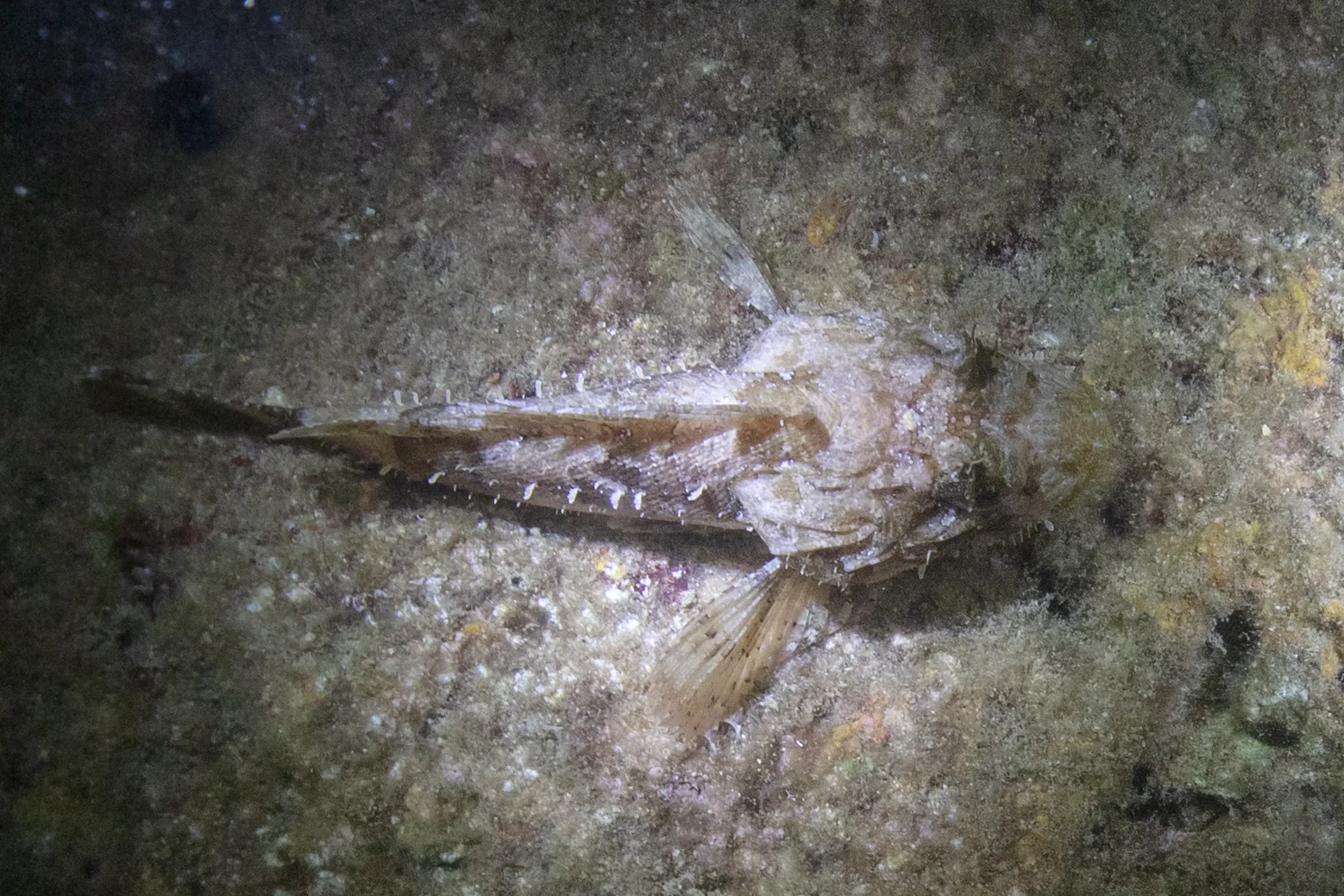
More than eight decades underwater have turned the 60.7 m / 199 ft steel frame and cargo into a vertical artificial reef spanning sunlit rock and deep circalittoral sand. Matching hard-bottom communities documented in Adriatic Sea ecology records, hull plates, lifeboat davits, and the upright Ansaldo tractor at 50 m / 164 ft are covered in yellow tube sponges, stony sponges, soft pink encrusting sponges, and bryozoans, while clouds of orange-red Mediterranean cardinalfish fill open cargo holds and red scorpionfish ambush prey from encrusted deck beams.
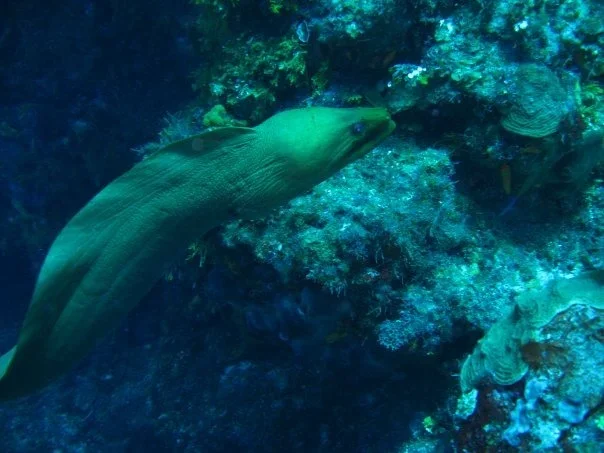
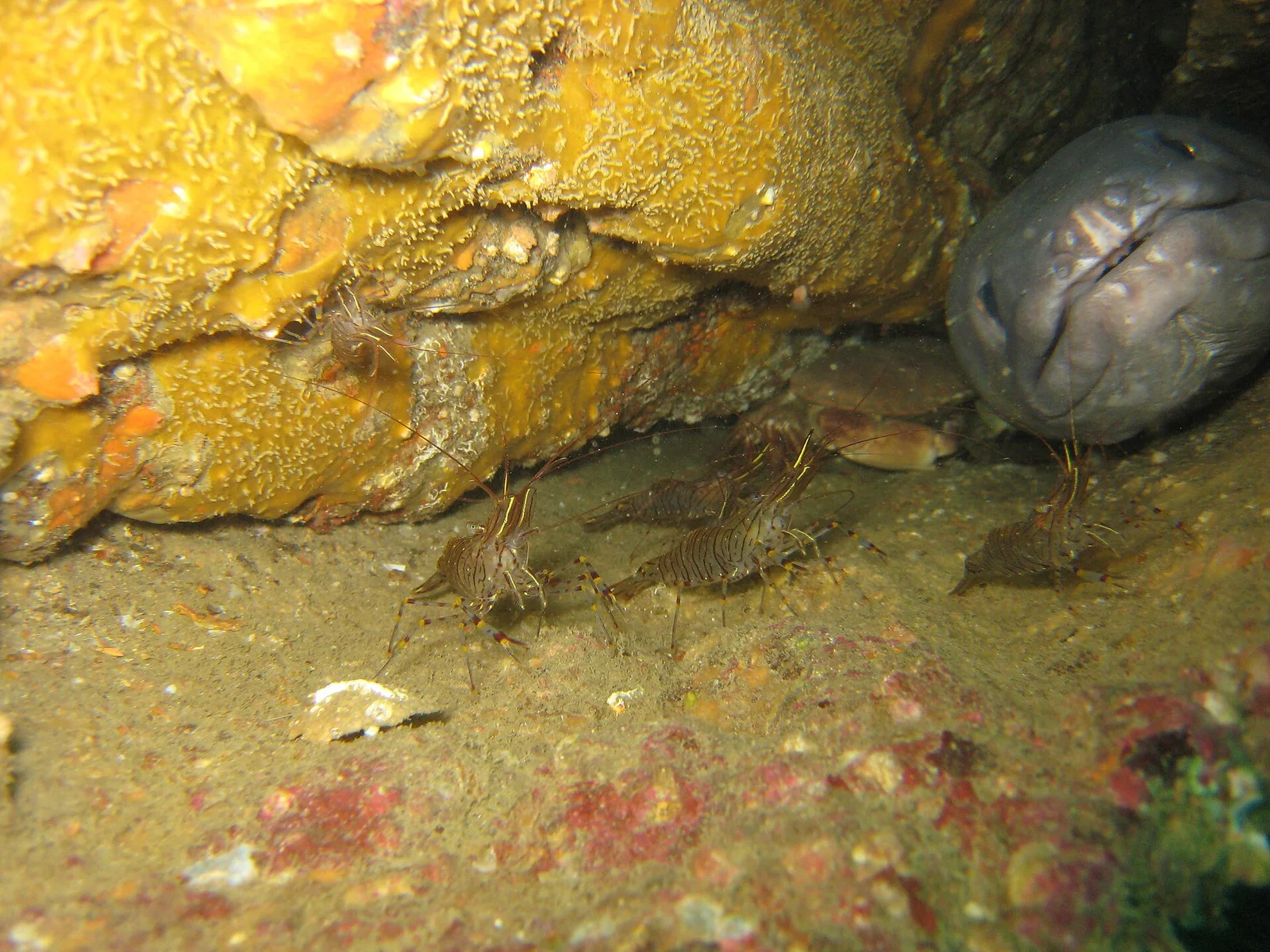
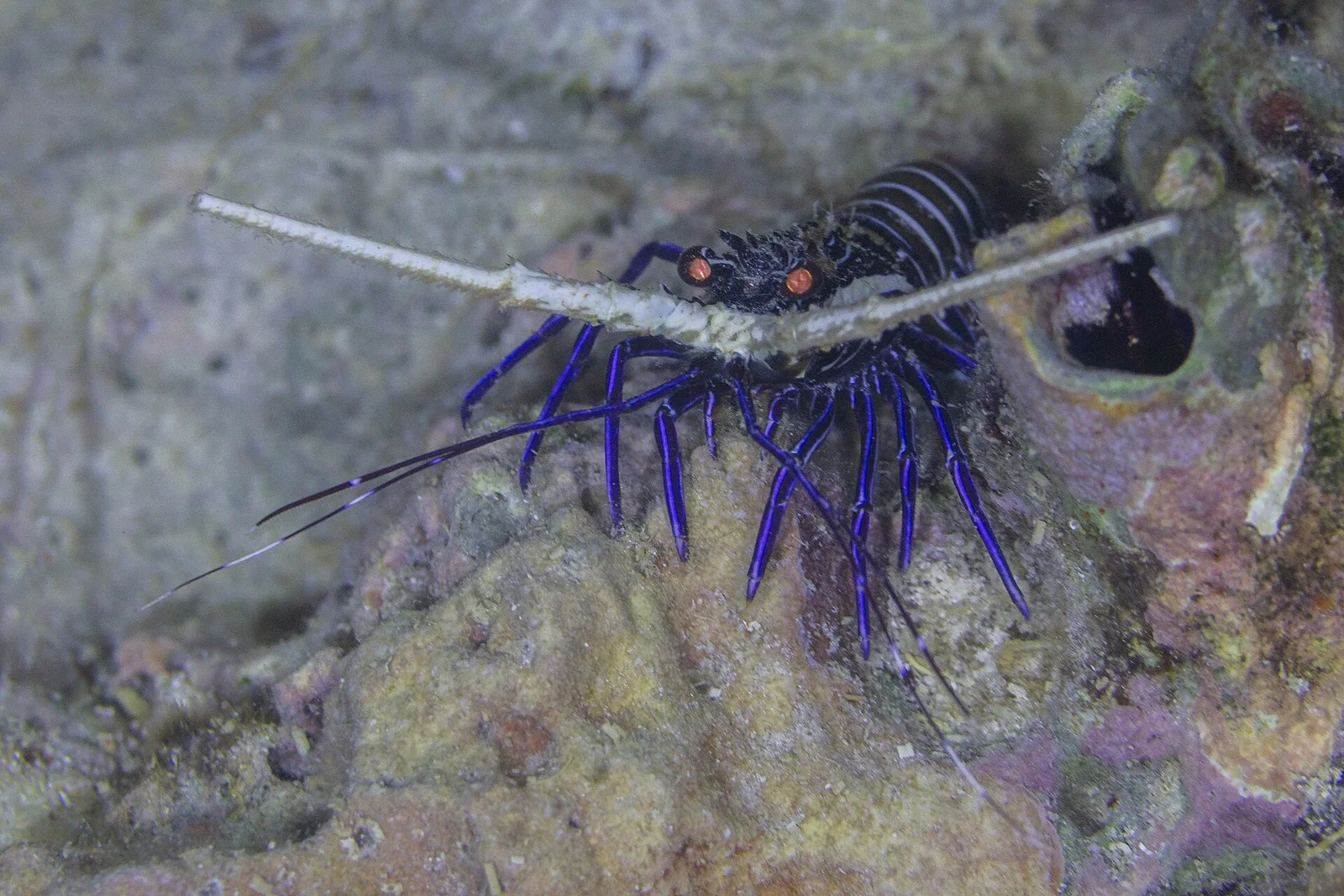
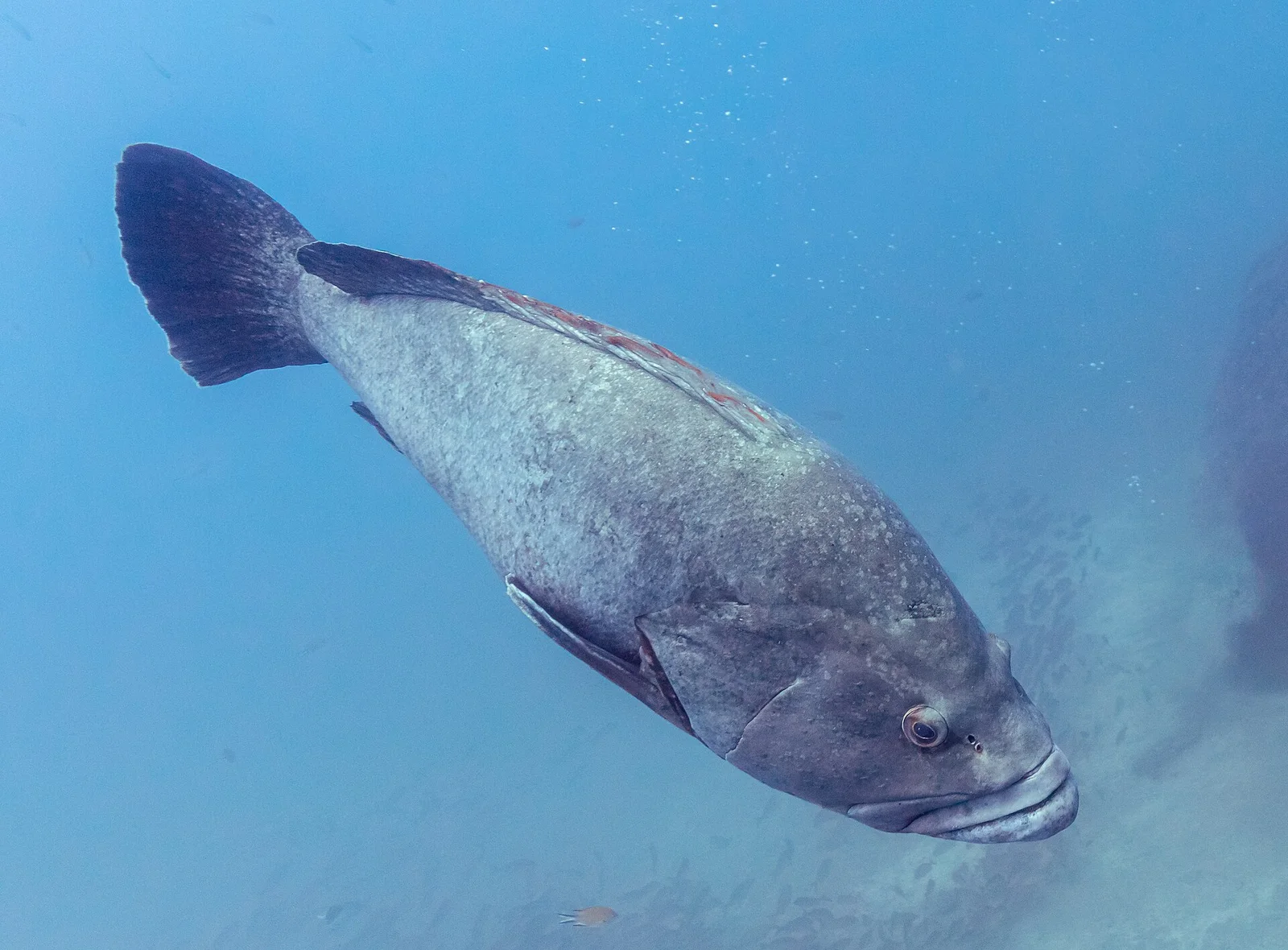
Dark structural recesses along the lower hull and neighboring Grebeni boulder base shelter solitary dusky groupers patrolling between 40 and 52 m / 131 and 171 ft alongside European spiny lobsters, Mediterranean moray eels, and European conger eels tucked beneath twisted plating. Above the 23 m / 75 ft bow and along the shallow Grebeni wall during ascent stops, schools of two-banded seabream, saddled seabream, and damselfish circle in sun-warmed water.
1 / 2
Image contributors:Diego Delso, Matthieu Sontag
Want to contribute photos or local dive knowledge? Learn how to contributeDive Sites Near SS Taranto
View all dive sites in CroatiaDiscover more underwater gems in this area.
Max 50 m
2.5 km
Jabuka Caves
BoatCave
Max 47 m
1 km
Maro's Cave
CaveOcean
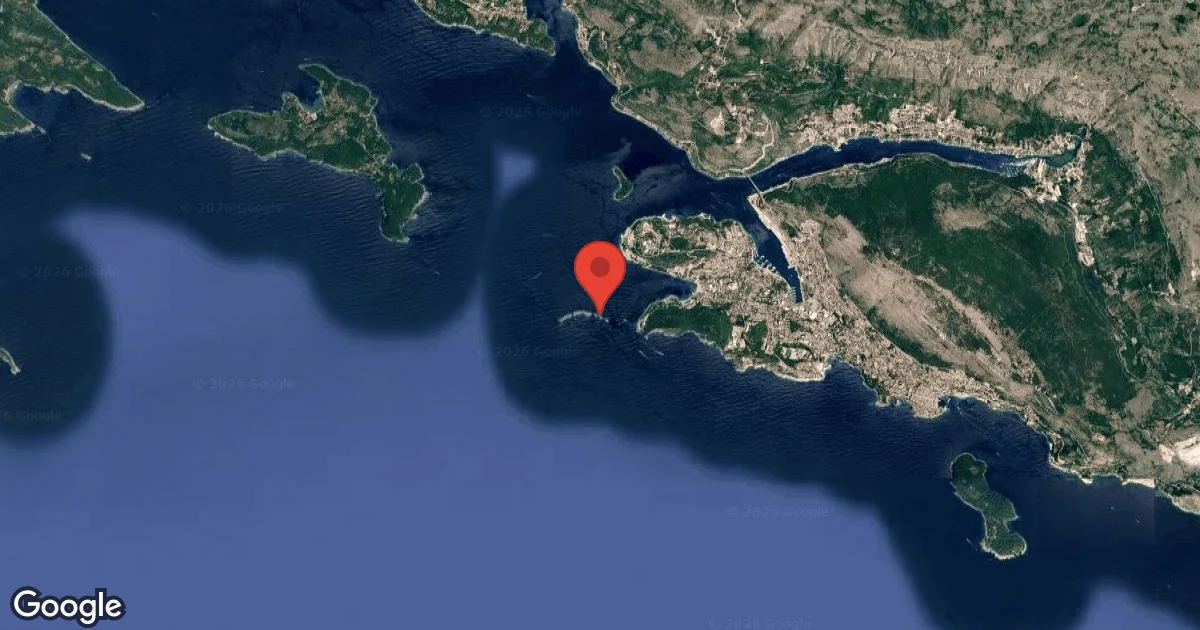
Max 40 m
0.5 km
Grebeni Islets
BoatCanyon
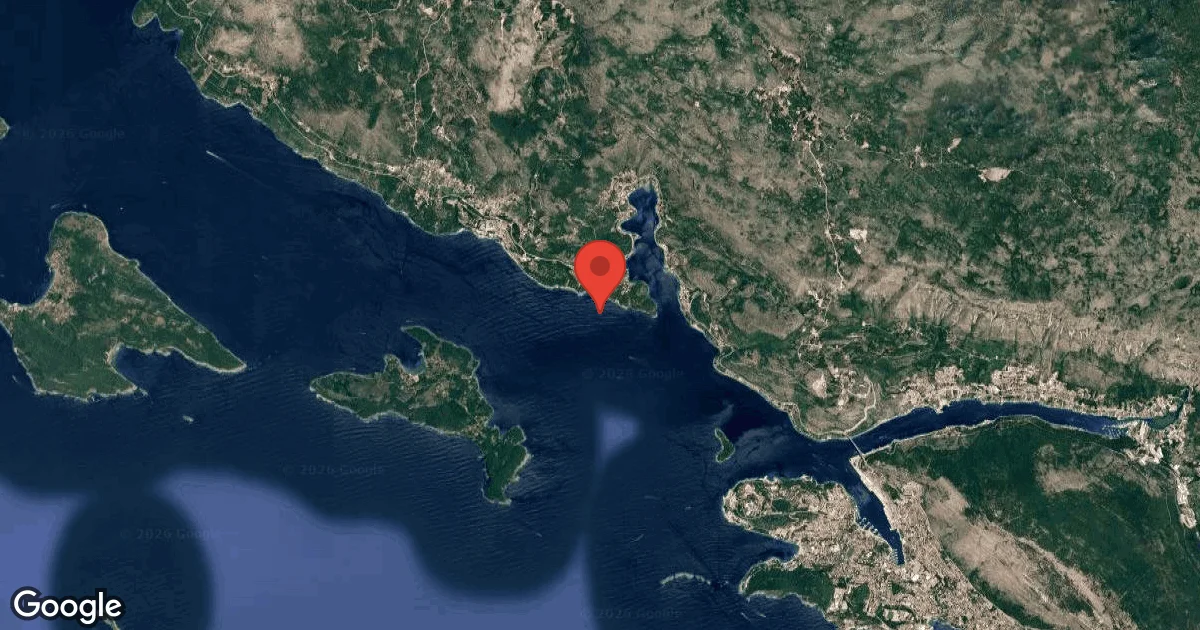
Max 30 m
3.8 km
Zaton Bay
BoatCavern
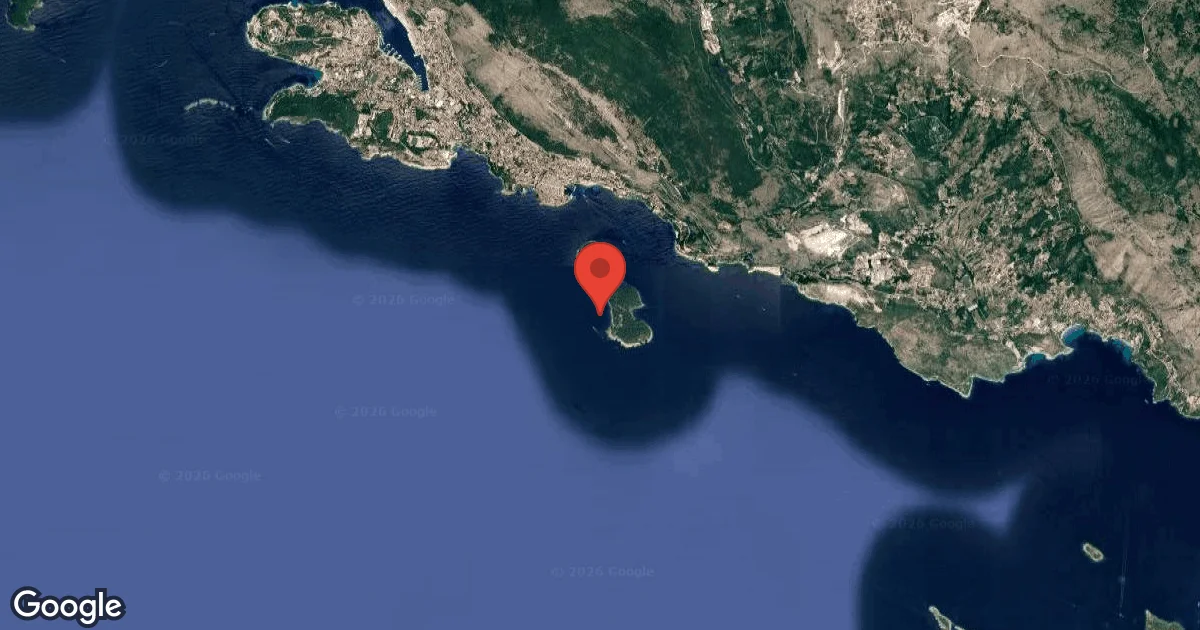
Max 35 m
6.5 km
Tomislav Wreck
BoatOcean
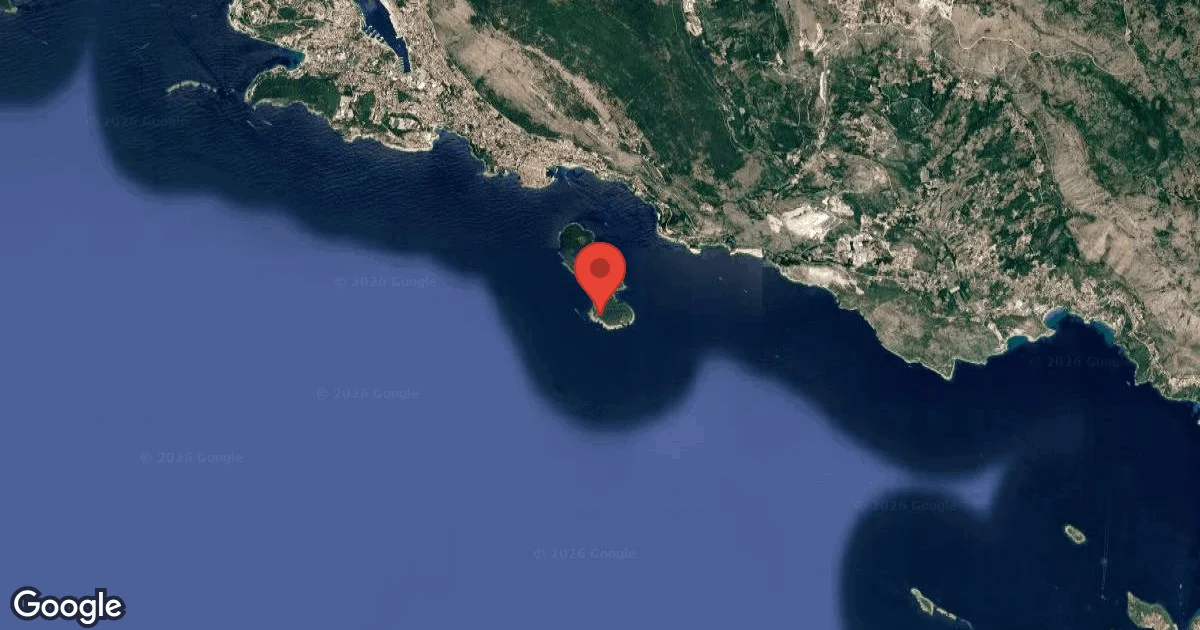
Max 30 m
6.9 km
Lokrum Island and Dead Sea Lake
BoatCavern
Max 80 m
7.6 km
St. Andrew Islet
BoatCavern
Max 50 m
15.6 km
Mrkanjac Reef
BoatDrift
Max 50 m
2.5 km
Jabuka Caves
BoatCave
Max 47 m
1 km
Maro's Cave
CaveOcean
Max 40 m
0.5 km
Grebeni Islets
BoatCanyon
Max 30 m
3.8 km
Zaton Bay
BoatCavern
Max 35 m
6.5 km
Tomislav Wreck
BoatOcean
Max 30 m
6.9 km
Lokrum Island and Dead Sea Lake
BoatCavern
Max 80 m
7.6 km
St. Andrew Islet
BoatCavern
Max 50 m
15.6 km
Mrkanjac Reef
BoatDrift
Max 40 m
2.5 km
Bezdan
CaveLake
1 km
360°Mala Afrika
CaveReef
1 / 2
Dive Centers Near SS Taranto
Working Hours
SunClosed
Mon09:00 - 17:00
Tue09:00 - 17:00
Wed09:00 - 17:00
Thu09:00 - 17:00
Fri09:00 - 17:00
Sat09:00 - 17:00
Today: 09:00 - 17:00
SunClosed
Mon09:00 - 17:00
Tue09:00 - 17:00
Wed09:00 - 17:00
Thu09:00 - 17:00
Fri09:00 - 17:00
Sat09:00 - 17:00
4.7| 113 reviews
45.7 kmNearest Airports
Nearest airports to help plan travel to this dive area.
Dubrovnik Ruđer Bošković Airport DBV
21 km
Tivat Airport TIV
62 km
Brač Airport BWK
132 km
💵 Currency: EUR
Search Flights
Check available flights and routes on Expedia, using the nearby airports listed in this section.
Search Flights on ExpediaAffiliate link · Dive Navigator may earn a commission at no extra cost to you.
Frequently Asked Questions
Why is the SS Taranto wreck also recorded in archives as SS Totonno?
Local Dubrovnik divers popularized the name Taranto decades before wartime shipping logs were cross-referenced with the wreck. Historical loss entries in the February 1943 maritime registry confirm the vessel was actually the Italian steamer Totonno, built in Rotterdam in 1899 as the Dutch steamer Curaçao and sunk by a defensive mine off Grebeni on 15 February 1943 with zero fatalities.
Can Open Water certified divers dive the SS Taranto?
No, Open Water certification to 18 m / 59 ft does not reach the shallowest part of the bow at 23 m / 75 ft. Divers need Advanced Open Water and Deep Diver training to explore the upper hull down to Croatia's 40 m / 131 ft compressed-air ceiling under Croatia's Underwater Activities Ordinance, while technical mixed-gas training is required below 40 m / 131 ft.
Can recreational divers visit the sunken World War II tractor at 50 m / 164 ft?
The upright Ansaldo tractor sits on pale sand at roughly 50 m / 164 ft, about 20 m / 66 ft port of the deep hull. Because Croatian law caps recreational compressed-air diving at 40 m / 131 ft, close inspection of the tractor requires technical Trimix certification and staged decompression, although its silhouette is occasionally visible from 40 m / 131 ft in clear water.
Is independent diving from a private boat allowed on SS Taranto?
No, unescorted individual diving and anchoring on protected historic wrecks are prohibited in Croatia under national underwater cultural heritage permit rules. Divers must join an organized boat excursion led by an authorized local dive center that files an official diver roster prior to entry.
How long does the boat ride take from Dubrovnik to SS Taranto?
Dive boats departing from centers on Dubrovnik's Lapad peninsula reach the western Grebeni islets in roughly 5 minutes across 1.2 km / 0.65 NM of coastal water. Vessels departing from wider harbor areas take 15 to 20 minutes depending on sea conditions at the channel entrance.
Where is the nearest emergency medical and hyperbaric facility?
Twenty-four-hour acute stabilization with normobaric pure oxygen and intravenous fluids is available less than 10 minutes from Lapad docks at the Emergency Hospital Admission Department of General Hospital Dubrovnik. Following Croatian naval medicine evacuation guidelines, patients requiring hyperbaric recompression are transferred below 150 m / 492 ft cabin altitude to the Institute of Naval Medicine in Split.
Trip Inquiry
Planning to dive SS Taranto?
Tell us your dates and diving needs. We'll review your request and seek offers from relevant local dive centers.
Request Dive Offers Free request for offers • No booking obligation
SS Taranto
Conditions are Poor
4/10
Confidence: 8/10
Indicates meteorological model agreement and data availability.
DIVE WARNING
High Wind Advisory (45km/h). Unsafe surface.
06:12
18:45
H: 10:45
L: 16:20
Air / Sea Temp
18° / 19°
Wave Height
1.9 m
Wind Speed
45 km/h N
Rain Chance
100%
Current conditions near SS Taranto show 18° air, 19° sea temperature, 1.9 m waves, and 45 km/h wind. Forecast data is refreshed regularly to ensure accuracy.
Radius: ~12km
Updated: Nov 22, 2026, 22:35 local timeMARINE: OPEN-METEOWEATHER: YR.NO