Loading...

Diving at Maro's Cave (Croatia)
Published
Last updated
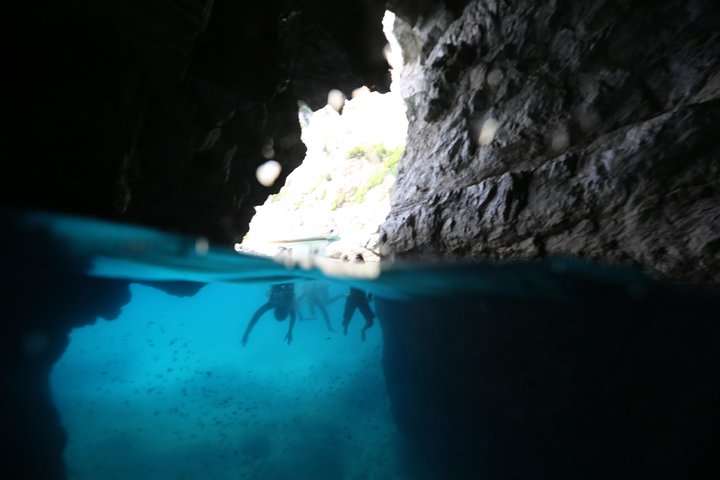
Accessible directly from the rocky southwestern shore of Dubrovnik's Lapad peninsula opposite the Plovput Cliffs Grebeni Lighthouse, Maro's Cave is a deep house-reef limestone tunnel discovered by local divemaster Maro Mitrović. Following a stepped reef ridge from 15 m / 49 ft down to 35 m / 115 ft, experienced divers enter a narrow single-file opening that crosses a dark karst chamber before curving left toward a broad, cobalt-framed exit arch at 40 m / 131 ft. Shade-loving colonies of precious red coral and strictly protected triton snails inhabit the dim limestone walls, while an encrusted eighteenth-century iron anchor and ancient amphora fragments rest outside on the 47 m / 154 ft technical slope. Reserved for Advanced Open Water divers with deep and overhead experience down to Croatia's 40 m / 131 ft air limit and technical divers below, the site delivers a genuine deep-cave profile without a boat ride.
Early observations for Maro's Cave report a surface air temperature of 12°C. The water surface is currently presenting wave heights of 1.9 m. Consider these environmental metrics before beginning your descent.
Dive Site Location & Key Facts
Site Characteristics
Max Depth47m / 154ft
Entry Typeshore
Water Typesalt
Dive Types
CaveReefTechnical
Dive Site Overview
Extending southwest from the Upper Cretaceous carbonate headland of Lapad mapped in the City of Dubrovnik Landscape Typology Study, Maro's Cave sits along the lower flank of a submerged coastal ridge roughly 120 m / 394 ft offshore from the hotel seafront documented by the Dubrovnik Tourist Board. Named for local divemaster Maro Mitrović, who located the hidden lower opening while exploring deep ledges beneath the house reef, the site spares divers boat transit across the channel while dropping rapidly into deep South Adriatic water.
Stepping off the shore entry platform, divers follow rocky terraces across a 15 m / 49 ft reef shoulder before descending the steeper outer escarpment to 35 m / 115 ft. Nestled into the limestone face at 35 m / 115 ft is a constricted opening wide enough for only one diver at a time, leading into a dark initial corridor where ambient surface light disappears until a left-hand bend reveals the glowing blue silhouette of a spacious 40 m / 131 ft exit portal.
Eastern Adriatic cave research in Natura Croatica explains how sharp light attenuation inside submerged karst passages allows deep sciaphilic fauna such as red coral normally found much deeper on open cliffs to colonize cave walls between 35 and 40 m / 115 and 131 ft. Every cave surface belongs to priority habitat 8330 described in the Croatian Marine Habitats Manual, where cool water below the summer thermocline buffers delicate invertebrates against upper-layer warming.
Beyond the wide 40 m / 131 ft exit arch, a detritic sandy slope continues down to 47 m / 154 ft, holding a heavily encrusted eighteenth-century iron ship's anchor alongside scattered ancient amphora shards from historic maritime approaches toward Dubrovnik. Both the anchor and ceramic fragments remain protected in situ under Croatia's Cultural Heritage Protection and Preservation Act and the Croatian National Tourist Board heritage rules, forbidding any disturbance or souvenir collection.
Maro's Cave
Conditions are Moderate
5/10
Confidence: 8/10
Indicates meteorological model agreement and data availability.
DIVE WARNING
High Swell Advisory. Not recommended.
06:12
18:45
H: 10:45
L: 16:20
Air / Sea Temp
12° / 19°
Wave Height
2.0 m
Wind Speed
36 km/h NNE
Rain Chance
50%
Current conditions near Maro's Cave show 12° air, 19° sea temperature, 2.0 m waves, and 36 km/h wind. Forecast data is refreshed regularly to ensure accuracy.
Radius: ~12km
Updated: Nov 23, 2026, 07:18 local timeMARINE: OPEN-METEOWEATHER: YR.NO
Best Time to Dive
Settled coastal weather from May through October creates the smoothest shore entries and clearest light inside the 40 m / 131 ft exit arch at Maro's Cave. Official 2025 coastal monitoring at the Institute of Oceanography and Fisheries Lapad station records summer surface temperatures between 22.7 and 25.3°C / 73 and 78°F at salinities of 35.6 to 38.4 PSU, paired with 350.9 July sunshine hours in Dubrovnik meteorological normals. Even at the height of August, water inside the 35 to 40 m / 115 to 131 ft cave stays crisp between 14 and 17°C / 57 and 63°F below the coastal thermocline. Early morning entries between June and September ensure glassy rock step-ins before afternoon northwesterly breezes ripple the Lapad shoreline and tour boats pass toward Grebeni. September and October offer warm shallow decompression stops down to 18 m / 59 ft with quiet coastal water, whereas winter southerly swells from November through March pound the southwestern Lapad rocks and make shore exits hazardous.
PEAK SEASON SCORE
95/100
ExcellentScores combine air & water temps, waves, wind & rainfall for overall conditions.
BEST MONTHS TO DIVE
JUN
JUL
AUG
DIVE SCORE GUIDE (0–100)
Excellent (90–100)
Very Good (80–89)
Good (70–79)
Moderate (50–69)
Poor (30–49)
Not Recommended (0–29)
Monthly records compiled from satellite and marine observation nodes over the last 3 years. Data provided by Open-Meteo and MET Norway.
Dive Experience & Conditions
Stepping directly off the Lapad house-reef platform with zero boat transit, divers swim southwest across sunlit rocky terraces to reach the main reef drop-off shoulder at 15 m / 49 ft. Descending down the limestone slope into cooler, dimmer water below the 18 to 20 m / 59 to 66 ft thermocline, teams arrive at the tight 35 m / 115 ft entrance opening after confirming gas pressure and primary dive lights. Entering single file with careful horizontal trim, divers pass through a brief pitch-dark squeeze where torch beams illuminate red coral branches and encrusted sponges before rounding a left-hand bend toward the wide cobalt-blue exit arch at 40 m / 131 ft. Protected within the lee of the Lapad ridge, bottom currents remain virtually nil while open-water visibility spans 20 to 30 m / 66 to 98 ft. Recreational teams turn their dive right at the 40 m / 131 ft arch to respect no-decompression and statutory air limits, whereas technical teams breathing Trimix drop briefly onto the 47 m / 154 ft sand slope to view the eighteenth-century anchor and amphora shards. Working gradually back up the stepped house reef from 25 m / 82 ft to 5 m / 16 ft provides a long, unhurried multi-level ascent and warm shallow safety stop right beside the shore exit stairs.
Dive Difficulty & Safety Guidelines
Maro's Cave is strictly an advanced and technical site unsuitable for beginners: exploring the 35 to 40 m / 115 to 131 ft tunnel requires Advanced Open Water certification paired with Deep Diver and Cavern or Overhead training, while descending past the 40 m / 131 ft compressed-air ceiling set by Article 9 of Croatia's Underwater Activities Regulation to inspect the 47 m / 154 ft anchor requires technical decompression certification and helium-based breathing mixes. Because a narrow squeeze at 35 m / 115 ft combines overhead confinement with potential nitrogen narcosis, divers follow Croatian National Tourist Board cave and lighting guidelines by carrying two reliable dive lights, applying strict thirds gas reserves, and entering one diver at a time with compact frog kicks so floor silt never obscures the turn toward the 40 m / 131 ft portal. Divers must also keep gauges and octopus regulators clipped tight to avoid snagging fragile red coral colonies that grow only a few millimeters per year.
Shore-diving teams must tow or deploy an orange or red surface marker buoy at least 30 cm / 12 in wide as mandated by Article 4 of Croatia's Underwater Activities Regulation, ascending directly up the sloping Lapad house reef instead of surfacing offshore toward the Grebeni boat channel. Shore entries should be canceled whenever southerly or westerly waves break across the rocky entry steps. Should a deep-dive incident occur, Lapad lies less than 5 minutes by road from the 24-hour Emergency Hospital Admission Department of General Hospital Dubrovnik, coordinated via emergency number 112 and MRCC 195 for helicopter transfer to the 24-hour hyperbaric chamber at the Naval Medical Institute in Split.
Recommended Equipment
Technical depth range. Advanced planning, gas management, and appropriate certification required.
Overhead environment. Do not enter beyond training and gas planning limits.
- Dive Computer
- DSMB
- Primary & Backup Lights
- Reel / Spool
- Cutting Tool
- Hard-soled Dive Boots
This gear list is based on verified equipment signals for Maro's Cave, Croatia. Always confirm final gear choices with your dive operator, guide, or liveaboard.
Recommended Dive Suit
5mm wetsuit is frequently recommended by dive operators for conditions like these. A hood or vest is suggested for sensitive divers due to surface winds. A thermal robe or jacket is recommended between dives. For divers entering the water at Maro's Cave, temperatures are currently hovering around 19°C (67°F). Surface air temperatures are resting at 12°C (54°F).
Forecast conditions over the next few days suggest temperatures will remain relatively stable.
Even small thermoclines can occasionally cause noticeable changes in water temperature.
Maro's Cave conditions last reviewed: 07:18 local time (UTC+1), Nov 23, 2026
Emergency & Medical Support
Essential information to help you plan your dive trip to Maro's Cave.

Hyperbaric chambers are a critical part of dive safety infrastructure. Availability varies significantly by region, and not all dive areas have immediate access.
Before diving, it's recommended to:
- confirm nearest medical facilities
- check emergency procedures with local dive operators
- ensure dive insurance covers evacuation if required
24/7 Available
Divers Alert Network
Diving emergency assistance available through DAN Europe.
+39 0642115685- 24/7 emergency hotline
- Diving medical assistance
- Evacuation coordination
Emergency contacts are provided for reference. Always verify local emergency services before diving.
Closest Listed Hyperbaric Chambers (≤ 200 km)
Approximate straight-line distances from this dive site — emergency travel times may vary.
161 km161 kmZavod za pomorsku medicinu Split – Odjel za podvodnu i hiperbaričnu medicinu
Split, Croatia24/7ICU194Details161 kmZavod za pomorsku medicinu Split – Odjel za podvodnu i hiperbaričnu medicinu
24/7 ListedICU CapableSplit, Croatia · Multiplace
24/7 Emergency194CollapseHours: 24/7 EmergencyFacility: Zavod za pomorsku medicinu / KBC Split (Križine)ICU On-Site: YesSource: KBC Rijeka / Poliklinika OXY
161 km
Zavod za pomorsku medicinu Split – Odjel za podvodnu i hiperbaričnu medicinu
Split, Croatia24/7ICU194Details
161 km
Zavod za pomorsku medicinu Split – Odjel za podvodnu i hiperbaričnu medicinu
24/7 ListedICU CapableSplit, Croatia · Multiplace
24/7 Emergency194
CollapseHours: 24/7 Emergency
Facility: Zavod za pomorsku medicinu / KBC Split (Križine)
ICU On-Site: Yes
Source: KBC Rijeka / Poliklinika OXY
Chamber data is sourced from official Croatian hospital and baromedicine facility records and has not been independently verified by Dive Navigator. Always contact local emergency services, DAN, your dive operator, or the facility directly before travelling.
Reference onlyMarine Life at Maro's Cave
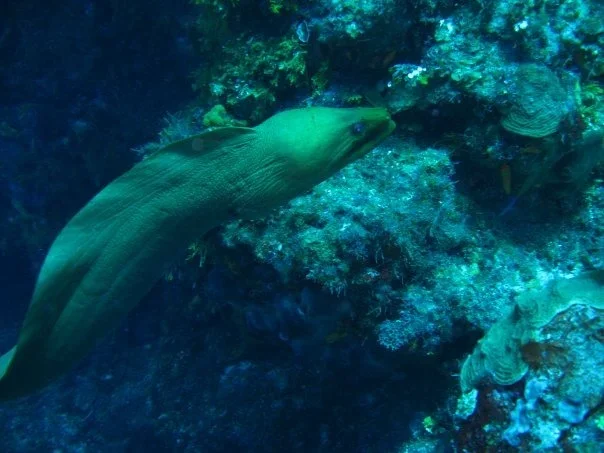
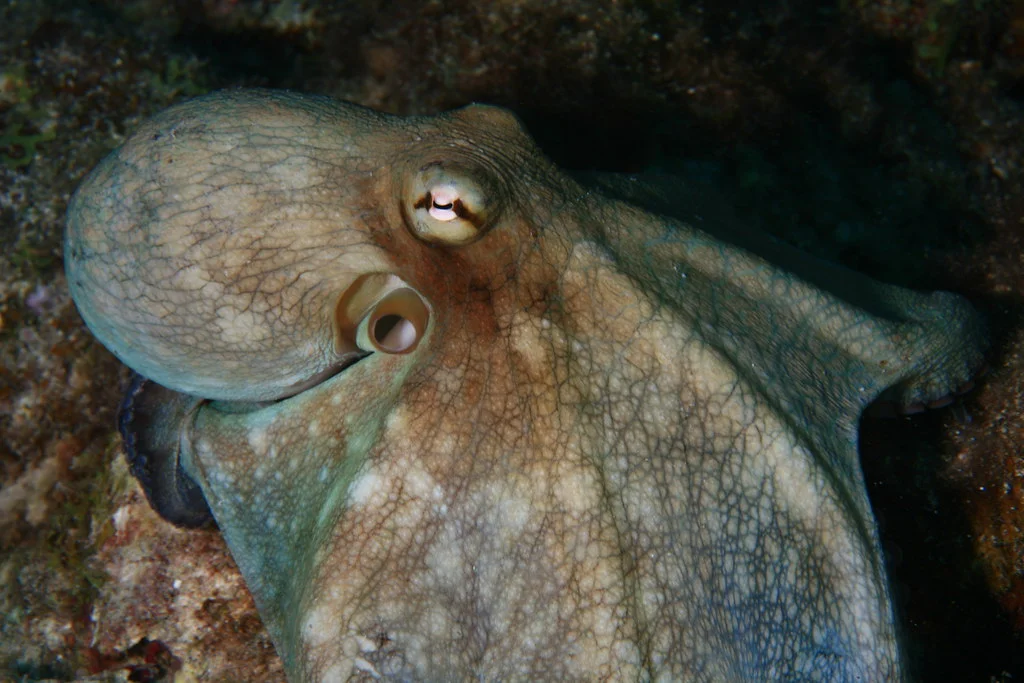
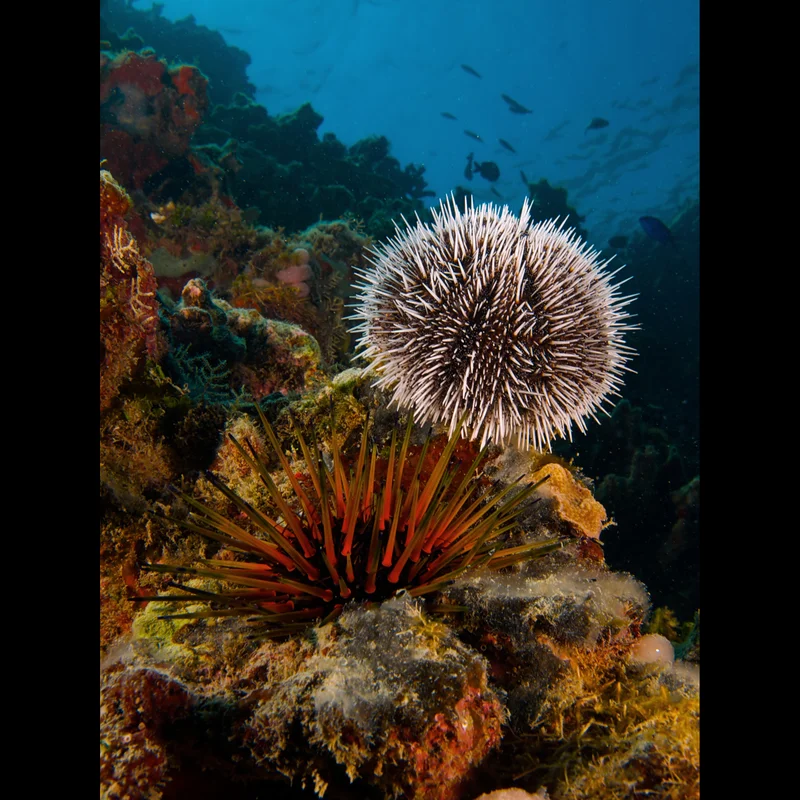
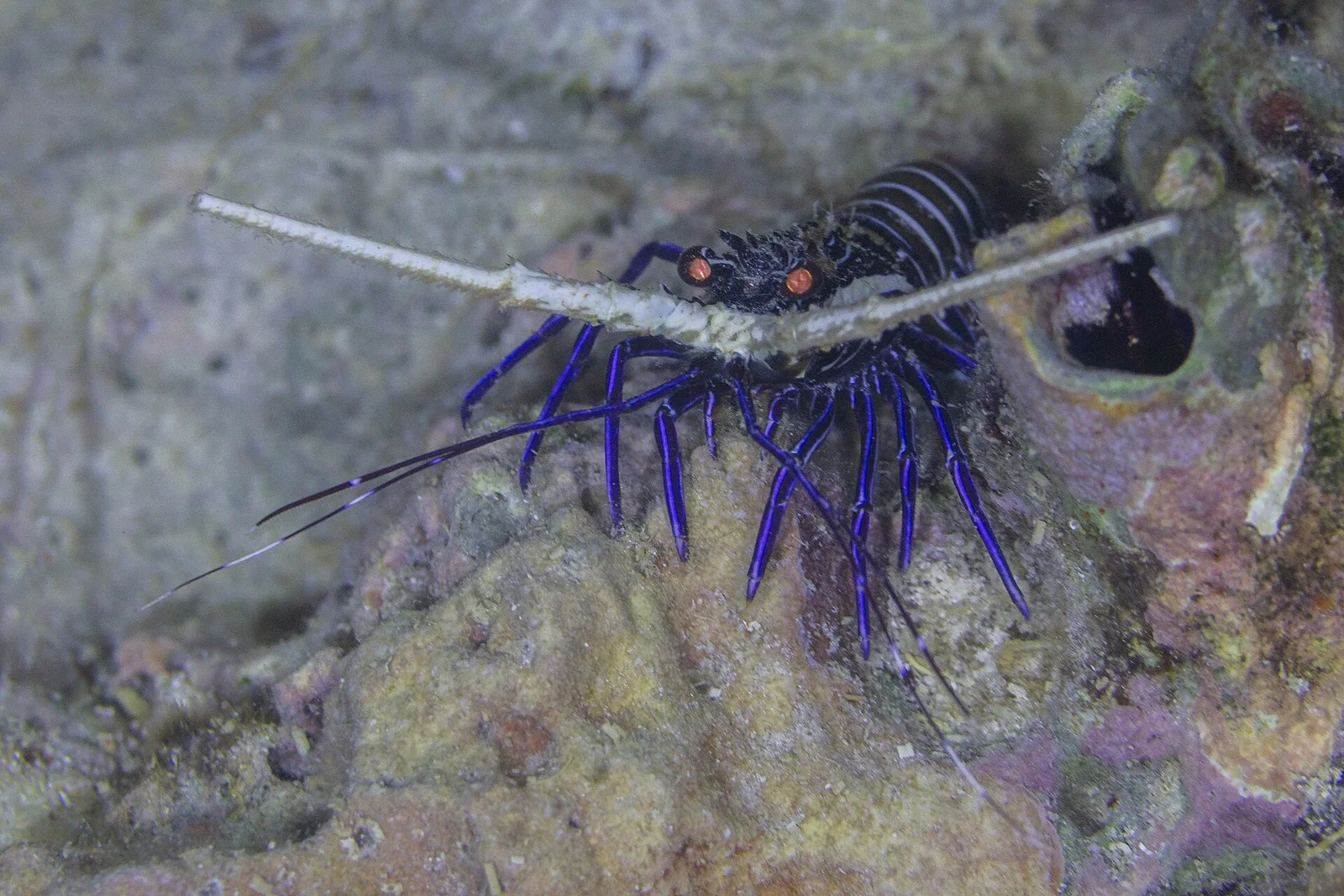
Inside the 35 to 40 m / 115 to 131 ft passage, shaded limestone walls host branching colonies of precious Mediterranean red coral whose slow growth of roughly 6 mm / 0.24 in per year and sensitivity to warming are documented in Adriatic red coral studies and thermal stratification research. Ledges and silty pockets shelter large Mediterranean-Atlantic gastropods strictly protected under Croatia's Strictly Protected Species Ordinance and the Croatian National Tourist Board protected species list, including predatory triton shells and giant tun snails alongside long-spined sea urchins, European spiny lobsters, moray eels, and octopuses.
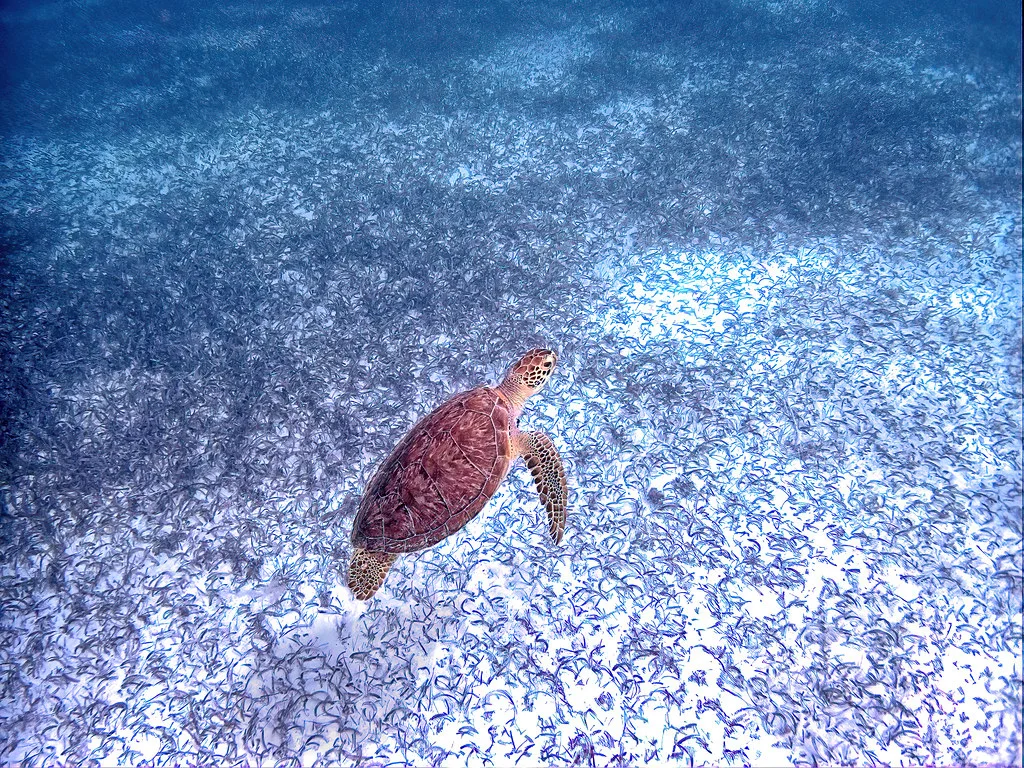
Outside the wide 40 m / 131 ft exit arch and up the stepped 15 to 25 m / 49 to 82 ft house reef, sunlit boulders attract green wrasse, painted combers, white seabream, and seasonal common cuttlefish recorded in Eastern Adriatic coastal surveys. Lucky teams ascending into open blue water off Lapad occasionally spot passing loggerhead sea turtles or a solitary ocean sunfish cruising along the thermocline.
1 / 2
Image contributors:laszlo-photo, joiseyshowaa + 4 more
Want to contribute photos or local dive knowledge? Learn how to contributeDive Sites Near Maro's Cave
View all dive sites in CroatiaDiscover more underwater gems in this area.
Max 50 m
3.5 km
Jabuka Caves
BoatCave
Max 52 m
1 km
SS Taranto
BoatOcean
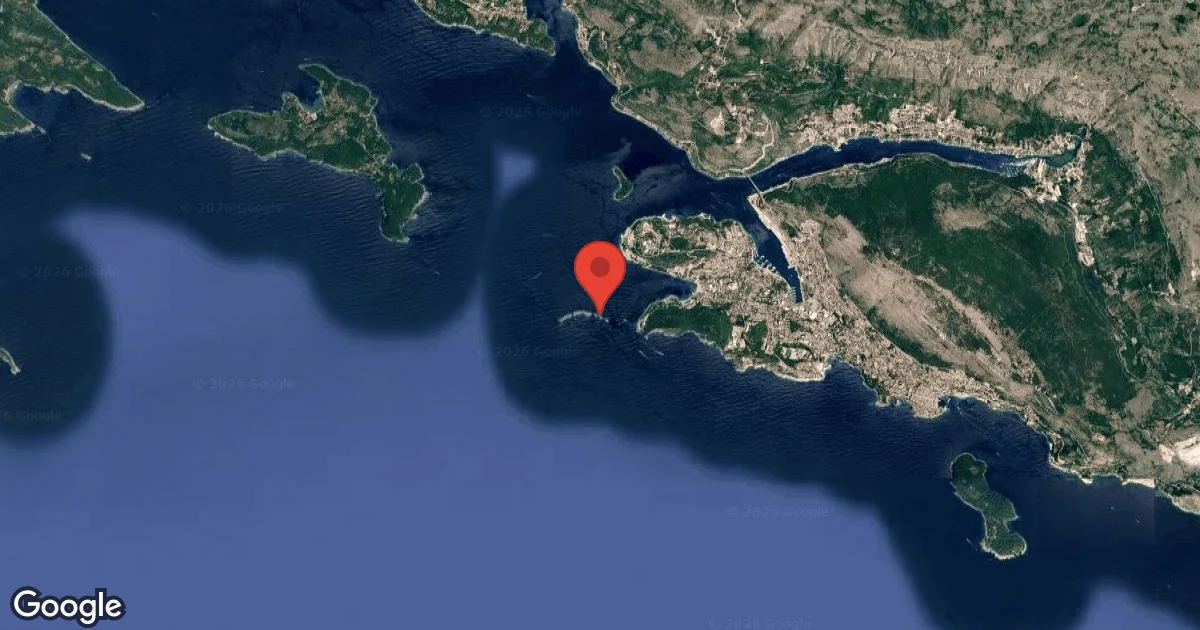
Max 40 m
0.4 km
Grebeni Islets
BoatCanyon
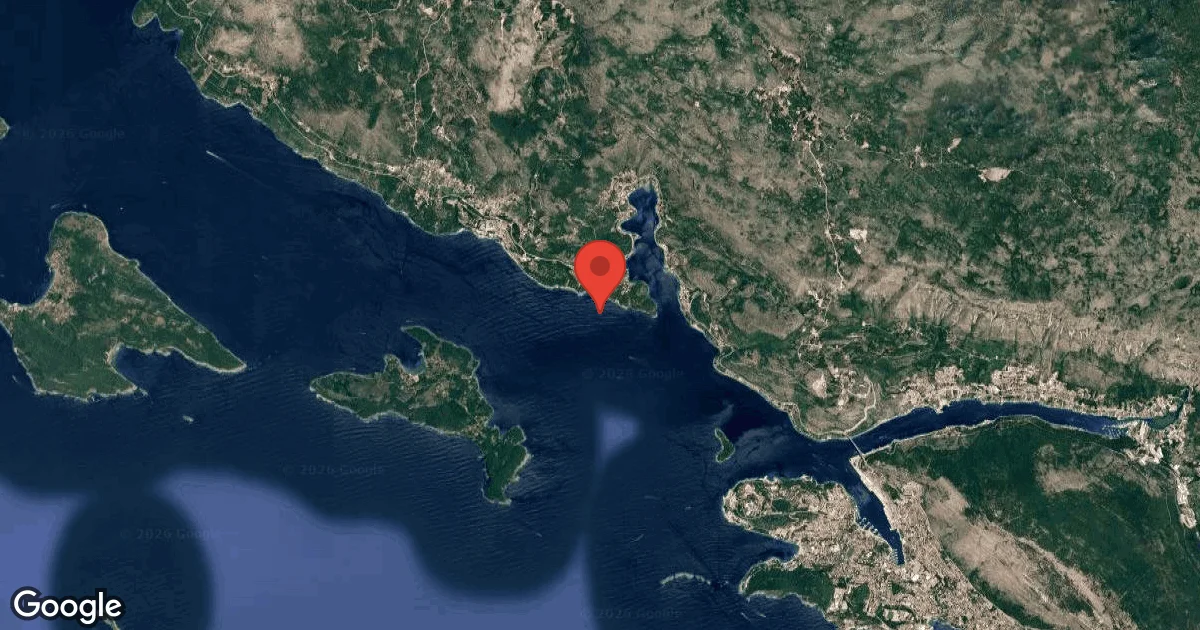
Max 30 m
4.3 km
Zaton Bay
BoatCavern
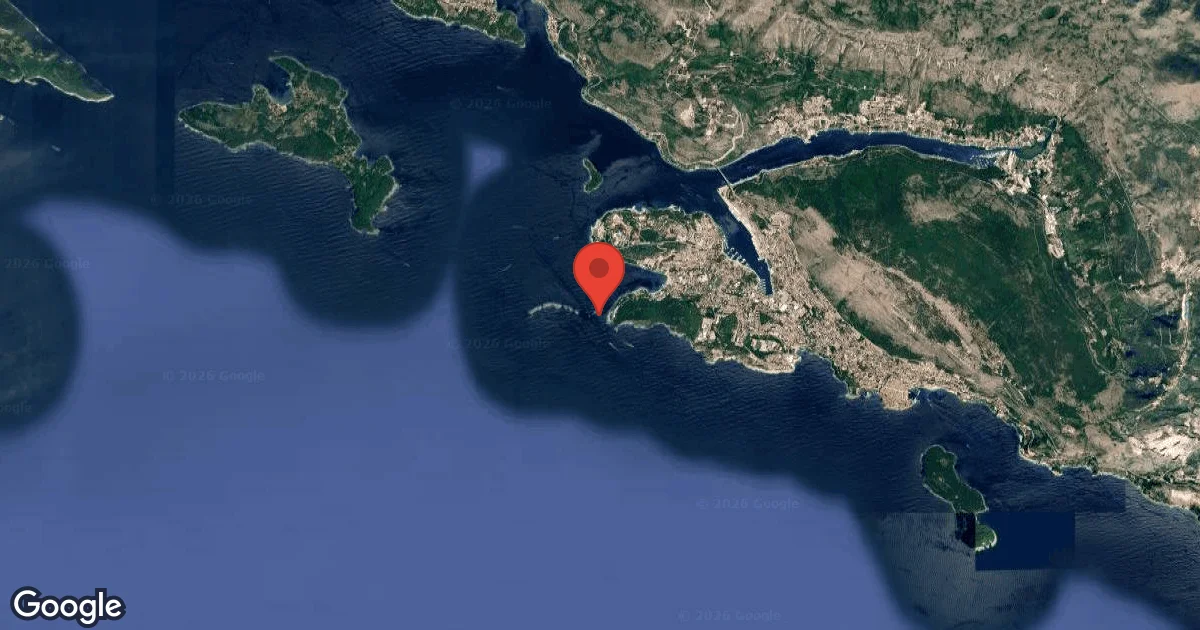
0 km
360°Mala Afrika
CaveReef
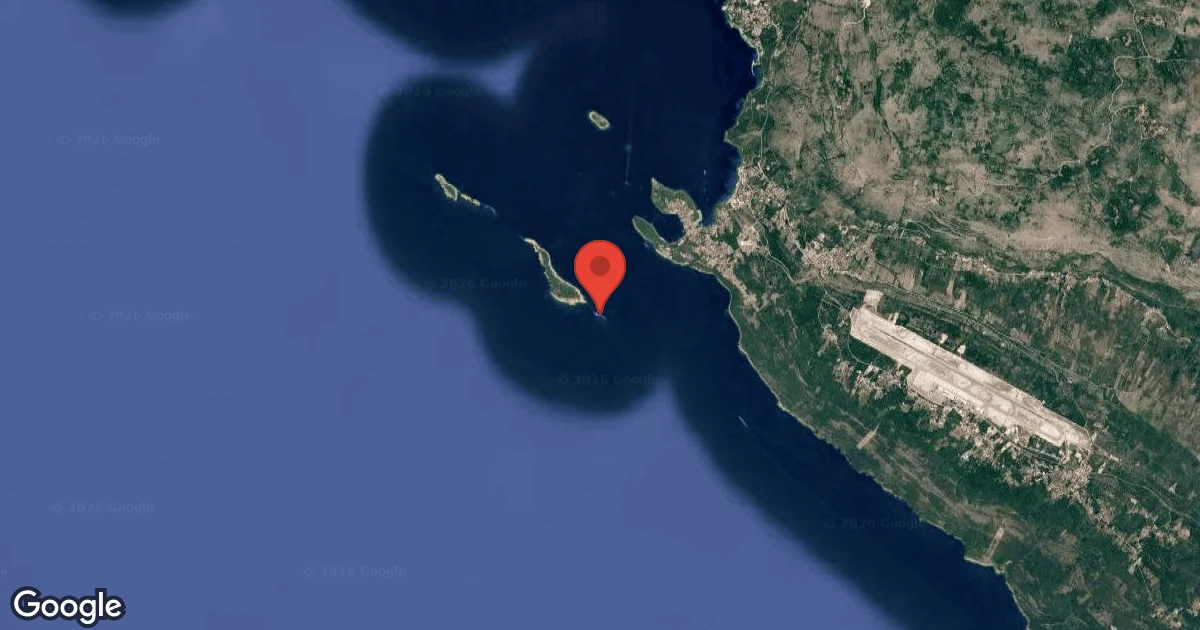
Max 50 m
14.8 km
Mrkanjac Reef
BoatDrift
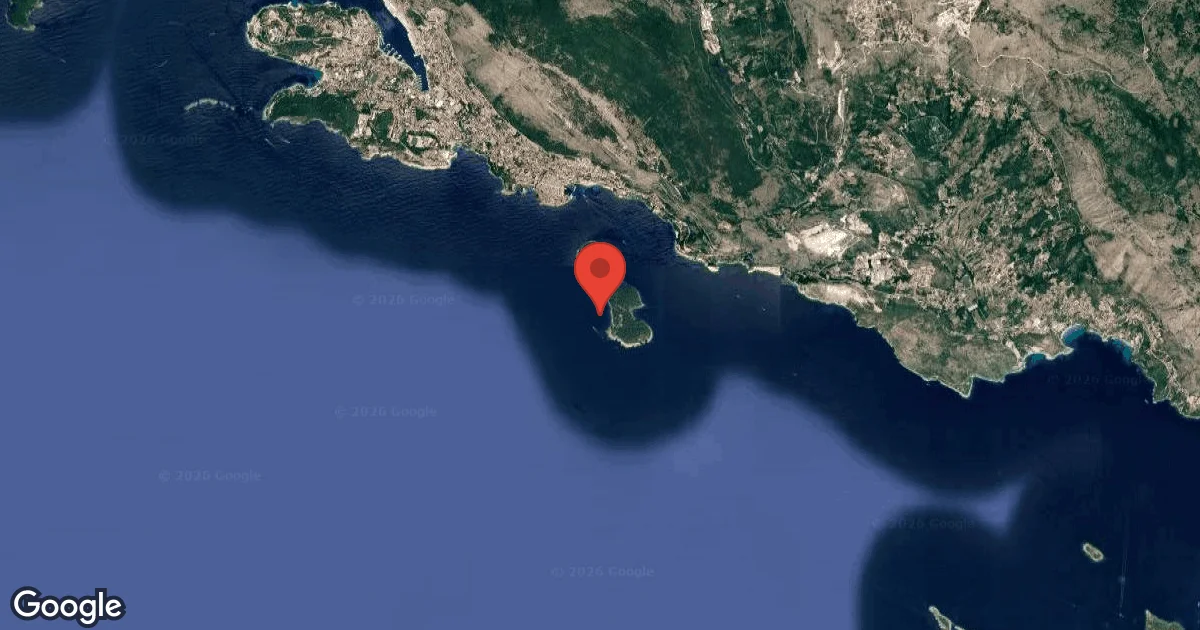
Max 35 m
5.6 km
Tomislav Wreck
BoatOcean
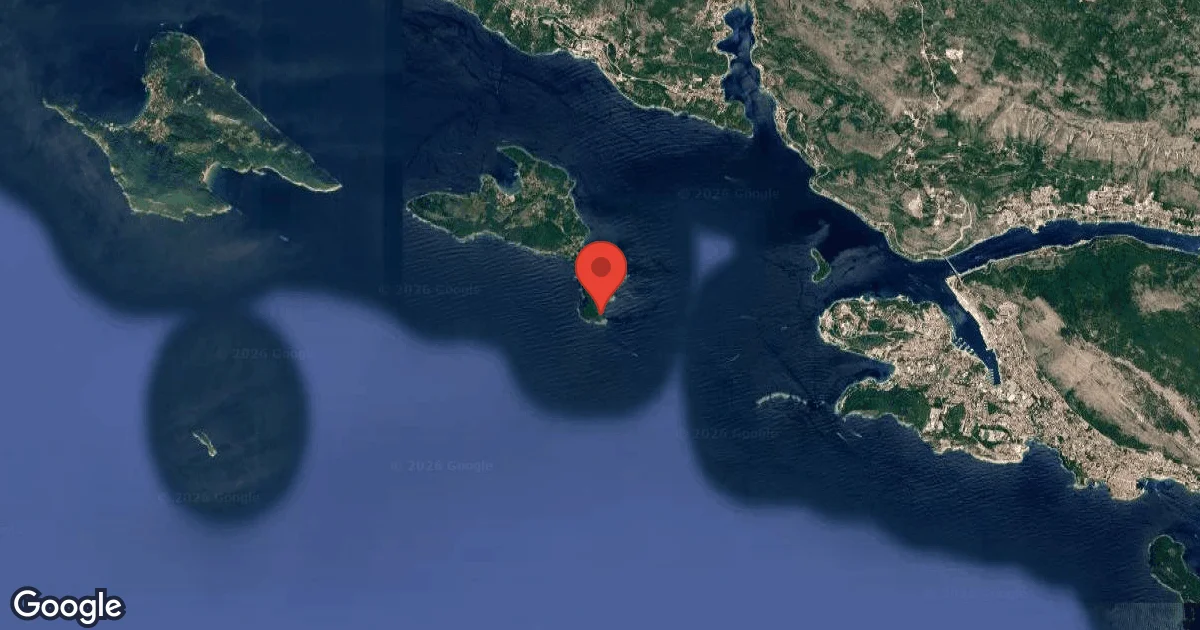
Max 40 m
3.4 km
Bezdan
CaveLake
Max 50 m
3.5 km
Jabuka Caves
BoatCave
Max 52 m
1 km
SS Taranto
BoatOcean
Max 40 m
0.4 km
Grebeni Islets
BoatCanyon
Max 30 m
4.3 km
Zaton Bay
BoatCavern
0 km
360°Mala Afrika
CaveReef
Max 50 m
14.8 km
Mrkanjac Reef
BoatDrift
Max 35 m
5.6 km
Tomislav Wreck
BoatOcean
Max 40 m
3.4 km
Bezdan
CaveLake
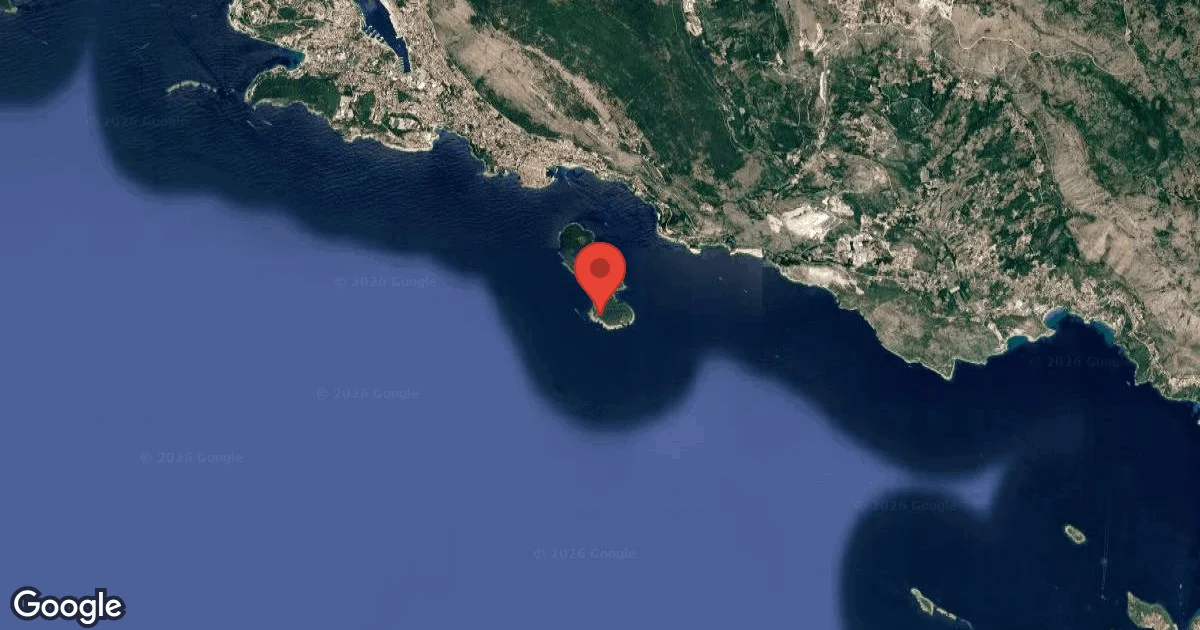
Max 30 m
6 km
Lokrum Island and Dead Sea Lake
BoatCavern
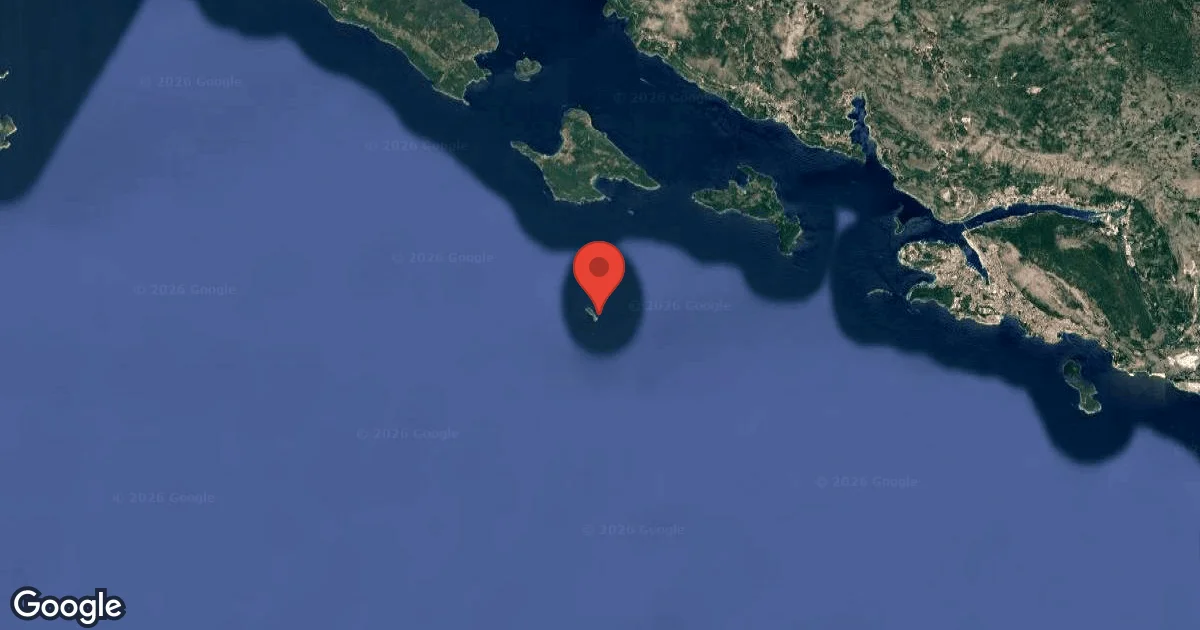
Max 80 m
8.6 km
St. Andrew Islet
BoatCavern
1 / 2
Dive Centers Near Maro's Cave
Working Hours
SunClosed
Mon09:00 - 17:00
Tue09:00 - 17:00
Wed09:00 - 17:00
Thu09:00 - 17:00
Fri09:00 - 17:00
Sat09:00 - 17:00
Today: 09:00 - 17:00
SunClosed
Mon09:00 - 17:00
Tue09:00 - 17:00
Wed09:00 - 17:00
Thu09:00 - 17:00
Fri09:00 - 17:00
Sat09:00 - 17:00
4.7| 113 reviews
44.8 kmNearest Airports
Nearest airports to help plan travel to this dive area.
Dubrovnik Ruđer Bošković Airport DBV
20 km
Tivat Airport TIV
61 km
Brač Airport BWK
133 km
💵 Currency: EUR
Search Flights
Check available flights and routes on Expedia, using the nearby airports listed in this section.
Search Flights on ExpediaAffiliate link · Dive Navigator may earn a commission at no extra cost to you.
Frequently Asked Questions
How is Maro's Cave accessed on Dubrovnik's Lapad peninsula?
Maro's Cave is entered directly from the rocky house-reef shore platform on southwestern Lapad opposite Grebeni Lighthouse, requiring zero boat transit. Divers follow the sloping reef terrace underwater down to the 35 m / 115 ft cave entrance and ascend back up the same coastal ridge.
Why is the entrance to Maro's Cave restricted to experienced divers?
The cave entrance sits at 35 m / 115 ft through a narrow one-diver squeeze that briefly loses natural light before bending left toward the wide 40 m / 131 ft exit portal. Managing buoyancy, torch beams, gas reserves, and mild narcosis at that depth requires Advanced Open Water, Deep, and Overhead experience per Croatian National Tourist Board guidelines.
Can recreational compressed-air divers visit the anchor at 47 m / 154 ft?
No, Article 9 of Croatia's Underwater Activities Regulation sets the maximum recreational scuba depth on compressed air at 40 m / 131 ft right at the main cave exit arch. Descending down the outer sand slope to 47 m / 154 ft to view the eighteenth-century anchor and amphora shards requires technical Trimix and decompression certification.
Are the triton snails inside Maro's Cave endemic only to the Adriatic Sea?
No, although local dive descriptions sometimes call them Adriatic endemics, Atlantic and knobbed triton snails inhabit wider Mediterranean and eastern Atlantic reefs while remaining rare and strictly protected in Croatia under the Strictly Protected Species Ordinance. Divers must never touch, move, or disturb triton shells, giant tun snails, or red coral.
Are currents strong outside Maro's Cave?
No, the southwestern Lapad house-reef slope sits sheltered from main channel drift, leaving bottom currents inside the cave and along the stepped reef negligible. Divers should only postpone shore entries when southerly winds push breaking surf onto the rocky entry steps.
May divers touch the amphora fragments or iron anchor outside the cave?
No, all submerged anchors, ceramic amphora fragments, and historic artifacts on the Croatian seabed are strictly protected in situ under Croatia's Cultural Heritage Protection Act. Divers may photograph the encrusted 47 m / 154 ft anchor from neutral buoyancy without touching the seabed.
Trip Inquiry
Planning to dive Maro's Cave?
Tell us your dates and diving needs. We'll review your request and seek offers from relevant local dive centers.
Request Dive Offers Free request for offers • No booking obligation
Maro's Cave
Conditions are Moderate
5/10
Confidence: 8/10
Indicates meteorological model agreement and data availability.
DIVE WARNING
High Swell Advisory. Not recommended.
06:12
18:45
H: 10:45
L: 16:20
Air / Sea Temp
12° / 19°
Wave Height
2.0 m
Wind Speed
36 km/h NNE
Rain Chance
50%
Current conditions near Maro's Cave show 12° air, 19° sea temperature, 2.0 m waves, and 36 km/h wind. Forecast data is refreshed regularly to ensure accuracy.
Radius: ~12km
Updated: Nov 23, 2026, 07:18 local timeMARINE: OPEN-METEOWEATHER: YR.NO