Loading...

Diving at Bobara Islet (Croatia)
Published
Last updated
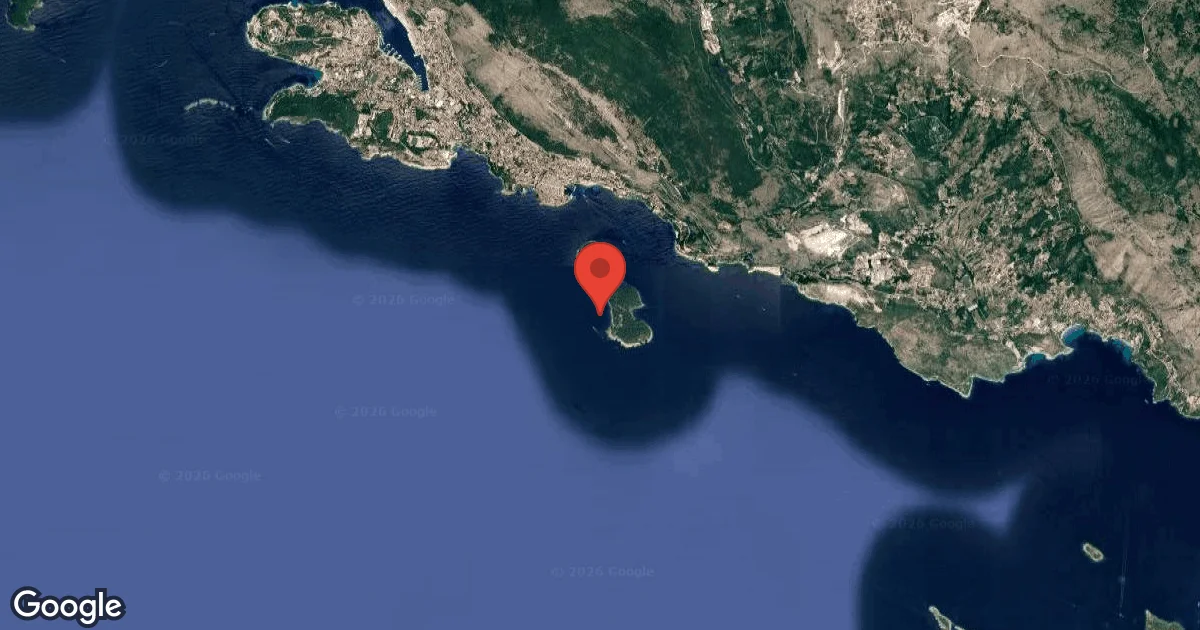
Anchoring the northwestern tip of the outer Cavtat island chain 20 minutes by boat from Cavtat harbor, Bobara Islet rises 45 m / 148 ft out of clear South Adriatic water above at least three distinct underwater itineraries. Beneath its uninhabited limestone cliffs and neighboring Trava and Hljeb rocks, a submerged pinnacle splits the reef into twin canyons beside a sunlit 15 m / 49 ft cavern wide enough for five divers to swim side by side. Open Water divers enjoy the calm 3 to 18 m / 10 to 59 ft canyons and bright cavern arch, Advanced Open Water divers explore vibrant coralligenous walls down to 40 m / 131 ft, and technical Trimix teams descend an outer seaward precipice plunging to 80 m / 262 ft. Safeguarded since 1975 as a Special Ornithological Reserve and inside a 1,370.57 ha / 3,387 acre Natura 2000 marine site documented in the Konavle Marine Management Plan, Bobara ranks among southern Dalmatia's richest biological walls.
Current morning readings from Bobara Islet indicate an air temperature of 13°C. Surface wave heights are averaging around 1.7 m at this time. These local measurements provide a baseline for your daily dive planning.
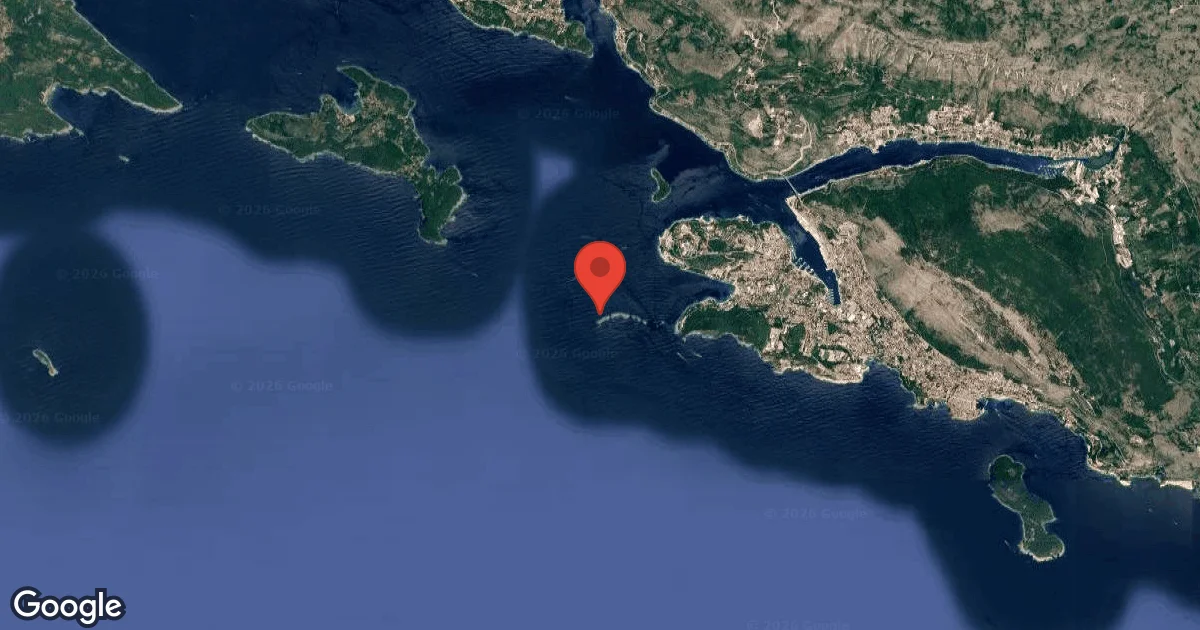
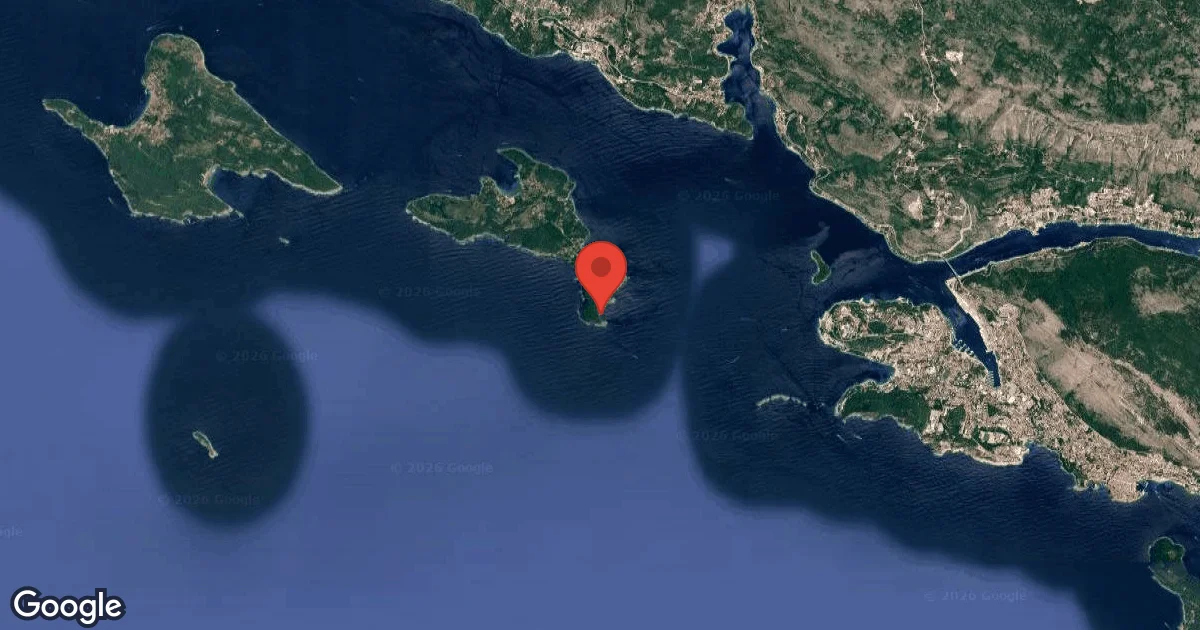
Dive Site Location & Key Facts
Site Characteristics
Max Depth80m / 262ft
Entry Typeboat
Water Typesalt
Dive Types
CavernPinnacleReef
Dive Site Overview
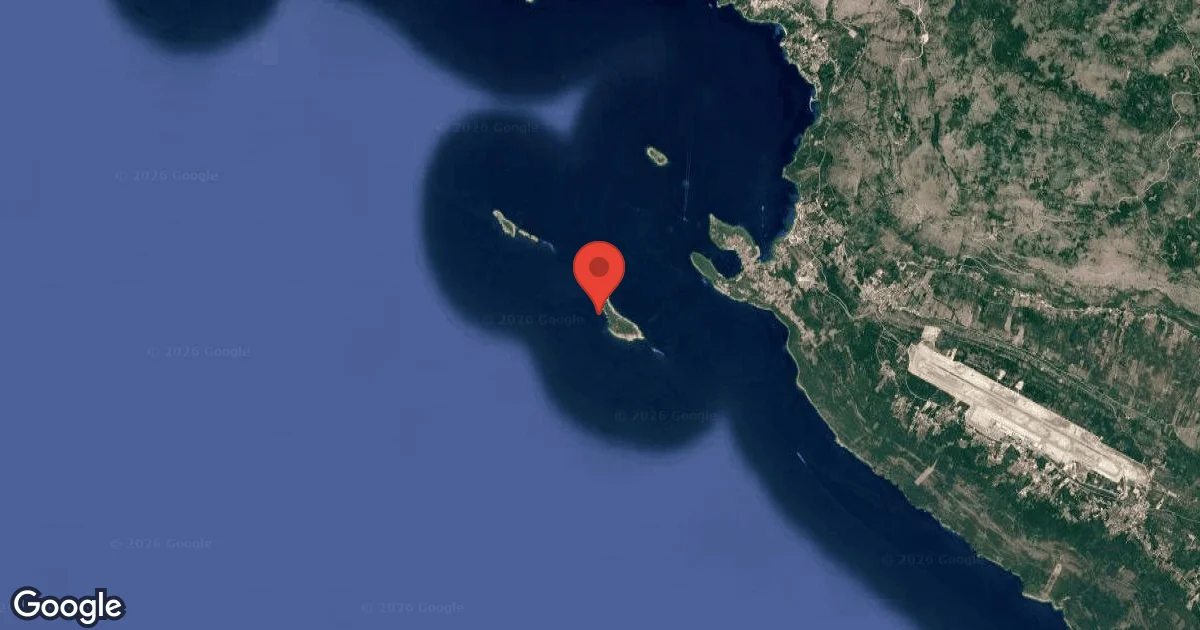
Classified officially as an islet under Croatia's Islands Act with a surface area of 63,854 sq m / 687,319 sq ft and 1,254 m / 4,114 ft of rocky coastline measured in Geoadria's hydrographic survey, Bobara Islet forms the northwestern prow of a drowned Upper Cretaceous carbonate ridge extending southeast through Trava, Hljeb, Ražnjić, Mrkan, and Mrkanjac. A historic fifteenth-century dry-stone quarantine wall still crosses its scrub-covered crest, built by the medieval Republic of Ragusa to isolate plague ships offshore before entering Dubrovnik or Cavtat as recounted by Dubrovnik Museums.
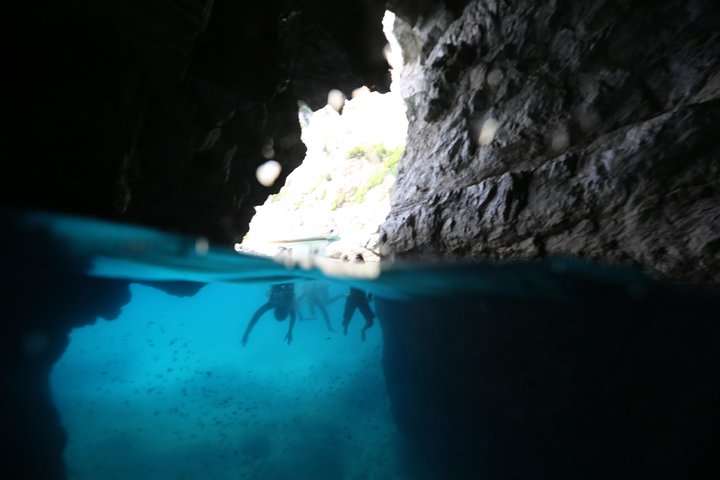
Because the ridge splits wave action between a sheltered landward channel and the open South Adriatic basin, local captains run at least three separate dive profiles around Bobara and its satellite crags Trava at 10 m / 33 ft elevation and Hljeb at 11 m / 36 ft elevation charted in the Croatian Hydrographic Institute Adriatic Pilot 2025. Starting from a 3 to 5 m / 10 to 16 ft boulder terrace, a submerged rocky pinnacle divides the passage into two parallel canyons while a spacious sunlit cavern swim-through at 15 m / 49 ft lets up to five divers glide through abreast in natural daylight.
Along the southwestern seaward flank, stepped terraces give way to a steep coralligenous escarpment descending past Croatia's 40 m / 131 ft recreational air ceiling to a 45 m / 148 ft sandy shelf, while the outer headland cliff and offshore Bobara shoal plunge straight down to 80 m / 262 ft. Across 104 scientific scuba transects synthesized in the Konavle Marine Management Plan and the Dubrovnik-Neretva County marine survey, marine biologists identified Bobara and Mrkanjac as the Cavtat archipelago's two primary strongholds for intact coralligenous wall assemblages.
Above the waterline, Bobara has been strictly protected since 1975 alongside Mrkan as a Special Ornithological Reserve listed by the Dubrovnik-Neretva County Nature Protection Institution to safeguard nesting colonies of yellow-legged gulls. Divers explore the surrounding Natura 2000 marine area HR3000170 without special reef permits, provided boats remain moored offshore and nobody steps onto the reserve rocks.
Bobara Islet
Conditions are Poor
4/10
Confidence: 8/10
Indicates meteorological model agreement and data availability.
DIVE WARNING
High Wind Advisory (44km/h). Unsafe surface.
06:12
18:45
H: 10:45
L: 16:20
Air / Sea Temp
13° / 19°
Wave Height
1.9 m
Wind Speed
44 km/h NNE
Rain Chance
100%
Current conditions near Bobara Islet show 13° air, 19° sea temperature, 1.9 m waves, and 44 km/h wind. Forecast data is refreshed regularly to ensure accuracy.
Radius: ~12km
Updated: Nov 23, 2026, 06:49 local timeMARINE: OPEN-METEOWEATHER: YR.NO
Best Time to Dive
May through October offers the most reliable weather window for diving Bobara Islet, when calm offshore mornings open both the Trava-Hljeb canyons and the seaward wall. Wind statistics compiled in the Konavle Marine Management Plan note 313 windy days per year across the wider Konavle coast, making morning boat departures from Cavtat ideal before afternoon northwesterly breezes freshen across Župa Bay. Live and historical sea-temperature records from the Croatian Meteorological and Hydrological Service show summer surface water reaching 22 to 26°C / 72 to 79°F with rare August highs up to 29.1°C / 84°F in Dubrovnik extreme archives, while water below the 18 to 20 m / 59 to 66 ft thermocline remains a brisk 14 to 16°C / 57 to 61°F. April through June requires extra quiet boat handling near the cliffs while yellow-legged gulls incubate chicks ashore, whereas September and early October combine warm upper water down to 22 m / 72 ft with 30 m / 98 ft offshore clarity. From November through March, southeasterly and northeasterly gales frequently generate 2.5 to 4 m / 8 to 13 ft open-sea swells across the outer ridge.
PEAK SEASON SCORE
94/100
ExcellentScores combine air & water temps, waves, wind & rainfall for overall conditions.
BEST MONTHS TO DIVE
JUN
JUL
AUG
DIVE SCORE GUIDE (0–100)
Excellent (90–100)
Very Good (80–89)
Good (70–79)
Moderate (50–69)
Poor (30–49)
Not Recommended (0–29)
Monthly records compiled from satellite and marine observation nodes over the last 3 years. Data provided by Open-Meteo and MET Norway.
Dive Experience & Conditions
Dive boats depart Cavtat harbor for a scenic 20-minute run of roughly 1.6 to 2 nautical miles / 3 to 3.7 km, mooring along the leeward northeastern shelf between Bobara, Trava, and Hljeb in 3 to 5 m / 10 to 16 ft of clear turquoise water. Dropping down the terraced slope, divers follow a submerged rock pinnacle that splits the route into twin limestone canyons carpeted in algae and bright sponges before cruising effortlessly five abreast through the sunlit 15 m / 49 ft cavern arch. Open-sea South Adriatic transparency regularly reaches 20 to 30 m / 66 to 98 ft and occasionally nears 50 m / 164 ft on calm offshore days documented on the Croatian National Tourist Board diving portal. Rounding toward the outer southwestern face, advanced groups cross a distinct summer thermocline below 18 m / 59 ft to trace dense coralligenous overhangs down to 40 m / 131 ft, while technical Trimix teams follow the sheer outer headland into deep indigo water down to 80 m / 262 ft. Currents stay negligible inside the sheltered canyon anchorage, picking up to a mild or moderate 0.5 to 1 knot drift along the northwestern point and offshore shoal. Multi-level ascents wind smoothly back into the shallow canyon and seagrass border for an easy 5 m / 16 ft safety stop under the boat.
Dive Difficulty & Safety Guidelines
Bobara Islet accommodates every certification tier when teams stick to their planned sector: Open Water divers stay inside the calm 3 to 18 m / 10 to 59 ft twin canyons and wide five-diver daylight cavern, Advanced Open Water divers explore the outer coralligenous wall down to Croatia's statutory 40 m / 131 ft compressed-air limit under Article 9 of Croatia's Underwater Activities Regulation, and only certified technical Trimix decompression teams descend the 45 to 80 m / 148 to 262 ft abyssal drop-off. Even inside the wide 15 m / 49 ft swim-through, divers follow Croatian National Tourist Board cavern safety standards by carrying a dive light, maintaining neutral trim above fragile lacy bryozoans, and staying within direct sight of natural daylight. Captains monitor offshore wind shifts closely and keep boats clear of the shallow rocky shoal northwest of Bobara charted in the Adriatic Pilot 2025.
Because Bobara is a Special Ornithological Reserve managed by the Dubrovnik-Neretva County Nature Protection Institution, stepping ashore on the islet is prohibited, especially during the April to June gull breeding season, and divers must never disturb ancient amphora fragments protected across the wider Cavtat seabed under Croatia's Cultural Heritage Protection Act. Every buddy team should carry a delayed surface marker buoy for blue-water visibility near yacht traffic approaching Cavtat and Župa Bay, and keep gloved or bare hands off venomous bearded fireworms and scorpionfish highlighted on the Croatian National Tourist Board dangerous species page. Emergency response operates 24/7 via MRCC Rijeka / Dubrovnik on 195, linking fast evacuation to the Emergency Department of General Hospital Dubrovnik and the 24-hour hyperbaric chamber at the Naval Medical Institute in Split.
Recommended Equipment
Technical depth range. Advanced planning, gas management, and appropriate certification required.
Overhead environment. Do not enter beyond training and gas planning limits.
- Dive Computer
- DSMB
- Primary & Backup Lights
- Reel / Spool
- Cutting Tool
This gear list is based on verified equipment signals for Bobara Islet, Croatia. Always confirm final gear choices with your dive operator, guide, or liveaboard.
Recommended Dive Suit
5mm wetsuit is frequently recommended by dive operators for conditions like these. Consider warmer surface protection (like a boat coat) due to brisk winds. A thermal robe or jacket is recommended between dives. Those diving at Bobara Islet today will likely encounter water temperatures in the region of 19°C (67°F). Surface air temperatures are resting at 13°C (56°F).
Forecast conditions over the next few days suggest temperatures will remain relatively stable.
Even small thermoclines can occasionally cause noticeable changes in water temperature.
Bobara Islet conditions last reviewed: 06:49 local time (UTC+1), Nov 23, 2026
Emergency & Medical Support
Essential information to help you plan your dive trip to Bobara Islet.

Hyperbaric chambers are a critical part of dive safety infrastructure. Availability varies significantly by region, and not all dive areas have immediate access.
Before diving, it's recommended to:
- confirm nearest medical facilities
- check emergency procedures with local dive operators
- ensure dive insurance covers evacuation if required
24/7 Available
Divers Alert Network
Diving emergency assistance available through DAN Europe.
+39 0642115685- 24/7 emergency hotline
- Diving medical assistance
- Evacuation coordination
Emergency contacts are provided for reference. Always verify local emergency services before diving.
Closest Listed Hyperbaric Chambers (≤ 200 km)
Approximate straight-line distances from this dive site — emergency travel times may vary.
173 km173 kmZavod za pomorsku medicinu Split – Odjel za podvodnu i hiperbaričnu medicinu
Split, Croatia24/7ICU194Details173 kmZavod za pomorsku medicinu Split – Odjel za podvodnu i hiperbaričnu medicinu
24/7 ListedICU CapableSplit, Croatia · Multiplace
24/7 Emergency194CollapseHours: 24/7 EmergencyFacility: Zavod za pomorsku medicinu / KBC Split (Križine)ICU On-Site: YesSource: KBC Rijeka / Poliklinika OXY
173 km
Zavod za pomorsku medicinu Split – Odjel za podvodnu i hiperbaričnu medicinu
Split, Croatia24/7ICU194Details
173 km
Zavod za pomorsku medicinu Split – Odjel za podvodnu i hiperbaričnu medicinu
24/7 ListedICU CapableSplit, Croatia · Multiplace
24/7 Emergency194
CollapseHours: 24/7 Emergency
Facility: Zavod za pomorsku medicinu / KBC Split (Križine)
ICU On-Site: Yes
Source: KBC Rijeka / Poliklinika OXY
Chamber data is sourced from official Croatian hospital and baromedicine facility records and has not been independently verified by Dive Navigator. Always contact local emergency services, DAN, your dive operator, or the facility directly before travelling.
Reference onlyMarine Life at Bobara Islet
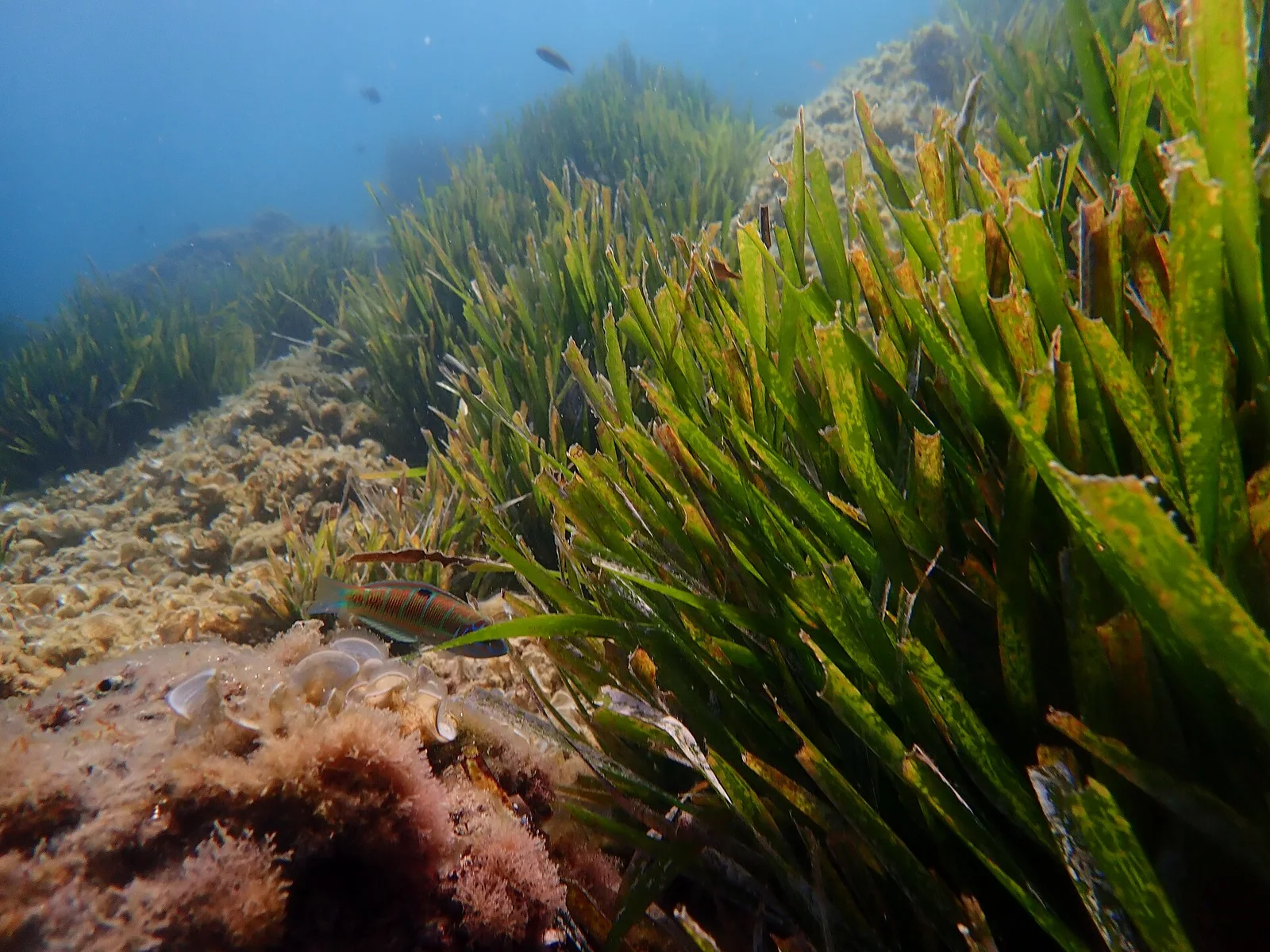
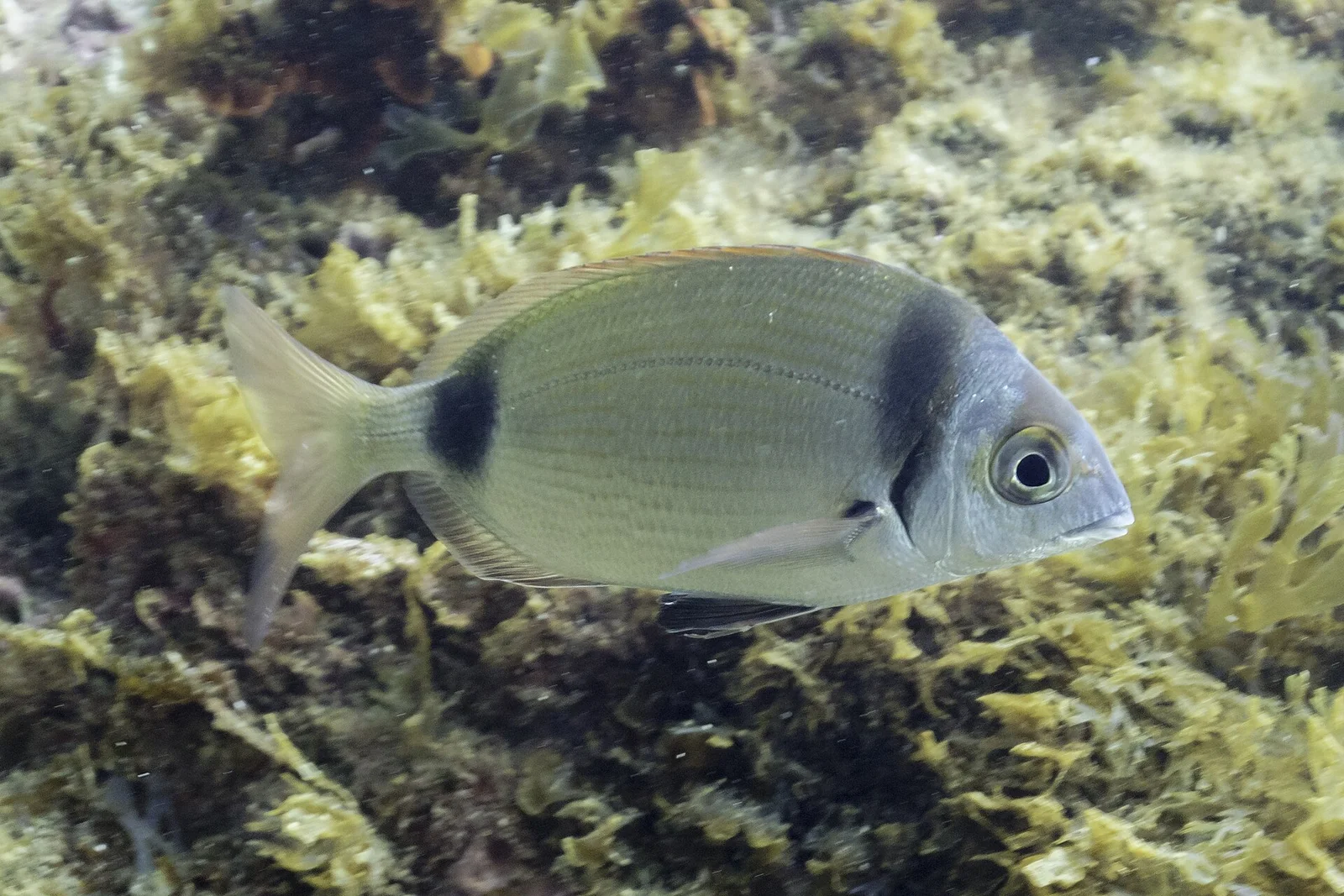
Marine biodiversity transects across the Natura 2000 zone documented 147 marine taxa in the Konavle Marine Management Plan, starting in sunlit 3 to 18 m / 10 to 59 ft canyons framed by Neptune grass meadows and fan-shaped peacock's tail algae. Schools of white and two-banded seabream, damselfish, and colorful Mediterranean parrotfish patrol the upper boulders, and Bobara's 15 m / 49 ft rocky slope achieved scientific fame in Acta Adriatica and on the Institute of Oceanography and Fisheries non-indigenous species portal as the exact location where the Lessepsian marbled spinefoot was first recorded in the Adriatic Sea.
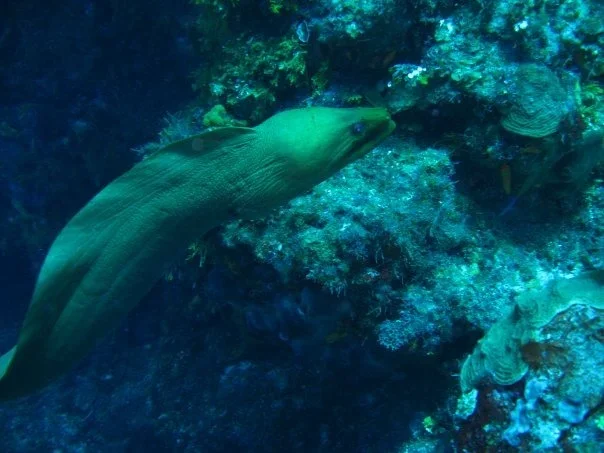
Below 20 m / 66 ft along the shaded cavern arches and steep outer coralligenous wall highlighted by the Dubrovnik-Neretva County marine report, encrusting red algae, colorful sponges, and delicate lacy bryozoan colonies create intricate three-dimensional habitat. Crevices shelter Mediterranean moray eels, common octopuses, red scorpionfish, European spiny lobsters, and brightly bristled bearded fireworms creeping across shaded rock ledges.


1 / 2
Image contributors:Diego Delso, laszlo-photo + 2 more
Want to contribute photos or local dive knowledge? Learn how to contributeDive Sites Near Bobara Islet
View all dive sites in CroatiaDiscover more underwater gems in this area.
Max 40 m
1.9 km
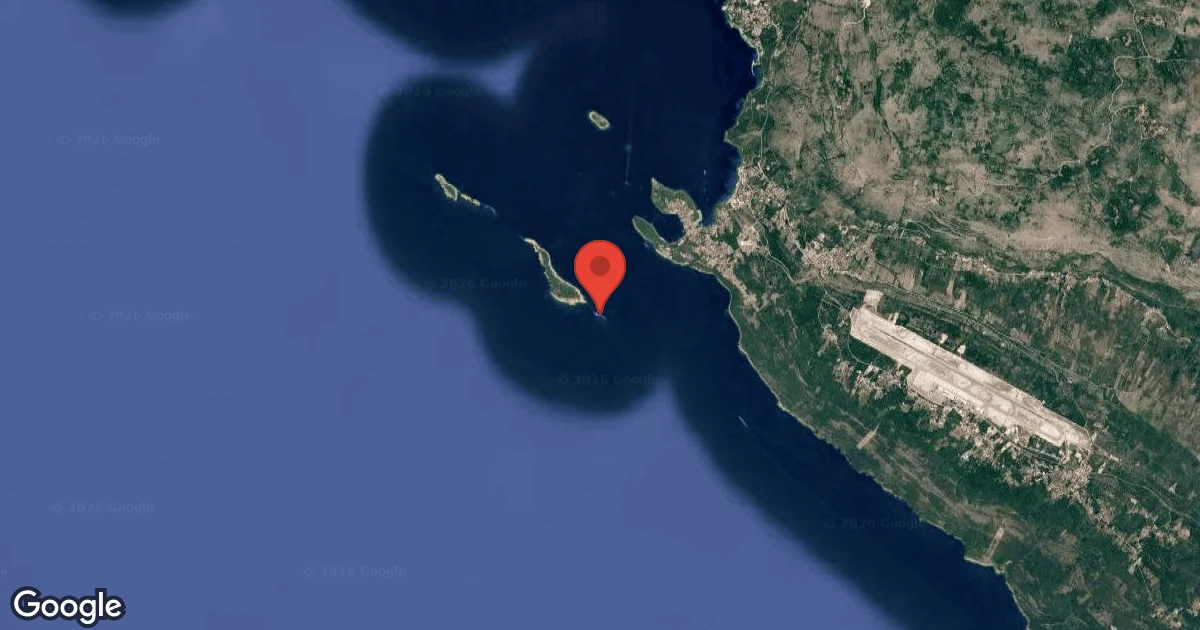
Mrkan Island
BoatCave
Max 50 m
2.8 km
Mrkanjac Reef
BoatDrift
Max 30 m
6 km
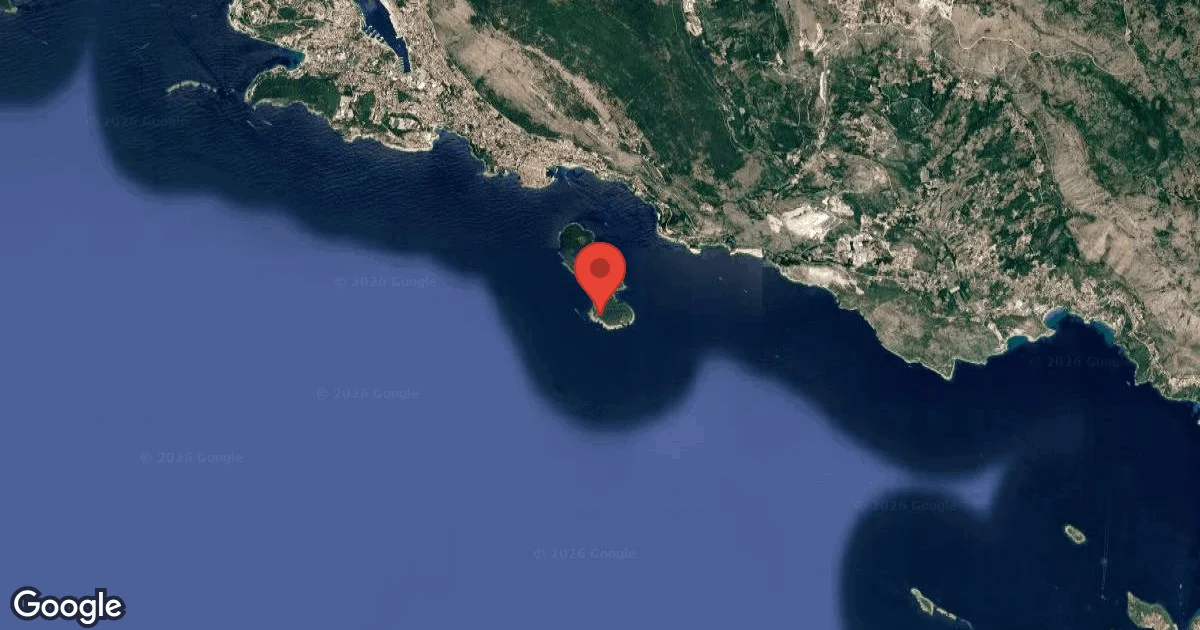
Lokrum Island and Dead Sea Lake
BoatCavern
Max 30 m
2.6 km
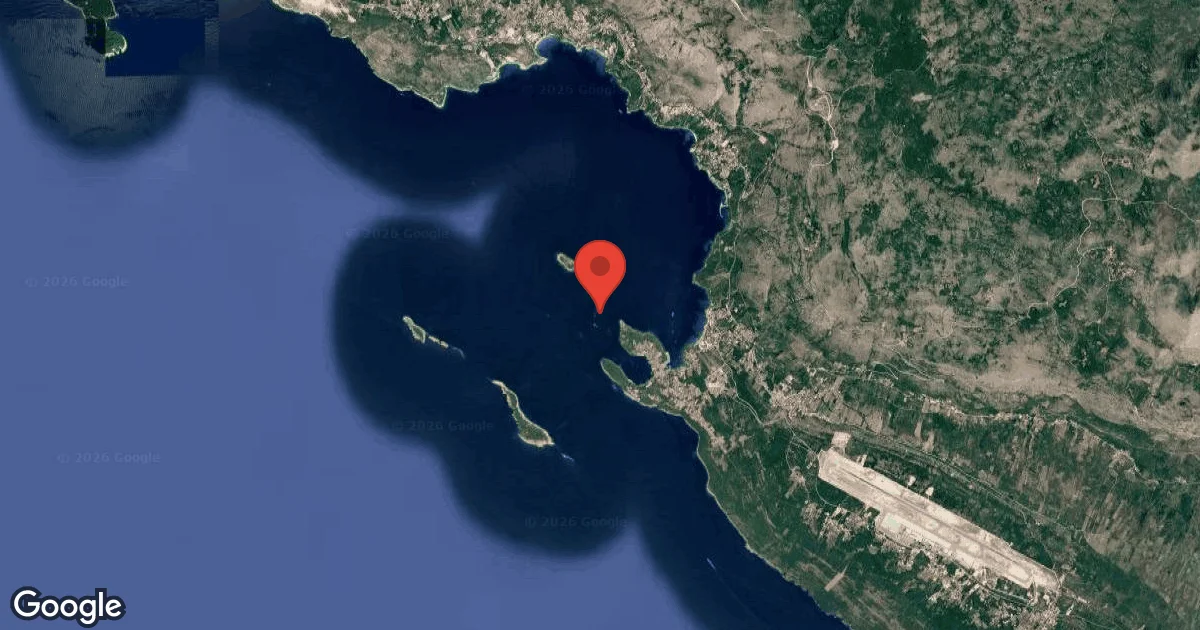
intermediateSupetar Islet Roman Wreck
BoatDown Line
Max 35 m
6.4 km
Tomislav Wreck
BoatOcean
Max 80 m
19.3 km
St. Andrew Islet
BoatCavern
Max 40 m
12.4 km
Grebeni Islets
BoatCanyon
Max 47 m
12 km
Maro's Cave
CaveOcean
Max 40 m
1.9 km
Mrkan Island
BoatCave
Max 50 m
2.8 km
Mrkanjac Reef
BoatDrift
Max 30 m
6 km
Lokrum Island and Dead Sea Lake
BoatCavern
Max 30 m
2.6 km
intermediateSupetar Islet Roman Wreck
BoatDown Line
Max 35 m
6.4 km
Tomislav Wreck
BoatOcean
Max 80 m
19.3 km
St. Andrew Islet
BoatCavern
Max 40 m
12.4 km
Grebeni Islets
BoatCanyon
Max 47 m
12 km
Maro's Cave
CaveOcean
Max 52 m
12.8 km
SS Taranto
BoatOcean
Max 50 m
15.3 km
Jabuka Caves
BoatCave
1 / 2
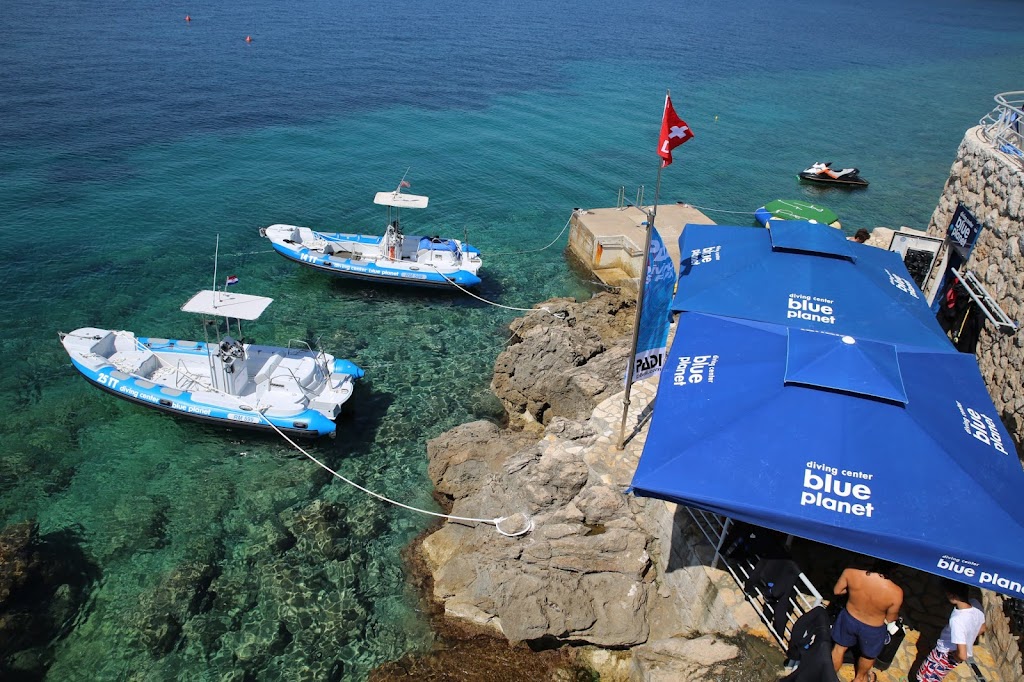
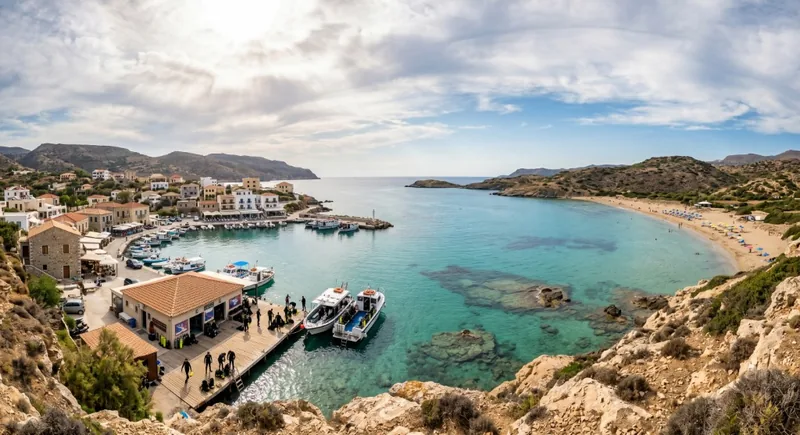
Dive Centers Near Bobara Islet
Working Hours
SunClosed
Mon09:00 - 17:00
Tue09:00 - 17:00
Wed09:00 - 17:00
Thu09:00 - 17:00
Fri09:00 - 17:00
Sat09:00 - 17:00
Today: 09:00 - 17:00
SunClosed
Mon09:00 - 17:00
Tue09:00 - 17:00
Wed09:00 - 17:00
Thu09:00 - 17:00
Fri09:00 - 17:00
Sat09:00 - 17:00
4.7| 113 reviews
32.9 km
4.9| 79 reviews
42.8 km
4.4| 7 reviews
44.8 kmNearest Airports
Nearest airports to help plan travel to this dive area.
Dubrovnik Ruđer Bošković Airport DBV
8 km
Tivat Airport TIV
49 km
Brač Airport BWK
145 km
💵 Currency: EUR
Search Flights
Check available flights and routes on Expedia, using the nearby airports listed in this section.
Search Flights on ExpediaAffiliate link · Dive Navigator may earn a commission at no extra cost to you.
Frequently Asked Questions
Why can Bobara Islet be dived several times along completely different routes?
Bobara sits at the northwestern tip of a complex limestone ridge bordered by Trava and Hljeb rocks, creating sheltered shallow twin canyons, a five-diver-wide 15 m / 49 ft cavern, a 40 m / 131 ft coralligenous wall, and an 80 m / 262 ft technical cliff. Captains match each route to diver certification and daily wind direction per the Adriatic Pilot 2025.
Can Open Water divers safely explore the cavern at Bobara Islet?
Yes, the cavern swim-through at 15 m / 49 ft is spacious enough for five divers side by side and remains illuminated by natural daylight at both openings. It stays comfortably within Open Water depth and daylight cavern standards published by the Croatian National Tourist Board.
Are divers allowed to step ashore on Bobara Islet during surface intervals?
No, Bobara has been protected since 1975 as a Special Ornithological Reserve managed by the Dubrovnik-Neretva County Nature Protection Institution for nesting yellow-legged gulls. All surface intervals take place aboard the moored dive boat without landing on the rocks.
What certification is required for the 45 to 80 m / 148 to 262 ft outer wall at Bobara?
Article 9 of Croatia's Underwater Activities Regulation limits recreational compressed-air scuba diving to 40 m / 131 ft. Exploring the deeper 45 to 80 m / 148 to 262 ft seaward cliff requires technical Trimix certification, redundant gas supplies, and staged decompression gases.
Why is Bobara Islet well known to Adriatic marine biologists?
Bobara's 15 m / 49 ft rocky reef is the exact site where researchers published the first Adriatic Sea sighting of the Indo-Pacific marbled spinefoot in Acta Adriatica. Subsequent Natura 2000 surveys in the Konavle Marine Management Plan also confirmed Bobara as one of the Cavtat archipelago's two richest coralligenous walls.
How long is the boat trip to Bobara Islet?
Dive boats departing Cavtat harbor reach Bobara Islet in roughly 20 minutes across 1.6 to 2 nautical miles / 3 to 3.7 km of coastal water, as outlined on the Cavtat-Konavle active holidays portal. Day boats running down from Dubrovnik's Lapad peninsula take roughly 35 to 45 minutes depending on sea state.
Trip Inquiry
Planning to dive Bobara Islet?
Tell us your dates and diving needs. We'll review your request and seek offers from relevant local dive centers.
Request Dive Offers Free request for offers • No booking obligation
Bobara Islet
Conditions are Poor
4/10
Confidence: 8/10
Indicates meteorological model agreement and data availability.
DIVE WARNING
High Wind Advisory (44km/h). Unsafe surface.
06:12
18:45
H: 10:45
L: 16:20
Air / Sea Temp
13° / 19°
Wave Height
1.9 m
Wind Speed
44 km/h NNE
Rain Chance
100%
Current conditions near Bobara Islet show 13° air, 19° sea temperature, 1.9 m waves, and 44 km/h wind. Forecast data is refreshed regularly to ensure accuracy.
Radius: ~12km
Updated: Nov 23, 2026, 06:49 local timeMARINE: OPEN-METEOWEATHER: YR.NO