Loading...

Diving at Grebeni Islets (Croatia)
Published
Last updated
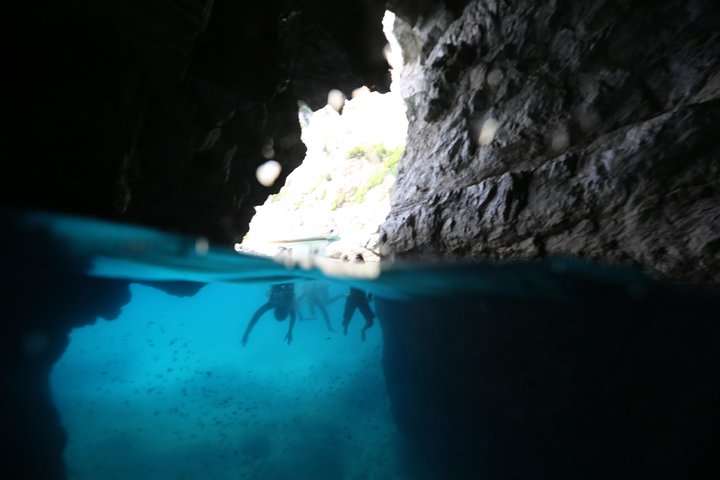
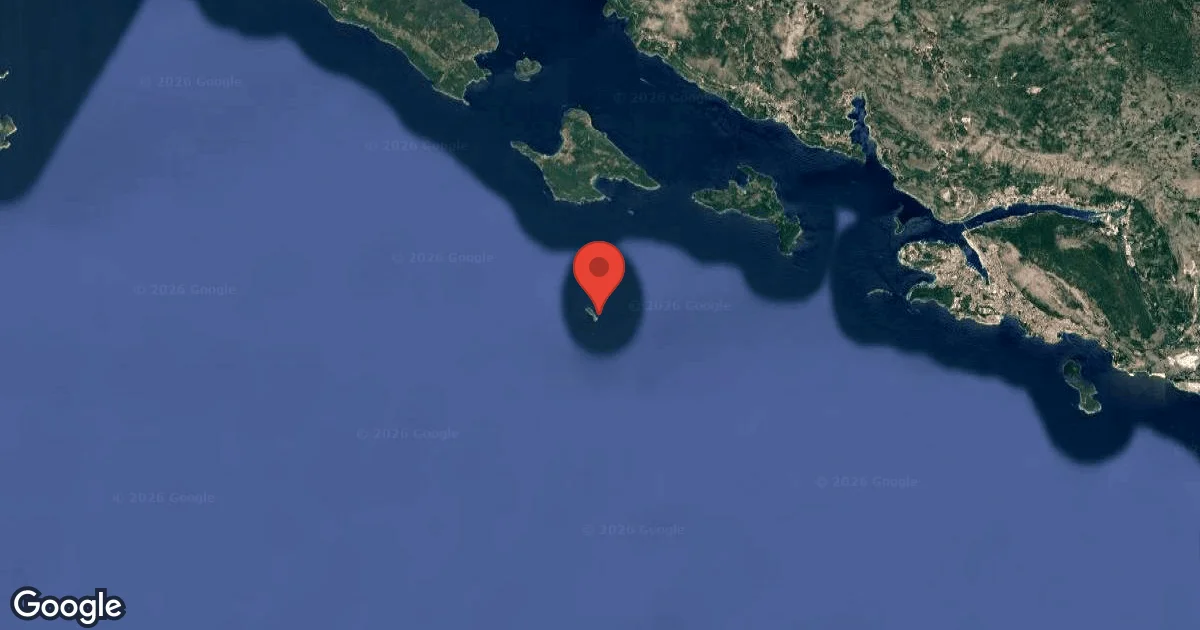
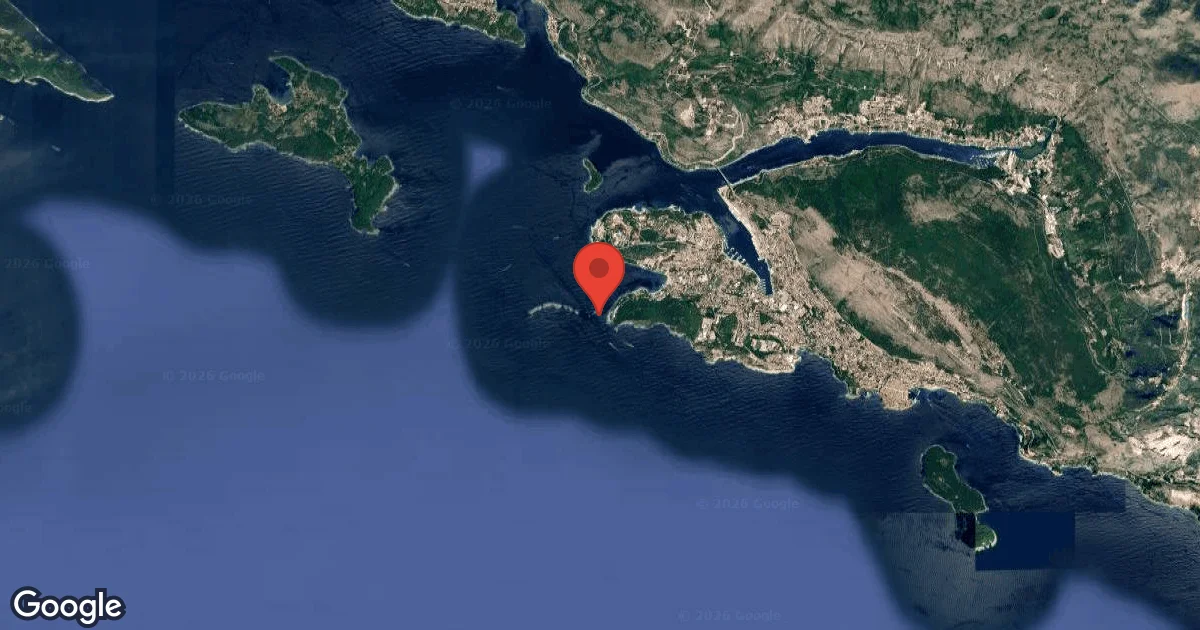
Rising along the eastern harbor approach immediately west of Dubrovnik's Lapad peninsula, Grebeni Islets form a jagged Upper Cretaceous limestone ridge crowned by the 1872 Plovput Cliffs Grebeni Lighthouse. Beneath the wave-carved crags of Greben, Vješala, and Kantenari, sunlit canyons and natural karst tunnels cut straight through the rock toward a 40 m / 131 ft South Adriatic wall. Calm boulder slopes on the leeward Lapad flank let Open Water divers enjoy bright rocky swim-throughs down to 18 m / 59 ft, while Advanced Open Water divers explore the deeper coralligenous drop-off and a narrower secondary tunnel exiting onto a shallow terrace. Reached in 1 to 5 minutes by boat within a City of Dubrovnik protected coastal landscape, the site pairs refracted sunbeams with dense Mediterranean crevice life.
Starting the day at Grebeni Islets, the ambient air temperature is recorded at 13.5°C. Ongoing monitoring shows wave heights measuring 1.2 m. This data represents the current surface conditions for early activities.
Dive Site Location & Key Facts
Site Characteristics
Max Depth40m / 131ft
Entry Typeboat
Water Typesalt
Dive Types
CavernReefWall
Dive Site Overview
Geologically forming the submerged southeastern extension of the Elaphite-Lapad carbonate ridge mapped in the City of Dubrovnik Landscape Typology Study, Grebeni Islets consist of Maastrichtian rudist limestones sculpted by open-sea waves. While local accounts count eleven emergent rocks, hydrographic surveys in Geoadria measure two main islets above 10,000 sq m / 107,639 sq ft, Greben at 51,690 sq m / 556,386 sq ft and Vješala at 12,180 sq m / 131,104 sq ft, alongside Kantenari and the small Jabuka rock off Cape Petka, watched over by the 13 m / 43 ft stone lighthouse tower built in 1872 and listed by Plovput.
Holocene sea-level rise flooded karst fractures across this narrow spine, creating contrasting underwater zones on opposite sides of the ridge. Along the sheltered northeastern flank facing Lapad, stepped limestone terraces descend gently from 3 to 18 m / 10 to 59 ft and guide divers into a primary underwater canyon passage where overhead slits cast shifting sunbeams across the walls.
Emerging onto the seaward southwestern face, the reef drops down a steep coralligenous wall described in the Croatian Marine Habitats Manual to 40 m / 131 ft over biodetritic sand. Well-trimmed advanced divers can trace deeper ledges before ascending through a second narrower tunnel and semi-dark cavern whose upper rock window opens directly onto the 3 to 6 m / 10 to 20 ft safety-stop shelf.
Guarding the main strait between Lapad and Koločep Island, the outer walls receive steady nutrient exchange from South Adriatic inflows documented in Acta Adriatica oceanographic research. Visiting divers may also see secondary guides mistakenly tag Grebeni with Natura 2000 code HR3000166, which the Dubrovnik-Neretva County Nature Protection registry actually assigns to Mljet as opposed to this municipal natural landscape.
Grebeni Islets
Conditions are Poor
3/10
Confidence: 8/10
Indicates meteorological model agreement and data availability.
DIVE WARNING
High Wind Advisory (48km/h). Unsafe surface.
06:12
18:45
H: 10:45
L: 16:20
Air / Sea Temp
13° / 19°
Wave Height
1.9 m
Wind Speed
48 km/h N
Rain Chance
100%
Current conditions near Grebeni Islets show 13° air, 19° sea temperature, 1.9 m waves, and 48 km/h wind. Forecast data is refreshed regularly to ensure accuracy.
Radius: ~12km
Updated: Nov 22, 2026, 17:46 local timeMARINE: OPEN-METEOWEATHER: YR.NO
Best Time to Dive
Prime conditions around Grebeni Islets run from May through October, when settled coastal high pressure and overhead sun angles illuminate the swim-through canyons. Multi-decade tables from the Croatian Meteorological and Hydrological Service in Dubrovnik show mean monthly air temperatures climbing from 18.7°C / 66°F in May to 25.4°C / 78°F in August alongside 350.9 July sunshine hours and just four rainy days. Coastal water measurements off Dubrovnik published in Acta Adriatica record late-summer surface water between 21.7 and 26.6°C / 71 and 80°F, while winter surface readings cool to roughly 14°C / 57°F per Elaphite hydrographic data in Geoadria. Morning boats in July and August secure the calmest water before afternoon northwesterly sea breezes and summer yacht wakes build, whereas September and early October retain warm upper water down to 20 m / 66 ft with far lighter harbor traffic. Between November and March, frequent southeasterly and northeasterly gales raise swells above 3 m / 10 ft against the lighthouse cliffs.
PEAK SEASON SCORE
95/100
ExcellentScores combine air & water temps, waves, wind & rainfall for overall conditions.
BEST MONTHS TO DIVE
JUN
JUL
AUG
DIVE SCORE GUIDE (0–100)
Excellent (90–100)
Very Good (80–89)
Good (70–79)
Moderate (50–69)
Poor (30–49)
Not Recommended (0–29)
Monthly records compiled from satellite and marine observation nodes over the last 3 years. Data provided by Open-Meteo and MET Norway.
Dive Experience & Conditions
Dive boats from western Lapad cross the short coastal strait in 1 to 5 minutes, mooring in calm leeward water along the northeastern flank of Greben Islet. Descending a sunlit rocky terrace at 5 m / 16 ft, teams check trim over bare limestone before entering the main underwater canyon passage at 10 to 15 m / 33 to 49 ft. Natural daylight remains visible at both ends as refracted sunbeams dance across sponge-lined walls leading out to the open sea. Beyond the seaward portal, advanced groups descend the outer escarpment between 25 and 40 m / 82 and 131 ft, crossing a sharp summer thermocline below 18 m / 59 ft into noticeably cooler water. Horizontal visibility routinely spans 15 to 30 m / 49 to 98 ft at 38.1 to 38.4 PSU salinity documented in Geoadria's Elaphite channel study. Although the inner Lapad anchorage feels slack, the exposed southwestern wall and western tip catch the prevailing northwestward Adriatic current of 0.5 to 0.7 knots. Working shallower along the reef crest, experienced divers thread the narrower secondary tunnel and cavern chamber to exit onto the bright 5 m / 16 ft plateau right below the boat.
Dive Difficulty & Safety Guidelines
Grebeni Islets suits Open Water divers along its sheltered inner boulder slope and wide sunlit canyon down to 18 m / 59 ft, while the 40 m / 131 ft outer wall, tighter secondary tunnel, and shallow-exit cavern require Advanced Open Water skills. Recreational cavern protocols published by the Croatian National Tourist Board keep non-cave-certified divers inside natural daylight, within continuous sight of an exit, and inside Croatia's 40 m / 131 ft compressed-air ceiling. Divers traversing the narrower tunnel and cavern exit swim single file with gentle frog kicks so fins and trapped exhaust bubbles do not damage fragile ceiling fauna described in the Croatian Marine Habitats Manual. Entry into the shallow cavern window must always be skipped whenever southerly swell builds wave surge inside the rocks.
Strict surface discipline is vital because Grebeni borders vessel traffic sector Dubrovnik 1 mapped in Croatia's VTS Regulation Annex 2 and the Hydrographic Institute VTS report for cruise ships, ferries, and yachts entering Port Gruž. Divers must never surface out in open channel water, must carry a delayed surface marker buoy on every dive, and ascend strictly up the islet wall to the flagged boat mooring, while 24-hour emergency hospital care sits minutes away on Lapad at the Emergency Hospital Admission Department of General Hospital Dubrovnik alongside recompression evacuation to Split.
Recommended Equipment
Deep dive hazard. Increased narcosis and gas consumption risk.
Overhead environment. Do not enter beyond training and gas planning limits.
- Dive Computer
- DSMB
- Primary & Backup Lights
- Reel / Spool
- Cutting Tool
This gear list is based on verified equipment signals for Grebeni Islets, Croatia. Always confirm final gear choices with your dive operator, guide, or liveaboard.
Recommended Dive Suit
Individual comfort in the water can vary significantly from diver to diver, even under the same conditions.
For most recreational dives, 5mm wetsuit should provide comfortable protection. Consider warmer surface protection (like a boat coat) due to brisk winds. A thermal robe or jacket is recommended between dives. Forecast trends indicate little change in overall diving conditions during the next few days.
Current temperature readings suggest that the water at Grebeni Islets is around 19°C (67°F). Surface air temperatures are resting at 13°C (56°F).
Grebeni Islets conditions last reviewed: 17:46 local time (UTC+1), Nov 22, 2026
Emergency & Medical Support
Essential information to help you plan your dive trip to Grebeni Islets.

Hyperbaric chambers are a critical part of dive safety infrastructure. Availability varies significantly by region, and not all dive areas have immediate access.
Before diving, it's recommended to:
- confirm nearest medical facilities
- check emergency procedures with local dive operators
- ensure dive insurance covers evacuation if required
24/7 Available
Divers Alert Network
Diving emergency assistance available through DAN Europe.
+39 0642115685- 24/7 emergency hotline
- Diving medical assistance
- Evacuation coordination
Emergency contacts are provided for reference. Always verify local emergency services before diving.
Closest Listed Hyperbaric Chambers (≤ 200 km)
Approximate straight-line distances from this dive site — emergency travel times may vary.
160 km160 kmZavod za pomorsku medicinu Split – Odjel za podvodnu i hiperbaričnu medicinu
Split, Croatia24/7ICU194Details160 kmZavod za pomorsku medicinu Split – Odjel za podvodnu i hiperbaričnu medicinu
24/7 ListedICU CapableSplit, Croatia · Multiplace
24/7 Emergency194CollapseHours: 24/7 EmergencyFacility: Zavod za pomorsku medicinu / KBC Split (Križine)ICU On-Site: YesSource: KBC Rijeka / Poliklinika OXY
160 km
Zavod za pomorsku medicinu Split – Odjel za podvodnu i hiperbaričnu medicinu
Split, Croatia24/7ICU194Details
160 km
Zavod za pomorsku medicinu Split – Odjel za podvodnu i hiperbaričnu medicinu
24/7 ListedICU CapableSplit, Croatia · Multiplace
24/7 Emergency194
CollapseHours: 24/7 Emergency
Facility: Zavod za pomorsku medicinu / KBC Split (Križine)
ICU On-Site: Yes
Source: KBC Rijeka / Poliklinika OXY
Chamber data is sourced from official Croatian hospital and baromedicine facility records and has not been independently verified by Dive Navigator. Always contact local emergency services, DAN, your dive operator, or the facility directly before travelling.
Reference onlyMarine Life at Grebeni Islets
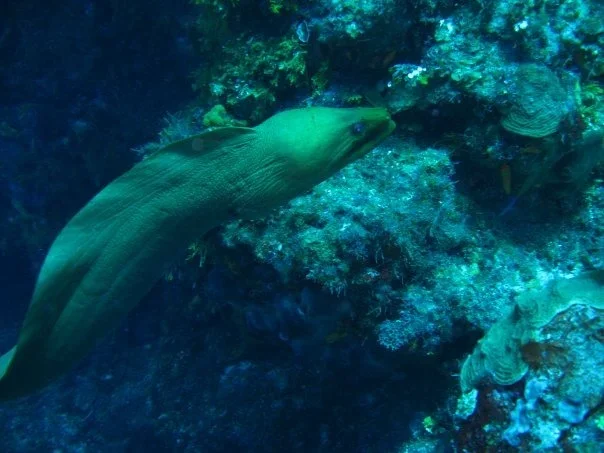
Macroalgae along sunlit upper boulders down to 15 m / 49 ft shelter common octopuses, painted combers, Mediterranean rainbow wrasse, and schools of white, two-banded, and sharpsnout seabream documented across Elaphite reefs in Geoadria. Rocky crevices hold Mediterranean moray eels and red scorpionfish among orange and yellow sponges, while bottom-dwelling piper gurnards probe detritic sand at the 25 to 40 m / 82 to 131 ft wall base using sensory pectoral rays.
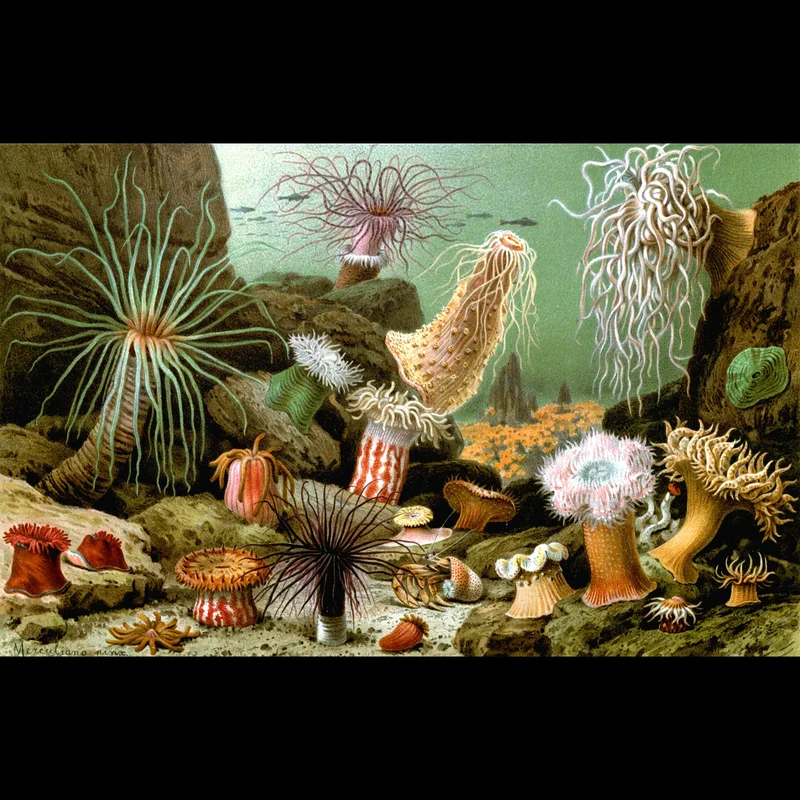
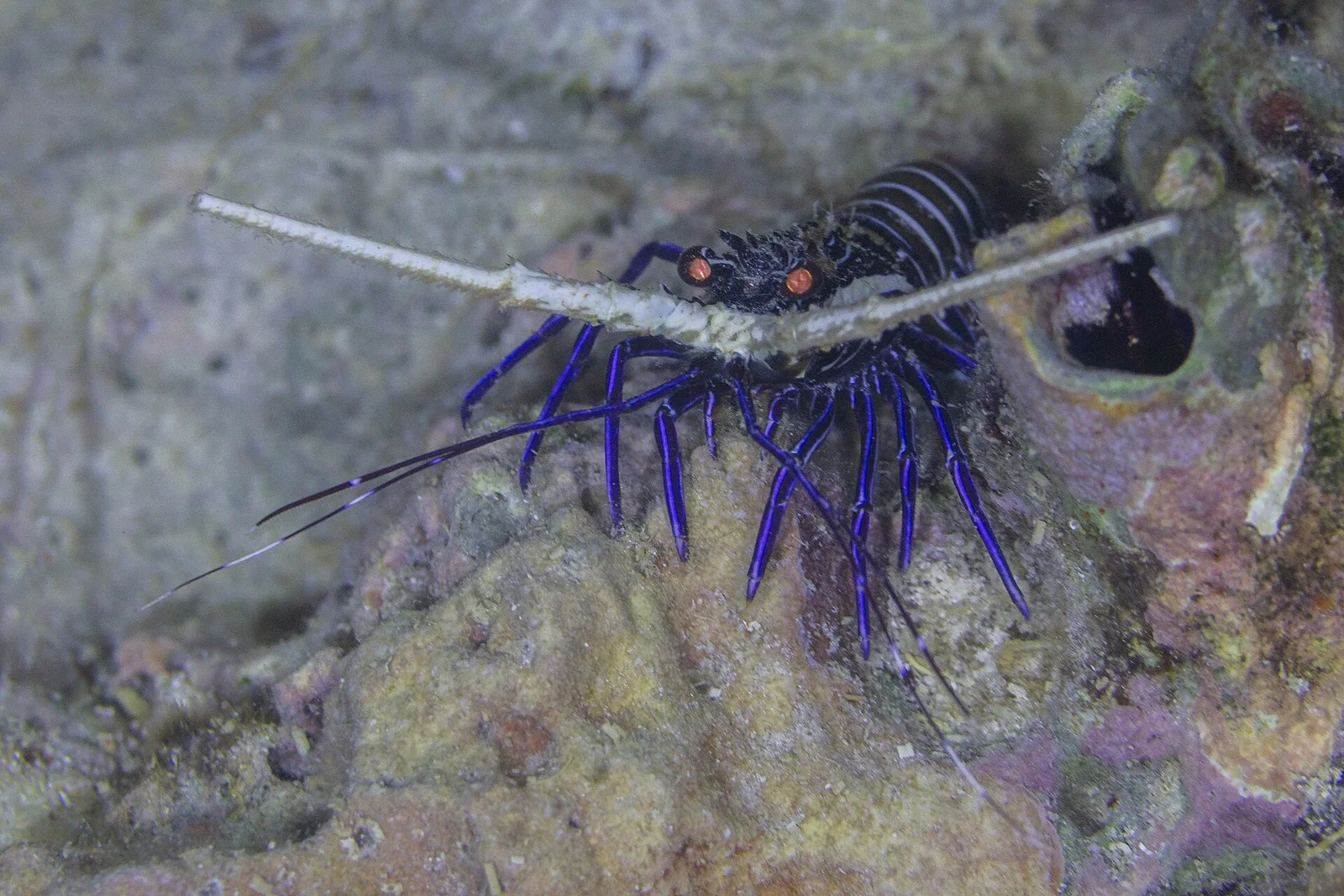
Inside the shaded swim-throughs and steeper outer escarpment below 15 m / 49 ft, reduced light supports sciaphilic communities cataloged in the Croatian Marine Habitats Manual. Yellow cluster anemones, sunset cup corals, lacy bryozoans, and gorgonian fans coat the vertical walls alongside nocturnal European spiny lobsters, cuttlefish, and conger eels.


1 / 2
Image contributors:Diego Delso, laszlo-photo + 1 more
Want to contribute photos or local dive knowledge? Learn how to contributeDive Sites Near Grebeni Islets
View all dive sites in CroatiaDiscover more underwater gems in this area.
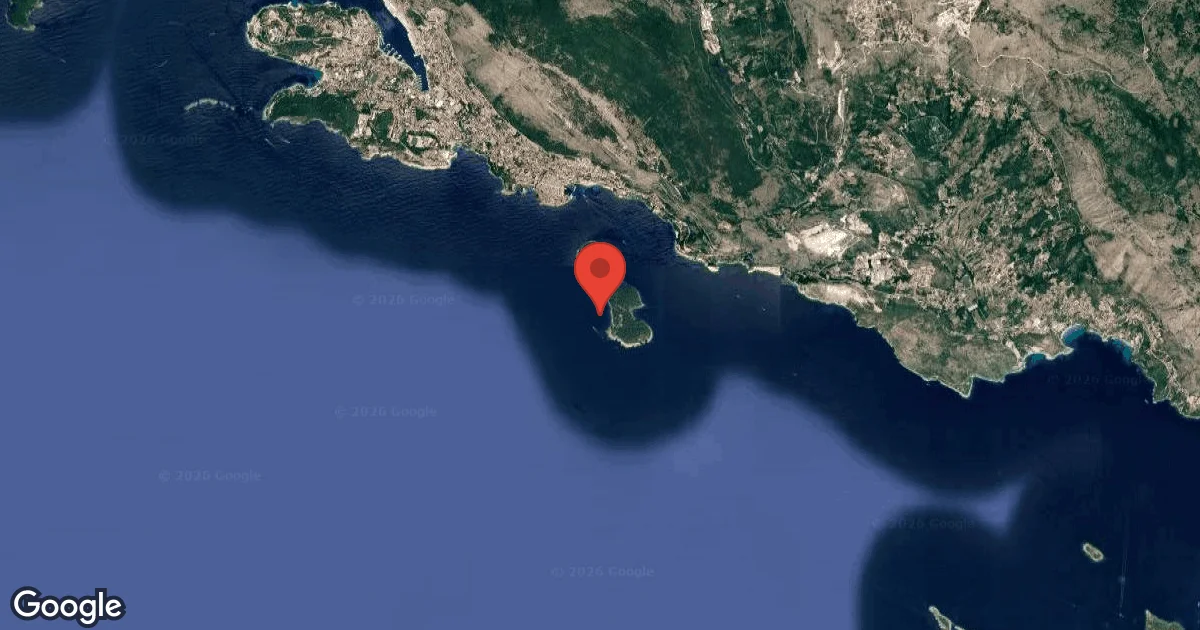
Max 35 m
6 km
Tomislav Wreck
BoatOcean
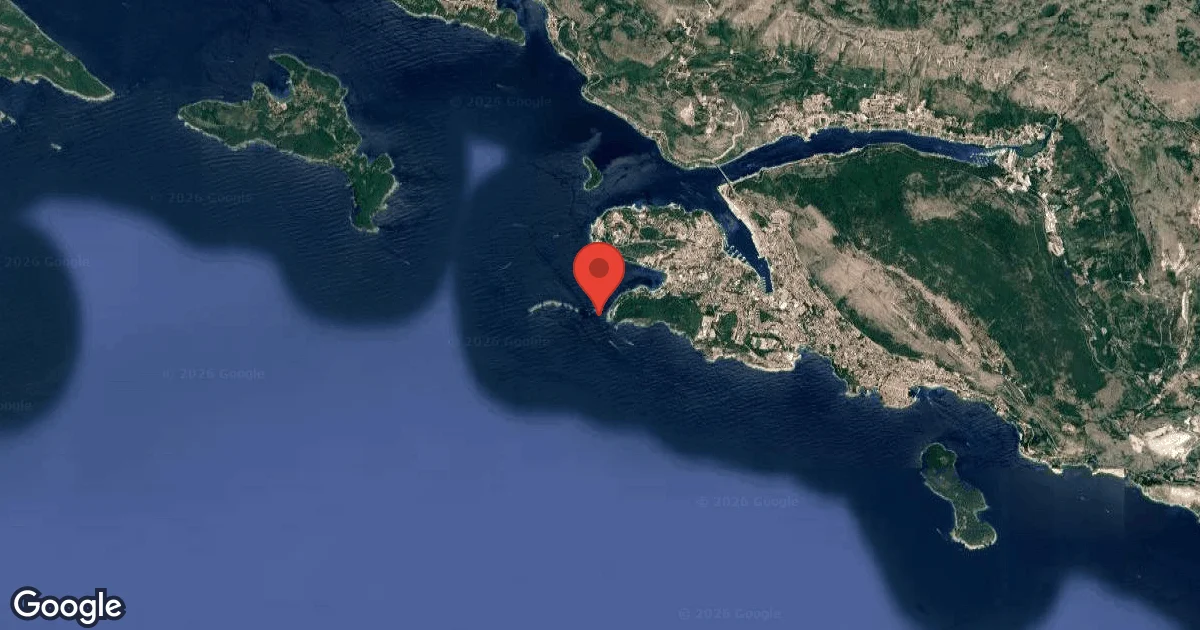
Max 47 m
0.4 km
Maro's Cave
CaveOcean
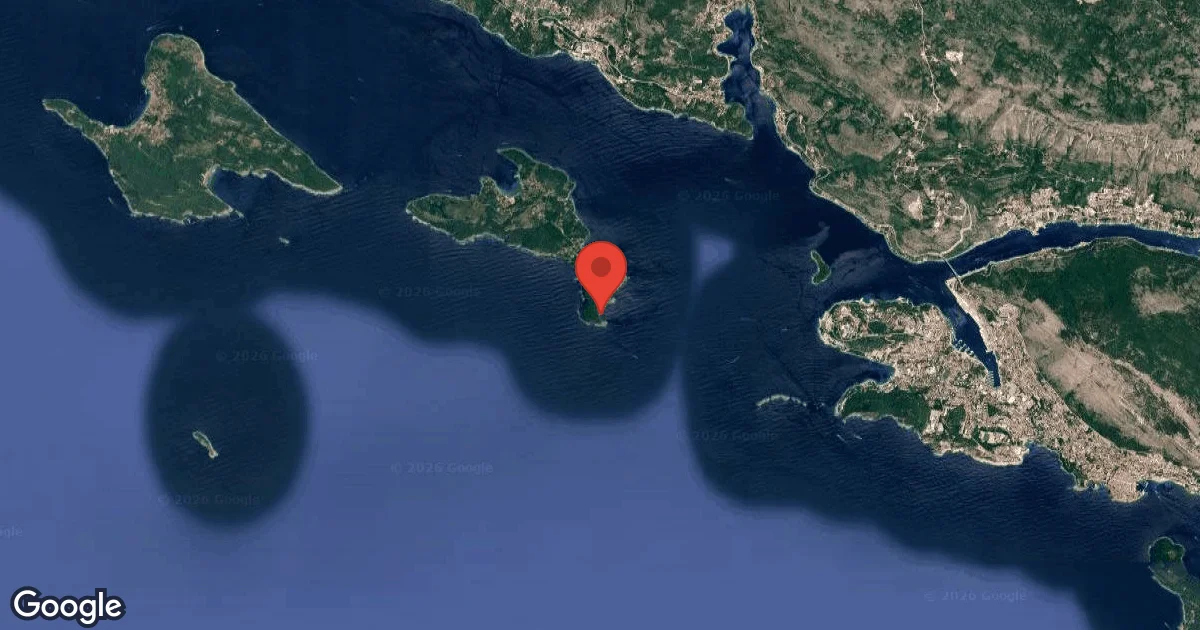
Max 50 m
3 km
Jabuka Caves
BoatCave
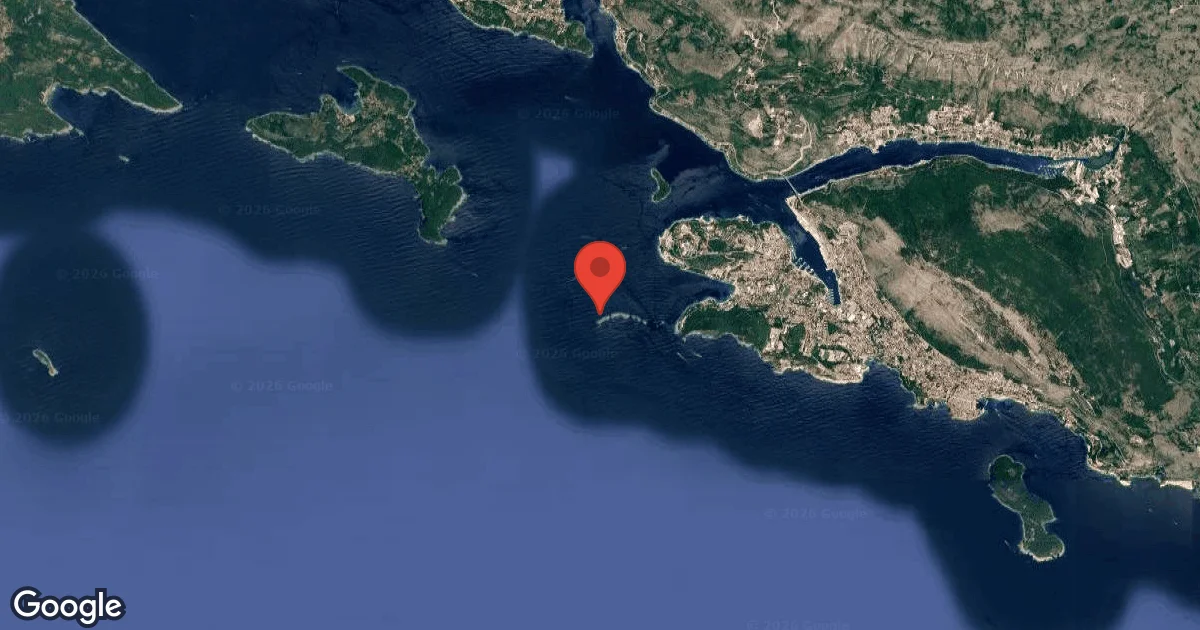
Max 52 m
0.5 km
SS Taranto
BoatOcean
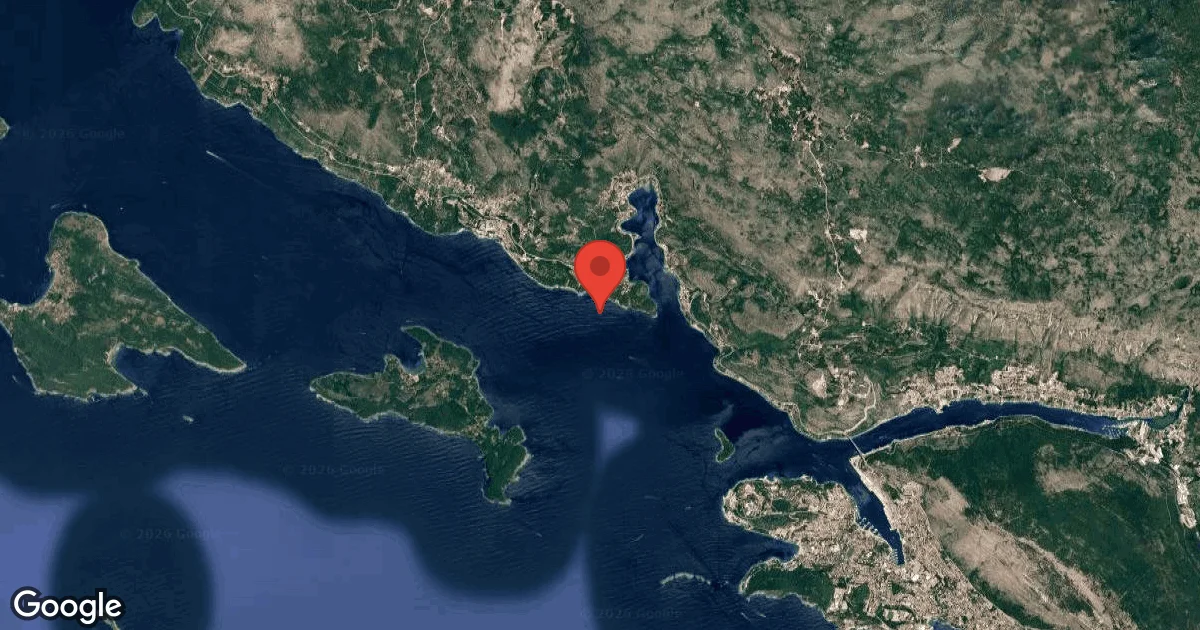
Max 30 m
3.9 km
Zaton Bay
BoatCavern
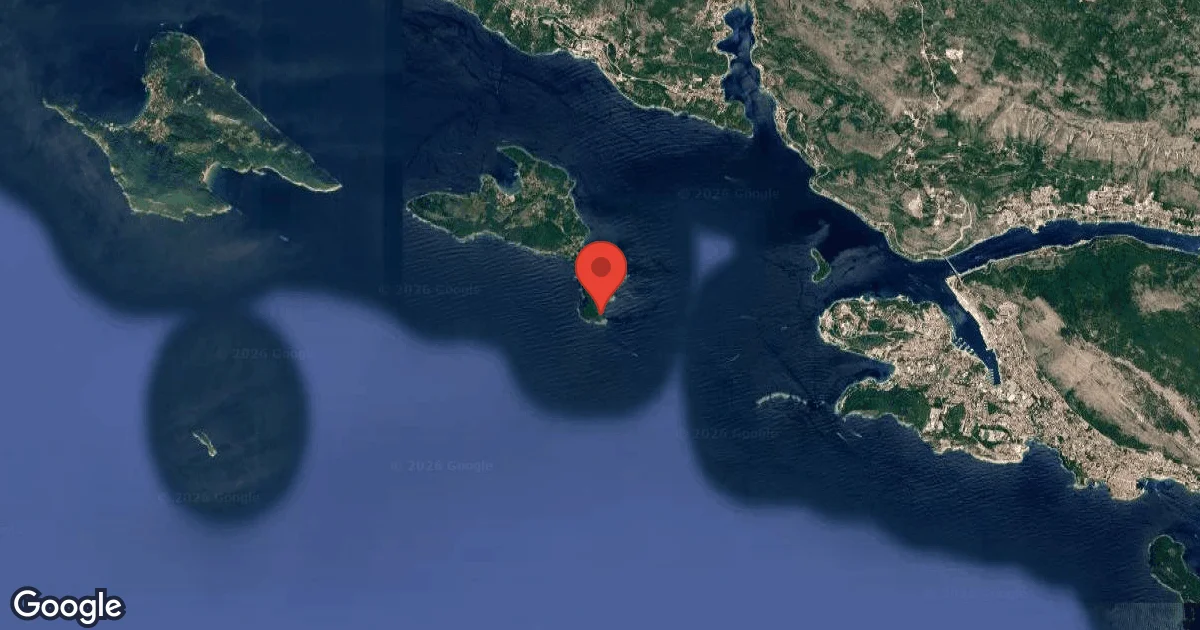
Max 40 m
3 km
Bezdan
CaveLake
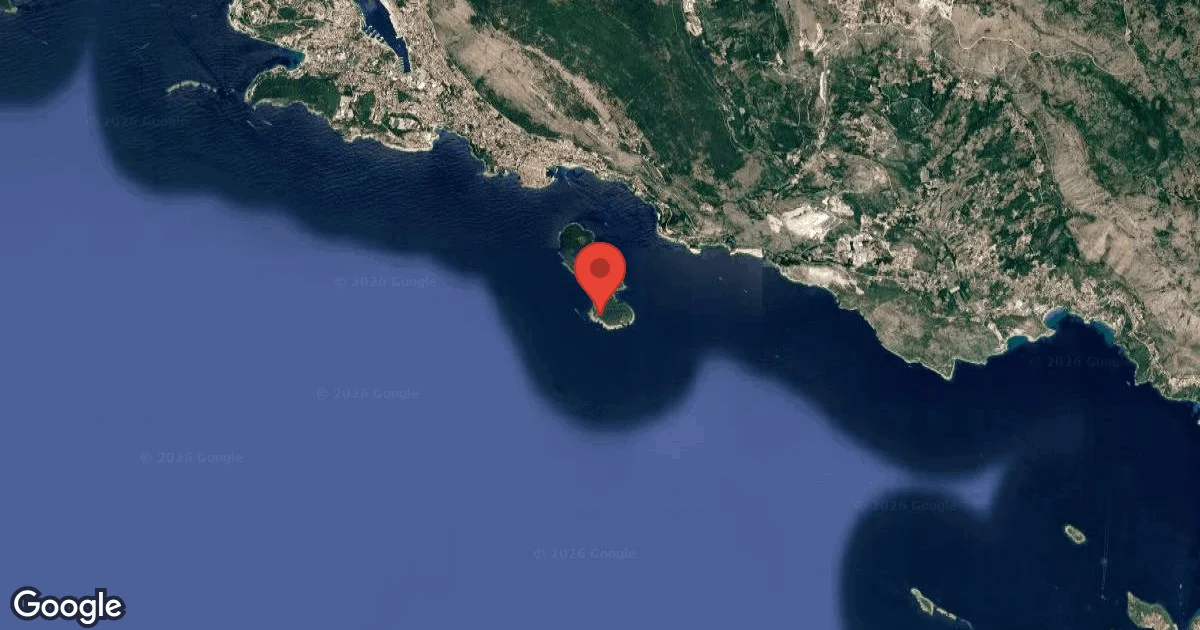
Max 30 m
6.4 km
Lokrum Island and Dead Sea Lake
BoatCavern
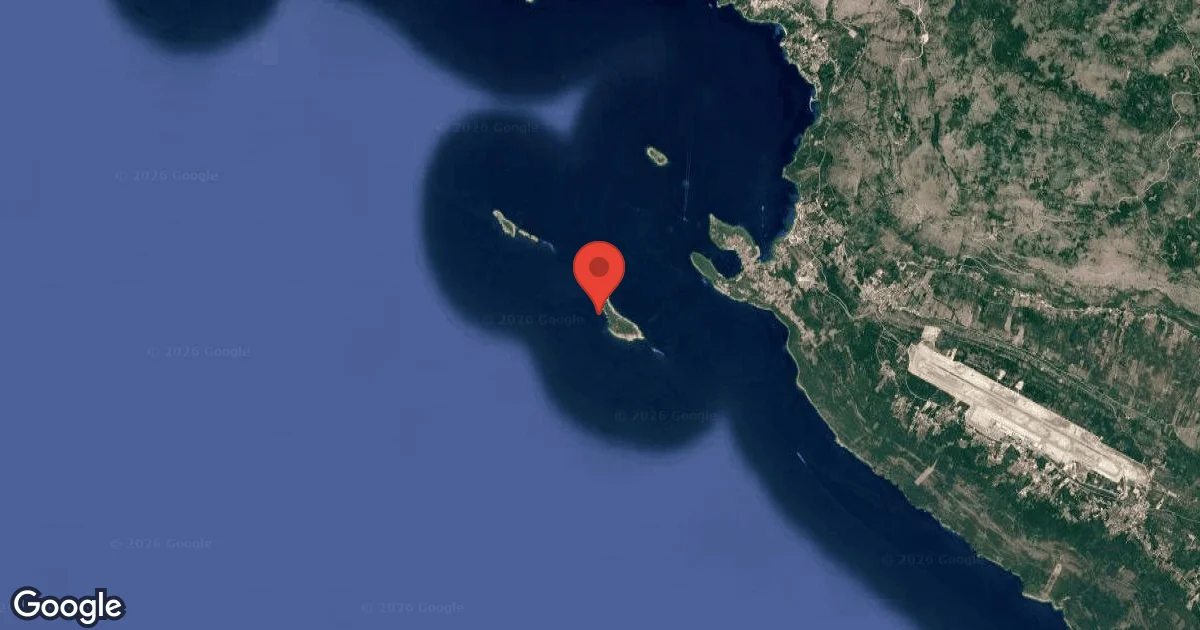
Max 40 m
14.2 km
Mrkan Island
BoatCave
Max 35 m
6 km
Tomislav Wreck
BoatOcean
Max 47 m
0.4 km
Maro's Cave
CaveOcean
Max 50 m
3 km
Jabuka Caves
BoatCave
Max 52 m
0.5 km
SS Taranto
BoatOcean
Max 30 m
3.9 km
Zaton Bay
BoatCavern
Max 40 m
3 km
Bezdan
CaveLake
Max 30 m
6.4 km
Lokrum Island and Dead Sea Lake
BoatCavern
Max 40 m
14.2 km
Mrkan Island
BoatCave
Max 80 m
8.2 km
St. Andrew Islet
BoatCavern
0.4 km
360°Mala Afrika
CaveReef
1 / 2
Dive Centers Near Grebeni Islets
Working Hours
SunClosed
Mon09:00 - 17:00
Tue09:00 - 17:00
Wed09:00 - 17:00
Thu09:00 - 17:00
Fri09:00 - 17:00
Sat09:00 - 17:00
Today: 09:00 - 17:00
SunClosed
Mon09:00 - 17:00
Tue09:00 - 17:00
Wed09:00 - 17:00
Thu09:00 - 17:00
Fri09:00 - 17:00
Sat09:00 - 17:00
4.7| 113 reviews
45.2 kmNearest Airports
Nearest airports to help plan travel to this dive area.
Dubrovnik Ruđer Bošković Airport DBV
20 km
Tivat Airport TIV
62 km
Brač Airport BWK
132 km
💵 Currency: EUR
Search Flights
Check available flights and routes on Expedia, using the nearby airports listed in this section.
Search Flights on ExpediaAffiliate link · Dive Navigator may earn a commission at no extra cost to you.
Frequently Asked Questions
Where are the Grebeni Islets located relative to Dubrovnik?
Grebeni Islets sit roughly 450 m / 1,476 ft west of Cape Petka on Dubrovnik's Lapad peninsula along the eastern edge of the harbor fairway listed by Plovput for Cliffs Grebeni Lighthouse. Dive boats departing western Lapad moor on the leeward side of Greben Islet in 1 to 5 minutes.
Can Open Water certified divers explore Grebeni Islets?
Yes, Open Water divers can explore the calm northeastern boulder slope and the wide sunlit canyon swim-through down to 18 m / 59 ft. Descending the outer wall to 40 m / 131 ft or threading the narrower secondary tunnel and cavern exit requires Advanced Open Water training and steady trim per Croatian National Tourist Board cavern rules.
Can divers swim from the Lapad shore across to Grebeni Islets?
No, shore-swimming across the channel is unsafe and prohibited because the strait between Cape Petka and Grebeni lies inside active VTS maneuvering sector Dubrovnik 1 mapped in the Hydrographic Institute VTS report for cruise liners and ferries. All visits use moored dive boats flying a regulation dive flag.
Are there currents around the Grebeni reef?
While the sheltered inner cove facing Lapad is usually slack, the outer southwestern wall and western point experience the prevailing northwestward Adriatic coastal current of 0.5 to 0.7 knots documented in Geoadria. Currents strengthen during tidal shifts or rising southeasterly winds.
Do divers need technical cave certification for the Grebeni tunnels?
No technical cave certification is needed because both passages are short karst swim-throughs and a daylight-zone cavern with a direct shallow rock window. Divers still carry primary and backup lights, swim single file, and stay within clear sight of natural daylight.
Is Grebeni Islets designated under Natura 2000 code HR3000166?
No, tagging Dubrovnik's Grebeni Islets as HR3000166 is a common directory mix-up between European Union habitat code 1170 Reefs and a separate Mljet marine site listed by the County Nature Protection Institution. Grebeni Islets are protected instead within City of Dubrovnik natural landscape plans.
Trip Inquiry
Planning to dive Grebeni Islets?
Tell us your dates and diving needs. We'll review your request and seek offers from relevant local dive centers.
Request Dive Offers Free request for offers • No booking obligation
Grebeni Islets
Conditions are Poor
3/10
Confidence: 8/10
Indicates meteorological model agreement and data availability.
DIVE WARNING
High Wind Advisory (48km/h). Unsafe surface.
06:12
18:45
H: 10:45
L: 16:20
Air / Sea Temp
13° / 19°
Wave Height
1.9 m
Wind Speed
48 km/h N
Rain Chance
100%
Current conditions near Grebeni Islets show 13° air, 19° sea temperature, 1.9 m waves, and 48 km/h wind. Forecast data is refreshed regularly to ensure accuracy.
Radius: ~12km
Updated: Nov 22, 2026, 17:46 local timeMARINE: OPEN-METEOWEATHER: YR.NO